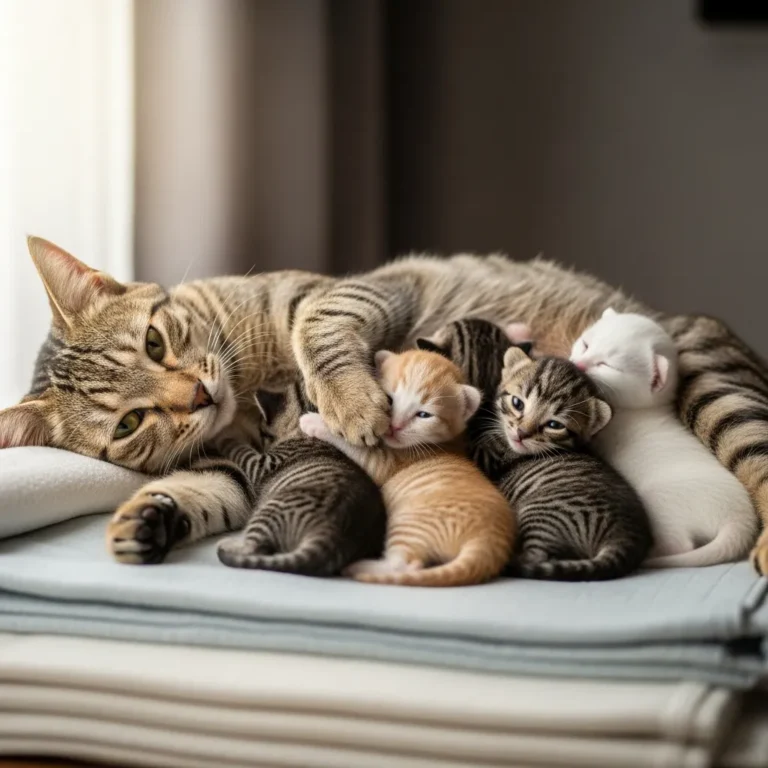
Tiny Cats Doing Big Things: Unleashing the Mighty World of Feline Giants in Small Bodies
Key Takeaways
- Instinctual Behaviors Are Key: Small cats seek enclosed spaces like boxes for safety and high perches for surveillance, which are instinctual behaviors crucial for their well-being and confidence.
- Preparation is Paramount: Setting up a safe, enriching environment with platforms, hideaways, and stimulating toys encourages these natural behaviors and supports their development.
- Personality Trumps Size: A cat’s “bigness” is defined not by physical stature but by its unique character be it bravery, curiosity, or sheer comedic timing which often shines brightest in smaller cats.
- The Moment is Fleeting: The adorable phase of kittenhood is brief. Creating and capturing memories through photos and videos allows you to cherish their “tiny but mighty” journey forever.
- Content Has Great Potential: Documenting a small cat’s adventures taps into a massive, engaged online audience. With good lighting and authentic moments, you can create compelling content others will love.
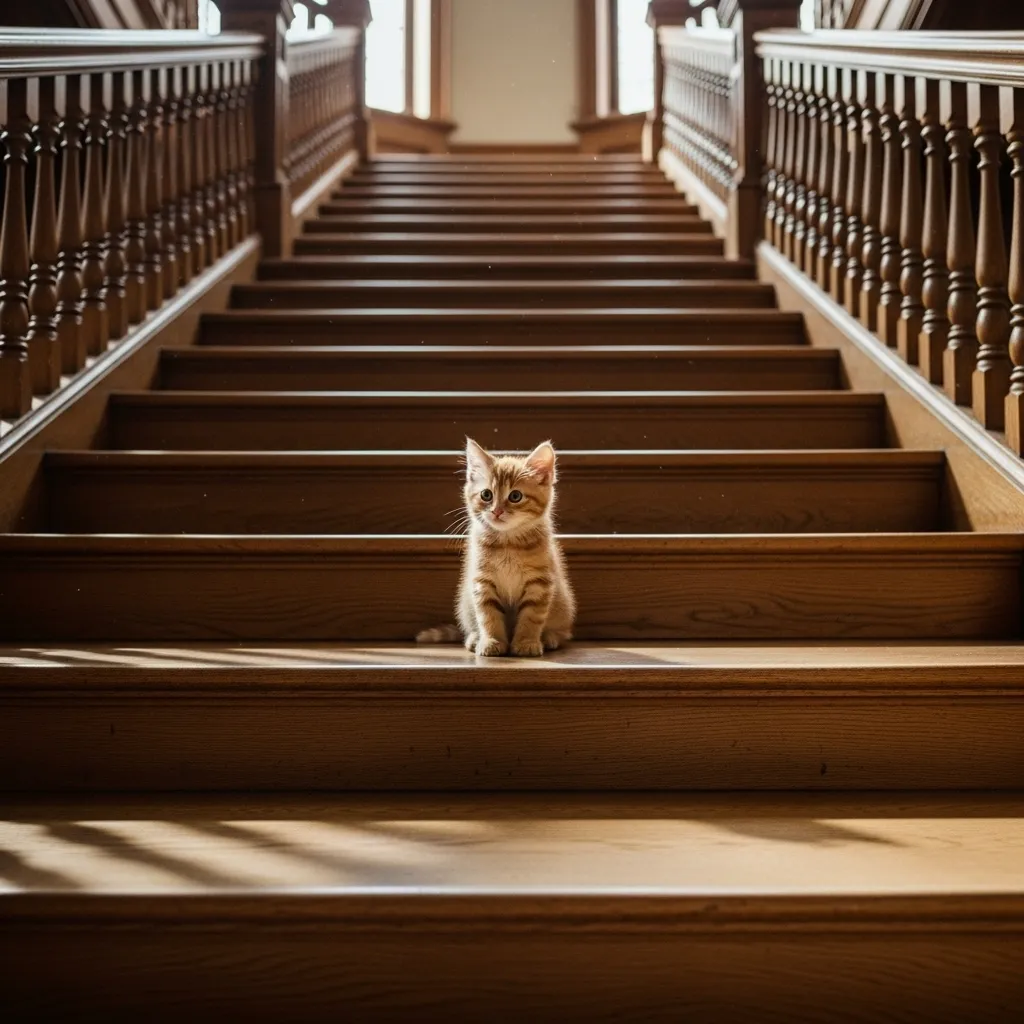
In a sprawling living room, a kitten the size of a teacup sits, a tiny monarch surveying a kingdom of couch mountains and rug plains. This is the enchanting paradox of tiny cats in our human-scale world. While their physical stature is undeniably small, their presence, personality, and the sheer scale of their adventures are anything but. They are proof that the greatest explorers often come in the smallest packages. This article delves into the mighty world of tiny cats, explaining the instincts that drive their big behaviors, how to nurture their adventurous spirit, and why these small creatures leave such a giant paw print on our hearts and the internet.
The Science of “Smol”: Why Tiny Cats Seek Big Spaces
The sight of a minuscule kitten curled in the center of a vast bed or lost in an empty cardboard box isn’t just cute; it’s a window into fundamental feline psychology. These behaviors are driven by deep-seated instincts that ensure survival, comfort, and mental well-being.
The Sanctuary of Small Spaces: To a cat, a cardboard box is more than a toy; it’s a fortress. As explained by feline behavior experts, this appeal is rooted in their dual role as both predator and prey. An enclosed space provides critical cover for hiding, observing the world safely, and launching a surprise pounce. Furthermore, studies have shown that access to such hideaways can actually lower stress hormones in cats, providing a tangible sense of security. This is why a kitten will often choose the safety of a shoebox over the exposed luxury of a plush cat bed.
The Command of High Vantage Points: If boxes are for retreat, then high shelves and cat trees are for command. Cats are naturally drawn to elevated positions because height offers safety and a superior vantage point. From up high, a tiny cat can monitor its entire domain whether that’s for tracking a toy mouse or keeping an eye on the household dog. This instinct stems from their wild ancestors, for whom being above ground level meant safety from predators and a better view of potential prey.
The Need for Personal Territory: Even the most affectionate cat requires a clearly defined personal space. Cats are solitary by nature and need areas they can claim as their own to feel in control and avoid overstimulation. When a tiny cat claims the top of a bookshelf or the corner behind a chair, it is establishing essential territory. Respecting these spaces is key to a cat’s confidence; when they have secure retreats, they are more likely to be sociable and relaxed when they choose to emerge.
Pro Tip for Cat Owners: You can satisfy these instincts by creating a “catified” home. Provide a mix of enclosed hideaways (like covered beds or spare boxes) and vertical territory (sturdy cat trees, wall shelves, or window perches). This gives your small cat the choice to feel safe or sovereign, boosting their confidence immensely.
From Tiny Paws to Big Personalities: The Adventures Begin
A cat’s “bigness” has little to do with the scale of its body and everything to do with the scale of its spirit. Here are the classic archetypes of mighty tiny cats and the grand adventures they embark upon.
The Fearless Explorer: This is the kitten who treats a grocery bag like the entrance to a cave system and a behind-the-couch void like an unconquered frontier. Every day is an expedition, driven by an insatiable curiosity to map the contours of their world. You’ll find them scaling curtains to reach “the summit” or conducting a thorough paw-inspection of every shopping bag that enters the home.
The Master of Comedy: Tiny cats are natural slapstick comedians. Their attempts at “big cat” behaviors often result in hilarious physics-defying moments. Think of the kitten who tries to intimidate its own reflection, puffs up to twice its size, then trips over its tail. Or the one who executes a perfect, silent pounce… onto a completely still sock. These moments of adorable miscalculation are pure comedy gold, reminding us that confidence often outweighs capability.
The Heart-Melting Cuddler: After a long day of giant adventures, even the mightiest explorer transforms. This is when a tiny cat demonstrates its most powerful ability: the capacity to make a human heart feel ten sizes too big. Curling up in the hollow of your neck or falling asleep with a paw draped over your hand, their complete trust and vulnerability is a profound display of “bigness.” It’s a silent, powerful communication of love and safety. For more on the special bonds cats form, explore our guide on cat imprinting signs.
The “Helpful” Assistant: No human task is too complex for a tiny cat to supervise. Whether you’re working on a laptop, reading a book, or folding laundry, a kitten will appoint itself as your indispensable (if somewhat distracting) project manager. They test the structural integrity of paper stacks, ensure your keyboard is warm, and personally inspect every item of clothing. It’s a big job, but someone has to do it.
Capturing the Magic: A Guide to Documenting Your Tiny Cat’s Big World
In 2025, cat content is more popular than ever, and tiny cats doing big things are at the heart of this trend. Documenting these moments isn’t just about creating memories; it’s about sharing joy. Here’s how to capture your tiny feline’s giant personality.
The Essentials of Tiny Cat Videography:
- Lighting is Everything: The number one reason pet videos underperform is poor lighting. Film near a window during the day or use a bright lamp pointed at your cat. Well-lit videos see 40% higher engagement.
- Capture the Action: The best moments are unscripted. Set up your phone on a small tripod or prop it up in areas where your cat plays or naps. Leave extra space in the frame to catch sudden zooms or pounces.
- Keep it Snappy: For platforms like YouTube Shorts, TikTok, or Instagram Reels, shorter videos (30-90 seconds) tend to perform best, often retaining over 70% of their audience.
- Sound Matters: Capture the tiny mews, the dramatic squeaks, and the thunderous purrs. Good audio makes the moment feel real and immersive.
Creative Content Ideas to Try:
- “A Day in the Life”: Chronicle your tiny cat’s adventures from a dawn zoomie to a late-night cuddle.
- Obstacle Course Challenges: Create a simple course with pillows, tunnels, and treats. Watch your mighty mite navigate it.
- “Helping” Hauls: Film your cat’s “assistance” with chores in a fast-paced, funny montage.
- Size Comparison Series: Place your kitten next to a common object (a shoe, a coffee mug, a houseplant) weekly to document their growth.
Expert Insight: The most engaging content captures authentic emotion and behavior. Don’t force a scene. Instead, be patient and let your cat’s natural curiosity and playfulness create the magic. As noted by content strategists, viewers connect deeply with genuine moments.

Creating a World Worthy of a Giant: Enrichment for Tiny Cats
To nurture a big personality, you need to provide a world that encourages exploration and confidence. Here’s how to build an environment where your tiny cat can truly thrive.
Physical Environment Must-Haves:
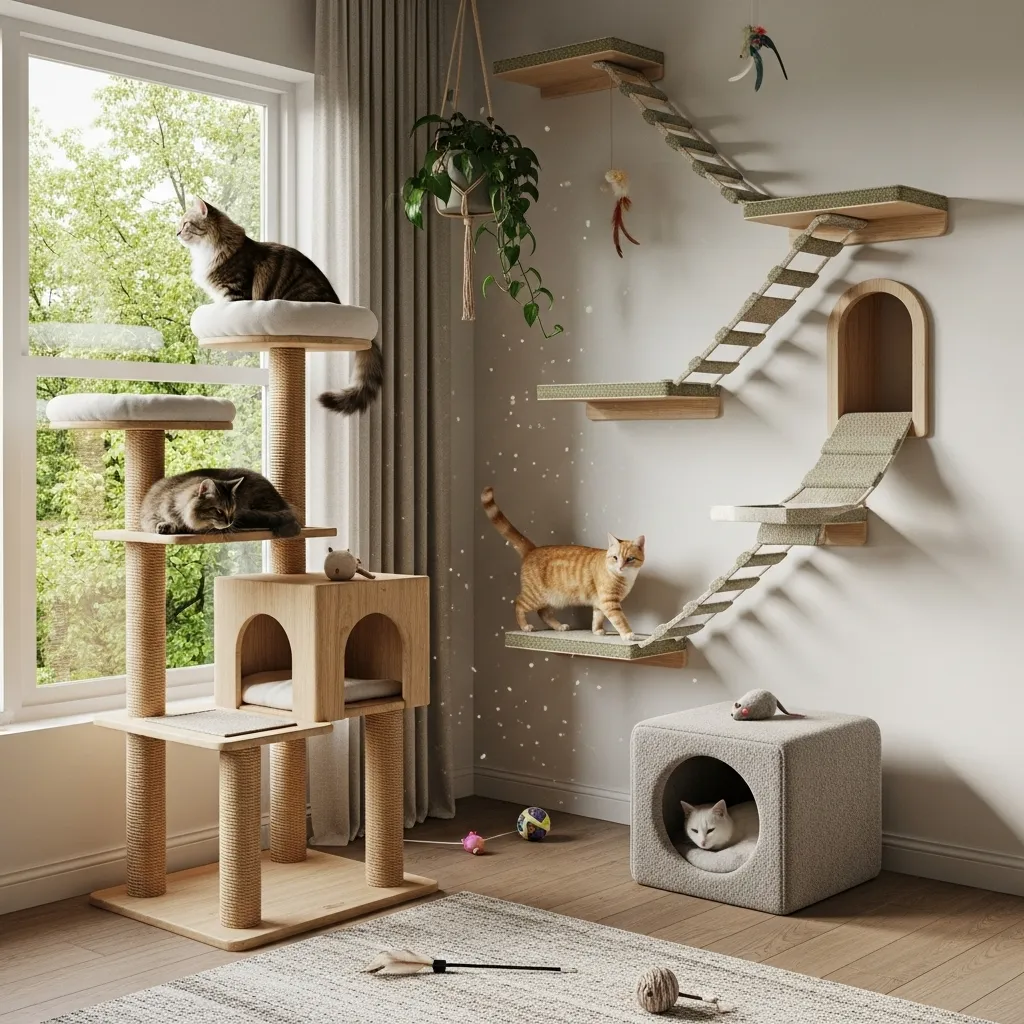
- Vertical Territory: Cat trees, wall shelves, and window perches are non-negotiable. They satisfy the climbing instinct and provide safe retreats.
- Cozy Caves and Hidey-Holes: Provide a variety of enclosed beds, cardboard boxes (leave them around!), and tunnels. These are essential for security and play.
- Scratching Surfaces: Scratching is a big cat behavior for marking territory and stretching. Offer vertical and horizontal scratchers in key locations.
- Interactive Play Zones: Dedicate an area with a rotation of toys: wand toys for hunting simulation, ping-pong balls for chasing, and puzzle feeders to engage their clever minds.
Social and Mental Enrichment:
- Daily Dedicated Play: Use interactive wand toys to mimic prey (birds, insects, mice). Let your tiny cat stalk, chase, and ultimately “catch” the toy to satisfy their predator drive.
- Training with Positivity: Tiny cats are clever! Use clicker training or treats to teach fun tricks like “sit,” “high-five,” or coming when called. This builds a strong bond and mental stimulation. Learn the basics with our guide on how to teach your cat to fetch.
- Safe Outdoor Access: If possible, consider a secure “catio” (cat patio) or harness training for supervised outdoor exploration. The sights, sounds, and smells of the outdoors are the ultimate enrichment.
Frequently Asked Questions
What are the best small cat breeds that stay tiny?
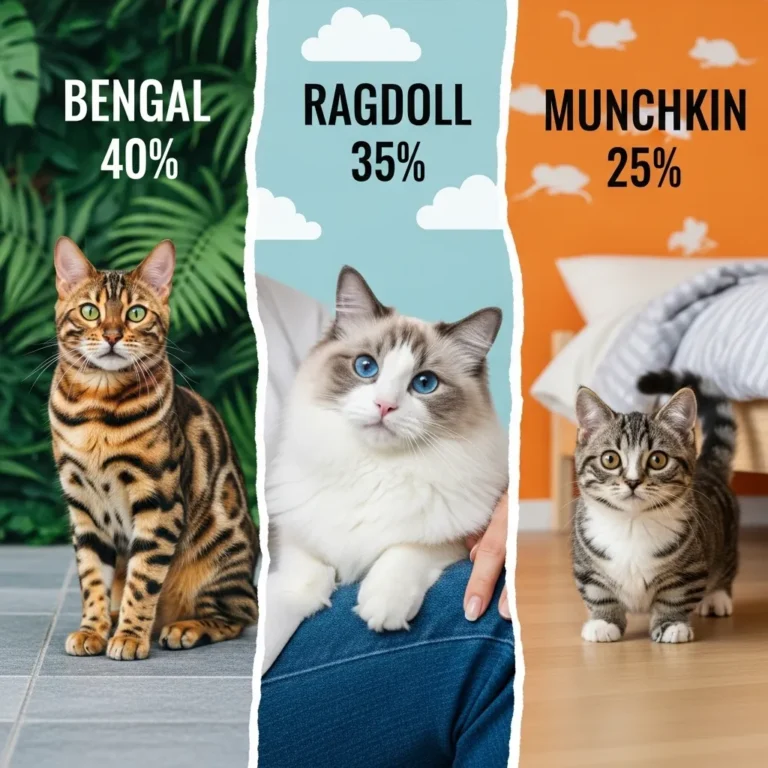
While all kittens are small, some breeds are naturally petite as adults. The Singapura is often considered the world’s smallest domestic cat breed. Munchkin cats have very short legs, giving them a permanently kitten-like stature, though it’s important to be aware of breed-specific health considerations. Devon Rex and Cornish Rex cats are also on the smaller, lighter side with incredibly playful, big personalities.
Why does my tiny kitten sleep so much?
Sleeping a lot is perfectly normal for kittens and cats of all sizes. Kittens can sleep 18-20 hours a day as their bodies and brains are undergoing massive growth and development. All that exploring and growing is exhausting work! As long as your kitten is energetic, eating well, and playful when awake, this deep sleep is a sign of healthy development. For more on feline sleep patterns, read why cats sleep so much.
Is it safe for my tiny cat to jump from high furniture?
It’s important to be cautious. While cats are agile, very young kittens are still developing coordination and bone strength. A jump that would be fine for an adult cat could injure a tiny kitten. Provide gradual access to heights via cat trees or stepping-stool shelves, and consider blocking access to extremely high bookcases or refrigerators until they’re older and more robust.
How can I tell if my small cat is a healthy weight?
For any cat, a visual and hands-on check is best. You should be able to feel their ribs easily with a slight fat covering (like the back of your hand). From above, you should see a defined waist behind the ribs. For tiny cats and specific breeds, your veterinarian is the best resource to determine an ideal weight range. If you’re concerned about weight gain, our article on why your cat is gaining weight offers helpful insights.
My tiny cat seems scared and hides all the time. What should I do?
First, ensure they have a safe, permanent hiding spot (like a covered bed in a quiet room) where they won’t be disturbed. Forcing them out will increase fear. Use food, soft talking, and play (wiggling a toy near, but not in, the hideaway) to build positive associations. Move at their pace. If hiding is constant and accompanied by not eating or using the litter box, a veterinary check is essential to rule out illness. For more on this behavior, see our guide on cat scared and hiding.
The journey of a tiny cat is a masterclass in living large. They teach us that courage isn’t the absence of fear but the curiosity to explore despite it, that comedy is found in earnest effort, and that the smallest being can command the greatest love. By understanding their instincts, celebrating their larger-than-life personalities, and providing a world that lets them be both mighty and safe, we don’t just care for a pet we foster a legend in a small, furry body.
Their tiny paws leave big prints on our lives, reminding us that the most significant things often come in wonderfully small packages.
Ready to welcome a mighty little soul into your home? Explore our comprehensive cat adoption guide to start your journey, or dive deeper into understanding feline behavior with our other expert resources on Cat Bloom Haven.