When to Change Bedding After Cat Gives Birth: A Complete Postpartum Care Guide
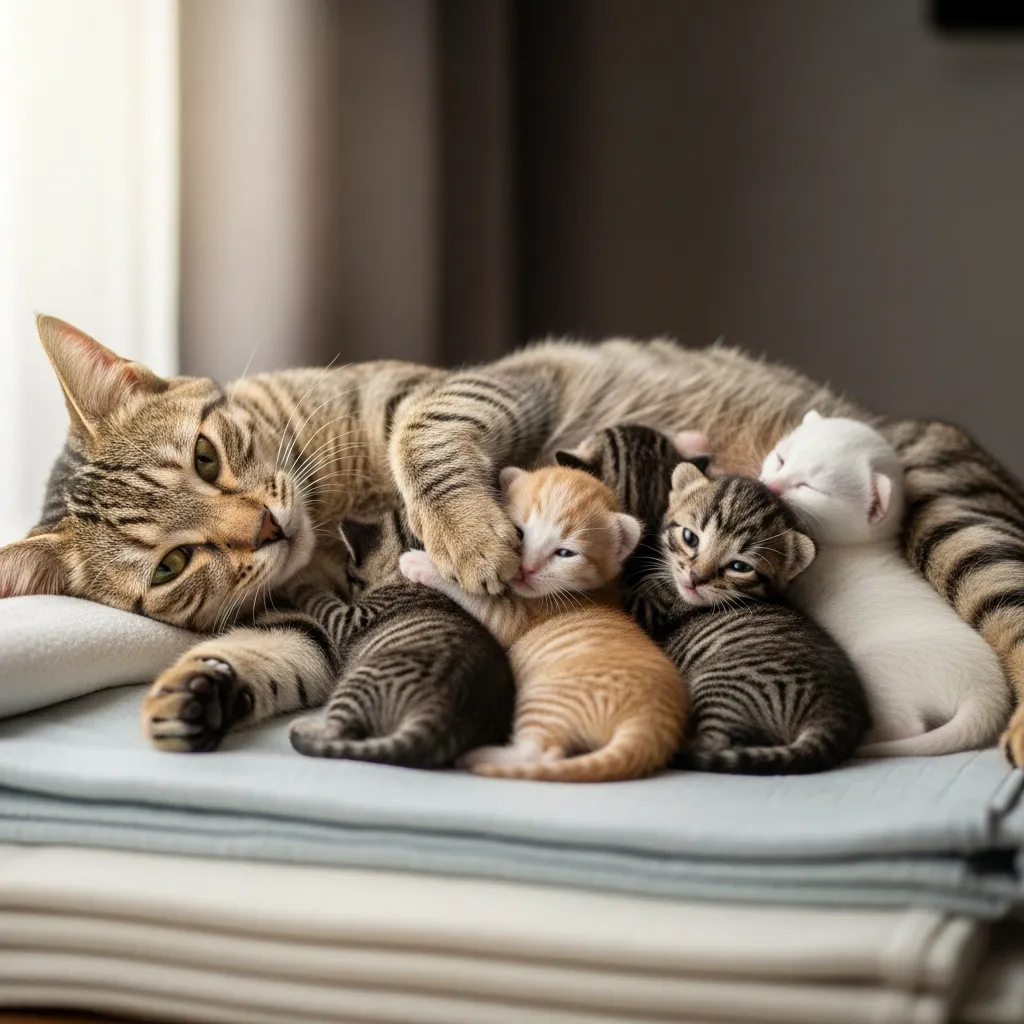
Your cat just delivered a litter, and now the nesting box looks like a crime scene mixed with a milk bar. Blood, amniotic fluid, wet fur, and tiny kitten poops everywhere. You want to rush in with fresh towels, but every experienced cat person will tell you the same thing: wait. Disturb a new mother too soon and you risk postpartum stress, rejected kittens, or even aggression.
So when exactly is it safe (and necessary) to change the bedding after kitten birth? The short answer: not for the first 24–48 hours unless it’s dangerously soaked or soiled. After that, smart, gradual changes keep everyone healthy without upsetting the new family.
In this guide, we’ll walk through the exact timeline, safest techniques, best materials, and red-flag signs that demand immediate action. Everything here comes from years of fostering queens, working with veterinarians, and learning the hard way what actually works in real homes.
Key Takeaways (Read This First)
- Do NOT fully strip and replace bedding in the first 24–48 hours unless life-threatening soiling exists.
- First safe change: usually day 2–3, done in stages while mom is calm or eating.
- Ideal frequency after the first change: every 1–3 days, depending on soiling and litter size.
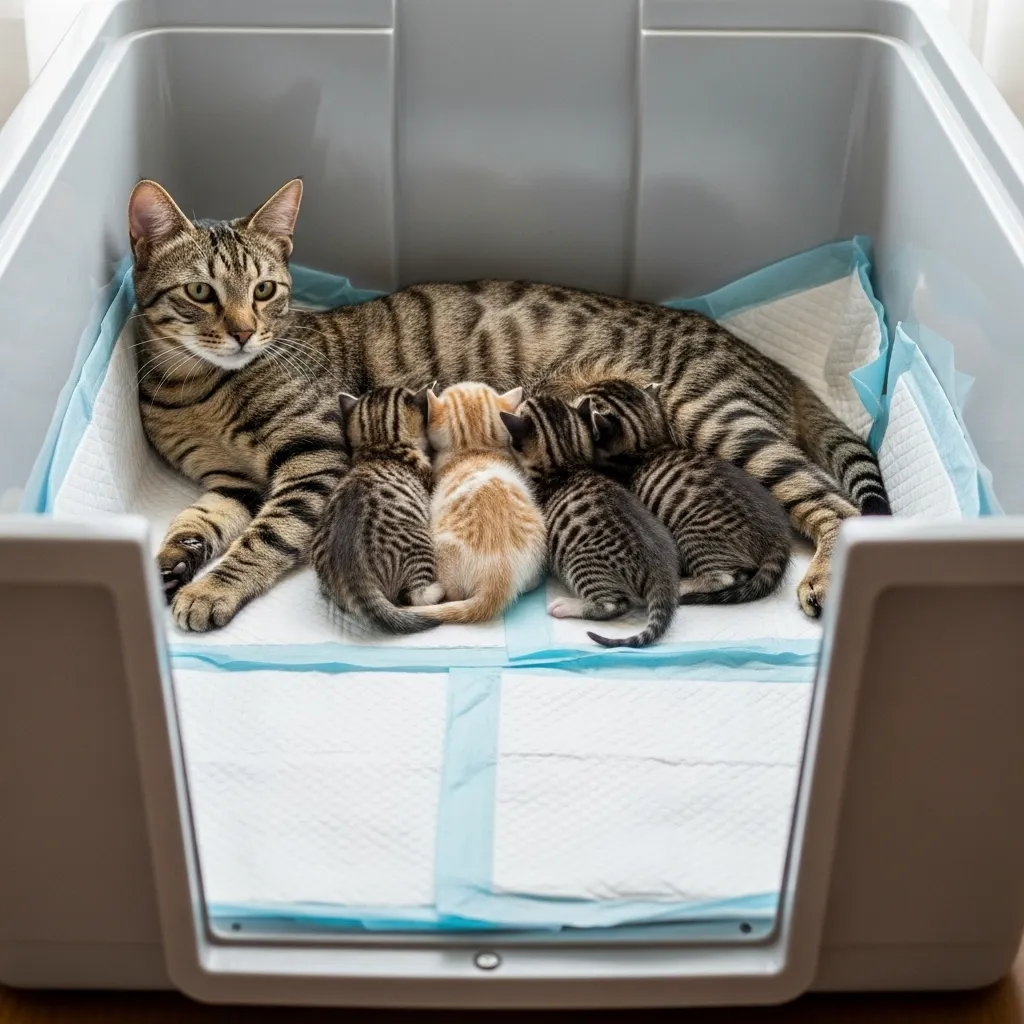
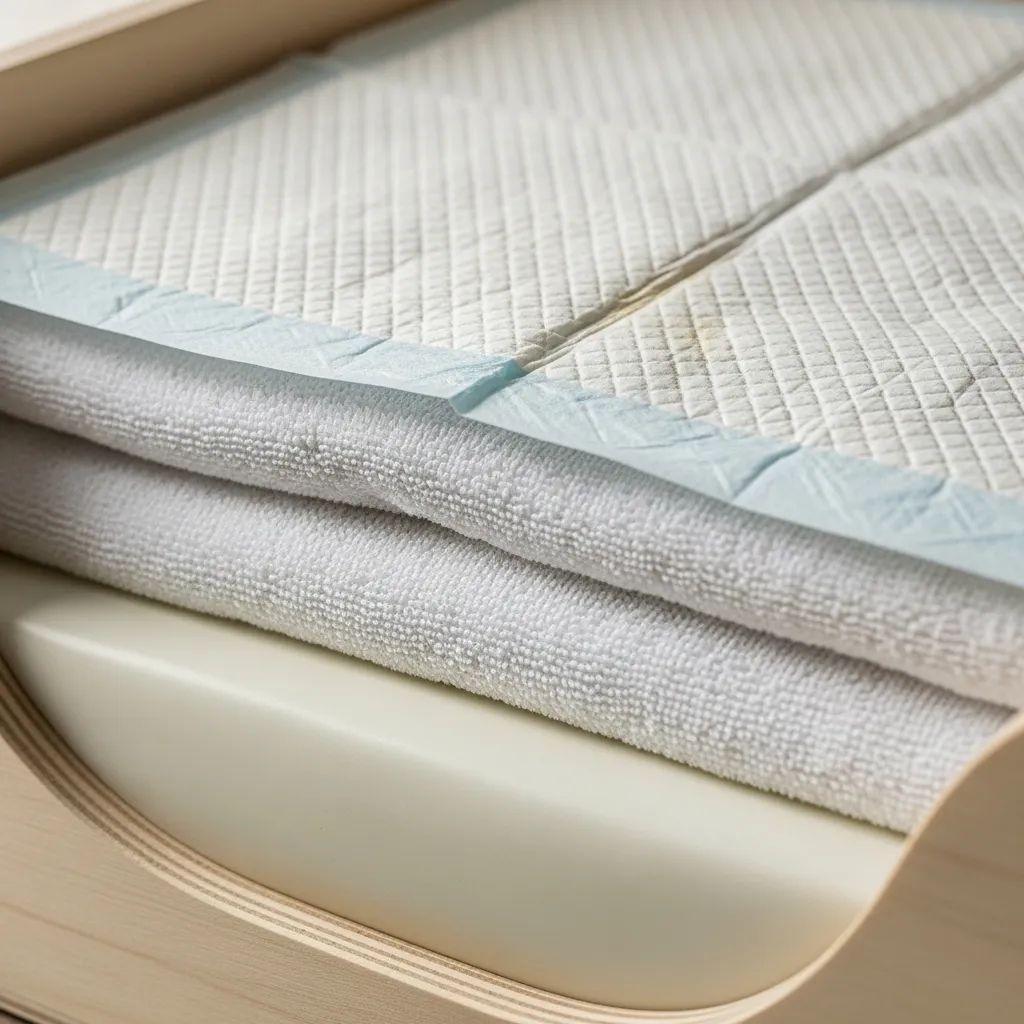
- Use disposable puppy pads layered over towels so you can peel off only the top dirty layer.
- Watch for dark red/black discharge after day 3, foul odor, or lethargic mom call your vet immediately.
Why Post-Birth Cleanliness Matters More Than You Think
A queen’s uterus is an open wound after delivery. Any bacteria introduced in the first week can lead to metritis, mastitis, or septicemia fast. Newborn kittens have basically zero immune system for the first few days; their only protection is mom’s colostrum and a clean environment.
Dirty postpartum cat bedding becomes a perfect breeding ground for E. coli, staph, and streptococcus the three most common culprits behind fading kitten syndrome. Clean bedding isn’t just about comfort. It’s literally life-saving infection prevention.
The First 48 Hours: Hands-Off (Mostly)
Day 0–1 (the day of birth and the next):
Leave the birthing blankets exactly as they optimizes are. Mom will spend most of her time licking kittens and herself. The scent on the bedding actually helps her recognize her babies and stimulates milk let-down.
Only intervene if:
- The entire nest is soaked with urine or amniotic fluid and kittens are getting cold (feel their ears cold = emergency).
- You see green/black discharge pooling (retained placenta vet now).
- Mom is actively trying to move kittens because the area is too dirty.
Emergency fix for soaked bedding in the first 24 hours: slide clean towels or puppy pads underneath the existing ones without lifting mom or kittens. Think of it like changing sheets with someone still in the bed.
When to Do the First Proper Bedding Change
Most queens accept a calm, staged bedding change around day 2 or 3. Watch mother cat behavior closely:
- She’s eating normally
- She leaves the nest briefly to use the litter box or eat
- She isn’t growling when you approach
That’s your window.
Pro technique that never fails:
- Set up an identical secondary nest right next to the original (same bedding type, warmed with a heating pad on low, turned off once kittens are on it).
- Move mom and kittens together to the clean box (use a towel as a sling if needed).
- Quickly strip and replace the old box.
- Move everyone back once the new bedding is warm.
This takes under five minutes and almost never causes stress.
How Often to Change Cat Bedding After the First Week
| Litter Size | Change Frequency | Notes |
|---|---|---|
| 1–3 kittens | Every 3–4 days | Less mess, mom keeps things cleaner |
| 4–6 kittens | Every 2 days | Standard for most litters |
| 7+ kittens | Daily or twice daily | High-output milk machines = lots of wet spots |
Spot-clean daily regardless: remove obvious poop or soaked sections with scissors if using layered puppy pads.
Best Materials for Safe Postpartum Cat Bedding
Skip anything fluffy, loopy, or stringy kittens can get tangled or ingest threads.
Top choices:
- Veterinary bedding (VetBed) washes at high temps, dries fast, non-slip
- Disposable puppy training pads (best invention ever)
- Old bath towels (dark colors hide stains, easy to bleach)
- Fleece blankets (only if mom doesn’t chew them)
- Unscented, unprinted newspaper topped with fleece (budget option)
Never use:
- Hay/straw (mold risk)
- Cedar or pine shavings (respiratory irritant)
- Human blankets with long threads
- Towels with fabric softener residue
For more on choosing the perfect bed once kittens are older, see our guide to the best beds for American Shorthair cats (works for any breed).
Signs Bedding Needs Changing Immediately
Trust your nose and eyes. Act fast if you notice:
- Strong ammonia smell (urine-soaked)
- Sweet-sickly or rotting odor (possible infection)
- Dark red or black discharge after day 4
- Maggots or flies (yes, it happens in summer)
- Kittens crying constantly and crawling away from mom (usually means they’re cold from wet bedding)
- Mom repeatedly trying to move kittens to cleaner spots
How to Handle Kittens Safely When Cleaning Bedding
Rule number one: never separate mom from babies for more than 60–90 seconds. Queens can panic and injure kittens trying to “rescue” them.
Safe method:
- Warm your hands first (cold hands startle)
- Support head and body fully scoop, don’t grab
- Place all kittens in a small laundry basket lined with a warm towel if you need both hands free
- Work quickly and quietly
Preventing Infections in Mother Cat Through Smart Hygiene
Beyond bedding, keep these postpartum cat care routine habits:
- Trim mom’s rear-end fur if it’s long and getting soiled
- Offer shallow water bowl inside or right next to nest dehydration is common
- Feed kitten-specific or high-calorie food 3–4 times daily
- Gentle butt baths with warm water and fragrance-free wipes only if heavily soiled
Is It Safe for My Cat to Lie on Me After Giving Birth?
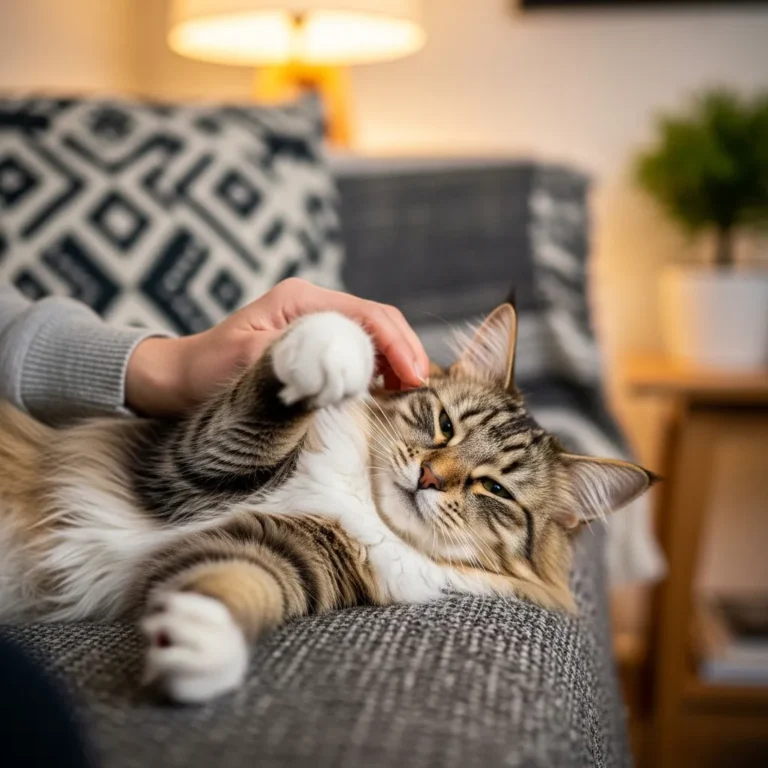
Yes with boundaries. Most queens seek comfort from their trusted human in the first week. Let her settle on your lap or beside you, but don’t force it. If she wants to bring a kitten with her, that’s fine too. Just make sure your clothes are clean and avoid strong perfumes.
Natural Nesting Area Setup for First-Time Cat Owners
If your cat rejected the fancy birthing box and chose your closet instead:
- Layer the area exactly like you would a box
- Block bright light and drafts
- Place a disposable shower curtain or tarp under everything (saves floors)
- Add a cardboard box on its side so she feels enclosed
Many first-time moms feel safer in tight, dark spaces. Work with her instincts, not against them.
FAQ: Your Top Postpartum Bedding Questions Answered
When should I change the bedding after my cat gives birth?
Not fully for the first 24–48 hours. First safe change is usually day 2–3 using the two-box swap method.
How often should I change cat bedding after labor?
Every 1–3 days depending on litter size and soiling. Spot-clean daily.
What are the best materials for cat nesting area after birth?
Layered system: waterproof mattress protector → towel → disposable puppy pads on top.
What signs show bedding needs changing immediately?
Foul odor, dark discharge after day 4, constant kitten crying, maggots, or mom trying to relocate babies.
Is it safe to handle kittens when cleaning the nest?
Yes, but only for seconds, with warm hands, and never separate mom from sight of her babies.
How do I avoid disturbing mother cat after birth?
Work in stages, keep noise low, offer food as distraction, and always have a second warmed nest ready.
Final Thoughts
Getting the postpartum bedding routine right is one of the biggest factors in whether a litter thrives or struggles. Wait when you’re tempted to clean too soon, act decisively when real problems appear, and trust the layered system it honestly makes the first four weeks so much easier.
Your new mom and her babies deserve the safest, cleanest start possible. You’ve got this.
Explore more expert cat care and behavior guides on Cat Bloom Haven from newborn kitten care to raising confident, healthy cats.