Why Does My Cat Tap Me When I Walk Past? Decoding Feline Communication
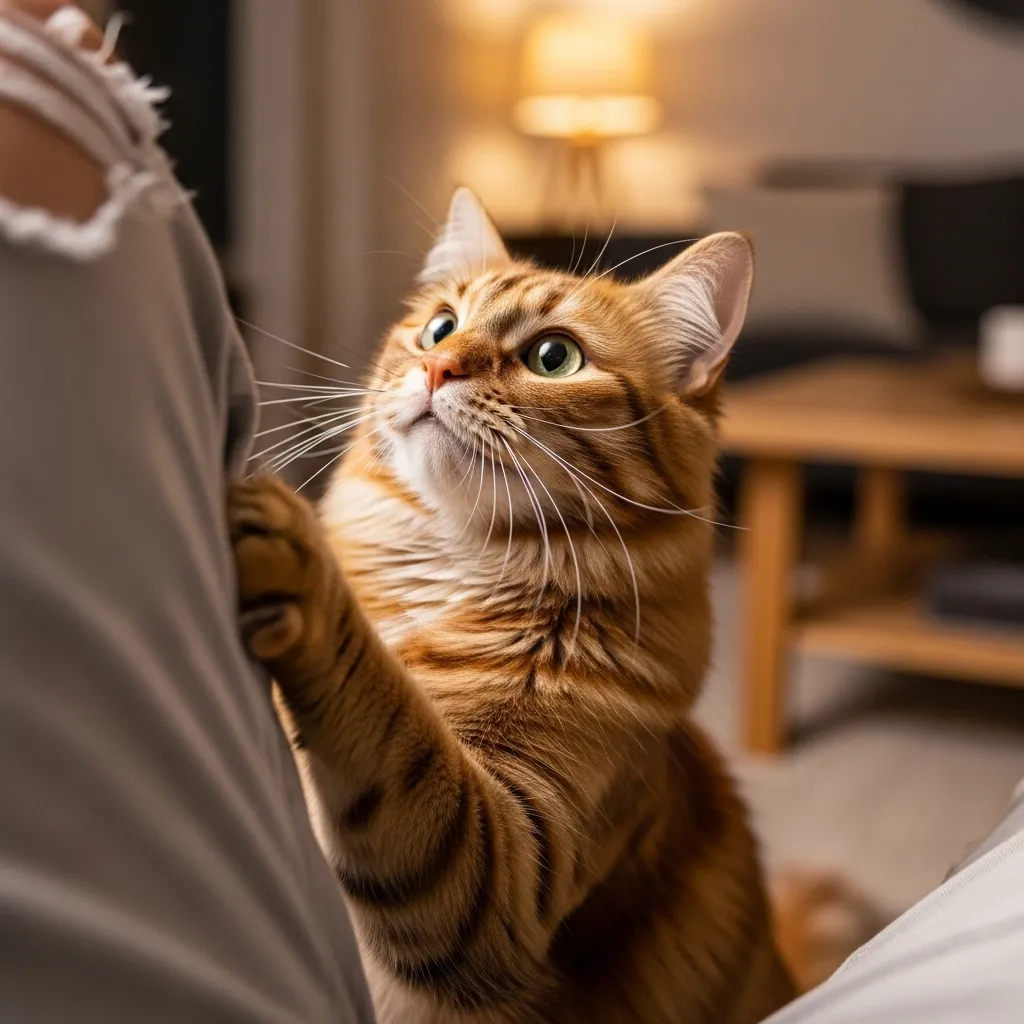
Ever wonder why your cat taps you with their paw as you stroll by? That gentle tap, sometimes paired with a curious glance or a soft purr, can leave you puzzled. Is it a sign of affection, a playful nudge, or something else entirely?
At Cat Bloom Haven, we’re diving deep into the fascinating world of feline communication to uncover the meaning behind your cat’s tapping behavior. In this comprehensive guide, you’ll learn why cats tap their owners, what these gestures mean, and how to respond to strengthen your bond. From decoding cat body language to exploring the science of feline behavior, we’ve got you covered with expert insights and practical tips.
Key Takeaways: What Your Cat’s Tap Really Means
- Cat tapping is a form of communication: It’s often a way for your cat to say “I see you,” seek attention, or express affection.
- Context matters: The meaning of a tap depends on your cat’s body language, environment, and mood.
- Tapping vs. swatting: Gentle taps are usually playful or affectionate, while swats with claws may signal overstimulation or territorial behavior.
- Strengthen your bond: Responding appropriately to your cat’s taps can deepen your emotional connection.
- Watch for changes: Sudden increases in tapping could indicate stress, health issues, or a need for more engagement.
Explore our detailed guide on cat behavior explained for more insights into understanding your feline friend.
Understanding Cat Tapping Behavior: Why Do They Do It?
Cats are masters of subtle communication, using their paws, tails, and even whiskers to convey messages. When your cat taps you as you walk past, they’re likely trying to tell you something. But what? Let’s break down the most common reasons behind this quirky behavior, backed by feline psychology and expert observations.
1. Seeking Attention: “Hey, Notice Me!”
Cats often tap their owners to grab attention. If you’re walking past, your cat might see it as the perfect moment to say, “Don’t ignore me!” This is especially common in cats who crave interaction or feel you’ve been too busy to give them the attention they deserve.
- Signs it’s attention-seeking: Your cat taps lightly, follows you, or pairs the tap with a meow or head-butt.
- Example: Sarah, a cat owner from Seattle, noticed her Siamese, Luna, would tap her leg every time she walked by the couch. “It’s like Luna was saying, ‘Stop working and pet me!’” Sarah shared. Sure enough, a quick play session satisfied Luna’s need for engagement.

Tip: Respond with a short petting session or a toy toss to acknowledge your cat’s request. Learn more in our guide on keeping Siamese cats entertained.
2. Expressing Affection: A Feline Love Tap
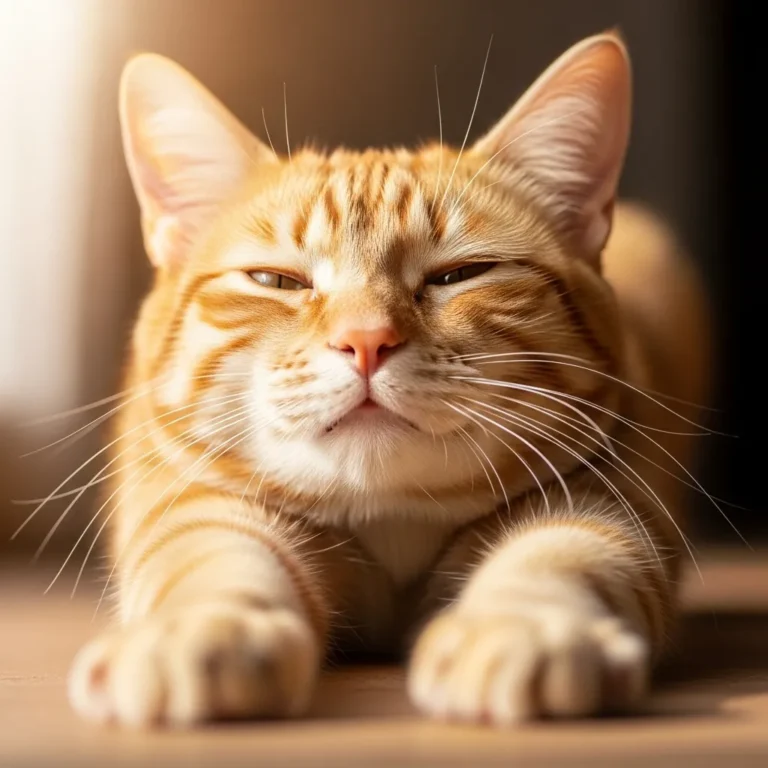
Cats use gentle touches to show affection, much like humans might pat a loved one’s shoulder. A soft tap with a relaxed paw is often your cat’s way of saying, “I like you!” or reinforcing your bond.
- Signs of affection: Relaxed body posture, purring, or slow blinking alongside the tap.
- Breed-specific tendencies: Breeds like Ragdolls and Maine Coons, known for their affectionate nature, are more likely to use taps as love gestures. Check out our Ragdoll cat care guide for more breed-specific tips.
Tip: Reciprocate with gentle pets or a calm voice to reinforce this positive interaction. Avoid sudden movements that might startle your cat.
3. Marking Territory: “You’re Part of My World”
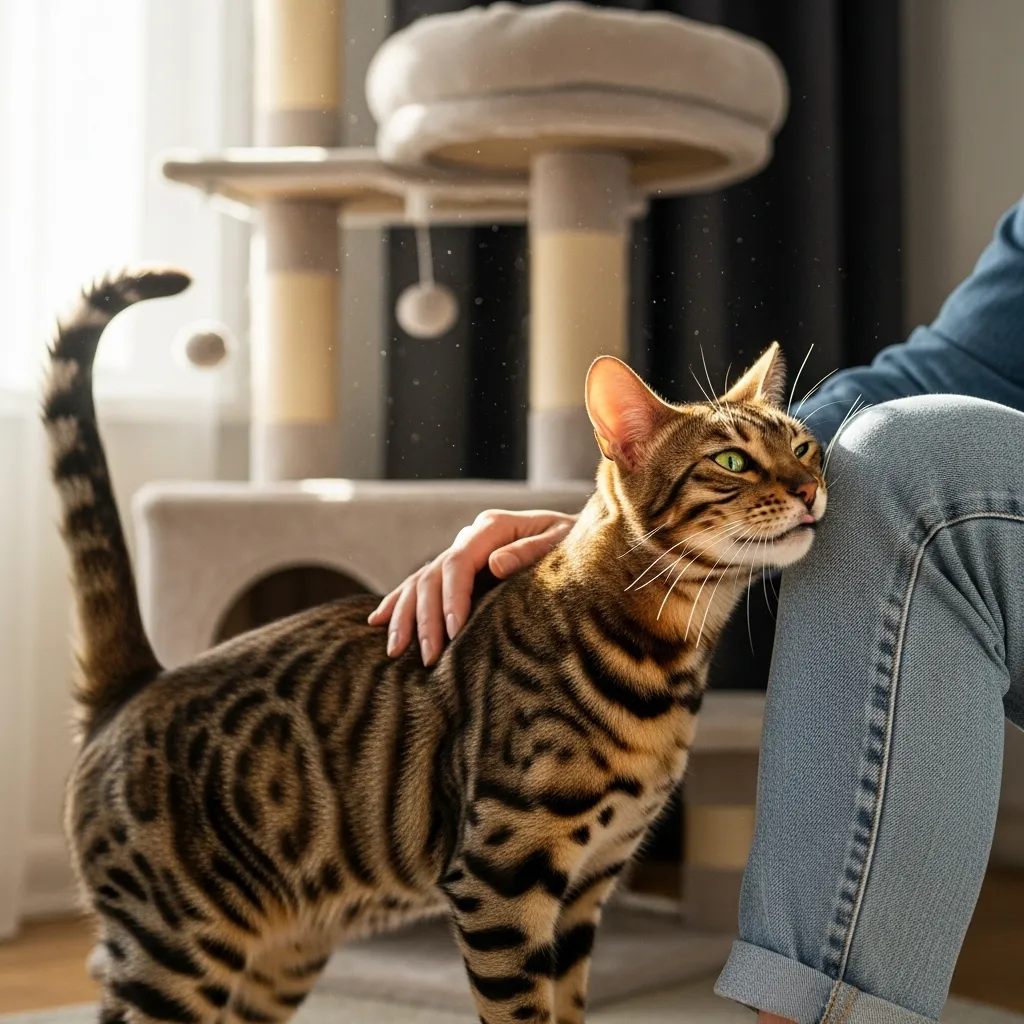
Cats are territorial creatures, and a tap can be a subtle way to mark you as part of their domain. Their paws contain scent glands, and a tap transfers their scent, claiming you as “theirs.”
- Signs of territorial tapping: Your cat rubs their face or body on you after tapping, or they tap objects you frequently touch.
- Science behind it: According to feline behaviorist Dr. Jane Miller, scent-marking through touch is a natural instinct, especially in multi-cat households or new environments.
Tip: If your cat’s tapping feels territorial, ensure they have enough space and resources (like litter boxes and scratching posts) to feel secure. Discover more in our cat territory behavior guide.
4. Playful Invitation: “Let’s Have Fun!”
Cats often use taps to initiate play. If your cat taps you and then darts away or adopts a playful stance, they’re likely inviting you to engage in a game.
- Signs of playfulness: Dilated pupils, a wagging tail, or a pounce-ready posture.
- Example: A Reddit user shared that their Munchkin cat, Gizmo, taps them while zooming around the house. “It’s like he’s challenging me to chase him!” they wrote. This aligns with the playful nature of Munchkins, as noted in our Munchkin cat playfulness guide.
Tip: Keep interactive toys like feather wands or laser pointers handy to channel this energy. Explore our cat training behavior guide for playtime ideas.
5. Curiosity or Exploration: “What Are You Up To?”
Cats are naturally curious, and a tap might be their way of investigating your movement or checking in on you. This is common when you’re doing something intriguing, like carrying a bag or wearing new shoes.
- Signs of curiosity: Your cat sniffs you after tapping or follows you closely to observe.
- Vet insight: Dr. Emily Carter, a feline veterinarian, notes that cats use their paws to explore textures and movements, especially in unfamiliar situations.
Tip: Let your cat inspect (safely) to satisfy their curiosity, but redirect their attention if the tapping becomes excessive.
Cat Tapping vs. Swatting: What’s the Difference?
Not all taps are created equal. While a gentle tap is usually harmless, a swat with claws extended might signal something else. Here’s how to tell them apart:
| Behavior | Tapping | Swatting |
|---|---|---|
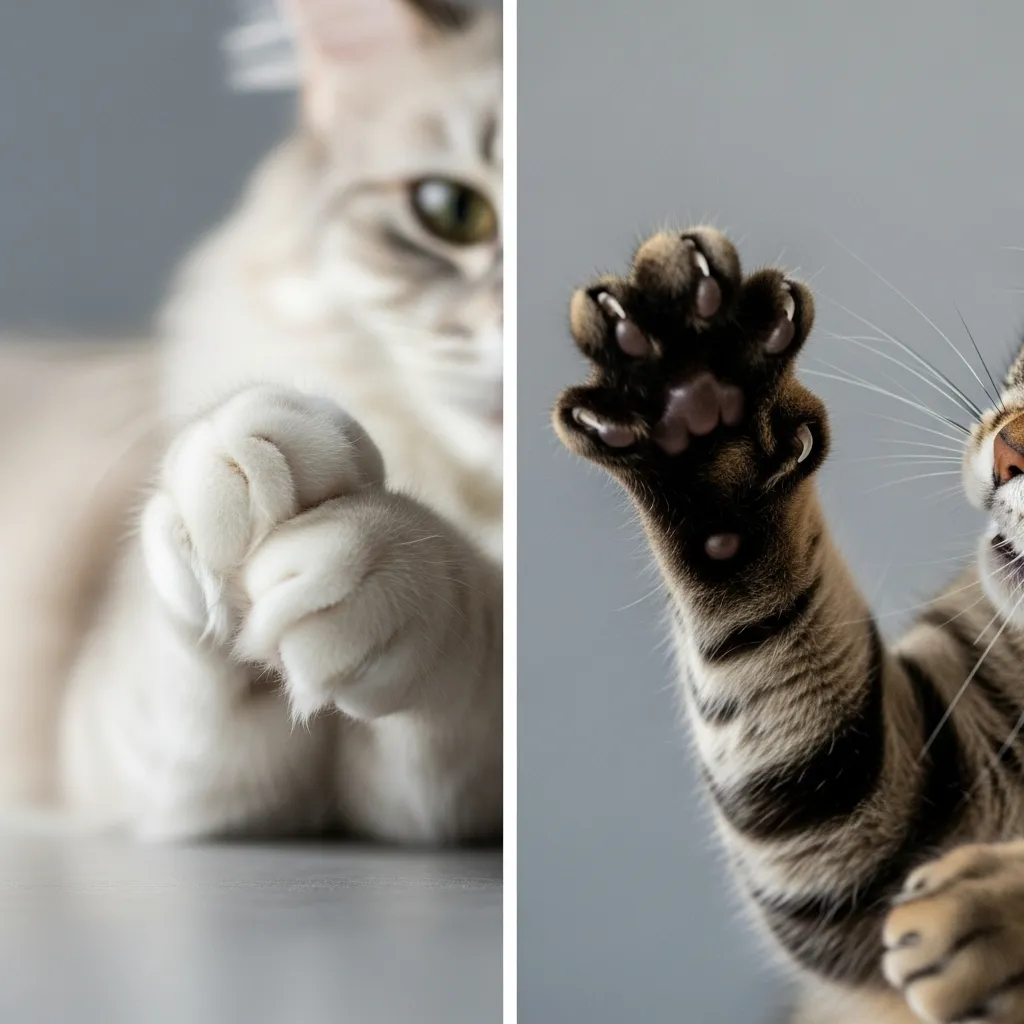
| Paw Position | Soft, relaxed paw, claws retracted | Tense paw, claws often extended |
| Body Language | Relaxed, purring, or playful | Ears back, tail twitching, or hissing |
| Intent | Affection, attention, or play | Overstimulation, irritation, or defense |
| Response | Engage with pets or play | Give space, check for stressors |
If your cat’s taps turn into swats, it might indicate overstimulation or discomfort. Our guide on calming an angry cat offers tips to manage this behavior.
The Science Behind Cat Tapping: Feline Communication Signals
Cats rely heavily on body language to communicate, and their paws are a key tool. According to a 2023 study in Feline Behavior Journal, cats use touch to convey a range of emotions, from affection to dominance. Here’s what the science tells us about cat tapping behavior:
- Paw sensitivity: A cat’s paws are packed with nerve endings, making them highly sensitive to touch and texture. Tapping allows cats to gather information about their environment or you.
- Scent glands: The pads of a cat’s paws release pheromones, which they use to mark territory or bond with their owners.
- Social bonding: Tapping mimics grooming behaviors seen in cat colonies, where touch reinforces social hierarchies and affection.
For a deeper dive, check out our cat body language guide to understand other feline signals.
How to Respond to Your Cat’s Tapping: Building a Stronger Bond
Responding appropriately to your cat’s taps can enhance your relationship and encourage positive behavior. Here’s how to handle different scenarios:
If It’s Affectionate Tapping
- Do: Offer gentle pets, speak softly, or engage in slow blinking to mirror their affection.
- Don’t: Ignore the tap or push your cat away, as this might discourage their trust.
If It’s Attention-Seeking
- Do: Dedicate a few minutes to play or cuddle. Use toys like those recommended in our Munchkin cat playfulness guide.
- Don’t: Reinforce excessive tapping by giving in every time; set boundaries with consistent routines.
If It’s Playful
- Do: Engage with interactive toys or a quick chase game to satisfy their energy.
- Don’t: Use your hands as toys, as this can encourage biting or scratching.
If It’s Territorial or Aggressive
- Do: Identify stressors (new pets, changes in routine) and provide a safe space. Our cat stress signs guide can help.
- Don’t: Punish your cat, as this can increase anxiety and worsen behavior.
Pro Tip: Keep a consistent schedule for feeding, play, and quiet time to reduce attention-seeking or territorial tapping. Learn more in our cat-human relationship tips.

When to Be Concerned: Is Your Cat’s Tapping Normal?
While most tapping is harmless, sudden changes in behavior could signal underlying issues. Watch for these red flags:
- Increased frequency or intensity: Excessive tapping might indicate stress, boredom, or health problems like pain or neurological issues.
- Accompanied by other symptoms: Tapping paired with vocalizing, hiding, or changes in appetite warrants a vet visit. See our cat health care guide for more.
- Aggressive swatting: If taps turn into scratches or bites, it could signal overstimulation or discomfort.
Vet Advice: Dr. Sarah Thompson, a feline specialist, recommends monitoring your cat’s behavior for 48 hours. “If the tapping becomes obsessive or aggressive, consult a vet to rule out medical causes like arthritis or skin irritation,” she advises.
Cat Tapping in Pop Culture: The TikTok Trend
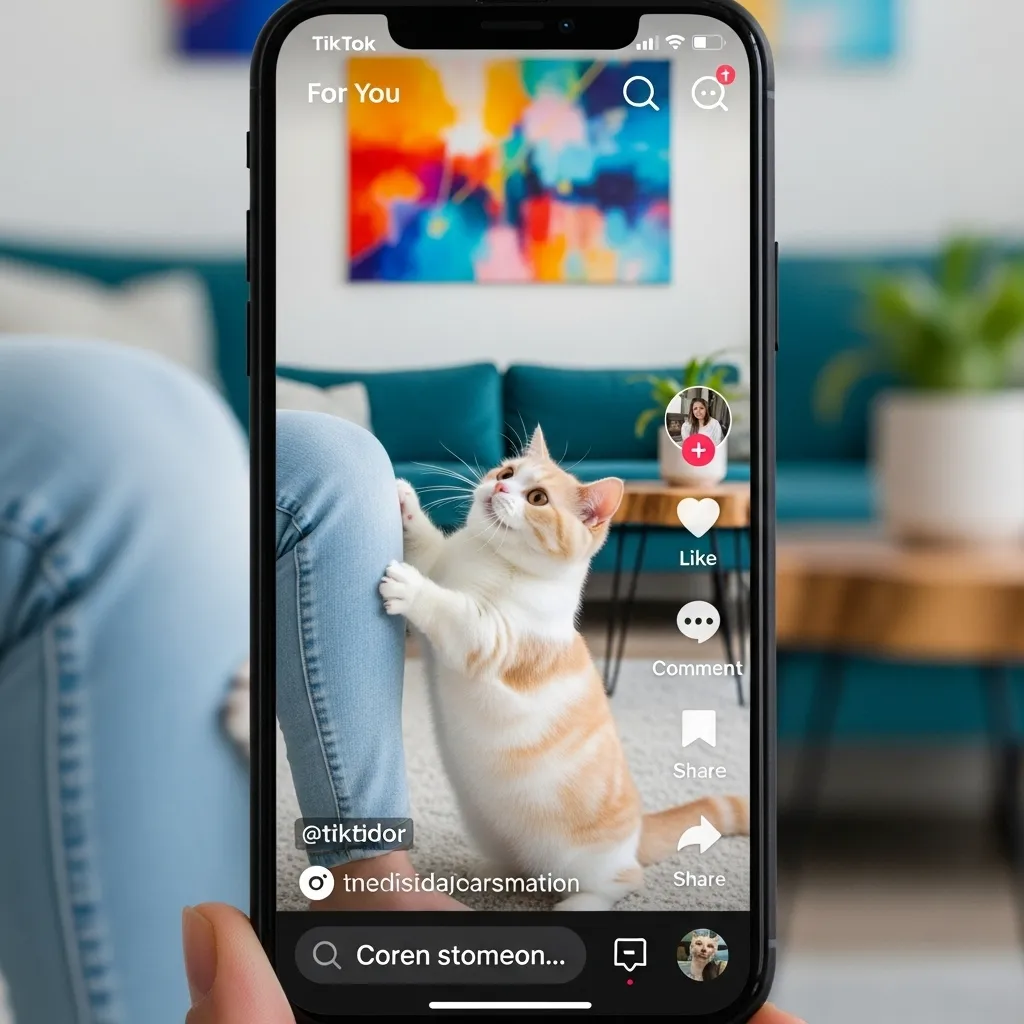
In 2025, cat tapping has become a viral sensation on platforms like TikTok, with hashtags like #CatPawTap and #FelineLove trending. Pet owners share adorable videos of their cats gently tapping them, often paired with purring or playful antics. These clips highlight the emotional connection between cats and owners, making tapping a celebrated feline gesture.
- Why it’s popular: The soft, deliberate nature of cat taps is universally relatable and heartwarming.
- How to join in: Record your cat’s tapping moments and share them with context (e.g., “My cat taps me every morning!”). Tag #CatBloomHaven for a chance to be featured on our site!
For more fun, check out our hilarious cat memes for a dose of feline humor.
FAQs About Cat Tapping Behavior
Why does my cat tap me when I walk past?
Your cat may tap you to seek attention, show affection, mark territory, or invite play. Observe their body language to determine the intent.
How do cats use their sense of touch to communicate?
Cats use their sensitive paws to explore, mark with scent, or convey emotions like affection or curiosity, as their paw pads are rich in nerve endings and scent glands.
What are the signs of affection in cat body language?
Affectionate signs include slow blinking, purring, head-butting, and gentle tapping with relaxed paws. Learn more in our cat affection signs guide.
Are all taps from a cat friendly gestures?
Not always. Gentle taps are usually friendly, but swats with claws or tense body language may indicate irritation or overstimulation.
What should I do when my cat taps me?
Respond based on the context: pet for affection, play for energy, or give space if they seem stressed. Consistency strengthens your bond.
Can cat tapping be a form of marking territory?
Yes, cats use their paw pads’ scent glands to mark you or objects, claiming you as part of their territory.
How can I reinforce positive cat tapping behaviors?
Reward gentle taps with attention, treats, or play, and redirect aggressive swats with toys or space.
How do I address my cat’s tapping if it becomes too frequent or aggressive?
Identify stressors, ensure enough stimulation, and consult a vet if the behavior persists. Our cat stress signs guide has more tips.
What does it mean if my cat taps me followed by purring or nuzzling?
This combination typically signals affection or a desire for closeness, strengthening the emotional connection between you and your cat.
Should I be concerned if my cat suddenly starts tapping me more than usual?
Yes, sudden changes could indicate stress, boredom, or health issues. Monitor for other symptoms and consult a vet if needed. See our cat health care guide.
Conclusion: Embrace Your Cat’s Tapping as a Window into Their World
Your cat’s gentle tap as you walk by is more than a quirky habit—it’s a window into their thoughts and feelings. Whether they’re seeking attention, showing love, or inviting play, understanding the meaning behind cat tapping behavior can transform your relationship. By responding thoughtfully, you’ll not only decode their signals but also build a stronger, more trusting bond.
At Cat Bloom Haven, we’re passionate about helping you connect with your feline friend. Explore more expert cat care and behavior guides, like our cat body language guide or how to bond with your cat, to keep your cat happy and healthy. Got a tapping tale to share? Drop it in the comments or join our community on social media with #CatBloomHaven!