Why Does My Cat Act Like a Dog? The Complete 2025 Guide to Dog-Like Cats and Canine Traits in Felines
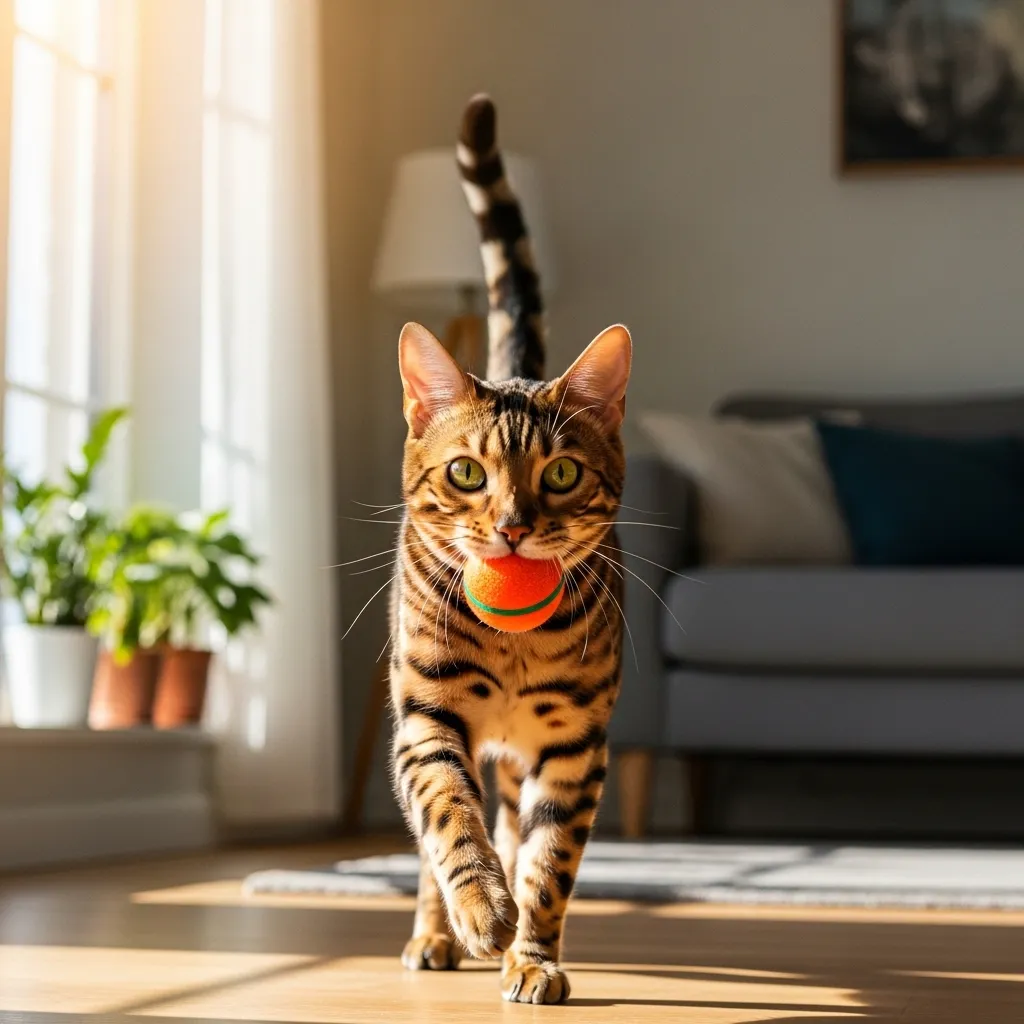
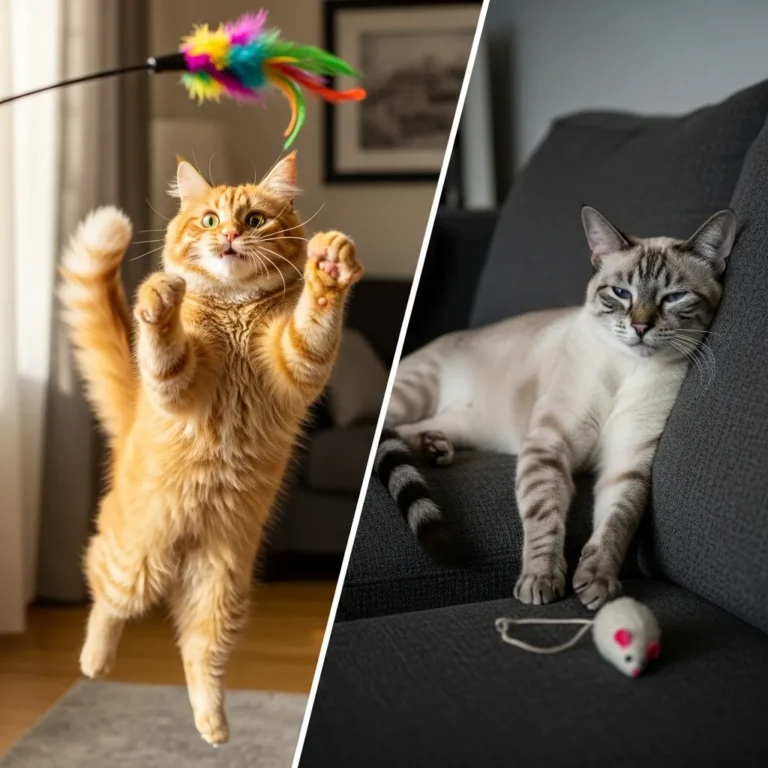
If you’ve ever watched your cat trot after you from room to room, drop a toy at your feet begging for another round of fetch, or greet you at the door with full-body rubs and excited chirps, you’re not imagining things. Your cat is acting like a dog. And you’re far from alone searches for “cats act like dogs,” “cat breeds that act like dogs,” and “why does my cat act like a dog” have exploded on Google and TikTok alike in the last two years.
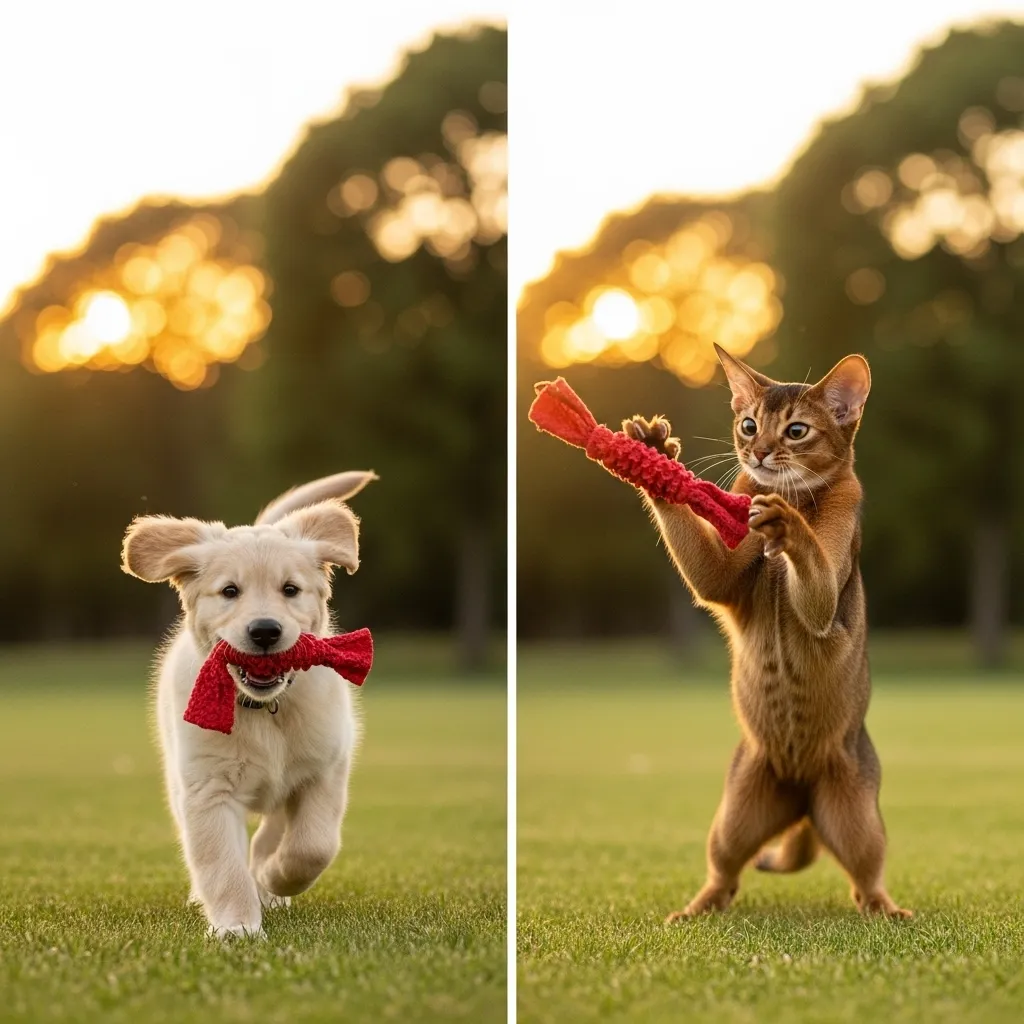
This isn’t random. Some cats naturally show canine traits: loyalty, playfulness, trainability, and an almost pack-like devotion to their humans. In this guide, we’ll cover everything: the breeds most likely to behave this way, the science behind the behavior, how to encourage (or gently redirect) it, and real-life stories from owners whose cats swear they were raised by golden retrievers.
Key Takeaways (For Fast Answers)
- Yes, certain cat breeds consistently act more like dogs than typical felines.
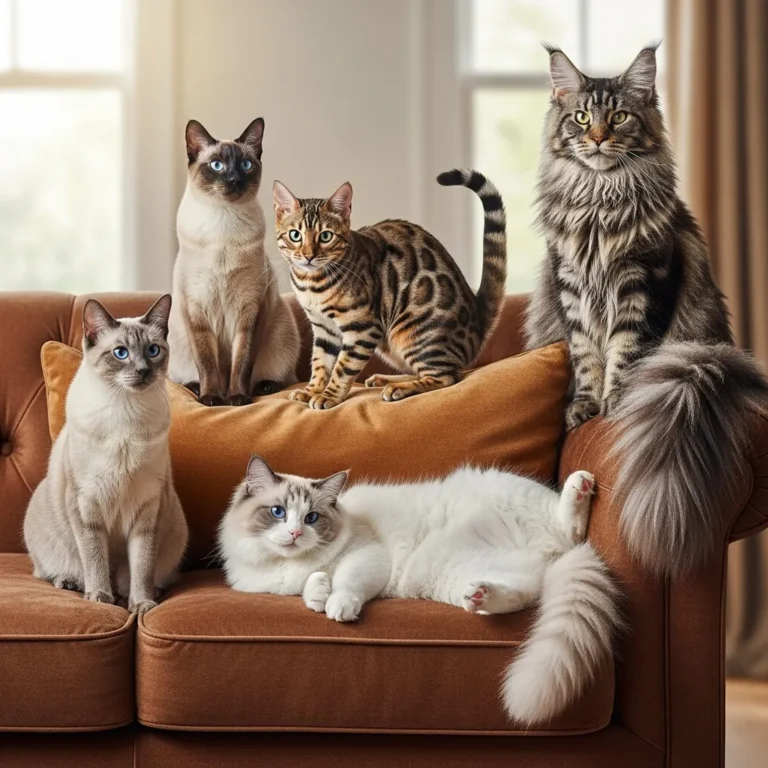
- Top 8 dog-like cat breeds: Abyssinian, Bengal, Maine Coon, Ragdoll, Siamese/Oriental, Turkish Angora, Manx, and American Shorthair (yes, even domestics can be velcro kitties).
- Traits you’ll see: fetching, walking on leash, greeting at the door, following you everywhere, high trainability with clicker or treats.
- These behaviors come from genetics, early socialization, and sometimes simple personality.
- Any cat can learn dog-like tricks with positive reinforcement even “sit,” “stay,” and “come.”
Now let’s dive deep.
Why Does My Cat Act Like a Dog? The Science and the Heart of It
Cats and dogs diverged from a common ancestor about 40 million years ago, yet some feline personalities circle right back to canine territory. Researchers point to three main drivers:
- Selective breeding for companionship
Modern cat fancy only started about 150 years ago. Breeds like the Ragdoll and Maine Coon were deliberately selected for calm, people-loving temperaments the same way retrievers were bred for human cooperation. - Neoteny (retained juvenile traits)
Many dog-like cats keep kittenish playfulness and social dependence into adulthood. Think of a Maine Coon chirping for attention at age ten the same way a Lab puppy does. - Individual socialization window
Kittens handled extensively between 2–9 weeks often grow up believing humans are part of their colony, leading to dog-level loyalty.
Top 10 Cat Breeds That Act Like Dogs in 2025
Here’s the definitive list, ranked by how frequently owners report classic canine behaviors (fetching, leash-walking, greeting at door, separation anxiety when you leave).
| Rank | Breed | Most Common Dog-Like Traits | Energy Level | Trainability |
|---|---|---|---|---|
| 1 | Abyssinian | Fetch obsession, follows you room-to-room, leash walks happily | Very High | Extremely High |
| 2 | Bengal | Retrieves toys for hours, water-loving, vocal greetings | Very High | High |
| 3 | Maine Coon | Gentle giant, chirps/trills, loyal shadow, learns tricks fast | Moderate-High | High |
| 4 | Ragdoll | Goes limp when picked up, trails owner, craves lap time | Low-Moderate | Very High |
| 5 | Siamese & Oriental | Talks back, extreme attachment, jealous of other pets | High | Extremely High |
| 6 | Turkish Angora | Fetch, swims, plays in water, very people-oriented | High | High |
| 7 | Manx | Tail-less “bunny hop,” many love car rides and leash walks | Moderate-High | High |
| 8 | American Shorthair | Surprisingly velcro in some lines, learns fetch easily | Moderate | Moderate-High |
| 9 | Burmese | Dog-like devotion, greets at door, learns routines fast | High | Very High |
| 10 | Ocicat | Spotted wild look but total love-bug, retrieves toys | High | High |
Want to go deeper on any of these? Check our individual breed guides:
→ Maine Coon complete personality guide
→ Bengal cat personality and training tips
→ Why American Shorthairs secretly love fetch
Real-Life Signs Your Cat Has Gone Full Dog Mode
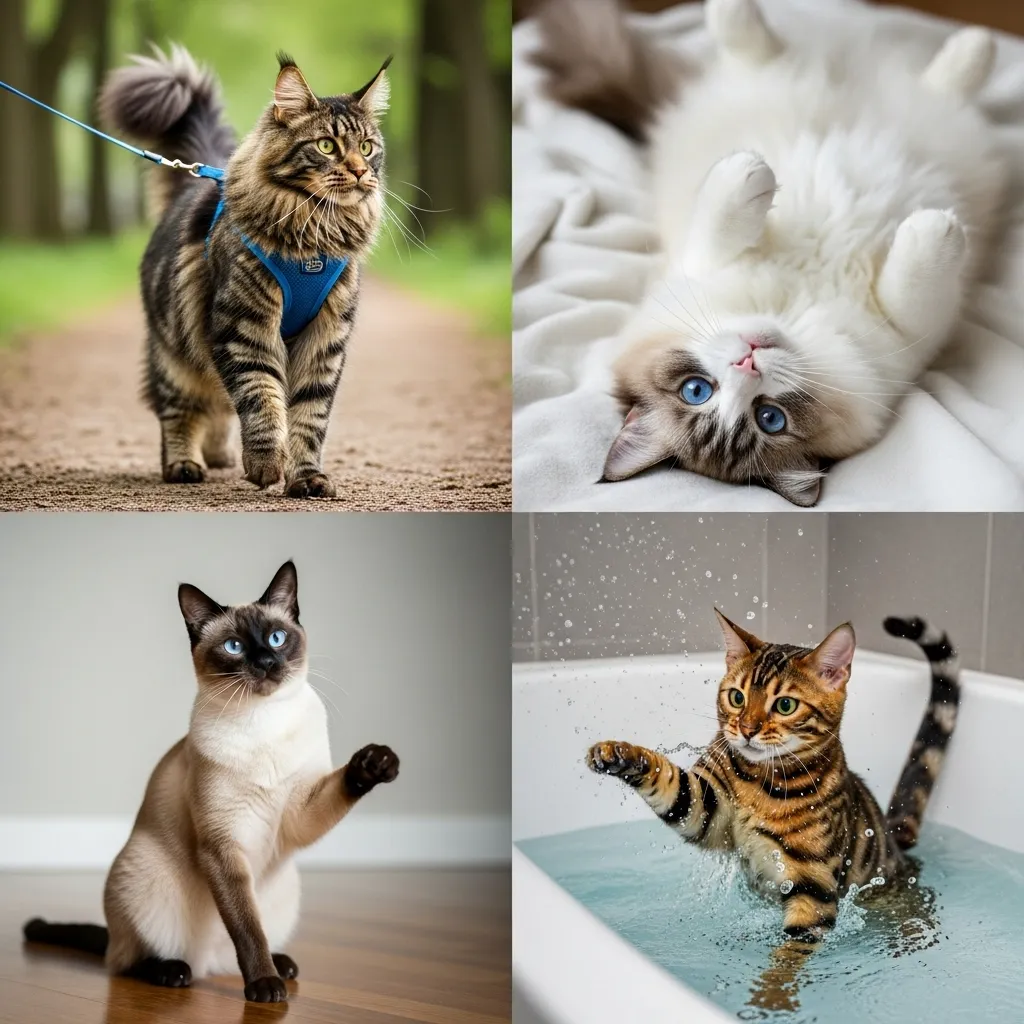
- Greets you at the door with trills and figure-eights around your legs.
- Brings toys and drops them at your feet, waiting for you to throw.
- Follows you into the bathroom (classic).
- Learns and responds to their name like a dog does.
- Enjoys belly rubs and will roll over asking for them.
- Happily walks on a harness outside.
- Shows visible sadness when you leave and celebration when you return.
Can You Train Any Cat to Act More Like a Dog?
Absolutely. While genetics load the dice, positive reinforcement loads the cannon.
Proven Feline Training Tips That Actually Work
- Use a clicker or marker word (“yes!”) the same way dog trainers do.
- Keep sessions 2–5 minutes cats have short attention spans.
- High-value rewards: freeze-dried chicken, squeeze-up treats, or play with a favorite wand.
- Popular tricks owners teach: sit, stay, high-five, fetch, spin, and even ring a bell to go outside.
Success story: One of our readers taught her 12-year-old rescue tabby to ring a doorbell when she wants to go on her evening walk. It took three weeks.
Read the step-by-step: Teach your cat to fetch in 7 days
Are Male Cats More Likely to Show Dog-Like Behavior?
There’s no hard scientific data, but anecdotal reports from thousands of owners (and our own reader polls) suggest unaltered and neutered males slightly edge out females for fetch obsession and shadowing behavior possibly leftover hunting-drive energy redirected into play.
Cats vs Dogs: Pack Behavior and Social Structure Myths
Cats are not solitary loners by nature. Free-roaming cats form loose colonies centered around resources and related females. Some individuals especially neutered males and highly social breeds transfer that colony loyalty to their human family, creating the “my humans are my pack” vibe we adore.
The Evolutionary Reasons Behind Canine Traits in Cats
High intelligence + strong food motivation + neoteny = a cat that behaves suspiciously like a border collie. Breeds closest to their wild ancestors (Abyssinian, Bengal) or deliberately bred for companionship (Ragdoll, Burmese) top the list.
Frequently Asked Questions About Cats That Act Like Dogs
What cat breed acts most like a dog?
The Abyssinian and Bengal tie for first place among owners and trainers.
Can cats really be trained like dogs?
Yes often faster, because food motivation is through the roof.
Why does my cat follow me everywhere like a dog?
You’re their safe person and primary source of fun. It’s the highest compliment a cat can give.
Are dog-like cats good with actual dogs?
Usually yes! Many of these breeds do great with canine siblings. See our guide: Bengal cats and dog compatibility
Do dog-like cats suffer more separation anxiety?
Sometimes. Ragdolls and Siamese especially can develop it if left alone too long.
Is it normal for a cat to play fetch for hours?
For an Abyssinian or Bengal? Completely normal and healthy.
Final Thoughts: Celebrate Your Dog-Cat Hybrid
If your cat acts like a dog, you didn’t get a “broken” cat you won the personality lottery. These velcro kitties combine the best of both worlds: the independence and grace of a feline with the devotion and playfulness of a pup.
Embrace it. Teach tricks. Buy that harness. Post that TikTok. Your weird, wonderful, dog-soul cat is proof that love doesn’t care about species labels.
Ready for more expert insights on cat personalities, training, and unbreakable bonds?
Explore the full collection of breed guides and behavior deep-dives at Cat Bloom Haven.
Which breed on this list matches your dog-like cat? Drop a comment below we read every single one.