How Long Can a Cat Live with Diabetes Without Insulin? A Straightforward Guide to Feline Diabetes Mellitus and Realistic Survival Expectations
When your cat gets diagnosed with diabetes, the first question that hits you is usually the hardest: “How long can my cat live with this?”
The second, even tougher one follows fast: “Can a cat survive diabetes without insulin at all?”
I’ve been through this with clients and my own cats for over fifteen years as a feline-focused veterinarian contributor and cat owner. Here’s the honest, no-sugar-coating answer you need right now.
Key Takeaways (Read this first if you’re scared)
- Untreated diabetic cats rarely survive longer than a few weeks to a few months once clinical signs appear. Ketoacidosis sets in fast and is fatal without intervention.
- With proper treatment (usually insulin + diet), many cats live 3–10 additional high-quality years. Some even achieve remission and never need another shot.
- A small percentage of newly diagnosed cats (especially if caught very early and switched aggressively to low-carb food) can stabilize temporarily without insulin, but this is the exception, not the rule.
- The single biggest factor deciding lifespan is how quickly you act after diagnosis.
Now let’s walk through everything you need to know to give your cat the longest, happiest life possible whether insulin ends up being part of the plan or not.
What Exactly Is Feline Diabetes Mellitus?
Feline diabetes mellitus is almost always Type 2 the pancreas still makes insulin, but the body has become resistant to it, or the pancreas eventually burns out from overwork.
Obesity, age (over 7), male gender, and indoor-only lifestyle are the biggest risk factors.
When blood glucose stays chronically high, the body starts breaking down fat and muscle for energy. This creates ketones, and once ketones build up, diabetic ketoacidosis (DKA) begins. DKA is the reason untreated diabetic cats die quickly.
Early Signs of Diabetes in Cats You Can’t Ignore
Most owners notice these four red flags first:
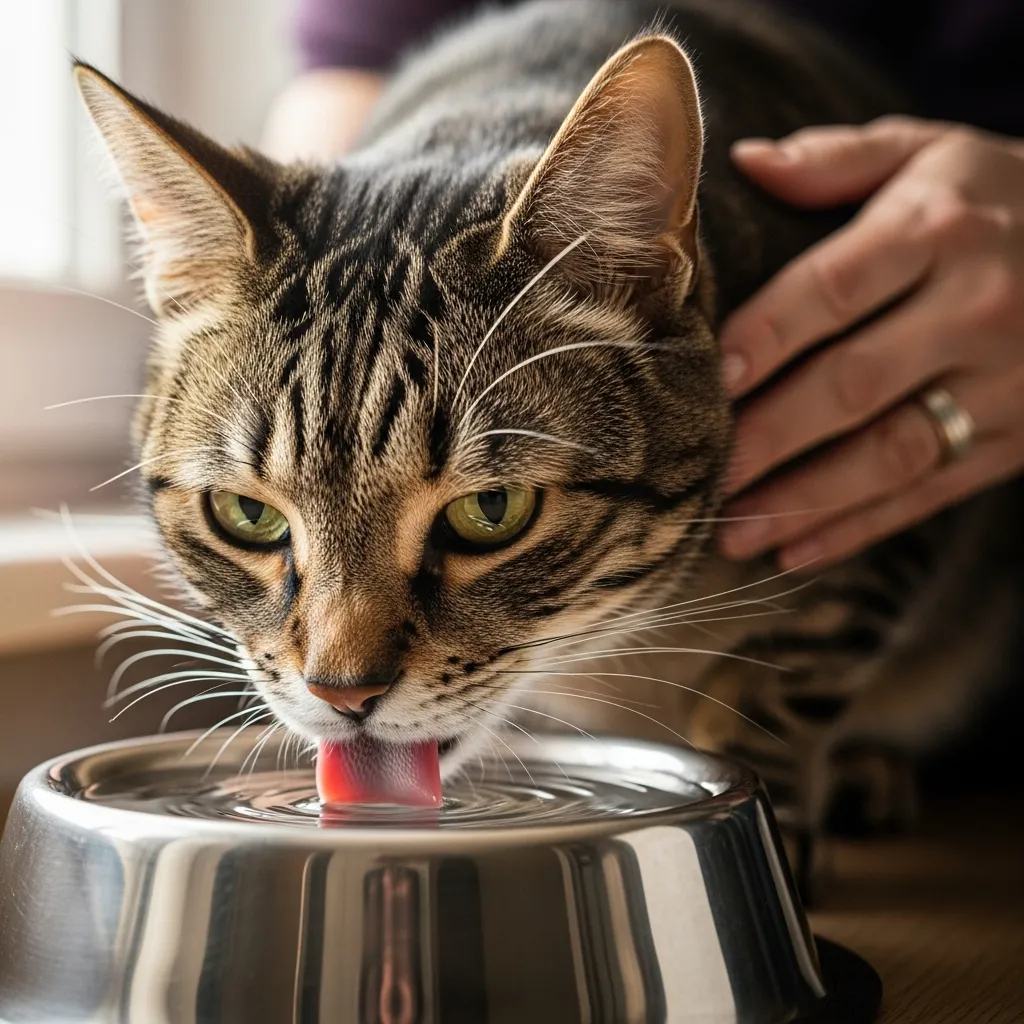
- Drinking and peeing massive amounts (water bowl empty daily, litter box suddenly heavy)
- Ravenous appetite yet losing weight
- Walking on hocks (“plantigrade stance”) hind legs sink down because of nerve damage
- Lethargy, unkempt coat, sudden vomiting
If you see even two of these, get to the vet the same day. Time matters more than almost anything else.
How Long Can a Cat Actually Live with Diabetes Without Insulin?
Here’s the data from large veterinary studies (no fluff):
| Stage of Disease | Survival Without Any Treatment | Notes |
|---|---|---|
| Early, mild hyperglycemia | Weeks to 3–6 months | Some overweight cats linger longer but quality of life crashes fast |
| Full clinical signs present | 1–8 weeks typical | Most euthanized or die from ketoacidosis within a month |
| Ketoacidotic (vomiting, collapse) | Hours to 3–5 days | Emergency — hospitalization required for survival |
Bottom line: Going without insulin when a cat truly needs it is measured in weeks, not years.
Can Some Cats Survive Diabetes Without Insulin? (The Remission Hope)
Yes but only a minority, and only under very specific conditions.
About 20–40% of newly diagnosed diabetic cats can achieve remission within the first 3–6 months if:
- Diagnosis happens early (before major weight loss or DKA)
- Owner switches immediately to an ultra-low-carb wet food diet (<6% calories from carbs)
- Ideal body weight is reached and maintained
- Blood glucose is tightly controlled (often still requires insulin at first, then tapered)
These “transient diabetics” may eventually produce enough of their own insulin again. I’ve seen cats stay in remission for 8+ years after early, aggressive management.
Related guide: Explore our complete diabetic cat diet recommendations.
The Truth About “Managing” Feline Diabetes with Diet Alone Long-Term
Low-carb prescription or canned diets (like Dr. Elsey’s cleanprotein, Tiki Cat After Dark, Weruva, Young Again Zero Carb) can dramatically lower insulin requirements and sometimes eliminate the need for shots — but they almost never work as a standalone cure once the disease is established.
Trying diet-only on a cat that has already lost significant weight or gone ketoacidotic is dangerous and usually fails.
Why Insulin for Cats Isn’t as Scary as It Sounds
Most new owners picture giving shots as traumatic. In reality:
- We use tiny 31–40 gauge needles (thinner than human baby needles)
- 90% of cats don’t even flinch after the first week
- Twice-daily dosing with long-acting insulins like ProZinc or Glargine fits most schedules
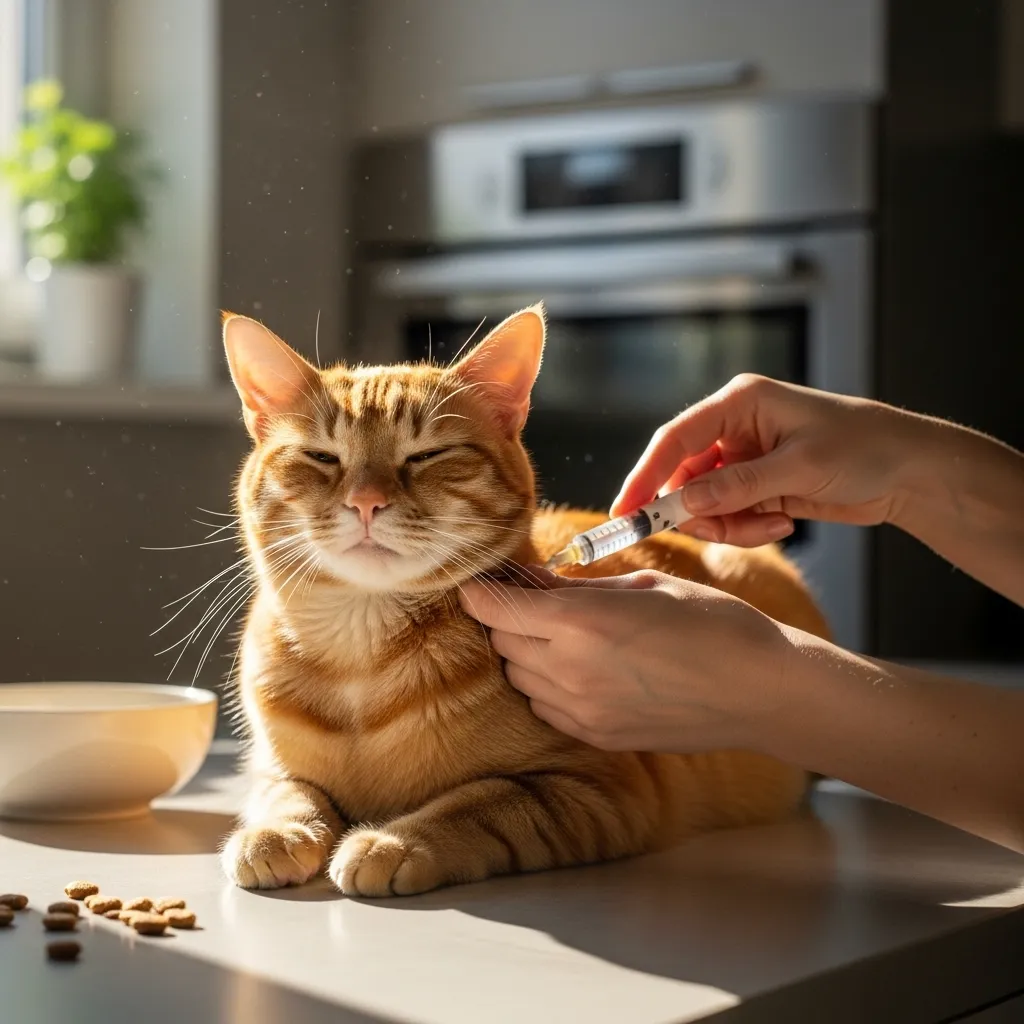
Step-by-step home injection tutorial here: Cat insulin administration guide.
Home Monitoring: The Game-Changer Most Owners Skip
Veterinarians now recommend every diabetic cat owner learn two simple skills:
- Ear or paw-pad prick glucose testing with a human meter (AlphaTRAK 3 or regular ReliOn Confirm work great)
- Urine ketone strip testing when appetite drops
Catching high or low glucose early prevents ER visits and extends life dramatically.
Blood Sugar Monitoring in Cats What Numbers Should You Aim For?
| Timing | Target Glucose (mg/dL) | Action if outside range |
|---|---|---|
| Pre-insulin (nadir) | 80–180 | Adjust dose with vet |
| Peak (highest) | Under 300 | Acceptable in most cats |
| Ketones present | Any | Emergency vet visit |
Complications of Untreated or Poorly Controlled Diabetes in Cats
- Diabetic ketoacidosis (fatal within days)
- Severe neuropathy → inability to jump or walk normally
- Recurrent urinary tract and skin infections
- Cataracts (rare in cats compared to dogs)
- Hepatic lipidosis if appetite crashes
The Financial Cost of Cat Diabetes (Real Numbers 2025)
| Item | First Year Average | Ongoing Annual |
|---|---|---|
| Diagnosis (bloodwork, urinalysis, fructosamine) | $300–600 | $150–300 |
| Insulin + syringes | $400–800 | $350–700 |
| Home glucose meter + strips | $200–400 initial | $300–600 |
| Low-carb prescription food | $600–1,200 | Same |
| Vet visits (every 3–6 months) | Included above | $200–400 |
| Total first year | $1,800–4,000 | $1,200–2,800 after |
CareCredit, Scratchpay, and most banfield/ VCA wellness plans now cover diabetic management.
Emotional Impact: You’re Not Alone
Watching your cat get diagnosed feels like a gut punch. Guilt, fear, and exhaustion are normal. Thousands of us have been exactly where you are. Join the Feline Diabetes Message Board or the private “Sugar Cats” Facebook group the support is incredible.
Real Cat Diabetic Remission Stories (Hope You Need Right Now)
- Milo, 11-year-old DSH: Diagnosed 2021, 28 lbs → 14 lbs with diet + Glargine, off insulin since 2022, still thriving 2025.
- Luna, Burmese cross: Remission in 9 weeks after switching to raw + Young Again Zero Carb, no shots since week 10.
- Oliver, Maine Coon: Needed insulin 4 years, then spontaneous remission after weight stabilization.
These aren’t miracles they’re the result of early action and tight control.
New Treatments for Feline Diabetes on the Horizon (2025–2026)
- Bexacat (bexagliflozin) once-daily oral tablet approved in the US for newly diagnosed cats (no injections)
- Senvelgo (velagliflozin) oral liquid version, excellent early results in Europe and now US
- Long-acting weekly insulins in trials
These SGLT2 inhibitors are game-changers for compliant cats but still require strict low-carb diet and monitoring.
Frequently Asked Questions About Cats with Diabetes Without Insulin
Q: Can a diabetic cat live without insulin?
A: Only temporarily in very early cases managed with extreme diet change. Once clinical signs are obvious, insulin (or new oral drugs) becomes essential for survival.
Q: What happens if a diabetic cat doesn’t get insulin for one day?
A: Usually nothing dramatic. Missing a single dose rarely causes crisis, but never make it a habit.
Q: How long can a cat live with untreated diabetes?
A: Typically weeks to a few months maximum. Ketoacidosis is fatal.
Q: Is feline diabetes painful?
A: High blood sugar itself isn’t painful, but complications (neuropathy, infections, ketoacidosis) absolutely are.
Q: Can indoor cats get diabetes more easily?
A: Yes lack of activity and easy access to dry food are major drivers.
Q: Will spaying/neutering help prevent diabetes?
A: It removes hormonal influence in unspayed females and reduces obesity risk in males.
Final Thoughts: Your Cat Still Has Time But Not Unlimited Time
If your vet just said the word “diabetes,” breathe. This is one of the most manageable chronic diseases in cats when you act fast. I’ve seen 17-year-old cats bounce back and live to 20+ with good care.
Start today:
- Book the earliest possible recheck and glucose curve.
- Switch to ultra-low-carb wet food tonight (every major brand has options).
- Order a pet glucose meter you’ll thank yourself in a week.
You’ve got this. Your cat still has many good years left and we’re here for every step.
Want to dive deeper?
Check out our full Diabetic Cat Care Guide and our vet-approved list of the Best Wet Cat Foods for Diabetic Cats.
For more expert feline health and behavior advice, explore the rest of Cat Bloom Haven. Your cat is worth it.