How to Get a Sick Cat to Drink Water: Ultimate Guide to Feline Hydration
Is your cat under the weather and refusing to drink water? A sick cat not drinking enough can quickly become a dehydrated cat, leading to serious health risks. At Cat Bloom Haven, we understand how stressful it is to see your feline friend unwell.
This comprehensive guide dives deep into how to get a sick cat to drink water, offering vet-backed strategies, creative hydration hacks, and practical tips to ensure your cat stays hydrated and on the road to recovery. You’ll learn to spot cat dehydration symptoms, master cat hydration techniques, and create an environment that encourages water intake—all tailored to keep your furry companion healthy.
Key Takeaways for Sick Cat Hydration
- Why It Matters: Water is critical for a sick cat’s recovery, supporting organ function and toxin flushing.
- Dehydration Risks: A dehydrated cat can face kidney issues, lethargy, and worsening illness.
- Actionable Solutions: Use wet food, flavored water, or cat water fountains to boost water intake.
- Spot the Signs: Look for sunken eyes, dry gums, or skin tenting to catch dehydration early.
- Vet Care: Severe dehydration requires immediate veterinary attention, often with fluids.
- Prevention: Optimize your cat’s environment and diet to maintain long-term hydration.
Explore more expert tips on cat health and wellness to keep your feline thriving.
Why Hydration Is Critical for a Sick Cat
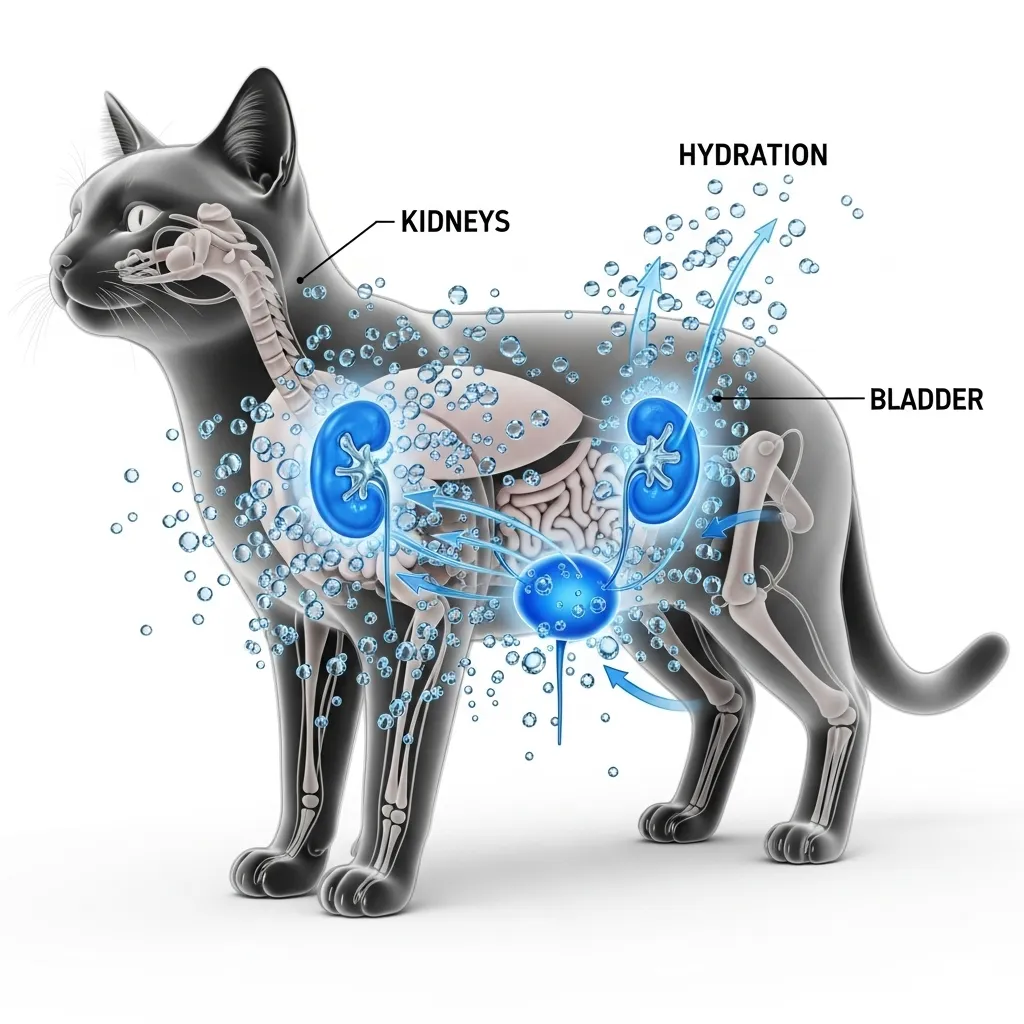
Water makes up about 60–70% of a cat’s body, playing a vital role in digestion, temperature regulation, and waste elimination. For a sick cat, proper hydration is even more crucial—it helps fight infections, supports kidney function, and prevents complications. A dehydrated cat faces risks like urinary tract issues, organ strain, or even life-threatening conditions if left unchecked.
Sick cats, whether dealing with vomiting, diarrhea, or fever, lose fluids faster than healthy ones. Conditions like feline diabetes or cat urinary health issues can further increase water needs. If your cat isn’t drinking, you need to act fast to prevent dehydration from worsening their condition.
The Science of Feline Hydration
Cats evolved as desert-dwelling creatures, getting most of their water from prey. This makes them less inclined to drink from a bowl, especially when sick and lethargic. Understanding this instinct helps explain why your cat won’t drink water and why creative solutions are needed to encourage a cat to drink water.
Recognizing Signs of Dehydration in Cats
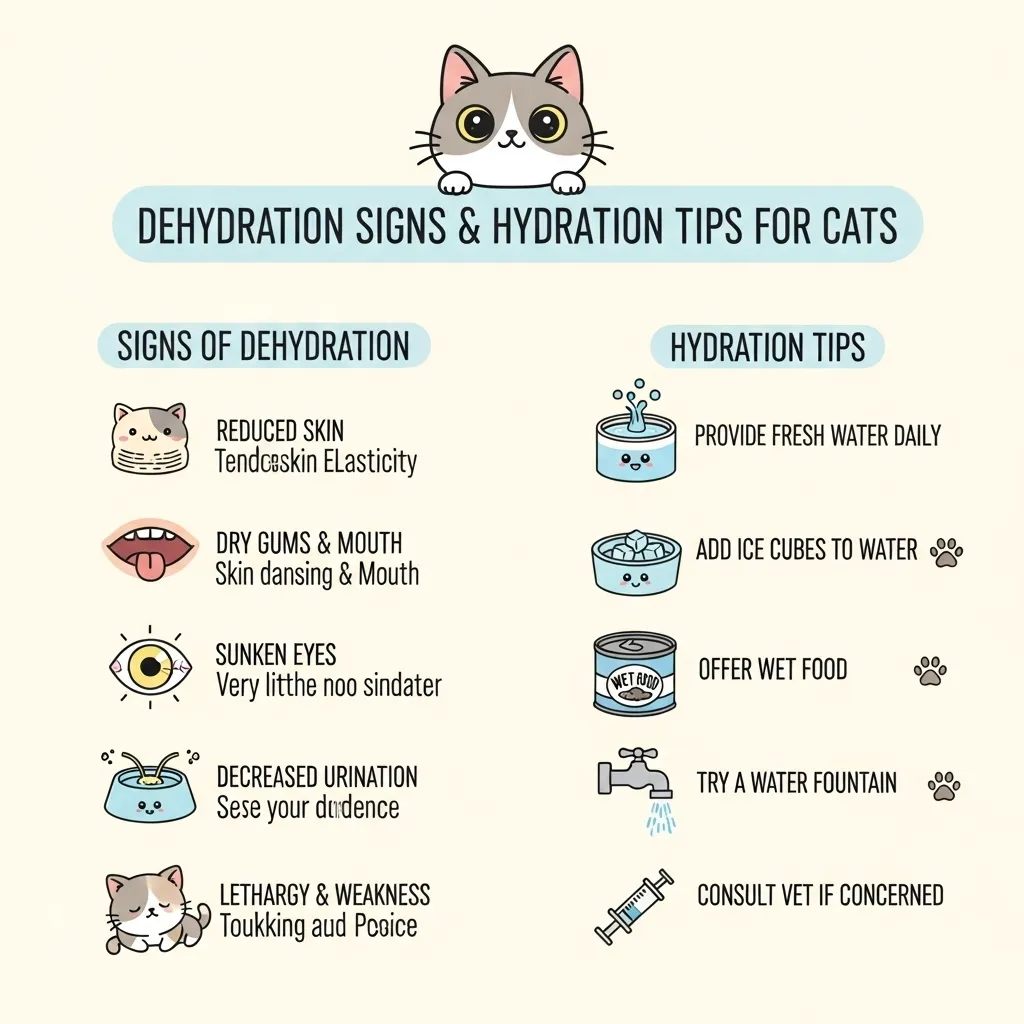
Spotting cat dehydration symptoms early can make all the difference. Here’s what to watch for:
- Sunken Eyes: A dehydrated cat’s eyes may appear dull or recessed.
- Dry Gums: Healthy gums are moist; sticky or dry gums signal trouble.
- Skin Tenting: Pinch the skin on your cat’s neck. If it doesn’t snap back quickly, dehydration is likely.
- Lethargy: A sick cat not drinking water may seem unusually tired or unresponsive.
- Loss of Appetite: Dehydration often reduces a cat’s interest in food.
- Panting or Rapid Breathing: This can indicate severe dehydration or distress.
If you notice these signs, try cat hydration tips immediately and consult a vet if symptoms persist. Learn more about cat health warning signs to stay proactive.
When to Seek Veterinary Help
Severe dehydration requires professional intervention. Vets may administer subcutaneous or intravenous fluids to rehydrate a cat quickly. If your cat hasn’t drunk water in 24 hours, shows extreme lethargy, or has sunken eyes, contact your vet immediately. For guidance on choosing a vet, check our guide to finding the best vet for your cat.
Top Strategies to Get a Sick Cat to Drink Water
Getting a sick cat to drink water requires patience and creativity. Here are proven cat hydration techniques to encourage your cat to drink water:
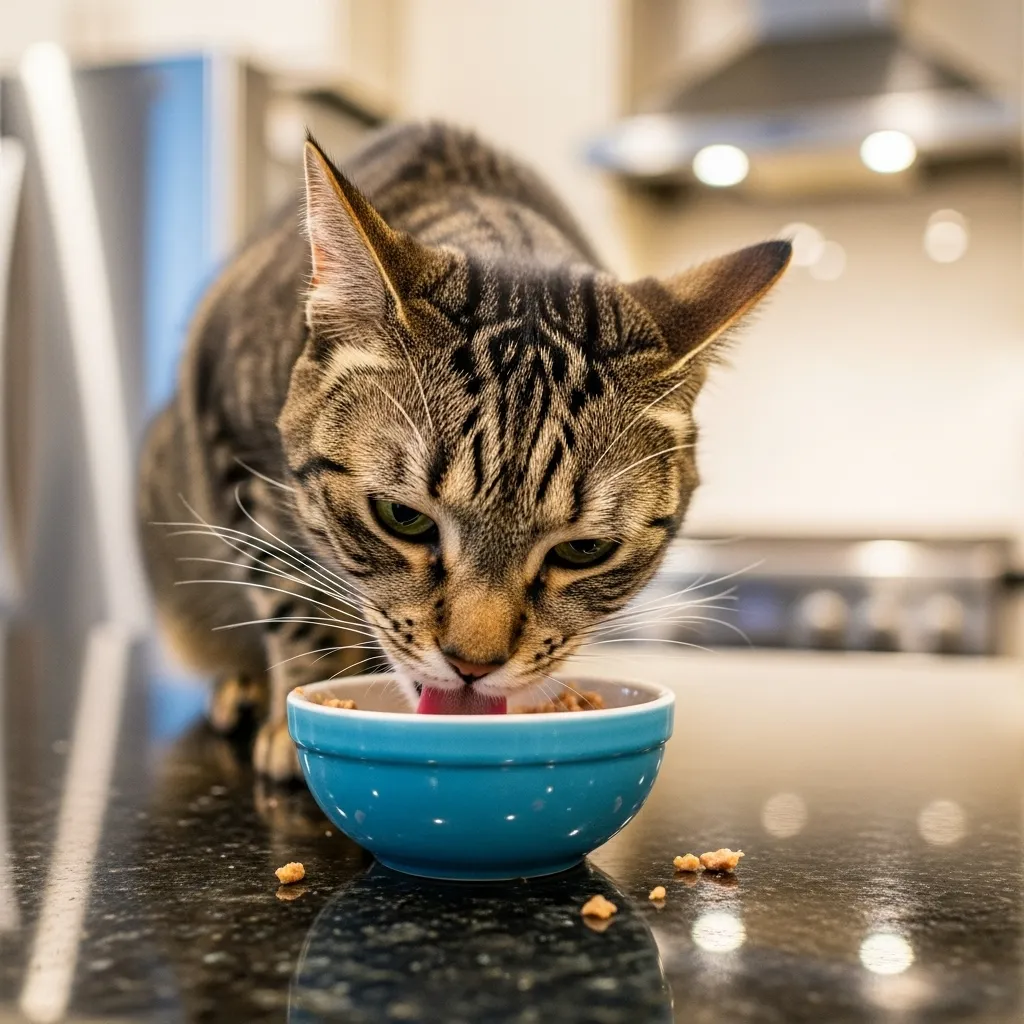
1. Switch to Wet Cat Food for Hydration
Wet cat food contains 70–80% water, making it a powerful tool for rehydrating a cat. Transitioning to high-quality wet food can significantly boost your cat’s water intake, especially if they’re refusing to drink.
- Why It Works: Cats love the taste and texture of wet food, which mimics their natural prey-based diet.
- How to Do It: Offer small, frequent meals of vet-approved wet food. Brands like Royal Canin or Hill’s Science Diet offer formulas for sick cats.
- Pro Tip: Warm the food slightly (not hot) to enhance aroma and appeal. Explore our best wet cat food guide for top picks.
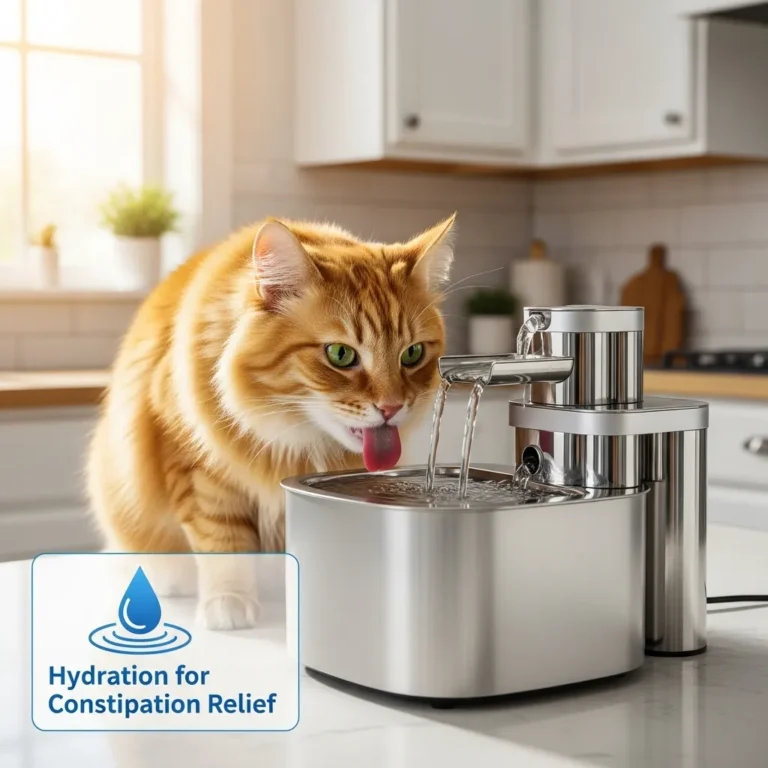
2. Use a Cat Water Fountain
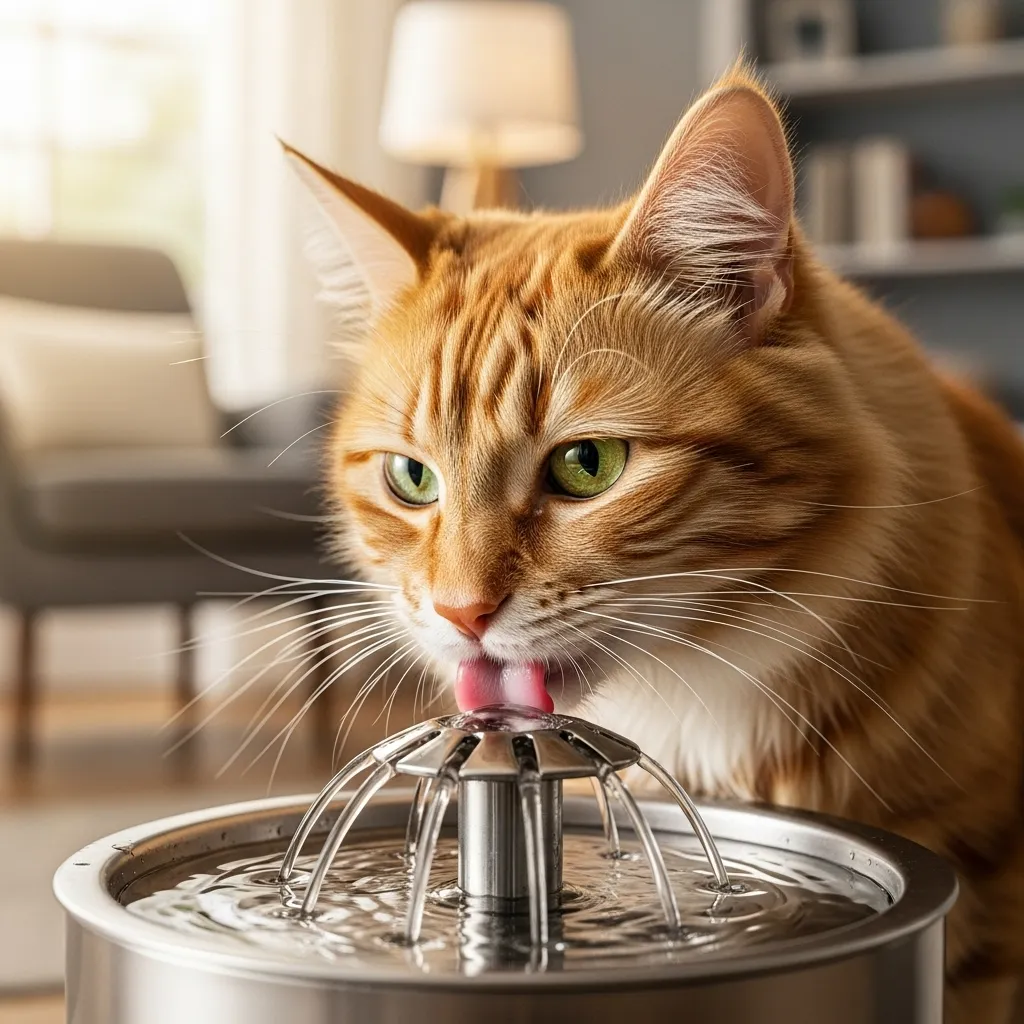
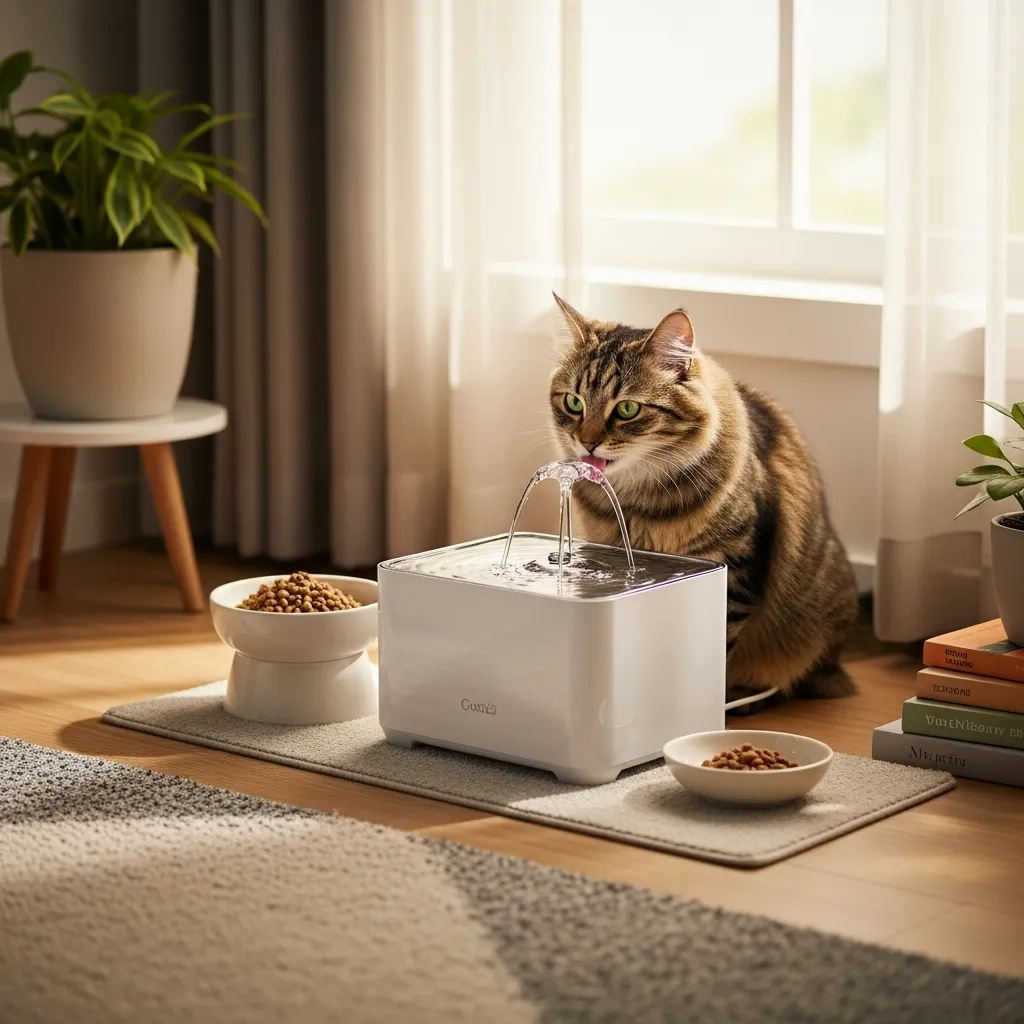
A cat water fountain can make drinking more enticing. Running water mimics a natural stream, appealing to a cat’s instincts.
- Benefits: Fountains keep water fresh, oxygenated, and free of debris, encouraging cats to drink more.
- Choosing One: Look for quiet, easy-to-clean models like the PetSafe Drinkwell or Catit Flower Fountain.
- Placement: Place the fountain in a quiet, accessible spot away from the litter box. Learn about cat water fountain benefits for more insights.
3. Flavor Water to Entice Your Cat
Adding flavor to water can spark your cat’s interest. Try these cat water flavor ideas:
- Tuna or Chicken Broth: Use low-sodium, cat-safe broth (no onions or garlic). Dilute it with water to avoid salt overload.
- Clam Juice: A small splash of clam juice can make water irresistible.
- Wet Food Juice: Mix the liquid from wet food into their water bowl.
Caution: Always check with your vet before adding flavors, especially for cats with dietary restrictions.
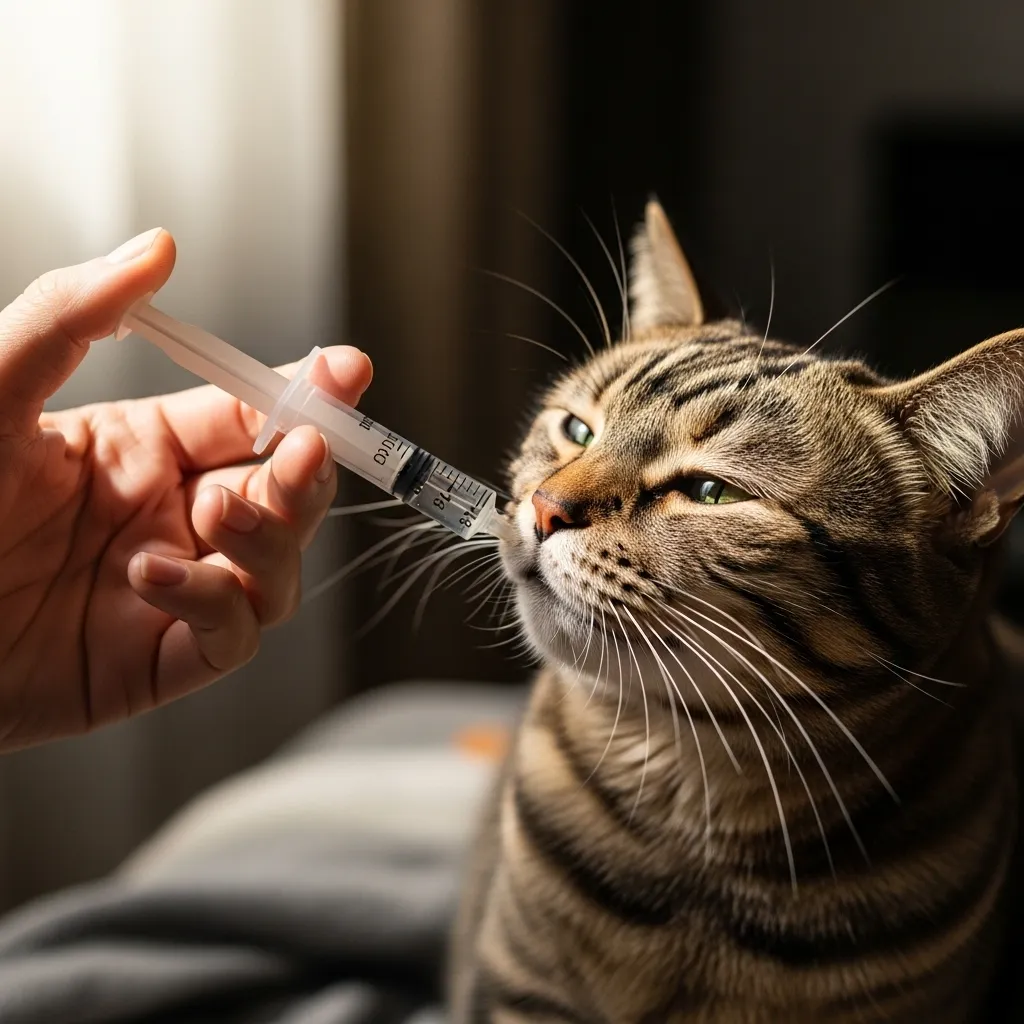
4. Syringe Feeding for Hydration
For severely sick cats, syringe feeding water or electrolyte solutions may be necessary. This should be done carefully to avoid stress or aspiration.
- How to Do It: Use a 5–10 mL syringe to slowly drip water into the side of your cat’s mouth. Aim for 5–10 mL every few hours, as advised by your vet.
- Electrolyte Solutions: Pedialyte (unflavored, diluted 1:1 with water) can help, but only under veterinary guidance.
- Learn More: See our guide to hydrating a cat with a syringe for step-by-step tips.
5. Moisten Dry Food
If your cat prefers dry kibble, adding water can increase their cat water intake. Gradually mix warm water into their food to create a gravy-like texture.
- Why It Works: The added moisture hydrates while maintaining familiarity.
- Pro Tip: Start with a small amount of water to avoid rejection. Transition slowly over a few days.
6. Offer Multiple Water Sources
Cats are more likely to drink if water is easily accessible. Place multiple bowls around your home in quiet, low-traffic areas.
- Material Matters: Use stainless steel or ceramic bowls, as plastic can harbor bacteria and odors.
- Refresh Daily: Change water daily to keep it fresh and appealing.
7. Ice Cubes as a Fun Hydration Hack
Some cats love batting around ice cubes, which can encourage licking and drinking. Place a cube in their water bowl or on a clean surface for play.
- Safety Note: Ensure cubes are small to avoid choking hazards.
- Flavor Twist: Freeze diluted tuna juice into cubes for extra appeal.
Discover more cat hydration hacks to keep things fun and effective.
Optimizing Your Cat’s Environment for Hydration
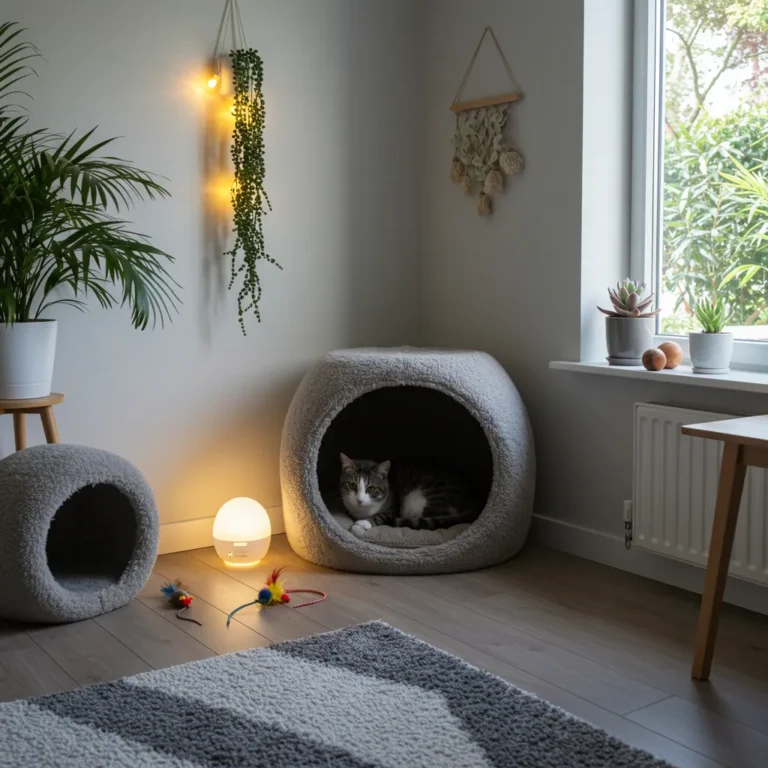
A cat-friendly environment can make a big difference in preventing dehydration. Here’s how to set up your home for success:
- Quiet Drinking Areas: Place water bowls away from noisy appliances or high-traffic zones.
- Elevated Bowls: For older or sick cats, elevated bowls reduce strain. Check out best beds for senior cats for more comfort tips.
- Cleanliness: Regularly clean bowls and fountains to avoid bacterial buildup.
- Temperature Control: Cats drink more when water is cool, not warm. Keep bowls out of direct sunlight.
Home Remedies for Dehydrated Cats
While veterinary care is essential for severe cases, these home remedies for dehydrated cats can support mild cases:
- Bone Broth: Offer low-sodium, homemade bone broth (no spices or onions) to entice drinking.
- Water-Rich Treats: Pureed pumpkin (small amounts) or plain yogurt can add moisture, but check with your vet first.
- Hydration Monitoring: Use a Ragdoll hydration calculator to estimate your cat’s daily water needs (about 3–4 ounces per 5 pounds of body weight).
Warning: Never force-feed water or use human medications without veterinary approval.
Best Hydrating Cat Foods for 2025
Choosing the right food can transform your cat’s hydration. Here are top picks for hydrating cat foods in 2025:
| Brand | Product | Water Content | Best For |
|---|---|---|---|
| Weruva | Cats in the Kitchen | ~80% | Picky eaters, high moisture |
| Tiki Cat | After Dark | ~78% | Grain-free, meat-rich |
| Royal Canin | Recovery Formula | ~82% | Sick or recovering cats |
| Hill’s Science Diet | Urgent Care a/d | ~80% | Vet-recommended for illness |
For more on choosing the right food, see our guide to cat food nutrition.

Preventing Dehydration in Cats Long-Term
Preventing dehydration in cats starts with proactive care:
- Regular Vet Checkups: Monitor for underlying conditions like cat diabetes or kidney issues.
- Balanced Diet: Combine wet and dry food to balance hydration and dental health.
- Monitor Water Intake: Track how much your cat drinks daily to catch issues early.
- Stress Reduction: Stress can reduce drinking. Learn about cat stress signs to keep your cat calm.
Real-Life Example: Hydrating a Sick Ragdoll
Lisa, a Cat Bloom Haven reader, noticed her Ragdoll, Luna, was lethargic and not drinking during a bout of cat stomatitis. She switched Luna to wet food, added a cat water fountain, and used tuna-flavored water. Within days, Luna’s energy returned, and her vet confirmed improved hydration levels. Lisa’s success shows how combining multiple cat hydration tips can work wonders.
FAQ: Quick Answers to Common Cat Hydration Questions
How do I encourage my sick cat to drink more water?
Offer wet food, use a cat water fountain, add low-sodium broth to water, or syringe-feed small amounts under vet guidance.
What are signs of dehydration in cats?
Look for sunken eyes, dry gums, skin tenting, lethargy, or reduced appetite. Check our cat health guide for more signs.
Why is water important for my cat’s health?
Water supports digestion, kidney function, and temperature regulation, especially for sick cats prone to fluid loss.
Can I give milk to my sick cat for hydration?
No, most cats are lactose intolerant. Milk can cause diarrhea, worsening dehydration. Stick to water or vet-approved broth.
How do cat water fountains help with hydration?
Fountains provide fresh, running water that appeals to a cat’s instincts, encouraging them to drink more.
When should I call a vet for my cat’s hydration issues?
Contact a vet if your cat hasn’t drunk in 24 hours, shows severe lethargy, or has sunken eyes. See when to visit the vet.
Can changing my cat’s diet improve hydration?
Yes, wet food with high moisture content (70–80%) significantly boosts water intake compared to dry kibble.
Conclusion: Keep Your Cat Hydrated and Healthy
Helping a sick cat stay hydrated is critical for their recovery and long-term health. By using cat hydration hacks like wet food, water fountains, and flavored water, you can encourage your cat to drink water effectively. Monitor for cat dehydration symptoms and act quickly to prevent complications. With the right strategies, you’ll keep your feline friend purring and healthy.
Explore more expert cat care and behavior guides on Cat Bloom Haven to ensure your cat thrives in every way.