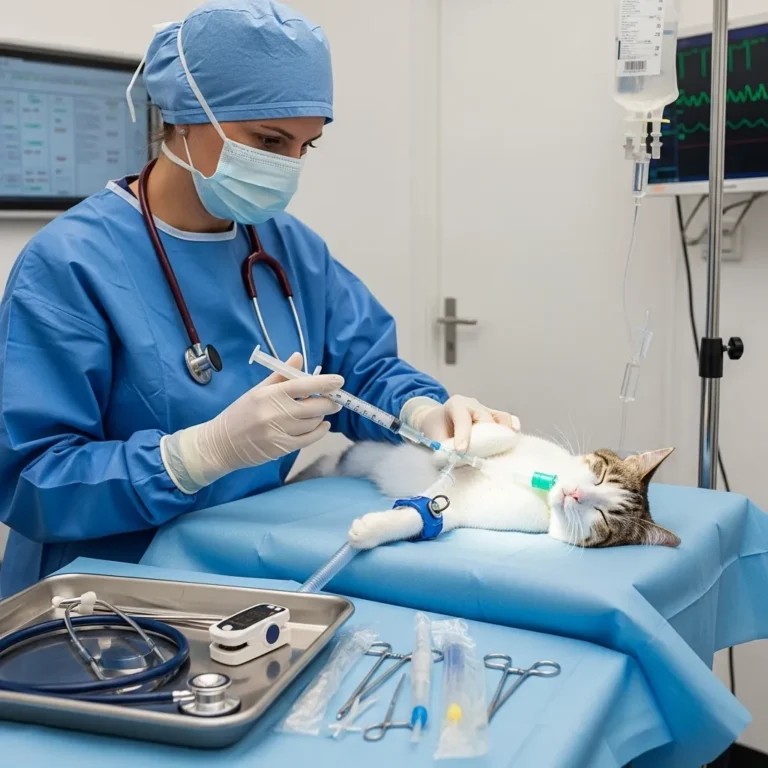
Understanding Your Cat’s Heart Rate: A Complete Guide to Feline Heart Health
Your cat’s heart rate is a vital sign that reveals a lot about their health, but do you know what’s normal or how to check it? Whether you’re a new cat parent or a seasoned feline friend, understanding your cat’s heartbeat can help you spot issues early and keep your furry companion thriving.
From the normal heart rate for a cat to signs of trouble, this guide dives deep into everything you need to know about feline cardiovascular health. You’ll learn how to measure your cat’s pulse, what factors affect their heart rate, and practical tips to support a healthy heart backed by expert insights and real-world advice.
Key Takeaways
- Normal Range: A healthy cat heart rate typically ranges from 140 to 220 beats per minute (BPM) at rest.
- Measurement: You can check your cat’s pulse at home using their femoral artery or chest.
- Warning Signs: A heart rate that’s too fast (>220 BPM) or too slow (<140 BPM) may signal health issues.
- Heart Health: Proper nutrition, exercise, and stress management are key to maintaining a healthy cat heart rate.
- When to Act: Rapid breathing, lethargy, or irregular rhythms warrant a vet visit immediately.
Explore our detailed guide on cat health care for more ways to keep your cat in top shape.
What Is a Normal Heart Rate for a Cat?
The average heart rate for cats is between 140 and 220 BPM when resting, but this varies depending on factors like age, breed, and activity level. Kittens, for example, often have faster heart rates (up to 240 BPM), while senior cats may trend lower within the normal range. A healthy cat heart rate reflects a strong, efficient cardiovascular system, but deviations can hint at underlying issues.
Factors That Influence Your Cat’s Heart Rate
Several factors can affect your cat’s pulse:
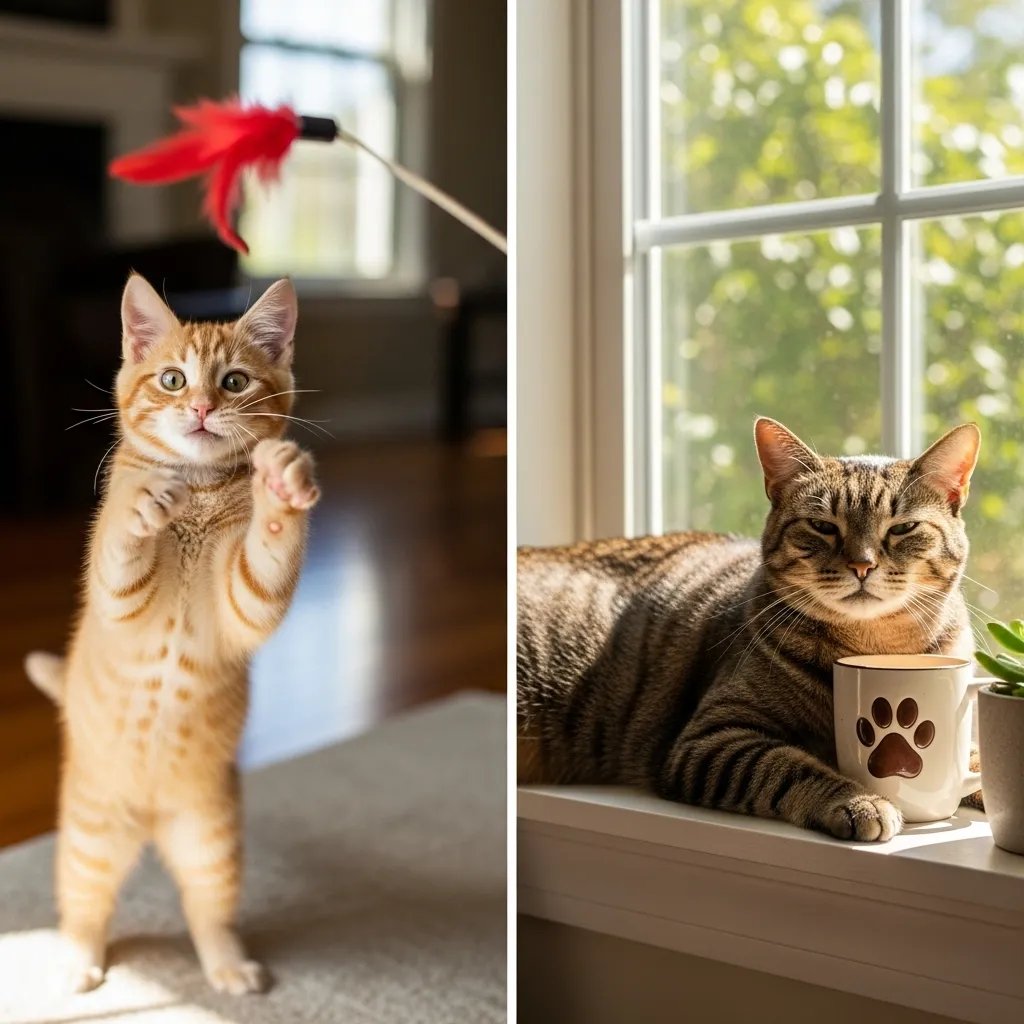
- Age: Kittens have naturally faster heart rates than adult or senior cats.
- Activity Level: Playtime or stress can temporarily spike heart rate.
- Breed: Active breeds like Bengals may have slightly higher resting rates than calmer breeds like Ragdolls.
- Health Conditions: Heart disease, fever, or pain can alter heart rhythm.
- Environment: Stress, heat, or anxiety can elevate a cat’s heartbeat.
For breed-specific health insights, check out our guides on Bengal cat health or Ragdoll cat care.
When to Be Concerned
A cat heart rate too fast (tachycardia, >220 BPM) or too slow (bradycardia, <140 BPM) could indicate problems like heart disease, dehydration, or stress. If your cat’s heart rate falls outside the normal range and is paired with symptoms like lethargy or rapid breathing, consult a vet promptly. Learn more in our article on cat heart disease symptoms.
How to Check Your Cat’s Heart Rate at Home
Monitoring your cat’s heart rate is easier than you might think and can be done without fancy equipment. Here’s how to measure your cat’s pulse rate safely and accurately.
Preparing to Check Your Cat’s Pulse
- Choose a Calm Moment: Ensure your cat is relaxed, ideally resting or sleeping, to get an accurate cat resting heart rate.
- Minimize Stress: Avoid sudden movements or loud noises.
- Have a Timer Ready: Use a stopwatch or phone app to count beats for 15 seconds, then multiply by 4 to get BPM.
Step-by-Step Guide to Measuring Cat Heart Rate
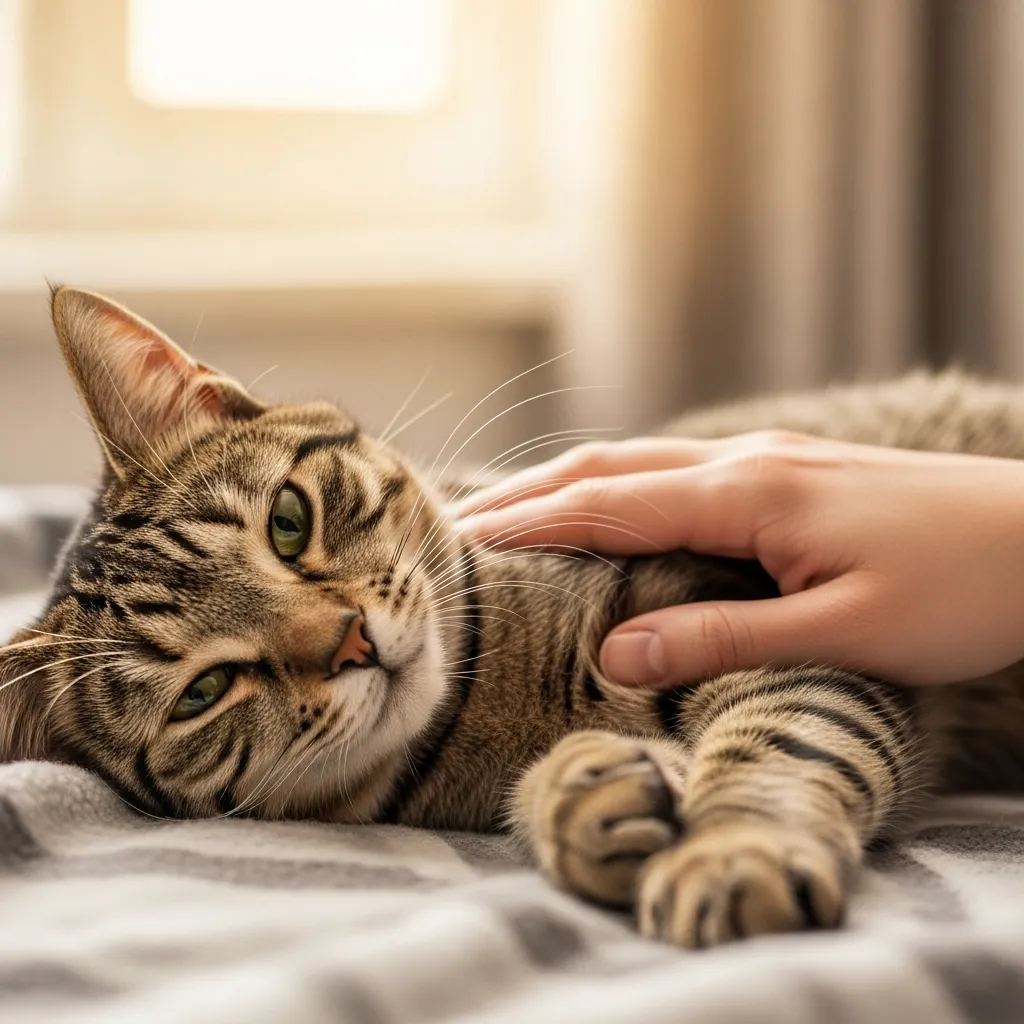
- Locate the Pulse Point: The femoral artery (inner thigh) is the easiest spot. Alternatively, place your hand on your cat’s chest behind the left elbow to feel the heartbeat.
- Feel the Pulse: Gently press with two fingers (not your thumb) to detect the cat heartbeat. It should feel like a steady thump.
- Count the Beats: Time for 15 seconds and count each pulse. Multiply by 4 for the BPM.
- Repeat for Accuracy: Take 2–3 readings to confirm consistency.

For tips on handling your cat during health checks, see our guide on how to give your cat ear drops.
Interpreting the Results
- 140–220 BPM: Normal for most cats at rest.
- Above 220 BPM: Could indicate stress, pain, or cat heart rate too fast (tachycardia).
- Below 140 BPM: May suggest cat heart rate too slow (bradycardia) or hypothermia.
- Irregular Rhythm: Arrhythmias or cat heart murmur may require vet attention.
If you’re unsure about the results, our finding the best vet for your cat guide can help you choose a trusted professional.
Tools for Monitoring Cat Heart Rate
For tech-savvy pet parents, modern tools can simplify tracking your cat pulse rate:
- Cat Heart Rate Monitor Apps: Apps like PetPace or VetMonitor use smart collars to track vitals in real-time.
- Smart Collars for Cats: Devices like Whistle or Tractive offer heart rate and activity monitoring.
- Stethoscope: A basic stethoscope ($20–$50) provides precise readings for hands-on owners.
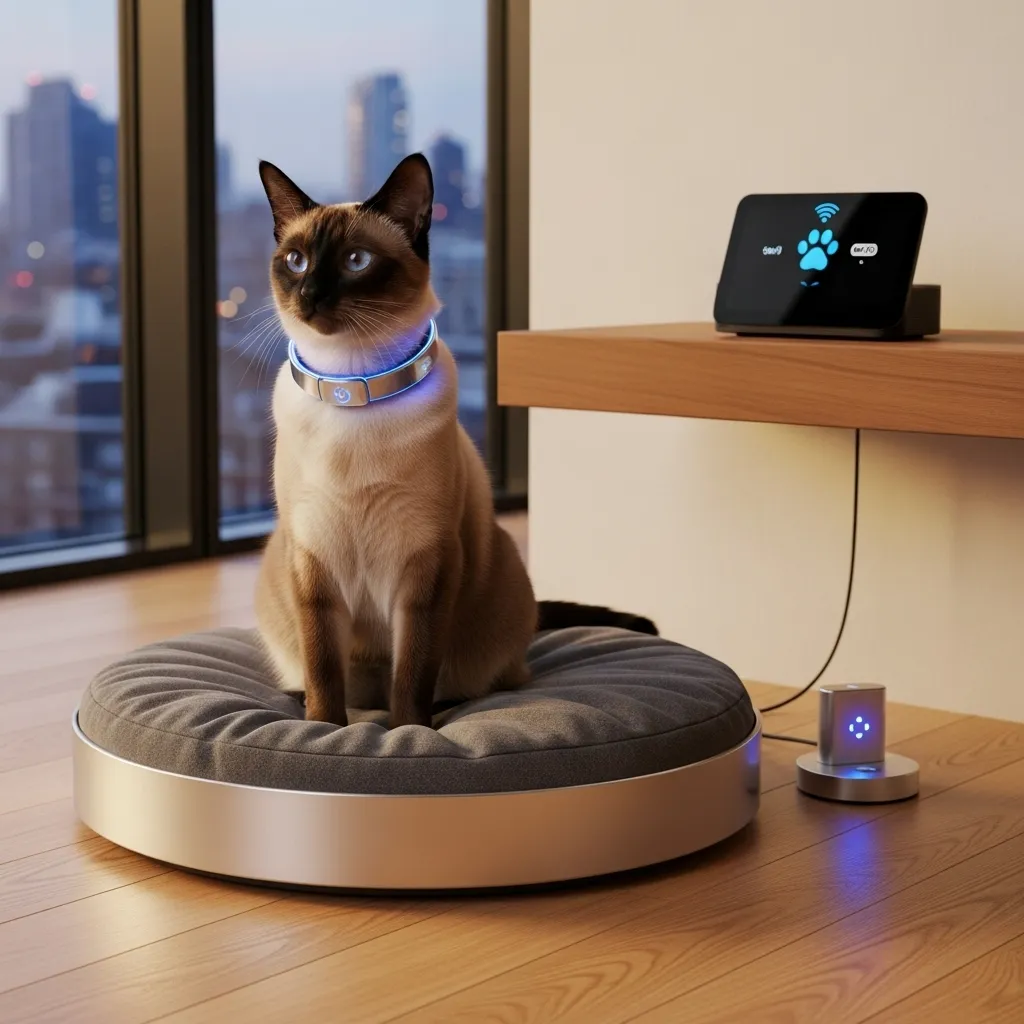
Discover more in our article on smart collars for cats for tech that enhances feline care.
Signs of Abnormal Heart Rate in Cats
Recognizing when your cat’s heart rate is off is crucial for early intervention. Watch for these red flags:
- Rapid Breathing or Panting: Often linked to cat heart rate too fast or heart disease.
- Lethargy or Weakness: May indicate poor circulation or cat heart rate too slow.
- Loss of Appetite: A sign of underlying issues like cat heart disease symptoms.
- Fainting or Collapse: Rare but serious, requiring immediate vet care.
- Swelling (Edema): Fluid buildup in the legs or abdomen can signal heart failure.
For more on spotting health issues, read our cat stress signs guide.
Common Heart Conditions in Cats
- Hypertrophic Cardiomyopathy (HCM): Thickened heart walls, common in breeds like Maine Coons.
- Heart Murmurs: Abnormal sounds that may or may not indicate serious issues.
- Arrhythmias: Irregular heart rhythms that disrupt normal function.
Learn about breed-specific risks in our Maine Coon cat guide.
Maintaining a Healthy Cat Heart Rate
A healthy cat heart rate starts with proactive care. Here’s how to support your cat’s cardiovascular health.
Nutrition for Feline Heart Health
A balanced diet supports a strong heart:
- Taurine: Essential for heart function, found in high-quality wet cat foods.
- Omega-3 Fatty Acids: Reduce inflammation and support circulation (found in fish-based foods).
- Low Sodium: Prevents strain on the heart, especially for senior cats.
- Hydration: Wet food or water fountains encourage proper fluid intake.
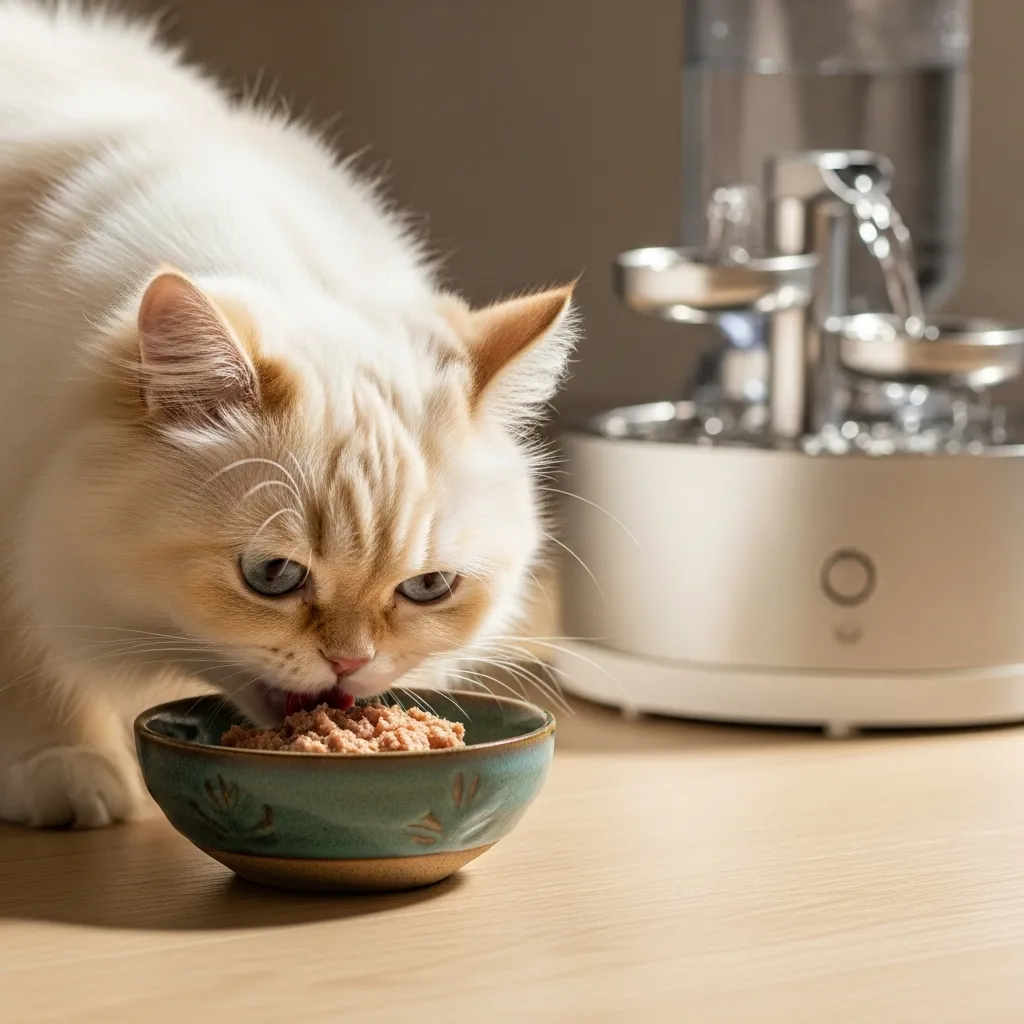
For dietary tips, explore our best wet cat food recommendations.
Exercise and Play for Heart Health
Regular activity keeps your cat’s heart strong:
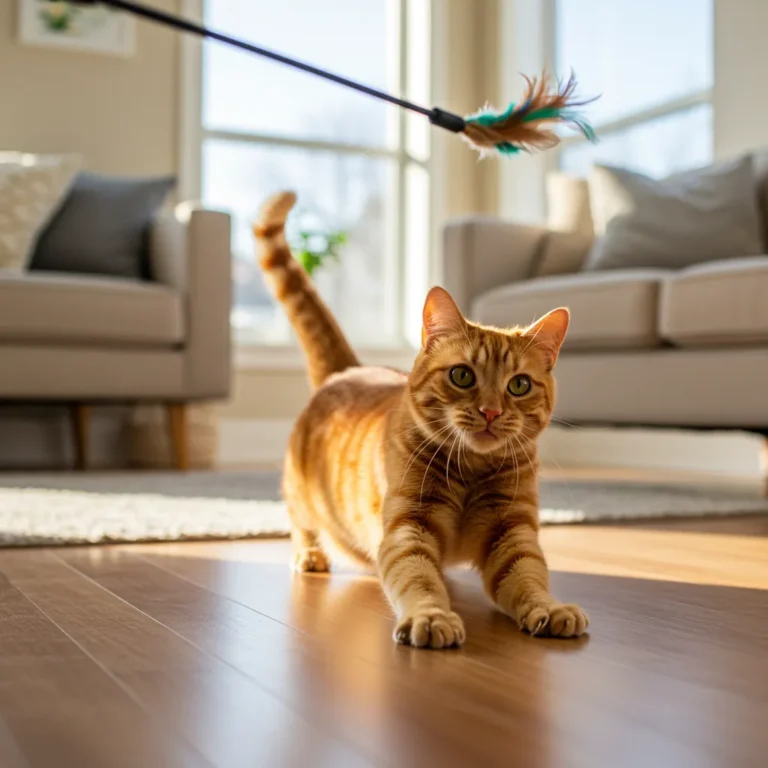
- Interactive Toys: Feather wands or laser pointers encourage bursts of activity.
- Climbing Structures: Cat trees promote natural movement.
- Short Play Sessions: 10–15 minutes daily is ideal for most cats.
Check out our keep Siamese cats entertained guide for play ideas that suit active breeds.
Stress Management for Cats
Stress can spike your cat heart rate while sleeping or at rest. Try these techniques:
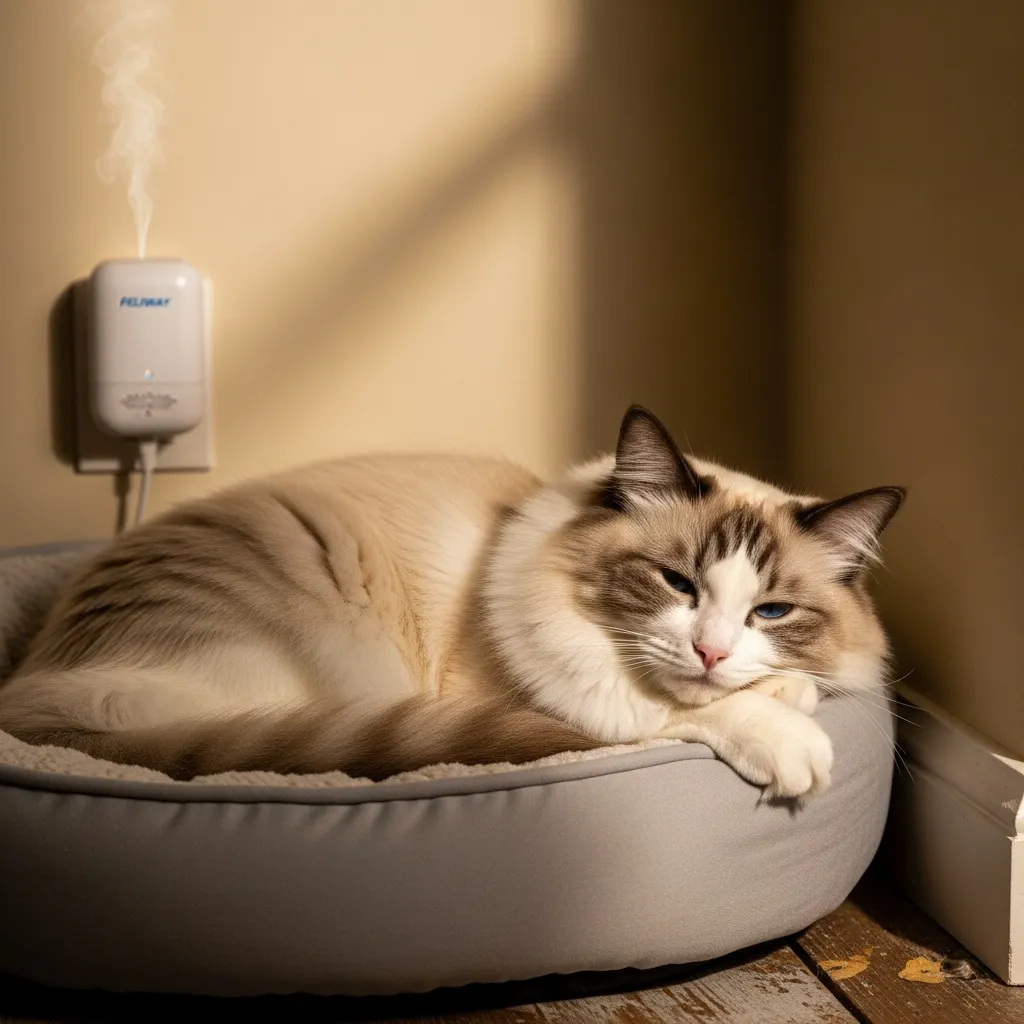
- Safe Spaces: Provide quiet areas with cozy beds or hiding spots.
- Routine: Consistent feeding and play schedules reduce anxiety.
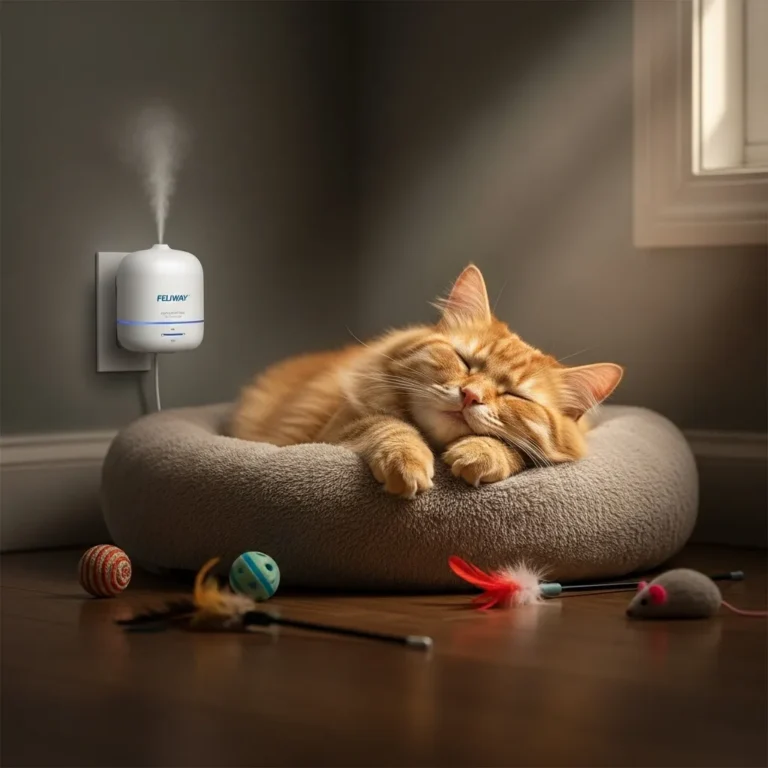
- Pheromone Diffusers: Products like Feliway calm stressed cats.
Learn more in our cat anxiety and heart rate article.
Cat Heart Rate Chart
| Cat Type | Resting Heart Rate (BPM) | Notes |
|---|---|---|
| Kitten | 180–240 | Higher due to growth and metabolism |
| Adult Cat | 140–220 | Varies by breed and activity level |
| Senior Cat | 120–180 | Slower rates common with age |
| Stressed/Active Cat | 200–300 | Temporary spikes during play or stress |
For more on senior cat care, see our senior cat care guide.
When to See a Vet
If your cat shows these symptoms alongside an abnormal heart rate, seek veterinary care:
- Persistent cat heart rate too fast or too slow.
- Coughing, wheezing, or cat breathing fast.
- Behavioral changes like hiding or aggression.
- Unexplained weight loss or gain.
Our cat vet visit schedule guide helps you plan regular checkups.
Real-Life Example: Spotting Trouble Early
When Sarah noticed her Bengal, Luna, was less playful and panting after short play sessions, she checked her heart rate using the femoral artery method. Luna’s pulse was consistently over 240 BPM, even at rest. A vet visit revealed early-stage hypertrophic cardiomyopathy, and with medication and a tailored diet, Luna’s condition stabilized. Regular monitoring and proactive care made all the difference. For more on Bengal health, read our Bengal cat guide.
FAQ: Your Cat Heart Rate Questions Answered
What is the normal heart rate for a cat?
A normal heart rate for a cat is 140–220 BPM at rest, with kittens often reaching up to 240 BPM.
How can I check my cat’s heart rate at home?
Use the femoral artery (inner thigh) or chest to count beats for 15 seconds, then multiply by 4 for BPM. See our how to check cat heart rate guide for details.
What does it mean if my cat’s heart rate is too fast?
A cat heart rate too fast (>220 BPM) may indicate stress, pain, fever, or heart conditions like HCM. Consult a vet if it persists.
What causes a cat’s heart rate to be too slow?
A cat heart rate too slow (<140 BPM) could stem from hypothermia, heart disease, or medication side effects. Immediate vet attention is needed.
How does stress affect my cat’s heart rate?
Stress can elevate your cat heart rate while sleeping or at rest, potentially leading to long-term heart strain. Explore our cat stress signs article for solutions.
Can diet improve my cat’s heart health?
Yes, taurine-rich foods, omega-3s, and low-sodium diets support feline cardiovascular health. Check out our cat food nutrition guide.
What are signs of heart problems in cats?
Look for rapid breathing, lethargy, fainting, or swelling. Our cat heart disease symptoms guide has more details.
Conclusion
Your cat’s heart rate is a window into their overall health, and understanding it empowers you to act quickly if something’s off. By learning how to measure their pulse, recognizing warning signs, and supporting feline heart health through diet, exercise, and stress management, you can help your cat live a long, vibrant life. Whether you’re using a cat heart rate monitor app or simply checking their pulse at home, regular monitoring is key.
Explore more expert cat care and behavior guides on Cat Bloom Haven to keep your feline friend thriving!