How to Check if a Cat is TICA Registered: Your Ultimate Guide to Verification and Peace of Mind
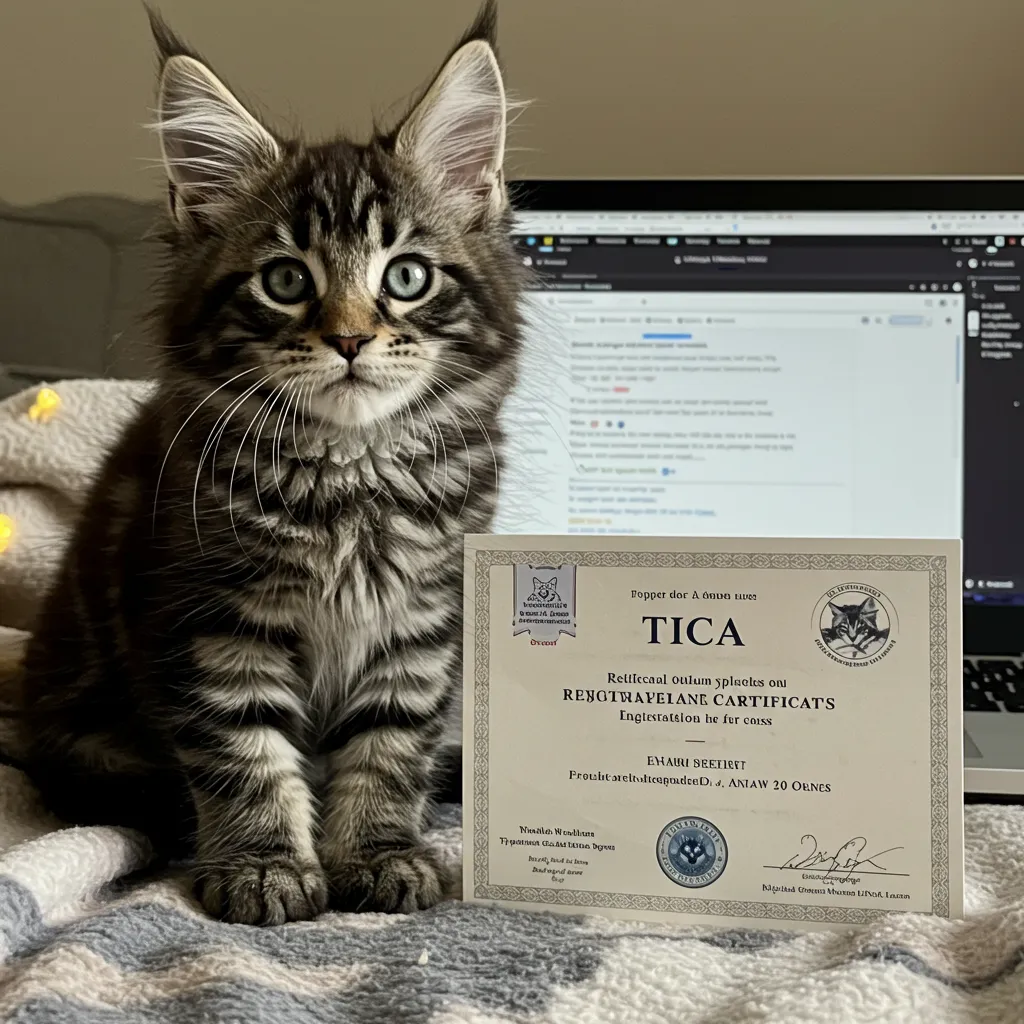
Hey there, fellow cat lover—picture this: You’ve fallen head over heels for a fluffy Maine Coon kitten advertised online, complete with glossy photos and promises of a pristine pedigree. The seller swears it’s TICA registered, but a nagging voice in your head whispers, “Is this for real?” In a world where cat scams are as common as hairballs on the carpet, knowing how to check if a cat is TICA registered isn’t just smart—it’s essential for avoiding heartbreak (and empty wallets).
As someone who’s spent years navigating the feline fancy world— from judging local cat shows to consulting breeders on ethical practices—I’ve seen it all: the joy of a verified purebred companion and the devastation of a fake pedigree fallout. That’s why this guide is your one-stop resource. We’ll dive deep into TICA cat registration verification, uncover red flags for fakes, and even walk you through how to register your cat with TICA if you’re starting fresh. By the end, you’ll have the tools to confidently verify any cat’s credentials, spot scams before they pounce, and make informed choices that keep your future furball safe. Let’s claw into it!
Understanding TICA Registration: The Basics Every Cat Parent Needs to Know
Before we jump into the how-to’s, let’s get crystal clear on what TICA even is. Short for The International Cat Association, TICA is the world’s largest genetic registry for pedigreed cats and household pets alike. Founded in 1979, it’s not just a fancy title—it’s a global network dedicated to preserving cat breeds, promoting health standards, and hosting epic shows where cats strut their stuff like supermodels on a runway.
A TICA registered cat means its lineage has been documented, verified, and stamped with an official pedigree. This isn’t some backyard certificate; it’s proof of genetic history, health testing, and adherence to breeding ethics. Why does this matter? For starters, it ensures your cat comes from responsible lines, reducing risks of hereditary issues like hypertrophic cardiomyopathy in breeds like Ragdolls. Plus, if you’re into showing or breeding down the line, TICA registration opens doors to competitions and communities that CFA (we’ll compare them later) might not.
But here’s the kicker: Not all “TICA registered” claims hold water. Scammers love slapping fake labels on mixed-breed kittens to jack up prices. According to TICA’s own warnings, breeder fraud is on the rise, with stolen photos and bogus papers fooling even savvy buyers. That’s where TICA registration verification comes in—your shield against the sleight-of-paw.

In this section, we’ll break it down: What makes a registration legit, and why verifying TICA registered cat authenticity is non-negotiable. Think of it as due diligence for your whiskered investment—because nothing says “I love cats” like protecting your pride from posers.
Step-by-Step Guide: How to Check if a Cat is TICA Registered Like a Pro
Alright, let’s roll up our sleeves (or fluff up our tails) and get practical. How to check TICA registration doesn’t require a detective badge—just a laptop, some patience, and these foolproof steps. I’ve walked dozens of new owners through this process, and trust me, it’s simpler than teaching a cat to fetch.
Step 1: Gather Your Intel—What Info Do You Need?
Before hitting the keyboard, arm yourself with details from the seller:
- Registration Number: Every TICA cat has a unique ID (e.g., something like “ABC123DEF”).
- Pedigree Papers: Ask for a physical or digital copy of the certificate.
- Breeder/Cattery Name: This is gold for cross-checking.
- Cat’s Full Name and Birth Date: Matches must align perfectly.
Pro Tip: If the seller dodges these requests? Red flag alert—move on. Legit breeders flaunt their credentials like a cat with a fresh feather toy.
Step 2: Hit Up TICA’s Official Website for a Quick Scan
TICA makes TICA registration lookup online a breeze through their user-friendly tools. Head to tica.org and follow this numbered path:
- Navigate to the Breeder Directory: Click “Find a Cat” > “Find a Cat Breeder Listings.” Search by breed, location, or cattery name. If your seller’s cattery pops up, that’s a green light—they’re verified members.
- Check the Cat’s Specific Registration: For individual cats, you’ll need to log in or contact support (more on that below). But start with the “Browse All Breeders” tool under the same menu—it’s a global list of active catteries.
- Validate the Pedigree Online: Use the “Pedigree Search” feature if available (or request it via email). Input the registration number to pull up lineage details.
Real-Life Example: I once helped a client verify a Sphynx kitten. The cattery was listed, but the reg number didn’t match the cat’s DOB. Turns out, it was a simple typo—but always double-check!
| Tool | What It Verifies | Pros | Cons |
|---|---|---|---|
| Breeder Directory | Cattery legitimacy | Free, instant, location-based | Doesn’t check individual cats |
| Pedigree Search | Lineage and health notes | Detailed genetic history | Requires reg number; login for full access |
| General Site Search | Basic membership status | Quick keyword scan (e.g., “cattery name TICA”) | Surface-level only |
Step 3: Contact TICA Directly—Your Ironclad Backup Plan
If online tools leave you scratching your head, TICA’s support team is purr-fectly responsive. Email [email protected] or call +1-915-496-9880 (Harlingen, TX HQ). Provide the reg number, cat details, and seller info—they’ll confirm authenticity within 24-48 hours.
From my experience consulting registries, TICA’s staff are cat enthusiasts at heart. One time, they flagged a suspicious “registration” for me that turned out to be a Photoshopped PDF—saved a friend $2,000!
Step 4: Cross-Verify with Third-Party Proof
Don’t stop at TICA—ask for:
- Vet records from a licensed pro.
- Video calls with the kitten (live, not pre-recorded).
- References from past buyers.
This multi-layer approach ensures validate TICA registration is thorough, not just a box-tick.
By following these steps, you’ll nail how to check TICA registration every time. It’s empowering stuff—turning you from cautious buyer to confident cat guardian.

How to Verify TICA Pedigree: Unraveling Your Cat’s Family Tree
Once you’ve confirmed the registration, the real fun begins: How to verify TICA pedigree. A pedigree isn’t just a family tree; it’s a roadmap of genetics, showing sires, dams, and health clearances back four generations (or more for show cats).
Why Pedigree Verification Matters More Than You Think
In breeds like Bengals or Persians, hidden issues like PKD (polycystic kidney disease) can lurk. TICA pedigrees flag tested lines, giving you peace of mind. Plus, for resale or showing, a solid pedigree boosts value—I’ve seen verified ones fetch 20-30% more at auctions.
Step-by-Step: Digging into the Pedigree Details
- Request the Full Document: Insist on the official TICA-issued pedigree, not a screenshot. Look for watermarks, seals, and the unique reg number.
- Scan for Key Markers:
- Generation Codes: “SBT” means Stud Book Tradition (purebred for 3+ generations).
- Health Endorsements: Notations like “HCM negative” from scans.
- Breeder Sign-Off: Signed by the registered owner.
- Use TICA’s TFMS Portal: If you’re a member (annual fee ~$40), log into the TICA Fancy Management System (TFMS) for digital pedigree views. Non-members? Email it in for a fee (~$10-20).
Example: Take a Norwegian Forest Cat pedigree I verified last year. The sire’s line traced to championship winners in 2018 TICA shows—jackpot for authenticity!
Tools and Tips for Verify Pedigree Cats Online
- Free Apps: Cat fanciers swear by Pedigree Database apps (cross-reference with TICA).
- Genetic Testing Kits: Services like Wisdom Panel can back up pedigree claims (~$100-150).
- Pro Tip: Always match photos in the pedigree to the kitten—scammers swap images like catnip dealers.
With these tactics, TICA pedigree verification becomes a breeze, ensuring your cat’s story is as spotless as its coat.

TICA Breeder and Cattery Verification: Spotting the Real Deals from the Wannabes
Breeder verification is the backbone of TICA registered breeder verification. A cattery isn’t just a home—it’s a commitment to ethics, health, and transparency. TICA requires members to follow a code of conduct, including genetic testing and no overbreeding.
Checking Cattery Listings: Your First Line of Defense
Dive into TICA’s “Find a Breeder” tool at tica.org/find-a-cat. Filter by breed (e.g., Siamese) and region—active listings mean vetted status. If it’s missing? Politely ask why; legit ones are proud to be listed.
Verifying Membership and Ethical Standards
- Membership Proof: Request their TICA ID card scan—includes expiration date.
- Ethics Check: TICA breeders must disclose testing (e.g., DNA for FIV/FeLV). No details? Walk away.
- Site Visit: If local, insist on touring the facility. Clean, socialized cats = green flag.
Real-World Win: A client of mine uncovered a “TICA cattery” via this method—it wasn’t listed, and a quick call revealed it was a reseller, not a breeder.
| Verification Method | Ease Level | Reliability | Cost |
|---|---|---|---|
| Online Directory Search | Easy | High | Free |
| Direct TICA Contact | Medium | Very High | Free |
| In-Person Visit | Hard | Highest | Travel Expenses |
| Reference Calls | Medium | High | Time |

TICA Cattery Lookup Pro Hacks
Join Facebook groups like “TICA Members Only” for insider scoops. And remember: Volume matters—reputable catteries produce 2-4 litters/year max, not dozens.
Mastering TICA breeder verification turns shopping into sleuthing success.
Spotting Fake TICA Registrations: Red Flags and Scam Prevention Strategies
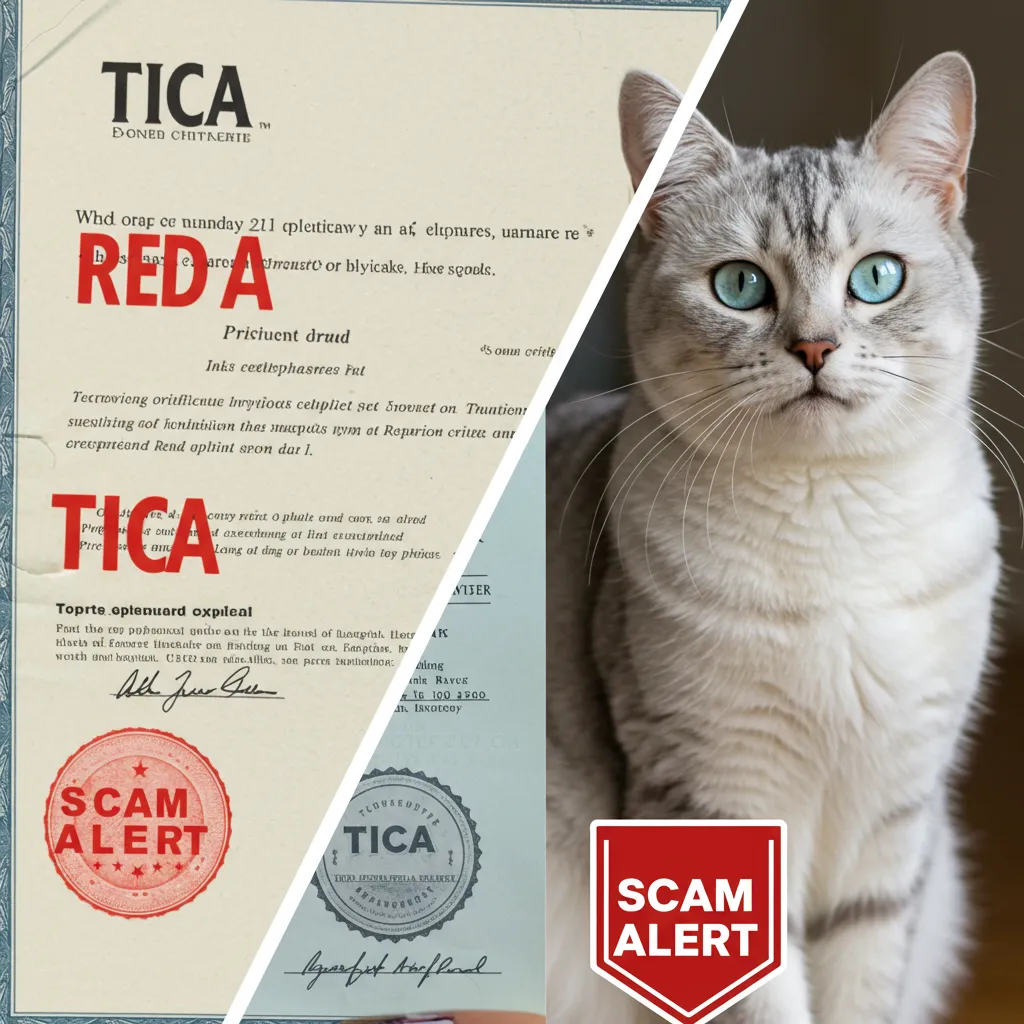
Ah, the dark side of cat buying—fake TICA registration signs that can turn your dream pet into a nightmare. With online marketplaces flooded with fraud, cat scam prevention tips are your best friend. TICA reports a surge in phony certificates, often using editable PDFs or stolen templates.
Red Flags of Fraudulent Certificates
Watch for these telltale signs:
- Poor Quality Prints: Blurry logos, misspelled “TICA,” or generic fonts.
- Generic Numbers: Reg codes like “12345” (real ones are alphanumeric and breed-specific).
- No Supporting Docs: Pedigrees without vet stamps or photos.
- Too-Good-to-Be-True Pricing: Purebreds under $500? Likely a lure.
Example: I busted a scam last month—a “TICA registered” Bengal for $300 with a certificate dated in the future. Classic!
Common Scam Tactics in the Cat World
- Stolen Photos: Crooks lift images from legit sites like tica.org breeders. Reverse-image search on Google to catch ’em.
- Pressure Tactics: “Kitten must go today!” or “Shipping only, no visits.”
- Shady Payments: Demands for wire transfers, crypto, or gift cards—never pay this way.
Fake TICA Certificate Warning: Always verify before wiring a dime. Use TICA’s scam alert page for updates.
Bulletproof Cat Scam Prevention Tips
- Meet in person or via live video.
- Pay via credit card for buyer protection.
- Research the seller’s socials—consistent posts over years? Thumbs up.
- Join communities like Reddit’s r/cats or TICA forums for warnings.
Armed with this, you’ll dodge fake TICA registration like a cat evading a bath.
The TICA Registration Process: Step-by-Step Guide for Aspiring Cat Registrants
New to the game? How to register your cat with TICA is straightforward and rewarding. Whether from a litter or adoption, it’s about celebrating your cat’s heritage.
Prerequisites: What You’ll Need
- Breeder slip (if from a litter) or DNA proof for unknowns.
- Photos, vet records, and ownership proof.
- Fee: $10-50 per cat, depending on type.
TICA Registration Process Step-by-Step
- Create a TFMS Account: Free at tica.org/tfms. It’s your dashboard for all things TICA.
- Gather Docs: Scan pedigree or slip—ensure details match.
- Submit Online: Go to “Register a Cat” > Upload files > Pay via card.
- Wait for Approval: 1-2 weeks; you’ll get a digital certificate.
- Update as Needed: Add show wins or name changes later.
I’ve guided families through this for rescue cats—turns a shelter tabby into a documented star!
| Registration Type | Ideal For | Cost | Timeline |
|---|---|---|---|
| Individual Cat | Pets/Household | $15 | 1 week |
| Litter | Breeders | $10/head | 2 weeks |
| Pedigree Upgrade | Mixed to Pure | $25+ | 3-4 weeks |
This process cements TICA registration number check as a lifelong asset.

TICA vs. CFA Registration: A Head-to-Head Comparison for Savvy Cat Lovers
Choosing between registries? TICA vs CFA registration comparison boils down to your goals. CFA (Cat Fanciers’ Association) is the OG—larger, with 44 breeds and strict standards. TICA? More inclusive, recognizing 73 breeds and experimental ones.
Pros and Cons Breakdown
| Aspect | TICA | CFA |
|---|---|---|
| Breed Recognition | 73 breeds; progressive (e.g., new colors) | 44 breeds; traditional, stricter generations |
| Show Focus | Global events, household pets welcome | North America-heavy, championship emphasis |
| Fees | $10-50; flexible for litters | $48+; pedigree-focused |
| Ethics | Code of conduct; health emphasis | Similar, but more color restrictions |
| Best For | Breeders innovating breeds | Show purists seeking prestige |
From my show-judging days, TICA’s vibe is more welcoming for newcomers. Dual-register if you can—many do!

Leveraging Social Media and Community for Extra Layers of Verification
In 2025, verification isn’t just official docs—it’s digital detective work. Utilizing social media and video content for verification can make or break your trust.
Instagram and Facebook: Visual Vetting
- Follow the cattery’s profile: Years of consistent posts? Legit.
- Check tags: Real TICA cats show up in #TICAShows or breeder collabs.
- Video Calls: Demand live streams—watch that kitten play to confirm existence.
Tip: Tools like TinEye for reverse image searches catch 90% of stolen pics.
Forums and Groups: Crowd-Sourced Wisdom
- TICA’s Official Groups: Join for alerts on scams.
Example: A Facebook group exposed a fake Scottish Fold breeder using my client’s photos—community power!
This layer adds heart to TICA cattery lookup, blending tech with cat lover camaraderie.

Wrapping It Up: Your Path to a Verified, Scam-Free Feline Friendship
Whew, we’ve covered a whisker-to-tail guide on how to check if a cat is TICA registered—from online lookups and pedigree deep-dives to scam-spotting and registration how-to’s. Remember: Verification isn’t paranoia; it’s love in action, ensuring your cat’s story starts with trust. Whether you’re dodging fakes, verifying breeders, or comparing TICA to CFA, these steps empower you to bring home a genuine gem.
FAQ: Quick Answers to Your Burning TICA Questions
How Can I Check if a Cat is TICA Registered?
Head to tica.org and use the Breeder Directory with the reg number. For confirmation, email [email protected]—quick and free.
How Do I Register My Cat with TICA?
Create a TFMS account, upload docs (pedigree/slip), and submit online for $10-50. Approval in 1-2 weeks—easy peasy!
How Can I Validate the Pedigree of a TICA Registered Cat?
Scan the official doc for generation codes and health notes, then cross-check via TFMS or TICA support. Add DNA kits for extra surety.
How Can I Verify the Authenticity of a TICA Registered Breeder?
Search TICA’s listings, request membership proof, and insist on video visits. References seal the deal.
Can Social Media Platforms Help Verify a Cat Breeder’s Legitimacy?
Absolutely—consistent, long-term posts with live videos and tags like #TICA prove real. Reverse-search images to spot thieves.
What Should I Consider When Getting a TICA Registered Cat?
Prioritize health tests, ethical breeding, and in-person meets. Budget for $800-2000+ for quality, and always verify first!