How to Be a Good Cat Owner: The Ultimate Guide to Lifelong Feline Happiness
Imagine this: You open your front door after a long day, and a soft, rumbling purr greets you before you even see your cat. She weaves between your legs, head-butts your shin, then flops dramatically at your feet demanding pets, of course. That’s the magic of being a good cat owner. But behind every confident strut and contented nap lies a foundation of smart, consistent care that keeps your feline thriving for 15+ years.
If you’ve ever worried, “Am I doing enough for my cat?” you’re not alone. New owners juggle myths and misinformation; seasoned ones still second-guess portions or playtime. This guide cuts through the noise. You’ll walk away with vet-approved cat care basics, actionable cat nutrition tips, a foolproof cat grooming guide, and insider cat behavior explained insights that turn “good” into “great.”
Key Takeaways :-
- Feed a complete, age-specific diet—never “people food” as the main course.
- Schedule annual wellness exams + dental cleanings; catch issues early.
- Groom weekly (more for longhairs) to prevent mats, hairballs, and stress.
- Scoop litter daily; full clean weekly—odor-free boxes = happy cats.
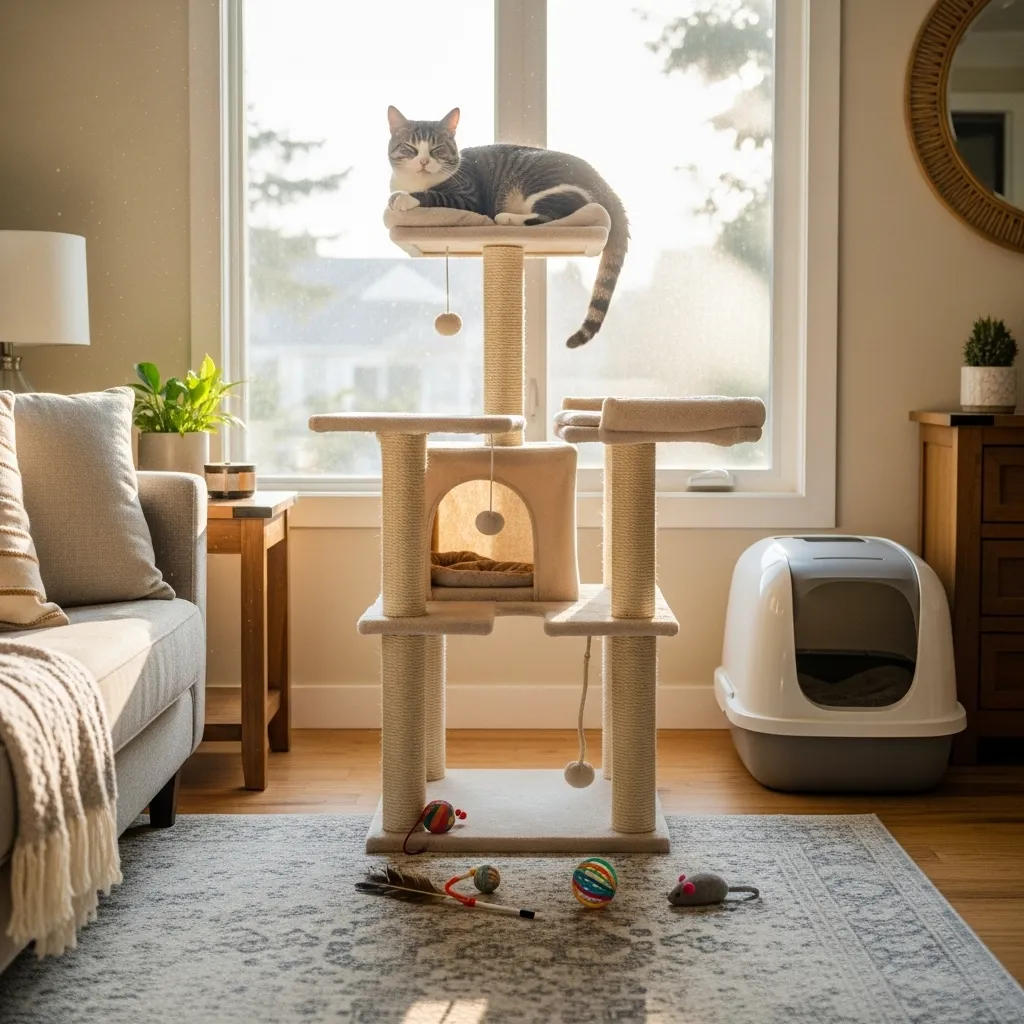
- Provide vertical space, scratching posts, and 15-minute daily interactive play.
- Socialize gently from kittenhood; even adult rescues can learn trust.
Ready to level up? Let’s dive into every pillar of responsible cat ownership.
Cat Care Basics: Building a Foundation for Health and Trust
Being a good cat owner starts with routine. Cats are creatures of habit—disrupt the rhythm, and you’ll see stress in hiding, over-grooming, or litter mishaps.
Daily, Weekly, Monthly Checklist
| Frequency | Task | Pro Tip |
|---|---|---|
| Daily | Scoop litter, refresh water, 15-min play | Use stainless steel or ceramic bowls—plastic harbors bacteria. |
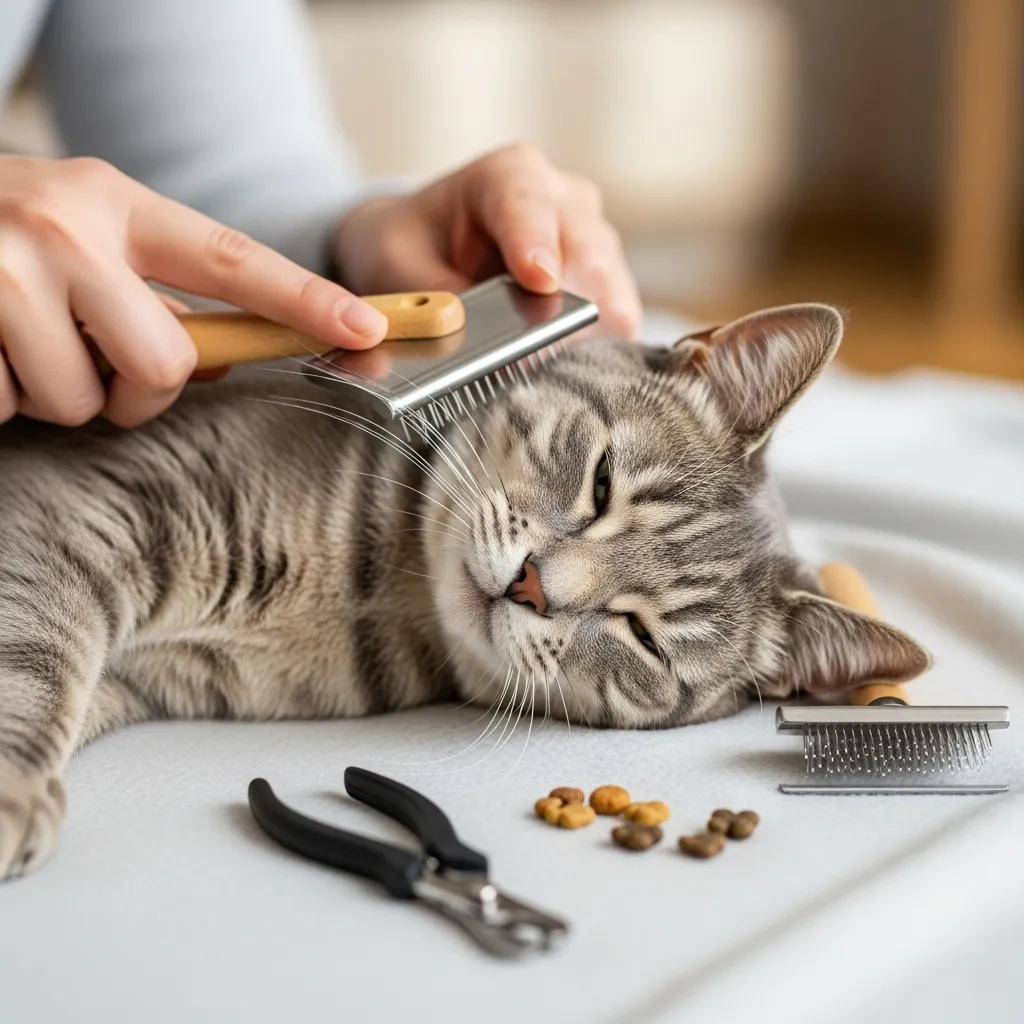
| Weekly | Full litter change, nail trim, brush coat | Combine brushing with treats to create positive associations. |
| Monthly | Flea/tick check, weight check, toy rotation | Sudden 0.5-lb gain/loss? Vet visit. |
Veterinarian Dr. Emily Hart, DVM, notes: “Preventive care costs 10x less than emergency treatment. A $60 wellness exam can flag kidney changes years early.”
Real-Life Example: When Sarah adopted rescue tabby Milo, he hid for three days. She stuck to the checklist—quiet room, scheduled meals, gentle play with a feather wand. By day 10, Milo greeted her at the door. Routine = security.
Explore our detailed guide on finding the best vet for your cat to choose a Fear-Free certified practice.
Cat Nutrition: Fueling Energy, Coat Shine, and Longevity
Cat nutrition isn’t one-size-fits-all. Kittens need 3–4 meals; seniors thrive on two smaller, joint-friendly portions. Skip the guesswork—here’s science.
Decoding Cat Diets: Obligate Carnivores 101
Cats require taurine, arachidonic acid, and vitamin A from animal tissue. Plant-based “vegan cat food” risks blindness and heart failure—AAFP and WSAVA condemn it.
Age-Specific Feeding Chart
| Life Stage | Calories/lb | Protein % | Key Additives |
|---|---|---|---|
| Kitten (0–1 yr) | 60–80 | 35–40% | DHA for brain |
| Adult (1–7 yrs) | 30–40 | 30–35% | Glucosamine optional |
| Senior (7+ yrs) | 25–35 | 28–32% | Phosphorus control |
Wet vs. Dry Debate: Wet food = 78% moisture → better hydration + urinary health. Dry kibble supports dental abrasion if fed alongside wet. Combo feeding wins.
Actionable Tip: Transition foods over 7–10 days. Mix 25% new with 75% old, increasing gradually. Abrupt switches trigger vomiting or diarrhea.
Discover more in our article on wet cat food or calculate portions with the Ragdoll hydration calculator (works for any breed!).

Cat Grooming Guide: From Fluffy to Fabulous Without the Drama
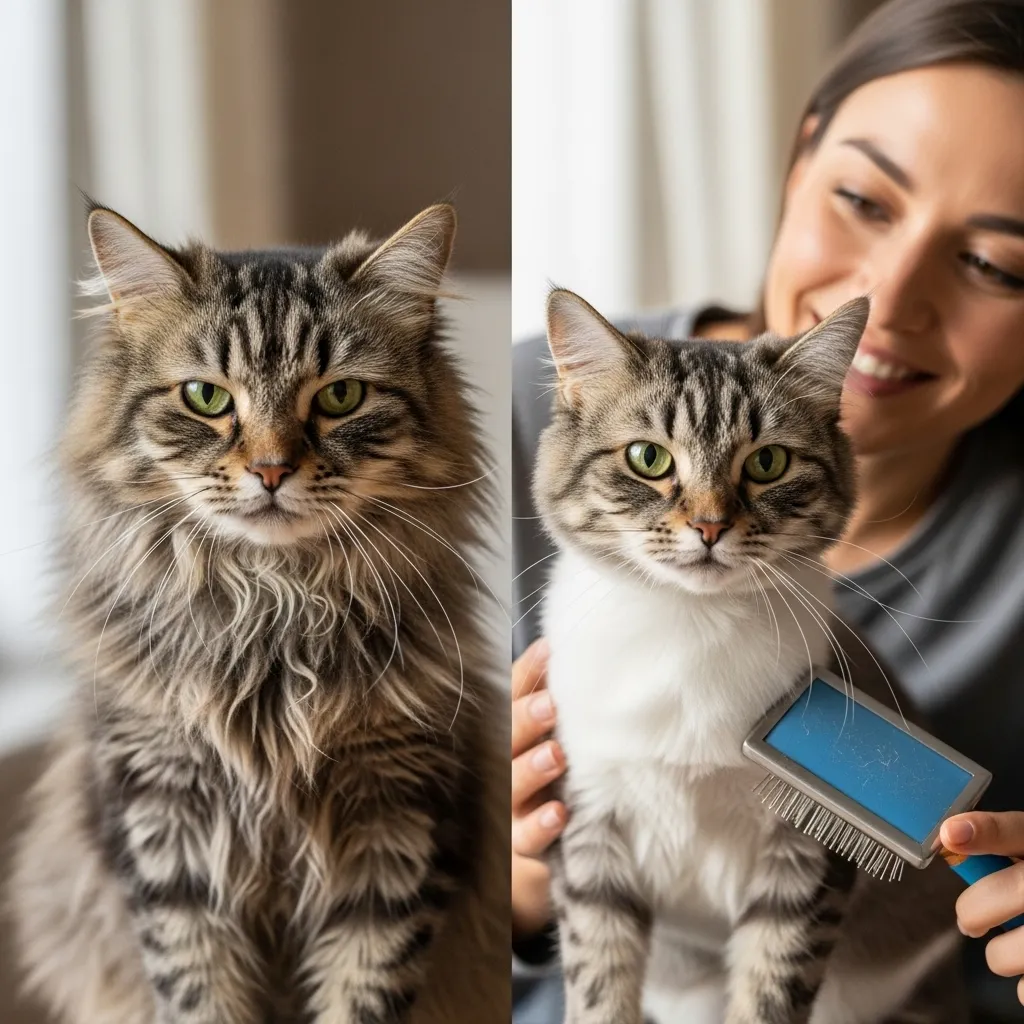
Proper cat grooming techniques prevent hairballs, mats, and skin infections. Short-haired cats need weekly brushes; long-haired beauties demand daily.
Step-by-Step Grooming Routine
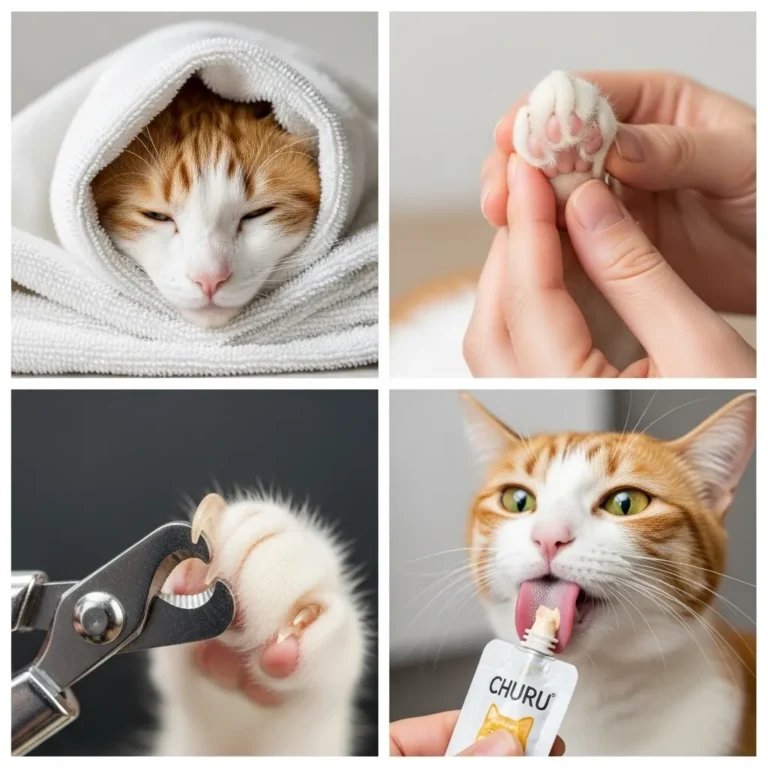
- Tools: Slicker brush, wide-tooth comb, nail clippers, pet-safe wipes, ear cleaner (vet-approved).
- Order: Eyes → Ears → Teeth → Coat → Nails → Paws.
- Frequency:
- Brush: 1–7x/week by coat length.
- Nails: Every 10–14 days.
- Bath: Only if greasy, rolled in something, or vet-prescribed.
Claw Care Hack: Place a scratching post beside furniture, not across the room. Rub catnip on it cats learn fast.
Fur Maintenance for Longhairs: Use a dematting comb on small knots; never scissors (skin is thin). For severe mats, schedule a lion cut with a certified groomer.
Read our breed-specific tips in Norwegian Forest Cat grooming or how to groom a cat that hates it.
Litter Box Maintenance and Odor Control: The Non-Negotiable
Litter box aversion is the #1 reason cats pee outside the box. Follow the n+1 rule: n cats = n+1 boxes.
Litter Box Setup Blueprint
- Size: 1.5x cat’s length (uncovered preferred).
- Location: Quiet, low-traffic, escape routes on two sides.
- Litter: Unscented, clumping clay or walnut—avoid corn/wheat if allergies suspected. Depth: 2–3 inches.
- Cleaning: Scoop 1–2x daily; full dump + scrub weekly with mild dish soap.
Odor Control Without Chemicals:
- Sprinkle baking soda at the bottom before fresh litter.
- Use activated charcoal filters in hooded boxes.
- Run a HEPA air purifier nearby.
See our cat litter box problems troubleshooting guide or enzyme cleaner for cat urine recommendations.

Creating a Cat-Friendly Home: Safety Meets Enrichment
A cat-friendly environment blends safety, stimulation, and cozy corners.
Essential Zones
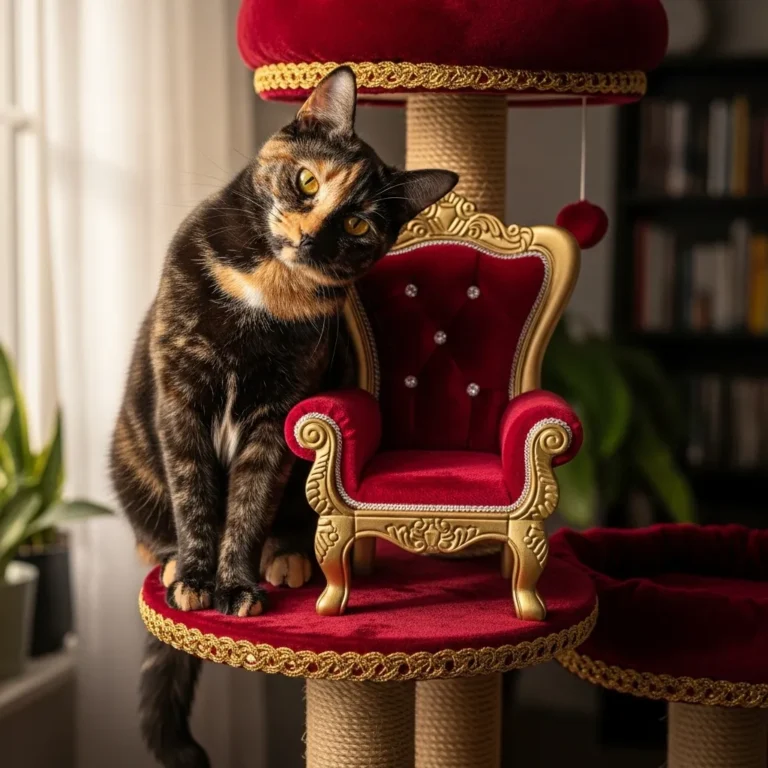
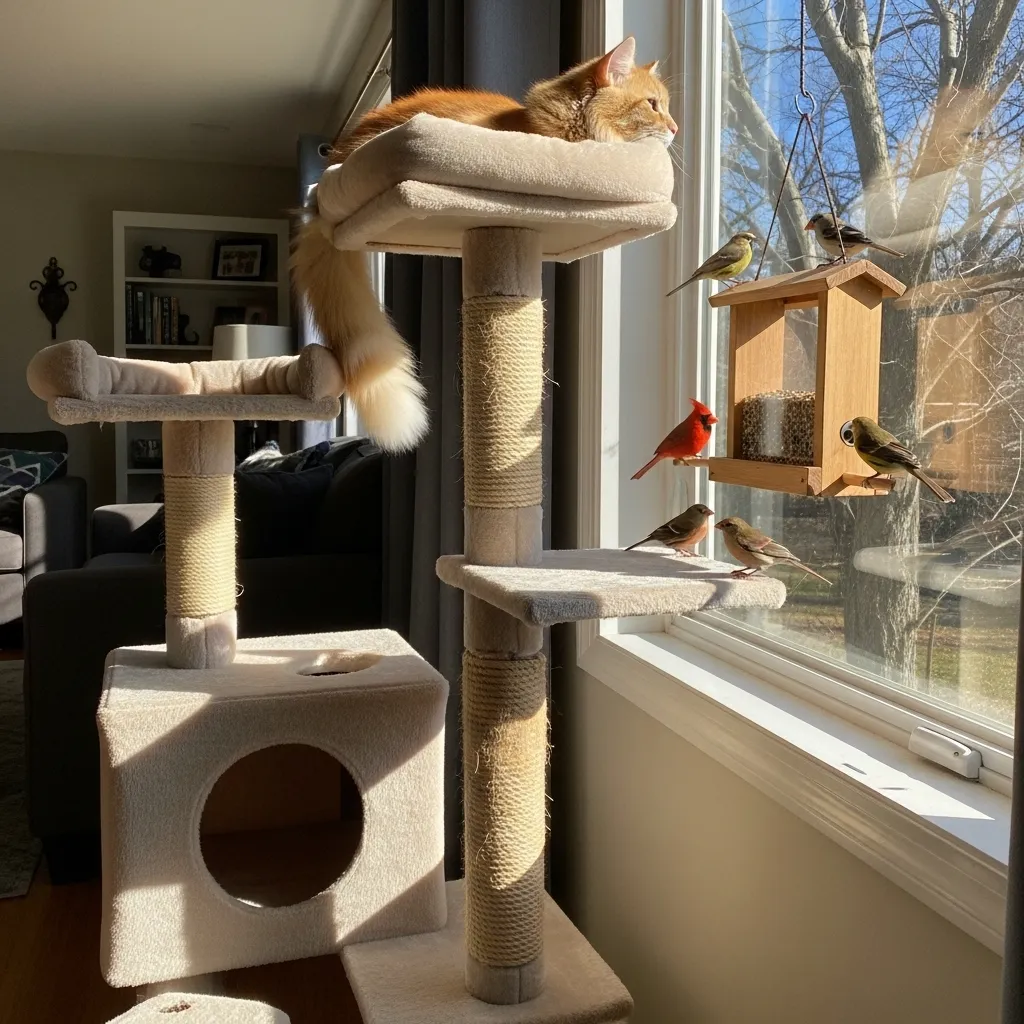
- Vertical Territory: Cat trees, shelves, window perches. Aim for 6–8 ft height.
- Hiding Spots: Cardboard boxes, tunnels, igloo beds. Rotate every 2 weeks.
- Scratching Stations: Sisal posts, cardboard scratchers—horizontal and vertical.
- Safe Plants: Cat grass, spider plants, valerian. Avoid lilies, aloe, sago palm.
Eco-Friendly Cat Products Trend 2025: Recycled cardboard scratchers and biodegradable litter reduce carbon pawprint by 40% vs. clay.
Modern Cat Care Tip: Install motion-activated night lights along baseboards seniors navigate better, reducing falls.
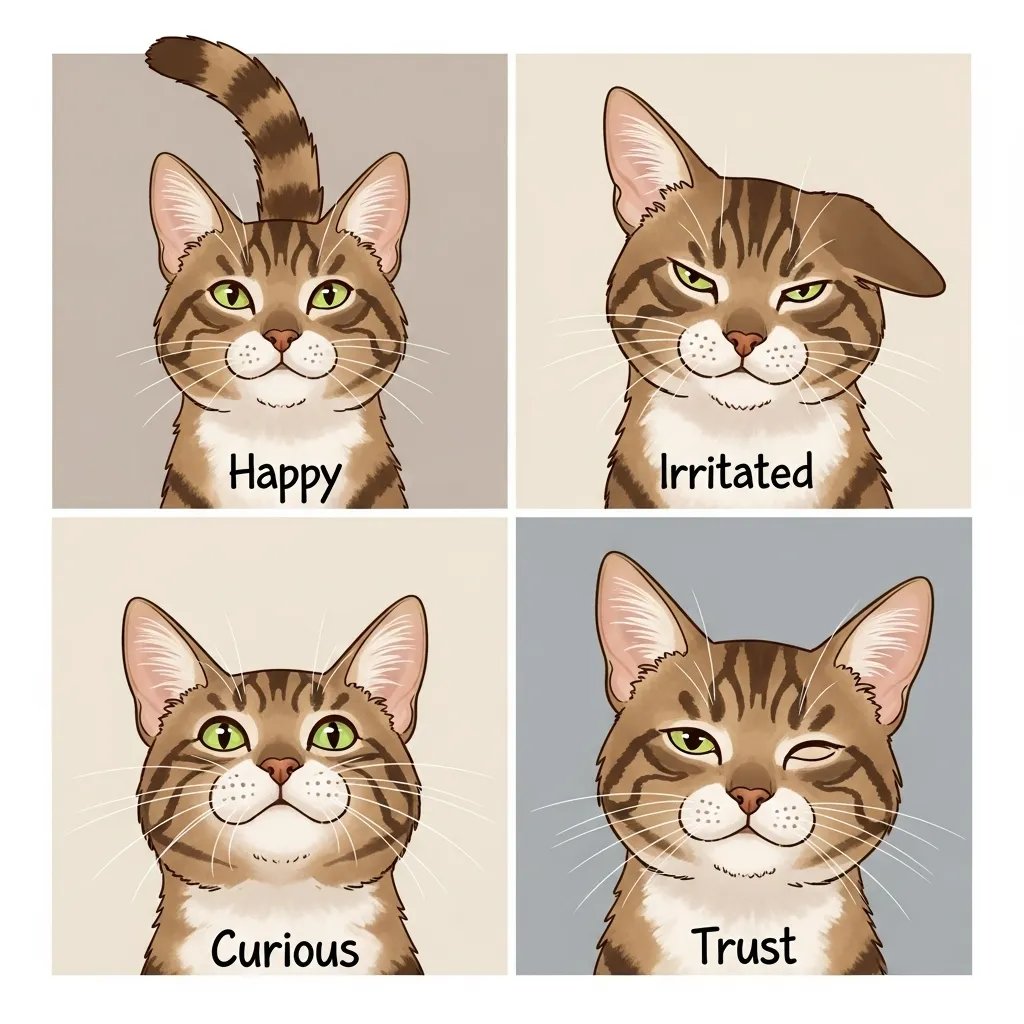
Cat Behavior Explained: Reading Whiskers, Tails, and Ears
Understanding cat behavior prevents frustration and deepens your bond.
Common Signals Decoded
| Body Part | Position | Meaning |
|---|---|---|
| Tail | Upright, quivering | Greeting + happiness |
| Ears | Forward | Curious; sideways = irritated |
| Whiskers | Forward | Engaged; pulled back = fear |
| Purring | With relaxed body | Content; with tension = self-soothing |
Play Aggression Fix: If kitty ambushes ankles, redirect to a kick toy. Never use hands as toys—teaches biting is okay.
Cat Socialization Tips:
- Kittenhood (2–7 weeks) is prime, but adults adapt with patience.
- Use treat trails to lure shy cats into new rooms.
- Pair new experiences (car rides, visitors) with high-value treats (freeze-dried chicken).
Dive deeper with dominant cat behaviors.
Playtime for Cats: 15 Minutes That Prevent Obesity and Boredom
Interactive cat toys mimic hunting: stalk → pounce → capture → eat.
Daily Play Menu
- Morning (5 min): Laser pointer or wand—ends with a “kill” (treat).
- Evening (10 min): Puzzle feeder or treat ball—mental + physical workout.
Indoor Cat Activities 2025:
- Window TV: Bird feeders outside + perch inside.
- DIY Foraging: Hide kibble in egg cartons or toilet paper rolls.
- Tech Toys: Self-rotating lasers or app-controlled balls for solo play.

Feline Wellness Tip: Obese cats face 3x diabetes risk. Aim for two 15-min sessions; seniors do gentle wand play.
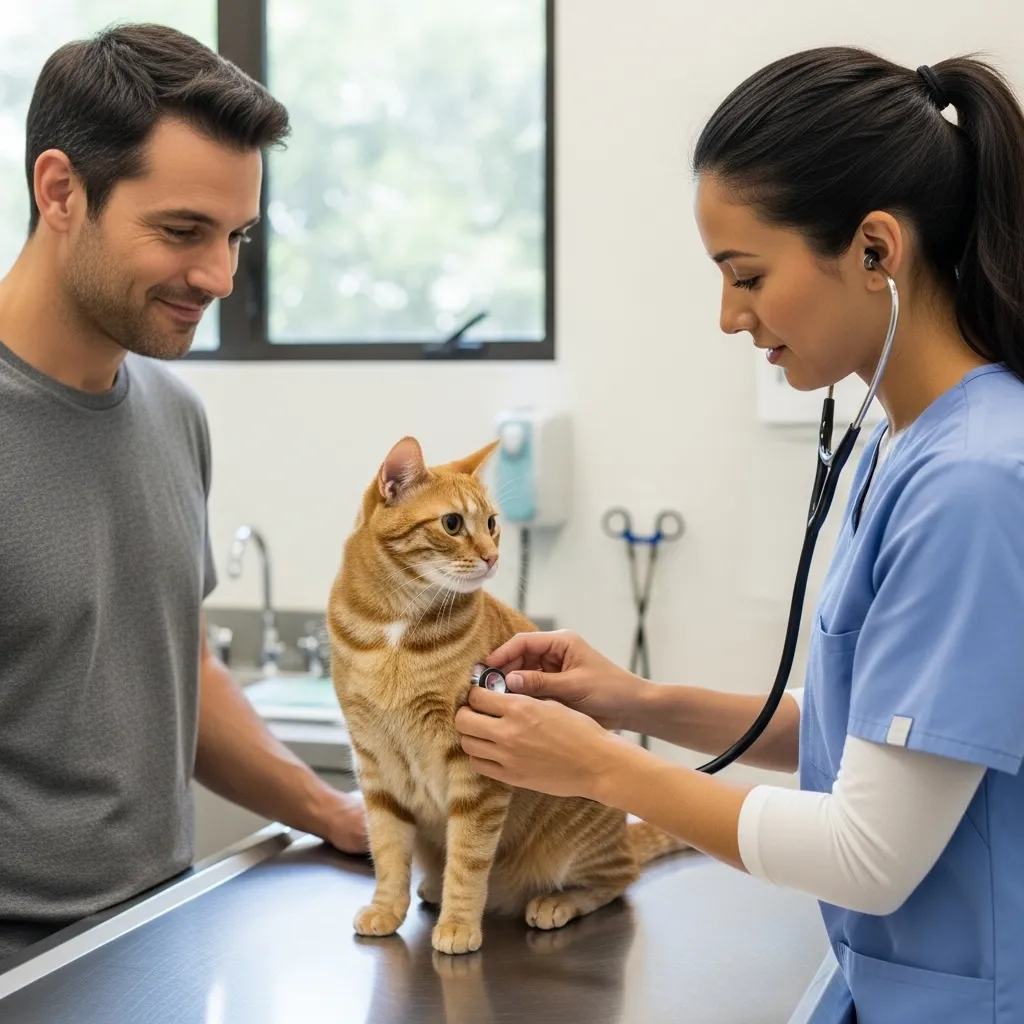
Health Checkups for Cats: Your Preventive Superpower
Annual exams aren’t optional—cats age 7–10 human years per calendar year after age 2.
Vet Visit Timeline
| Age | Exams | Vaccines | Tests |
|---|---|---|---|
| Kitten | Every 3–4 weeks until 16 weeks | FVRCP, FeLV, Rabies | Fecal, FeLV/FIV |
| Adult | Yearly | FVRCP booster, Rabies | Bloodwork every 2 yrs |
| Senior (7+) | Every 6 months | As needed | Bloodwork, UA, BP |
Home Health Checks (Weekly):
- Gums: Pink, no redness.
- Eyes: Clear, no discharge.
- Coat: Shiny, no bald patches.
- Weight: Ribs felt with slight pressure.
Early kidney disease shows in dilute urine and subtle weight loss—both catchable at home with a $12 digital scale.
Socialization and Happiness: The Emotional Side of Cat Care
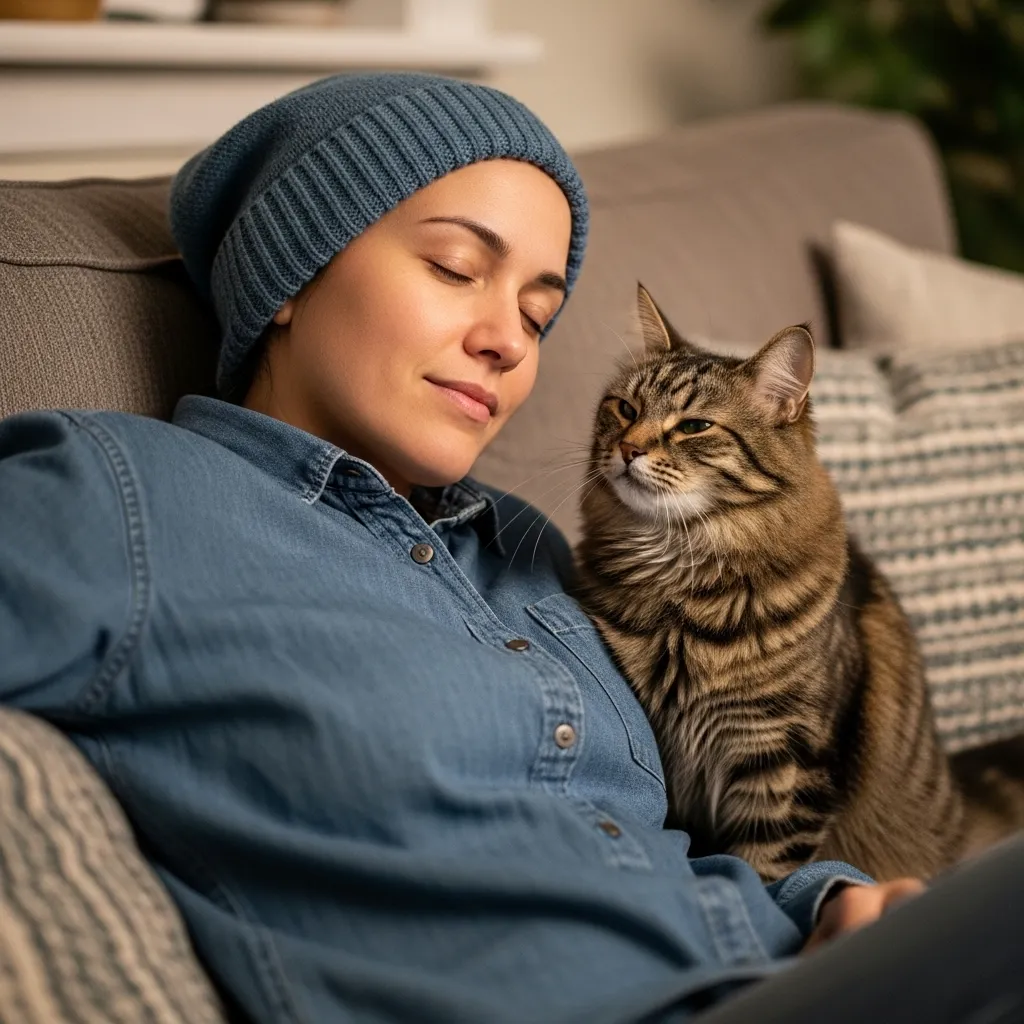
Cat happiness = physical health + mental stimulation + trust.
Building Bonds at Any Age
- Respect Blink: Slow blink = “I trust you.” Return it.
- Scent Swap: Rub a soft cloth on your cheeks, then on cat’s head—shares family scent.
- Choice-Based Handling: Let cats approach; never force cuddles.
Cat Happiness Metrics (Track Monthly):
- Eats 80%+ of meals
- Uses all litter boxes
- Seeks interaction daily
- Sleeps in multiple home zones
Responsible Cat Ownership Tips: The Big-Picture Commitments
- Spay/Neuter: Prevents cancers, roaming, spraying. Ideal at 4–6 months.
- Microchip + ID Tag: 1 in 3 pets get lost; microchips boost return rates 20x.
- Pet Insurance or Savings: Average emergency = $800–$2,500.
- End-of-Life Plan: Discuss quality-of-life scales with your vet early.
FAQ: Quick Answers for Busy Cat Parents
What are the most important cat ownership tips for beginners?
Start with routine feeding, daily litter scooping, and 15-minute play. Schedule a vet exam within 72 hours of adoption.
How do I maintain my cat’s health and nutrition?
Feed AAFCO-approved complete food, provide fresh water, and book wellness exams. Monitor weight monthly.
What elements make a cat-friendly environment at home?
Vertical space, multiple litter boxes, scratching posts, hiding spots, and toxin-free plants.
What are proper cat grooming techniques?
Brush weekly (daily for longhairs), trim nails every 10–14 days, clean ears monthly with vet solution.
How do I handle litter box maintenance and odor control?
Scoop daily, change weekly, use baking soda + charcoal filters. Follow n+1 box rule.
What socialization and play activities keep my cat happy?
Daily interactive hunt games, slow-blink greetings, and gradual exposure to new people/sounds.
Final Purr: Your Journey to Becoming an Exceptional Cat Owner
You now hold a masterclass in cat care, cat nutrition, cat grooming, cat behavior, and every pillar of responsible cat ownership. Implement one tip today maybe a new scratching post or a vet appointment and watch your cat’s eyes sparkle brighter tomorrow.
At Cat Bloom Haven, we’re obsessed with helping cats live their nine lives to the fullest. Explore more expert cat care and behavior guides on Cat Bloom Haven from breed spotlights like the [Maine Coon cat] to everyday wins like [stopping cats scratching furniture]. Your feline friend deserves nothing less.