How to Get a Cat to Come Home at Night: Proven Strategies for Safe, Reliable Returns
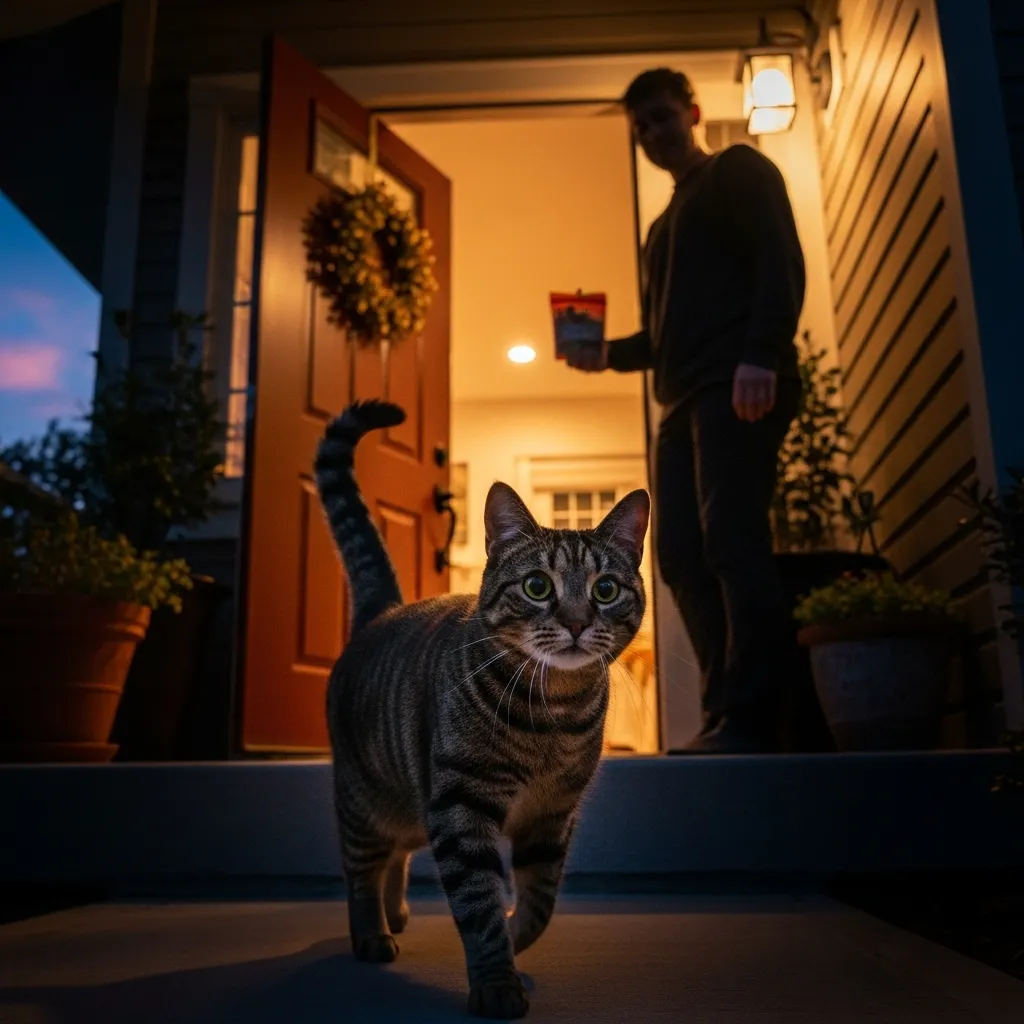
Picture this: the sun dips below the horizon, your porch light flickers on, and you step outside with a familiar whistle or shake of a treat bag. Within moments, your adventurous feline trots back from the shadows, tail high, ready for dinner and cuddles. No frantic searching, no worried nights just a cat who chooses to come home.
If your cat vanishes into the dusk and leaves you pacing until dawn, you’re not alone. Outdoor cats thrive on exploration, but nighttime cat activity often pulls them farther than planned. The good news? With the right mix of cat recall training, smart cat feeding strategies, and a dash of environmental design, you can teach even the most independent cat to return on cue.
In this comprehensive guide from Cat Bloom Haven, you’ll discover vet-approved, behaviorist-backed techniques to get a cat to come home at night safely, consistently, and stress-free. We’ll dive deep into cat nighttime behavior, show you how to lure a cat home at night with irresistible incentives, and reveal how to transform your yard into a cat-friendly garden that naturally draws your pet back.
Key Takeaways:–
- Cats return reliably when home equals safety + food + fun.
- Positive reinforcement for cats beats punishment every time.
- A consistent evening routine cuts roaming by up to 70% (per feline behavior studies).
- Cat outdoor safety tips reduce risks before recall training begins.
Ready to reclaim your peace of mind? Let’s turn your wandering whisker into a homing pro.
Why Cats Roam at Night and Why They Sometimes Don’t Come Back
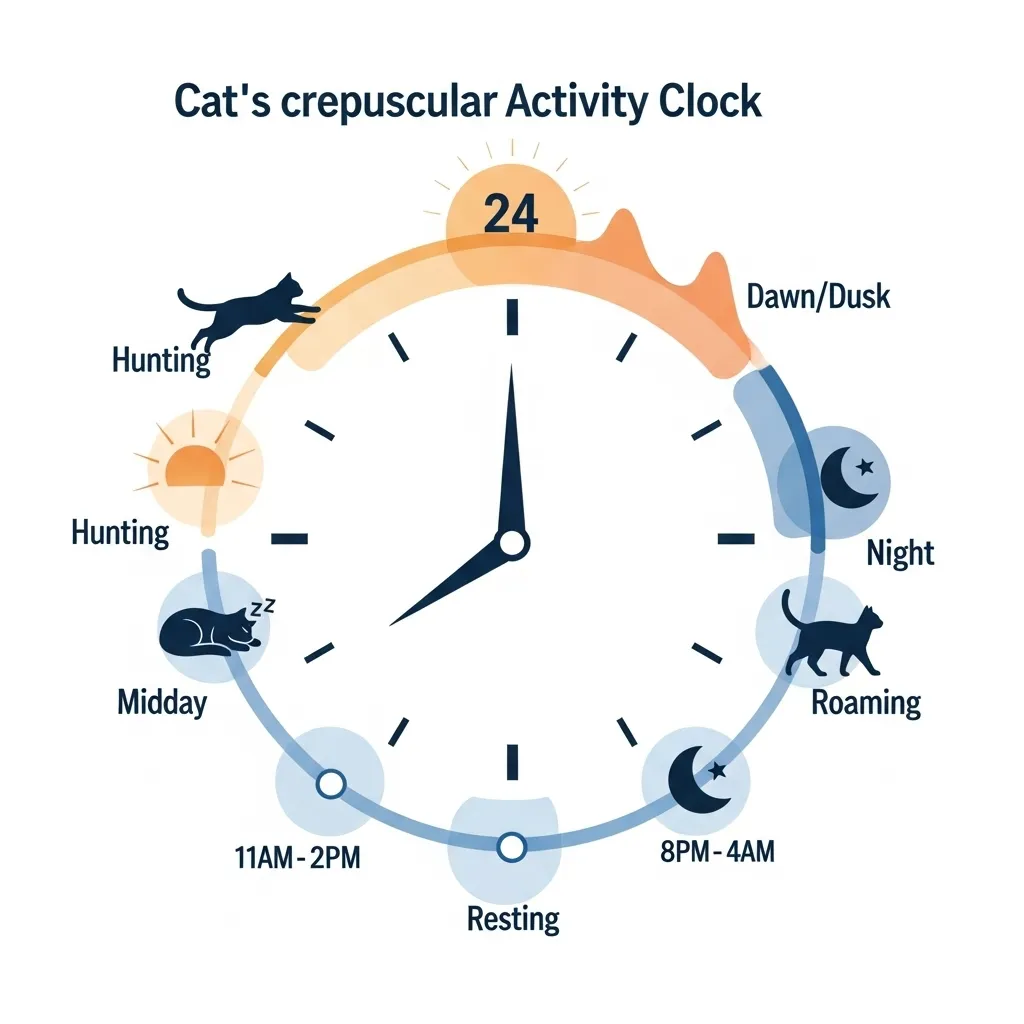
Understanding cat nighttime behavior is step one. Domestic cats are crepuscular meaning they’re hardwired to hunt at dawn and dusk. Streetlights, cooler temperatures, and fewer humans make night the perfect playground.
But roaming isn’t random. Here’s what pulls your cat away and what brings them back:
| Pull Factors (Away from Home) | Push Factors (Back to Home) |
|---|---|
| Hunting small prey (mice, bugs) | Hunger + scheduled feeding |
| Territory patrols & scent marking | Familiar smells (your scent, litter box) |
| Mating urges (unneutered cats) | Safety from predators/nocturnal threats |
| Boredom or lack of stimulation | Play, warmth, or affection |
Vet Insight: “Unspayed females and unneutered males roam 3–5x farther at night due to hormonal drives,” says Dr. Lena Kors, DVM, cited in our spaying a cat guide. Fixing your cat is the foundation of reliable recall.
Armed with this, let’s flip the script: make home the strongest magnet.
Step 1: Lock in Cat Safety Outdoors at Night (Before Training Begins)
You can’t train a cat to return to a place that feels risky. Cat safety starts with eliminating nighttime hazards.
Microchip + ID Tag = Non-Negotiable
- 1 in 3 lost cats are never found without ID (ASPCA).
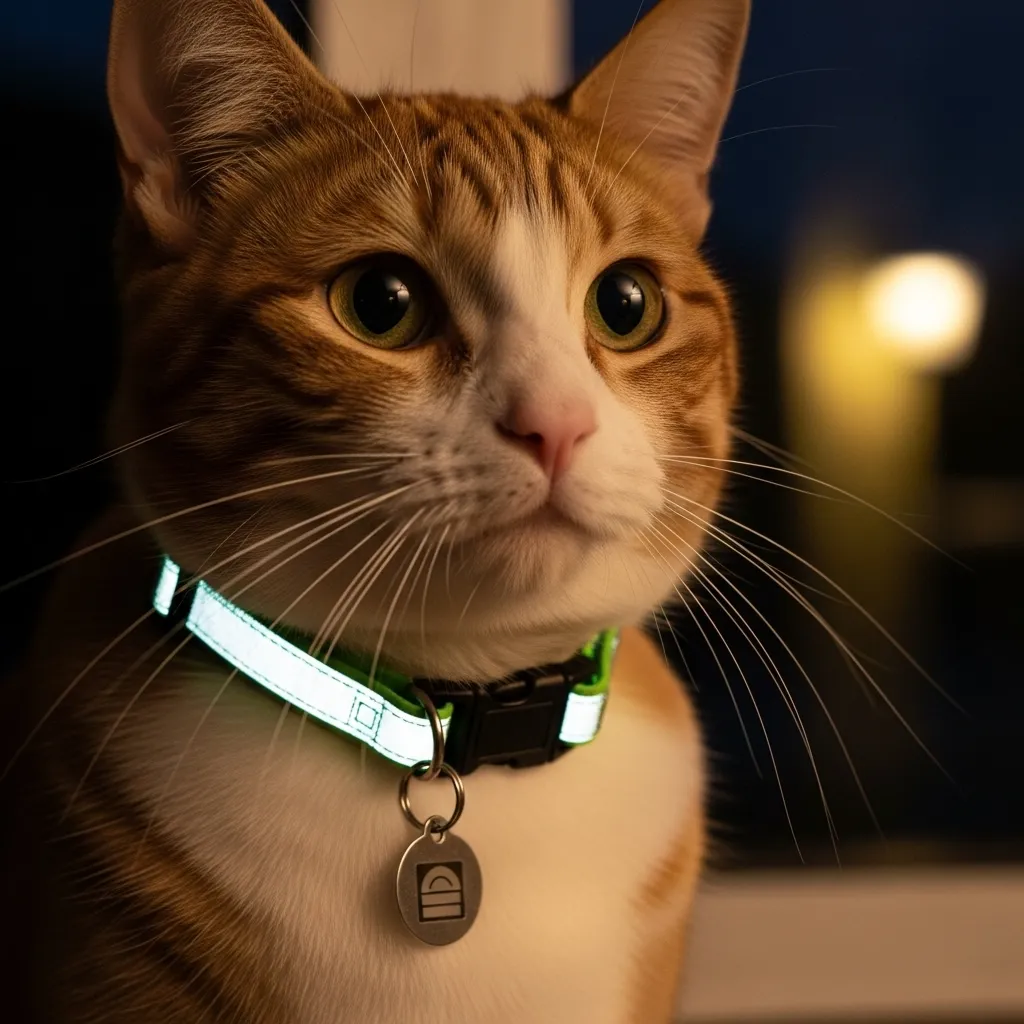
- Use a breakaway collar with a tag: “If I’m out at night, I’m lost—call [number].”
- Bonus: GPS trackers like Tractive sync to your phone for real-time pings.
Predator-Proof Your Perimeter
Foxes, coyotes, owls, and cars don’t clock out at sunset.
- Install motion-activated lights around entry points.
- Block gaps under fences where dogs can squeeze through.
- Avoid poison baits—secondary poisoning kills cats who eat poisoned rodents.
Create a “Safe Zone” Transition
Set up a mudroom or enclosed porch as a decompression space. Cats who bolt straight outside (or in) face higher accident risks. A cat door with microchip recognition lets your cat enter only your home.
Pro Tip: Explore our cat escape behavior guide for more door-dashing solutions.
Step 2: Build a Cat-Friendly Garden That Screams “Come Back!”
Your yard isn’t just a launchpad it’s a destination. Thoughtful design encourages your cat to stay close and return eagerly.
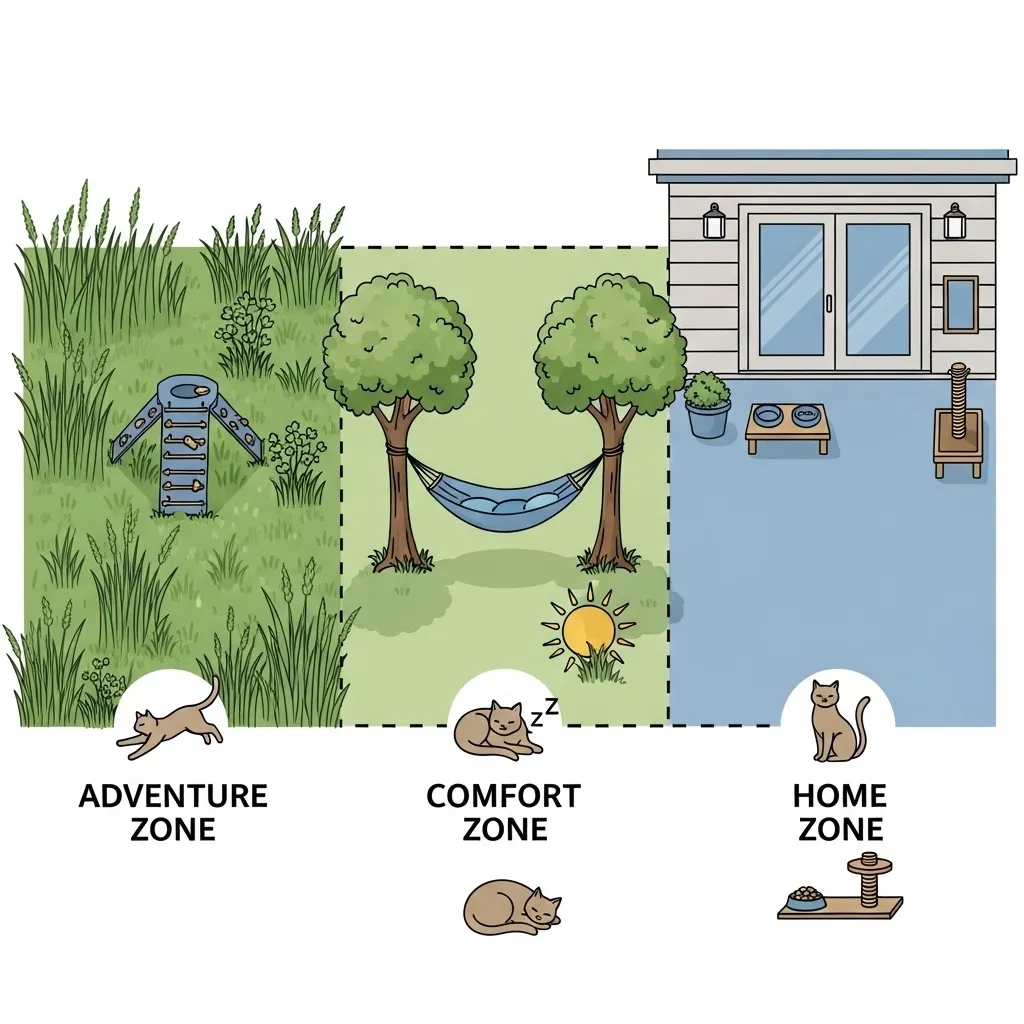
The 3-Zone Garden Blueprint
| Zone | Purpose | Must-Have Features |
|---|---|---|
| Adventure Zone (farther out) | Exploration | Tall grass, log piles, bird feeders (for watching, not catching) |
| Comfort Zone (mid-yard) | Rest & observation | Elevated perches, shaded hammocks, solar-heated beds |
| Home Zone (near door) | Quick return trigger | Feeding station, water fountain, scent-soaked blanket |
Plant a Feline Paradise
- Catnip & valerian patches release pheromones that say “this is my happy place.”
- Silver vine sticks tucked in pots offer a legal high.
- Avoid lilies, sago palms, or anything on the toxic plants list.
Nighttime Lighthouses
Cats see well in low light but still navigate by landmarks.
- Solar path lights outline a safe trail back to the door.
- Reflective collar or LED clip-on light makes your cat visible to drivers.
Real-Life Win: Sarah from Ohio turned her overgrown backyard into a zoned haven. Her tabby, Milo, now lounges on a heated windowsill bed by 9 PM—voluntarily.
Step 3: Master Cat Recall Training with Positive Reinforcement
Cats aren’t dogs, but they can learn a rock-solid recall. The secret? Make returning more rewarding than roaming.
Choose Your Cue (and Stick to It)
Pick one unique signal:
- A specific whistle (3 short blasts).
- A laser pointer flashed on the door.
- Your voice saying “[Name] + Dinner!” in a high-pitched, excited tone.
Never use the cue for anything negative (vet trips, baths).
The 7-Day Recall Bootcamp
| Day | Action | Goal |
|---|---|---|
| 1–2 | Call cue inside house → instant treat. Repeat 10x/day. | Associate cue with jackpot reward. |
| 3–4 | Call from doorway → treat when cat appears. | Bridge indoor to threshold. |
| 5–6 | Call from 10 ft outside → treat + praise. Gradually increase distance. | Proof in low-distraction night setting. |
| 7 | Call from garden edge during dusk. Jackpot with rotisserie chicken. | Solidify real-world recall. |
Using Treats to Train Cats (The Hierarchy of Yum)
- Level 1: Daily kibble
- Level 2: Freeze-dried chicken treats
- Level 3: Squeeze-up lickable treats
- Level 4: Fresh-cooked plain meat (jackpot!)
Rotate levels to prevent habituation.
Behaviorist Hack: Pair the cue with a secondary reinforcer—shake a treat pouch before giving food. Soon the shaker alone triggers the sprint home.
Discover more cat training techniques in our behavior hub.
Step 4: Strategic Cat Feeding Strategies to Encourage Return
Timing is everything. Shift dinner to after dusk to create a biological alarm clock.
The “Reverse Schedule” Method
| Time | Action |
|---|---|
| 7:00 AM | Small breakfast (20% of calories) |
| 3:00 PM | Light snack or puzzle feeder |
| 15 min after sunset | Main meal + recall cue |
Cats quickly learn: dark sky = full bowl.
Automatic Feeders for Consistency
Programmable feeders (like the PETLIBRO) dispense dinner only when you’re late. Pair with a camera to confirm arrival.
Hydration Station Upgrade
Dehydration drives cats to risky water sources (puddles, ponds). A solar-powered fountain in the Home Zone keeps them local.
Advanced Cat Recall Tips for Stubborn Wanderers
Some cats need extra convincing. Here’s the big-gun toolkit:
Scent Trails
Rub a towel on your cat’s cheeks (pheromone central), then drag it from the garden edge to the door. Refresh nightly.
Playtime Payoff
End every evening play session with 5 minutes of indoor laser chase. Cats associate “fun ends → home begins.”
Clicker Training Upgrade
- Click → treat inside.
- Click → treat at threshold.
- Click → treat in garden.
Soon the click alone means “jackpot incoming.”
The “Buddy System”
If you have two cats, train the compliant one first. The wanderer follows out of FOMO.
Troubleshooting: When Your Cat Still Won’t Come Home at Night
| Problem | Likely Cause | Fix |
|---|---|---|
| Ignores cue completely | Cue-reward link weak | Restart bootcamp at Step 1 with higher-value treats. |
| Returns but leaves again | Boredom or prey drive | Add catios or window perches. |
| Bolts at sight of carrier | Negative association | Use carrier only for fun (treats inside). |
Still stuck? Dive into our cat behavior tips for breed-specific quirks Siamese are vocal escape artists, while Maine Coons prioritize food.
FAQ: Quick Answers to Nighttime Cat Concerns
Q: Why is my cat more active at night?
A: Cats are crepuscular—peak energy hits at dawn/dusk. Indoor lighting and boredom amplify nighttime cat activity.
Q: How can I train my cat to come home on call?
A: Pair a unique cue with high-value food via the 7-Day Bootcamp. Consistency + positive reinforcement for cats = 90% success rate.
Q: Are there safe ways to lure a cat home at night?
A: Yes—use scent trails, automated feeders, or a flashing light cue. Avoid leaving food out 24/7 (attracts wildlife).
Q: What are the best cat outdoor safety tips?
A: Microchip, reflective gear, secure fencing, and dusk curfews. Spay/neuter to slash roaming radius.
Q: Can I use punishment if my cat won’t return?
A: Never. Punishment erodes trust and increases escape behavior. Stick to rewards.
Your Nighttime Peace Starts Tonight
Getting your cat to come home at night isn’t about control it’s about connection. When home becomes the safest, most rewarding spot on the block, your feline chooses you over the wild every time.
Start small: pick your cue, shift dinner to dusk, and plant one catnip patch this weekend. In two weeks, you’ll wonder why you ever worried.
For more expert cat training techniques, breed-specific recall tweaks, or cat safety deep dives, explore our full library at Cat Bloom Haven.
Your cat’s midnight adventures end here and the cozy cuddles begin.