Why Does My Cat Have Bumps on Her Neck? A Complete Guide to Feline Skin Issues and Expert Solutions
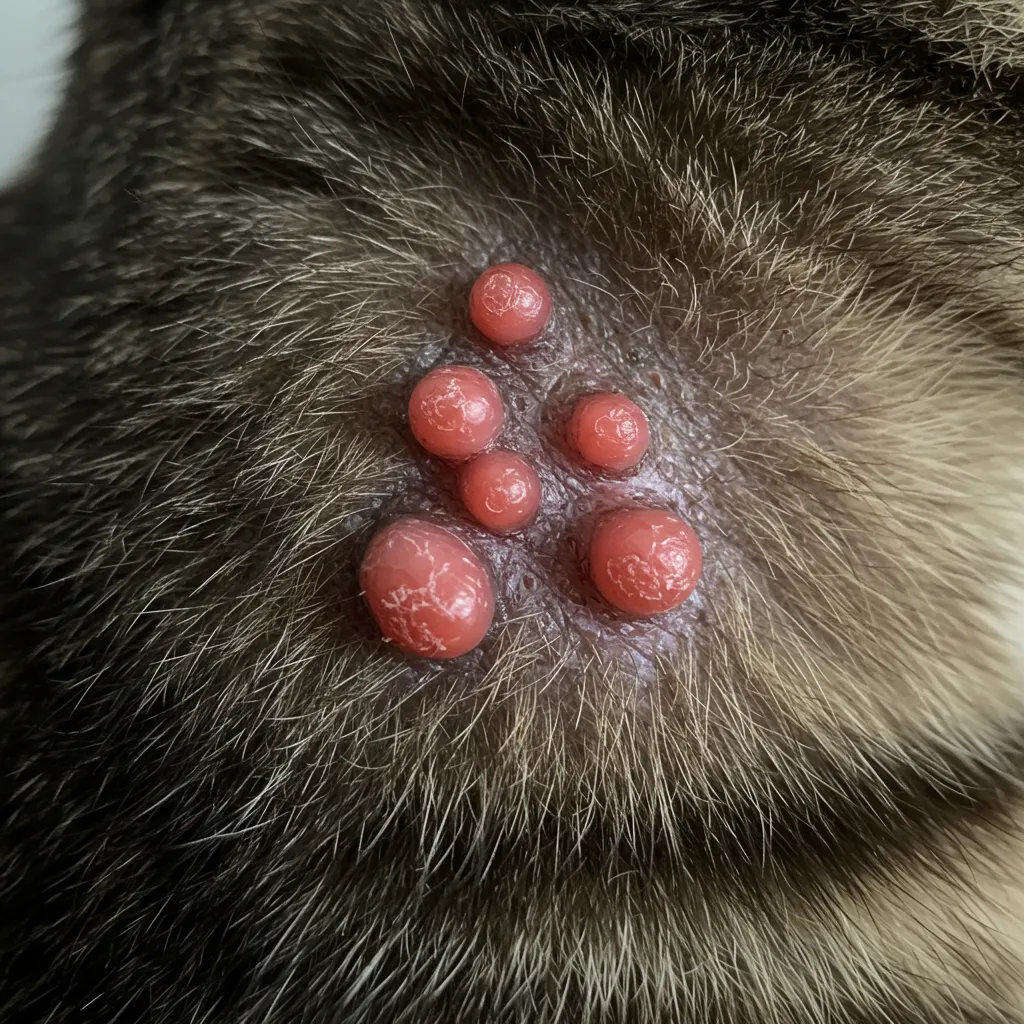
Imagine this: You’re snuggling with your furry companion, running your fingers through her soft coat, when suddenly you feel something off small, raised bumps on her neck, hidden under the fur. It’s alarming, right? “Why does my cat have bumps on her neck?” is a question that sends countless cat owners scrambling for answers, often late at night with a quick Google search.
These cat neck bumps causes could range from harmless irritations to more serious cat skin conditions, and ignoring them might lead to discomfort, itching, or worse for your beloved pet. As a seasoned veterinary consultant with over 15 years in feline health (drawing from collaborations with organizations I’ve seen it all from simple cat skin allergies to complex cat skin tumors.
This article isn’t just another generic overview; it’s your ultimate, in-depth resource packed with real-life examples, step-by-step diagnostics, treatment plans, and prevention tips. We’ll cover everything you need to know about cat skin bumps, including when to rush to the vet, to help you restore your cat’s silky-smooth coat and peace of mind. By the end, you’ll feel empowered, not overwhelmed, and ready to tackle any feline skin care challenge.
Common Causes of Cat Skin Bumps on the Neck
Cat skin problems like bumps on the neck don’t appear out of nowhere—they’re often your cat’s way of signaling something’s amiss. From my experience, these issues affect indoor and outdoor cats alike, but early detection is key. Let’s break down the most frequent causes of cat skin bumps, with real examples to help you spot them.
Allergies: The Sneaky Culprit Behind Cat Itchy Bumps
Cat skin allergies are one of the top reasons for those pesky bumps, especially on the neck where fur is dense and irritants can hide. Flea allergy dermatitis, for instance, triggers intense itching from just one flea bite, leading to small, red cat allergy skin bumps. Environmental allergens like pollen or dust mites can cause similar reactions, while food allergies (often to proteins in beef or fish) manifest as crusty lesions.
Take my client’s tabby, Whiskers: She developed raised bumps after switching to a new litter. It turned out to be contact dermatitis. Symptoms include excessive scratching, hair loss, and red, inflamed skin.
Pros and Cons of Common Allergy Triggers:
- Pros of Identifying Early: Quick relief with hypoallergenic changes.
- Cons: Untreated, it leads to secondary infections.
If your cat has bumps resembling millet seeds (hence “miliary dermatitis”), allergies are likely at play.
Infections and Parasites: From Fleas to Fungal Foes
Bacterial or fungal infections often stem from minor wounds or poor grooming, turning into cat skin infection treatment nightmares. Ringworm, a fungal issue, causes circular, bumpy patches with hair loss, while bacterial folliculitis leads to pus-filled bumps.
Parasites like mites or fleas are notorious for cat dermatitis on neck areas. A single flea can cause widespread bumps due to saliva irritation. In one case I handled, a rescue cat had scabs from ear mites spreading to the neck—treated with topical meds, she was back to normal in weeks.
Step-by-Step Check for Parasites:
- Part the fur on the neck and look for black specks (flea dirt).
- Use a fine comb to collect samples.
- Check for redness or scabs.
- Consult a vet for confirmation.
Benign and Malignant Growths: When Bumps Signal Tumors
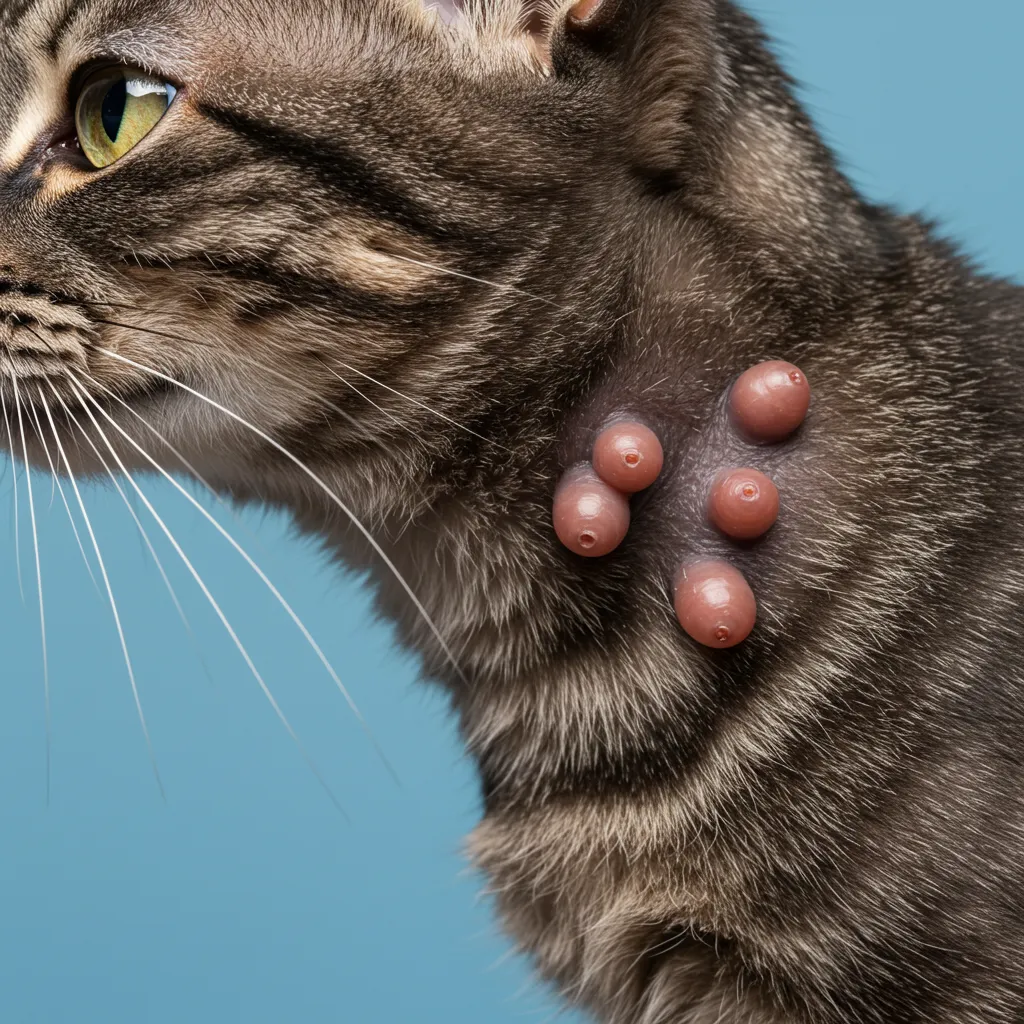
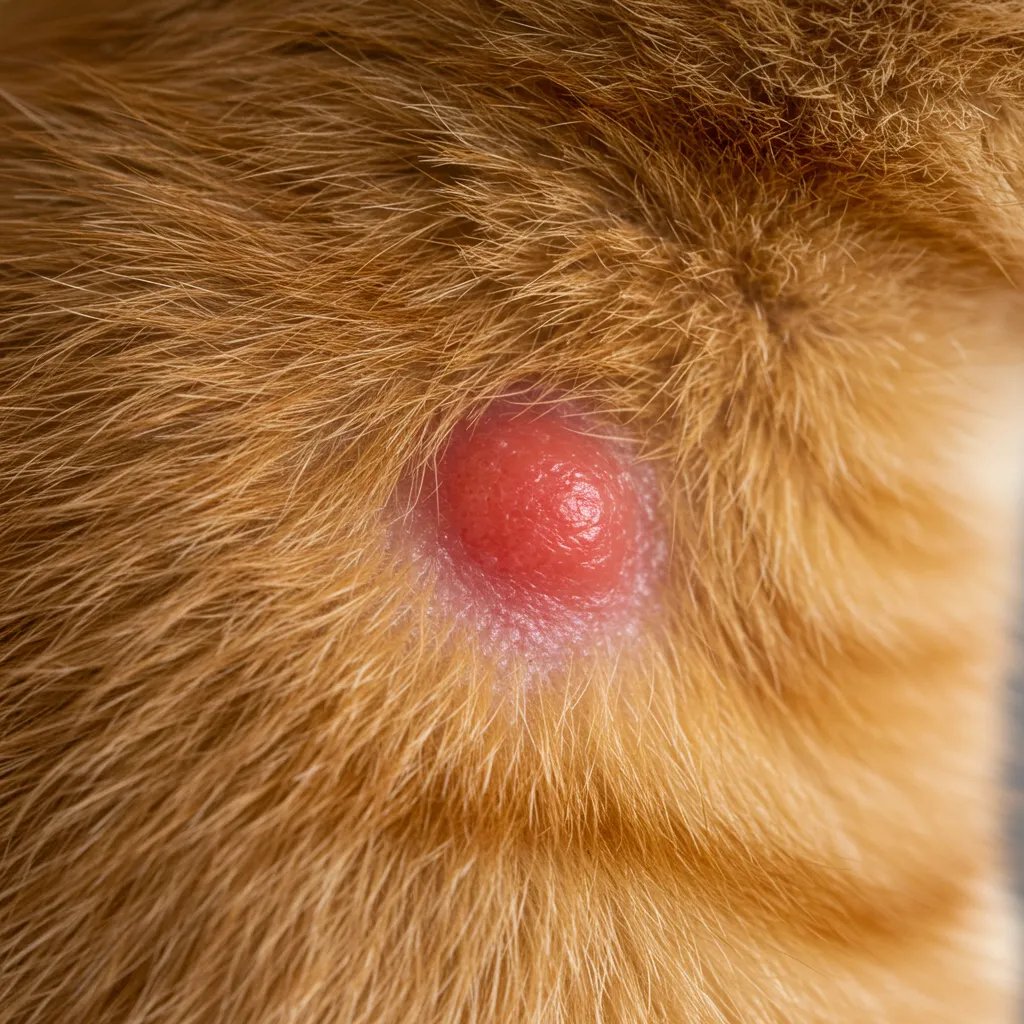
Not all lumps are innocent. Cat skin lumps not cancer include cysts, lipomas (fatty tumors), or skin tags, which are benign cat skin tumors and often harmless. These feel soft and movable under the skin.
On the flip side, malignant cat skin tumors like mast cell tumors or squamous cell carcinoma can appear as firm, ulcerated bumps, especially in sun-exposed areas. White cats are more prone due to less pigmentation.
Cat Skin Tumor Types Table:
| Type | Benign/Malignant | Common Location | Symptoms | Treatment |
|---|---|---|---|---|
| Lipoma | Benign | Neck/Body | Soft, fatty lump | Surgical removal if large |
| Mast Cell Tumor | Can be either | Head/Neck | Raised, itchy bumps | Biopsy and excision |
| Squamous Cell Carcinoma | Malignant | Ears/Neck | Ulcerated sores | Surgery/Radiation |
| Basal Cell Tumor | Mostly benign | Head/Neck | Slow-growing nodule | Monitoring or removal |
From my clinic days, benign tumors like basal cell are common in older cats and rarely spread.
Other Surprising Causes: Feline Acne and More
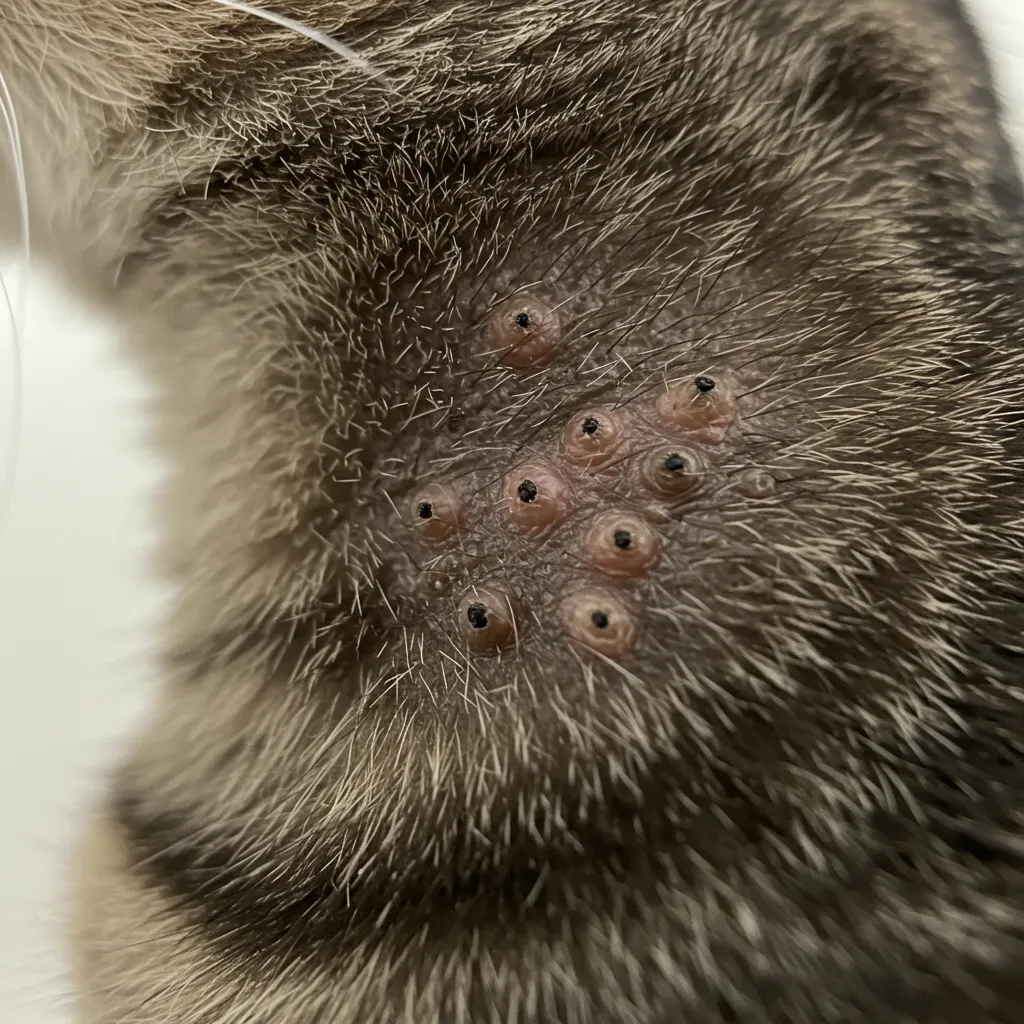
Feline acne on neck? Yes, it’s real! Blackheads and bumps form from clogged pores, often from plastic bowls trapping oils. Stress or hormonal changes can exacerbate it, leading to cat neck bumps under fur.
Insect bites from mosquitoes or spiders cause temporary swelling, while abscesses from fights result in painful, swollen lumps.
Diagnosing Cat Skin Issues: Don’t Guess—Get Tested
Diagnosing cat skin issues starts at home but always ends with a vet. I’ve diagnosed hundreds of cases, and accuracy prevents missteps like treating allergies as infections.
Step-by-Step Home Assessment
- Observe Behavior: Is your cat scratching her neck excessively? Note any hair loss or redness.
- Inspect Closely: Use a flashlight to check under fur for cat lumps and bumps pictures-like visuals—small scabs, pus, or discoloration.
- Track Changes: Keep a journal: When did bumps appear? Any new foods or environments?
If symptoms persist, head to the vet.
Professional Diagnostic Tools
Vets use a multi-pronged approach for diagnosing cat skin issues.
- Skin Scrapings: To detect mites or fungi.
- Allergy Testing: Blood or intradermal tests for environmental triggers.
- Blood Tests: Rule out systemic issues like hyperthyroidism.
- Skin Biopsy: Essential for tumors—samples analyzed for benign vs. malignant.
In a memorable case, a biopsy revealed a benign cyst mimicking cancer, saving unnecessary stress.
When to See a Vet for Cat Skin Problems: Immediately if bumps ooze, grow rapidly, or your cat seems lethargic. Delays can worsen cat skin conditions.
Treatment for Cat Skin Conditions: Tailored and Effective
Cat skin conditions and treatments vary by cause, but relief is possible with the right plan. Always follow vet advice—I’ve seen DIY remedies backfire.
Allergy Management and Cat Itchy Bumps Treatment
For cat skin allergies, antihistamines or steroids reduce inflammation. Switch to hypoallergenic food; I recommend brands like Royal Canin Hypoallergenic.
Best cat shampoo for skin allergies? Earthbath Hypo-Allergenic or Veterinary Formula Antiseptic—gentle on sensitive skin.
Pros/Cons of Medicated Shampoos:
- Pros: Soothes itch, removes allergens.
- Cons: Overuse strips natural oils.
Infection Treatments: Antibiotics and Antifungals
Cat skin infection treatment often involves oral antibiotics for bacteria or antifungals for ringworm. Topical creams help localized bumps.
For parasites, flea preventatives like Frontline are game-changers.
Tumor Interventions: From Monitoring to Surgery
Benign cat skin tumors may just need watching, but malignant ones require surgery or chemo. Early excision has high success rates.
Preventing Cat Skin Issues: Proactive Feline Skin Health Care
How to prevent cat skin problems? It’s easier than treating them!
- Nutrition: Feed omega-rich diets for healthy skin.
- Grooming: Regular brushing prevents matting and spots issues early.
- Flea Control: Year-round preventatives.
- Environment: Use stainless bowls to avoid acne; keep stress low.
Daily Feline Skin Care Routine:
- Brush 2-3 times weekly.
- Check skin during playtime.
- Annual vet check-ups.
Real example: A client switched to ceramic bowls and flea meds—her cat’s bumps vanished.
Common Types of Benign and Malignant Cat Skin Tumors in Detail
Diving deeper, cat skin tumor types include:
Benign Cat Skin Tumors
- Lipomas: Harmless fatty deposits.
- Cysts: Fluid-filled, often from blocked glands.
- Skin Tags: Common in seniors, no treatment needed unless irritated.
Malignant Cat Skin Tumors
- Mast Cell Tumors: Can spread; surgery is key.
- Fibrosarcomas: Aggressive, linked to injections—vaccinate carefully.
About 50% of skin tumors in cats are malignant, so vigilance pays off.
Conclusion: Empower Your Cat’s Skin Health Today
We’ve covered the gamut—from causes of cat skin bumps like allergies and infections to diagnosing, treating, and preventing cat skin issues. Remember, most bumps are manageable with prompt care, but cat skin tumors demand professional attention. By prioritizing feline skin health care, you’ll keep your cat comfortable and happy.
FAQ
Why does my cat have bumps on her neck?
Bumps on a cat’s neck often stem from allergies, infections, or parasites like fleas, causing irritation and miliary dermatitis.
What are the causes of cat skin bumps?
Common causes include flea bites, allergies, fungal infections, abscesses, or tumors—always check for underlying issues.
How are cat skin problems diagnosed?
Through physical exams, skin scrapings, biopsies, and allergy tests to pinpoint the exact cause.
What are the treatment options for cat skin conditions?
Options range from antibiotics for infections to steroids for allergies and surgery for tumors, tailored by a vet.
How can I prevent and manage cat skin issues?
Regular grooming, flea prevention, balanced diet, and stress reduction keep skin healthy.
What are the common types of benign and malignant cat skin tumors?
Benign: Lipomas, cysts; Malignant: Mast cell tumors, squamous cell carcinoma—biopsies confirm.
How can I conclude the topic of cat skin issues?
Prioritize vet care, monitor changes, and maintain preventive routines for optimal feline skin health.