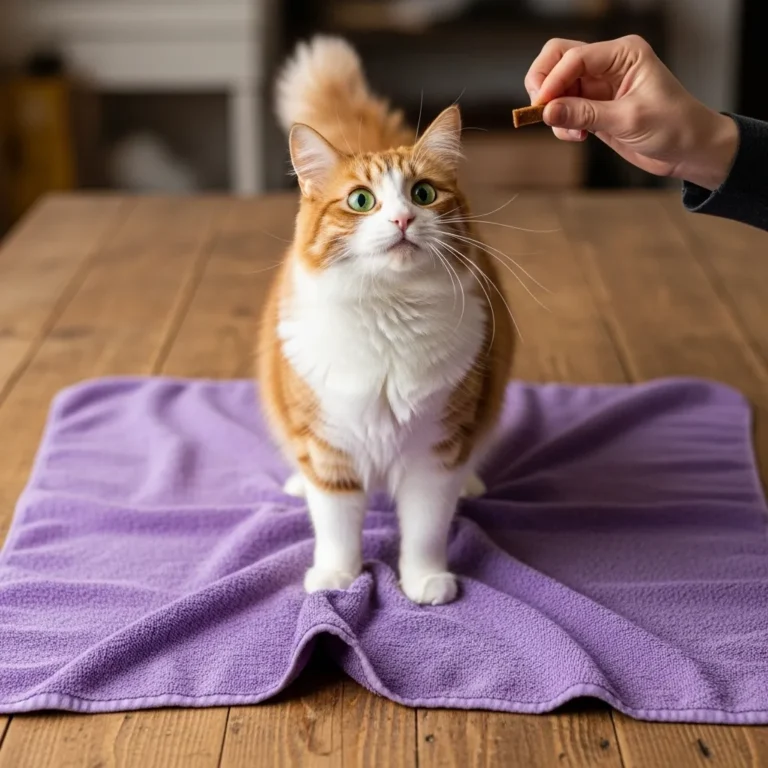
How Cats Adapt Their Behavior to Human Schedules
If you’ve ever been jolted awake at dawn by a insistent meow or found your cat zooming around the house just as you’re winding down for bed, you’re not alone. Many cat owners wonder why their feline friends seem out of sync with the typical human day. The truth is, cats are remarkably flexible creatures. While their natural instincts lean toward activity at twilight hours, they often adjust their routines to match ours. Understanding how cats adapt their behavior to human schedules can help you build a stronger bond and create a more harmonious home.
In this guide, we’ll explore the science behind feline rhythms, real-world examples of adaptation, and practical steps to encourage alignment. Whether you work from home, have a 9-to-5 job, or shift work, your cat can learn to sync up at least partially with your life.
Key Takeaways
- Cats are crepuscular by nature, meaning they’re most active at dawn and dusk.
- Domestic cats show impressive behavioral plasticity, shifting activity to align with owner presence and routines.
- Feeding, play, and interaction times are key cues that help cats adapt.
- Full synchronization isn’t always possible, but targeted strategies can reduce nighttime disruptions.
- Breed, age, and individual personality influence how easily a cat adjusts.
Understanding Feline Natural Rhythms: The Crepuscular Baseline
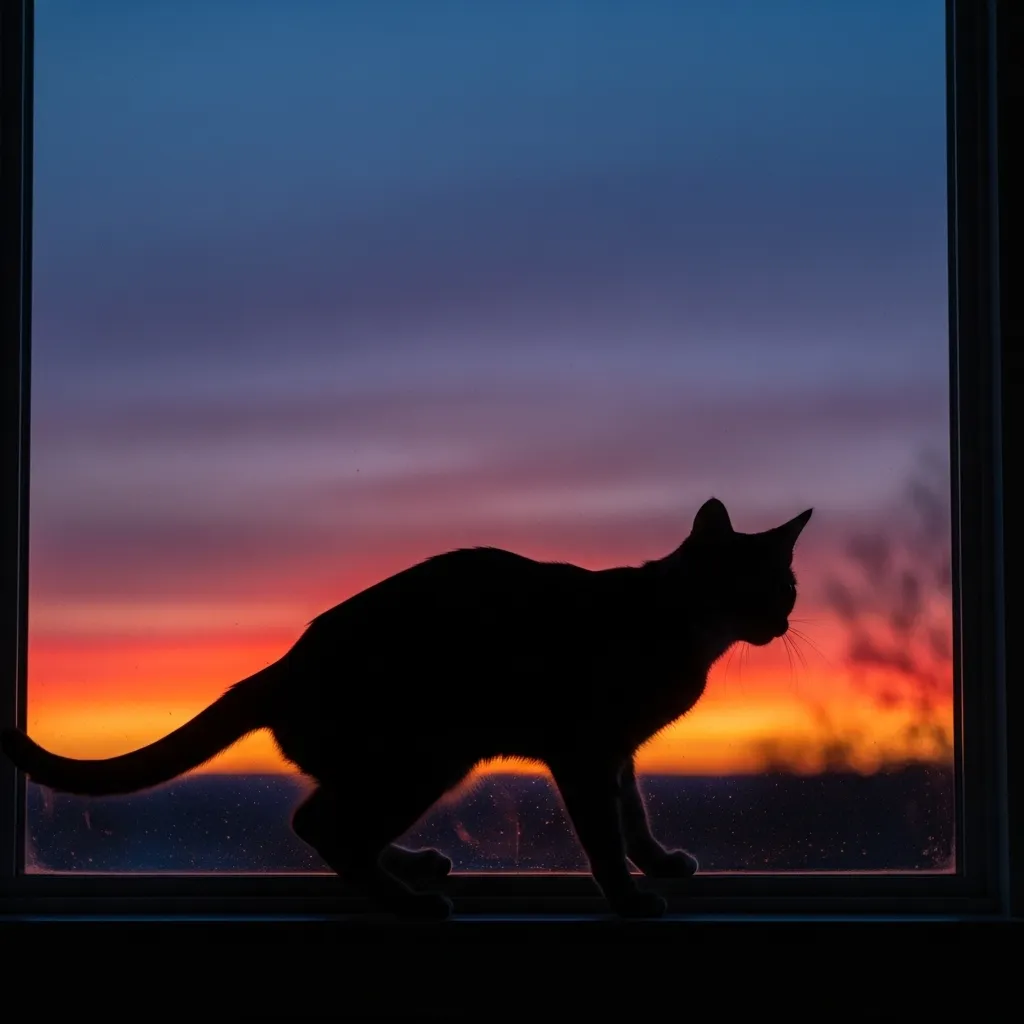
Cats aren’t nocturnal like owls or strictly diurnal like most humans. They are crepuscular animals, evolved to hunt when light is low but prey like rodents and birds are active. This pattern dates back to their wild ancestors, who maximized success by avoiding larger predators and capitalizing on dim conditions where their superior night vision shines.
Studies confirm this bimodal activity: peaks around sunrise and sunset. In free-ranging or outdoor-access cats, these twilight bursts remain strong. Indoor cats, however, often modify this due to limited stimuli and human influence.
Research comparing indoor and outdoor cats shows indoor ones inhibit pure nocturnal behavior, becoming more rhythmic and diurnal in eating and activity. Human proximity plays a big role standardized daily interactions, like feeding at set times, encourage shifts toward owner-active hours.
Signs Your Cat Is Adapting to Your Schedule
Many cats naturally start mirroring human patterns, especially in close-knit homes. Here are common indicators:
- Morning greetings: Your cat wakes you at alarm time or anticipates your rise with meows and rubs.
- Evening play surges: Energy spikes when you get home, matching decompression time.
- Daytime naps during your absence: Cats sleep more while you’re at work, saving interaction for your return.
- Anticipatory behavior: Waiting by the door or food bowl at routine times, even without clocks.
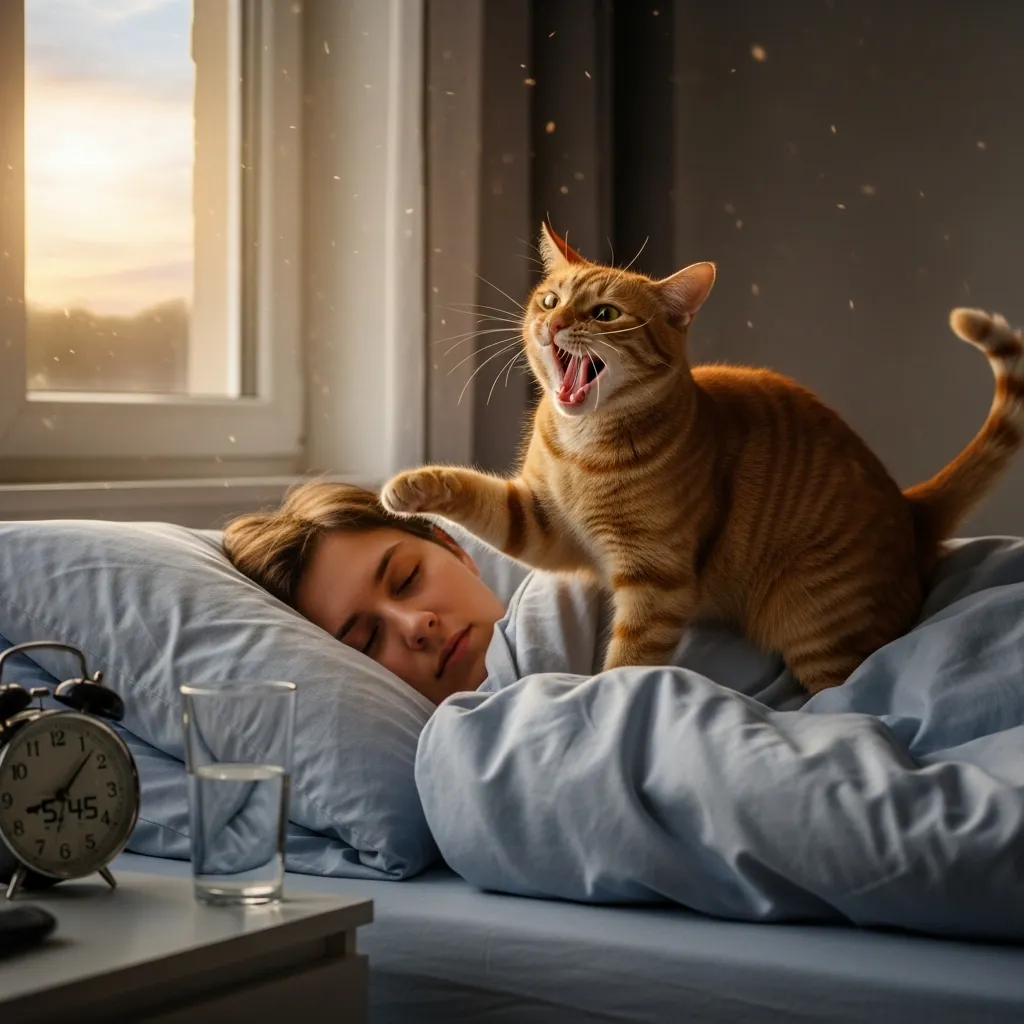
These adaptations stem from associative learning. Cats link cues sounds of your alarm, kitchen activity, or evening lights with rewards like food, play, or attention.
The Science Behind Feline Behavioral Plasticity
Domestic cats exhibit remarkable flexibility. Studies on activity rhythms reveal indoor cats increase daytime movement when living closely with humans, compared to more nocturnal patterns in less interactive settings.
One key study found cats in strong symbiosis with owners show higher photophase (daylight) activity. Another noted indoor cats initiate more owner contact, adapting awake time to household bustle.
This plasticity aids survival in varied environments. Unlike rigid wild rhythms, pet cats respond to zeitgebers like light cycles, feeding schedules, and social cues from humans.
Factors influencing adaptation:
- Age: Kittens adapt quickly; seniors may stick to ingrained habits.
- Breed: Active breeds like Bengals or Siamese often sync more eagerly.
- Environment: Indoor-only cats adjust faster than those with outdoor access.
For breed-specific insights, explore our detailed guide on Bengal cat personality or Siamese cat breed.
Practical Ways to Encourage Synchronization
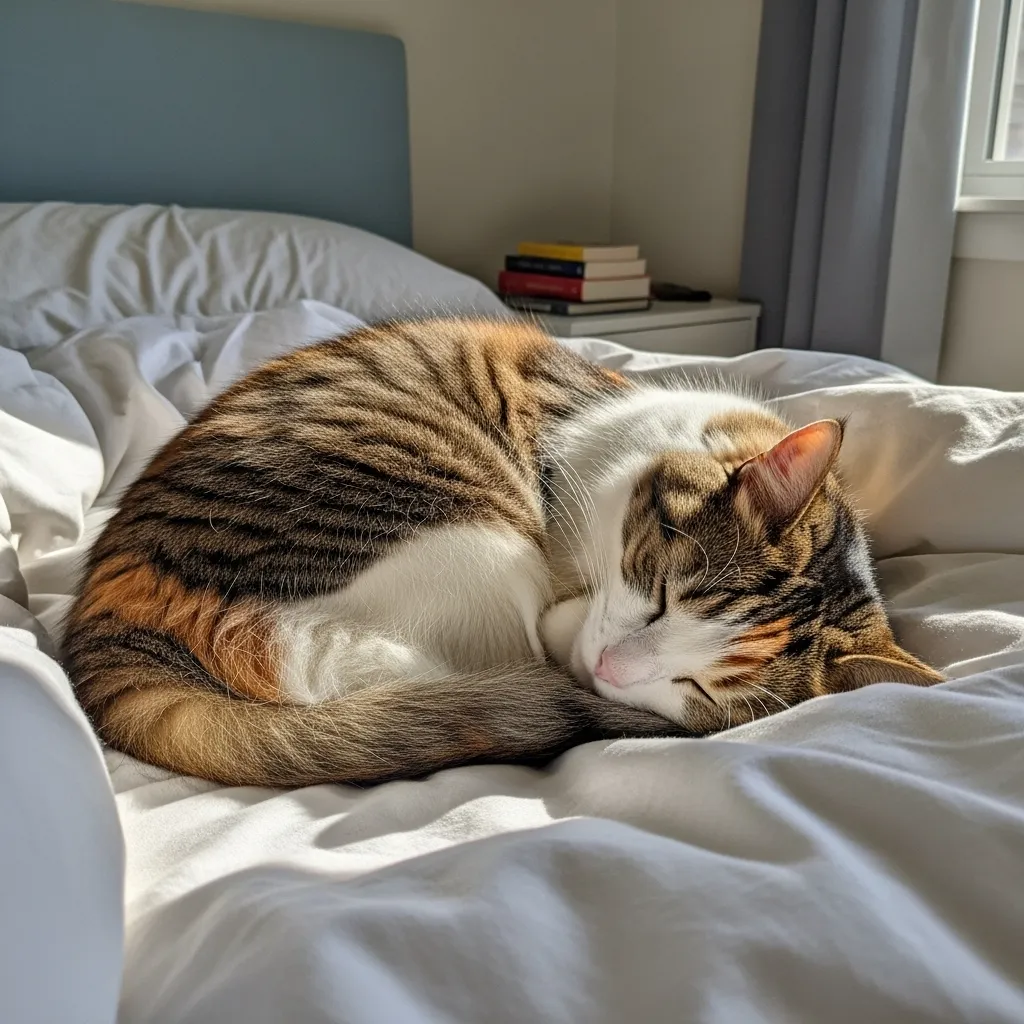
If your cat’s dawn patrols disrupt sleep or evening zoomies clash with relaxation, guide the process. Consistency is crucial cats thrive on predictable routines.
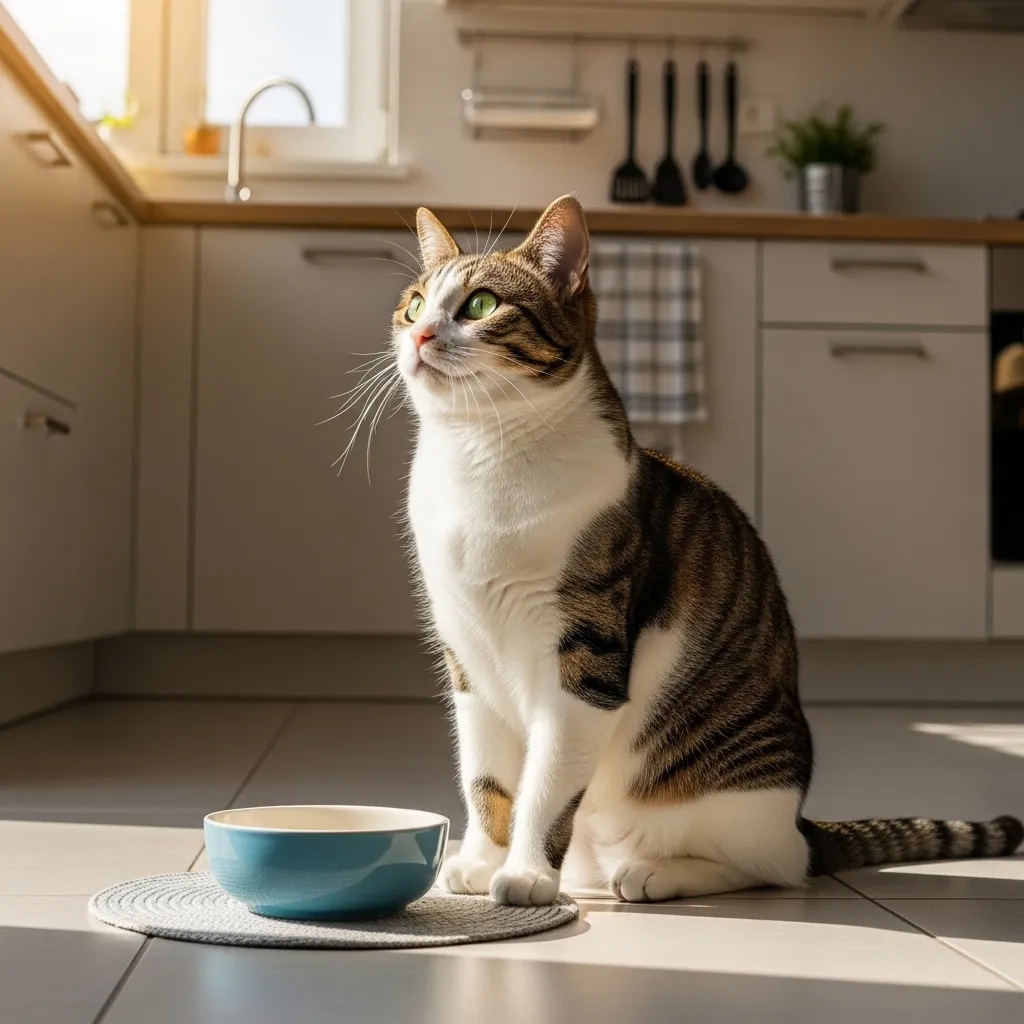
Establish Consistent Feeding Times
Cats anticipate meals strongly. Schedule feedings around your active periods:
- Breakfast shortly after you wake.
- Dinner coinciding with your evening arrival or wind-down.
Use puzzle feeders or automatic dispensers for midday meals if away. This reduces begging and aligns energy with your presence.
See our recommendations in best wet cat food or automatic cat feeder guide.
Ramp Up Evening Play Sessions
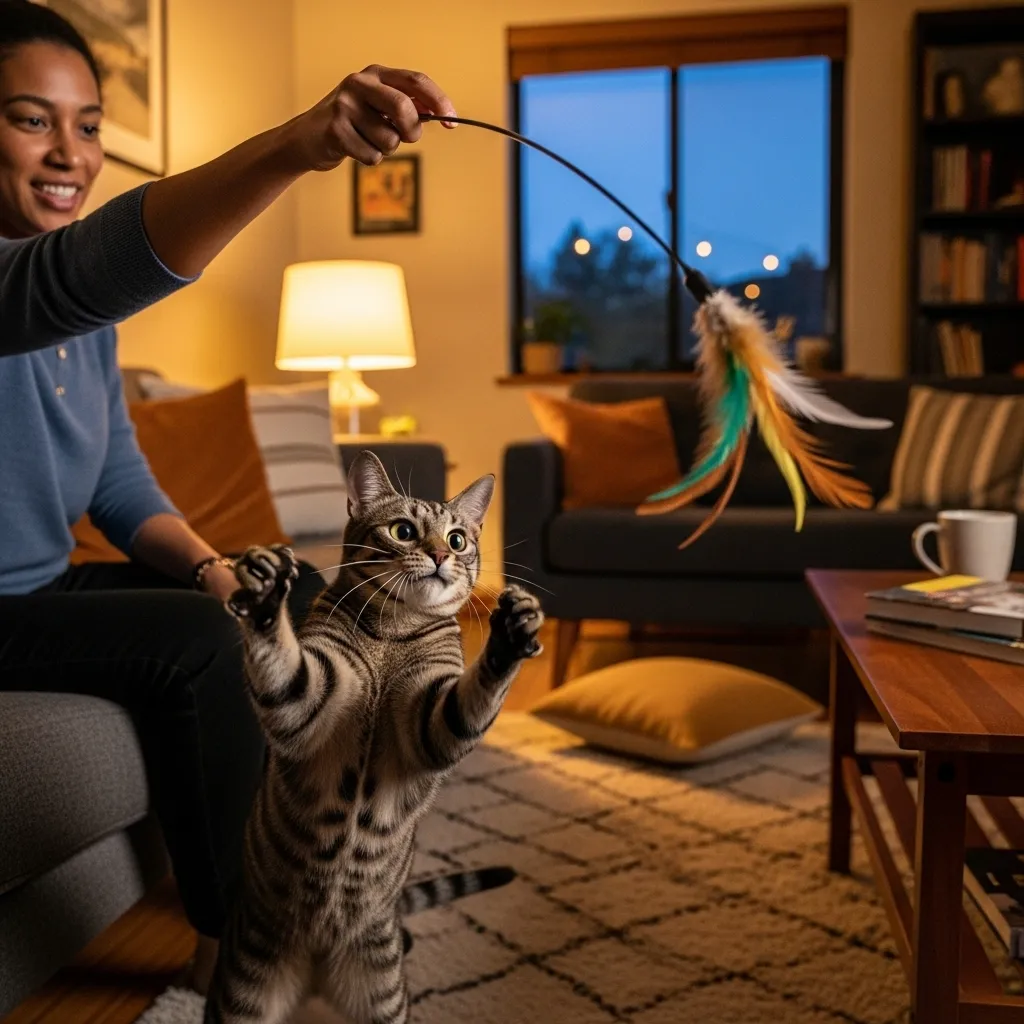
Mimic the “hunt” before bed: 15-20 minutes of interactive play with wand toys or laser pointers. Follow with a small meal to trigger the hunt-eat-groom-sleep cycle.
This tires them out and associates your evening routine with wind-down.
Minimize Early Morning Stimulation
Use blackout curtains to delay dawn light cues. Ignore pre-alarm demands to avoid reinforcing them—tough initially, but effective.
Provide overnight enrichment like food puzzles for independent play.
Daytime Enrichment for Solo Cats
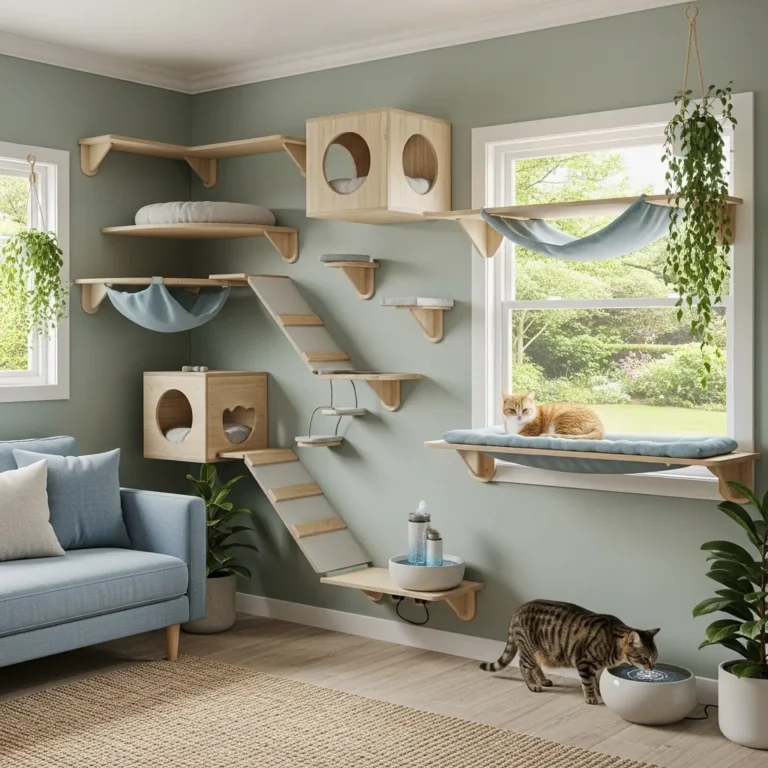
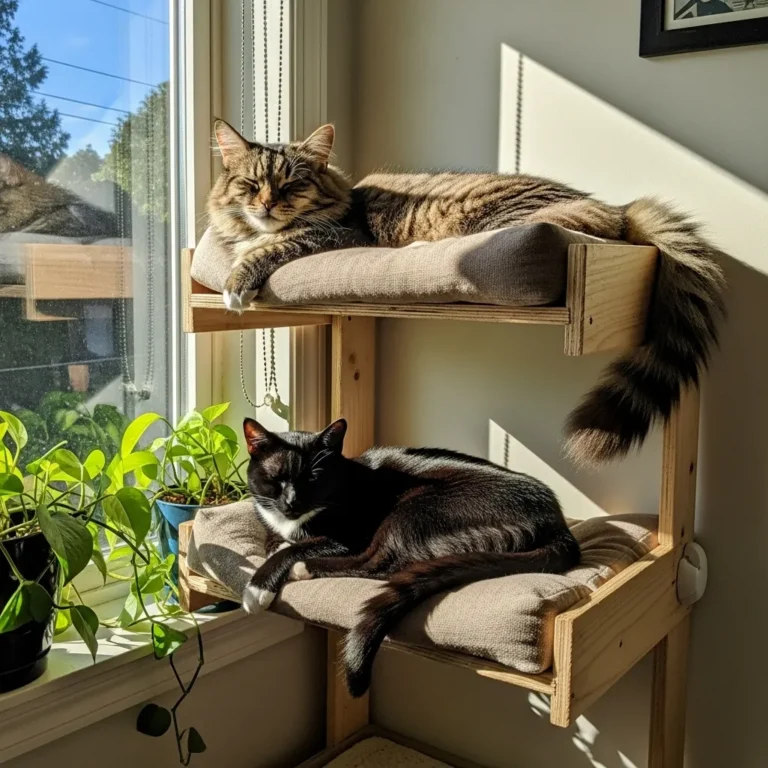
If working outside, leave interactive toys, window perches, or timed treat dispensers. This keeps moderate activity during your absence, saving bursts for reunions.
Breed Variations in Schedule Adaptation
Different breeds show varying ease:
| Breed | Natural Tendency | Adaptation Notes |
|---|---|---|
| Bengal | High energy, vocal | Quick to sync with active owners; needs evening play. See Bengal cat guide. |
| Siamese | Very social, talkative | Often matches owner wake/sleep closely for attention. |
| Persian | Lower energy, relaxed | More content napping days; adapts slowly. |
| Maine Coon | Playful but mellow | Good at shifting for family interaction. Check Maine Coon cat. |
| American Shorthair | Balanced, adaptable | Excellent at routine alignment. Explore American Shorthair cats guide. |
Common Challenges and Solutions
- Nighttime waking: Often hunger or boredom. Try a late-night snack or bedtime play.
- Excessive daytime sleeping: Normal for indoor cats, but add vertical spaces or bird feeders outside windows for stimulation.
- Schedule changes (e.g., new job): Gradual shifts adjust feeding/play by 15-30 minutes daily.
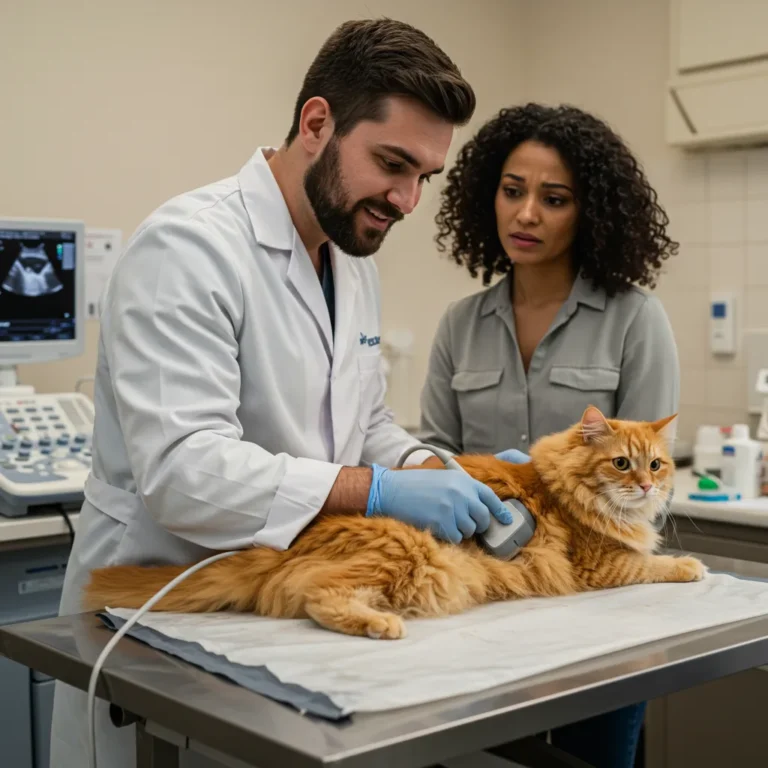
Consult a vet if sudden changes occur, as they might signal health issues.
For more on behavior, read cat zoomies guide or cat sleeping habits.
Conclusion: Building a Shared Rhythm
Cats adapt their behavior to human schedules more than we often realize, thanks to evolutionary flexibility and strong bonds. By understanding crepuscular roots and using consistent cues, you can guide your cat toward better alignment leading to fewer 5 a.m. wake-ups and more cozy evenings together.
Every cat is unique, so observe what works best. Patience pays off in a happier, more synced household.
Explore more expert cat care and behavior guides on Cat Bloom Haven, from cat training behavior to breed-specific tips.
FAQ
Are cats naturally nocturnal?
No. Cats are crepuscular, most active at dawn and dusk. Many pet cats shift toward human-active hours.
How long does it take for a cat to adapt to a new schedule?
Typically 1-4 weeks with consistent cues. Kittens adapt faster than adults.
Why does my cat wake me up at the same time every morning?
They’ve learned your routine and anticipate breakfast or attention. Reinforce by ignoring until your desired wake time.
Can older cats adapt to schedule changes?
Yes, but slower. Health checks are wise if resistance is strong.
Do indoor cats adapt better than outdoor cats?
Often yes indoor cats rely more on human cues, showing greater daytime activity shifts.