How Long Do Cat Zoomies Last? Your Ultimate Guide to Feline Frenzy
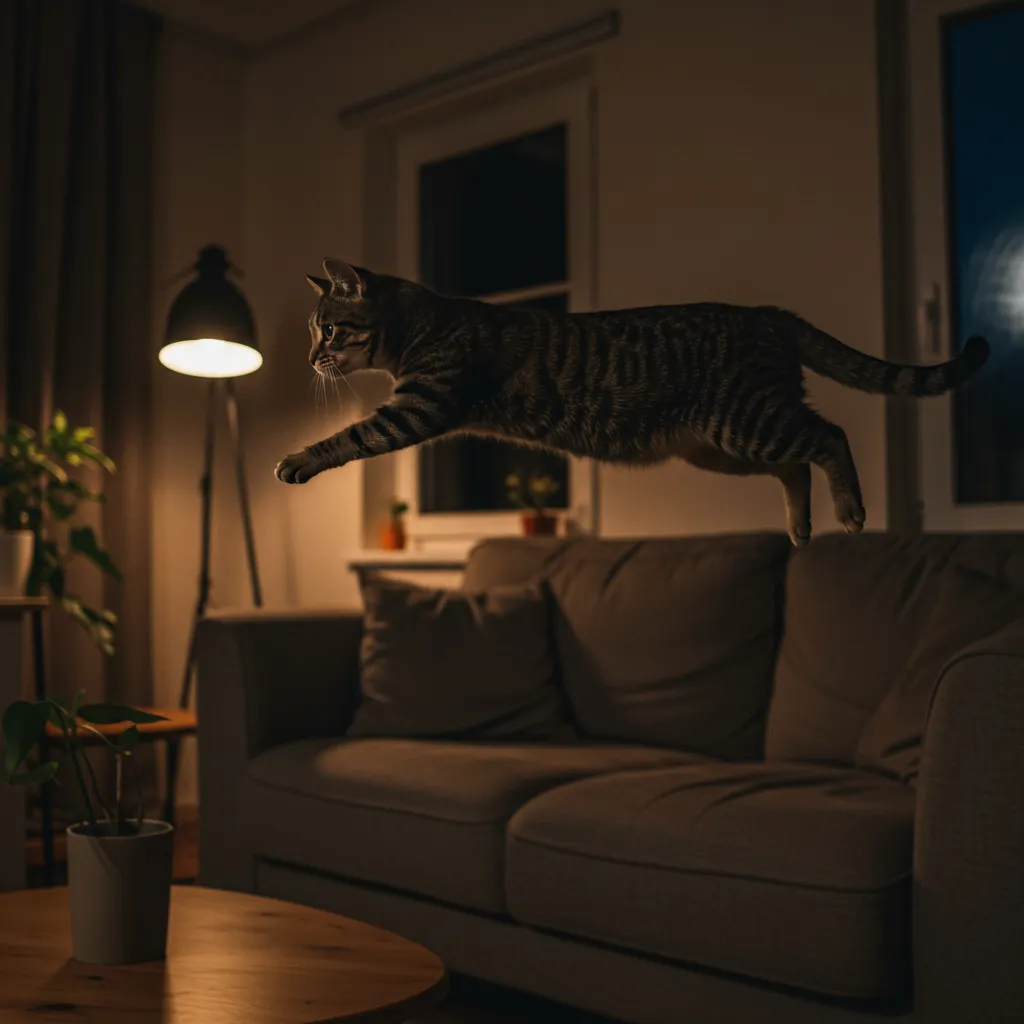
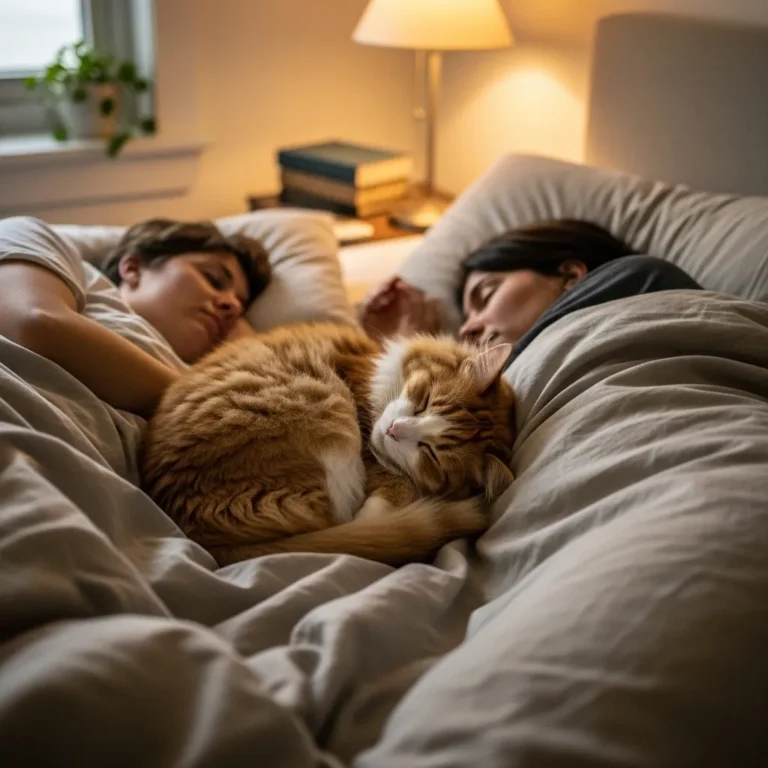
Picture this: It’s 3 AM, and your cat is sprinting across the house like a furry bolt of lightning, leaping over furniture, and skidding into walls. You’re half-asleep, wondering, how long do cat zoomies last? These bursts of feline energy, affectionately called “zoomies,” are both hilarious and perplexing for cat owners.
Whether your cat’s tearing around after using the litter box or staging a midnight marathon, this article is your go-to resource for understanding cat zoomies, their causes, duration, and how to manage them.
Packed with expert insights, practical tips, and real-life examples, we’ll cover everything from why cats get zoomies to when to see a vet for cat zoomies, ensuring you have the most comprehensive guide to outshine all others.
What Are Cat Zoomies? Understanding Feline Energy Bursts
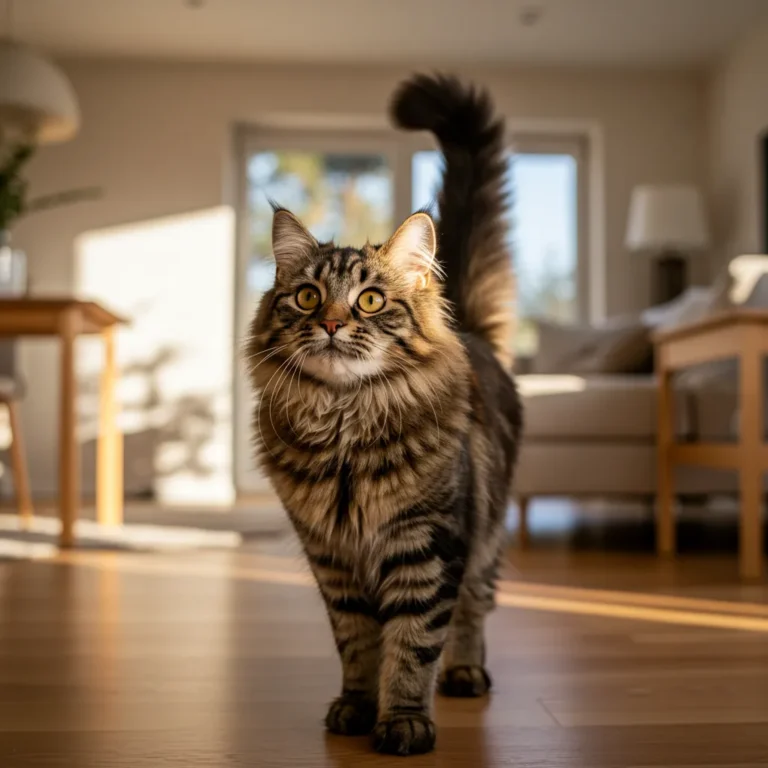
Cat zoomies, also known as Frenetic Random Activity Periods (FRAPs), are sudden, intense bursts of energy where cats run, jump, and play with wild abandon. These episodes often involve darting from room to room, climbing furniture, or chasing invisible prey. While they’re a normal part of cat behavior, they can leave owners scratching their heads—or dodging flying felines.
Zoomies are a natural expression of a cat’s instincts, often tied to their predatory nature or a release of pent-up energy. Whether it’s a kitten performing acrobatics or an older cat suddenly acting like a teenager, understanding cat zoomies meaning helps you appreciate your pet’s quirky behavior.
Why This Matters
For indoor cat owners, zoomies can be disruptive, especially when they happen at night. Knowing what triggers them and how long they last can help you manage your cat’s energy and keep your household harmonious. Let’s dive into the details.
What Causes Cat Zoomies?
Understanding what causes cat zoomies is the first step to managing them. These bursts of hyperactive cat behavior stem from a variety of triggers, ranging from natural instincts to environmental factors. Here are the primary causes:
- Predatory Instincts: Cats are hardwired to hunt. Zoomies often mimic hunting behaviors like chasing, pouncing, or sprinting, even if there’s no prey in sight.
- Pent-Up Energy: Indoor cats, especially those with limited cat exercise and playtime, may release stored energy through zoomies.
- Post-Litter Box Excitement: Ever noticed cat zoomies after using the litter box? Some cats feel invigorated after relieving themselves, possibly due to a sense of cleanliness or relief.
- Environmental Stimuli: A sudden noise, a new toy, or even a change in routine can spark cat energy bursts.
- Emotional States: Stress, excitement, or boredom can trigger zoomies as a way for cats to cope or express themselves.
- Biological Rhythms: Cats are crepuscular, meaning they’re most active at dawn and dusk, which explains cat zoomies at night or cat zoomies at 3AM.
Real-Life Example
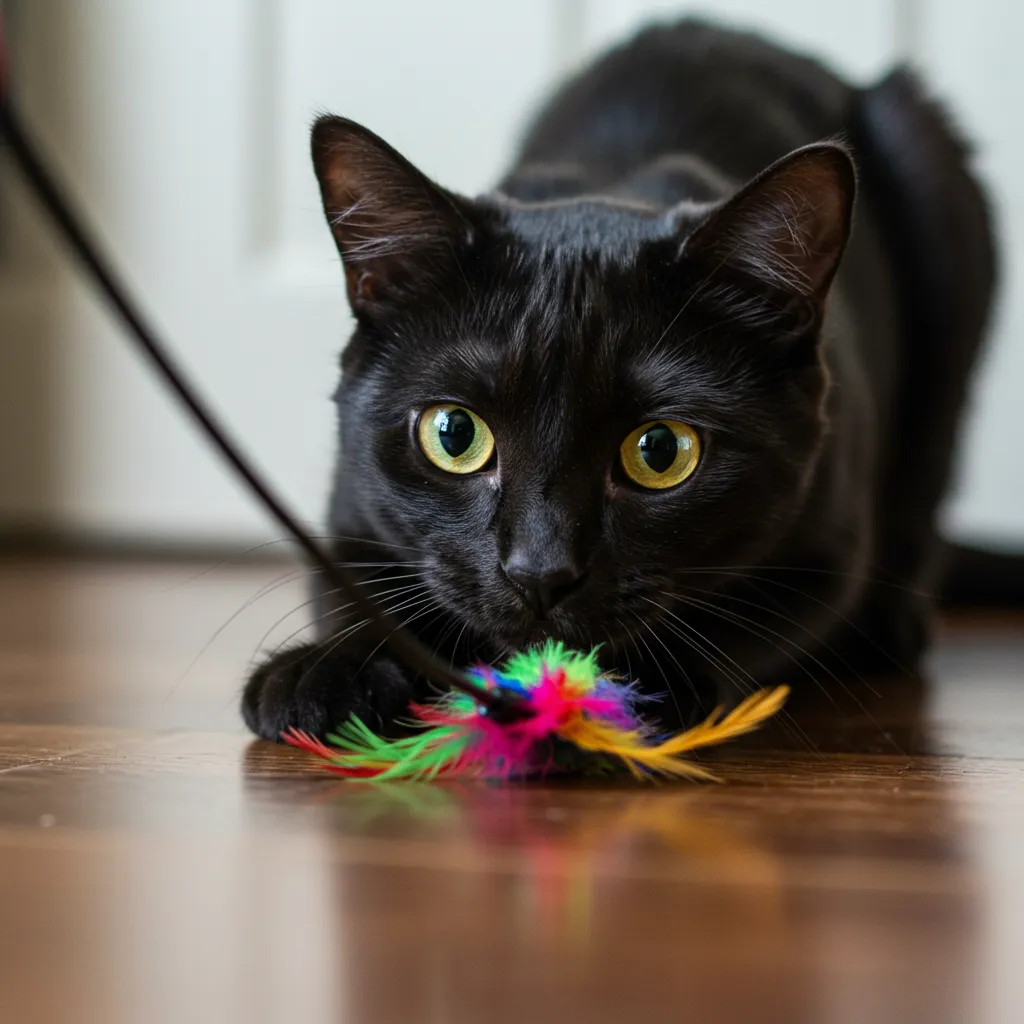
Take Sarah, a cat owner from Seattle, whose tabby, Luna, gets cat zoomies after poop. “Every evening after using her litter box, Luna zooms around the living room like she’s celebrating,” Sarah says. “It lasts about five minutes, then she’s back to napping.” This is a classic case of post-litter box zoomies, often linked to a cat’s instinct to flee from potential predators after leaving their scent.
How Long Do Cat Zoomies Last?
The burning question: How long do cat zoomies last? Typically, the duration of cat zoomies ranges from 30 seconds to 5–10 minutes, depending on the cat, their age, and the trigger. Here’s a breakdown:
- Kittens: Younger cats have shorter attention spans but more frequent zoomies, lasting 1–3 minutes per episode.
- Adult Cats: Adult cats may have longer bursts, up to 5–10 minutes, especially if triggered by play or excitement.
- Senior Cats: Older cats may have shorter, less frequent zoomies, often under a minute, due to lower energy levels.
Factors Affecting Duration
- Trigger Type: Zoomies caused by excitement (e.g., a new toy) may last longer than those from a quick post-litter box sprint.
- Environment: A spacious home with lots of room to run can extend zoomies, while a small apartment may limit them.
- Health: Healthy cats with good healthy cat habits tend to have more controlled bursts, while cat hyperactivity causes like stress or medical issues can prolong episodes.
Table: Typical Duration of Cat Zoomies by Age
| Age Group | Typical Duration | Frequency |
|---|---|---|
| Kitten (0–1 yr) | 1–3 minutes | Multiple times daily |
| Adult (1–7 yrs) | 3–10 minutes | 1–3 times daily |
| Senior (7+ yrs) | 30 seconds–2 minutes | Less frequent |
When Do Cat Zoomies Happen?
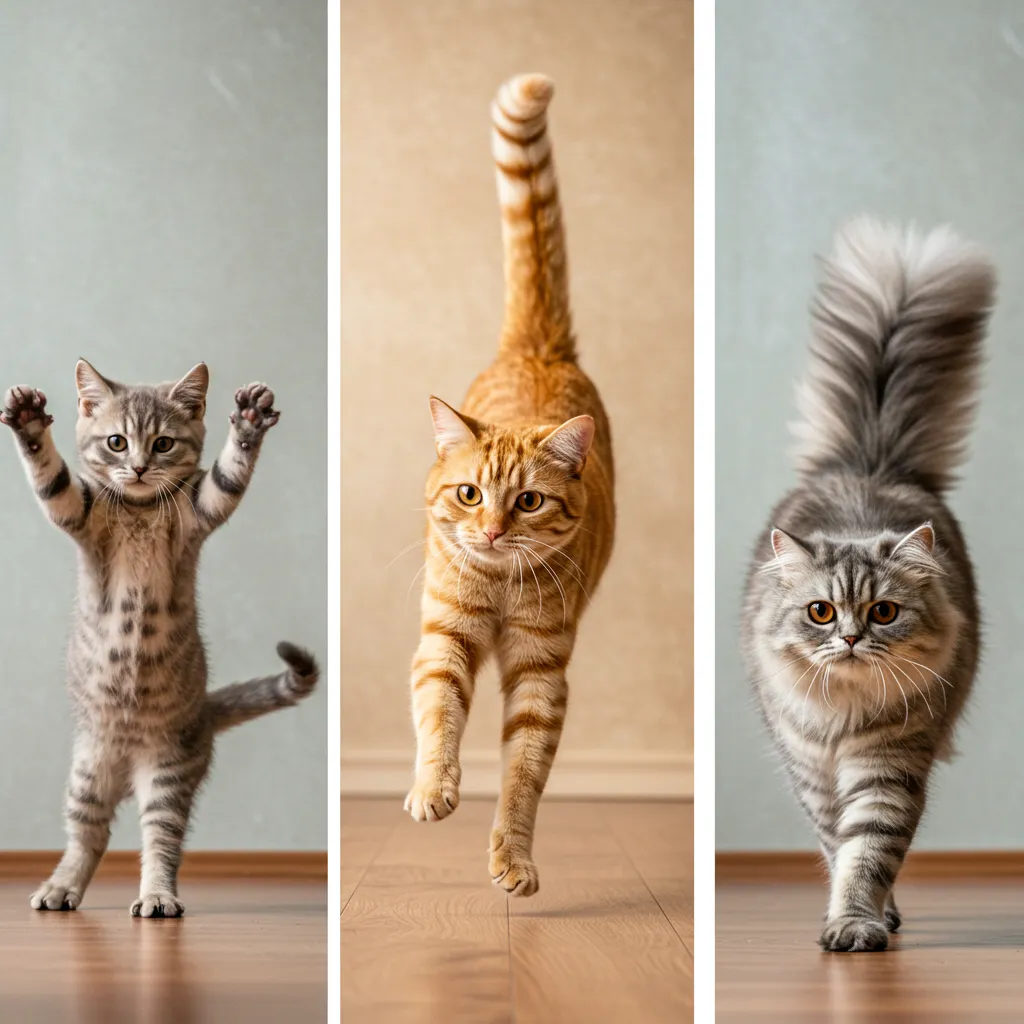
When do cat zoomies happen? Timing varies, but certain patterns are common:
- Nighttime Cat Zoomies: Cats are naturally active at dawn and dusk, leading to cat zoomies at night or cat zoomies at 3AM. This aligns with their crepuscular nature.
- After Using the Litter Box: Cat zoomies after poop are common, as cats may feel energized or want to “escape” the litter box area.
- Post-Meal or Playtime: Feeding or interactive play can trigger zoomies as cats burn off energy.
- Random Moments: Sometimes, zoomies seem spontaneous, sparked by a sudden mood shift or environmental cue.
Why Cats Run Around at Night
Why cats run around at night ties back to their instincts. In the wild, cats hunt during low-light hours, making nighttime cat zoomies a natural behavior. Indoor cats, lacking real prey, channel this energy into running and jumping. Social media platforms like cat zoomies TikTok are filled with videos of cats tearing through homes at midnight, delighting and frustrating owners alike.
Managing Cat Zoomies: Tips for a Calmer Household
Managing cat zoomies is about channeling your cat’s energy constructively and minimizing disruptions. Here are actionable strategies for how to calm cat zoomies and promote healthy cat habits:
- Increase Playtime
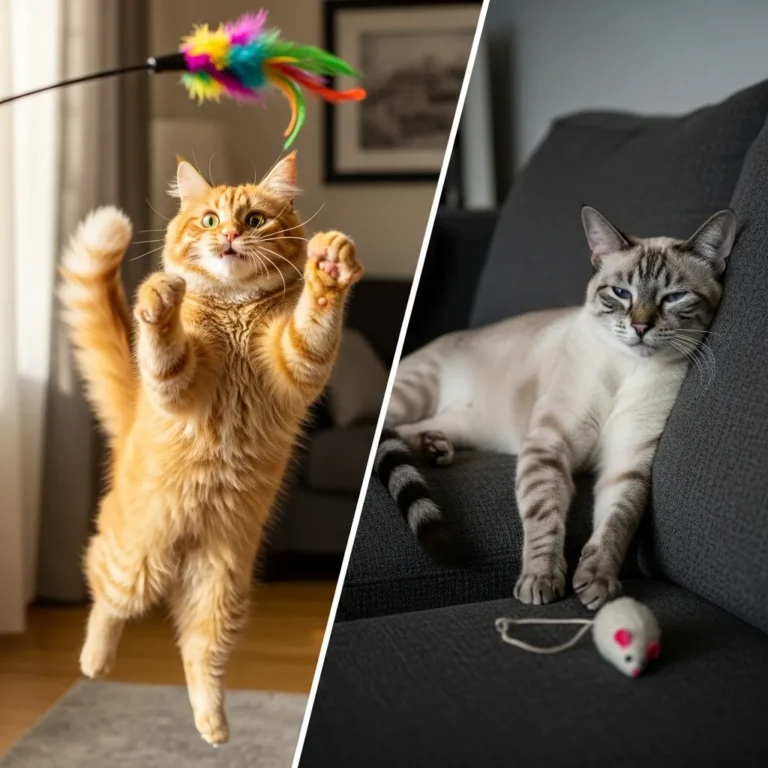
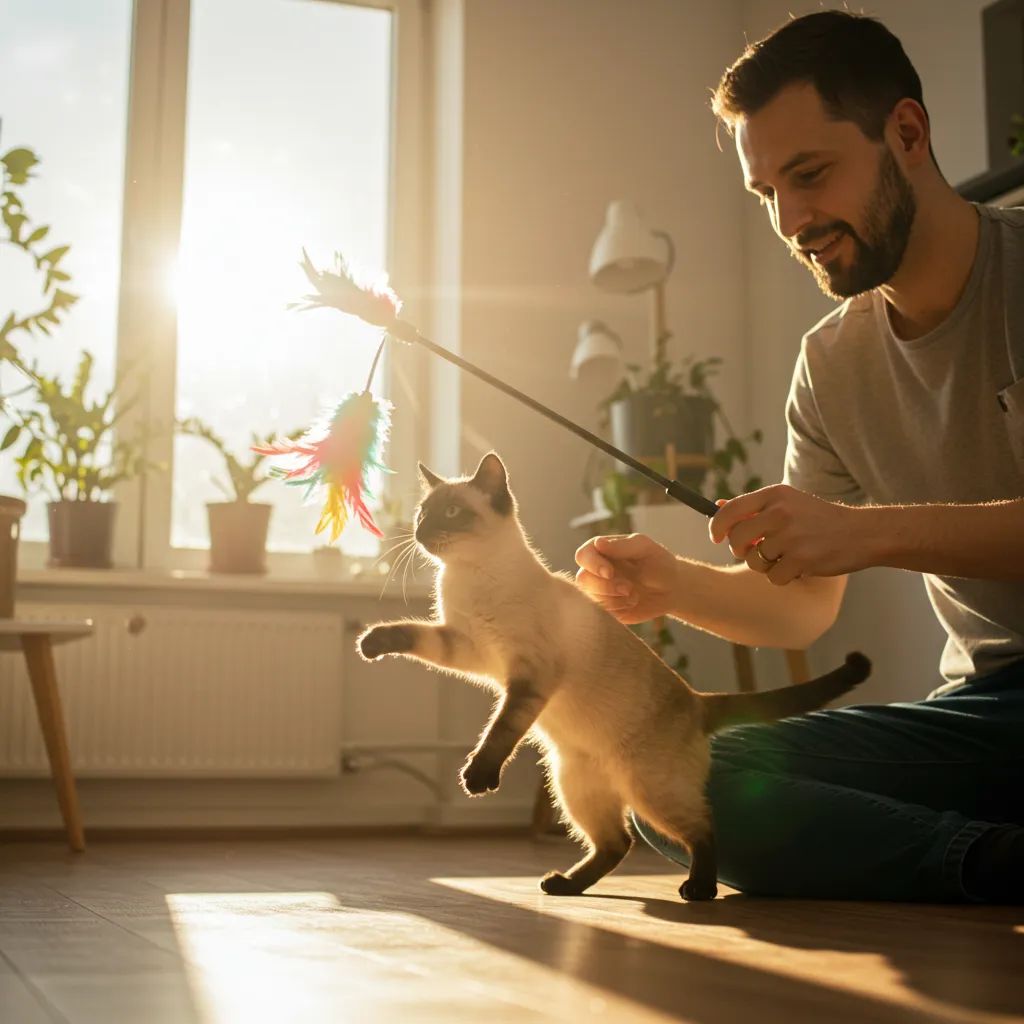
Regular cat exercise and playtime can reduce the frequency and intensity of zoomies. Use toys like feather wands, laser pointers, or balls to mimic hunting. Aim for 15–30 minutes of play twice daily. - Create a Stimulating Environment
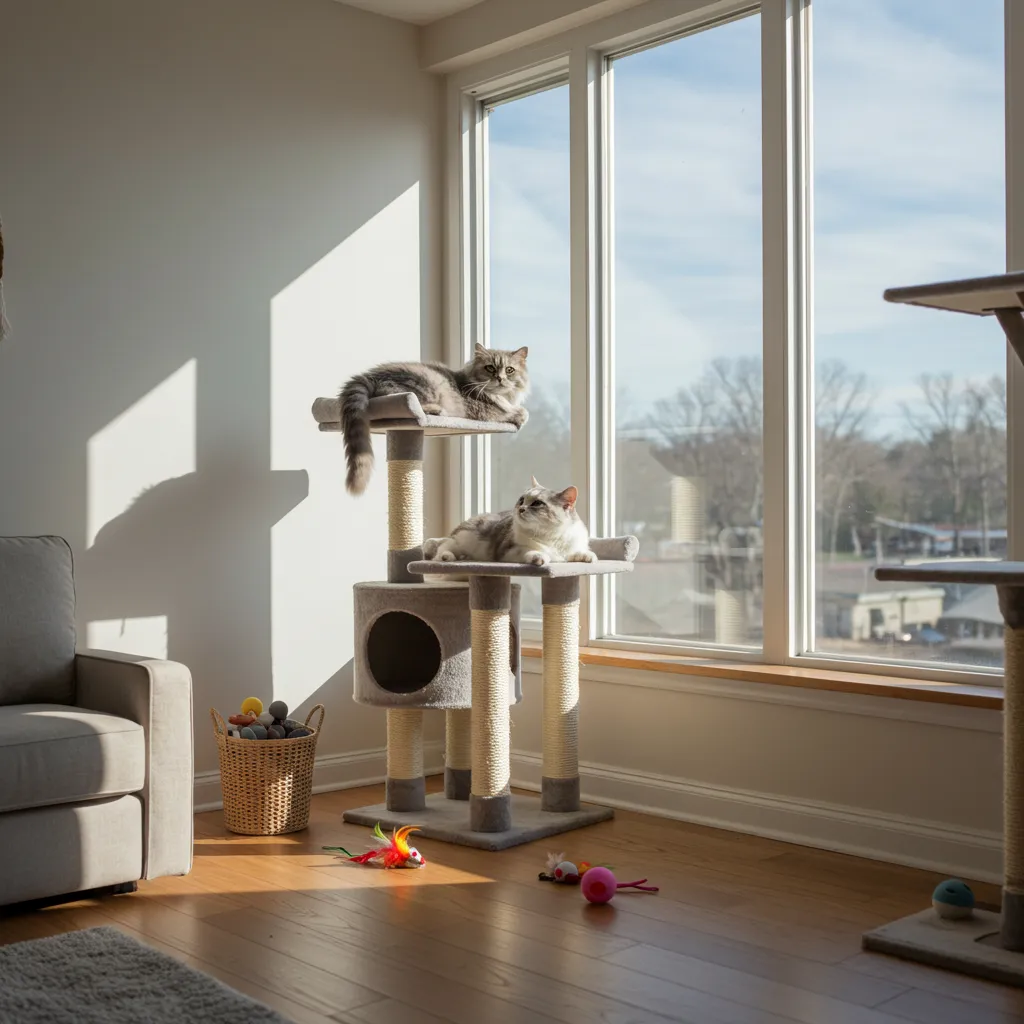
An indoor cat activity guide recommends enriching your cat’s space with scratching posts, climbing trees, and interactive toys. Puzzle feeders can also engage their minds. - Establish a Routine
Cats thrive on consistency. Feed, play, and interact at the same times daily to stabilize their energy levels and reduce cat zoomies at night. - Provide Safe Spaces
Ensure your cat has cozy spots to retreat to after zoomies, like a cat bed or a quiet corner, to help them wind down. - Use Calming Aids
For persistent hyperactive cat behavior, consider pheromone diffusers (like Feliway) or calming treats to ease stress-related zoomies.
Step-by-Step Guide: Calming Nighttime Zoomies
- Evening Play Session: Engage your cat in 15–20 minutes of vigorous play before bedtime to tire them out.
- Feed a Late Meal: Offer a small meal after play to mimic the hunt-eat-sleep cycle of wild cats.
- Dim the Lights: Lower household activity and lights to signal it’s time to rest.
- Ignore Attention-Seeking Zoomies: Avoid reacting to zoomies, as attention can reinforce the behavior.
- Monitor Patterns: If cat zoomies at 3AM persist, adjust playtime or consult a vet to rule out underlying issues.
Real-Life Example
John, a cat owner from Chicago, struggled with his cat Milo’s nighttime cat zoomies. “Milo would wake us up at 4 AM, zooming across the bed,” he shares. After adding a 20-minute play session with a laser pointer before bed and a puzzle feeder, Milo’s zoomies dropped from nightly to once a week.
When to See a Vet for Cat Zoomies
While zoomies are usually harmless, excessive or unusual cat hyperactivity causes may signal a health issue. When to see a vet for cat zoomies depends on these red flags:
- Frequency and Intensity: Zoomies lasting longer than 10–15 minutes or happening multiple times daily could indicate stress or a medical condition.
- Behavioral Changes: Aggression, lethargy, or loss of appetite alongside zoomies may point to issues like hyperthyroidism or pain.
- Age-Related Concerns: Senior cats with sudden, frequent zoomies should be checked for conditions like cognitive dysfunction.
- Post-Zoomie Distress: If your cat seems disoriented, overly tired, or distressed after zoomies, it’s time for a vet visit.
Medical Causes of Cat Zoomies
- Hyperthyroidism: Common in older cats, it can cause excessive energy and restlessness.
- Flea Infestations: Itching can trigger frantic running or scratching.
- Neurological Issues: Rare conditions like seizures or feline hyperesthesia syndrome may mimic zoomies.
- Pain or Discomfort: Cats in pain may exhibit erratic behavior to cope.

When in Doubt
Consult a veterinarian if zoomies seem out of character or are accompanied by symptoms like weight loss, vomiting, or changes in litter box habits. A vet can run tests to rule out underlying issues and recommend solutions.
Understanding Feline Behavior: Why Zoomies Are Normal
Understanding feline behavior helps put zoomies in context. Cats are complex creatures with instincts rooted in their wild ancestors. Zoomies are a healthy way for cats to express energy, relieve stress, or practice hunting skills. They’re especially common in indoor cat activity settings, where cats lack outdoor stimulation.
Fun Fact: Zoomies on Social Media
The cat zoomies TikTok trend has exploded, with owners sharing hilarious clips of their cats mid-frenzy. These videos highlight how universal and entertaining zoomies are, but they also remind us to ensure our cats’ environments support their natural behaviors.
How to Support Healthy Cat Habits
To keep zoomies fun and manageable, focus on healthy cat habits:
- Nutrition: Feed a balanced diet to maintain energy levels. Avoid overfeeding, as obesity can limit play and increase restlessness.
- Mental Stimulation: Puzzle toys, treat-dispensing balls, and window perches keep cats engaged.
- Regular Vet Checkups: Annual exams catch health issues early, preventing zoomie-related problems.
- Social Interaction: Spend quality time with your cat to reduce stress and boredom.
Pros and Cons of Cat Zoomies
| Pros | Cons |
|---|---|
| Natural expression of instincts | Can be disruptive at night |
| Promotes physical exercise | Risk of knocking over items |
| Fun to watch and share (e.g., TikTok) | May signal underlying health issues |
Conclusion
How long do cat zoomies last? Typically, these delightful bursts of cat energy last anywhere from 30 seconds to 10 minutes, driven by instincts, excitement, or environmental triggers. By understanding what causes cat zoomies, when they happen, and how to manage them, you can keep your cat happy and your home peaceful. From scheduling playtime to watching for health red flags, this guide equips you with everything you need to navigate cat zoomies at night, cat zoomies after poop, or any other feline frenzy.
FAQs
How long do cat zoomies last?
Cat zoomies typically last 30 seconds to 10 minutes, depending on the cat’s age, health, and trigger. Kittens may have shorter bursts, while adults can zoom for longer.
What are the causes of cat zoomies?
Zoomies are caused by predatory instincts, pent-up energy, post-litter box excitement, environmental stimuli, or emotional states like stress or boredom.
What is the duration of cat zoomies?
Most zoomies last 1–5 minutes, though kittens may have briefer episodes (1–3 minutes), and adults may extend to 10 minutes.
When do cat zoomies happen?
Zoomies often occur at dawn, dusk, after meals, post-litter box use, or during playtime, aligning with cats’ crepuscular nature.
How can I manage cat zoomies?
Increase cat exercise and playtime, create a stimulating environment, establish routines, and use calming aids like pheromone diffusers.
When should I consult a vet for cat zoomies?
See a vet if zoomies are excessive, last over 15 minutes, or are accompanied by symptoms like aggression, lethargy, or appetite changes.