Cat Congestion: Spotting Feline Upper Respiratory Infection, Cat Breathing Issues, and Noisy Cat Breathing Early
Imagine curling up with your fluffy companion, only to hear that raspy wheeze or see those watery eyes cat congestion isn’t just a minor sniffle; it’s often a red flag for deeper feline health concerns. As a seasoned cat rescuer who’s fostered over 50 felines, including breeds prone to respiratory woes like Persians and Siamese, I’ve seen firsthand how quickly a stuffy nose can escalate. But here’s the relief: understanding cat congestion symptoms and acting fast can turn a worrisome wheeze into a quick recovery.
In this in-depth guide, we’ll break down why your cat might be dealing with cat breathing problems, from common triggers like feline upper respiratory infection (FURI) to less obvious culprits like dental disease. You’ll get practical, vet-backed strategies for treating cat congestion at home, knowing when it’s an emergency cat breathing situation, and preventing future episodes. Whether your Bengal is sneezing up a storm or your Ragdoll shows noisy cat breathing, we’ll equip you with the tools to keep your kitty purring comfortably. Let’s clear the air and get your cat back to their playful self.
Key Takeaways on Cat Congestion
Before diving deeper, here’s a quick snapshot of essential insights to help you act swiftly:
- Common Signs: Look for sneezing, nasal discharge, wheezing, or open-mouth breathing in cats—these are hallmarks of cat congestion symptoms and potential feline rhinitis.
- Top Causes: Feline upper respiratory infection often stems from viruses like herpesvirus or calicivirus, but allergies, dental disease, or environmental irritants can also play a role.
- Home Remedies: Steam therapy, humidifiers, and hydration can ease mild cases, but always consult a vet first.
- When to Vet: If you notice labored breathing in cats, rapid breaths over 40 per minute, or blue gums, seek emergency care immediately—delaying can be life-threatening.
- Prevention Tips: Vaccinations, clean environments, and regular dental checks reduce risks by up to 80%.
- Breed-Specific Notes: Flat-faced breeds like Persians may face more cat breathing issues; check our Persian cat breed overview for tailored advice.
Implement these, and you’ll spot issues early, potentially saving on vet bills and stress.
Unmasking the Sounds: Recognizing Noisy Cat Breathing and Cat Congestion Symptoms
That subtle snuffle from your cat’s nap spot might seem cute, but noisy cat breathing often signals congestion. Cats are masters at hiding discomfort, so tuning into these cues is crucial. From my years working with rescues, I’ve learned that early detection prevents complications like secondary infections.
Decoding Different Breathing Noises in Cats
Cats breathe quietly at rest—about 15-30 breaths per minute. Anything louder or faster warrants attention. Here’s how to differentiate:
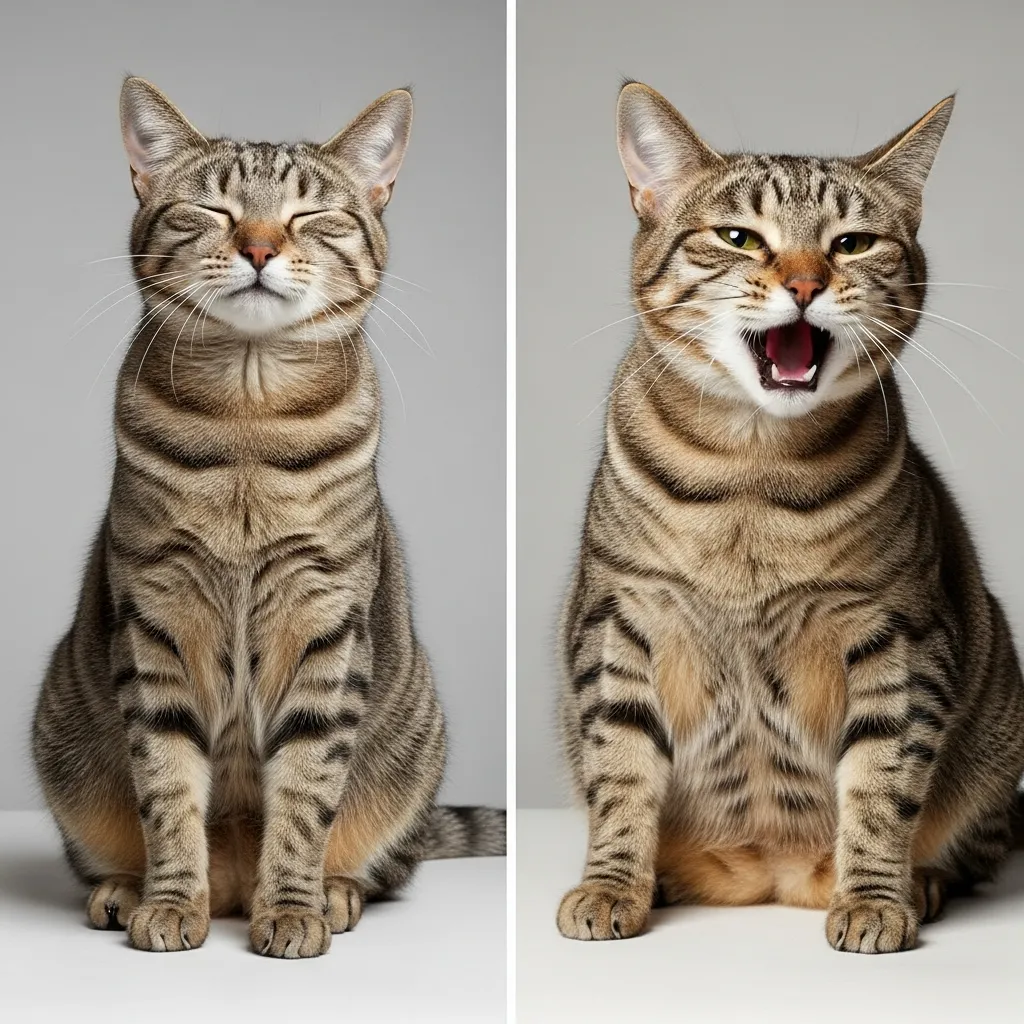
- Snoring or Stertor: A low, rumbling sound from nasal blockage, common in brachycephalic breeds like Persians. If it’s new or persistent, it could indicate feline rhinitis or allergies.
- Wheezing or Stridor: High-pitched whistling during inhales or exhales suggests airway narrowing, often from asthma or infections. A 2025 VCA Hospitals update notes this affects 1-5% of cats.
- Gurgling or Raspy Sounds: Mucus buildup in the throat, typical in feline upper respiratory infection, where viruses cause inflammation.
Monitor your cat’s breathing rate: Count chest rises for 15 seconds and multiply by four. Over 40 breaths? Time for a vet check.
Spotting Broader Symptoms of Cat Congestion
Beyond noise, watch for these cat congestion symptoms:
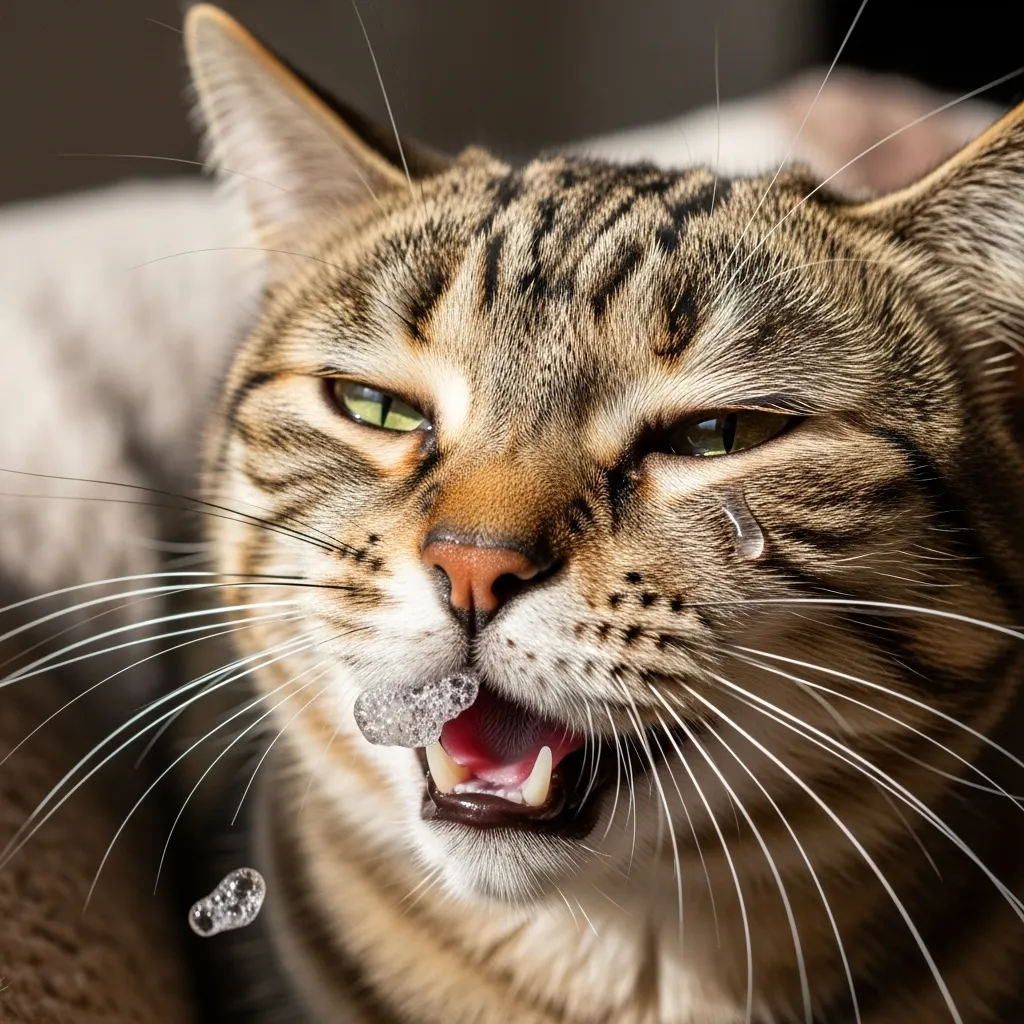
- Sneezing Fits: Occasional sneezes clear dust, but frequent ones with discharge point to cat sneezing from infections or irritants.
- Nasal Discharge: Clear might be allergies; yellow/green signals bacterial involvement in FURI.
- Eye Issues: Watery or swollen eyes often accompany respiratory woes, especially in herpesvirus cases.
- Lethargy and Appetite Loss: Congested cats may avoid food due to smell impairment—critical since cats can develop hepatic lipidosis if not eating.
- Coughing or Gagging: Dry hacks mimic hairballs but could indicate deeper cat breathing problems.
For breeds like Norwegian Forest Cats, who love outdoor adventures, pollen can trigger these—explore our Norwegian Forest Cat sneezing guide for more.
When Noisy Breathing Becomes a Red Flag
Not all sounds spell trouble—playful panting after zoomies is normal. But if your cat shows open-mouth breathing in cats or labored breathing, it’s urgent. A Cornell Feline Health Center report from 2025 emphasizes that open-mouth breathing is rare in healthy cats and often links to heart or lung issues. Track patterns: Is it worse at night or after eating? Journaling helps when visiting the vet.
Digging Deeper: Causes of Cat Breathing Issues and Feline Upper Respiratory Infection
Cat congestion rarely happens in isolation. Understanding root causes empowers you to prevent recurrences. Based on 2025 data from the Morris Animal Foundation, up to 90% of cases tie to viral infections, but other factors lurk.
Viral Culprits: The Role of Feline Upper Respiratory Infection
FURI, often called “cat flu,” is the top offender. Primary agents include:
- Feline Herpesvirus-1 (FHV-1): Lifelong carrier in 80% of infected cats; stress reactivates it, causing sneezing and ulcers.
- Feline Calicivirus (FCV): Leads to oral sores and pneumonia in severe cases; highly contagious in multi-cat homes.
- Other Pathogens: Chlamydophila felis or Bordetella add bacterial layers, per a Texas A&M Veterinary Medical Diagnostic Lab update.
Kittens and seniors are most vulnerable—my rescue Munchkin once battled this after adoption stress. Learn more in our Munchkin cat health issues guide.
Environmental and Allergic Triggers for Feline Rhinitis
Non-infectious causes include:
- Allergies: Pollen, dust, or smoke inflame nasal passages, leading to chronic feline rhinitis. A PetMD 2025 review links this to 20% of congestion cases.
- Irritants: Household cleaners or cigarette smoke exacerbate cat breathing issues.
- Foreign Objects: Grass seeds or polyps can block airways, causing noisy cat breathing.
For indoor cats like Siamese, who might be scared easily, stress amplifies these—check our Siamese cats scared easily guide.
The Surprising Link: Dental Disease and Cat Congestion
Here’s a 2025 trend: Dental disease cat congestion connection. Inflamed gums from periodontal disease or stomatitis allow bacteria to travel to sinuses, mimicking FURI symptoms. Signs include bad breath, drooling, and nasal discharge. A Missoula Veterinary Dentist study found 30% of congested cats had underlying dental woes. Regular checkups are key—our Munchkin cat dental care article has breed-specific tips.
Other causes: Heart disease, obesity (common in Ragdolls—see Ragdoll cat obesity guide), or brachycephalic syndrome in flat-faced breeds.
Step-by-Step Guide: Treating Cat Congestion Effectively
Treating cat congestion blends home care with professional help. Always start with a vet diagnosis to rule out serious issues.
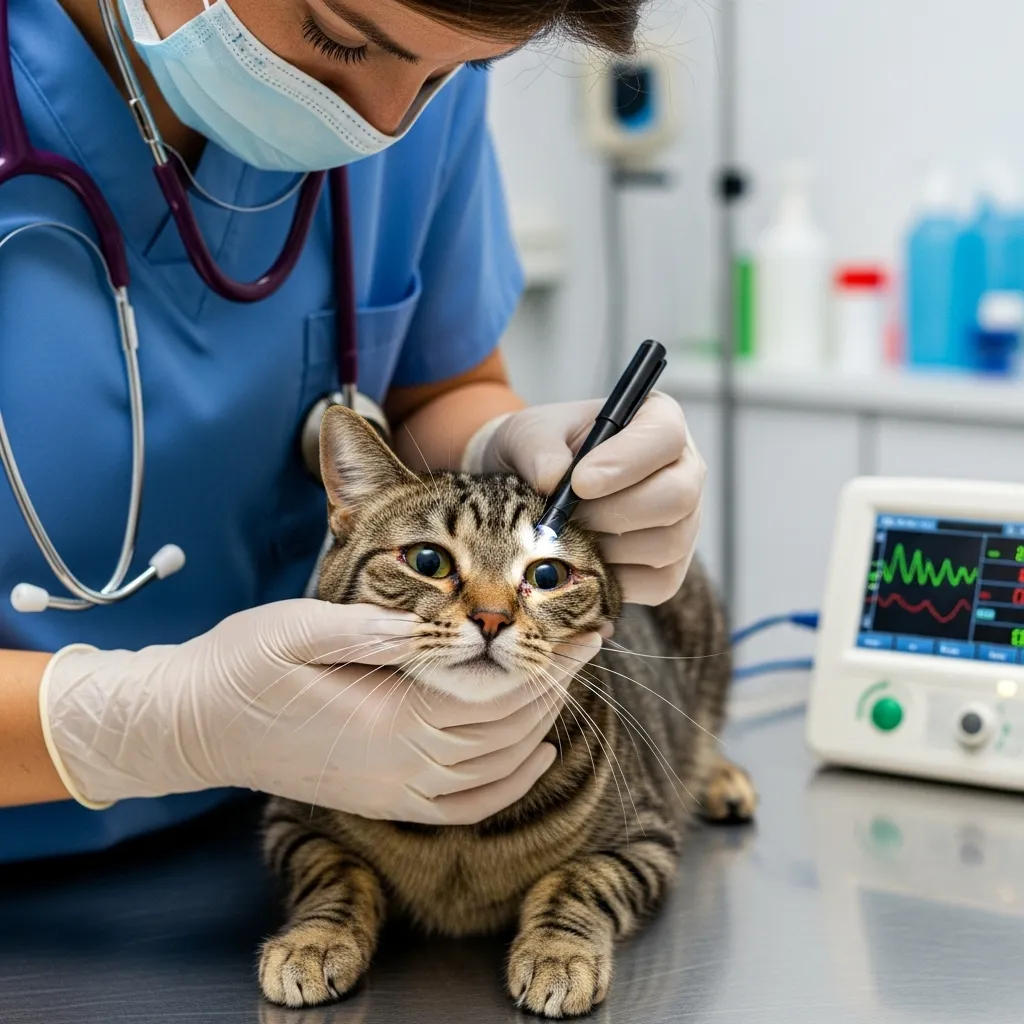
Home Remedies for Mild Cat Congestion Symptoms
For non-emergency cases:
- Steam Therapy: Run a hot shower and let your cat sit in the steamy bathroom for 10-15 minutes twice daily. A Trudell Animal Health 2025 tip: This loosens mucus.
- Humidifiers: Keep humidity at 40-60% to ease breathing; clean weekly to prevent mold.
- Hydration Boost: Offer wet food or broths—dehydrated cats worsen congestion.
- Nasal Saline Drops: Vet-approved drops clear passages; avoid human meds.
- Supplements: Lysine for viral support, per PetMD, but dose carefully.
From experience, these helped my Bengal during a mild bout—pair with our Bengal cat vomiting guide if appetite dips.
Veterinary Treatments for Feline Upper Respiratory Infection
Vets may prescribe:
- Antibiotics: For bacterial components, like doxycycline.
- Antivirals: Famciclovir for herpes flares.
- Eye Ointments: If conjunctivitis is present.
- Supportive Care: Fluids or appetite stimulants.
For dental-linked cases, cleanings or extractions resolve 70% of symptoms, per Merck Veterinary Manual.
Monitoring Progress and Adjusting Care
Track symptoms daily. Improvement in 3-5 days? Great. No change? Revisit the vet. For chronic cases, allergy testing or diet changes help.
Emergency Cat Breathing: When to Rush to the Vet
Don’t wait—emergency cat breathing can turn fatal fast. Signs per a 2025 GSVS report: Open-mouth breathing, blue gums, or collapse.
Spotting Urgent Symptoms
- Labored Breathing in Cats: Elbows out, abdomen heaving—indicates distress.
- Rapid Rate: Over 50 breaths/minute.
- Noisy or Absent Breathing: Wheezing with cyanosis (blue tint) needs oxygen therapy.
PDSA advises immediate CPR if breathing stops. Find a reliable vet via our finding the best vet for your cat article.
Diagnostic Tests Your Vet Might Run
Expect bloodwork, X-rays, or nasal swabs. For dental ties, oral exams under sedation.
Preventing Cat Congestion: Long-Term Strategies for Healthy Breathing
Prevention beats cure. Vaccinate against FHV-1 and FCV—core for all cats. Keep litter dust-free, use air purifiers, and schedule annual dentals.
For multi-cat homes, quarantine new arrivals. Breeds like Maine Coons thrive with outdoor enclosures—see our Ragdoll cat outdoor enclosure for ideas.
Table: Prevention Checklist
| Action | Benefit | Frequency |
|---|---|---|
| Vaccinations | Reduces FURI risk by 90% | Annually |
| Dental Brushing | Prevents dental disease cat congestion | Weekly |
| Humidifier Use | Eases dry air irritation | Daily in winter |
| Allergy Management | Minimizes feline rhinitis | As needed |
| Stress Reduction | Prevents viral flare-ups | Ongoing |
FAQ: Quick Answers to Your Cat Congestion Queries
How can I tell if my cat has congestion issues?
Listen for noisy cat breathing, watch for sneezing or discharge—these are key cat congestion symptoms.
What does it mean when my cat snores or wheezes?
It could be mild allergies or serious cat breathing issues like FURI; monitor and consult a vet if persistent.
When should I worry about my cat’s noisy breathing patterns?
If accompanied by lethargy or open-mouth breathing in cats, it’s time for emergency care.
What are common symptoms of feline respiratory issues?
Sneezing, coughing, nasal discharge, and reduced appetite signal feline upper respiratory infection.
What constitutes an emergency in terms of cat breathing difficulties?
Labored breathing, blue gums, or collapse—rush to the vet immediately.
Can my cat’s dental health affect its breathing?
Yes, dental disease can cause cat congestion by spreading bacteria to sinuses.
What should I do if my cat coughs or sneezes without a nasal discharge?
It might be asthma or irritants; a vet exam rules out underlying cat breathing problems.
When is it time to take my cat to the vet for its respiratory issues?
At the first sign of worsening symptoms or if home remedies fail after 48 hours.
What tests might my vet recommend for my congested cat?
Blood tests, X-rays, or viral swabs to diagnose FURI or other causes.
Are there preventive measures I can take to keep my cat healthy and congestion-free?
Vaccinate, maintain dental hygiene, and reduce stress—simple steps go far.
Wrapping Up: Breathe Easy with Proactive Cat Care
Cat congestion, from feline upper respiratory infection to noisy cat breathing, doesn’t have to disrupt your bond. By spotting symptoms early, treating effectively, and preventing with smart habits, you’ll keep your feline friend thriving. Remember, a quick vet visit can make all the differenceexplore our cat health care guide for more insights.
Ready for more? Dive into expert tips on cat behavior and breeds at Cat Bloom Haven.