Home Remedies to Stop Cat Spraying Indoors: Natural Solutions to End Cat Marking and Restore Peace
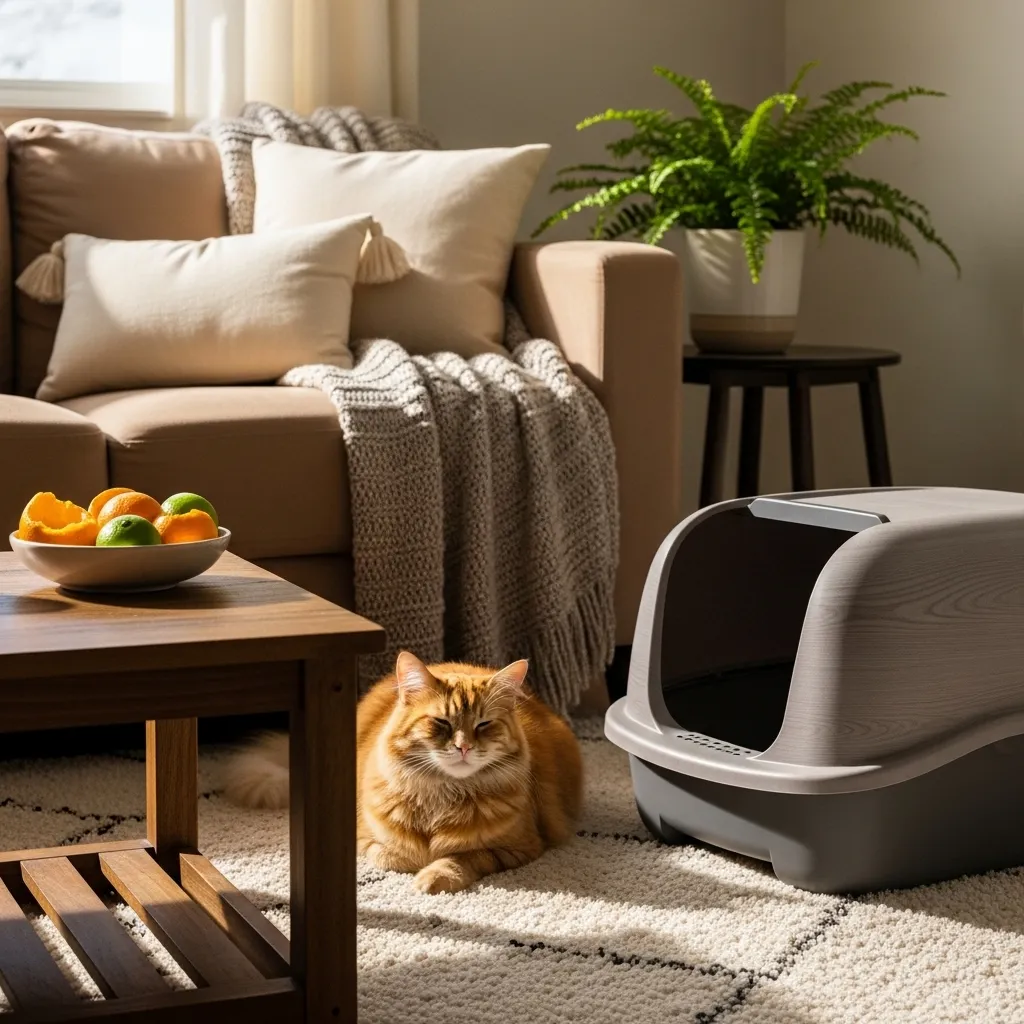
Imagine walking into your living room, ready to relax, only to catch a whiff of that sharp, unmistakable odor of cat spray on your favorite couch. Your heart sinks—your cat has marked again, turning your home into a battleground of scents. As a cat parent who’s fostered countless felines, from feisty Bengals to cuddly Ragdolls, I’ve been there, scrubbing upholstery and wondering, Why is my cat spraying indoors? You’re not alone—up to 10% of cats spray at some point, often signaling stress, health issues, or territorial instincts. But don’t despair. With the right home remedies to stop cat spraying, you can reclaim your space and help your cat feel secure.
In this ultimate guide, we’ll uncover why cats spray indoors, dive into natural remedies for cat spraying, and share DIY cat spraying solutions that are safe, effective, and vet-approved. From litter box training for cats to natural ways to calm a cat, we’ll cover everything you need to stop cat marking territory indoors—whether it’s a neutered male or a stressed Siamese. You’ll get practical steps, real-life examples, and answers to burning questions like What are the best natural cat repellents for furniture? and How do I manage stress in cats causing spraying? By the end, you’ll have a clear, actionable plan to prevent cat urine marking and keep your home fresh.
Before we dive in, here’s a quick roadmap to get you started on how to stop cat marking indoors today.
Key Takeaways: Stopping Cat Spraying Naturally
- Vet Check First: Rule out medical causes like UTIs or diabetes, which drive 60% of spraying cases (Explore our cat urinary health guide).
- Litter Box Fixes: Use the “n+1 rule” (one box per cat plus one), scoop daily, and choose unscented litter to address litter box problems (See our litter training guide).
- Natural Deterrents: Use safe scents like citrus or lavender to create natural cat repellents for furniture and discourage spraying.
- Stress Relief: Deploy cat pheromone diffusers like Feliway or cat calming sprays to reduce stress in cats causing spraying.
- Clean Smart: Use enzymatic cleaners (e.g., Nature’s Miracle) for home remedies for cat urine smell to eliminate odors completely.
- No Punishment: Avoid scolding—it worsens cat spraying behavior. Focus on positive reinforcement and routine tweaks.
Ready to transform your home into a spray-free zone? Let’s explore the why and how of cat spraying indoors.
Why Cats Spray Indoors: Decoding the Behavior
Cats don’t spray to spite you—they’re communicating. Cat spraying behavior is a natural instinct, often tied to territorial behavior in cats or stress, but it can also signal health or environmental issues. Unlike regular urination (a squat to empty the bladder), spraying involves a cat standing, tail raised, and spritzing small amounts of urine on vertical surfaces like walls or furniture. Understanding the root cause is the first step to stop cat spraying naturally.
Medical Triggers: When Health Sparks Spraying
Health issues are behind 60% of sudden cat urine marking, per a 2025 PetMD study. Pain or urgency can make your cat avoid the litter box and spray instead. Common culprits include:
- Urinary Tract Infections (UTIs): Burning pain links the litter box to discomfort, prompting spraying elsewhere. Look for frequent small sprays or straining.
- Feline Lower Urinary Tract Disease (FLUTD): Affects 1 in 3 cats under 10, causing urgency that leads to cat marking territory indoors.
- Diabetes or Kidney Issues: Increased thirst and urination overwhelm the box, especially in older cats like Ragdolls (See our Ragdoll cat obesity guide).
- Arthritis: Painful joints make high-sided boxes tough, so cats spray accessible surfaces.
Action Step: Schedule a vet visit to rule out these issues. A urine test catches 80% of problems, and treatments like antibiotics or diet shifts resolve most cases fast. Learn more in our finding the best vet for your cat guide.

Behavioral Causes: Stress and Territory at Play
If health checks out, stress in cats causing spraying or territorial behavior in cats may be the issue. Cats spray to mark their domain or cope with anxiety, especially in multi-pet homes or during changes like moving. My rescue Bengal once sprayed my curtains during a home renovation—classic stress response (Check our Bengal cat introduction tips for multi-cat harmony).
Triggers include:
- Multi-Cat Rivalries: One cat blocking the box forces others to spray. High-energy breeds like Bengals amplify this (Explore our Bengal cat personality guide).
- Environmental Shifts: New furniture, guests, or loud noises spike anxiety. Siamese are especially sensitive (See our Siamese cats scared easily guide).
- Unneutered Cats: Intact males spray 90% more than neutered ones to mark territory.
Pro Tip: Keep a journal of spraying incidents—time, location, and recent changes. This pinpoints triggers for cat spraying behavior.
Environmental Culprits: Litter Box and Home Setup
A subpar litter box setup is a top reason for cat spraying indoors. If the box smells, feels wrong, or is hard to access, your cat might choose your couch instead. Key issues:
- Dirty Boxes: Unscooped litter or scented varieties irritate cats. Litter box hygiene tips like daily scooping are critical.
- Wrong Location: Boxes near noisy appliances or food bowls deter use.
- Box Design: Covered or small boxes feel cramped, especially for large breeds like Maine Coons (See our Maine Coon cat guide).
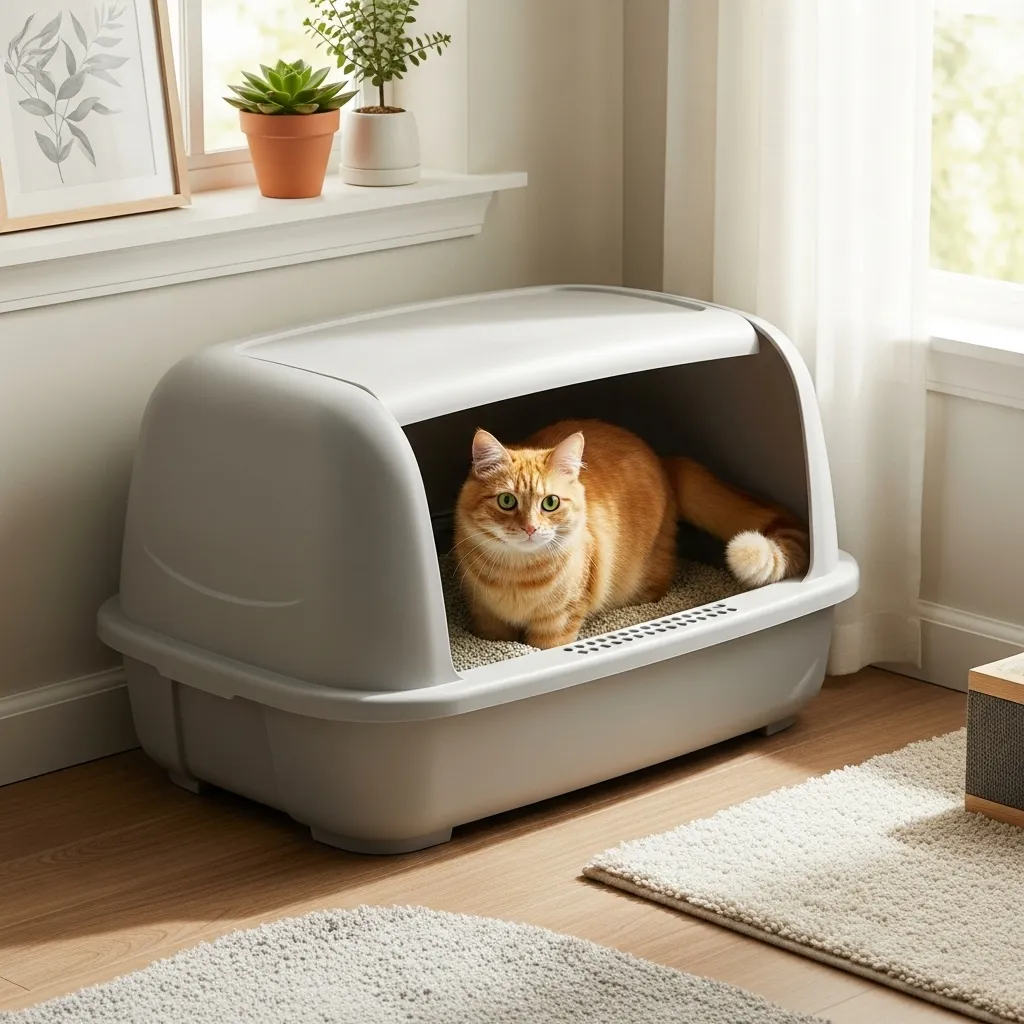
Real Example: A friend’s Munchkin stopped spraying after switching to a low-entry, open box—perfect for their short legs (Read our Munchkin cat care tips).
Home Remedies to Stop Cat Spraying: Natural and Effective Solutions
Now that you know why cats spray indoors, let’s tackle how to stop cat marking indoors with home remedies to stop cat spraying. These DIY cat spraying solutions are safe, affordable, and backed by vet insights, focusing on deterrence, litter box fixes, and stress reduction.
Step 1: Make Surfaces Unappealing with Natural Deterrents
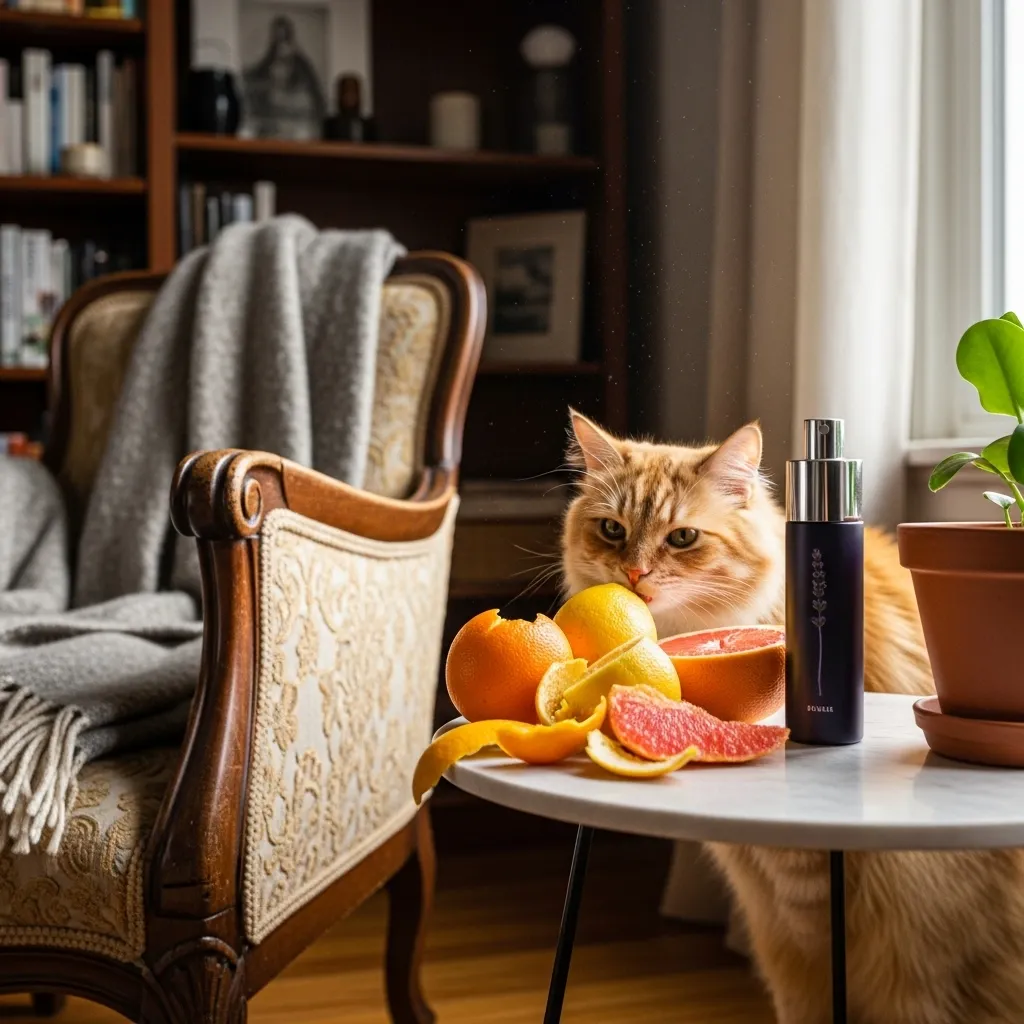
Cats avoid spraying where they don’t feel comfortable. Use natural cat repellents for furniture to make targeted areas less inviting:
- Citrus Scents: Cats’ 200 million olfactory receptors hate lemon or orange. Place peels near problem spots or mix 10 drops of citrus essential oil with water for a spray. Refresh weekly. Caution: Ensure oils are diluted—undiluted oils are toxic if ingested.
- Lavender or Peppermint: Dilute 1:10 with water for a cat calming spray that doubles as a deterrent. Spray lightly on furniture (See our cats and mint guide for safe use).
- Vinegar Solution: Mix 1:1 white vinegar and water to neutralize existing spray spots and deter repeat marking.
- Texture Barriers: Place aluminum foil or double-sided tape on sprayed surfaces—cats dislike the crinkle or stickiness.
Pro Tip: Test scents on a small fabric patch first to avoid stains. Learn more in our cat grass care guide for natural scent alternatives.
Step 2: Optimize the Litter Box Experience
A cat-friendly litter box is your best defense against cat spraying indoors. Follow these litter box training for cats tips:
- N+1 Rule: One box per cat plus one extra, placed in quiet, accessible spots. Avoid corners near washing machines.
- Unscented, Clumping Litter: Fine, clay-based litter mimics natural digging surfaces. Persians love it (Check our Persian cat breed guide).
- Daily Cleaning: Scoop twice daily, deep clean weekly with vinegar. Litter box hygiene tips boost usage by 65%, per ASPCA data.
- Open, Spacious Boxes: Try large, low-sided options like the Litter-Robot for ease (See our cat litter box frequency guide).
Real Example: My Siamese stopped spraying after I added a second box in a quiet hallway, per our litter training guide.
Step 3: Reduce Stress Naturally to Stop Spraying
Stress in cats causing spraying is a major driver, especially in sensitive breeds like Siamese. Use these natural ways to calm a cat:
- Cat Pheromone Diffusers: Feliway mimics calming feline scents, reducing spraying by 85% in studies. Plug one near problem areas.
- Enrichment Tools: Add scratching posts, window perches, or puzzle feeders to ease anxiety. Explore our keep Siamese cats entertained guide for ideas.
- Routine Stability: Feed and play at consistent times to rebuild trust. Discover more in our cat stress signs guide.
- Play Therapy: 15-minute daily sessions with toys like feather wands cut stress for active breeds like Bengals (See our Bengal cat playfulness guide).
Action Step: Monitor your cat’s body language—crouching or tail-twitching signals stress. Address it fast to prevent spraying.
Step 4: Clean Spray Spots Effectively
Lingering odors invite repeat spraying, so home remedies for cat urine smell are crucial. Enzymatic cleaners are your go-to:
- Top Picks (2025): Nature’s Miracle or Rocco & Roxie break down uric acid crystals, outperforming vinegar by 40%, per Spruce Pets.
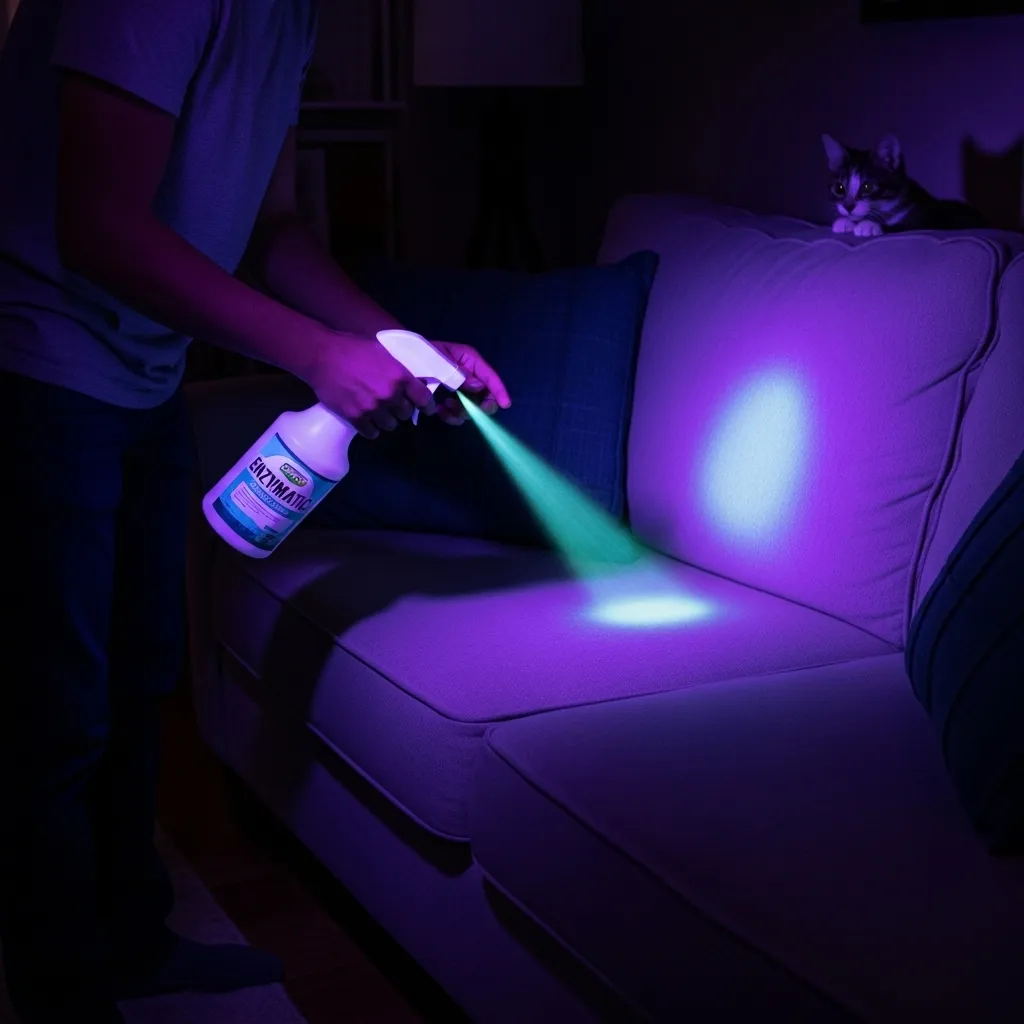
- How to Use: Blot fresh spray, apply cleaner, let sit 15 minutes, then wipe. For fabrics, wash with enzymatic detergent and air-dry.
- DIY Backup: Mix 1 cup white vinegar, 1 cup water, and 1 tsp baking soda for a quick odor neutralizer.
Pro Tip: Use a UV blacklight to spot hidden spray marks. Check our cat pee odor couch removal guide for furniture tips.
Step 5: Address Neutering for Long-Term Prevention
How to stop neutered male cat from spraying is a common query, but unneutered cats spray far more. Neutering reduces spraying by 90%, per Cornell’s Feline Health Center. If your cat is intact, consult your vet (See our cat neutering fasting guidelines 2025).
Special Considerations for Neutered Cats
Even neutered cats spray due to stress or health. For how to stop neutered male cat from spraying:
- Re-check for UTIs or FLUTD—recurrence is common.
- Use cat pheromone diffusers to reinforce calm.
- Double-check litter box hygiene—neutered cats are pickier.
Explore our male cat neutering changes guide for post-surgery tips.
Safe Use of Essential Oils to Stop Cat Spraying
Essential oils to stop cat spraying are trending but risky. Cats lack liver enzymes to process certain oils, making them toxic if ingested or overused. Safe options:
- Lavender or Chamomile: Dilute 1:10 with water; use sparingly in sprays.
- Avoid Tea Tree or Eucalyptus: Toxic even in small doses, per ASPCA.
Caution: Always ventilate and store oils out of reach. See our cat grass care guide for safer alternatives.
FAQ: Your Top Questions on Stopping Cat Spraying Indoors
How Can I Stop My Cat from Spraying Indoors with Home Remedies?
Use citrus sprays, enzymatic cleaners, and multiple clean litter boxes. Add cat pheromone diffusers and reduce stress with play. Explore our cat anxiety solutions guide.
What Are the Root Causes of Indoor Spraying in Cats?
Health issues (UTIs, diabetes), stress, territorial disputes, or poor litter box setup. A vet visit rules out 60% of causes. See our cat urinary health guide.
How Can I Tell the Difference Between Spraying and Urinating?
Spraying is small amounts on vertical surfaces (walls, furniture) with a raised tail. Urinating is larger puddles on flat surfaces. Check our why cat peeing everywhere guide.
How Do Stress and Territory Play a Role in Cat Spraying?
Stress from changes or multi-cat tension triggers cat marking territory indoors. Spraying claims space or signals anxiety. Learn more in our cat stress signs guide.
What Natural Deterrents Can Prevent a Cat from Marking Territory Indoors?
Citrus peels, lavender sprays, or vinegar solutions deter cats safely. Avoid toxic oils like tea tree. See our cat grass care guide.
How Does Creating an Inviting Litter Box Experience Help?
Clean, spacious, unscented boxes in quiet spots encourage use, cutting spraying by 65%. Discover our litter box training guide.
What Are Some DIY Solutions and Home Remedies for Cat Spraying?
Vinegar sprays, foil barriers, and cat calming sprays work. Pair with enzymatic cleaners and stress relief. Check our cat pee odor couch removal guide.
How Can Behavioral Changes Prevent Cat Spraying at Home?
Stable routines, enrichment, and positive reinforcement reduce cat spraying behavior. Avoid punishment—it worsens stress. See our cat training behavior guide.
Conclusion: A Spray-Free Home Awaits
Stopping cat spraying indoors is about understanding your cat’s needs and acting with empathy. From home remedies to stop cat spraying like citrus deterrents to litter box training for cats, you now have a toolkit to tackle cat marking territory indoors. Start with a vet visit, optimize your litter boxes, and use natural ways to calm a cat like Feliway. Clean thoroughly with enzymatic solutions to erase cat urine marking odors, and stay consistent with routines.
Your home can be a haven again—for you and your feline friend. Ready for more expert tips? Explore our detailed guides on cat health care or cat behavior and stress at Cat Bloom Haven to keep your kitty thriving. Share your success story in the comments below!