My Cat Sounds Congested When Purring: A Vet’s Guide to Decoding What It Means
That soft, rumbling purr is one of life’s great comforts a signal that your feline friend is content and happy. But what happens when that soothing sound turns raspy, wet, or strained? Hearing your cat sound congested when purring can be instantly alarming. Is it a simple cold, or a sign of something more serious?
If you’re searching for “congested cat” with worry, you’ve come to the right place. This comprehensive guide will help you decode your cat’s unusual purring sounds, from mild cat nasal congestion to more significant cat breathing problems. We’ll explore the common causes, from feline asthma symptoms to cat allergies, and provide actionable cat congestion home remedies you can try, plus clear guidance on when to call the vet.
Key Takeaways: What to Do Right Now
- Listen Closely: A congested purr often sounds wet, gurgly, or rattly, unlike the smooth, steady rumble of a healthy purr.
- Don’t Panic, But Don’t Ignore It: Occasional, mild congestion can happen, but persistent or worsening sounds, especially when paired with cat wheezing when purring or cat breathing heavy when purring, need attention.
- Assess the Whole Picture: Is your cat sounds congested but eating fine? That’s a good sign, but monitor closely. Look for other symptoms like sneezing, discharge, or lethargy.
- The Vet is Essential: While home care can help, a proper diagnosis from a veterinarian is crucial to rule out serious conditions like feline asthma or upper respiratory infections.
- Prevention is Powerful: Maintaining cat respiratory health through a clean environment, proper hydration, and regular vet checks is key to preventing cat congestion.
The Feline Purr: A Quick Refresher on What’s Normal
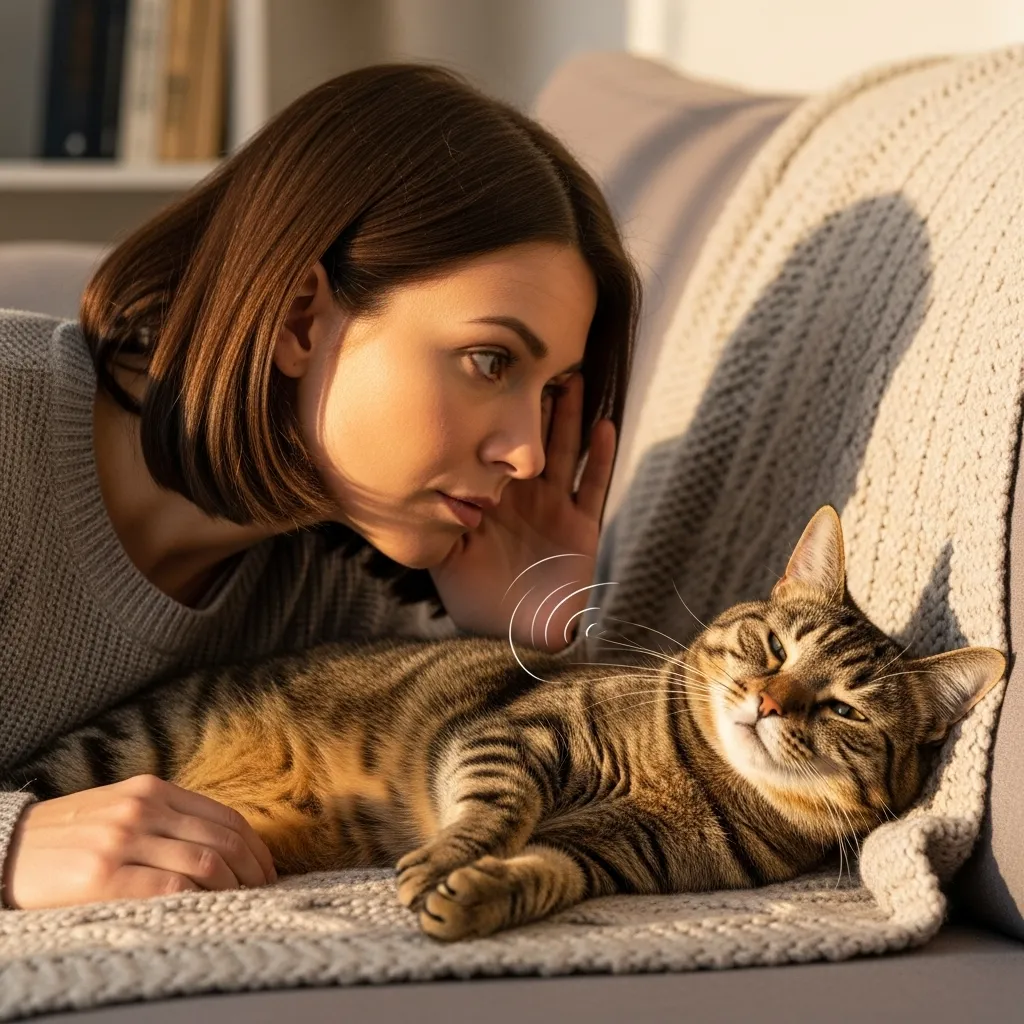
Before we diagnose the abnormal, let’s understand the normal. A cat’s purr is a complex vocalization, a low-frequency vibration (typically between 25 and 150 Hertz) produced by the rapid twitching of the laryngeal muscles and the diaphragm. It’s a steady, consistent, and quiet rumble that you can both hear and feel. A healthy purr is a sign of contentment, but cats also purr to self-soothe when in pain or stressed.
Decoding the Congested Purr: What You’re Actually Hearing
So, what transforms this gentle rumble into something that signals cat respiratory issues? The congestion you hear is almost always caused by an obstruction or inflammation in the upper airways—the nasal passages, sinuses, or throat. Mucus, inflammation, or a physical blockage disrupts the smooth flow of air, creating those troubling sounds.
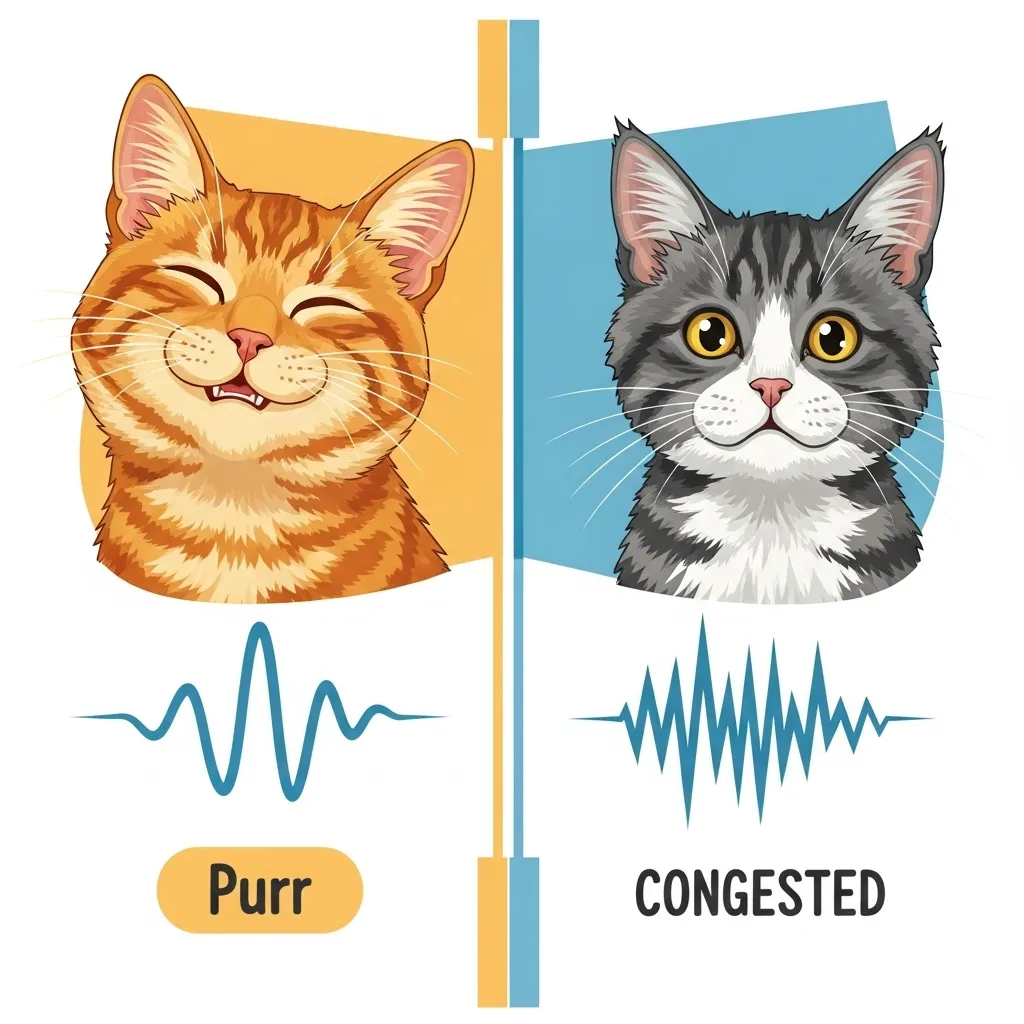
A healthy purr sounds like: A quiet, consistent motor idling.
A congested purr sounds like: A rattly, gurgly, or bubbly motor struggling to turn over. You might describe it as:
- Phlegmy or wet-sounding
- Raspy or hoarse
- A snore-like vibration
- A crackle or rattle deep in the chest
Why Does My Cat Sound Congested When Purring? 7 Potential Culprits
When your cat sounds congested, it’s a symptom, not a diagnosis. Here are the most common underlying causes, ranging from mild to severe.
1. Upper Respiratory Infections (URIs) – The Common Cold for Cats
This is the most frequent cause of cat nasal congestion. Feline URIs are like colds in humans and are often caused by viruses (like feline herpesvirus or calicivirus) or bacteria.
- Symptoms: Sneezing, runny nose (clear, yellow, or green), watery eyes, cat sounds congested when purring, lethargy, and fever.
- Why the Purr Changes: Inflammation and a buildup of mucus in the nasal passages and sinuses create a physical barrier, causing the air to turbulently move through the fluid.
2. Feline Asthma – A Serious Inflammatory Condition
Feline asthma is a chronic inflammatory disease of the small passageways in the lungs. It’s a common reason for cat wheezing when purring and other cat breathing difficulties.
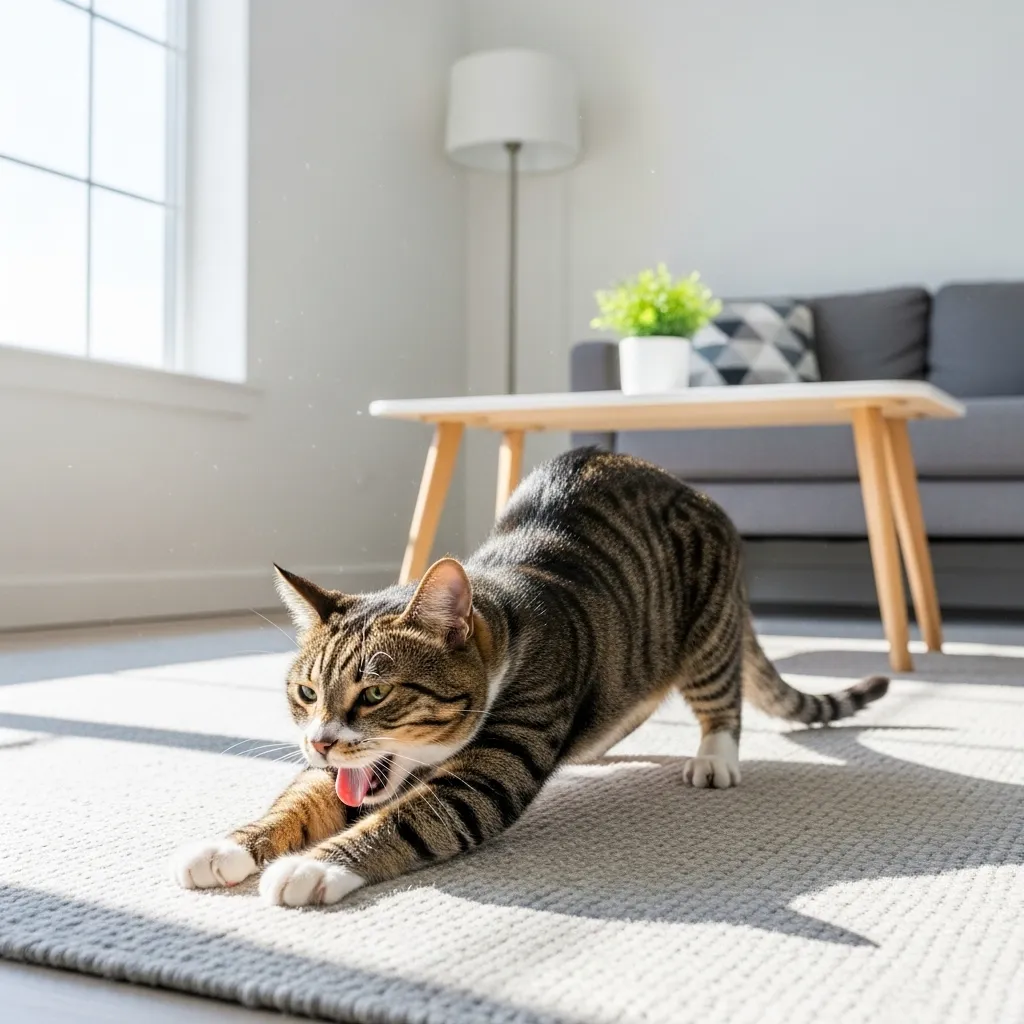
- Symptoms: Wheezing, coughing (often mistaken for trying to hack up a hairball), cat breathing heavy when purring, and open-mouth breathing. An attack can look like your cat is struggling to catch its breath.
- Why the Purr Changes: The inflammation and constriction of the bronchial tubes make it difficult for air to move in and out of the lungs, leading to a high-pitched wheeze or a strained, effortful purr.
3. Chronic Rhinitis and Sinusitis
This refers to long-term inflammation of the nasal and sinus linings, often following a severe URI that causes permanent damage.
- Symptoms: Persistent sneezing, thick nasal discharge, and chronic nasal congestion that may come and go. Your cat may have a perpetually stuffy nose.
- Why the Purr Changes: Persistent swelling and scar tissue in the nasal passages permanently narrow the airways, leading to a consistently noisy or congested-sounding purr.
4. Allergies and Environmental Irritants
Just like people, cats can have cat allergies to things like pollen, dust mites, mold, cigarette smoke, or even certain plug-in air fresheners and litter dust.
- Symptoms: Sneezing, itchy skin, and watery eyes. The respiratory signs can mimic a mild URI.
- Why the Purr Changes: Allergens cause inflammation in the nasal passages, leading to swelling and increased mucus production, which creates the congested sound.
5. The Presence of a Foreign Body or Nasal Polyp
Though less common, something physically stuck in the nose (like a blade of grass) or a benign growth (a polyp) can cause a sudden onset of congestion, often in one nostril.
- Symptoms: Sudden, intense sneezing fits, pawing at the face, one-sided nasal discharge, or a head tilt.
- Why the Purr Changes: The object or growth physically blocks the airway, disrupting normal airflow and vibration.
6. Anatomical Abnormalities
Some cats, particularly flat-faced (brachycephalic) breeds like Persians and Himalayans, are born with narrowed nasal passages. For more on breed-specific traits, explore our Persian cat breed guide.
- Symptoms: Noisy breathing and snoring are common throughout their lives, including a naturally more congested-sounding purr.
- Why the Purr Changes: Their skull structure simply leaves less room for air to flow freely.
7. Obesity and Its Impact on Breathing
Cat breathing problems can be exacerbated by excess weight. A cat breathing heavy when purring might be carrying extra pounds.
- Symptoms: General lethargy, difficulty with exercise, and heavy, labored breathing even at rest.
- Why the Purr Changes: Fat deposits in the chest and abdomen can put pressure on the diaphragm and airways, making breathing—and purring—more laborious and noisy.
When to Worry: Red Flags for Emergency Vet Care
While a mildly congested cat who is otherwise acting normal can often be monitored, certain symptoms demand immediate veterinary attention.
Seek emergency care if your cat exhibits:
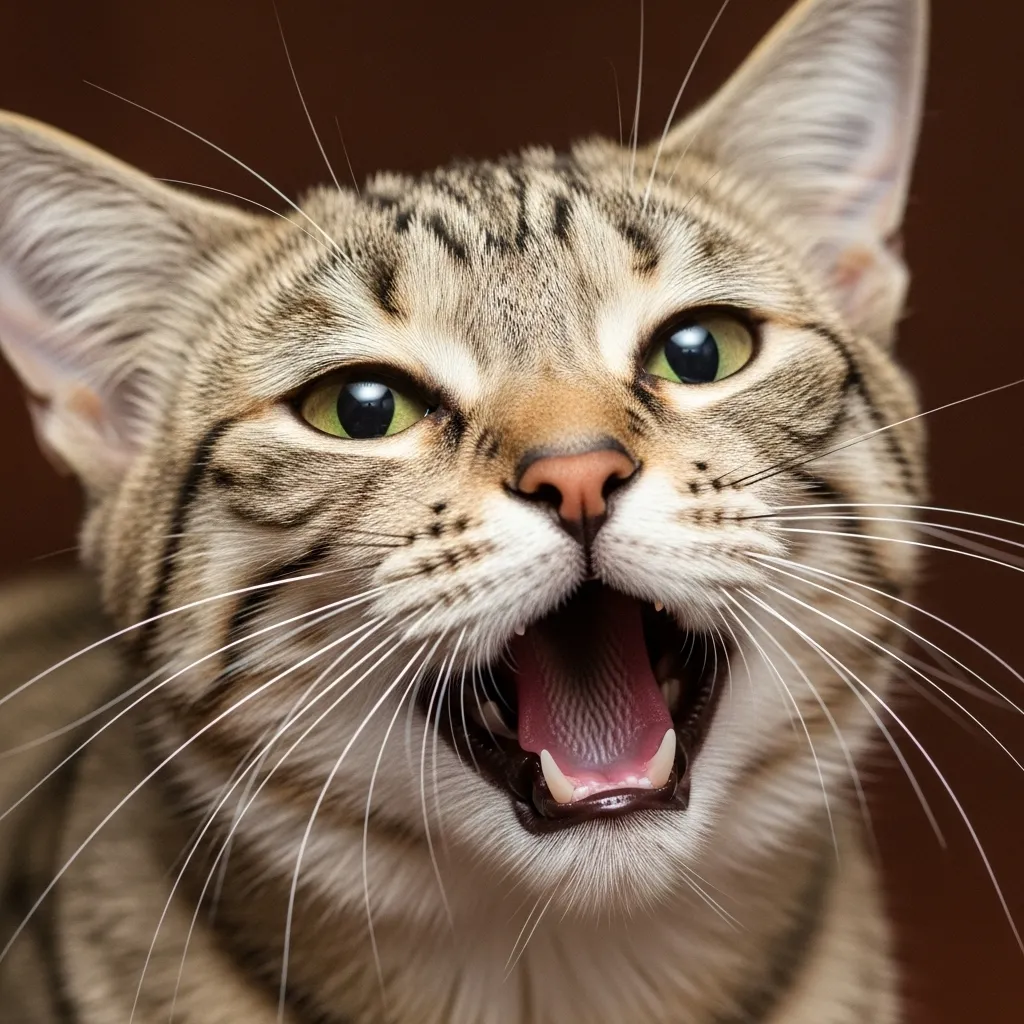
- Open-Mouth Breathing: Cats are obligate nose-breathers. Breathing through the mouth is a sign of severe respiratory distress.
- Blue or Purple Gums: This indicates a critical lack of oxygen.
- Extreme Lethargy or Collapse: Your cat is too weak to function.
- **Consistently *Cat breathing fast* or heavy at rest.**
- Loss of Appetite or Not Drinking: If your cat is not eating and sleeping too much, this is a major concern. Learn more about this behavior in our guide Cat Not Eating and Sleeping Too Much.
At-Home Care and Cat Congestion Home Remedies
If your vet has ruled out an emergency and your cat is stable, these natural remedies for cat congestion can provide relief. Always consult your vet before trying new treatments.
1. The Steam Treatment
Run a hot shower and sit with your cat in the steam-filled bathroom (not in the water) for 10-15 minutes. The warm, moist air can help loosen mucus and relieve nasal congestion.
2. Humidify the Air
Using a cool-mist humidifier in the room where your cat sleeps most can provide continuous relief, especially in dry climates or during winter.
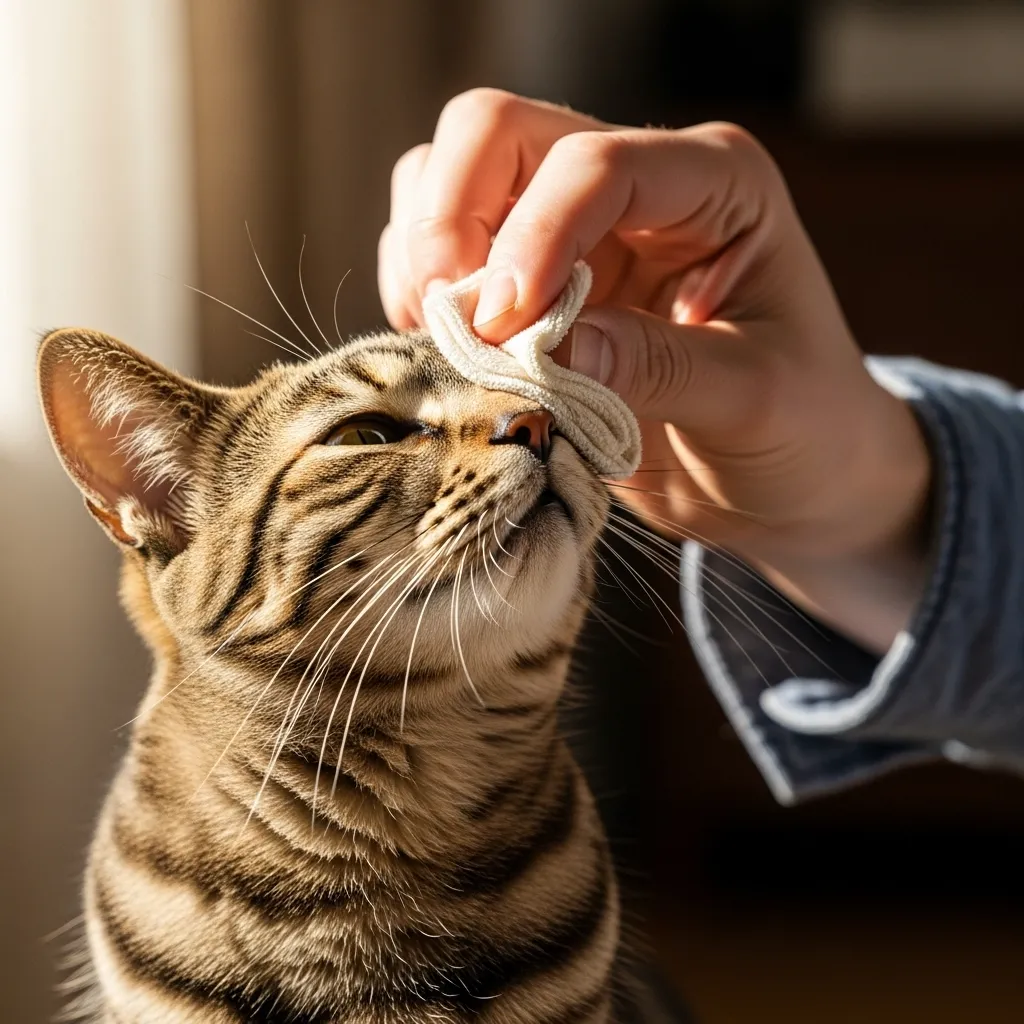
3. Gentle Nose and Eye Wiping
Use a soft, damp cloth or cotton ball with warm water to gently wipe away any crusty nasal discharge. This keeps them comfortable and helps them breathe a little easier.
4. Encourage Hydration and Appetite
A congested cat can’t smell their food, so they often stop eating. Offer strong-smelling, wet food warmed slightly to release the aroma. Ensure fresh water is always available. For cats that need extra encouragement, see our cat hydration tips. If your cat is struggling with appetite, our guide on how to stimulate a cat’s appetite can help.
5. Provide a Quiet, Stress-Free Sanctuary
Stress can worsen respiratory symptoms. Ensure your cat has a quiet, comfortable place to rest and recover away from other pets or noisy household activity.
How Your Veterinarian Will Diagnose the Problem
A proper diagnosis is key to effective treatment. Your vet will likely:
- Take a detailed history of the symptoms and their progression.
- Perform a physical exam, listening to the heart and lungs with a stethoscope.
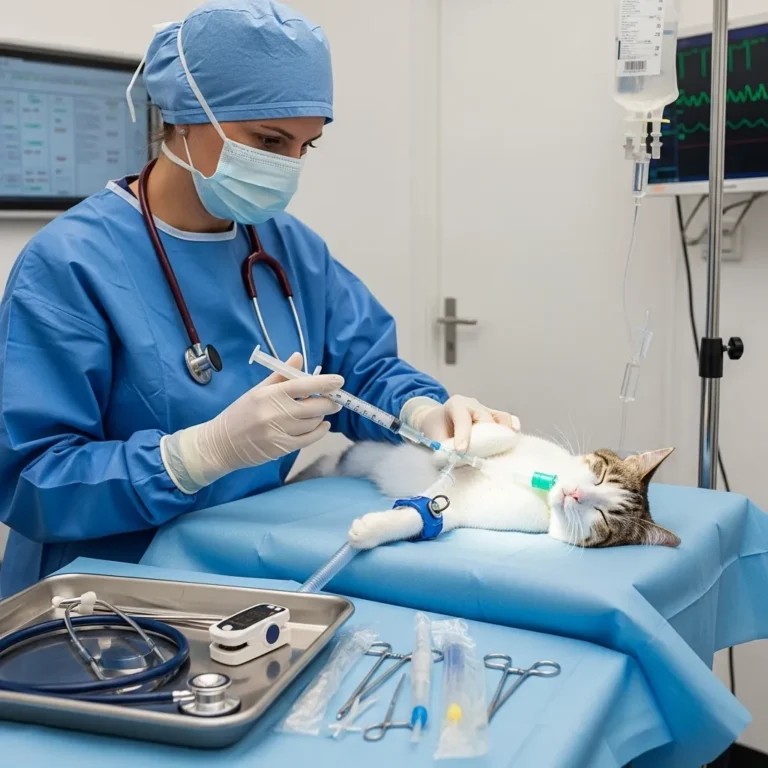
- Run diagnostic tests, which may include blood work, x-rays, or even a rhinoscopy (using a tiny camera to look inside the nasal passages).
Treatment Options: From Medication to Management
Treatment depends entirely on the underlying cause.
- URIs: Often managed with supportive care (fluids, nutritional support) and sometimes antibiotics if a bacterial infection is present.
- Feline Asthma: Typically managed with corticosteroids to reduce inflammation and bronchodilators to open the airways, often administered via a special inhaler. Learn about feline asthma home treatment options.
- Allergies: Identifying and removing the allergen is ideal. Your vet may recommend antihistamines or other medications.
- Chronic Rhinitis: Long-term management may include intermittent antibiotics, anti-inflammatories, and steam therapy.
- Foreign Bodies/Polyp: Requires sedation or anesthesia for removal.
Prevention: Your Blueprint for Cat Respiratory Health
The best medicine is always prevention. Here’s how to help a congested cat by preventing issues in the first place and ensuring overall cat wellness and care.
- Stay on Top of Vaccinations: Keep your cat’s vaccines up-to-date to protect against common viruses that cause URIs.
- Reduce Environmental Irritants: Use dust-free litter, avoid smoking indoors, and be cautious with strong chemical cleaners or air fresheners.
- Maintain a Healthy Weight: Feed a balanced diet and encourage play to prevent obesity-related cat breathing difficulties.
- Schedule Regular Vet Check-ups: Annual or bi-annual wellness exams can catch small issues before they become big problems. Our cat vet visit schedule provides a helpful timeline.
- Create a Clean, Calm Home: Regular cleaning reduces dust and allergens, and a low-stress environment supports a robust immune system.
Conclusion: Your Informed Care Makes All the Difference
Hearing your cat sound congested when purring is a call to attentive, informed action. By understanding the potential causes—from a simple cold to feline asthma symptoms you are empowered to provide the right care and know when to seek professional help. Remember, your observant eye and loving care are your cat’s first line of defense in maintaining lifelong cat respiratory health.
Explore more expert guides on cat care, behavior, and health on Cat Bloom Haven.
Frequently Asked Questions (FAQ)
Why does my cat sound congested when purring but is otherwise fine?
This is a common scenario. It could be mild, chronic rhinitis, a minor allergy, or simply the way your cat is built (especially in flat-faced breeds). As long as your cat is eating, drinking, playing, and breathing normally, it’s likely not an emergency, but it’s still worth mentioning at your next vet visit for cat wellness and care.
Can a hairball cause my cat to sound congested?
A hairball itself is in the stomach, so it doesn’t directly cause nasal congestion. However, the gagging and coughing associated with trying to expel a hairball can irritate the throat, and the inflammation might temporarily affect the purr. Frequent hairballs should be addressed with grooming and diet. Learn more in our cat hairballs guide.
My cat sounds congested when sleeping and purring. Is that different?
Not necessarily. The same underlying issue (congestion) is present. When your cat is relaxed in sleep, the muscles in their airway are also more relaxed, which can make the congested sounds more pronounced, similar to how people snore.
Are there any safe over-the-counter medicines for a congested cat?
No. Never give your cat human cold or decongestant medicines. They can be highly toxic to cats. Always consult your veterinarian for safe and appropriate medication. Focus on cat congestion home remedies like steam and hydration while you seek professional advice.
Is a congested purr ever a sign of a heart problem?
In rare cases, yes. Severe heart disease can lead to fluid buildup in or around the lungs (pulmonary edema or pleural effusion), which can cause labored breathing and coughing that might be mistaken for congestion. This is why a vet check is crucial for any persistent cat breathing problems.