Cat Sleeps All Day and Won’t Eat? Here’s Why and How to Help Your Feline Friend
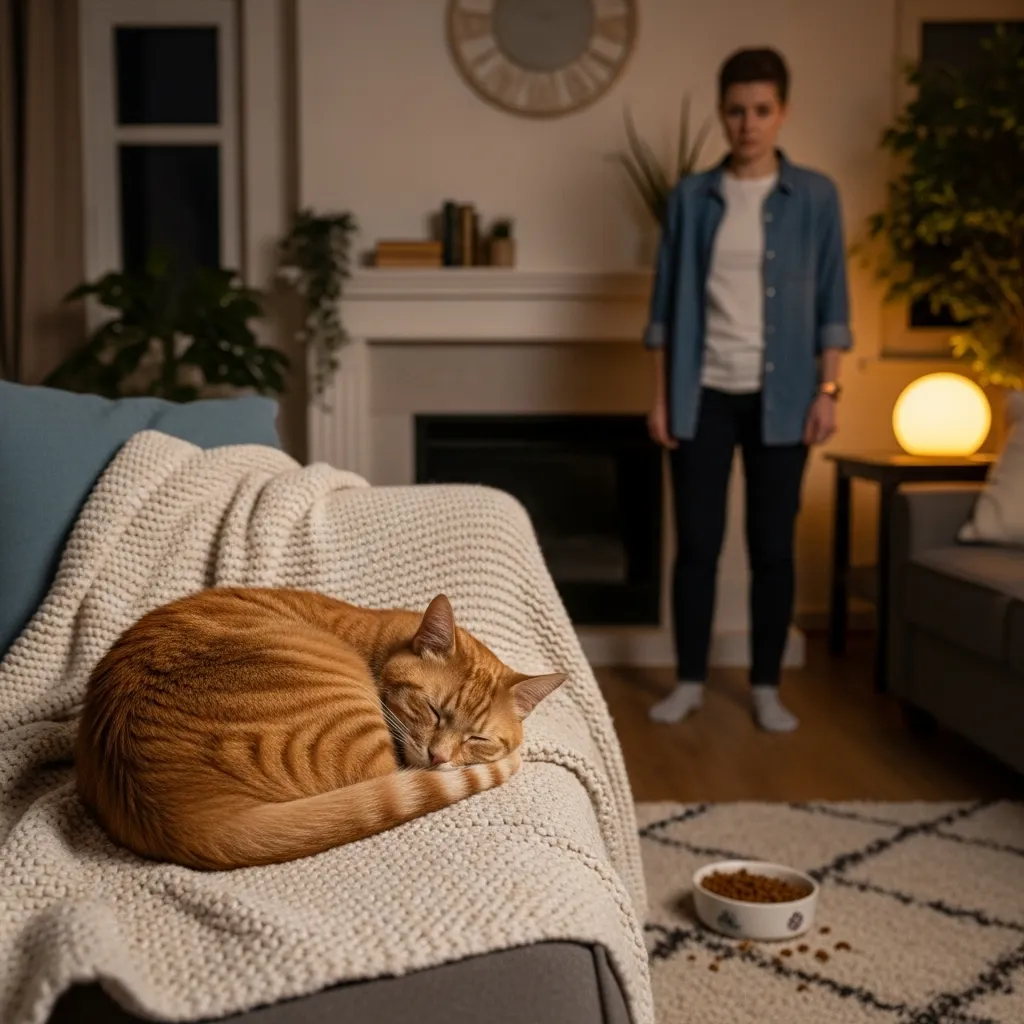
Imagine this: Your cat, usually a whirlwind of playful energy, is now curled up in a corner, sleeping for hours and ignoring their favorite wet food. That vibrant purring companion seems replaced by a lethargic shadow, and the sight of an untouched food bowl sends a pang of worry through you. If your cat sleeps all day and won’t eat, it’s not just a quirky phase it’s a red flag that something’s off. As a lifelong cat parent who’s fostered Siamese, Bengals, and Munchkins, I’ve faced this heart-sinking scenario and learned it’s often a mix of health, stress, or environmental issues. The good news? You can turn this around with the right steps.
In this guide, we’ll dive deep into why your cat is not eating and sleeping a lot, uncover the causes behind cat lethargy and loss of appetite, and share actionable, vet-backed solutions to get your feline thriving again. From normal cat sleep patterns to serious cat health warning signs, we’ll cover it all—whether it’s a stressed-out Siamese (check our Siamese cat behavior guide) or a picky Bengal refusing kibble (see our Bengal cat nutrition tips). By the end, you’ll have a clear plan to address cat behavior changes, know when to see a vet for cat not eating, and restore your cat’s zest for life.
Key Takeaways: Quick Solutions to Start Today
- Vet Check First: Rule out medical issues like dental disease or diabetes 60% of appetite loss cases tie to health problems (PetMD, 2025).
- Litter Box Audit: Ensure clean, accessible boxes; poor setups cause stress and feline anxiety symptoms.
- Diet Tweaks: Tempt with warmed wet food or vet-approved treats to combat cat appetite loss.
- Stress Busters: Use Feliway diffusers and enrich the environment with toys or perches to ease cat stress signs.
- Track Patterns: Log sleep, eating, and behavior daily to spot cat health warning signs early.
- No Punishment: Avoid scolding for cat not eating or drinking; it worsens stress.
Let’s unravel the mystery of your cat’s behavior and get them back to their playful self.
Why Is My Cat Sleeping All Day and Not Eating? The Big Picture
Cats are masters of napping, clocking 12–16 hours of sleep daily, but excessive slumber paired with cat not eating causes serious concern. Unlike a lazy Sunday snooze, a lethargic cat not eating signals a disruption in their instincts. Cats are hardwired to hunt and eat, so skipping meals while sleeping excessively often points to three culprits: medical issues, behavioral stress, or environmental triggers. Ignoring these risks prolonged suffering or costly vet bills.

For example, my rescue Munchkin once slept through dinner for days after a move. A vet visit and a new litter box setup (inspired by our Munchkin cat care tips) fixed it in a week. Let’s break down the causes and solutions.
Understanding Normal Cat Sleep Patterns and Nutrition
What’s Normal for Feline Sleep and Eating?
Cats naturally sleep a lot due to their predatory roots—short bursts of activity followed by rest conserve energy. According to Cornell Feline Health Center, healthy cats sleep 12–16 hours, with seniors like Ragdolls (see our Ragdoll cat care guide) leaning toward 18. Kittens and active breeds like Bengals may sleep less but eat more to fuel play.
A healthy cat diet includes:
- Protein-heavy food: Wet or dry food with 30–40% protein (AAFCO standards).
- Hydration: Wet food or water fountains ensure intake, vital for urinary health (explore cat urinary health).
- Frequency: 2–3 small meals daily mimic hunting patterns.
If your cat deviates—sleeping beyond 18 hours or skipping meals for 24 hours—it’s time to investigate.
Spotting Abnormal Behavior
A cat sleeping too much with cat appetite loss looks like:
- Sleeping in unusual spots (e.g., hiding under furniture).
- Ignoring favorite foods, even treats.
- Lethargy: Slow movement or disinterest in play.
- Subtle signs: Less grooming, dull coat, or weak purring.
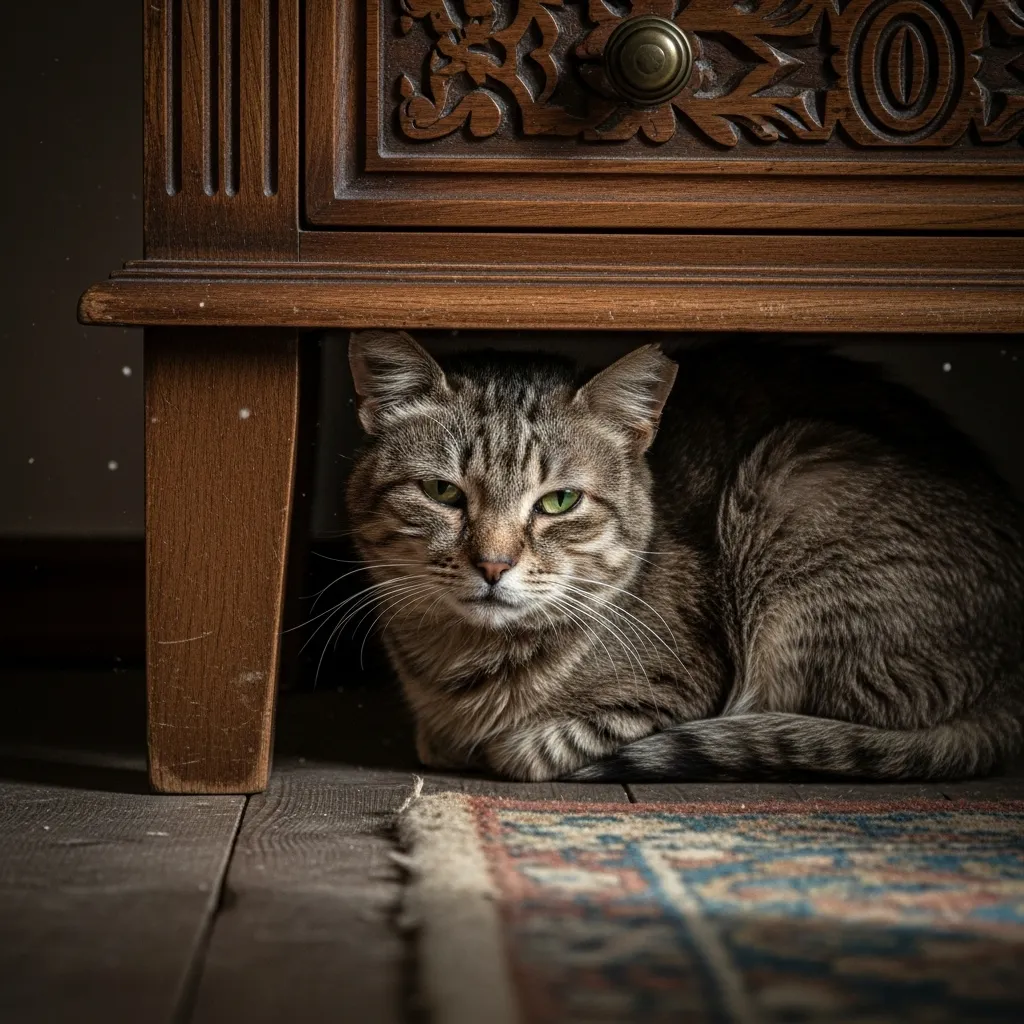
Compare this to normal cat sleep patterns: active at dawn/dusk, playful, and eating consistently. If your cat’s vibe feels off, it’s not “just a phase.”
Top Reasons Your Cat Sleeps All Day and Won’t Eat
Medical Causes of Cat Lethargy and Loss of Appetite
Health issues are the leading cause of cat not eating and sleeping a lot, with 60% of cases tied to medical problems (PetMD, 2025). Here are the big ones:
- Dental Disease: Painful gingivitis or tooth resorption (common in 70% of cats over 5, per AVMA) makes eating hurt. Look for drooling or pawing at the mouth.
- Feline Diabetes: Increased thirst, weight loss, and lethargy affect 1 in 200 cats. Older breeds like Persians are at risk (see Persian cat health).
- Kidney Disease: Common in seniors, causing nausea and cat not eating or drinking. Symptoms include bad breath and dehydration.
- Feline Infectious Peritonitis (FIP): A viral illness causing fever and lethargy, more common in young cats or multi-cat homes.
- Hyperthyroidism: Overactive thyroid in older cats (e.g., Maine Coons) leads to weight loss despite hunger, but some refuse food due to nausea.
Action Step: Book a vet visit within 24–48 hours if your cat skips meals for over a day. Bloodwork and dental exams catch 80% of issues early. Our finding the best vet guide helps you choose a feline specialist.
Behavioral and Stress-Related Causes
Feline stress and anxiety can make a cat act like a recluse. Cats are sensitive to change, and cat behavior changes often manifest as cat won’t eat or move. Triggers include:
- New Environment: Moves or new pets spike stress, especially in Siamese (see Siamese stress guide).
- Loss or Grief: Cats mourn lost companions, leading to my cat is depressed behaviors.
- Boredom: Lack of stimulation dulls appetite, common in indoor Munchkins (check Munchkin playfulness tips).
Pro Tip: Journal behaviors—when did cat not eating after moving start? Note triggers like new furniture or visitors.
Environmental and Dietary Issues
Sometimes, the problem is practical:
- Litter Box Issues: Dirty or poorly placed boxes cause stress, linked to cat not eating or sleeping after vaccination due to discomfort.
- Food Problems: Spoiled food, sudden diet changes, or unpalatable textures (e.g., cat won’t eat wet food) turn cats off.
- Temperature: Overheated or chilly rooms disrupt cat sleep patterns and diet.

How to Help a Lethargic Cat Not Eating
Step 1: Immediate Actions to Tempt Your Cat
If your cat won’t eat but acts normal, try these:
- Warm Food: Heat wet food to 100°F to enhance aroma; cats rely on smell to eat.
- Variety: Offer vet-approved treats or baby food (chicken, no onions/garlic).
- Hydration: Use a water fountain or syringe-feed water (learn more in cat hydration tips).
- Quiet Space: Feed in a calm, low-traffic area to reduce cat anxiety symptoms.
Step 2: Fix Environmental Stressors
Create a cat-friendly home:
- Litter Box Overhaul: Follow the n+1 rule (one box per cat + one), clean daily, use unscented litter (see litter training guide).
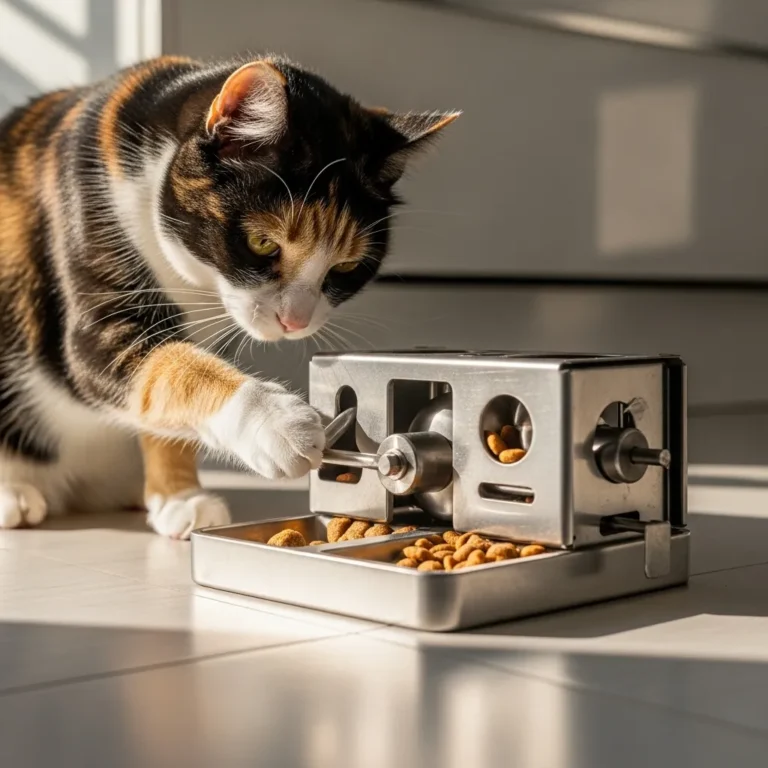
- Enrichment: Add scratching posts, window perches, or puzzle feeders. Our keep Siamese entertained guide has ideas.
- Pheromones: Feliway diffusers reduce stress by 80% (2025 studies).
Step 3: Veterinary Care for Cats
When to see a vet for cat not eating:
- No food for 24–48 hours (risk of hepatic lipidosis, a liver condition).
- Signs like vomiting, diarrhea, or cat not eating or drinking.
- Visible pain or weight loss.
Expect bloodwork, urinalysis, or imaging. Costs vary ($100–$500), but early action saves money and lives. Explore veterinary care for cats for budgeting tips.
Step 4: Long-Term Cat Wellness Tips
Prevent relapses with:
- Routine: Consistent feeding and play schedules.
- Diet: High-quality, protein-rich food (see cat food nutrition).
- Checkups: Biannual vet visits catch issues early, especially for seniors.
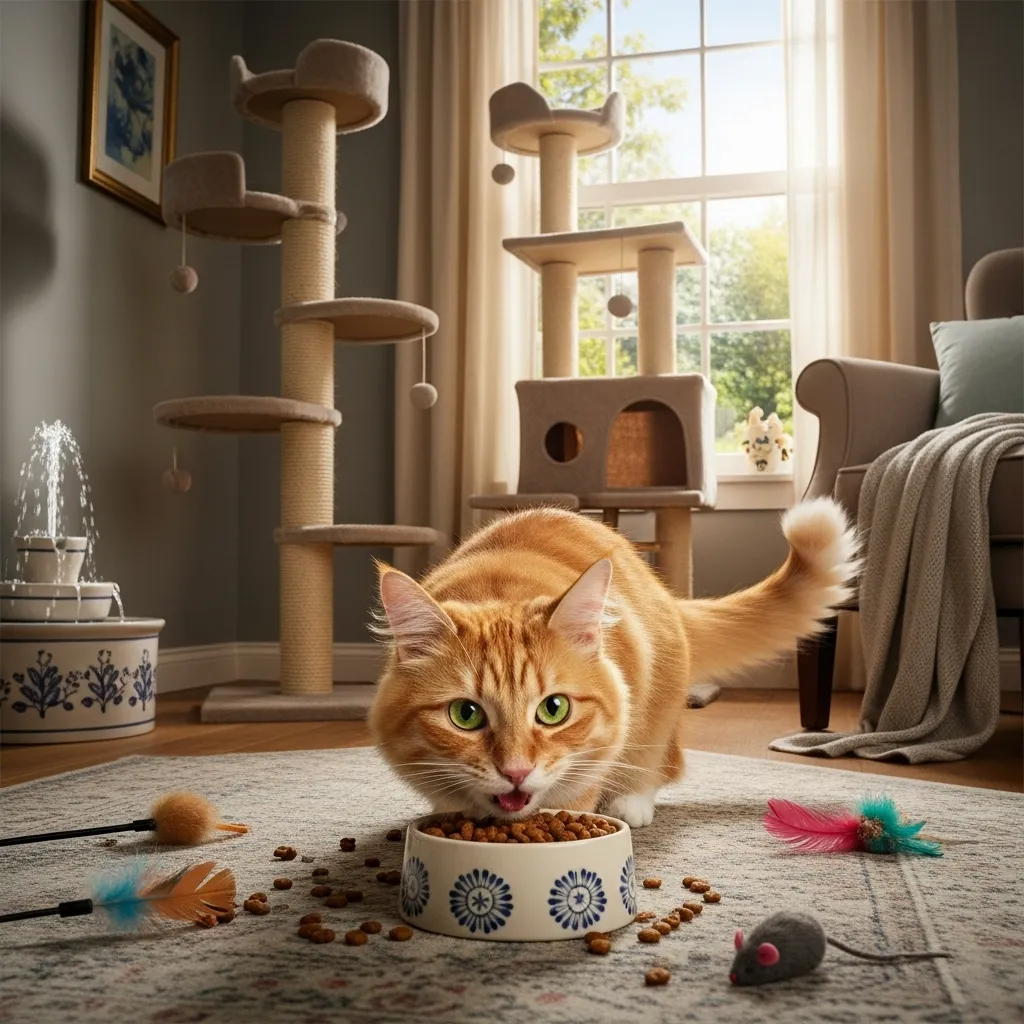
Real-Life Example: Reviving My Bengal’s Spark
My Bengal, Loki, went from zooming around to sleeping 20 hours and ignoring his bowl after a neighbor’s renovation. A vet ruled out diabetes, but stress was the culprit. I added a second litter box, used a Feliway diffuser, and tempted him with warmed wet food. Within 10 days, he was back to his playful self. Our Bengal cat personality guide helped me decode his needs.
FAQ: Quick Answers to Your Cat Concerns
Why is my cat not eating and sleeping all day?
Medical issues (dental disease, diabetes), stress (moves, new pets), or environmental issues (dirty litter box, bad food) are common. Schedule a vet visit and check the environment.
What are normal cat sleep patterns?
Healthy cats sleep 12–16 hours daily, with seniors up to 18. Excessive sleep with cat appetite loss signals trouble.
When should I see a vet for cat not eating?
If your cat skips meals for 24–48 hours, shows pain, or has vomiting/diarrhea, see a vet immediately.
Why is my cat so tired all the time?
Lethargy often ties to health issues (kidney disease, infections) or stress. Monitor and consult a vet.
How can I make my cat eat again?
Warm food, offer treats, ensure a clean litter box, and reduce stress with pheromones or toys.
What are signs your cat is sick?
Cat lethargy and loss of appetite, weight loss, vomiting, or hiding are red flags. Act fast.
Why is my cat not eating after moving?
Stress from new environments disrupts eating. Use calming aids and maintain routines (see cat not eating after moving).
Conclusion: Restore Your Cat’s Vitality Today
A cat that sleeps all day and won’t eat is sending an SOS—whether it’s a health issue, stress, or a fixable environmental glitch. Start with a vet visit, optimize their space, and tempt them with tasty food. With patience and our expert tips, you’ll see your feline friend purring and playing again. For more ways to keep your cat thriving, explore our cat health care guide or dive into breed-specific tips at Cat Bloom Haven.