Why Does My Cat Chew on Corners? A Complete Guide to Understanding and Solving This Behavior

If you’ve caught your cat gnawing on the corners of your furniture or walls, you’re probably wondering, “Why does my cat chew on corners?” This quirky feline behavior can be frustrating, leaving scratch marks, damaged furniture, and a puzzled pet parent. Whether it’s a kitten teething or an adult cat acting out, chewing on corners often signals an underlying need physical, emotional, or environmental. At Cat Bloom Haven, we’re here to help you decode your cat’s chewing habits and offer practical, vet-backed solutions to stop destructive chewing while keeping your feline friend happy.
In this guide, we’ll explore the reasons behind cat chewing behavior, from dental health issues to boredom and stress. You’ll learn actionable tips to address cat chewing problems, discover cat-safe chew toys, and find ways to protect your home. Let’s dive into why your cat is chewing and how to help them stop naturally and effectively.
Key Takeaways
- Cat chewing behavior can stem from teething, dental issues, boredom, anxiety, or nutritional deficiencies.
- Address cat chewing on walls or furniture by identifying the root cause and offering alternatives like chew toys.
- Stop cat from chewing corners with deterrents, environmental enrichment, and vet checkups for dental health.
- Regular cat dental care prevents chewing caused by periodontal disease or discomfort.
- Cat anxiety chewing may require stress-relief toys or calming techniques to redirect behavior.
Understanding Cat Chewing Behavior
Cats chew on corners for a variety of reasons, and understanding the “why” is the first step to finding a solution. Unlike dogs, cats aren’t typically chewers, so this behavior often catches owners off guard. Let’s break down the most common causes of cat chewing behavior.
Instinctive Exploration and Play
Cats are naturally curious creatures, and chewing is one way they explore their environment. Kittens, in particular, use their mouths to investigate textures, much like human babies. Chewing on corners might simply be your cat’s way of satisfying their curiosity or engaging in playful behavior. For example, a Maine Coon kitten might nibble on furniture edges while exploring their new home.
Explore our detailed guide on understanding cat behavior for more insights into feline instincts.
Teething and Dental Discomfort
Kittens between 3 and 6 months often experience cat teething and dental discomfort, leading them to chew on hard surfaces like corners to soothe sore gums. Adult cats may also chew if they have dental issues, such as periodontal disease or tooth pain. According to the Cornell Feline Health Center, up to 70% of cats over age 3 show signs of dental disease, which can manifest as chewing on unusual surfaces.

Learn more in our cat dental care guide to keep your cat’s teeth healthy.
Boredom and Lack of Stimulation
Boredom in cats is a common trigger for destructive behaviors like chewing. Cats need mental and physical stimulation, and without it, they may turn to furniture corners as a source of entertainment. Indoor cats, especially high-energy breeds like Bengals, are prone to chewing when understimulated.
Discover tips to keep your cat entertained in our guide to keeping Siamese cats engaged.
Anxiety or Stress-Induced Chewing
Cat anxiety chewing can occur when your cat feels stressed or unsettled. Changes in the household, like moving, new pets, or loud noises, can prompt cats to chew as a coping mechanism. For instance, a Ragdoll cat might chew on corners after a stressful vet visit.
Check out our cat stress and anxiety management guide for calming techniques.
Nutritional Deficiencies or Early Weaning
Nutritional deficiency in cats or early weaning cats can lead to abnormal chewing behaviors. Cats weaned too early may develop oral fixations, leading them to chew on non-food items. Similarly, deficiencies in nutrients like taurine or fiber can cause cats to seek out unusual textures to chew.
Learn about proper nutrition in our cat food and nutrition guide.
Feline OCD or Compulsive Behaviors
In rare cases, excessive chewing may indicate feline OCD (Obsessive-Compulsive Disorder). Cats with compulsive behaviors may repeatedly chew on corners or other objects as a way to self-soothe. This is more common in high-stress breeds like Siamese cats.
Explore our Siamese cat behavior guide for insights into compulsive tendencies.
Medical Reasons Behind Cat Chewing
Sometimes, cat chewing problems point to underlying health issues. Consulting a veterinarian is crucial if your cat’s chewing is sudden, excessive, or paired with other symptoms like drooling, weight loss, or bad breath. Here are the key medical causes to consider.
Periodontal Disease and Dental Pain
Periodontal disease in cats is a leading cause of chewing on hard surfaces. Inflamed gums or tooth pain can drive cats to chew on corners to alleviate discomfort. Signs of dental issues include:
- Bad breath
- Drooling or pawing at the mouth
- Difficulty eating
- Red or swollen gums
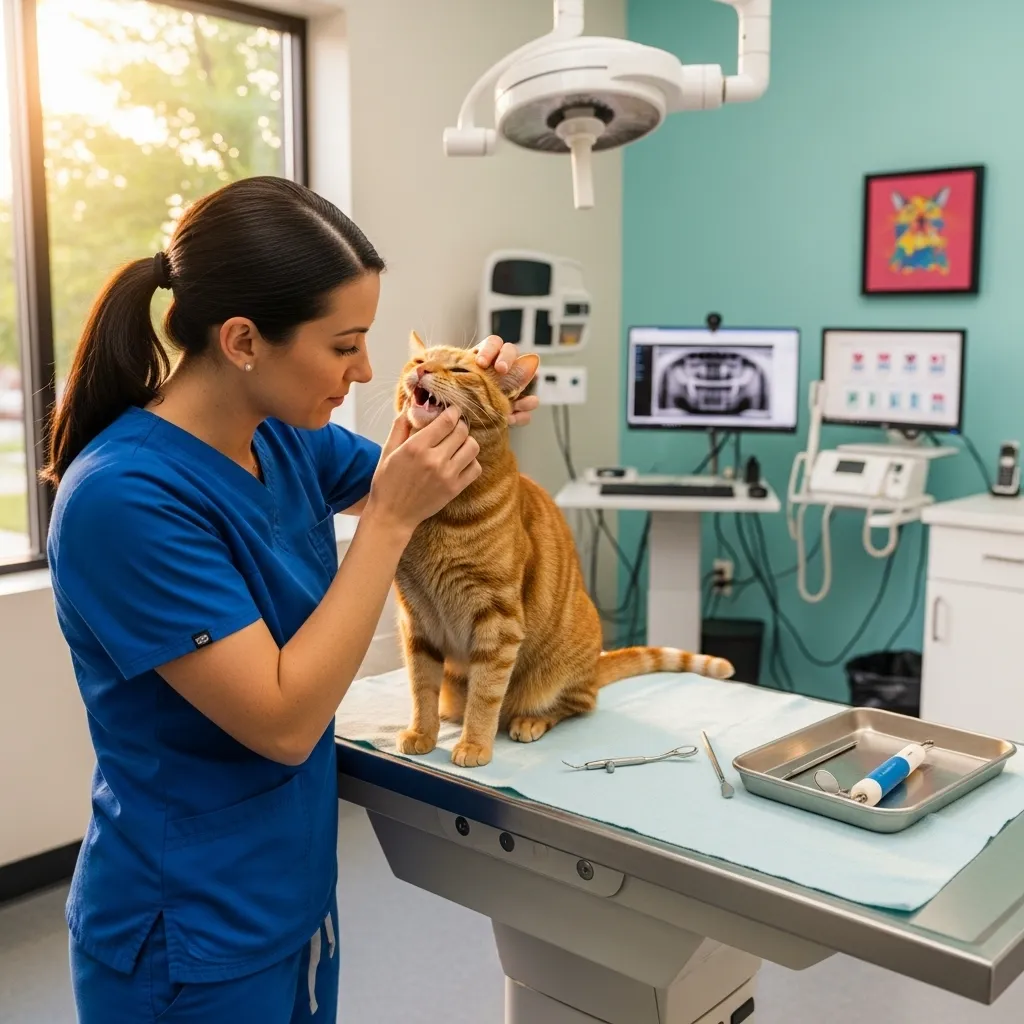
A vet can diagnose dental problems through an oral exam or X-rays. Regular brushing and professional cleanings can prevent issues. Learn more in our Munchkin cat dental care guide.
Pica: A Rare but Serious Condition
Pica is a condition where cats chew or eat non-food items, including corners, fabric, or plastic. It’s often linked to nutritional deficiencies, early weaning, or stress. For example, a cat with pica might chew on drywall corners obsessively. Veterinary tests can rule out underlying causes like anemia or thyroid issues.
Discover more about pica in our cat pica guide.
Other Health Concerns
Chewing can also signal:
- Gastrointestinal issues: Chewing may indicate nausea or digestive discomfort.
- Neurological conditions: Rare disorders may cause compulsive chewing.
- Pain or discomfort: Cats in pain may chew to distract themselves.
If you suspect a medical issue, schedule a vet visit promptly. Find tips in our guide to finding the best vet.
How to Stop Your Cat from Chewing Corners
Now that you understand why your cat chews, let’s explore cat chewing solutions to protect your home and keep your cat happy. These strategies combine environmental changes, behavioral redirection, and vet-backed advice.
Create a Stimulating Environment
A bored cat is a destructive cat. Enrich your cat’s environment to reduce boredom in cats and redirect their chewing instincts:
- Interactive toys: Puzzle feeders or laser pointers engage curious cats.
- Scratching posts: Provide textured surfaces to satisfy chewing and scratching needs.
- Perches and hiding spots: Cats love vertical spaces and cozy hideaways.
Check out our guide to keeping cats entertained for more ideas.
Introduce Cat-Safe Chew Toys
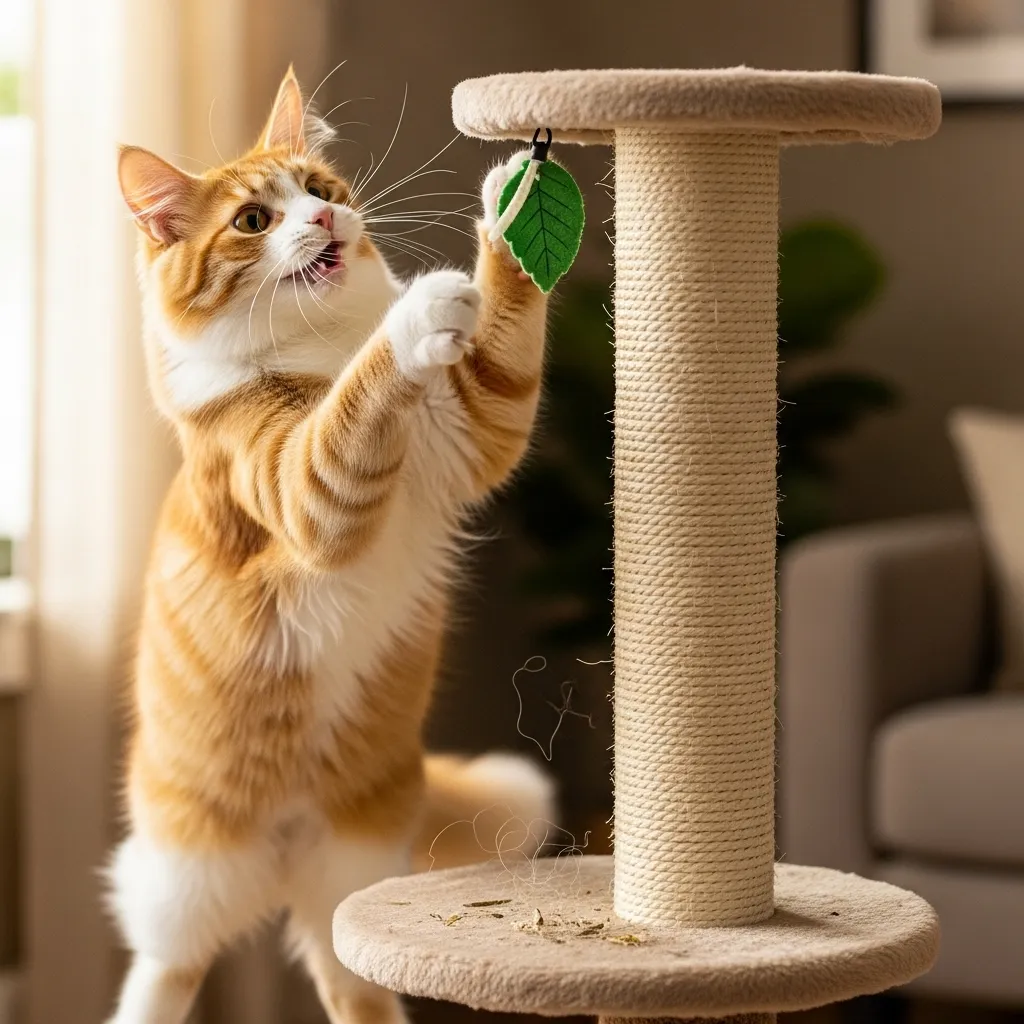
Cat-friendly chew toys can redirect chewing to appropriate outlets. Look for:
- Durable materials: Toys made of rubber or silicone designed for cats.
- Catnip-infused toys: These attract cats and encourage chewing.
- Dental chews: Edible chews promote oral health while satisfying chewing urges.
Popular options include the Petstages Dental Kitty Chew Wheel and Yeowww! Catnip Banana. Always supervise your cat with new toys to ensure safety.
Explore our guide to safe cat toys for recommendations.
Use Cat-Safe Repellents
Cat-safe repellents can deter chewing on furniture or walls. Try:
- Bitter sprays: Products like Bitter Apple are safe and taste unpleasant to cats.
- Double-sided tape: Cats dislike sticky surfaces on corners.
- Citrus scents: Cats often avoid citrus smells; use diluted lemon or orange essential oils (pet-safe only).
Apply repellents consistently and reapply as needed. Learn more in our guide to stopping cats from scratching furniture.
Address Stress and Anxiety
If cat anxiety chewing is the culprit, calming techniques can help:
- Pheromone diffusers: Feliway mimics calming cat pheromones.
- Routine consistency: Maintain regular feeding and playtimes.
- Safe spaces: Provide quiet areas for your cat to retreat.
Discover more in our cat stress and anxiety management guide.
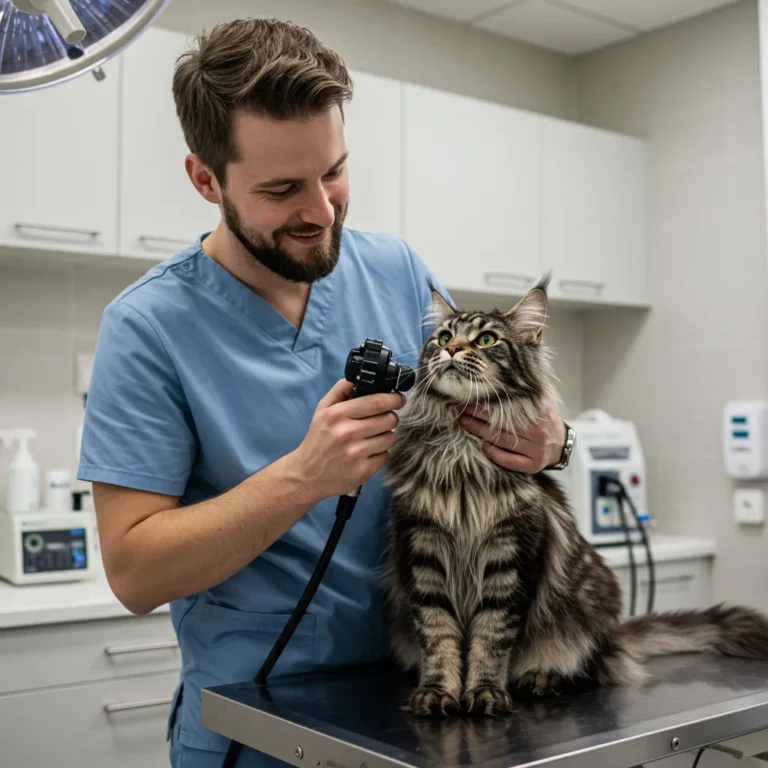
Consult a Veterinarian
For persistent chewing, a vet can check for cat dental health issues or other medical causes. They may recommend:
- Dental cleanings or extractions
- Dietary changes to address deficiencies
- Medications for anxiety or compulsive behaviors
Learn how to prepare for vet visits in our Siamese cat vet visits guide.
Creative Solutions to Prevent Cat Chewing
Beyond the basics, here are innovative ways to tackle cat chewing on walls or furniture:
- Furniture covers: Use washable slipcovers to protect corners.
- DIY chew stations: Create a dedicated chewing area with safe materials like untreated wood or cardboard.
- Scent deterrents: Place lavender sachets (pet-safe) near problem areas.
For example, one Cat Bloom Haven reader shared that wrapping furniture corners with sisal rope redirected their Norwegian Forest Cat’s chewing to a more appropriate surface.
Check out our guide to protecting door frames from scratches for similar tips.
Cat Chewing Behavior by Breed
Some breeds are more prone to chewing due to their energy levels or oral fixations:
- Bengal Cats: High-energy and curious, Bengals may chew when bored. See our Bengal cat personality guide.
- Siamese Cats: Prone to stress-related chewing. Explore our Siamese cat behavior guide.
- Maine Coon Cats: May chew during teething or play. Learn more in our Maine Coon cat guide.
When to Seek Professional Help
If your cat’s chewing persists despite trying these solutions, consider:
- Veterinary behaviorist: For compulsive behaviors like feline OCD.
- Professional trainer: To address cat behavioral issues with tailored plans.
Find expert tips in our cat training and behavior guide.
FAQ: Common Questions About Cat Chewing
Why is my cat chewing on corners?
Cats chew on corners due to teething, dental pain, boredom, anxiety, or nutritional deficiencies. Identifying the cause is key to finding solutions.
How can I stop my cat from chewing furniture?
Use cat-safe repellents, provide cat-friendly chew toys, enrich their environment, and consult a vet for dental or health issues.
Is chewing a sign of dental problems in cats?
Yes, periodontal disease in cats or teething can cause chewing. Look for signs like bad breath or drooling and schedule a vet visit.
Can anxiety cause my cat to chew?
Cat anxiety chewing is common during stress. Pheromone diffusers and calming toys can help. See our cat stress guide.
Are there safe chew toys for cats?
Yes, toys like the Petstages Dental Chew Wheel or catnip-infused toys are great for redirecting chewing. Explore our cat toy guide.
Could nutritional deficiencies cause chewing?
Nutritional deficiency in cats or early weaning can lead to chewing. Ensure a balanced diet with vet guidance. Learn more in our cat nutrition guide.
Conclusion: Keep Your Cat Happy and Your Corners Safe
Understanding why cats chew things is the first step to solving the problem. Whether it’s cat teething, boredom, anxiety, or dental health issues, you can address cat chewing behavior with a mix of environmental enrichment, safe chew toys, and veterinary care. By creating a stimulating environment and using cat chewing solutions like repellents and toys, you’ll protect your home while keeping your feline friend content.
Ready to dive deeper into feline care? Explore more expert cat care and behavior guides on Cat Bloom Haven. From cat dental care to stress management, we’ve got you covered!