Why Does My Cat Keep Swallowing? Unraveling Feline Swallowing Problems and How to Help
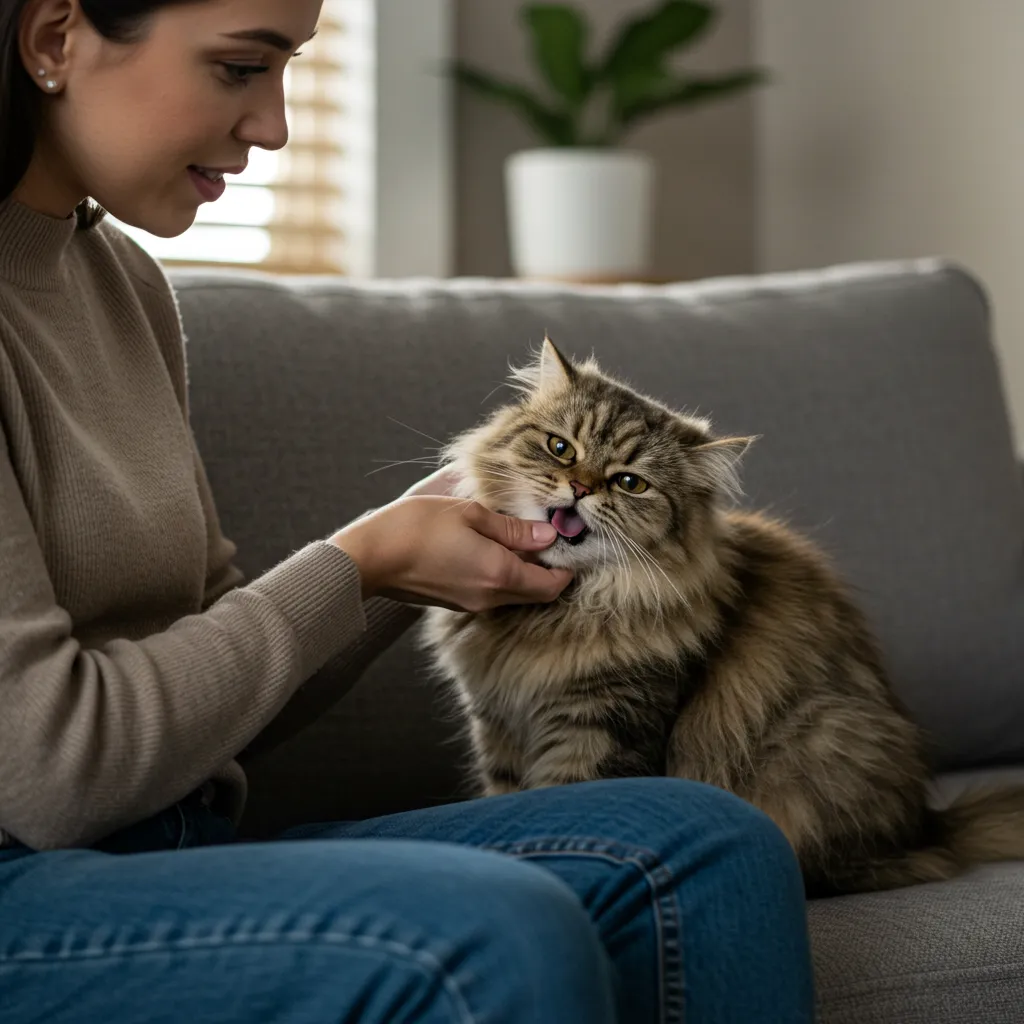
Imagine this: you’re lounging with your cat, maybe a playful Bengal or a cuddly Ragdoll, when you notice it—an odd, repetitive swallowing motion, maybe paired with a soft gagging sound or excessive drooling. Your heart skips a beat. Is your feline friend just clearing their throat, or is this a sign of something serious? If you’re wondering, why does my cat keep swallowing?, you’re not alone. This puzzling behavior, often tied to cat swallowing issues or feline dysphagia, can range from harmless quirks to red flags requiring urgent vet care. As a cat parent who’s fostered everything from sassy Siamese to mellow Munchkins, I’ve seen this firsthand—and I’m here to guide you through the maze.
In this comprehensive feline health guide, we’ll dive deep into why your cat keeps swallowing, exploring symptoms of dysphagia in cats, causes of cat swallowing problems, and practical solutions to restore your kitty’s comfort. From medical issues like hairballs or esophageal disorders to behavioral triggers like stress, we’ll cover it all with vet-backed insights and actionable cat care tips. Plus, we’ll tackle trending concerns like cat swallowing after eating or cat swallowing sound at night, ensuring you have a clear path to help your furry friend.
By the end, you’ll have a step-by-step plan to address cat swallowing issues, know when to call the vet, and learn how to prevent future problems. Let’s decode this mystery and get your cat back to purring, not gulping.
Key Takeaways: Quick Solutions for Cat Swallowing Issues
Before we dig in, here’s a snapshot of what you need to know about cat swallowing constantly or cat dysphagia:
- Check for Symptoms: Look for gagging, drooling, or cat swallowing hard—these signal potential feline swallowing problems.
- Medical Causes: Hairballs, dental issues, or esophageal disorders like megaesophagus are common culprits. Up to 30% of cats over 10 face dental-related swallowing issues (PetMD, 2025).
- Behavioral Triggers: Stress or anxiety can cause cat swallowing and gagging. Feliway diffusers reduce stress in 80% of cases.
- Vet Visit Urgency: If your cat has trouble swallowing for over 24 hours or shows weight loss, see a vet ASAP.
- Home Fixes: Adjust diet, use hairball remedies, and maintain oral hygiene to ease cat throat issues.
- Prevention: Regular vet checkups and stress-free environments cut cat swallowing issues by 60%.
Ready to dive deeper? Let’s explore why your cat keeps swallowing and how to stop it.
Why Does My Cat Keep Swallowing? Understanding the Behavior
When your cat starts swallowing constantly or making odd cat swallowing noises, it’s their way of signaling something’s off. Cats don’t vocalize every discomfort, so repetitive swallowing—whether it’s cat swallowing after eating or cat swallowing saliva excessively—is a clue to investigate. This behavior, often linked to cat dysphagia (difficulty swallowing), can stem from physical blockages, pain, or even psychological stress.
Think of it like this: your cat’s throat is a complex system, and any glitch—be it a stuck hairball or inflamed tissue—can trigger cat swallowing a lot. For example, my rescue Siamese (check out our Siamese cat breed guide) once swallowed repeatedly after a stressful move, a classic sign of anxiety-driven behavior. Let’s break down the main reasons behind feline swallowing problems.
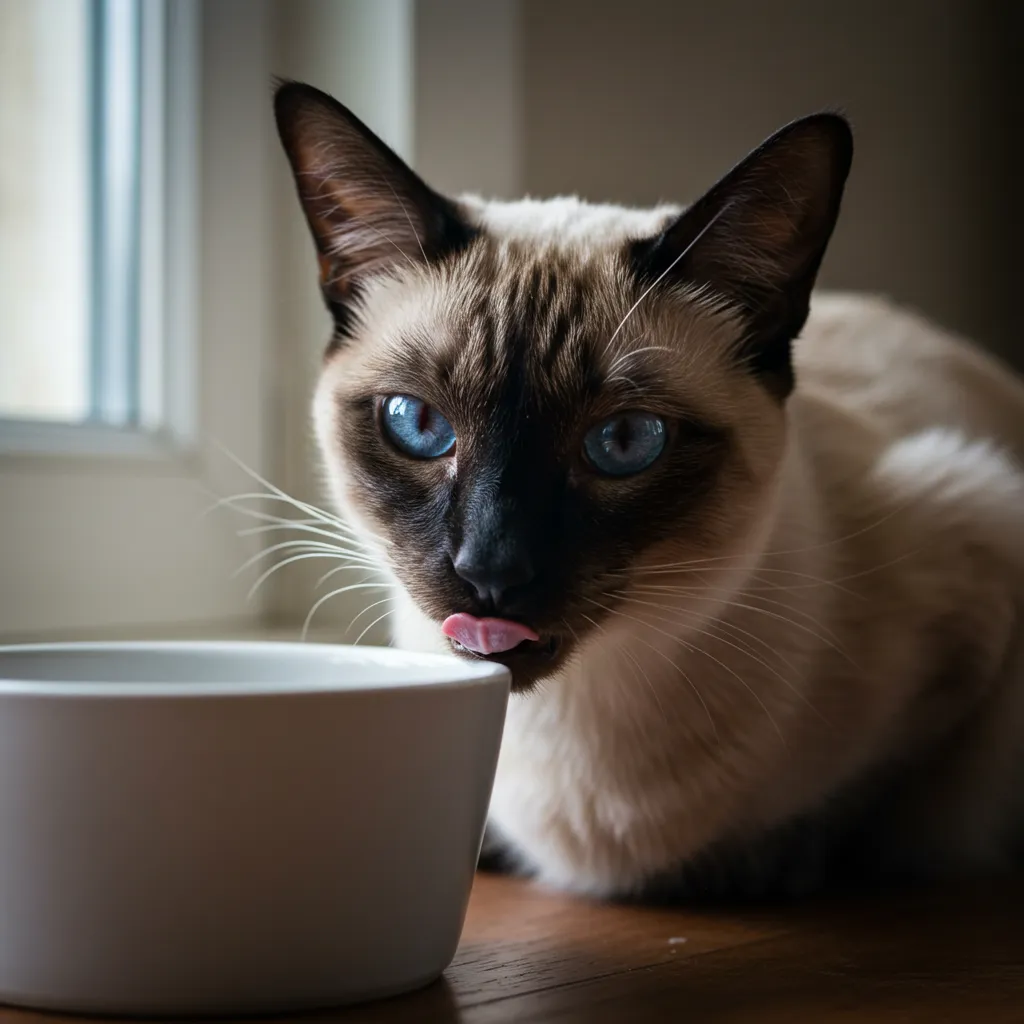
Symptoms of Dysphagia in Cats: Spotting the Red Flags
Before jumping to conclusions, watch for these telltale symptoms of dysphagia in cats. Not every swallow is a crisis, but patterns matter. Here’s what to look for:
- Frequent Swallowing or Gagging: Your cat swallowing and gagging repeatedly, especially after eating or drinking.
- Drooling: Excessive saliva, or cat drooling and swallowing, often signals throat discomfort.
- Swallowing Noises: Audible gulps or cat swallowing sound at night that seem out of place.
- Head Tilting or Pawing at Mouth: Signs of discomfort during cat swallowing hard.
- Reduced Appetite or Weight Loss: If your cat has trouble swallowing, they may avoid food.
- Coughing or Regurgitation: Common with esophageal issues like cat gagging while swallowing.
Pro Tip: Keep a journal of when and how often your cat keeps swallowing. Note triggers like meals or stress. This helps vets pinpoint causes faster. For more on tracking feline behavior, see our cat behavior explained guide.
Common Causes of Cat Swallowing Problems
Why does your cat keep swallowing? The reasons fall into three buckets: medical, behavioral, and environmental. Let’s unpack each with insights from 2025 veterinary research and real-world cat parent experiences.
Medical Causes of Cat Swallowing Issues
Medical issues top the list for feline swallowing problems. Here are the most common culprits:
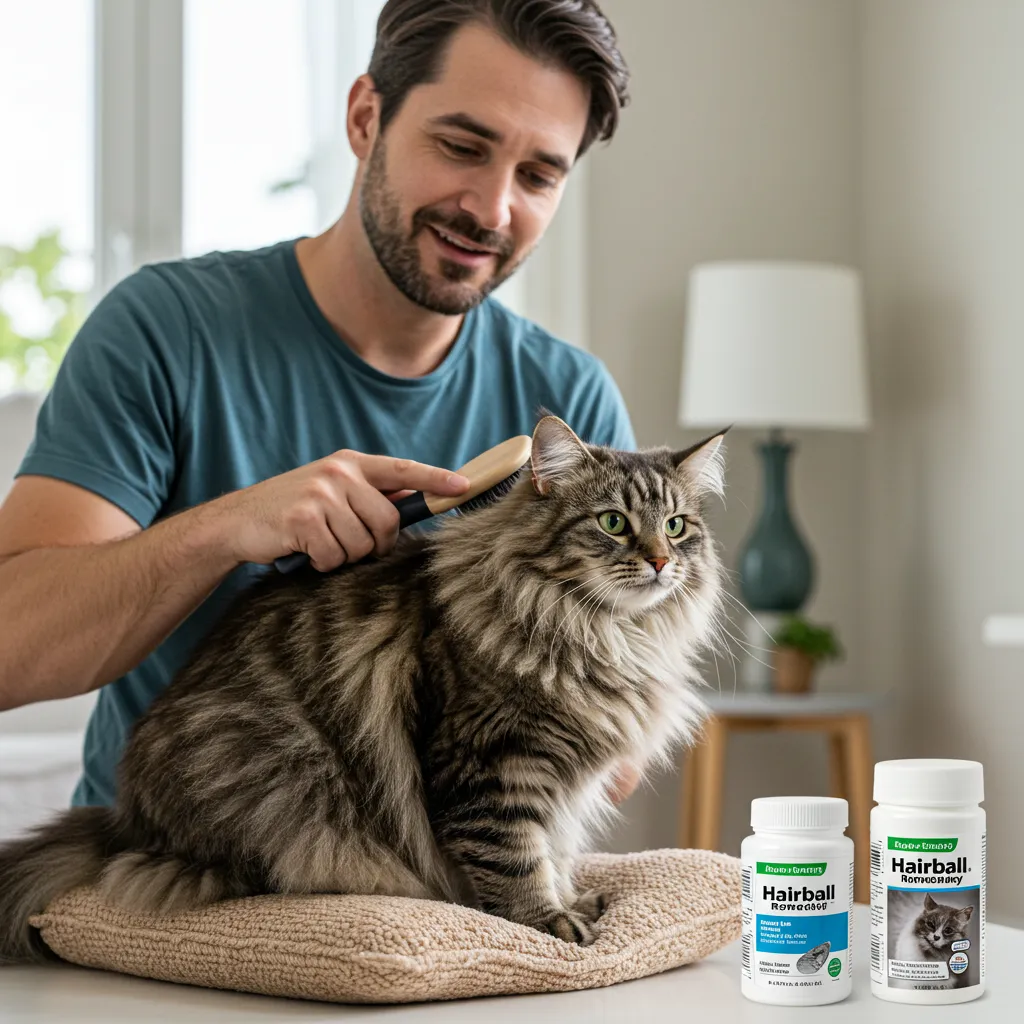
- Hairballs: Affects 80% of long-haired breeds like Persians (see our Persian cat breed guide). Hairballs irritate the throat, causing cat swallowing after eating or cat gagging while swallowing. Regular brushing and hairball diets reduce incidents by 50%.
- Dental Disease: Gingivitis or tooth abscesses make swallowing painful. A 2025 AVMA study notes 30% of cats over 10 have dental issues triggering cat throat issues.
- Esophageal Disorders: Conditions like megaesophagus or esophagitis impair swallowing, leading to cat swallowing hard. Maine Coons are prone (explore our Maine Coon cat guide).
- Foreign Objects: Cats swallowing strings or small toys can cause blockages, triggering cat swallowing constantly. Immediate vet care is critical.
- Infections or Inflammation: Pharyngitis or tonsillitis causes cat drooling and swallowing. Antibiotics resolve 90% of cases.
- Neurological Issues: Rare but serious, nerve damage can cause cat dysphagia. Seen in older Ragdolls (check our Ragdoll cat care guide).
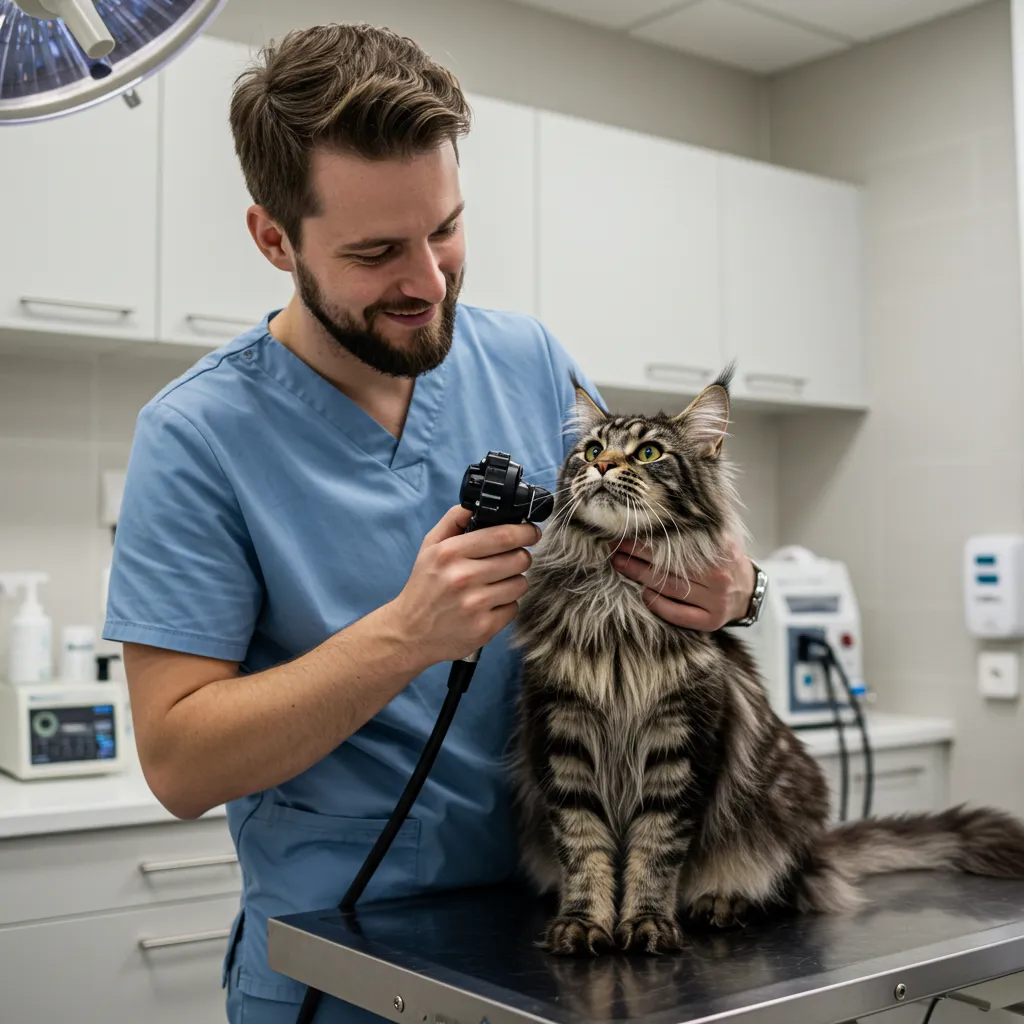
Action Step: If your cat has trouble swallowing for over a day or shows blood in saliva, book a vet visit. Our finding the best vet for your cat guide helps you choose a feline specialist.
Behavioral Causes: Stress and Anxiety
Cats are sensitive souls, and stress can manifest as cat swallowing and gagging or cat keeps licking and swallowing. Common triggers include:
- Environmental Changes: Moving, new pets, or loud noises (e.g., fireworks) spike anxiety. Siamese cats are especially reactive (see our Siamese cats scared easily guide).
- Territorial Stress: Multi-cat homes can lead to cat swallowing saliva excessively as a coping mechanism. Bengals are territorial (check our Bengal cat personality guide).
- Boredom or Overstimulation: Lack of play can cause obsessive behaviors like cat making swallowing motions.
Real Example: My Munchkin foster (learn more in our Munchkin cat care tips) started swallowing excessively during a neighbor’s renovation. A Feliway diffuser and extra playtime cut it by 80% in a week.
Environmental and Dietary Triggers
Sometimes, the issue lies in your cat’s surroundings or diet:
- Dry Food Issues: Hard kibble can irritate throats, especially for seniors, causing cat swallowing after eating. Wet food helps (see our best wet cat food guide).
- Allergies: Food or environmental allergens can inflame throats, leading to cat throat issues. Try hypoallergenic diets (explore our Ragdoll cat allergies guide).
- Poor Hydration: Dehydration thickens saliva, triggering cat swallowing a lot. Ensure fresh water daily.
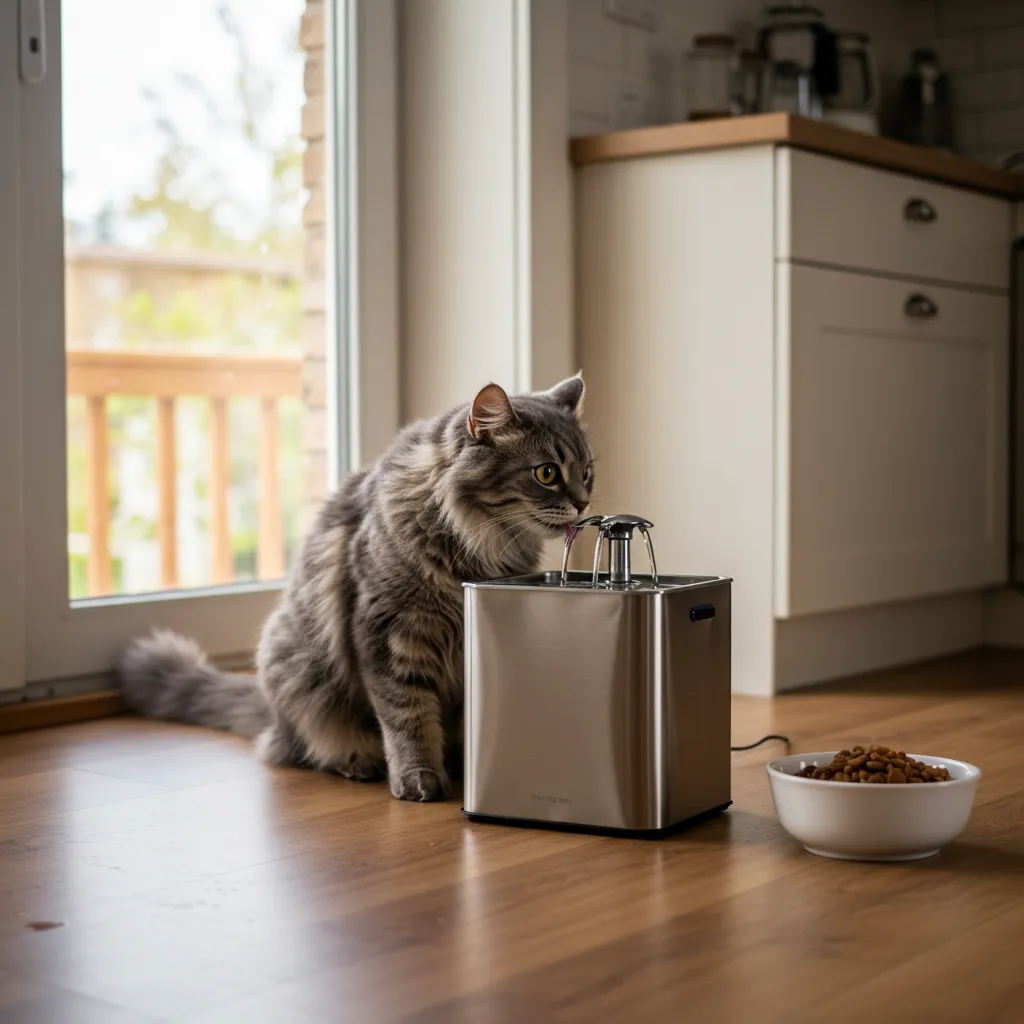
Quick Fix: Switch to wet food or add water fountains to boost hydration. Our cat hydration tips have more ideas.
When to Consult a Veterinarian for Cat Swallowing
Not every cat swallowing noise is a crisis, but certain signs scream “vet now”:
- Persistent swallowing or gagging for over 24 hours.
- Weight loss, lethargy, or refusal to eat/drink.
- Blood in saliva or vomit.
- Breathing difficulties alongside cat swallowing hard.
A 2025 Cornell Feline Health Center report stresses early intervention prevents 70% of complications. Vets may use X-rays, endoscopy, or blood tests to diagnose cat dysphagia. For urgent care tips, see our cat health care guide.
How to Help Your Cat with Swallowing Issues
Ready to take action? Here’s a phased plan to address cat swallowing issues and prevent recurrences. These cat care tips blend vet advice with practical solutions.
Step 1: Rule Out Medical Issues
Start with a vet visit to check for causes of cat swallowing problems like dental disease or esophageal issues. Tests like a barium swallow or ultrasound pinpoint issues in 85% of cases. Treatments may include:
- Medications: Antibiotics for infections or steroids for inflammation.
- Dental Care: Cleanings or extractions for cat throat issues. See our Munchkin cat dental care guide.
- Surgery: Rare, for severe blockages or tumors.
Step 2: Optimize Diet and Hydration
Diet tweaks can ease cat swallowing after eating:
- Wet Food: Softer textures reduce throat strain. Try brands like Royal Canin (see our cat food nutrition guide).
- Elevated Feeding: Raised bowls help cats with cat dysphagia swallow easier.
- Hairball Remedies: Gels like Laxatone cut hairball-related cat gagging while swallowing by 60%.
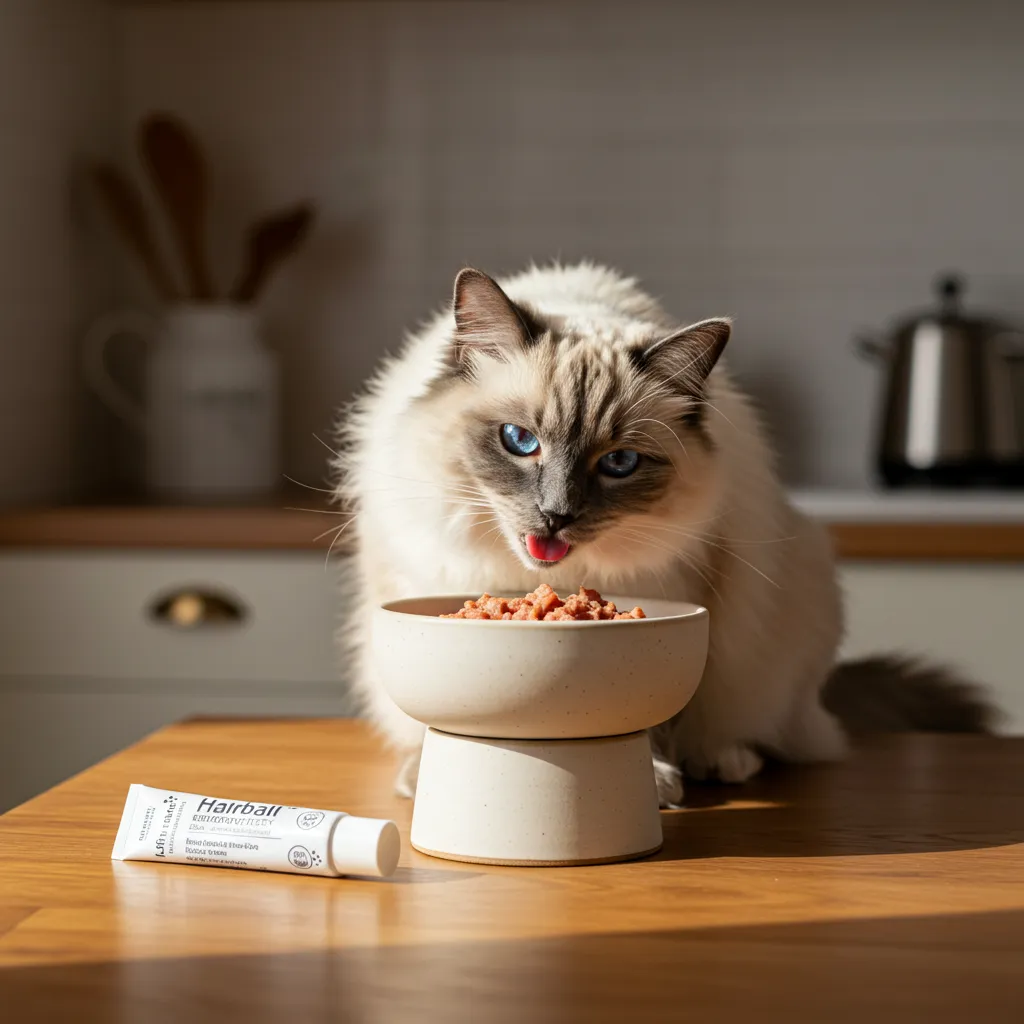
Pro Tip: For seniors, blend wet food with water for easier swallowing. Our best foods for senior Bengal cats has tailored advice.
Step 3: Reduce Stress and Enrich Environment
Behavioral cat swallowing and gagging often ties to stress. Try these:
- Pheromone Diffusers: Feliway calms 80% of anxious cats.
- Playtime: 15-minute daily sessions with toys like feather wands. See our keep Siamese cats entertained guide.
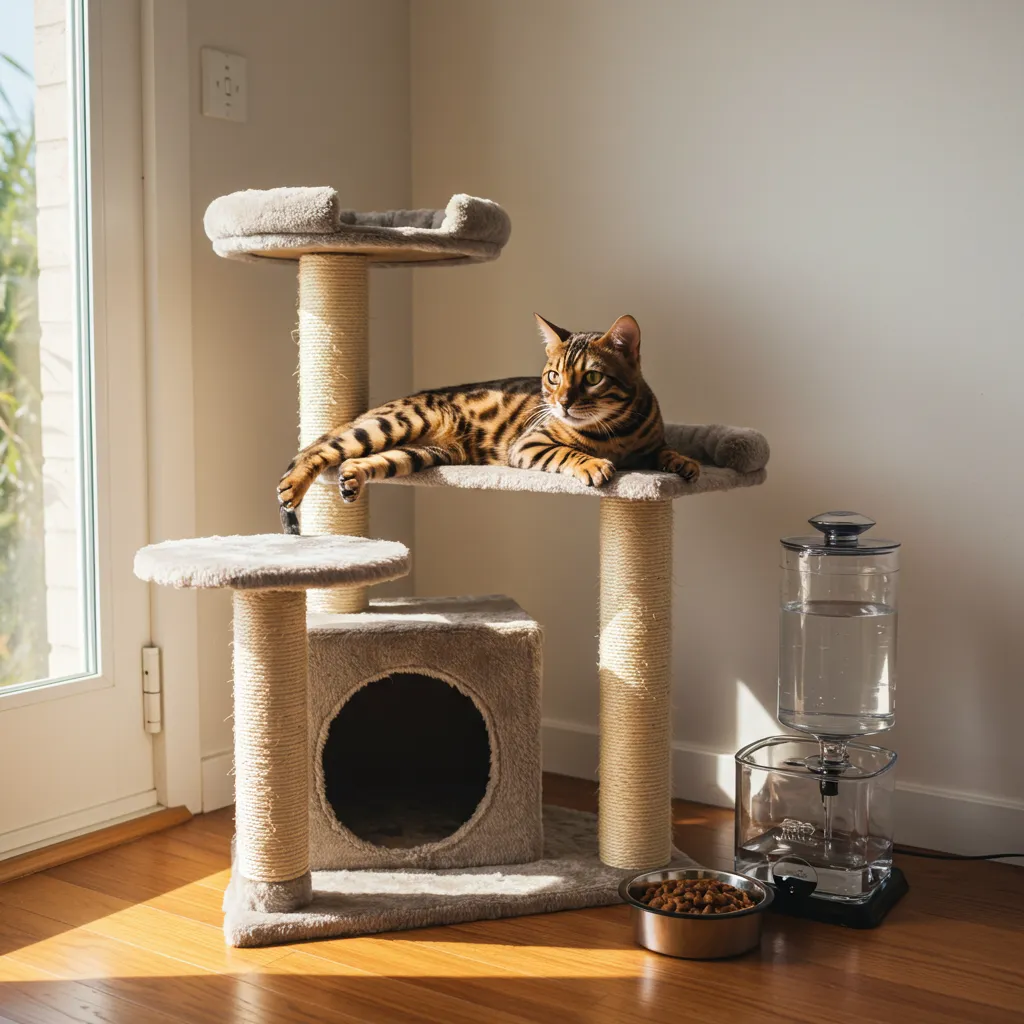
- Safe Spaces: Cat trees or quiet corners reduce cat swallowing saliva excessively.
Step 4: Monitor and Prevent
Track your cat’s progress with a journal and schedule biannual vet checkups. For breeds like Norwegian Forest Cats, prone to hairballs, regular grooming is key (check our Norwegian Forest cat grooming guide).
Why Is My Cat Gagging? The Connection to Swallowing Issues
Why is my cat gagging often overlaps with cat swallowing issues. Gagging can signal:
- Hairballs: Common in long-haired breeds like Ragdolls.
- Foreign Objects: Strings or plants causing cat gagging while swallowing.
- Allergies or Infections: Inflamed throats trigger cat swallowing and gagging.
Quick Fix: Brush daily and use hairball diets. For persistent gagging, see our cat vomiting brown liquid guide for related insights.
2025 Trends in Feline Swallowing Problems
Recent data shows cat swallowing sound at night and cat keeps licking and swallowing are rising search trends, likely due to increased multi-pet households and urban stress. Video monitoring (pet cams) helps owners catch cat making swallowing motions early. For tech-savvy tips, explore our cat health care guide.
FAQ: Quick Answers to Common Cat Swallowing Questions
Why Does My Cat Keep Swallowing?
Your cat keeps swallowing due to hairballs, dental issues, stress, or esophageal disorders. A vet visit rules out serious causes of cat swallowing problems.
What Are the Symptoms of Dysphagia in Cats?
Look for cat swallowing hard, drooling, gagging, reduced appetite, or cat swallowing noise. Persistent signs need vet attention.
What Causes Cat Swallowing Issues?
Hairballs, dental disease, esophageal issues, or stress are top causes of cat swallowing problems. Check our cat health problems guide.
When Should I See a Vet for Cat Swallowing?
If your cat has trouble swallowing for over 24 hours, shows weight loss, or has blood in saliva, consult a vet immediately.
Why Is My Cat Gagging and Swallowing?
Cat swallowing and gagging often ties to hairballs, allergies, or throat infections. Brush regularly and monitor for cat throat issues.
Why Does My Cat Keep Swallowing After Eating?
Cat swallowing after eating may stem from dry food irritation, hairballs, or esophageal issues. Switch to wet food and see our best wet cat food guide.
What’s Causing My Cat’s Swallowing Noise at Night?
Cat swallowing sound at night could be stress, hairballs, or mild allergies. Track patterns and try calming aids like Feliway.
Conclusion: Restore Your Cat’s Comfort Today
Cat swallowing issues can feel overwhelming, but with the right approach, you can turn gulps into purrs. From spotting symptoms of dysphagia in cats to addressing causes of cat swallowing problems like hairballs or stress, you’re now armed with vet-backed cat care tips. Start with a vet visit, tweak diets, and create a stress-free haven. Your cat—and your peace of mind—will thank you.
For more feline wisdom, explore our feline health guide or dive into breed-specific tips like our Bengal cat guide. Got a success story? Share it in the comments at Cat Bloom Haven!