Feline Hyperesthesia Syndrome: Decoding Your Cat’s Twitching, Licking, and Skin Sensitivity Episodes
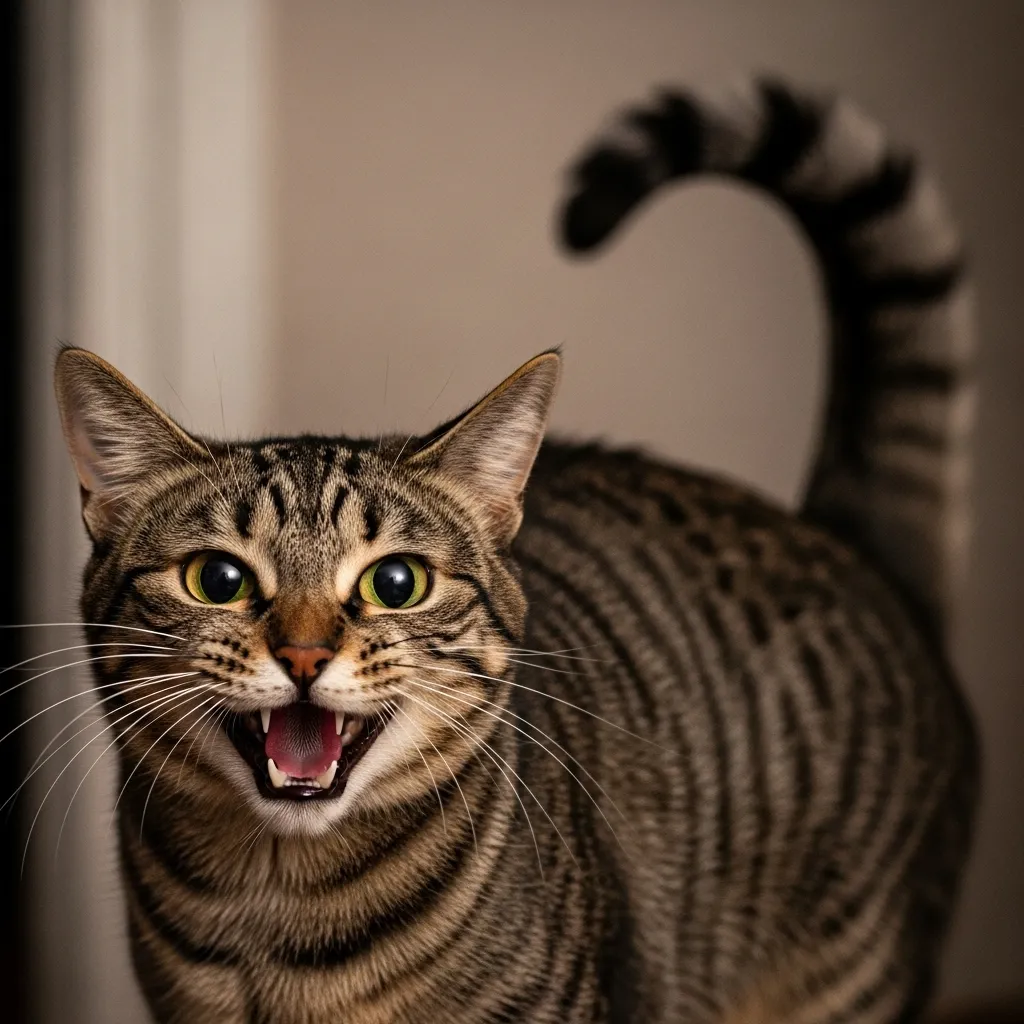
Picture this: your cat is lounging peacefully, then out of nowhere her back ripples like a wave, her tail lashes wildly, and she spins to lick or bite her flank furiously. You freeze, wondering if she’s in pain, playing, or losing her mind. If “cat twitching and licking” has become a daily drama in your home, you’re likely staring down feline hyperesthesia syndrome (FHS) a puzzling condition that turns ordinary grooming into frantic episodes.
In this ultimate 2025 guide from Cat Bloom Haven, you’ll discover exactly what FHS is, how to spot the difference between twitchy cat syndrome and everyday quirks, and most importantly proven ways to calm your cat and reclaim peaceful cuddle sessions. Whether you’re researching “weird cat behaviors” on TikTok or typing “cats licking themselves excessively” into Google at 2 a.m., we’ve got you covered with vet-verified insights, real owner stories, and step-by-step management plans no other article delivers.
Key Takeaways (Read This First)
- Feline hyperesthesia syndrome isn’t “just stress”—it’s a neurological sensitivity disorder causing exaggerated skin reactions.
- Cat twitching and licking episodes last 10–60 seconds and often cluster along the spine or tail base.
- Signs of FHS in cats include rippling skin, dilated pupils, aggressive grooming, and sudden vocalization.
- Rule out fleas, allergies, and pain before assuming FHS—vet exams are non-negotiable.
- 2025 management combines gabapentin, omega-3s, puzzle feeders, and laser-guided play to reduce episodes by up to 70 % in mild cases.
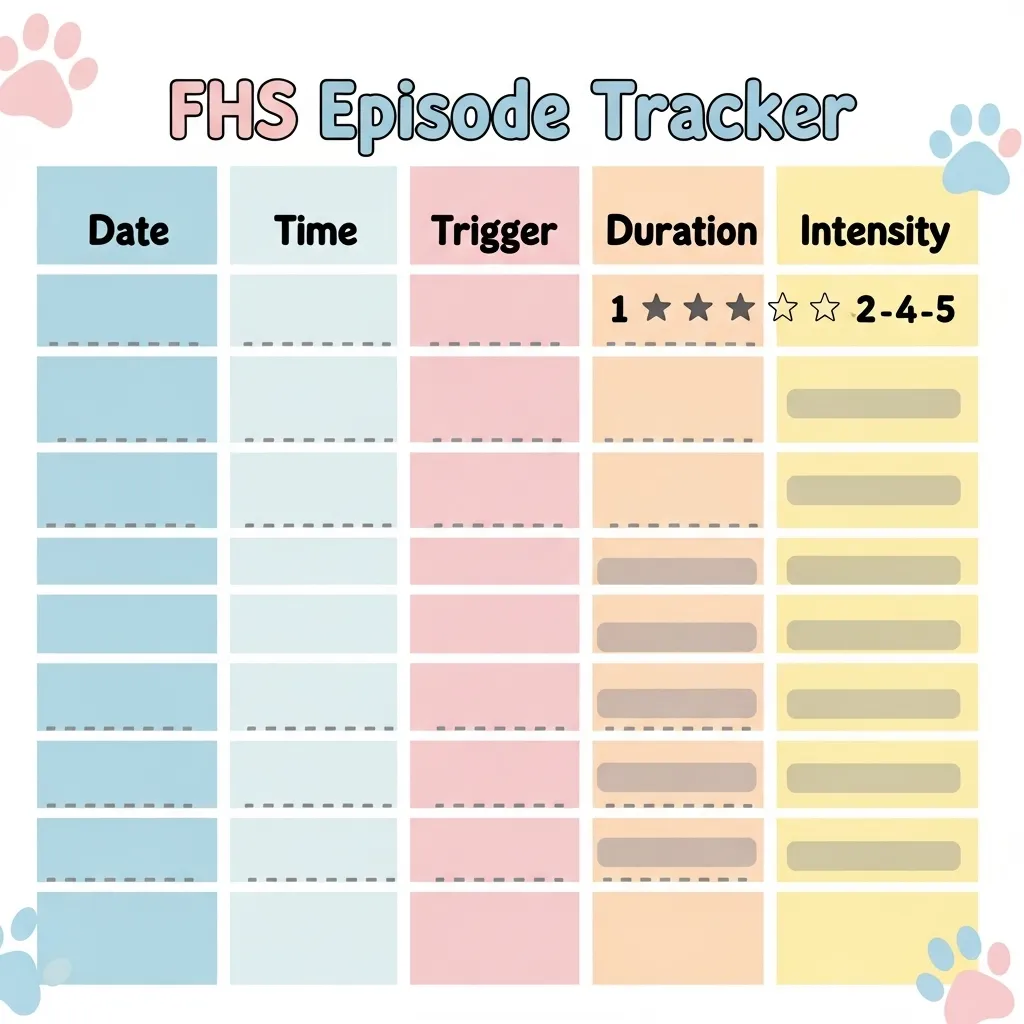
- Track triggers in a cat behavior journal.
What Exactly Is Feline Hyperesthesia Syndrome?
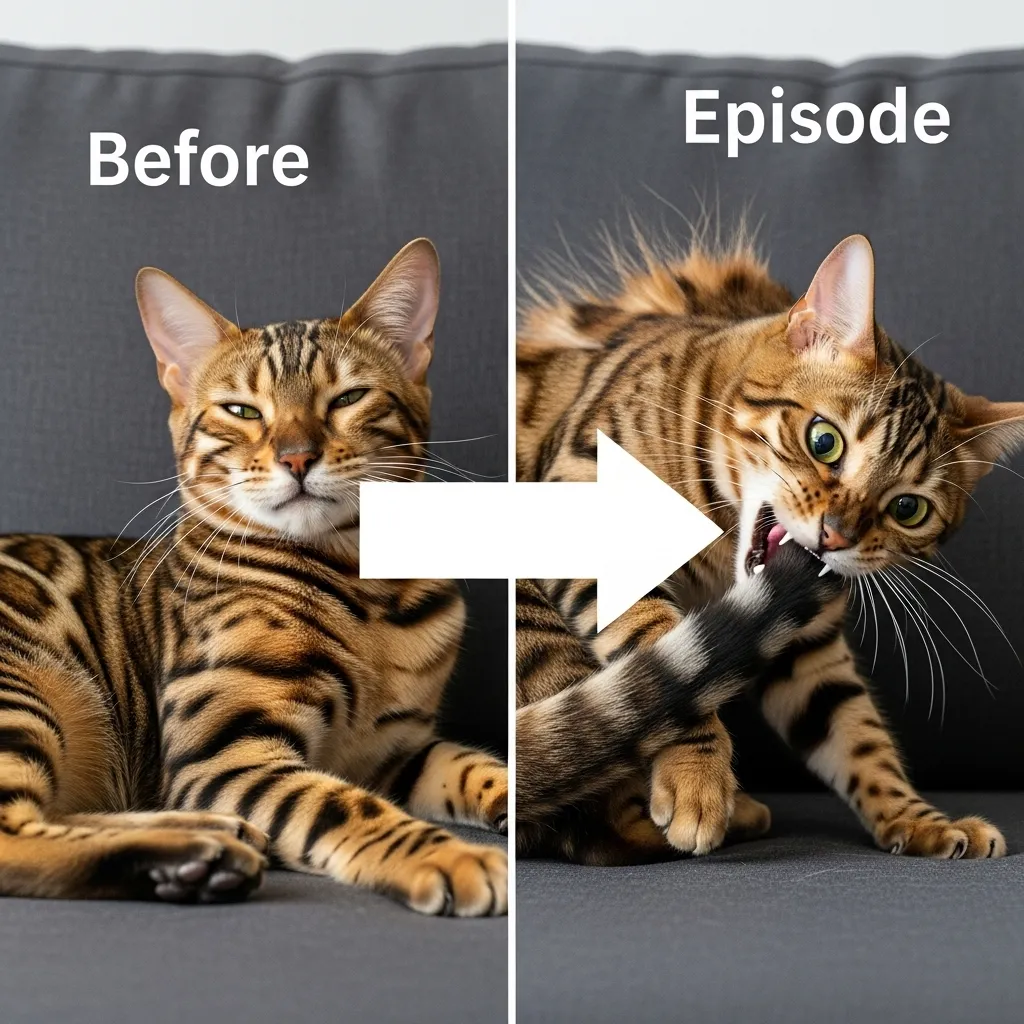
Feline hyperesthesia syndrome sometimes nicknamed twitchy cat syndrome is a rare but distressing condition where a cat’s skin becomes hypersensitive, especially along the lower back and tail. Touch, sound, or even a breeze can spark an “episode” of rippling skin, frantic licking, or self-biting. Think of it as your cat’s nervous system short-circuiting, turning a gentle stroke into an electric shock.
Veterinary neurologists describe FHS as a sensory processing disorder, not a seizure or psychosis. The cat isn’t “crazy”—her brain misinterprets normal stimuli as intense itching or pain. Breeds like Siamese, Abyssinians, and Persians appear predisposed, but any cat can develop it between 1–5 years old.
Real Owner Story: “My Bengal, Luna, would scream and attack her tail every evening. I thought she saw ghosts! Turns out it was FHS triggered by sunset lighting changes.” — Sarah, Cat Bloom Haven community member. Discover Bengal cat personality quirks here.
Cat Twitching and Licking: The Hallmark Episode
Imagine a horror movie jump-scare, but starring your cat. A classic FHS episode unfolds in four phases:
| Phase | What You See | Duration |
|---|---|---|
| Pre-episode | Dilated pupils, flattened ears, stiff tail | 5–10 sec |
| Skin ripple | Wave-like muscle contractions from shoulders to tail | 10–30 sec |
| Grooming frenzy | Aggressive licking, biting, or scratching flank | 20–60 sec |
| Recovery | Hiding, panting, or sudden calm | 1–5 min |
These aren’t random cat grooming behaviors. They’re involuntary responses to perceived skin “crawling.” Owners often search “twitching cat videos” and find their pet’s twin proof you’re not alone.
Signs of FHS in Cats vs. Normal Cat Behaviors
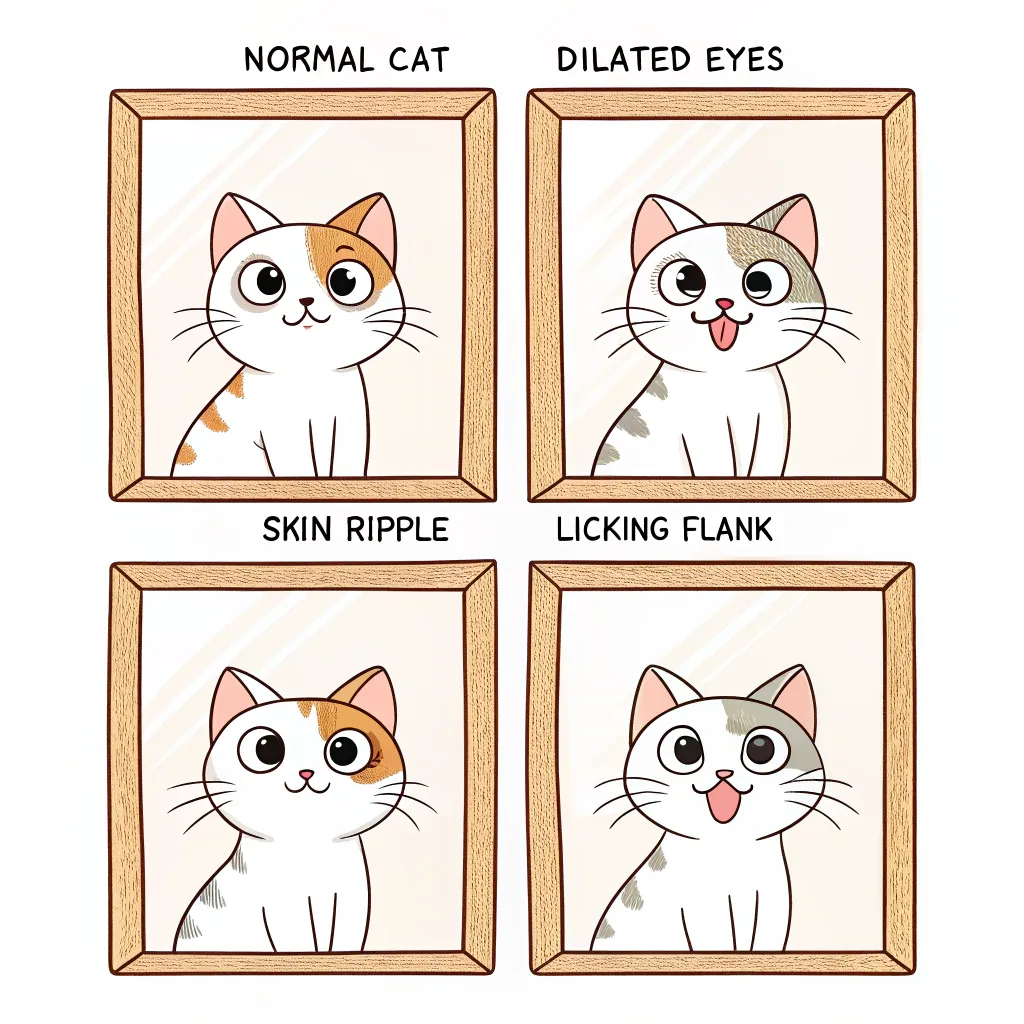
Not every twitch means cat skin sensitivity. Use this side-by-side comparison:
| Behavior | Normal | FHS Red Flag |
|---|---|---|
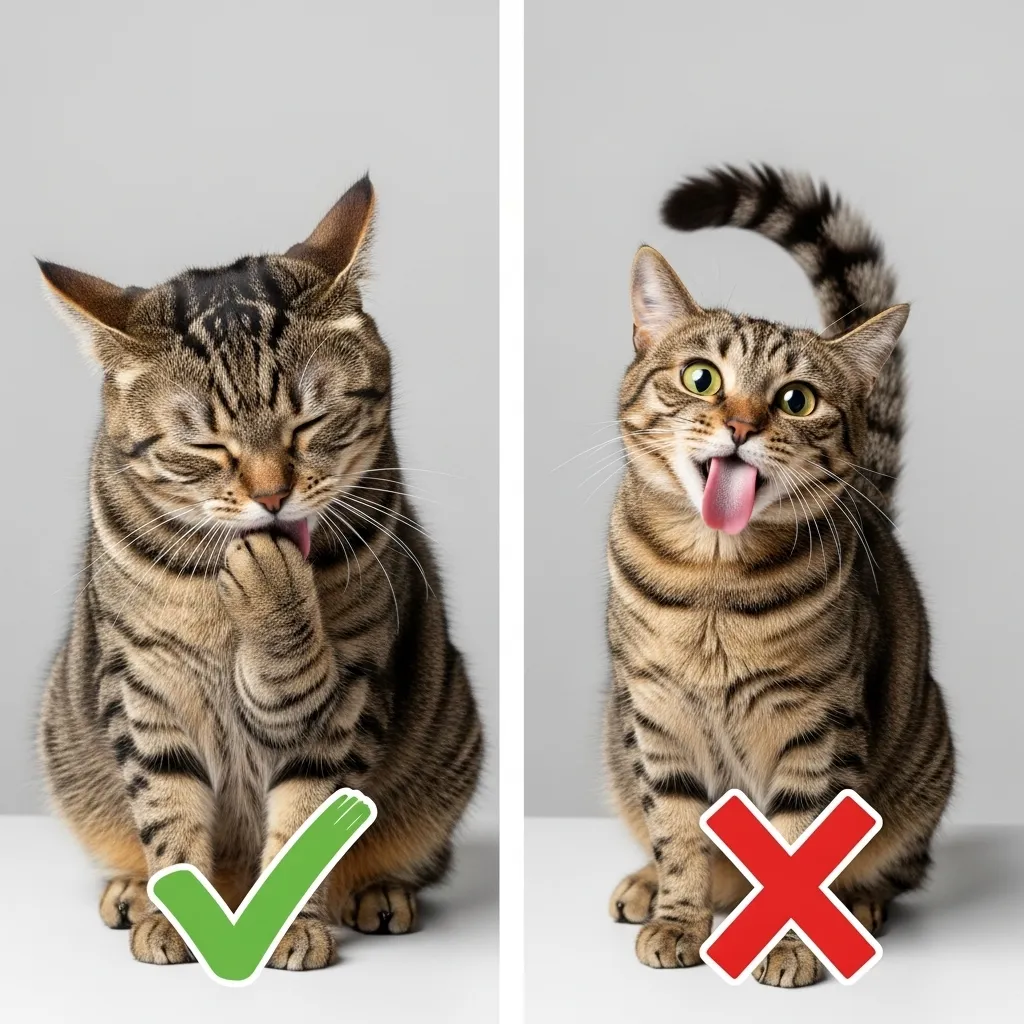
| Grooming | 30–50 % of waking hours, relaxed posture | Sudden, frantic, targets one spot |
| Tail chasing | Playful, stops when distracted | Aggressive biting, vocalizing |
| Skin twitch | Occasional flea bite reaction | Rippling without parasites |
| Vocalization | Soft chirps during play | Screaming or growling |
Pro Tip: Film episodes on your phone. Vets love visual evidence—upload to a private YouTube link before visits. Learn more in our vet visit prep guide.
Why Does My Cat Have Twitchy Skin? Root Causes Explored
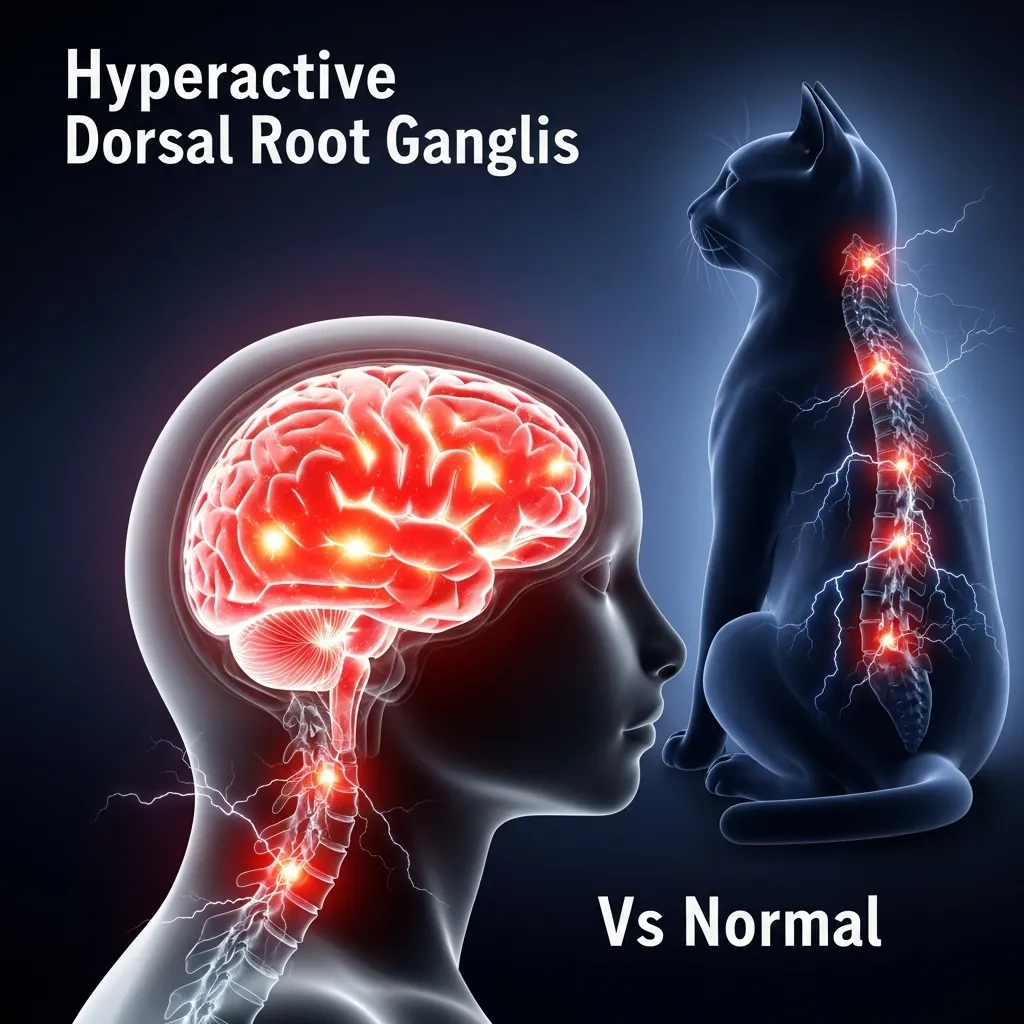
FHS has no single cause, but 2025 research points to a perfect storm:
- Neurological misfiring – Overactive dorsal root ganglia amplify touch signals.
- Genetic predisposition – Purebred lines show higher rates.
- Compulsive disorder link – Similar brain pathways as human OCD.
- Spinal inflammation – Subtle arthritis or disc issues irritate nerves.
Environmental triggers for cat behavior can exacerbate episodes:
- Flea allergies → Itch-scratch cycle mimics FHS (See flea bath tips)
- Stress → New pets, moving, or loud noises (Explore cat stress signs)
- Diet → Omega-3 deficiency worsens nerve inflammation
Diagnosing Cat Twitching: What Happens at the Vet
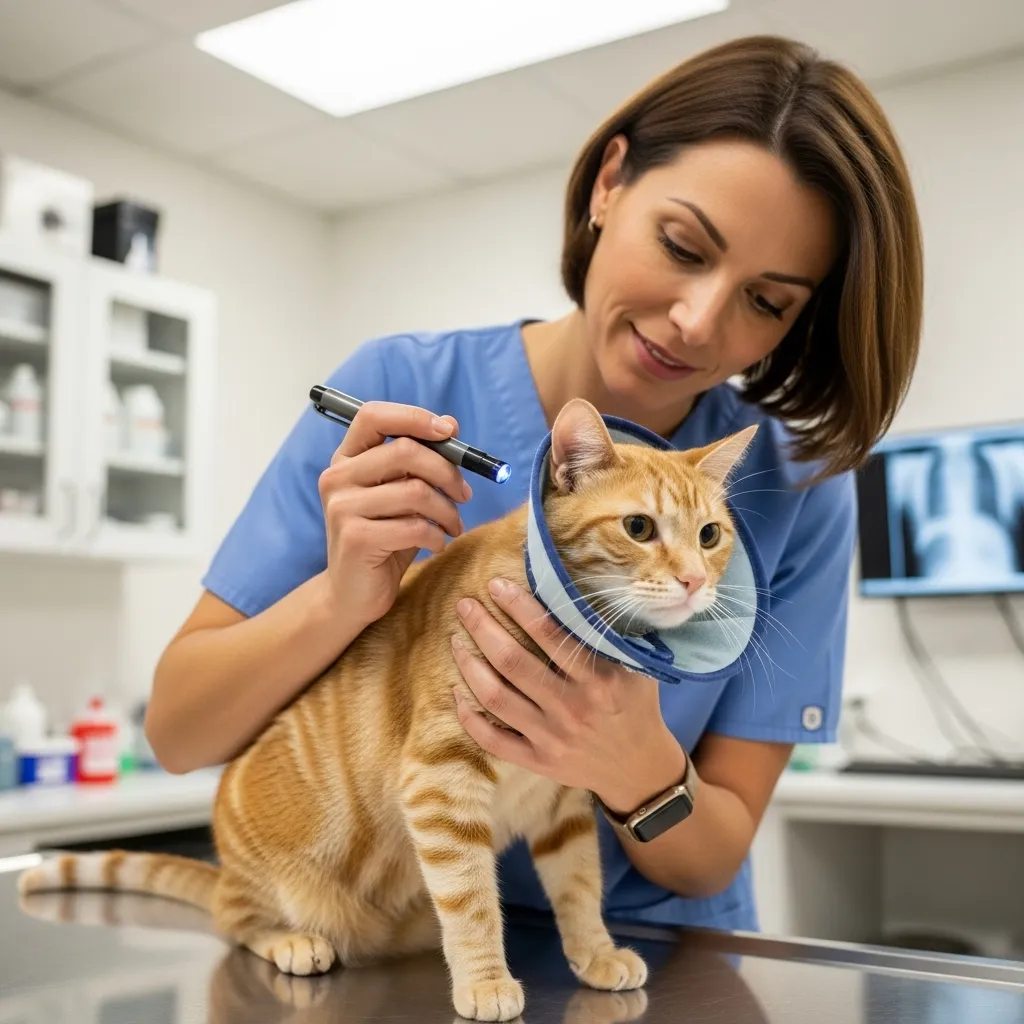
Never self-diagnose diagnosing cat twitching. Your vet follows a systematic approach:
Step 1: Physical & Neurological Exam
- Skin scrape for mites
- Reflex testing
- Pain response along spine
Step 2: Rule-Out Tests
| Test | Purpose |
|---|---|
| Flea comb + tape test | Eliminate parasites |
| Skin biopsy | Rule out eosinophilic granuloma |
| Blood panel | Check thyroid, kidney values |
| X-rays/MRI | Detect spinal lesions |
Step 3: Trial Therapy
Gabapentin (1–3 mg/kg) given 1 hour before predicted episodes. 70 % of cats show improvement within 48 hours—diagnostic and therapeutic.
2025 Update: Veterinary telemedicine now allows video consults for FHS follow-ups. Find the best vet for your cat here.
Managing FHS in Cats: A 4-Pillar Protocol
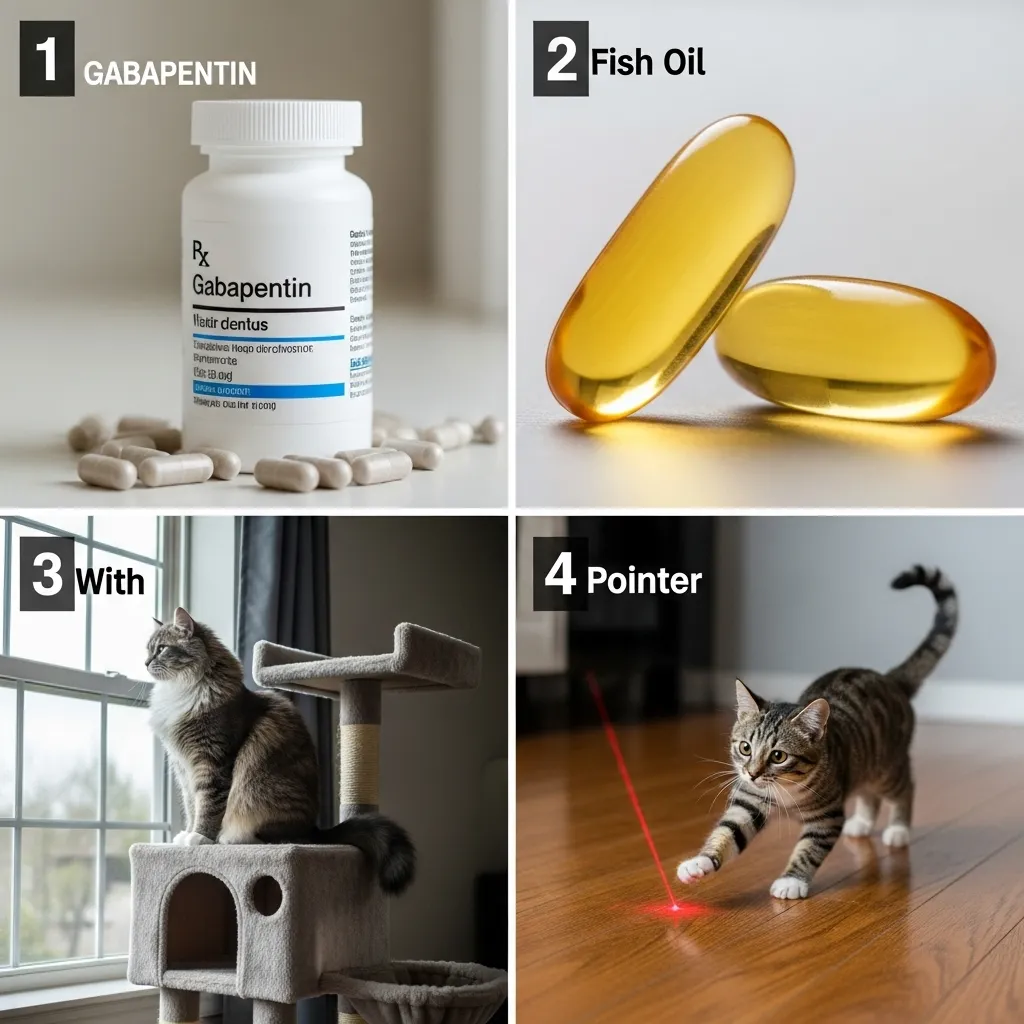
No cure exists, but this multi-modal plan reduces episodes by 60–80 %:
Pillar 1: Medication (When Needed)
| Drug | Dose | Effect |
|---|---|---|
| Gabapentin | 50–100 mg/cat 1–2x daily | Calms nerve hyperexcitability |
| Fluoxetine | 0.5 mg/kg daily | Reduces compulsive grooming |
| Topical lidocaine | Vet-compounded | Desensitizes skin |
Pillar 2: Nutritional Support
- Omega-3 (fish oil) → 1000 mg EPA/DHA daily reduces inflammation
- L-theanine → 25 mg in treats calms without sedation
- Hill’s Prescription d/d → Novel protein for allergy-related triggers
Pillar 3: Environmental Enrichment
- Predictable routines → Feed, play, sleep at same times
- Vertical territory → Cat trees distract from back-focused episodes
- Feliway MultiCat diffusers → Reduce stress by 33 % in multi-cat homes
Pillar 4: Behavior Modification
- Ignore episodes → Attention reinforces behavior
- Redirect pre-episode → Laser pointer 5 minutes before sunset
- Desensitization → Gentle brushing with a soft silicone mitt daily
Success Story: “After 3 weeks of gabapentin + puzzle feeders, Milo’s episodes dropped from 5/day to 1/week.” Explore puzzle toy ideas.
Cat Grooming Tips to Prevent Over-Stimulation
Excessive cat grooming isn’t just aesthetic—it’s a cry for help. Try these:
- Daily 5-minute brushing → Removes loose hair, distributes oils
- Silicone grooming gloves → Massage without overstimulating
- Bathing only if prescribed → Use vet-approved oatmeal shampoo (Bathing guide)
Understanding Cat Body Language During FHS Episodes
Learn to read the warning signs:
| Signal | Meaning |
|---|---|
| Ears sideways + pupils dilated | Episode imminent—remove hands |
| Tail bottled | Pain or irritation |
| Low growl | “Back off!” |
Film in slow-motion to catch micro-expressions. Dive deeper into cat tail language.
Common Cat Health Problems Confused with FHS
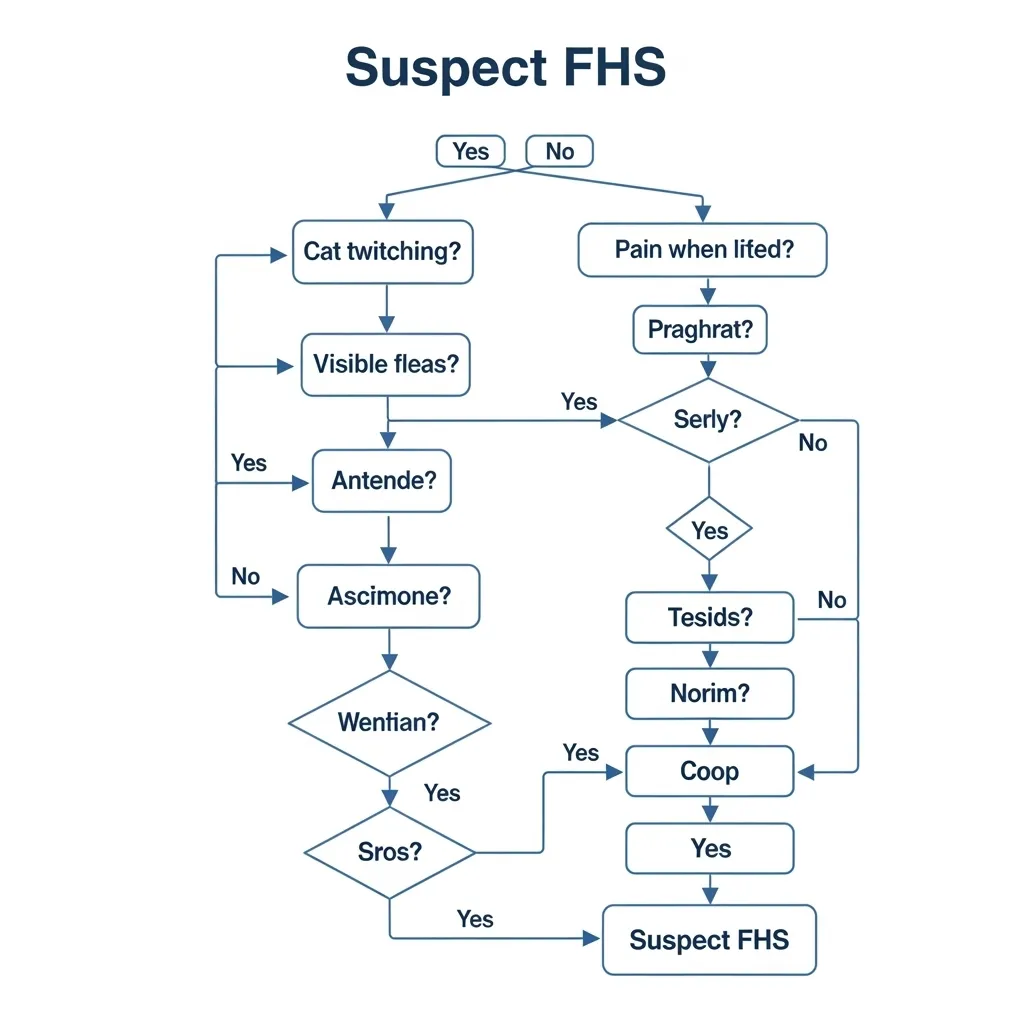
| Condition | Key Difference |
|---|---|
| Fleas | Visible bugs, itching everywhere |
| Allergies | Seasonal, face rubbing |
| Pain | Limping, vocalizing when lifted |
| Seizures | Collapse, paddling, drooling |
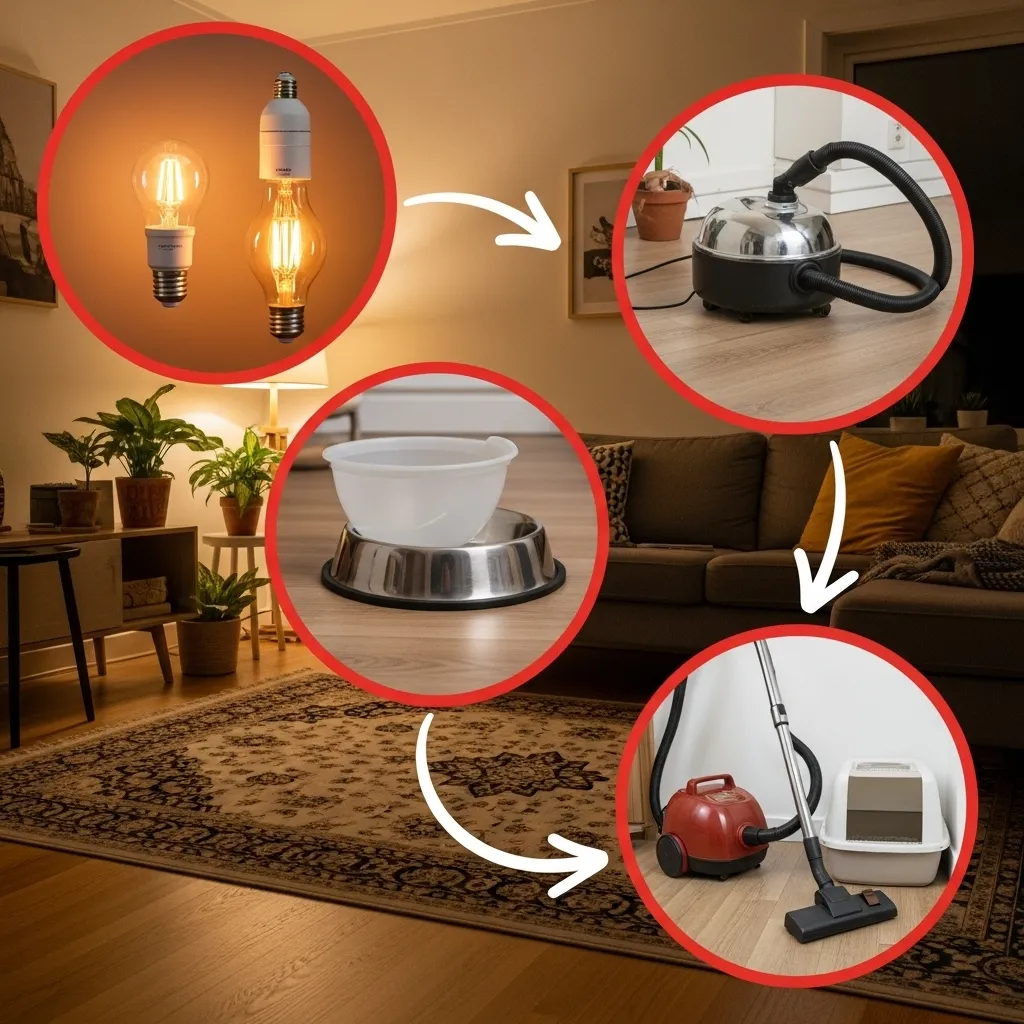
Environmental Triggers for Cat Behavior: Your Home Audit
Walk through your house with this checklist:
- [ ] LED lights flickering? → Switch to warm bulbs
- [ ] Plastic food bowls? → Use stainless steel
- [ ] Loud appliances near litter box? → Relocate
- [ ] Scented litter? → Switch to unscented clay
Cat Skin Issues: When to Worry
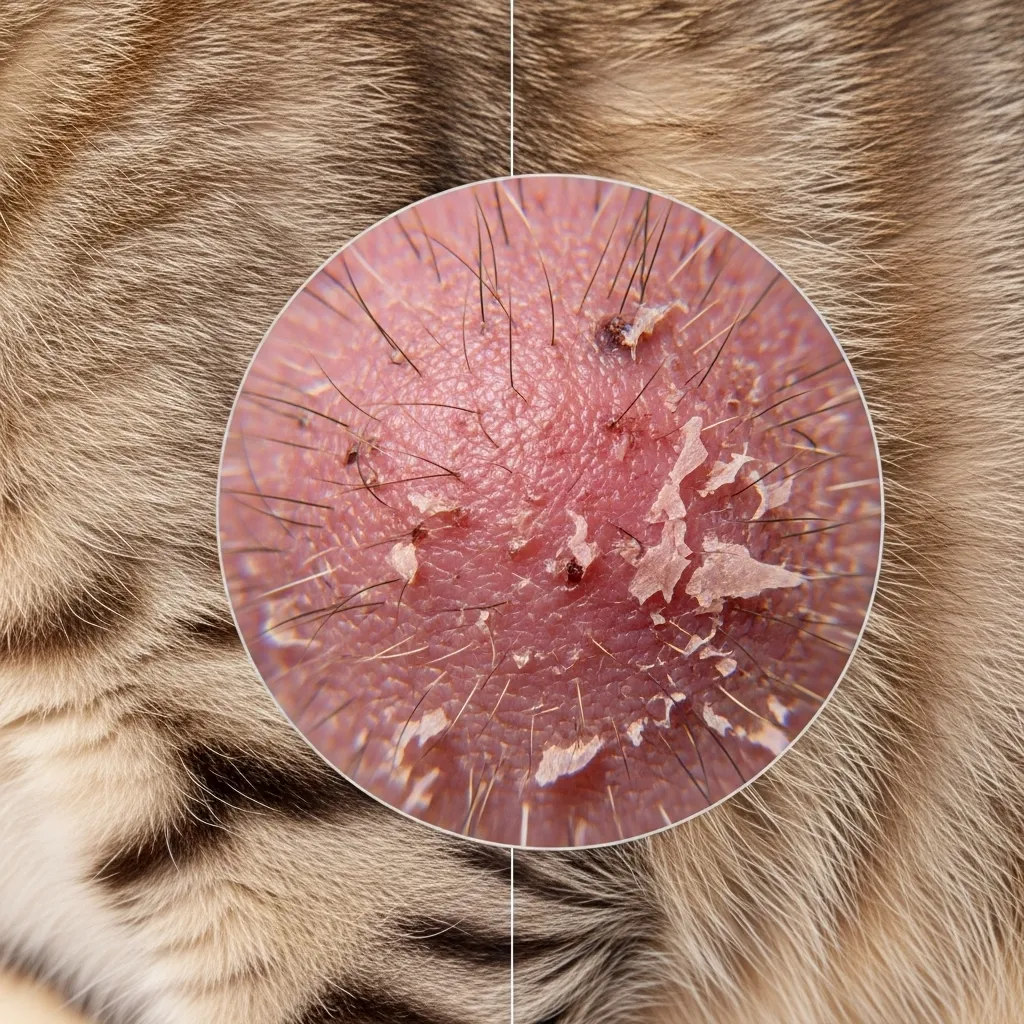
Normal skin is smooth, non-red, and twitch-free. Red flags:
- Hair loss in patches
- Crusty lesions
- Persistent dandruff despite diet change
Explore cat dandruff solutions.
FAQ: Feline Hyperesthesia Syndrome in 2025
What is twitchy cat syndrome?
A nickname for FHS where cats experience skin rippling and frantic grooming due to nerve hypersensitivity.
Why is my cat licking itself excessively?
Could be FHS, fleas, allergies, or stress. Film episodes and consult a vet.
How do vets diagnose FHS in cats?
Via elimination—ruling out parasites, pain, and seizures—plus response to gabapentin.
Can diet help manage cat twitching?
Yes! Omega-3s and novel proteins reduce inflammation triggers.
Are certain breeds prone to FHS?
Siamese, Bengals, and Persians show higher rates, but any cat can develop it.
What’s new in FHS treatment 2025?
Low-dose CBD (vet-formulated) and laser therapy show promise in reducing episodes.
My cat twitches when I touch her back—normal?
Only if brief and playful. Persistent rippling needs vet attention.
Living with FHS: Long-Term Strategies
- Quarterly vet check-ins → Adjust meds as needed
- Annual bloodwork → Monitor kidney/liver function on long-term gabapentin
- Support groups → Join Cat Bloom Haven’s FHS Warriors on Facebook
- Emergency plan → Keep liquid gabapentin in fridge for breakthrough episodes
Conclusion: From Chaos to Calm
Feline hyperesthesia syndrome may feel overwhelming, but armed with the right knowledge, you can transform your cat’s life. Start with a vet visit, implement the 4-pillar protocol, and track progress in a behavior journal. Most cats achieve significant relief within 4–6 weeks.
Your twitchy, licking furball isn’t “weird” she’s communicating discomfort in the only way she knows how. By understanding cat skin sensitivity, decoding cat body language, and addressing environmental triggers, you become her advocate and hero.
Ready for more expert cat care? Explore our comprehensive guide to common cat health problems or discover cat grooming tips that prevent overstimulation. At Cat Bloom Haven, we’re here for every whisker, twitch, and purr.