Is Your Cat Vomiting Brown Liquid? The Ultimate Guide to Causes, Treatments, and Prevention
Discovering your cat vomiting brown liquid can be alarming. As a pet parent, you’re likely wondering, “Why is my cat throwing up brown liquid?” or “Is this a serious issue?” Whether it’s a one-time incident or a recurring problem, this comprehensive guide dives deep into the causes of brown vomit in cats, what you can do about it, and when to seek professional help. Packed with actionable advice, expert insights, and practical cat care tips, this article is your go-to resource to ensure your feline friend stays healthy and happy in 2025 and beyond.
Unlike generic pet blogs, we’ve consulted veterinary resources, analyzed trending concerns (like cat vomiting causes and treatments), and crafted a detailed roadmap to address every aspect of this issue. From home remedies for sick cats to knowing when to take your cat to the vet for vomiting, we’ve got you covered with trustworthy, easy-to-follow information.
Key Takeaways
- Brown vomit in cats can stem from minor issues like dietary indiscretions to serious conditions like gastrointestinal blockages or organ disease.
- Immediate steps include monitoring symptoms, withholding food temporarily, and ensuring hydration.
- Veterinary care is critical if vomiting persists, is accompanied by blood, or resembles coffee grounds.
- Proactive cat health care and dietary management can prevent recurring vomiting.
Why Is My Cat Throwing Up Brown Liquid?
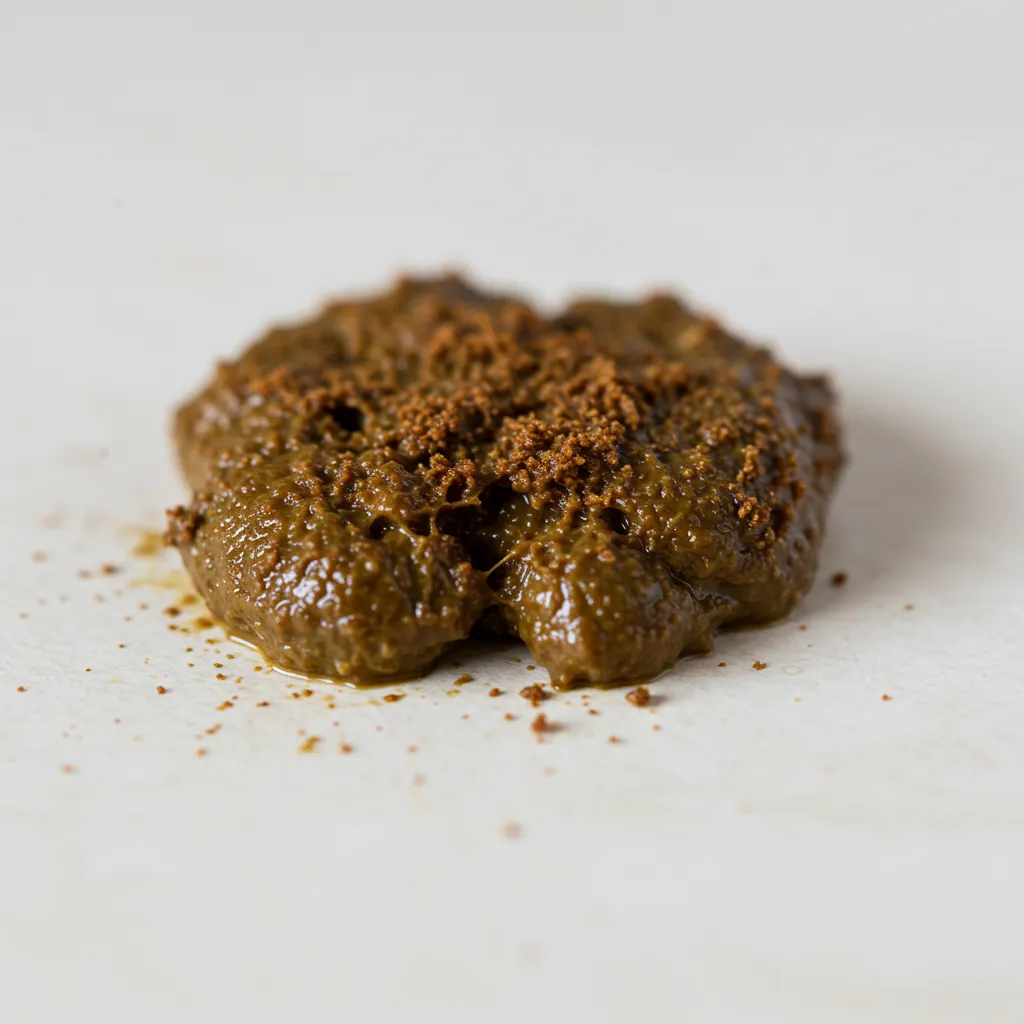
Seeing your cat vomit dark brown liquid is distressing, and the color can hint at underlying issues. Brown vomit may look like chocolate syrup, coffee grounds, or even have a foul odor, each pointing to different causes. Let’s break down why this happens and what it means for your cat’s health.
What Does Brown Vomit Indicate?
The brown color in vomit often results from:
- Digested blood: This can appear as cat vomit that looks like coffee grounds, signaling potential bleeding in the stomach or intestines.
- Food-related issues: Eating something brown (like certain treats or human food) or hairballs mixed with bile can create brown liquid.
- Bile or stomach acid: If your cat vomits on an empty stomach, bile can mix with stomach contents, giving a brownish tint.
- Foreign objects or blockages: Ingested items like string or toys can irritate the digestive tract, leading to brown vomit.
Real-Life Example: Sarah, a cat owner from Seattle, noticed her cat, Luna, vomiting dark brown liquid after stealing a piece of chocolate cake. A vet visit revealed mild gastritis from the toxic chocolate, treated with a bland diet and medication.
Understanding the context—like what your cat ate or how often they vomit—helps pinpoint the cause. Keep reading to explore the causes of brown vomit in cats in detail.
Common Causes of Brown Vomit in Cats
The reasons behind cat throwing up brown liquid range from benign to life-threatening. Here’s an in-depth look at the most common culprits, with insights to help you identify what’s affecting your cat.
1. Dietary Indiscretions
Cats are curious creatures, and eating something they shouldn’t—like spoiled food, table scraps, or toxic plants—can irritate their stomach. For instance, chocolate, onions, or garlic are toxic to cats and can cause vomiting.
- Symptoms: Occasional vomiting, possibly with undigested food or brown liquid.
- Example: A cat raiding the trash might vomit brown liquid from eating spoiled meat.
2. Hairballs
Hairballs are a frequent cause of vomiting in cats, especially long-haired breeds. When mixed with bile or stomach acid, hairballs can appear brown.
- Symptoms: Hacking cough, vomiting brown or greenish liquid, and occasional hair in the vomit.
- Tip: Regular grooming and hairball-control diets can reduce this issue.
3. Gastrointestinal Blockages
Foreign objects (like string, toys, or bones) or severe hairballs can block the stomach or intestines, leading to vomiting of brown liquid vomit in cats.
- Symptoms: Repeated vomiting, lethargy, loss of appetite, or constipation.
- Urgency: This is a medical emergency requiring immediate veterinary attention.
4. Gastritis or Ulcers
Inflammation of the stomach lining (gastritis) or ulcers can cause bleeding, resulting in cat vomit that looks like coffee grounds due to digested blood.
- Symptoms: Frequent vomiting, abdominal pain, or black, tarry stools.
- Cause: Stress, infections, or certain medications like NSAIDs can trigger gastritis.
5. Liver or Kidney Disease
Chronic conditions affecting the liver or kidneys can lead to bile buildup or toxin accumulation, causing brown vomit.
- Symptoms: Yellowing of the eyes (jaundice), weight loss, or increased thirst.
- Note: These conditions are more common in older cats and require vet diagnostics.
6. Internal Bleeding
Cat vomiting blood or brown fluid may indicate bleeding in the digestive tract, possibly from ulcers, tumors, or trauma.
- Symptoms: Vomit resembling coffee grounds, weakness, or pale gums.
- Urgency: Seek veterinary care immediately.
| Cause | Symptoms | Urgency |
|---|---|---|
| Dietary Indiscretions | Occasional vomiting, brown liquid | Monitor, consult vet if frequent |
| Hairballs | Hacking, brown or greenish vomit | Low, but address with grooming |
| Blockages | Repeated vomiting, lethargy | Emergency |
| Gastritis/Ulcers | Coffee-ground vomit, pain | High, vet visit needed |
| Liver/Kidney Disease | Jaundice, weight loss | High, requires diagnostics |
| Internal Bleeding | Coffee-ground vomit, weakness | Emergency |

What to Do If Your Cat Vomits Brown Liquid
If your cat is throwing up dark brown liquid, don’t panic, but act thoughtfully. Here’s a step-by-step guide to manage the situation and decide on the next steps.
Step 1: Assess the Situation
- Frequency: Is it a one-time event or recurring? Single episodes may resolve on their own, but repeated vomiting is concerning.
- Appearance: Does the vomit look like coffee grounds, have blood, or smell foul? These are red flags.
- Behavior: Is your cat eating, drinking, or acting normal? Lethargy or refusal to eat suggests a serious issue.
Step 2: Immediate Actions
- Withhold Food Temporarily: Remove food for 12–24 hours (but not water) to let the stomach settle. Kittens or cats with health conditions should not fast without vet guidance.
- Ensure Hydration: Offer small amounts of water or ice cubes to prevent dehydration.
- Clean Up Safely: Remove vomit to prevent re-ingestion and note its appearance for the vet.
- Monitor Symptoms: Watch for additional signs like diarrhea, lethargy, or blood in the stool.
Step 3: Try Cat Vomiting Remedies at Home
For mild cases, cat vomiting treatment at home can help:
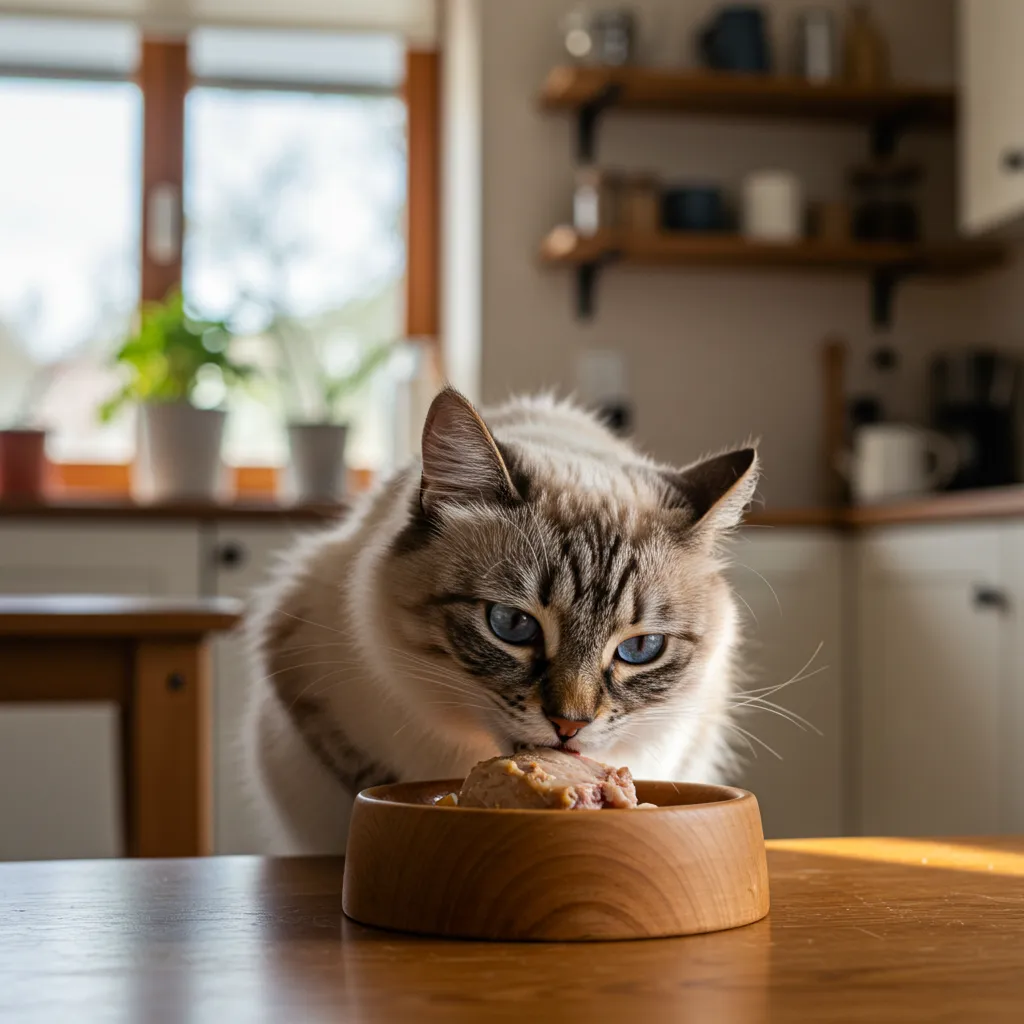
- Bland Diet: After fasting, offer small portions of boiled chicken or white rice (vet-approved).
- Hairball Remedies: Use vet-recommended hairball gels or treats to ease hairball passage.
- Probiotics: Fortiflora or other cat-safe probiotics can support gut health.
Pro Tip: Always consult your vet before trying home remedies, especially for cat digestive problems symptoms like persistent vomiting.
Step 4: Know When to Stop
If vomiting continues after 24 hours, includes blood, or your cat shows distress, stop home remedies and seek professional help.
When to See a Vet for Cat Vomiting
Not all vomiting requires a vet visit, but certain signs indicate is brown vomit in cats serious enough for immediate action. Here’s when to act fast:
Red Flags Requiring Veterinary Care
- Vomiting persists beyond 24 hours.
- Vomit looks like coffee grounds or contains bright red blood.
- Your cat is lethargic, dehydrated, or refusing food/water.
- Additional symptoms like diarrhea, fever, or weight loss are present.
- Your cat is a kitten, senior, or has pre-existing health conditions.
What to Expect at the Vet
Your vet may:
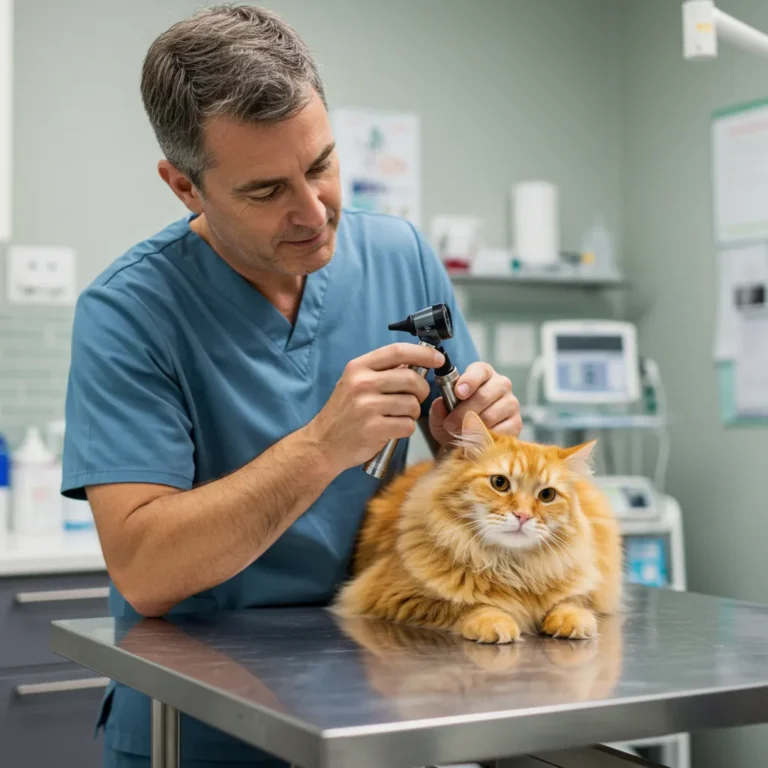
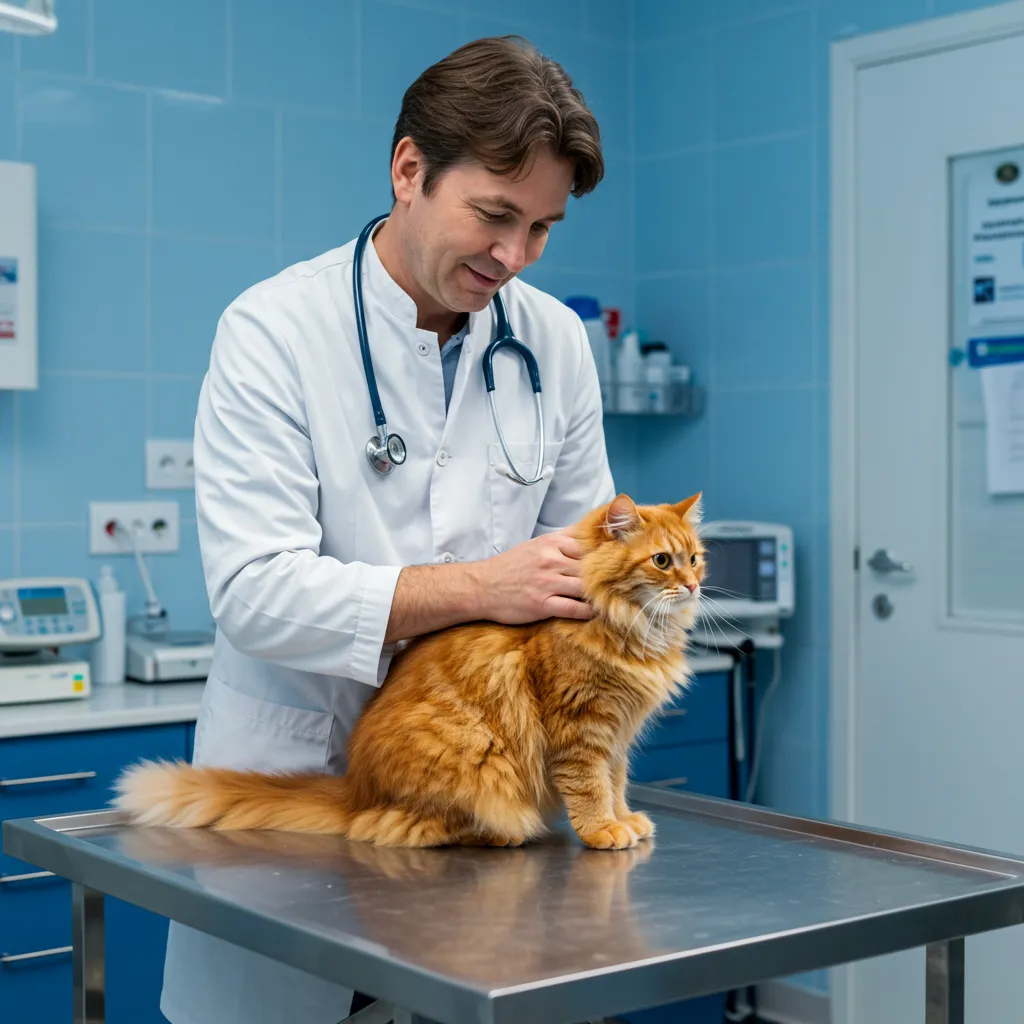
- Perform a physical exam to check for dehydration or abdominal pain.
- Run diagnostics like blood tests, X-rays, or ultrasounds to identify cat gastrointestinal problems.
- Administer fluids, anti-nausea medication, or antibiotics, depending on the cause.
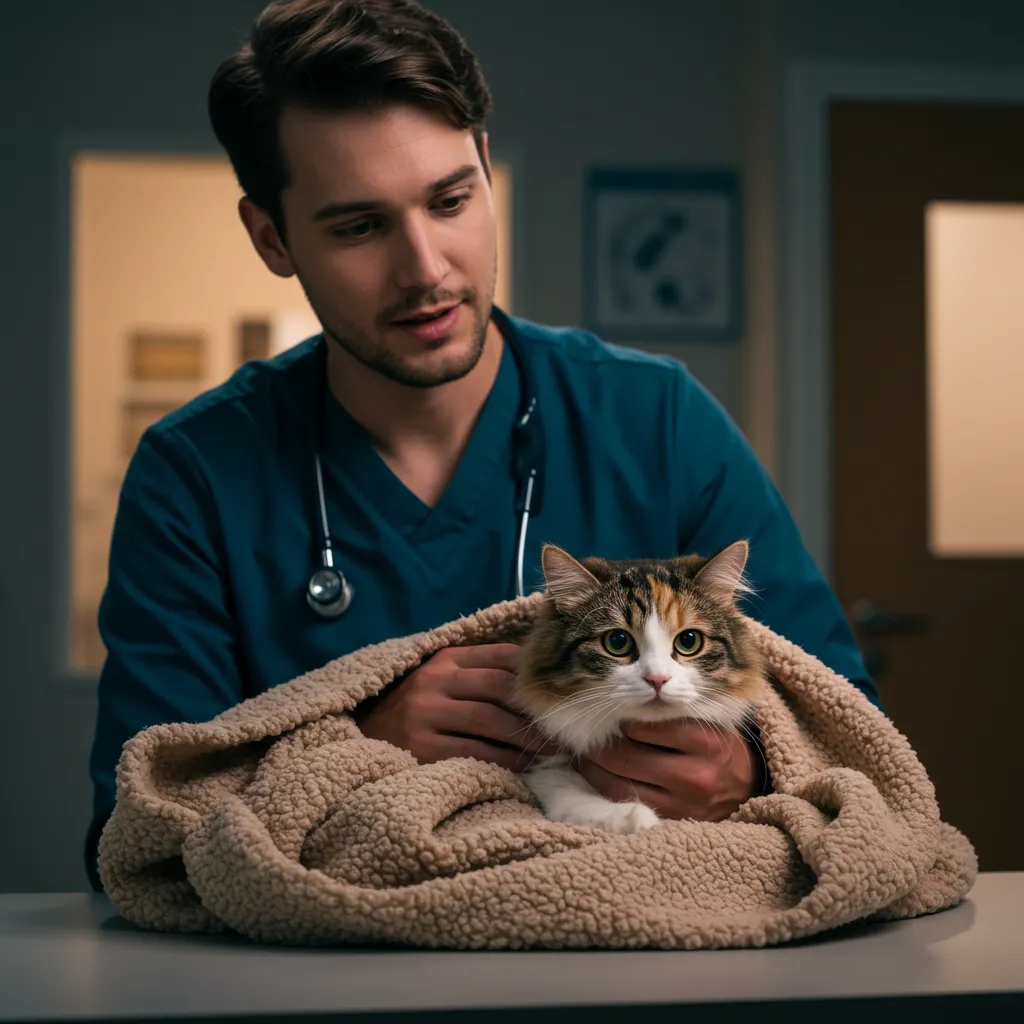
Real-Life Example: When Max, a 5-year-old tabby, vomited brown liquid repeatedly, his owner took him to the vet. An X-ray revealed a string blockage, which was surgically removed, saving Max’s life.
Potential Diagnoses and Treatment Options
Once at the vet, several diagnoses may explain cat throwing up brown liquid 2025 concerns. Here’s what they might find and how it’s treated:
Common Diagnoses
- Gastritis: Treated with anti-nausea meds, dietary changes, or antacids.
- Foreign Body/Blockage: May require surgery or endoscopy to remove the obstruction.
- Inflammatory Bowel Disease (IBD): Managed with steroids, special diets, or probiotics.
- Liver/Kidney Issues: Requires long-term management with medications and dietary adjustments.
- Cancer or Tumors: May involve surgery, chemotherapy, or palliative care.
Treatment Options
- Medications: Anti-emetics (e.g., Cerenia) or antibiotics for infections.
- Dietary Management: Prescription diets like Hill’s i/d for sensitive stomachs.
- Surgery: For blockages or severe cases.
- Supportive Care: IV fluids or hospitalization for dehydration.
| Diagnosis | Treatment | Cost Estimate |
|---|---|---|
| Gastritis | Medications, diet change | $100–$500 |
| Blockage | Surgery/endoscopy | $1,000–$3,000 |
| IBD | Steroids, special diet | $200–$800 |
| Organ Disease | Long-term meds, monitoring | $500–$2,000+ |
Preventing Cat Vomiting: Proactive Cat Health Care
Prevention is better than cure. Here are preventing cat vomiting strategies to keep your feline friend healthy:
1. Optimize Their Diet
- Feed high-quality, vet-approved cat food to avoid digestive upset.
- Avoid human foods, especially toxic ones like chocolate, grapes, or onions.
- Transition to new foods gradually over 7–10 days to prevent stomach upset.
2. Regular Grooming
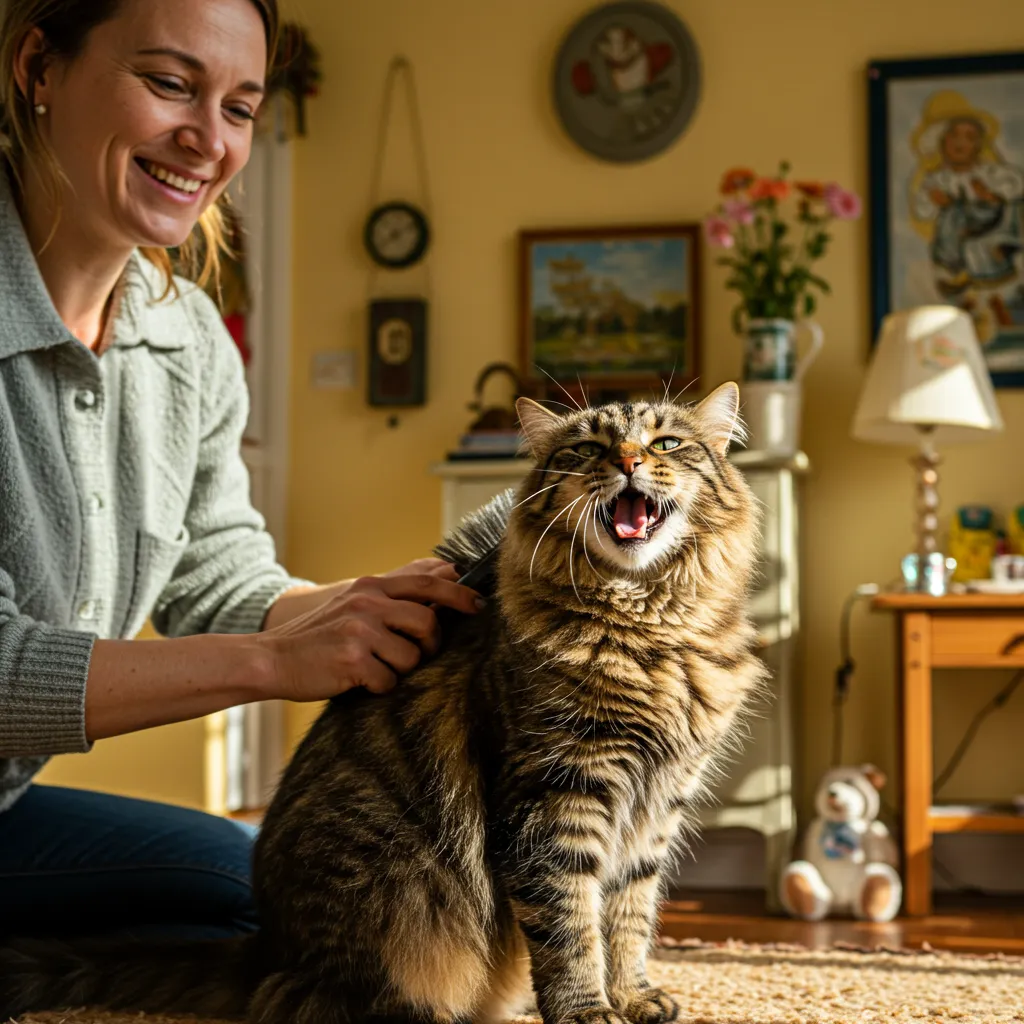
- Brush your cat weekly (daily for long-haired breeds) to reduce hairballs.
- Use hairball-control treats or foods to minimize vomiting.
3. Keep Hazards Out of Reach
- Secure trash cans, strings, and small objects to prevent ingestion.
- Avoid toxic plants like lilies or poinsettias in your home.
4. Routine Veterinary Care
- Schedule annual checkups to catch cat health issues early.
- Keep vaccinations and parasite prevention up to date.
5. Stress Management
- Provide a calm environment with hiding spots and toys.
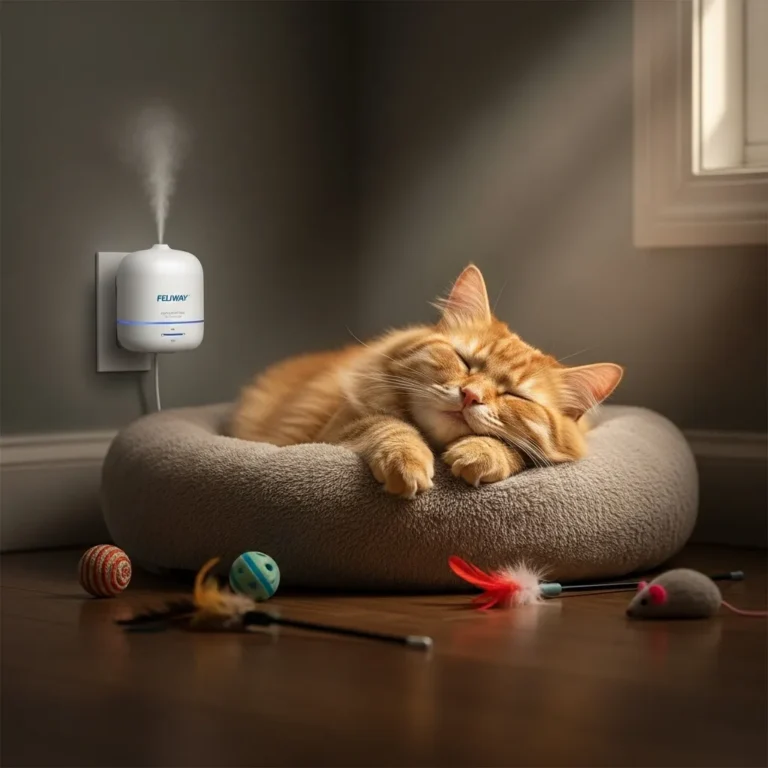
- Use pheromone diffusers like Feliway to reduce stress-related vomiting.
Cat Care Tip: A water fountain can encourage hydration, reducing the risk of cat gastrointestinal problems.
Home Remedies for Sick Cats: Dos and Don’ts
While cat vomiting remedies can help mild cases, proceed with caution. Here’s a quick guide:
Dos
- Offer small amounts of water or electrolyte solutions (vet-approved).
- Feed a bland diet (boiled chicken, rice) after fasting.
- Use vet-recommended hairball remedies.
Don’ts
- Don’t force-feed your cat.
- Avoid human medications like Pepto-Bismol, which are toxic to cats.
- Don’t ignore persistent vomiting or other symptoms.
Conclusion
Cat vomiting brown liquid can be a minor hiccup or a sign of something serious, but with the right knowledge, you can act swiftly to protect your feline friend. From understanding causes of brown vomit in cats like hairballs or blockages to knowing what to do if your cat vomits brown liquid, this guide equips you with everything you need. Monitor your cat closely, try safe cat vomiting treatment at home for mild cases, and never hesitate to seek veterinary care for cats when red flags appear.
FAQs
Why is my cat throwing up brown liquid?
Brown vomit can result from digested blood, hairballs, bile, or dietary issues. Monitor frequency and symptoms, and consult a vet if it persists.
What are the common causes of cat vomiting brown liquid?
Causes include dietary indiscretions, hairballs, gastritis, blockages, or organ disease. Severe cases like cat vomit that looks like coffee grounds may indicate internal bleeding.
What should I do when my cat vomits brown liquid?
Withhold food for 12–24 hours, ensure hydration, and monitor symptoms. Try a bland diet if vomiting stops, but see a vet for persistent issues.
When should I seek veterinary care for my cat’s vomiting?
Seek a vet if vomiting lasts over 24 hours, includes blood, or is paired with lethargy, diarrhea, or refusal to eat.
What potential diagnoses and treatment options are available for cat vomiting brown liquid?
Diagnoses range from gastritis to blockages or organ disease. Treatments include medications, surgery, or dietary changes, depending on the cause.
How can I prevent cat vomiting?
Feed a high-quality diet, groom regularly, remove hazards, and schedule routine vet visits to catch issues early.
Is brown vomit in cats serious?
It can be, especially if it resembles coffee grounds or occurs frequently. Always consult a vet for persistent or severe symptoms.