Free Stray Cat Neutering: Your Complete 2025 Guide to Finding Clinics, Programs, and Safe TNR Support
Every year, millions of stray and feral cats give birth to kittens that struggle to survive on the streets. One unneutered female cat and her offspring can produce more than 100,000 cats in just seven years. The math is brutal, and the suffering is real.
The good news? You can stop that cycle today – often at zero cost. Free stray cat neutering programs exist in almost every state, and they’re easier to access than most people think. This guide walks you through exactly where to find them, how to use them safely, and what happens step by step, so you can make a real difference for community cats in 2025 and beyond.
Key Takeaways (Read This First)
- True zero-cost neutering for stray and feral cats is widely available through Trap-Neuter-Return (TNR) programs.
- Most clinics do NOT require you to own the cat or prove income.
- State-funded and nonprofit programs have expanded dramatically since 2023 – more clinics, shorter wait times.
- The entire process (trap, transport, surgery, recovery, release) usually takes 24-72 hours.
- You do NOT need to adopt the cat – TNR is designed for cats who will live outdoors safely.
Why Neutering Stray Cats Actually Matters More Than You Think
Neutering isn’t just about preventing kittens. It changes everything for the cats already out there.
Unneutered males fight constantly abscesses, FIV transmission, and broken jaws are common. Females go through heat cycles every few weeks, become malnourished from constant pregnancy, and often die young from birth complications or mammary cancer.
After neutering:
- Fighting drops by 90%
- Roaming decreases by 80%
- Yowling and spraying almost disappear
- Lifespan typically doubles
One colony I helped in 2023 went from 47 cats to a stable 18 in two years – all because we focused on free stray cat neutering first.
How to Find Free or Low-Cost Spay/Neuter Clinics Near You in 2025
Start with these three resources. One of them will almost always have appointments.
- ASPCA National Spay/Neuter Database
Type your zip code at aspca.org/pet-care/spay-neuter and filter for “feral/community cat” programs. Most results are truly free. - Feral Friends Network (state-by-state list)
Every state has an official Feral Friends organization that coordinates free TNR. Google “[your state] Feral Friends Network” – they’ll give you clinic dates and sometimes loan traps. - Local Animal Control or Municipal Shelter
Many counties now run state-funded spay/neuter programs specifically for community cats. Call and say “I need TNR appointments for feral cats” – they’ll know exactly what you mean.
Pro tip: Book appointments 4-8 weeks ahead if possible. Spring and summer fill fastest.
Best Free and Low-Cost Neutering Programs Available Right Now
Here’s the current landscape (updated November 2025):
| Program Type | Cost to You | Who Qualifies | Typical Wait Time |
|---|---|---|---|
| State-funded TNR clinics | $0 | Any stray/feral cat | 2-6 weeks |
| ASPCA / PetSmart Charities | $0 | Community cats | 3-10 days in most areas |
| Humane Society partnerships | $0-$20 | Feral or stray | 1-4 weeks |
| Private vet low-cost days | $25-$60 | Anyone (backup option) | Same week |
For the absolute cheapest (free) route, stick to clinics that advertise “TNR packages” or “community cat programs.”

Trap-Neuter-Return (TNR): The Gold Standard for Community Cat Care
TNR is the only method proven to humanely reduce feral cat populations long-term. Here’s how it actually works on the ground.
Step-by-Step TNR Process
- Schedule surgery appointments first (never trap without a confirmed slot).
- Withhold food 12 hours before the appointment (water until morning is fine).
- Trap the evening before or morning of surgery.
- Transport directly to clinic.
- Cats recover overnight at the clinic or in your care.
- Release 24-48 hours later (males can often go home same day).
Most clinics ear-tip every cat (small tip of left ear removed under anesthesia) so everyone knows they’re fixed.
How to Safely Catch a Stray or Feral Cat Without Getting Scratched
You don’t need to be an expert. You just need the right tools and timing.
Best equipment:
- Humane box trap (22-30 inches long)
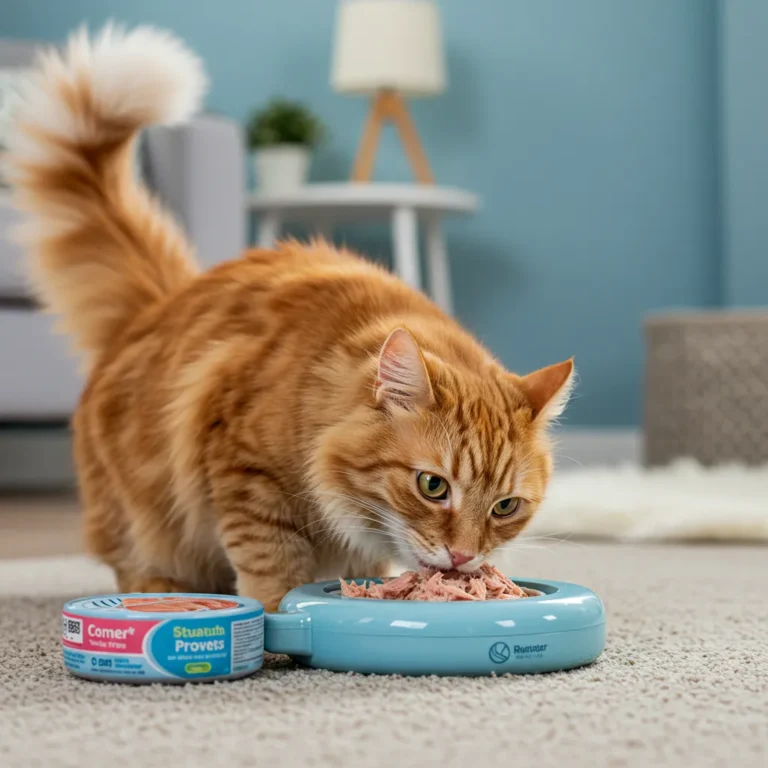
- Can of tuna in water or KFC chicken pieces (yes, really)
- Old sheet or trap cover
- Newspaper for the bottom
Safe catching tips:
- Feed at the same time every day for 3-5 days so cats expect food.
- Place trap in the exact feeding spot.
- Line with newspaper, put smelly bait at the very back.
- Cover trap with a sheet once the cat is inside – they calm down instantly.
- Never stick fingers in the trap.

Transporting Cats to the Clinic (The Part Most People Stress About)
Keep it simple:
- Leave the cat in the trap do NOT transfer to a carrier.
- Cover the trap completely with a sheet or blanket.
- One trap per car seat, secured with seatbelt.
- Crack windows slightly but never leave cats in a parked car.
If you have multiple cats, label each trap with sharpie: name or description + sex if known.
What Actually Happens During Stray Cat Neutering Surgery
The procedure is faster and safer for ferals than for pet cats.
For males:
- Small incision in scrotum
- Testicles removed
- No sutures needed
- Back to normal in 24 hours
For females:
- Small abdominal incision
- Ovaries and uterus removed
- Dissolvable sutures under skin
- Full recovery in 10-14 days (but they act normal after 48 hours)
All cats receive:
- Rabies vaccine
- Ear tip
- Pain medication
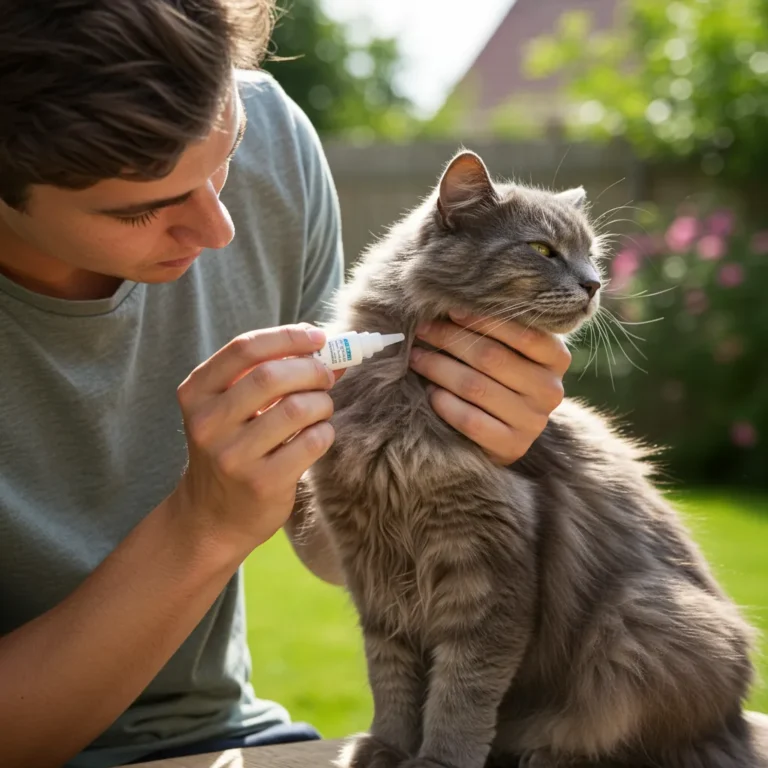
- Sometimes flea treatment
Post-Neutering Care for Community Cats
You have two options:
Option A (Recommended): Clinic holds overnight – you pick up next day ready to release.
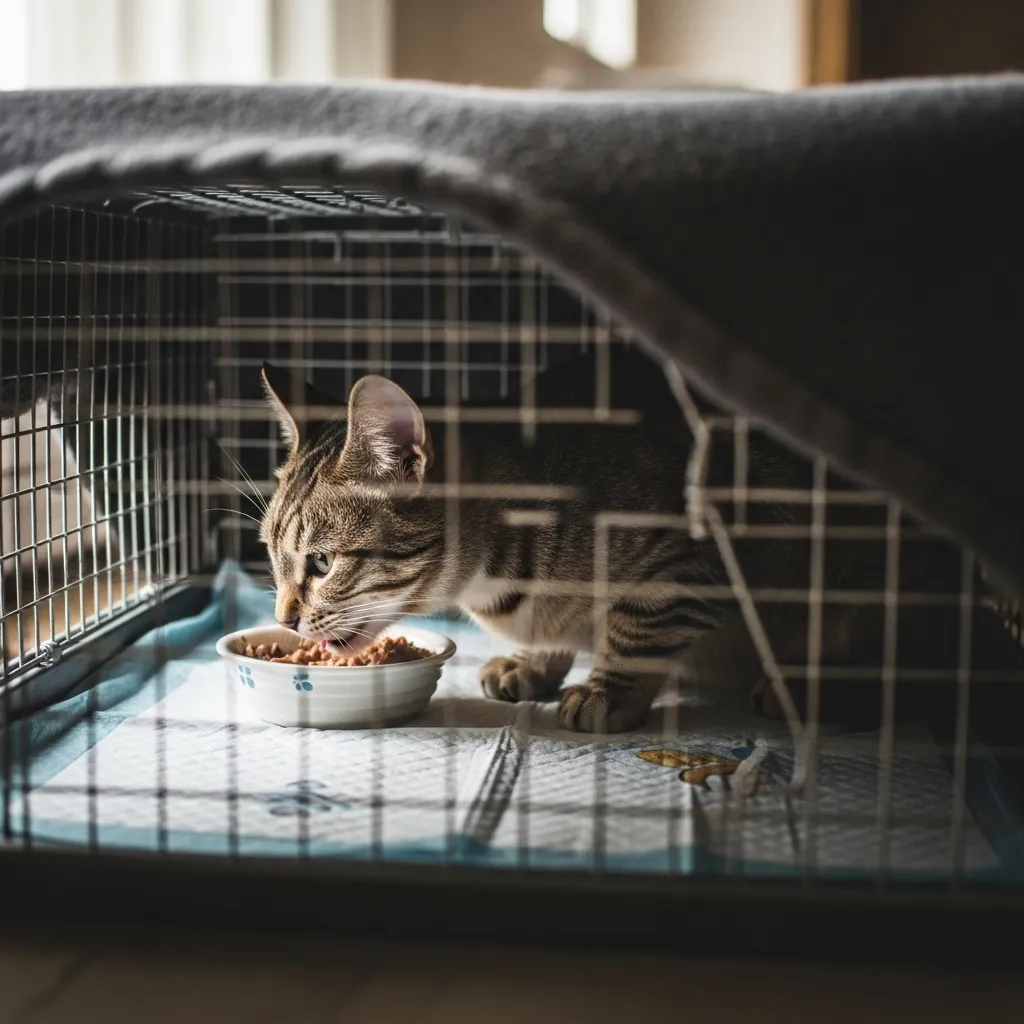
Option B: You provide 24-48 hour recovery space (bathroom, garage, basement).
Recovery space requirements:
- Quiet, warm, dim
- Trap lined with puppy pads or newspaper
- Food and water once fully awake
- No handling unless medically necessary
Release at the exact spot you trapped. Cats know their territory and will be happier outdoors.
What If the Cat Is Friendly? Adoption vs. Return
About 5-10% of “feral” cats turn out to be lost pets or very social once recovered. If the cat is rubbing on the trap and purring, consider fostering and rehoming instead of releasing.
Explore our detailed guide on introducing a stray cat to your home cats if you’re thinking about adoption.
Free Cat Care Resources Beyond Neutering
Many TNR programs also provide:
- Free vaccines
- Free flea/tick treatment
- Free ear mite treatment
- Free deworming
- Emergency medical funds for injured strays
Ask the clinic what extras they include you’ll often be surprised.
FAQ: Your Top Stray Cat Neutering Questions Answered
How can I find free neutering for stray cats near me right now?
Use the ASPCA database, your state’s Feral Friends Network, or call animal control and ask for “community cat program” appointments.
Do I have to prove the cat is mine?
No. TNR programs are specifically for unowned community cats.
Is it safe to neuter very young kittens?
Yes – many clinics neuter as early as 8 weeks or 2 pounds.
What if the cat is pregnant?
Most clinics will still spay (it’s the most humane option for overpopulated areas).
Can I neuter just one cat from a colony?
Yes, but every cat you fix helps. Start with the friendliest or most injured first if you can’t do them all at once.
How soon can a cat be released after surgery?
Males: same day or next morning. Females: 24-48 hours.
Will the cat hate me after I trap them?
Almost never. Cats associate the trap with food, not with you personally.
Final Thought
Every cat you get neutered for free this year prevents dozens sometimes hundreds of kittens from being born into hardship. That’s real impact you can see in your own neighborhood within months.
Start with one cat. Then another. Colonies stabilize, fighting stops, and the cats you’re helping live longer, healthier lives outdoors.
Ready for more ways to help cats in your community? Explore our guides on feeding community cats safely, building winter shelters, and recognizing sick or injured strays that need extra help.
You’ve got this and the cats are already better off because you cared enough to look for answers.