Why Is My Cat So Big But Not Fat? Unraveling the Mystery of Feline Size and Health
Have you ever looked at your cat lounging on the couch, marveling at their impressive size, only to wonder, “Why is my cat so big but not fat?” It’s a common puzzle for cat owners your furry friend tips the scales higher than expected, yet they don’t have that telltale wobbly belly or sluggish vibe.
Maybe they’re bounding around the house like a mini panther, or perhaps they’re just built like a tank. The good news? Not all big cats are overweight. In fact, factors like breed, genetics, muscle mass, and even that quirky primordial pouch can make your cat appear hefty without any excess fat sneaking in.
But here’s the catch: distinguishing between a healthy, robust build and the early signs of obesity isn’t always straightforward. Ignoring it could lead to health issues down the line, while overreacting might stress you both out unnecessarily. That’s why this article dives deep into the world of feline body composition, offering expert insights, practical tips, and real-world examples to help you assess and maintain your cat’s ideal shape.
Drawing from veterinary guidelines, breed specifics, and the latest on cat health (as of 2025), we’ll equip you with everything you need to ensure your cat stays fit, happy, and thriving. Let’s get into it—your cat’s well-being starts with understanding their unique body.
Understanding Your Cat’s Body Composition: Muscle vs. Fat
Before we jump into why your cat might be packing some serious size without the fluff, let’s break down what “body composition” really means for felines. It’s not just about the number on the scale; it’s the mix of muscle, fat, bones, and organs that make up their physique.
What Is Feline Body Composition?
Feline body composition refers to how your cat’s weight is distributed—think lean muscle versus fat stores. Unlike humans, cats are obligate carnivores, so their bodies are wired for a high-protein diet that supports muscle maintenance rather than fat accumulation. A healthy cat should have a balanced ratio where muscle dominates, providing strength for those acrobatic leaps and playful pounces.
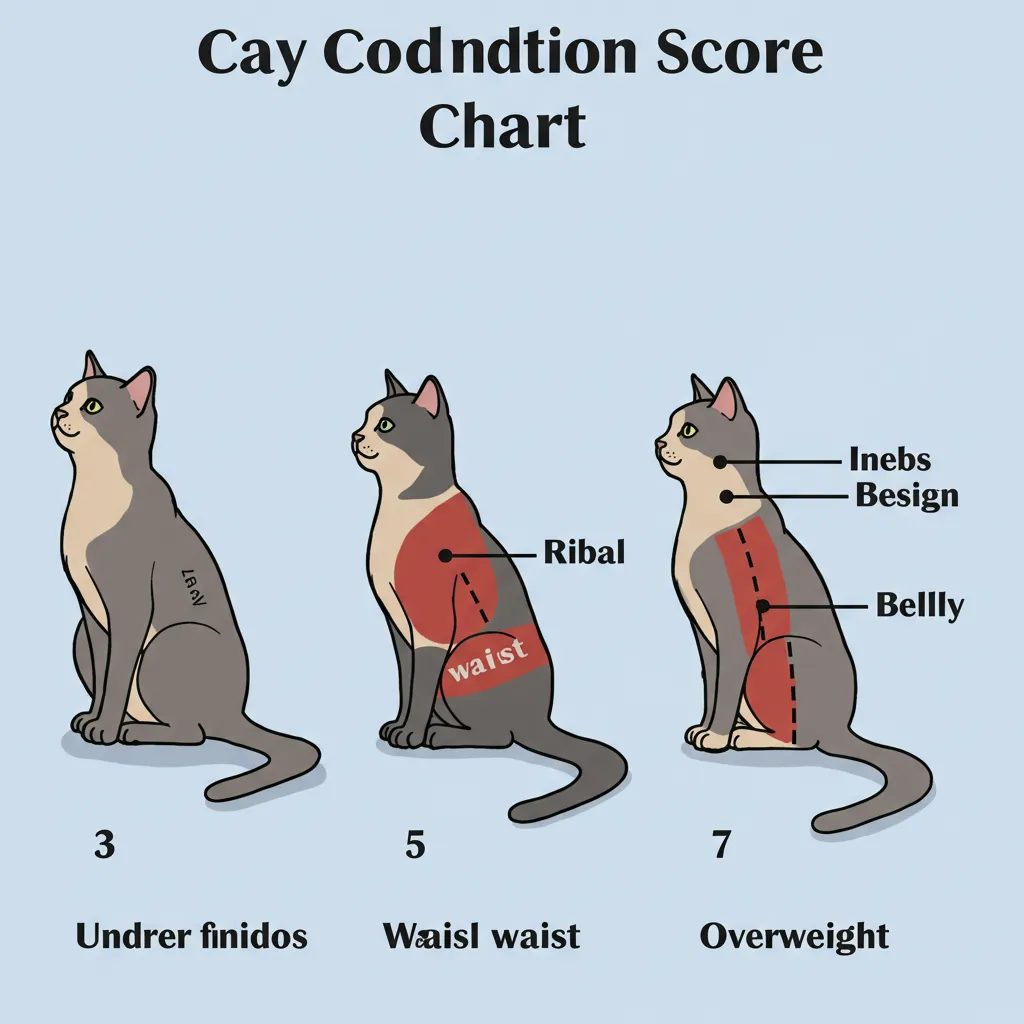
For instance, imagine a wild cat ancestor: sleek, muscular, and built for survival. Domestic cats inherit this, but lifestyle changes—like indoor living—can shift the balance. Tools like the Body Condition Score (BCS) help evaluate this. On a 1-9 scale, 5 is ideal: ribs palpable with minimal fat, a visible waist, and no sagging belly.
Experts from the Association for Pet Obesity Prevention emphasize that BCS is more reliable than weight alone, as it accounts for individual variations.
The Role of Genetics in Cat Size
Genetics play a starring role in why some cats are naturally larger. Certain breeds carry genes for bigger frames and more muscle, leading to that “big cat but not overweight” look. Take the Maine Coon, often called the “gentle giant” males can weigh 15-25 pounds purely from bone structure and muscle, not fat.
Other genetic quirks include the primordial pouch, that loose skin flap under the belly. It’s not fat; it’s an evolutionary leftover for flexibility and protection during fights or stretches. As one vet site explains, it’s common in breeds like Bengals and can make even slim cats look pudgy from certain angles. If your cat’s pouch sways but their ribs are easily felt, they’re likely just genetically gifted (or “cursed,” depending on your furniture’s claw resistance).
Real-life example: A Reddit user shared their 3-year-old rescue cat weighing in at a muscular 18 pounds, baffling vets until a DNA test revealed Maine Coon heritage. Genetics isn’t destiny, though—pair it with diet and activity for optimal health.
Big Cat But Not Overweight: Muscular Cat Breeds and Builds
Not all hefty cats are heading for the diet aisle. Some are just born buff. Let’s explore breeds that embody the “why is my cat so heavy” vibe without the obesity risks.
Top Muscular Cat Breeds That Are Naturally Large
If your cat resembles a small lion more than a lap pet, they might hail from one of these muscular breeds:
- Maine Coon: Kings of size, with males averaging 13-18 pounds (up to 25 for some). Their long, sturdy bodies and thick fur hide dense muscle.
- Savannah: Hybrid vigor from serval ancestry means lean, athletic builds up to 20 pounds.
- Bengal: Wild looks with muscular frames; 10-15 pounds of pure energy.
- Chartreux: Stocky and strong, 10-15 pounds, often described as “potato on toothpicks” but all muscle underneath.
- Ragdoll: Large and relaxed, 12-20 pounds, with a solid, non-flabby feel.
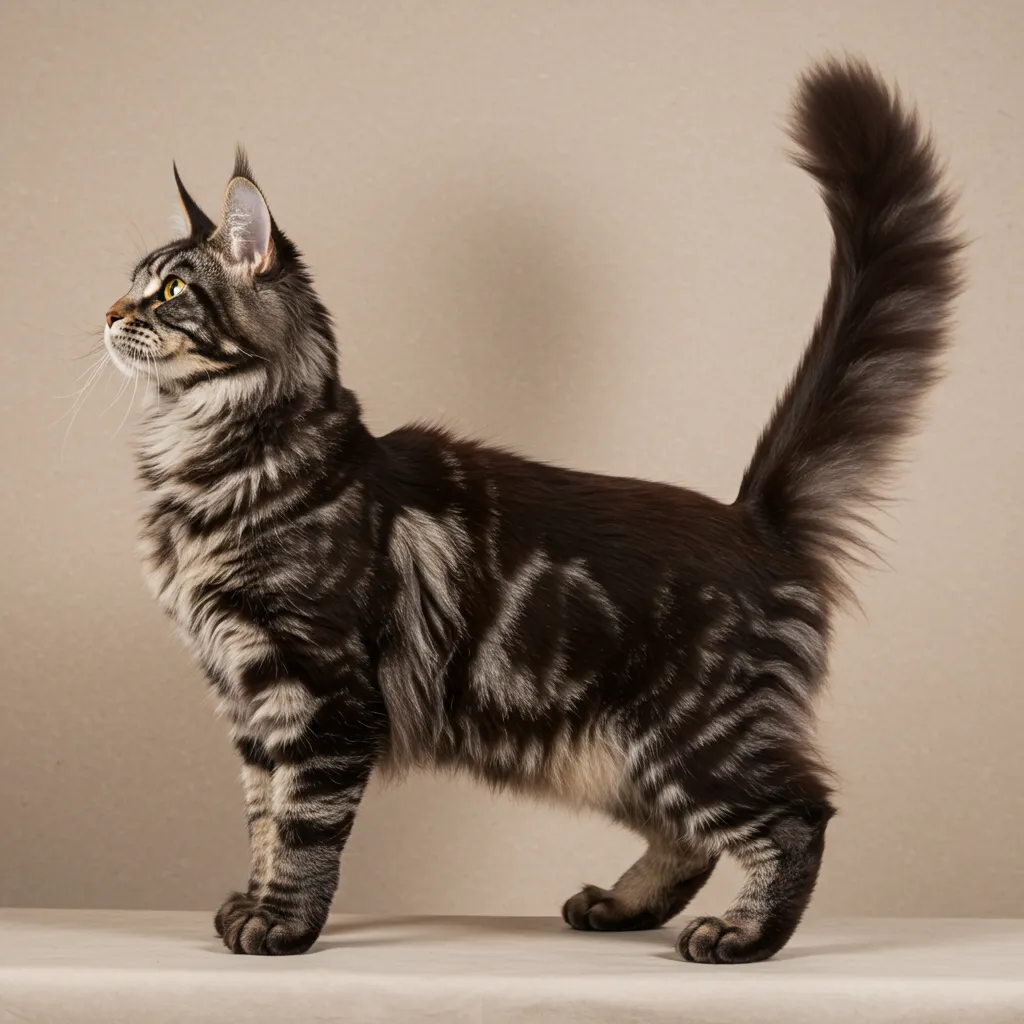
These breeds often exceed standard “healthy weight for cats” charts (8-12 pounds for domestics), so breed-specific norms are key. A 2025 update from Pawlicy Advisor notes Maine Coons can healthily hit 11 kg without issues.
How to Tell If Your Cat Is Muscular or Overweight
Confused? Use this quick checklist:
- Feel the ribs: Run your hands along their sides—ribs should be palpable like the back of your hand, not buried under fat.
- Check the waist: From above, a defined tuck behind the ribs indicates muscle over flab.
- Weigh and measure: Compare to breed charts (see below table).
- Activity level: Muscular cats are agile; overweight ones tire quickly.
If unsure, consult a vet for a BCS assessment. One X user described their “swol” tabby as all muscle from protein-rich meals, echoing wild cat builds.
Cat Healthy Weight: Factors That Influence It
What’s “normal” for one cat might be off for another. Let’s unpack the elements shaping healthy weight for cats.
Breed-Specific Weight Charts for 2025
No one-size-fits-all here. Here’s a updated cat weight chart based on recent veterinary data:
| Breed | Average Healthy Weight (lbs) | Notes |
|---|---|---|
| Domestic Shorthair | 8-12 | Standard for mixed breeds |
| Maine Coon | 13-25 (males), 8-12 (females) | Larger frames require more calories |
| Bengal | 10-15 | Muscular, active |
| Siamese | 5-10 | Lean and slender |
| Persian | 7-12 | Prone to obesity if inactive |
| Ragdoll | 12-20 | Solid build, monitor portions |
Sources like Pet Obesity Prevention provide ideal ranges, stressing BCS over pounds. For 2025, factors like improved nutrition have slightly upped averages for hybrids.
Age, Gender, and Lifestyle Impacts
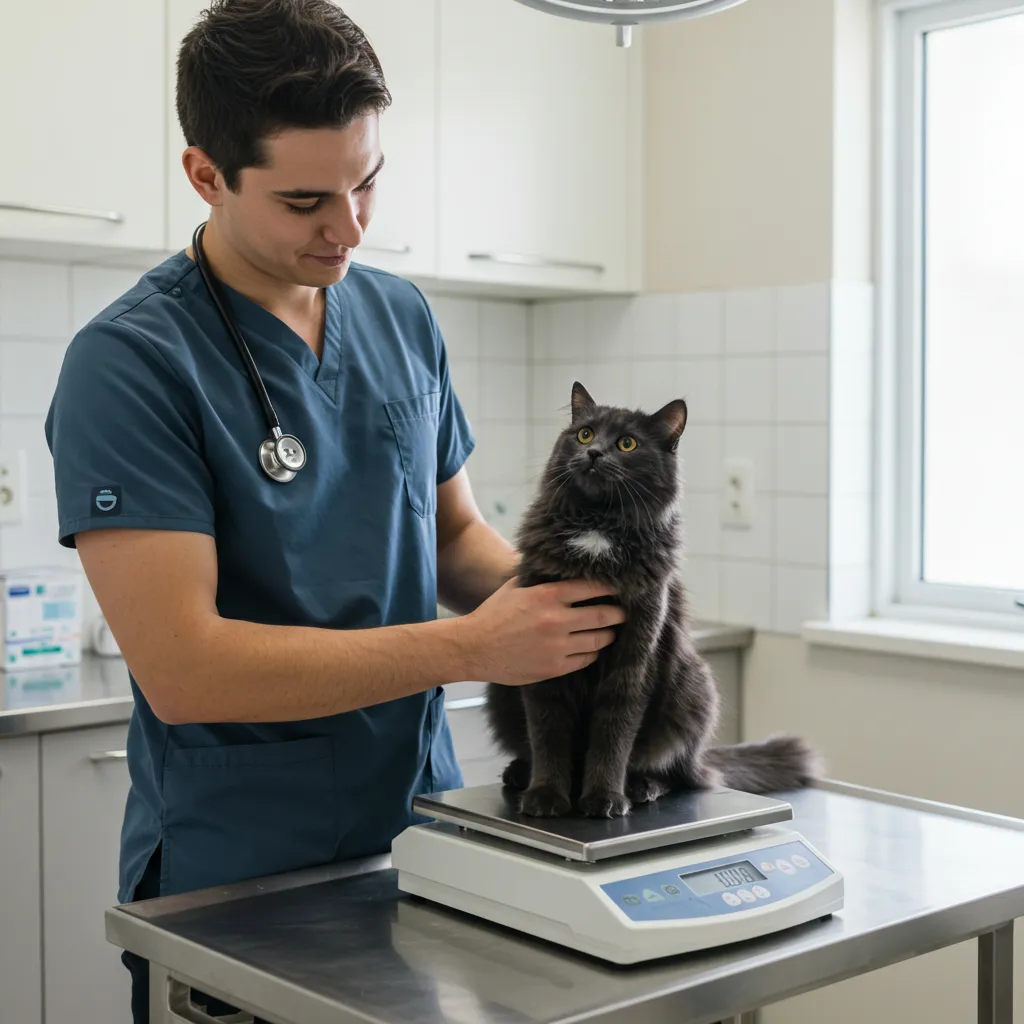
Kittens grow fast, peaking at 1 year, while seniors (7+) may lose muscle if not active. Males tend to be 10-20% heavier than females. Indoor cats risk weight gain from less exercise—aim for 20-30 minutes of play daily. Neutering can slow metabolism, so adjust portions post-surgery.
Example: A spayed indoor female might need 200-250 calories/day, versus 300 for an active male.
Overweight Cat Signs: How to Spot Obesity Early
Spotting overweight cat signs early prevents bigger problems. Don’t wait for the “fat cat” stereotype.
Visual Cues and Physical Checks
Look for:
- No visible waist from above.
- Sagging belly (beyond primordial pouch).
- Difficulty grooming rear areas.
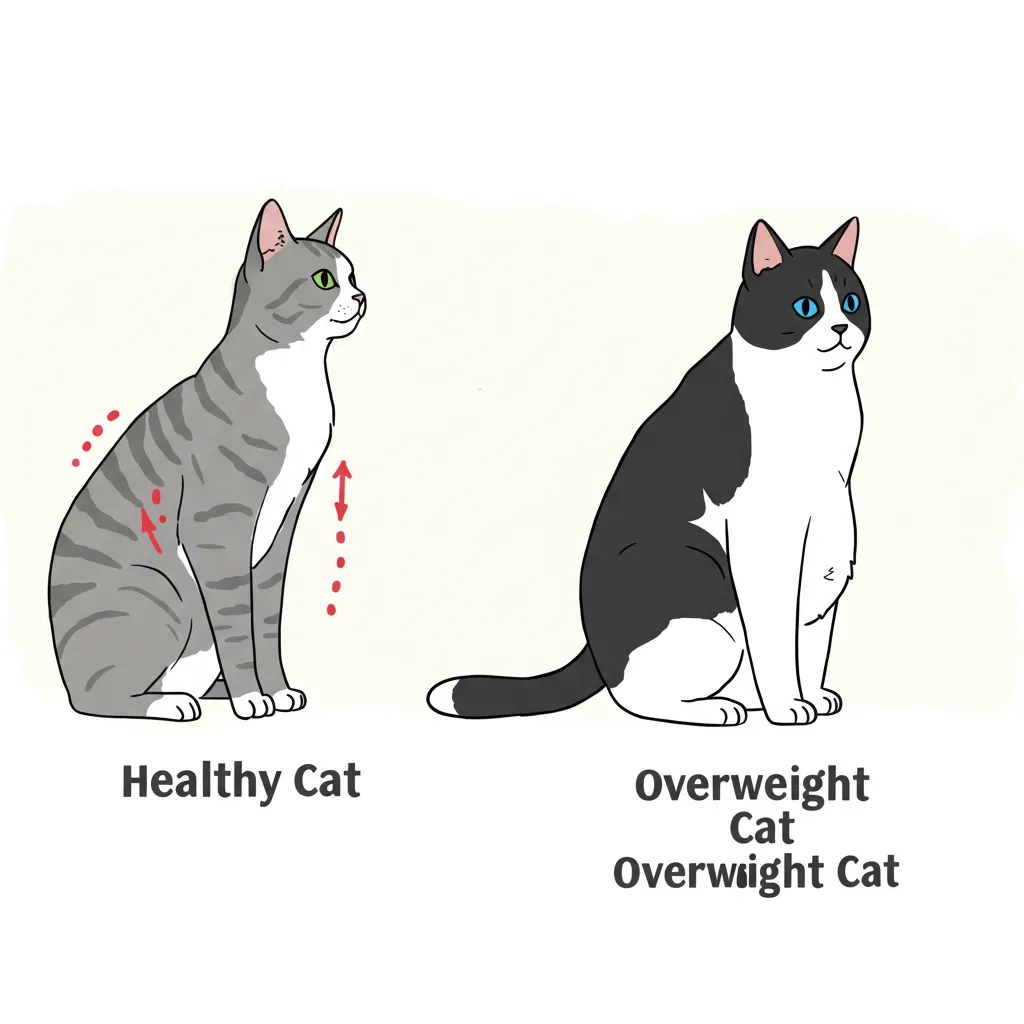
Physically: If ribs feel like knuckles (too thin) or buried under padding (too fat), adjust. A pronounced tummy pouch that’s firm might be muscle, but soft? Fat alert.
Behavioral Changes Indicating Weight Issues
Overweight cats may:
- Breathe heavily after minimal play.
- Avoid jumping or stairs.
- Show lethargy or irritability.
One sign: Collar loosening? No—needing to loosen it means expanding girth.
Cat Weight Gain Causes: Why Cats Pack on Pounds
Understanding cat weight gain causes helps prevent it.
Diet-Related Factors
Overfeeding, especially dry kibble high in carbs, is culprit #1. Cats thrive on protein/fat, not grains—excess leads to fat storage. Free-feeding indoors? Recipe for gain.
Health Conditions and Medications
Hypothyroidism, diabetes, or steroids can pack pounds. Post-neutering hormonal shifts slow metabolism. Rule out with vet bloodwork.
Cat Obesity Prevention: Keeping Your Feline Fit
Prevention beats cure in cat obesity prevention.
Daily Habits for Maintaining Healthy Weight
- Measure meals: Use scales for portions.
- Interactive toys: Laser pointers for exercise.
- High-protein diet: Wet food over dry.
Pros of prevention: Longer life, fewer vet bills. Cons: Initial resistance to changes.
The Importance of Regular Vet Check-Ups
Annual BCS checks catch issues early. Vets can tailor plans.
How to Manage Cat Weight: Step-by-Step Guide
Ready for action? Here’s how to manage your cat’s weight.
Creating a Weight Management Plan
- Vet consult: Get baseline BCS.
- Calorie calculation: 20-30 kcal/lb ideal weight.
- Gradual changes: Reduce food 10-20% weekly.
Cat Diet and Fitness Tips
- Switch to weight-control formulas.
- Puzzle feeders slow eating.
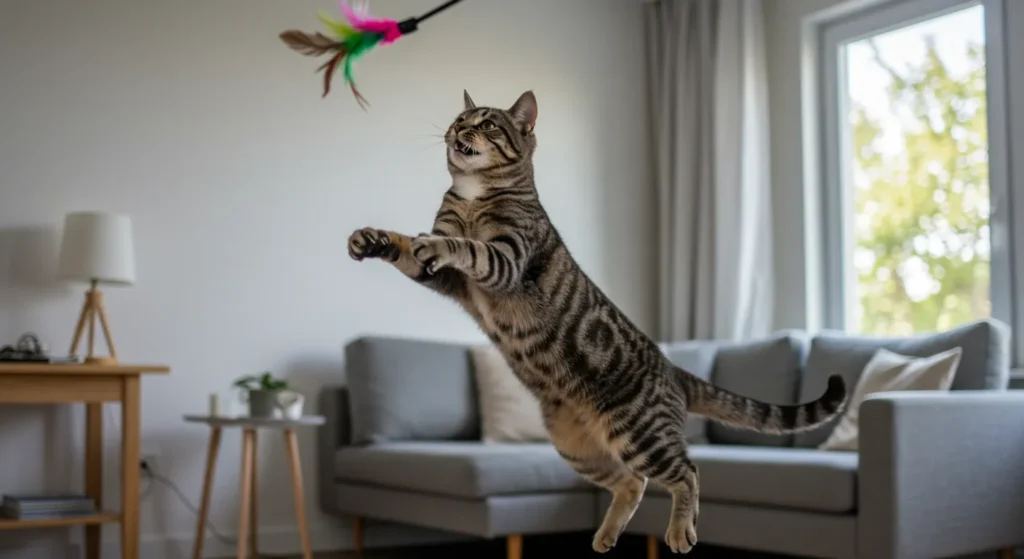
- Daily play: 15-20 mins with wands.
Example: One owner switched their Bengal to raw protein, dropping 2 pounds while building muscle.
Monitoring Progress and Adjusting
Weigh monthly, adjust as needed. Track energy levels.
Benefits of Managing Your Cat’s Weight
Health Advantages
Reduces risks of diabetes, arthritis, heart disease. Lean cats live 2-3 years longer.
Improved Quality of Life
More play, better mood, stronger bonds.
Conclusion
So, why is my cat so big but not fat? It could be genetics, breed, or pure muscle— but always verify with BCS and vet input. By understanding cat body condition, spotting overweight cat signs, and implementing cat obesity prevention strategies, you’ll keep your feline at a healthy weight for cats. Remember, managing overweight cats isn’t about restriction; it’s about balance for a vibrant life.
FAQ
Why is my cat so big but not fat?
Your cat might be naturally large due to breed (e.g., Maine Coon), muscle mass, or genetics like the primordial pouch. Use BCS to confirm they’re not overweight.
How can I manage my cat’s weight?
Start with vet-approved calorie reduction, high-protein diet, measured portions, and daily exercise. Monitor with monthly weigh-ins.
What are the signs of obesity in cats?
Look for hidden ribs, sagging belly, lethargy, heavy breathing, and difficulty jumping. Behavioral changes like reduced grooming are red flags.
How can I determine my cat’s healthy weight?
Refer to breed-specific charts (8-12 lbs for most domestics) and BCS (ideal 5/9). Factors like age and activity influence it.
What are the effects of weight gain on cats?
Excess weight leads to diabetes, arthritis, heart issues, and shorter lifespan. It strains joints and organs.
How can I prevent cat obesity?
Prevent with portion control, interactive play, wet food diets, and avoiding free-feeding. Regular vet visits help maintain cat healthy weight.