Why Is My Cat Peeing Everywhere? Expert Solutions for Inappropriate Urination
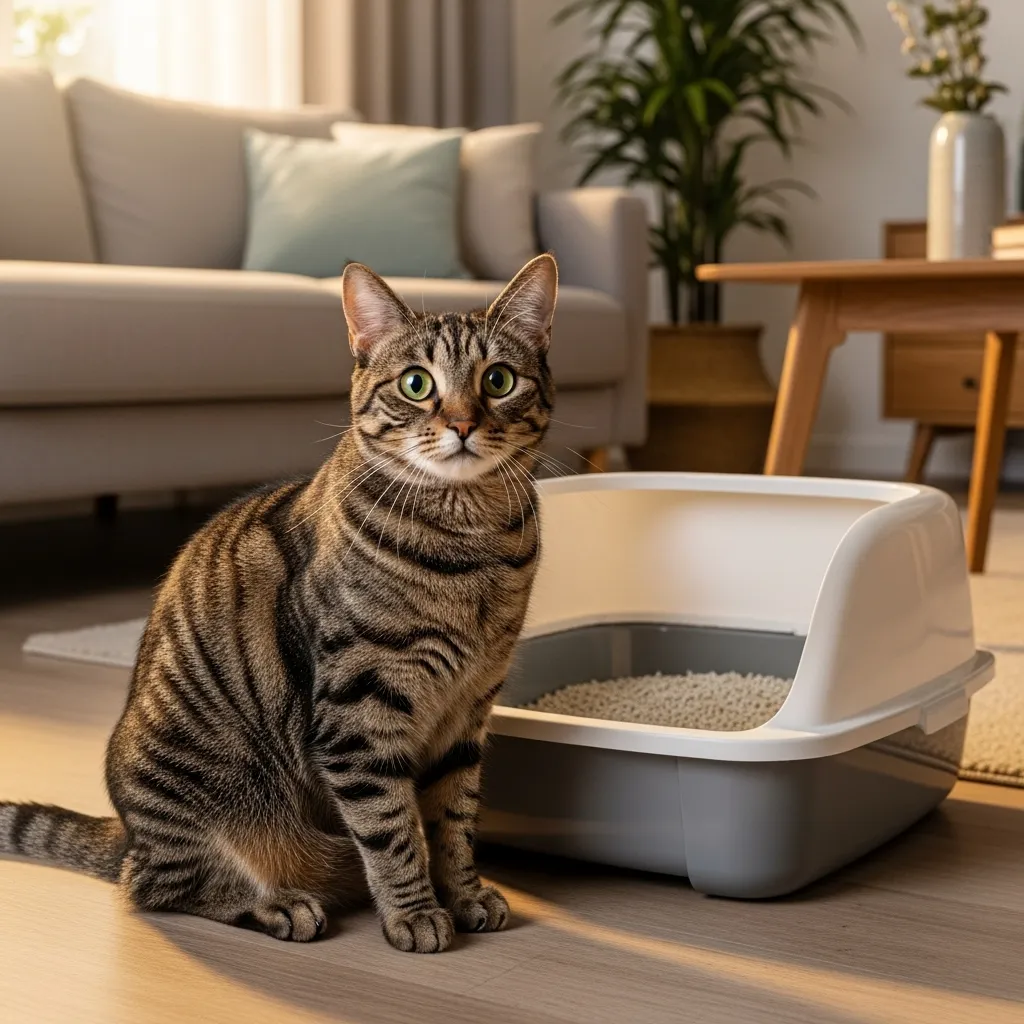
Discovering your cat peeing outside the litter box can be frustrating and worrying. Whether it’s a puddle on your bed, a damp spot on the carpet, or a surprise on your favorite rug, inappropriate urination in cats is a common issue that signals something’s off physically, emotionally, or environmentally.
At Cat Bloom Haven, we understand how stressful this can be, and we’re here to help you pinpoint why your cat is peeing everywhere and offer vet-approved solutions to stop it. In this comprehensive guide, you’ll learn the causes of feline urinary issues, practical steps to address them, and how to create a happier, healthier home for your cat.
Key Takeaways
- Medical Issues: Cat urinary tract infections (UTIs), bladder stones, or other health problems can cause inappropriate urination.
- Behavioral Triggers: Stress, anxiety, or territorial marking often lead to cats peeing outside the litter box.
- Litter Box Problems: Poor maintenance, wrong litter type, or bad placement can result in litter box aversion.
- Solutions: Veterinary checkups, stress management, and proper litter box setup are key to resolving feline urination problems.
- Prevention: Regular vet visits, environmental enrichment, and consistent litter box hygiene can prevent future issues.
Explore our detailed guide to understand the root causes and actionable fixes for your cat’s peeing behavior.
Understanding Why Cats Pee Outside the Litter Box
When your cat starts peeing everywhere, it’s their way of communicating that something’s wrong. Cats are creatures of habit, and deviations like urinating on your bed or carpet often point to medical, behavioral, or environmental issues. Let’s break down the main reasons behind inappropriate urination in cats.
Medical Causes of Cat Urination Problems
Health issues are often the first culprit when a cat stops using the litter box. Feline urinary issues can range from mild to serious, and a vet visit is critical to rule them out. Common medical causes include:
- Cat Urinary Tract Infection (UTI): A UTI causes pain and urgency, making it hard for cats to reach the litter box in time. Symptoms include frequent urination, straining, or blood in the urine.
- Bladder Stones or Crystals: These can irritate the bladder, leading to discomfort and accidents. Male cats, especially neutered ones, are more prone to these issues.
- Kidney Disease: Common in older cats, kidney issues can increase urination frequency or cause discomfort.
- Diabetes or Hyperthyroidism: These conditions can lead to excessive urination, overwhelming the litter box routine.
- Pain or Mobility Issues: Arthritis or injuries may make it hard for cats to climb into high-sided litter boxes.
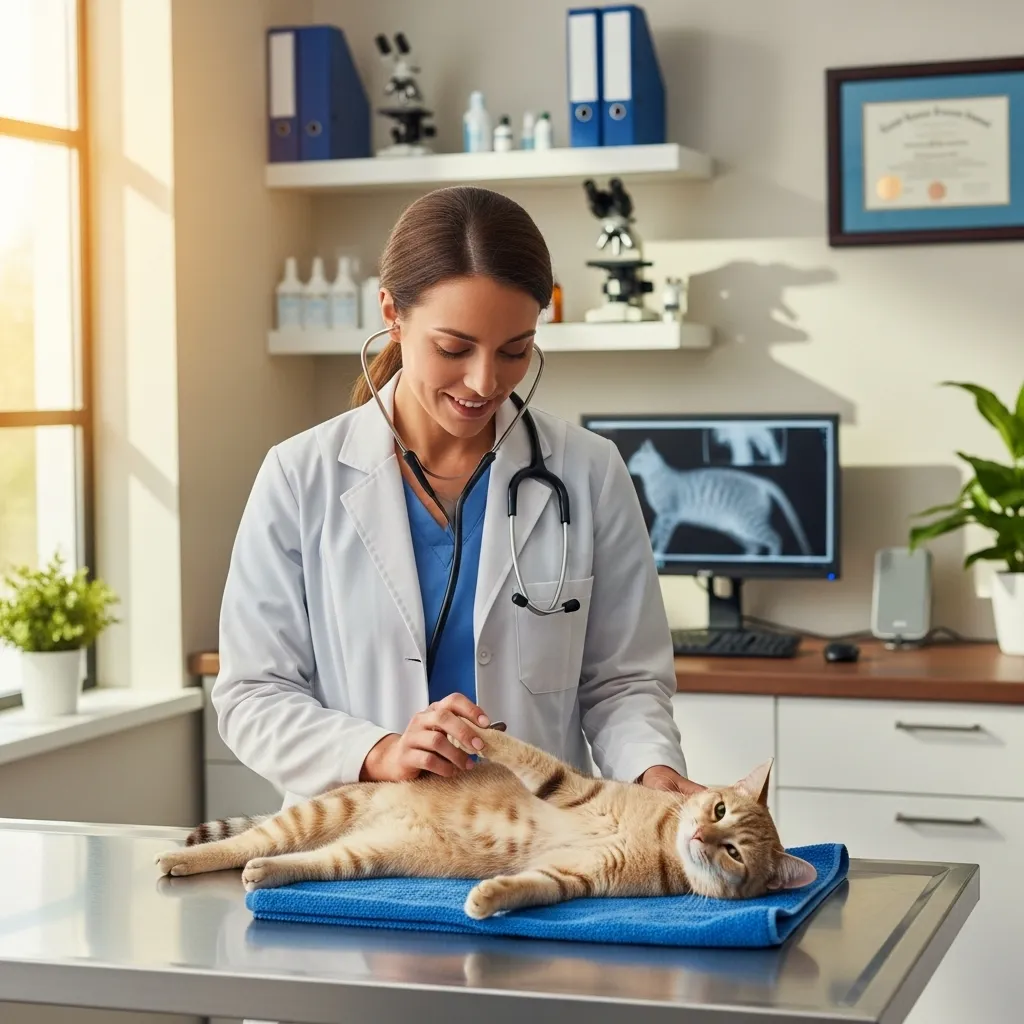
Vet Tip: If your cat shows signs like straining, vocalizing while urinating, or blood in the urine, schedule a vet visit immediately. Learn more about finding the best vet for your cat.
Behavioral Causes: Stress, Anxiety, and Marking
If medical issues are ruled out, your cat’s peeing behavior might stem from emotional or instinctual triggers. Cats are sensitive creatures, and changes in their environment can lead to stress-induced urination or territorial marking.
- Stress in Cats: New pets, moving homes, or loud noises can cause cat anxiety and peeing. For example, a new baby or construction work might stress your cat into urinating outside the box.
- Cat Marking Behavior: Unneutered males and females often spray to mark territory, but even neutered cats may mark if they feel threatened. Why is my neutered cat peeing everywhere? could provide more insight.
- Litter Box Aversion: If the litter box feels unsafe or uncomfortable, your cat may avoid it altogether.
Real-Life Example: Sarah, a cat owner, noticed her Siamese started peeing on the couch after a new dog joined the household. By addressing the stress and introducing gradual pet introductions, the behavior stopped. Discover tips for introducing cats to dogs.
Environmental and Litter Box Issues
Sometimes, the problem lies with the litter box itself. Cats are picky about their bathroom setup, and small issues can lead to big problems. Common culprits include:
- Poor Litter Box Maintenance: A dirty box can drive cats away. Scoop daily and clean the box weekly.
- Wrong Litter Type: Some cats dislike certain textures, like clumping vs. non-clumping litter. Explore the best litter for cats that pee outside the box.
- Bad Placement: A litter box in a noisy or high-traffic area can feel unsafe. Cats prefer quiet, private spots.
- Not Enough Boxes: The rule is one litter box per cat, plus one extra. In multi-cat homes, competition can cause avoidance.
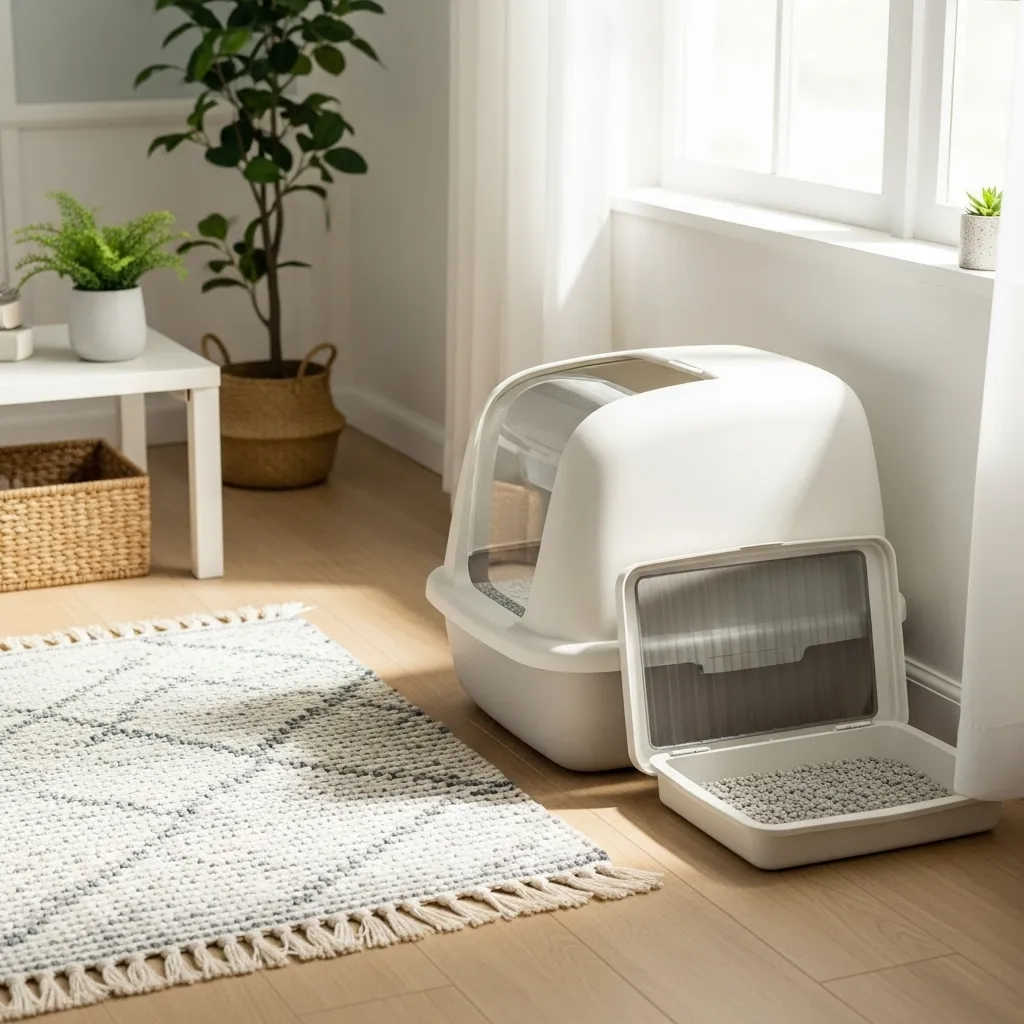
Pro Tip: Experiment with litter types and box styles. Some cats prefer open boxes, while others like covered ones for privacy. Check out our cat litter box placement tips.
How to Stop Your Cat from Peeing Everywhere
Now that you know the potential causes, let’s dive into actionable solutions to address cat peeing behavior. These vet-backed strategies focus on medical, behavioral, and environmental fixes to restore harmony in your home.
Step 1: Rule Out Medical Issues with a Vet Visit
Your first stop should be the veterinarian to check for feline urinary issues. Here’s what to expect:
- Urinalysis and Bloodwork: Tests to diagnose UTIs, kidney issues, or diabetes.
- Imaging: X-rays or ultrasounds to check for bladder stones or blockages.
- Treatment Plans: Antibiotics for UTIs, dietary changes for crystals, or pain relief for arthritis.
Natural Remedies for Cat UTI: While vet care is essential, some owners supplement with cranberry extract or increased water intake to support urinary health. Always consult your vet before trying remedies. Learn more about cat urinary health.
Step 2: Optimize the Litter Box Setup
A cat-friendly litter box setup can make all the difference. Follow these tips to eliminate litter box aversion:
- Clean Regularly: Scoop daily, deep-clean weekly, and replace litter monthly.
- Choose the Right Litter: Test different types (clumping, crystal, or natural) to find your cat’s preference.
- Strategic Placement: Place boxes in quiet, accessible areas away from food and water bowls.
- Multiple Boxes: Ensure enough boxes for multi-cat homes, ideally in different locations.
Table: Ideal Litter Box Setup
| Aspect | Recommendation |
|---|---|
| Number of Boxes | 1 per cat + 1 extra |
| Location | Quiet, low-traffic, accessible |
| Litter Type | Unscented, clumping, or natural (test options) |
| Cleaning Frequency | Scoop daily, deep-clean weekly |
| Box Type | Open or covered, based on cat preference |
Discover more litter box tips.
Step 3: Address Stress and Anxiety in Cats
Feline stress management is crucial for stopping inappropriate urination. Here’s how to create a calm environment:
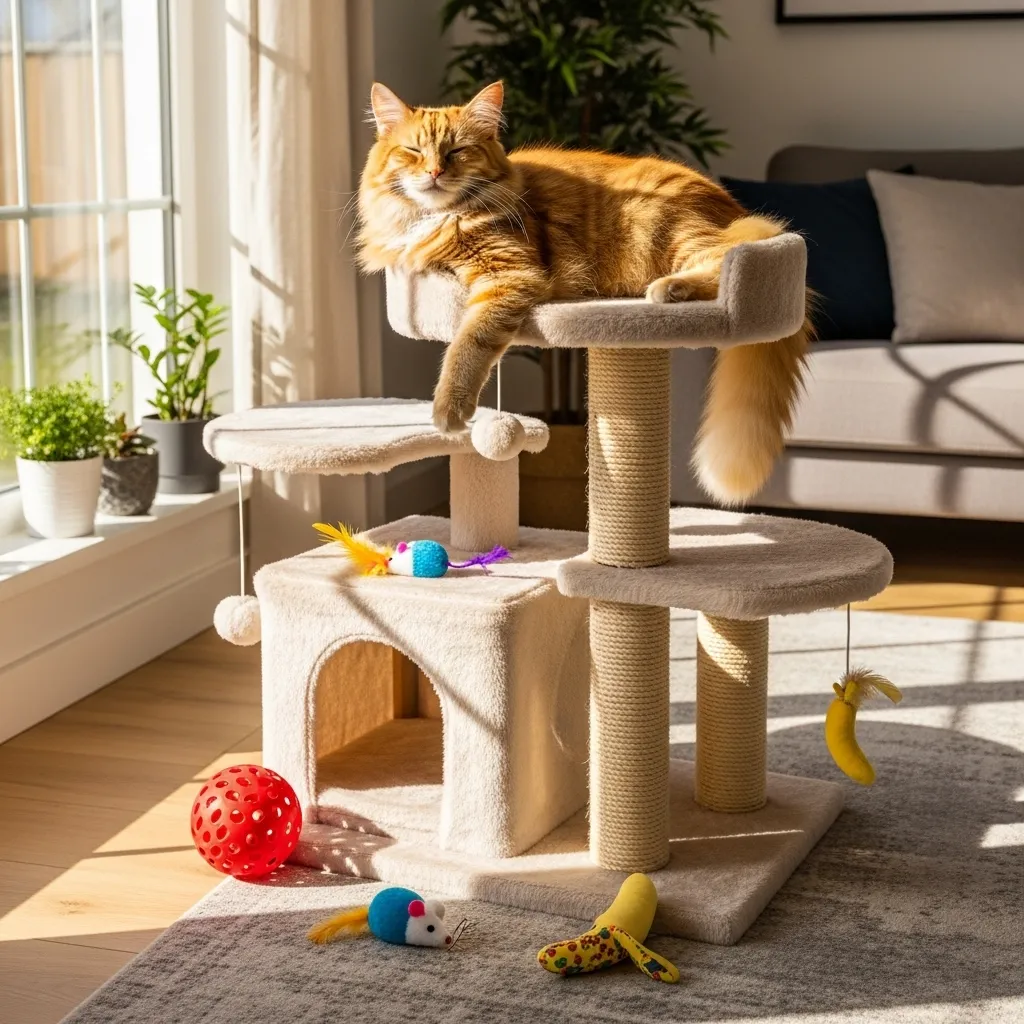
- Environmental Enrichment: Provide scratching posts, climbing trees, and interactive toys. Learn about environmental enrichment for indoor cats.
- Pheromone Sprays: Products like Feliway mimic calming cat pheromones to reduce stress. Explore cat pheromone sprays for marking.
- Routine Stability: Keep feeding and playtime consistent to reduce anxiety.
- Safe Spaces: Create quiet areas where your cat can retreat, like a cozy bed or perch.
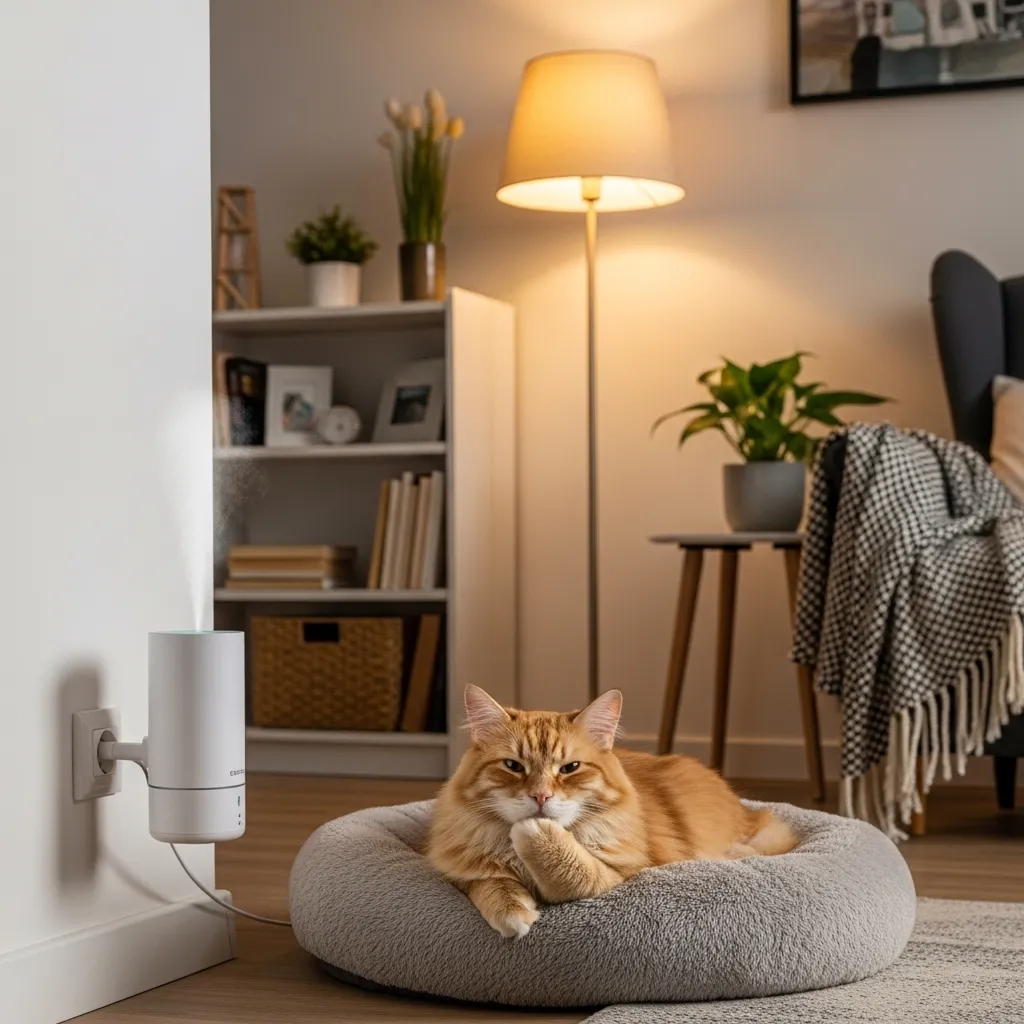
Case Study: Max, a Bengal cat, stopped peeing on the carpet after his owner added a cat tree and used a pheromone diffuser during a home renovation. Read more about Bengal cat behavior.
Step 4: Manage Territorial Marking
If your cat is marking (spraying small amounts on vertical surfaces), it’s often about territory. Here’s how to curb it:
- Spay/Neuter: Unaltered cats are more likely to mark. Neutering reduces this behavior in 90% of cases. Learn about neutering changes.
- Reduce Triggers: Minimize competition by separating cats’ resources (food, water, litter boxes).
- Clean Marked Areas: Use enzymatic cleaners to remove urine odor, preventing re-marking.
Step 5: Monitor and Adjust
Track your cat’s progress after implementing changes. If the peeing persists, revisit the vet or consult a feline behaviorist. Keep a journal of when and where the accidents occur to identify patterns.
Preventing Future Cat Urination Problems
Prevention is easier than correction. Here’s how to keep your cat using the litter box consistently:
- Regular Vet Checkups: Annual exams catch health issues early. Learn about cat vet visits.
- Consistent Litter Box Maintenance: Stick to a cleaning schedule and monitor litter preferences.
- Stress Management: Maintain a stable environment and watch for signs of anxiety. Explore our feline stress management guide.
- Diet and Hydration: Feed high-quality, wet food to support urinary health. Check out our guide to choosing cat food.
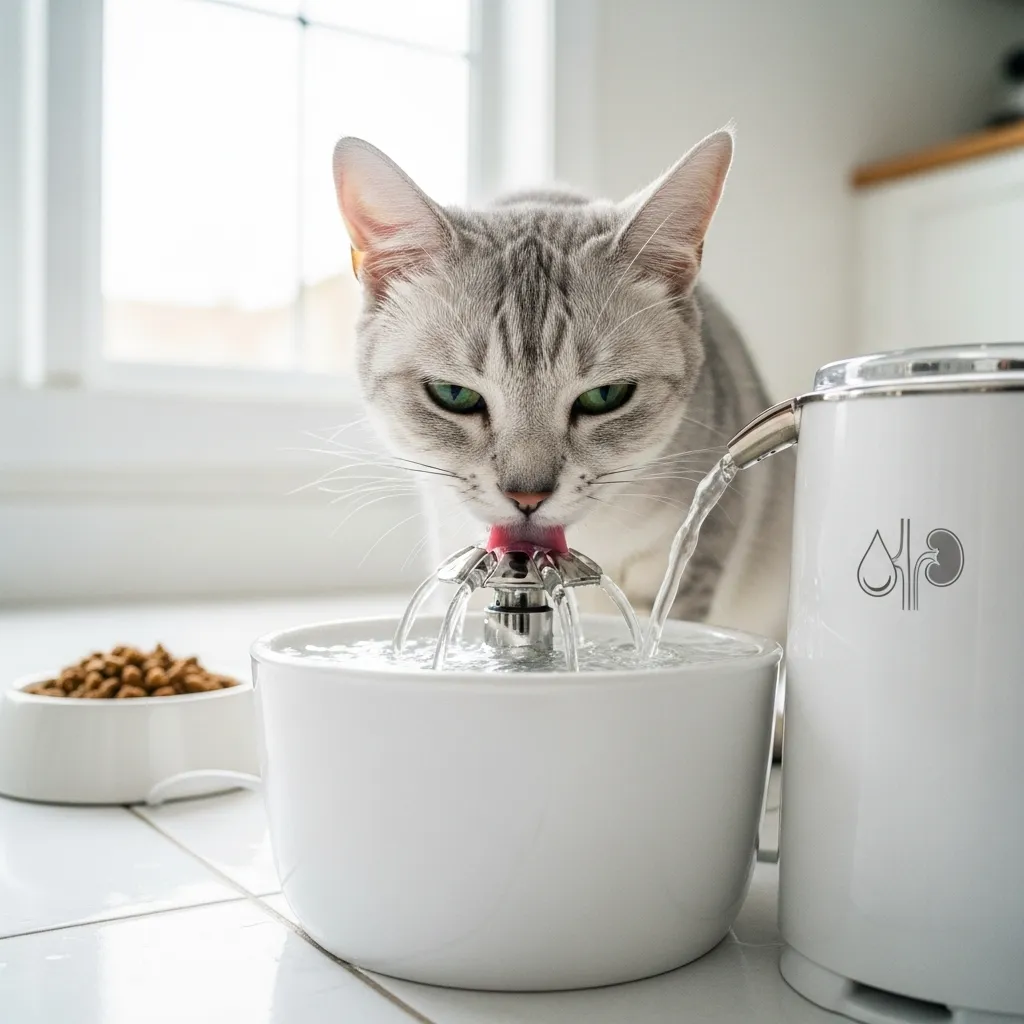
Vet-Approved Tip: Cats need 1–2 ounces of water per pound of body weight daily. Use a pet fountain to encourage drinking and prevent urinary issues.
When to Seek Professional Help
If you’ve tried everything and your cat is still peeing everywhere, it’s time to escalate:
- Veterinary Specialist: A vet specializing in feline medicine can run advanced diagnostics.
- Feline Behaviorist: Experts can assess environmental or behavioral triggers and create tailored plans.
- Emergency Signs: Blood in urine, straining without urinating, or lethargy require immediate vet attention.
Find tips for choosing the right vet.
FAQ: Common Questions About Cat Peeing Behavior
Why is my cat peeing everywhere suddenly?
Sudden changes often point to medical issues like a UTI or stress from environmental changes. Schedule a vet visit to rule out health problems and assess stressors like new pets or home changes.
How can I tell if my cat has a urinary tract issue?
Look for signs like frequent urination, straining, blood in urine, or vocalizing while peeing. A vet can confirm with a urinalysis. Learn more about cat urinary health.
Can stress cause my cat to pee outside the litter box?
Yes, stress from changes like moving, new pets, or loud noises can trigger inappropriate urination. Use pheromone sprays and enrichment to reduce anxiety. Explore stress management tips.
What’s the best litter box placement?
Place litter boxes in quiet, low-traffic areas with easy access, away from food and water. Multiple boxes are ideal for multi-cat homes. Check out litter box placement tips.
Does the type of litter matter?
Absolutely. Cats may avoid litter with strong scents or uncomfortable textures. Test unscented, clumping, or natural litters to find the right fit. Learn about litter training.
How can I stop my cat from peeing on the bed or carpet?
Clean affected areas with enzymatic cleaners, address medical or stress issues, and ensure the litter box is appealing. Discover solutions for cats peeing in laundry baskets.
Are there natural remedies for cat urinary issues?
Cranberry supplements and increased water intake can support urinary health, but always consult a vet first. Avoid unverified home remedies that could harm your cat.
Why is my neutered cat peeing everywhere?
Neutered cats may still mark due to stress, territory disputes, or medical issues. Check for environmental triggers and consult a vet. Read about neutering effects.
Conclusion: Restore Peace with Your Cat
Dealing with a cat peeing outside the litter box can feel overwhelming, but with the right approach, you can resolve the issue and prevent it from recurring. Start with a vet visit to rule out medical problems, optimize your litter box setup, and address stress or territorial triggers. By creating a cat-friendly environment and staying proactive with health and hygiene, you’ll help your feline friend feel secure and comfortable.
For more expert advice on keeping your cat happy and healthy, explore our comprehensive guides at Cat Bloom Haven. From litter training tips to stress management strategies, we’ve got you covered to ensure a harmonious home for you and your cat.