How to Help Your Cat Gain Weight: Proven Tips for a Healthier Feline
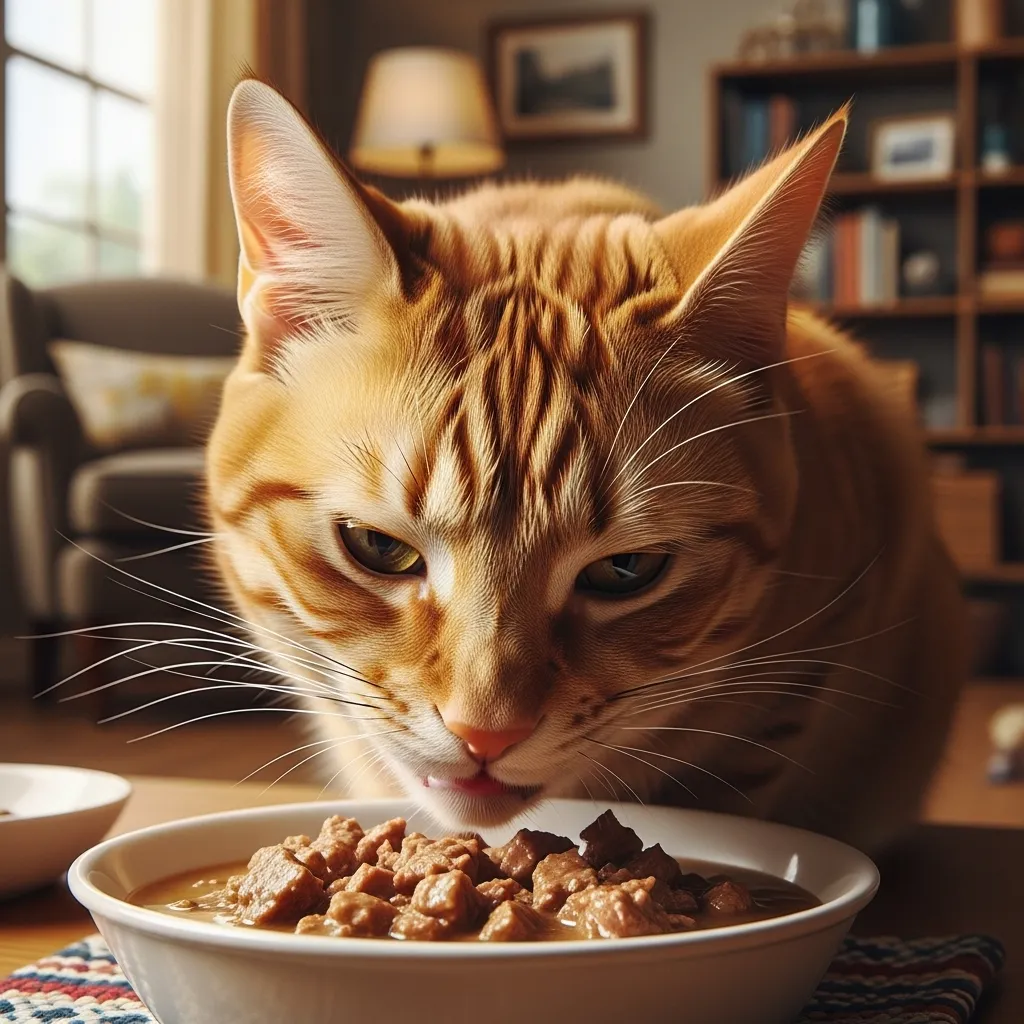
Is your cat looking a little too skinny, leaving you worried about their health? An underweight cat can face serious health risks, from weakened immunity to low energy levels. Helping your cat gain weight safely isn’t just about piling on the kibble it requires a thoughtful approach with the right diet, feeding strategies, and veterinary guidance.
In this comprehensive guide, we’ll walk you through cat weight gain tips, from crafting a cat weight gain diet to using feline weight gain strategies that prioritize health and well-being. Whether you’re dealing with a picky eater, an older cat, or one recovering from illness, you’ll find actionable steps to help your feline friend thrive.
Key Takeaways for Helping Your Cat Gain Weight
- Identify Underweight Issues Early: Use body condition scoring to assess if your cat is underweight and spot symptoms like visible ribs or lethargy.
- Consult a Vet First: Rule out medical causes like hyperthyroidism or parasites before starting a weight gain plan.
- Choose High-Calorie Foods: Opt for nutrient-dense, high-calorie cat food, including wet food or kitten food for adult cats, to boost calorie intake.
- Feed Smart: Small, frequent meals, warmed food, and hand-feeding can encourage eating and improve appetite.
- Monitor Progress: Regular weigh-ins and vet check-ins ensure healthy weight gain without risking obesity.
- Explore Supplements: Vet-approved appetite boosters or calorie-dense supplements can support weight gain.
- Be Patient: Gradual food transitions and consistent routines are key to sustainable feline wellness.
Understanding Why Your Cat Is Underweight
Before diving into how to get my cat to gain weight, it’s critical to understand why your cat is underweight. Cats can lose weight or struggle to gain it due to medical, behavioral, or environmental factors. Identifying the root cause ensures you’re addressing the problem effectively.
Common Causes of Underweight Cats
- Medical Issues: Conditions like hyperthyroidism, diabetes, dental disease, parasites, or gastrointestinal disorders can lead to weight loss. For example, a 2023 study from the Journal of Feline Medicine found that 15% of senior cats over 10 years old suffer from hyperthyroidism, which accelerates metabolism and causes weight loss.
- Poor Appetite: Stress, anxiety, or a change in environment (like moving homes) can reduce a cat’s appetite. Learn more about cat stress signs to spot behavioral triggers.
- Inadequate Nutrition: Low-calorie or poor-quality food may not meet your cat’s nutritional needs, especially for active breeds like Bengals or Siamese. Explore our guide on choosing cat food for tips.
- Age-Related Factors: Older cats may lose muscle mass or have reduced appetite due to arthritis or dental issues. Check out our best foods for senior Bengal cats for tailored advice.
- Picky Eating: Some cats, like Siamese, are notoriously finicky. Discover more in our Siamese cat care guide.
Spotting Underweight Cat Symptoms
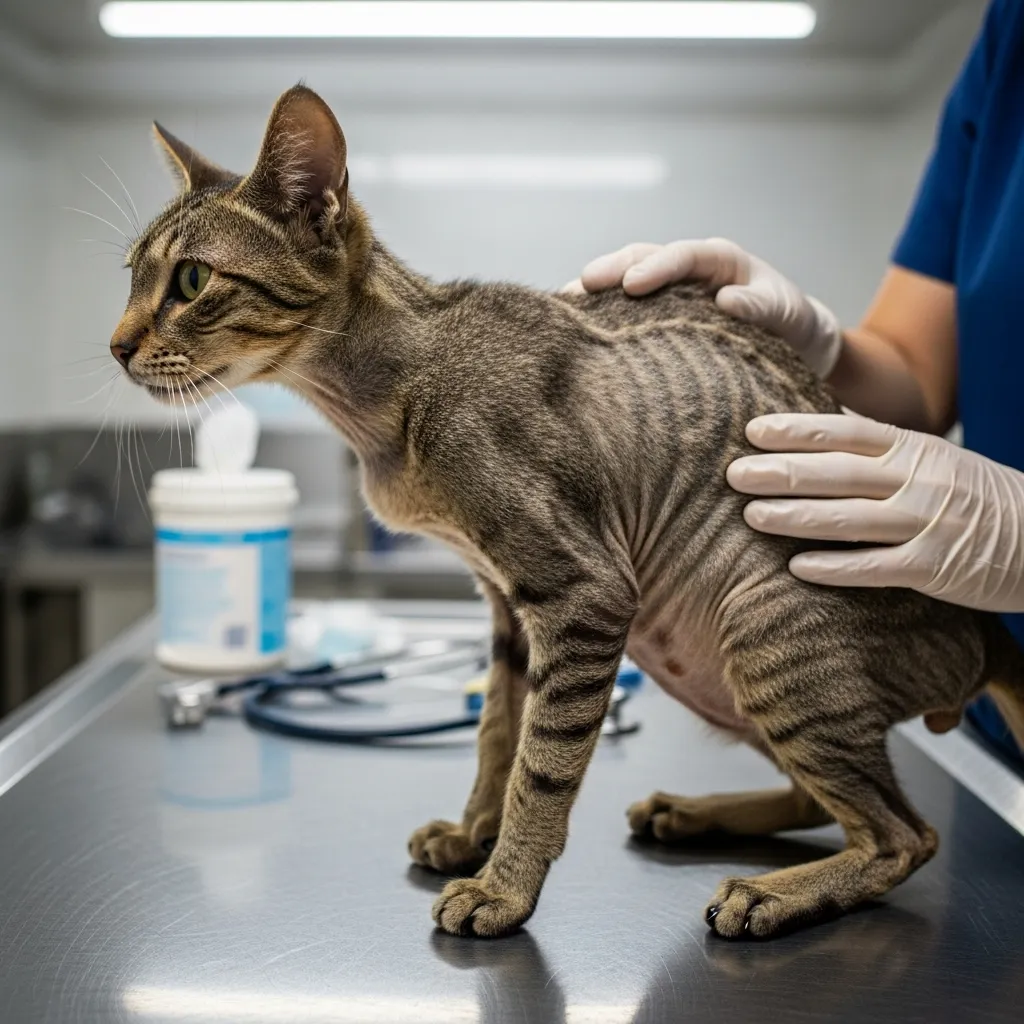
Use a cat body condition score (BCS) to assess your cat’s weight. A BCS of 1–3 (on a 9-point scale) indicates an underweight cat. Look for:
- Visible ribs, spine, or hip bones with little fat cover.
- A sharply tucked abdomen or “hourglass” shape.
- Lethargy, weakness, or dull coat.
- Reduced appetite or refusal to eat.
If you notice these signs, consult your vet immediately. Our guide on finding the best vet for your cat can help you choose a trusted professional.
Step 1: Consult Your Veterinarian for a Tailored Plan
Veterinary advice is the cornerstone of healthy weight gain for cats. A vet can diagnose underlying health issues and recommend a cat weight gain diet tailored to your cat’s needs. Here’s what to expect:
- Health Screening: Blood tests, fecal exams, or imaging to rule out conditions like worms or kidney disease. Learn more about worms in cats.
- Diet Recommendations: Vets may suggest high-calorie cat food or kitten food for adult cats to boost weight gain safely.
- Supplements: Appetite stimulants like mirtazapine or calorie-dense supplements may be prescribed.
- Follow-Ups: Regular check-ins to monitor progress and adjust the plan.
Pro Tip: Keep a food diary to track your cat’s eating habits and share it with your vet for precise recommendations.
Step 2: Crafting a Cat Weight Gain Diet
A cat weight gain diet focuses on calorie-dense, nutrient-rich foods that are easy to digest and appealing to your cat. Here’s how to build one:
Choosing the Best High-Calorie Cat Food
High-calorie foods are essential for feline weight gain strategies. Look for:
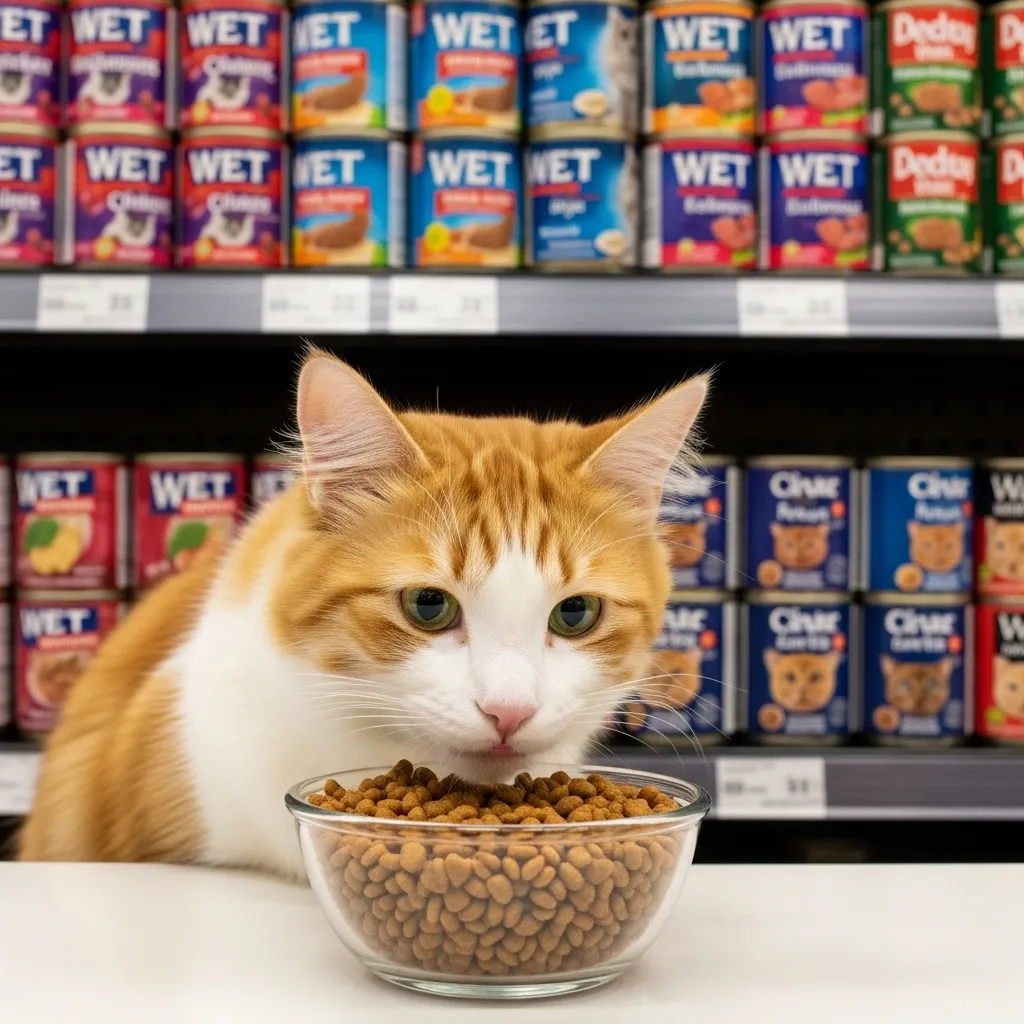
- Wet Food vs. Dry Food: Wet food is often more palatable and hydrating, making it ideal for weight gain. A 2024 pet nutrition survey found that 68% of cats prefer wet food over dry for its taste and texture. Check out our best wet cat food guide for recommendations.
- Kitten Food for Adult Cats: Kitten formulas are calorie-dense and protein-rich, perfect for underweight adult cats. Brands like Royal Canin Kitten or Hill’s Science Diet Kitten are vet-approved options.
- High-Protein Content: Cats are obligate carnivores, so prioritize foods with at least 30% protein (on a dry matter basis). Look for named meat sources like chicken or salmon.
- Calorie-Dense Options: Foods with 100+ calories per ounce, like Tiki Cat After Dark or Wellness CORE Grain-Free, work well.
| Food Type | Calories per Ounce | Best For |
|---|---|---|
| Wet Food (Tiki Cat After Dark) | 120 kcal | Picky eaters, hydration |
| Kitten Food (Royal Canin) | 110 kcal | Adult cats needing weight gain |
| Dry Food (Orijen Original) | 90 kcal | Cats preferring kibble |
Incorporating Protein-Rich Cat Treats
Treats can add extra calories between meals. Opt for:
- Freeze-Dried Treats: PureBites Chicken Breast (5 kcal per treat) or Vital Essentials Minnows.
- High-Protein Snacks: Greenies Feline Dental Treats or Temptations Tasty Chicken for palatability.
- Limit treats to 10% of daily calories to avoid nutritional imbalances.
Homemade Cat Food for Weight Gain
Homemade diets can work but require precision to meet nutritional needs. A simple vet-approved recipe:
- Ingredients: 1 cup cooked chicken breast, 1/4 cup cooked sweet potato, 1 tsp fish oil, 1/8 tsp taurine supplement.
- Preparation: Blend ingredients, serve warm, and consult a vet to ensure balance.
Learn more about raw food portions for cats for homemade diet tips.
Step 3: Feeding Practices to Boost Appetite
Getting an underweight cat to eat more involves smart feeding strategies. Here’s how to make meals irresistible:
Small, Frequent Meals
- Offer 4–6 small meals daily instead of 1–2 large ones to avoid overwhelming your cat.
- Use an automatic cat feeder for consistent portions. See our automatic cat feeder guide for top picks.
- Example: A 10-lb cat needing 300 kcal daily could eat six 50-kcal meals.
Warming Food and Hand Feeding
- Warm wet food to 100°F (body temperature) to enhance aroma and appeal.
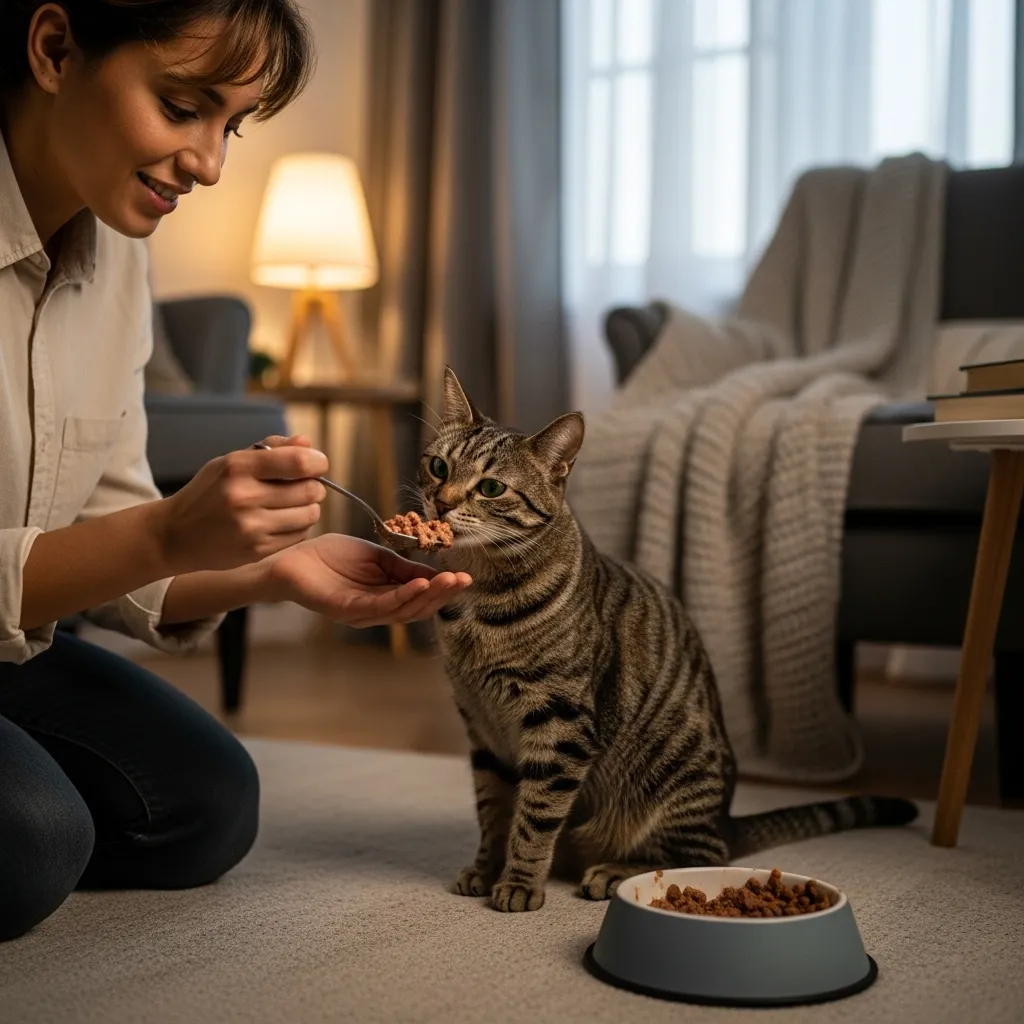
- Hand feeding tips for cats: Use a spoon or syringe for reluctant eaters, especially senior cats or those recovering from illness. Be patient and calm to reduce stress.
Cat Appetite Boosters
- Toppers: Add a sprinkle of FortiFlora (a probiotic) or tuna juice to entice eating.
- Supplements: Omega-3 fish oil or vet-prescribed appetite stimulants like mirtazapine can help.
- Environmental Tweaks: Feed in a quiet, stress-free area. Learn more about cat stress signs to optimize the feeding environment.
Step 4: Gradual Food Transition for Cats
Switching to a calorie-dense cat diet too quickly can cause digestive upset. Follow these steps:
- Days 1–3: Mix 25% new food with 75% old food.
- Days 4–6: Shift to 50% new, 50% old.
- Days 7–10: Use 75% new, 25% old.
- Day 10+: Transition to 100% new food.
Monitor for vomiting or diarrhea, and slow the process if needed. Our cat food nutrition guide has more tips.
Step 5: Monitoring and Maintaining Healthy Weight Gain
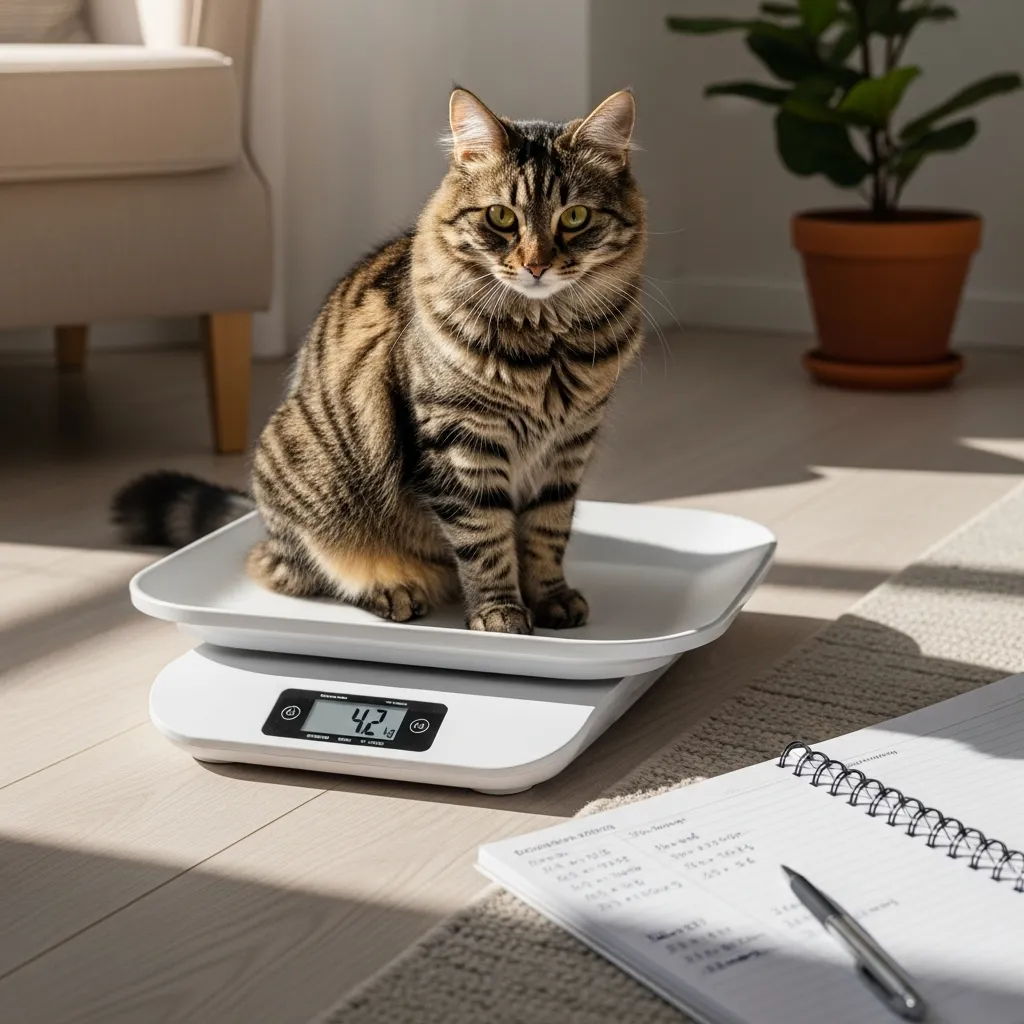
Healthy weight gain for cats is gradual—aim for 0.5–1% of body weight per week (e.g., 0.05–0.1 lbs for a 10-lb cat). Here’s how to track progress:
- Weekly Weigh-Ins: Use a digital pet scale at home or visit your vet.
- Body Condition Scoring: Reassess BCS monthly to ensure muscle gain, not just fat.
- Vet Check-Ins: Schedule follow-ups every 4–6 weeks to adjust the plan.
- Watch for Overfeeding: Avoid obesity, especially in breeds like Ragdolls. See our Ragdoll cat obesity guide.
Special Considerations for Specific Cats
Helping an Old Cat Gain Weight
Senior cats may need softer foods or supplements for joint health. Try:
- Soft Wet Foods: Purina Pro Plan Senior or Hill’s Science Diet Senior.
- Joint Supplements: Cosequin or omega-3s to support mobility and appetite.
- Explore our Norwegian Forest cat weight guide for breed-specific senior care.
Kittens and Young Cats
Kittens need calorie-dense diets for growth. Use kitten-specific formulas and monitor for rapid weight gain to avoid obesity.
Cats Recovering from Illness
Post-illness cats may need appetite stimulants or syringe feeding. Consult your vet for tailored plans, especially for conditions like lymphoma. See our cat lymphoma steroids lifespan guide.
Common Mistakes to Avoid
- Overfeeding Treats: Too many treats can unbalance the diet.
- Ignoring Medical Issues: Weight loss may signal serious conditions—don’t skip vet visits.
- Rapid Food Changes: Sudden diet switches can cause stress or digestive issues.
- Neglecting Hydration: Ensure fresh water is always available, especially with dry food diets. Check out our Ragdoll cat hydration tips.
FAQ: Your Top Questions About Cat Weight Gain
How can I tell if my cat is underweight?
Use a body condition score (BCS) of 1–3, where ribs and spine are visible with minimal fat. Consult a vet to confirm.
What are the best high-calorie cat foods for weight gain?
Wet foods like Tiki Cat After Dark or kitten formulas like Royal Canin Kitten are calorie-dense and palatable.
Can I feed kitten food to an adult cat for weight gain?
Yes, kitten food is high in calories and protein, ideal for underweight adult cats, but consult your vet first.
How do I increase my cat’s appetite naturally?
Warm food, add toppers like tuna juice, feed in a stress-free environment, and try hand-feeding.
What are healthy feline weight gain strategies?
Combine high-calorie foods, small frequent meals, and vet-approved supplements while monitoring progress.
How often should I weigh my cat?
Weigh weekly at home or every 4–6 weeks at the vet to track steady, healthy weight gain.
Why is my cat not eating enough?
Causes include stress, dental issues, or medical conditions like hyperthyroidism. See our why cat not eating guide for more.
Are cat weight gain supplements safe?
Vet-approved supplements like omega-3s or FortiFlora are safe, but always consult your vet before use.
Conclusion: Building a Healthier Future for Your Cat
Helping your cat gain weight is a journey that requires patience, veterinary guidance, and a tailored cat weight gain diet. By choosing high-calorie cat food, implementing smart feeding practices, and monitoring progress, you can help your underweight cat achieve a healthy weight and vibrant energy. Start with a vet visit, experiment with cat appetite boosters, and use our feline weight gain strategies to see results.
For more expert tips on feline health and nutrition, explore our cat health care guide or dive into breed-specific advice at Cat Bloom Haven. Your cat’s wellness starts with you—let’s make them thrive!