How to Shrink a Tumor in a Cat: A Comprehensive Guide to Feline Cancer Care

Discovering a tumor in your cat can feel like a gut punch. The fear, uncertainty, and overwhelming desire to help your furry friend can leave you searching for answers. If you’re wondering how to shrink a tumor in a cat, you’re not alone many cat parents face this challenge and want the best for their pet.
This guide dives deep into feline cancer treatment, offering vet-backed strategies, holistic approaches, and practical tips to support your cat’s health. From understanding cat cancer symptoms to exploring veterinary cancer treatment for cats and natural tumor treatments, we’ll cover everything you need to know to make informed decisions and improve your cat’s quality of life.
Key Takeaways
- Early Detection is Critical: Recognizing early signs of cat cancer, like lumps or behavioral changes, can lead to better outcomes.
- Veterinary Options: Treatments like surgery, cat chemotherapy, and radiation therapy for cats are effective for tumor reduction in cats.
- Holistic Support: Natural ways to shrink cat tumors and cat cancer diet plans can complement conventional treatments.
- Quality of Life Matters: Palliative care for cats and pain management for cats with cancer prioritize comfort when curing isn’t possible.
- Nutrition is Key: A tailored cat cancer diet plan supports immunity and overall wellness.
- Explore More: Learn about cat health care for tips on keeping your cat thriving.
Understanding Feline Cancer: What You Need to Know
Cancer in cats is more common than many pet owners realize. Studies suggest that one in five cats will develop cancer in their lifetime, with older cats (over 10 years) at higher risk. Understanding the types, causes, and risk factors can help you navigate feline cancer treatment effectively.
Common Types of Feline Tumors
Feline tumors vary in type and severity. Some are benign (non-cancerous), while others are malignant (cancerous). Here’s a breakdown:
- Lymphoma: The most common feline cancer, often affecting the digestive system or lymph nodes.
- Squamous Cell Carcinoma: Frequently found in the mouth or skin, especially in white cats exposed to sunlight.
- Mammary Tumors: Common in unspayed female cats, often aggressive.
- Fibrosarcoma: A tumor in soft tissues, sometimes linked to vaccine sites.
- Mast Cell Tumors: Can appear on the skin or internally, varying in severity.
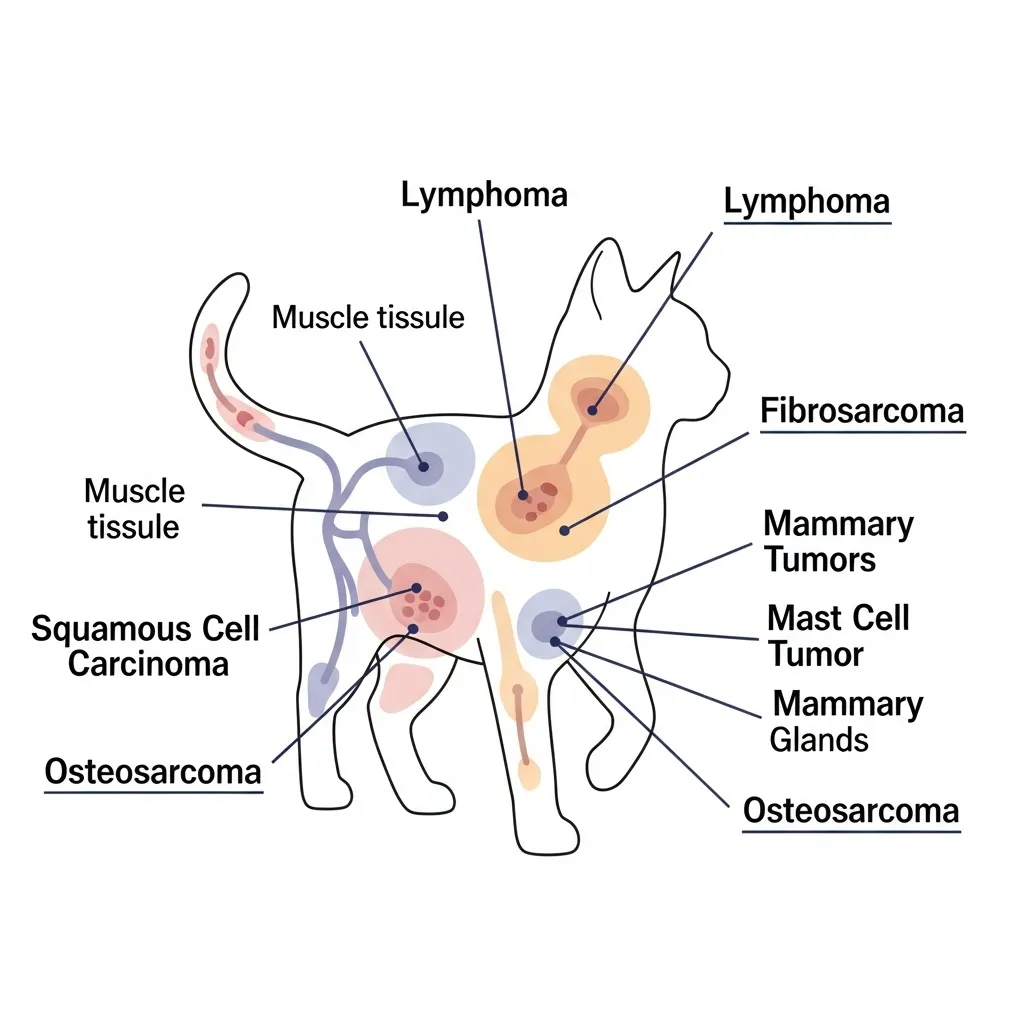
Explore our detailed guide on cat health care to understand how breed-specific risks, like those for Siamese cats, may influence tumor development.
Causes and Risk Factors
While the exact causes of cancer in cats aren’t always clear, several factors increase the risk:
- Age: Older cats are more prone to tumors.
- Genetics: Certain breeds, like Siamese, may have higher risks for specific cancers.
- Environmental Factors: Exposure to tobacco smoke, UV radiation, or certain chemicals can contribute.
- Unspayed/Neutered Status: Unspayed females face higher risks of mammary tumors.
- Feline Leukemia Virus (FeLV): This virus is linked to lymphoma and other cancers.
Recognizing these risks can guide cat cancer prevention strategies, like spaying/neutering or limiting sun exposure for white cats.
Recognizing Cat Cancer Symptoms: Early Detection Saves Lives
Catching cancer early can make a significant difference in tumor reduction in cats. Knowing what to look for empowers you to act quickly.
Visible Signs of Cancer
- Lumps or Bumps: Any new or growing mass, especially if hard or irregular, should be checked.
- Sores That Don’t Heal: Persistent sores, particularly in the mouth or on the skin, may indicate squamous cell carcinoma.
- Weight Loss: Unexplained weight loss, even with a normal appetite, is a red flag.
- Abnormal Swelling: Swelling in the abdomen or limbs could point to internal tumors.
Behavioral and Physical Changes
- Lethargy: A normally active cat becoming sluggish or withdrawn.
- Appetite Changes: Refusing food or eating less is a common symptom.
- Vomiting or Diarrhea: Persistent digestive issues may signal lymphoma or other cancers.
- Difficulty Breathing: Tumors in the chest can cause labored breathing.
- Bad Breath or Drooling: Especially with oral tumors, as noted in our ragdoll cat bad breath guide.
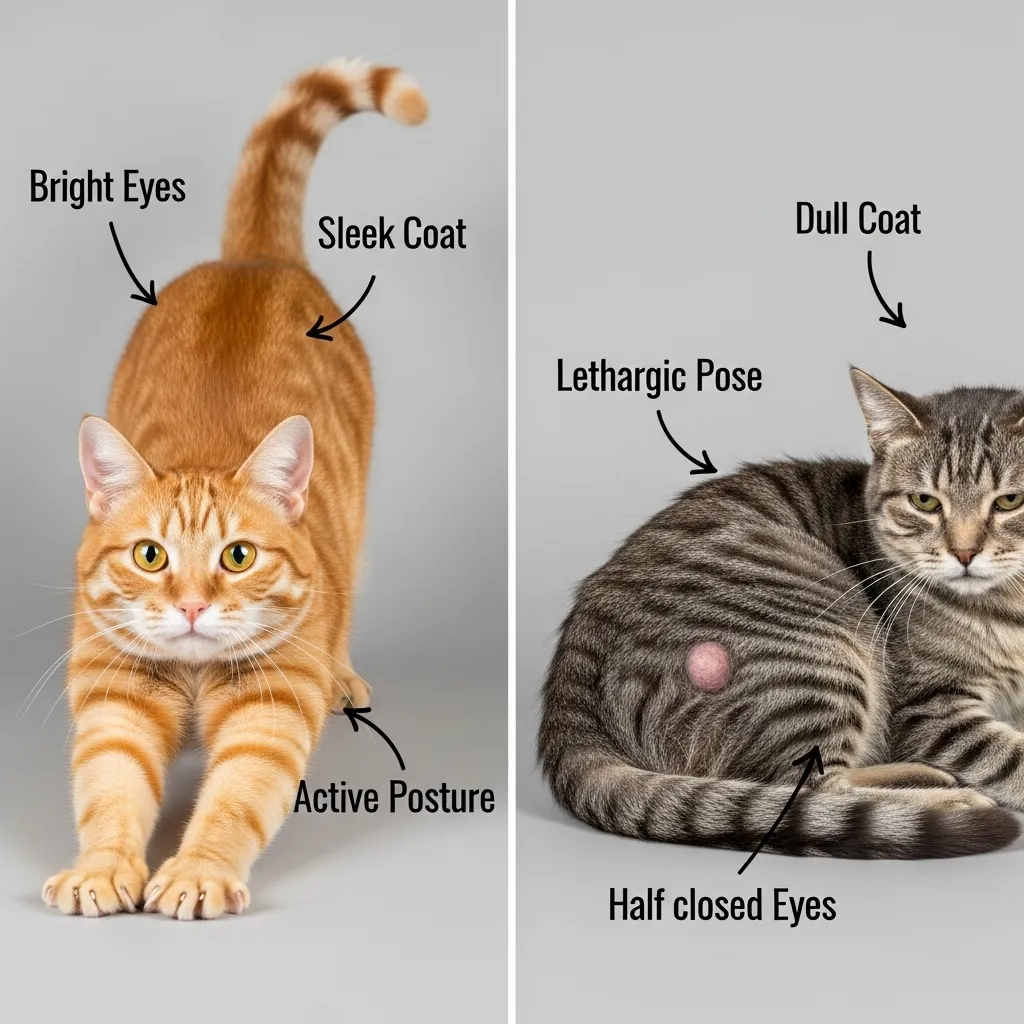
If you notice these signs, consult a vet immediately. Early intervention can improve outcomes. For more on spotting health issues, check cat stress signs.
Diagnosing Feline Tumors: The Path to Clarity
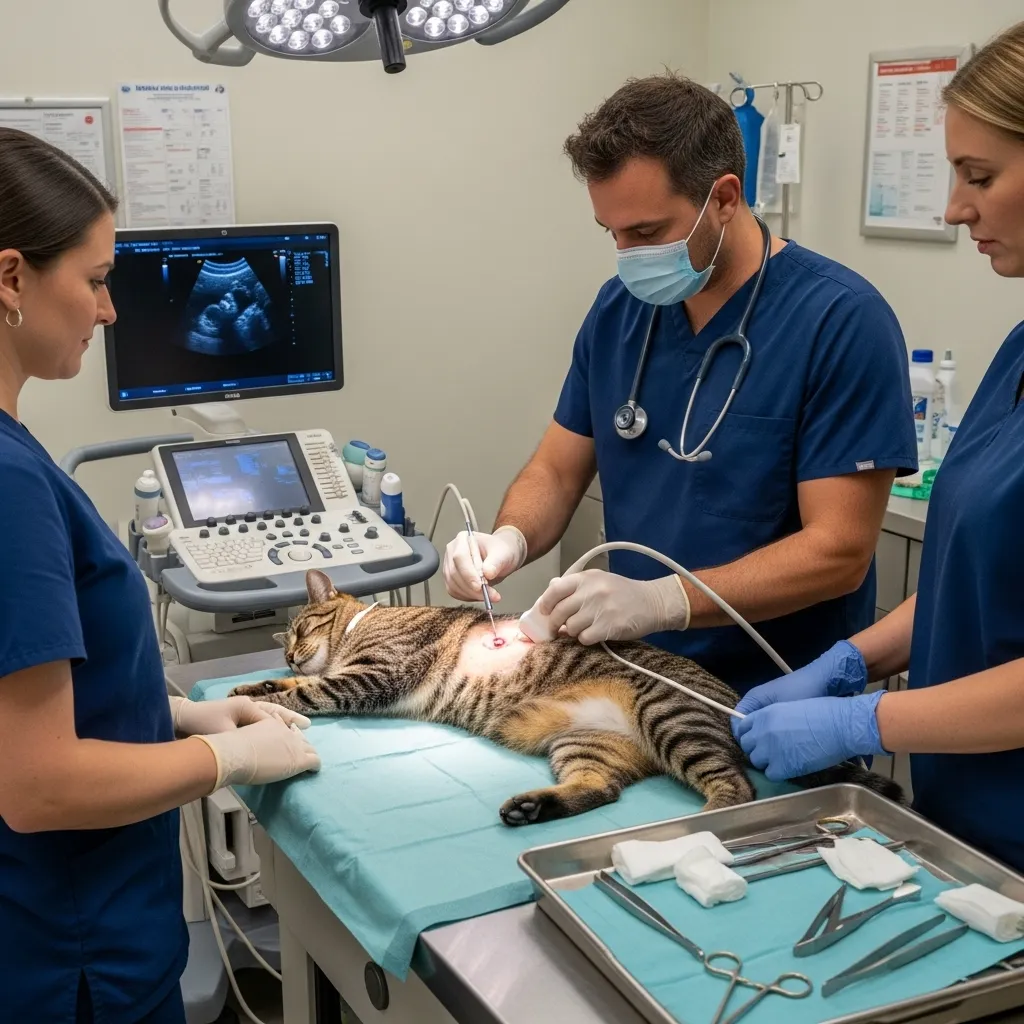
A proper cat cancer diagnosis is the foundation for effective treatment. Vets use a combination of tools to confirm the presence and type of tumor.
Diagnostic Tools
- Physical Exam: Vets palpate for lumps and assess overall health.
- Biopsy: A tissue sample confirms whether a tumor is benign or malignant.
- Bloodwork: Checks for organ function and cancer markers.
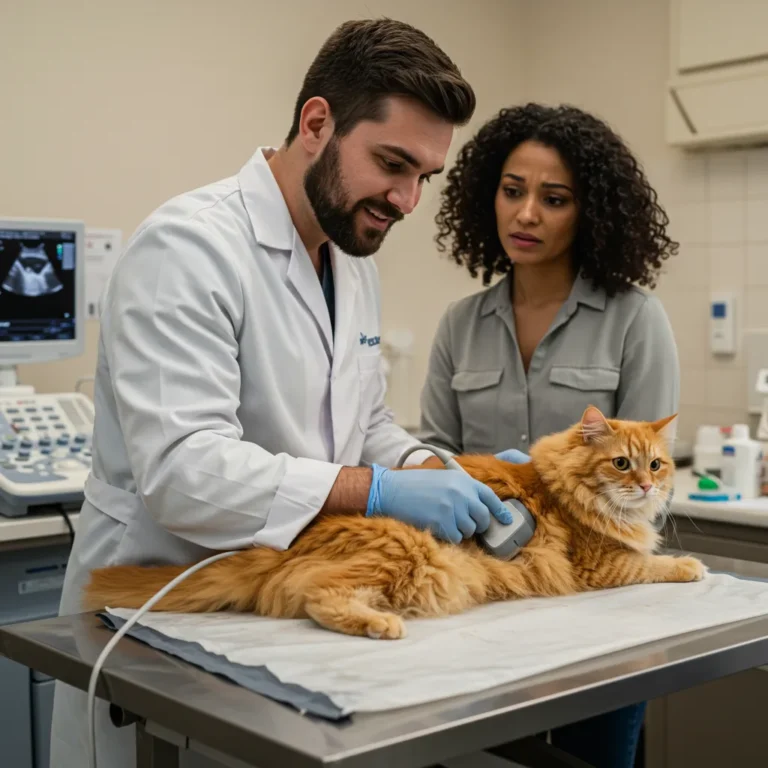
- Imaging: X-rays, ultrasounds, or CT scans (learn more in CT scan results timeline for cats) reveal tumor size and spread.
- Fine Needle Aspiration: A less invasive way to sample cells from a lump.
What to Expect at the Vet
Your vet will likely start with a thorough history and physical exam, followed by targeted tests. Costs can vary, but expect $200–$2,000 depending on the tests required. Always choose a vet experienced in veterinary oncology for cats, as outlined in finding the best vet for your cat.
Veterinary Cancer Treatments: Shrinking Tumors Effectively
Once diagnosed, the goal is to shrink or manage the tumor. Veterinary options depend on the tumor type, stage, and your cat’s overall health.
Surgery
- Best For: Localized tumors, like mammary tumors or fibrosarcomas.
- How It Works: Surgeons remove the tumor, often with surrounding tissue to prevent recurrence.
- Considerations: Recovery can take weeks, and not all tumors are operable. Costs range from $500–$5,000.
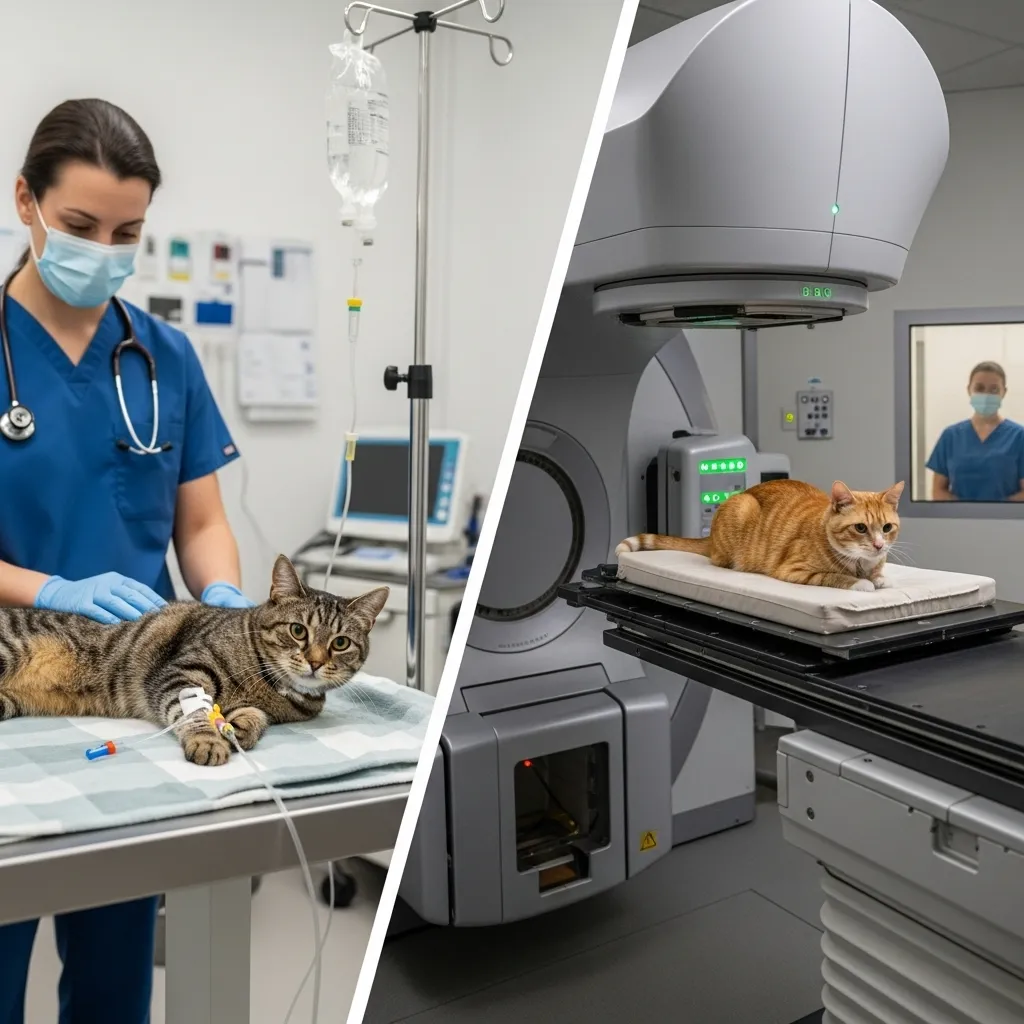
Chemotherapy for Cats
- Best For: Lymphoma or widespread cancers.
- How It Works: Drugs target rapidly dividing cancer cells. Cats often tolerate cat chemotherapy better than humans, with fewer side effects like hair loss.
- Side Effects: Mild nausea or lethargy, manageable with vet guidance.
- Cost: $2,000–$10,000 over several months.
Radiation Therapy for Cats
- Best For: Tumors in sensitive areas, like the mouth or brain.
- How It Works: Focused radiation shrinks tumors by damaging cancer cells.
- Considerations: Requires specialized facilities and multiple sessions. Costs range from $3,000–$7,000.
Immunotherapy
- Emerging Option: Stimulates the cat’s immune system to fight cancer cells.
- Best For: Certain sarcomas or early-stage cancers.
- Availability: Limited but growing, often combined with other treatments.
For post-treatment care, see our cat wound care guide for tips on recovery.
Holistic and Natural Approaches to Tumor Reduction
Many cat owners explore holistic cat cancer care to complement veterinary treatments or when conventional options aren’t viable. Always consult a vet before trying natural tumor treatments for cats.
Nutritional Support for Cats with Cancer
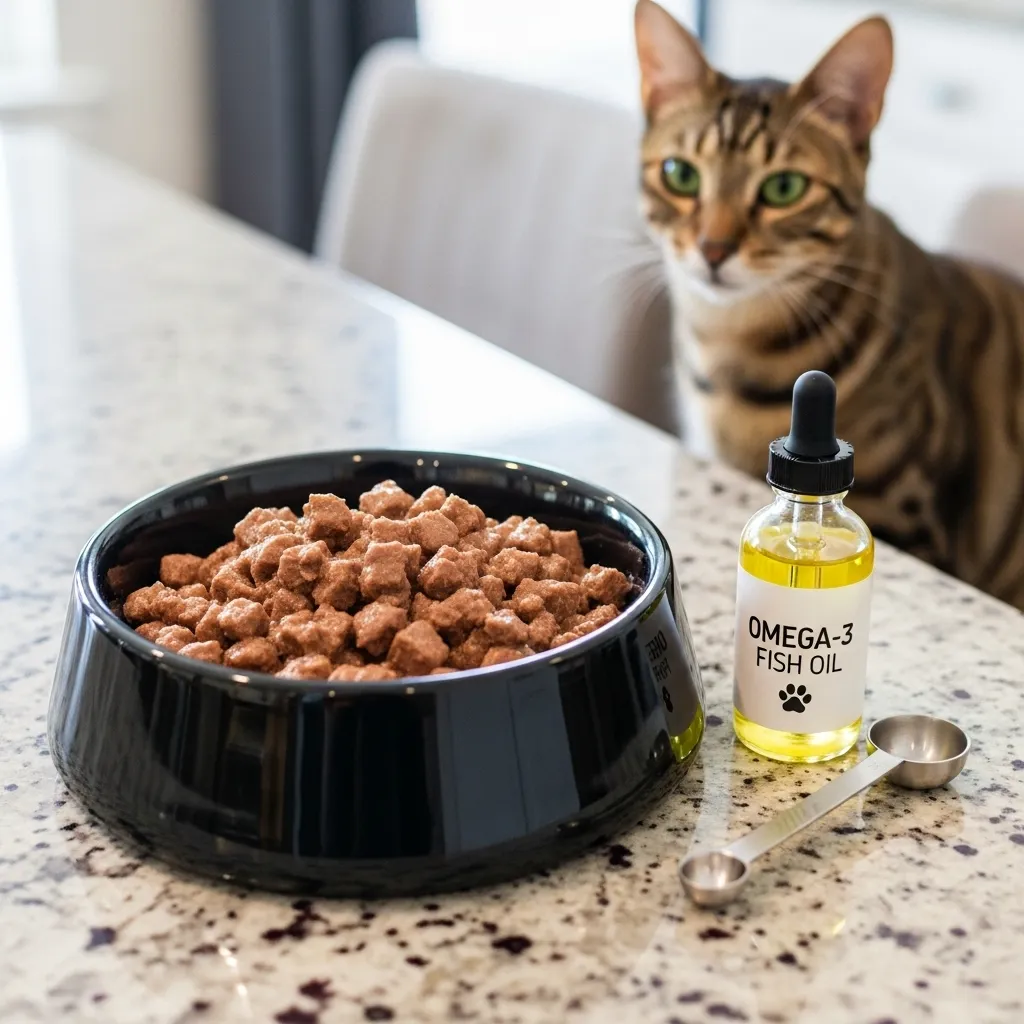
A tailored cat cancer diet plan can boost immunity and energy:
- High-Protein, Low-Carb Diets: Cancer cells thrive on carbs, so prioritize protein-rich foods like wet cat food (see best wet cat food).
- Omega-3 Fatty Acids: Found in fish oil, these reduce inflammation and may slow tumor growth.
- Antioxidants: Vitamins C and E, found in vet-approved supplements, support immunity.
Herbs and Supplements
Some herbs and supplements show promise in holistic cat cancer treatment:
- Turmeric: Contains curcumin, which may reduce inflammation and tumor growth. Use vet-approved doses (typically 10–20 mg/kg daily).
- Milk Thistle: Supports liver function during chemotherapy.
- Medicinal Mushrooms: Like reishi or turkey tail, these may boost immunity but require vet supervision.
Warning: Never use human supplements without vet approval, as they can be toxic to cats.
Homeopathic Remedies
- Homeopathic remedies for cat cancer: Some owners report success with remedies like Arnica for pain or Calendula for skin tumors, but evidence is limited.
- Acupuncture: May help with pain management for cats with cancer and improve appetite.
For more on natural care, explore cat grass care guide for safe, pet-friendly plants.
Lifestyle Adjustments
- Stress Reduction: Create a calm environment with cozy beds (see best beds for Munchkin cats).
- Exercise: Gentle play keeps your cat active without overexertion.
- Hydration: Ensure fresh water access, especially for cats on chemo (see ragdoll cat hydration tips).

Palliative Care: Prioritizing Comfort
When curing a tumor isn’t possible, palliative care for cats focuses on quality of life:
- Pain Management: Medications like buprenorphine or gabapentin ease discomfort.
- Appetite Stimulants: Drugs like mirtazapine encourage eating.
- Comfort Measures: Soft bedding, quiet spaces, and gentle grooming reduce stress.
Learn more about end-of-life care in cat end-of-life care guide.

Preventing Cancer in Cats: Proactive Steps
While not all cancers are preventable, you can reduce risks:
- Spay/Neuter: Lowers mammary tumor risk in females.
- Vaccinations: FeLV vaccines protect against virus-related cancers.
- Healthy Diet: Feed high-quality, balanced food to support immunity (see cat food nutrition).
- Regular Vet Visits: Annual checkups catch issues early (see cat vet visit schedule).
Real-Life Example: A Cat Named Luna
Luna, a 12-year-old Siamese, developed a lump on her leg. Her owner noticed her limping and sought a vet’s opinion. A biopsy confirmed fibrosarcoma. Surgery removed the tumor, followed by a cat cancer diet plan rich in omega-3s and low in carbs. Luna also received acupuncture for pain relief. Two years later, she’s still playful and thriving. Early detection and a mix of veterinary and holistic cat cancer care made the difference.

FAQ: Quick Answers to Common Questions
What are effective ways to shrink feline tumors?
Surgery, cat chemotherapy, radiation therapy for cats, and holistic cat cancer treatment like diet changes and supplements can help. Consult a vet for a tailored plan.
What are the most common types of cancer in cats?
Lymphoma, squamous cell carcinoma, mammary tumors, and fibrosarcomas are prevalent. Learn more in cat health care.
Are there non-surgical options for shrinking cat tumors?
Yes, cat chemotherapy, radiation therapy, and natural ways to shrink cat tumors like dietary changes or supplements are options. Always involve a vet.
How can I naturally shrink tumors in my cat?
Holistic cat cancer care includes omega-3-rich diets, turmeric, and medicinal mushrooms, but vet approval is crucial to ensure safety.
What are early signs of cancer in cats?
Lumps, weight loss, lethargy, appetite changes, and persistent sores are key signs. Check cat stress signs for related behaviors.
What diagnostic tools detect feline tumors?
Biopsies, bloodwork, X-rays, ultrasounds, and CT scans are common. See CT scan results timeline for cats.
When is palliative care considered for cats with tumors?
Palliative care for cats is used when tumors are untreatable, focusing on pain management for cats with cancer and comfort.
Can homeopathic remedies help manage cat cancer?
Some owners use remedies like Arnica, but evidence is limited. Always consult a vet before trying homeopathic remedies for cat cancer.
What dietary adjustments support a cat with cancer?
High-protein, low-carb diets with omega-3s and antioxidants help. Explore cat food nutrition for tips.
How can I manage pain for a cat with cancer?
Medications, acupuncture, and a stress-free environment help. See cat wound care for comfort tips.
Conclusion: Empowering Your Cat’s Cancer Journey
Facing a cat tumor treatment journey is daunting, but you’re not powerless. By combining early detection, veterinary expertise, and holistic cat cancer care, you can help shrink a cat tumor or improve your cat’s quality of life. Whether it’s surgery, cat chemotherapy, or a cat cancer diet plan, every step counts. Stay proactive, consult your vet, and keep your cat’s comfort first.
Explore more expert cat care and behavior guides on Cat Bloom Haven to ensure your feline friend thrives at every stage.