Why Does My Cat Grunt? A Complete Guide to Decoding This Quirky Feline Sound
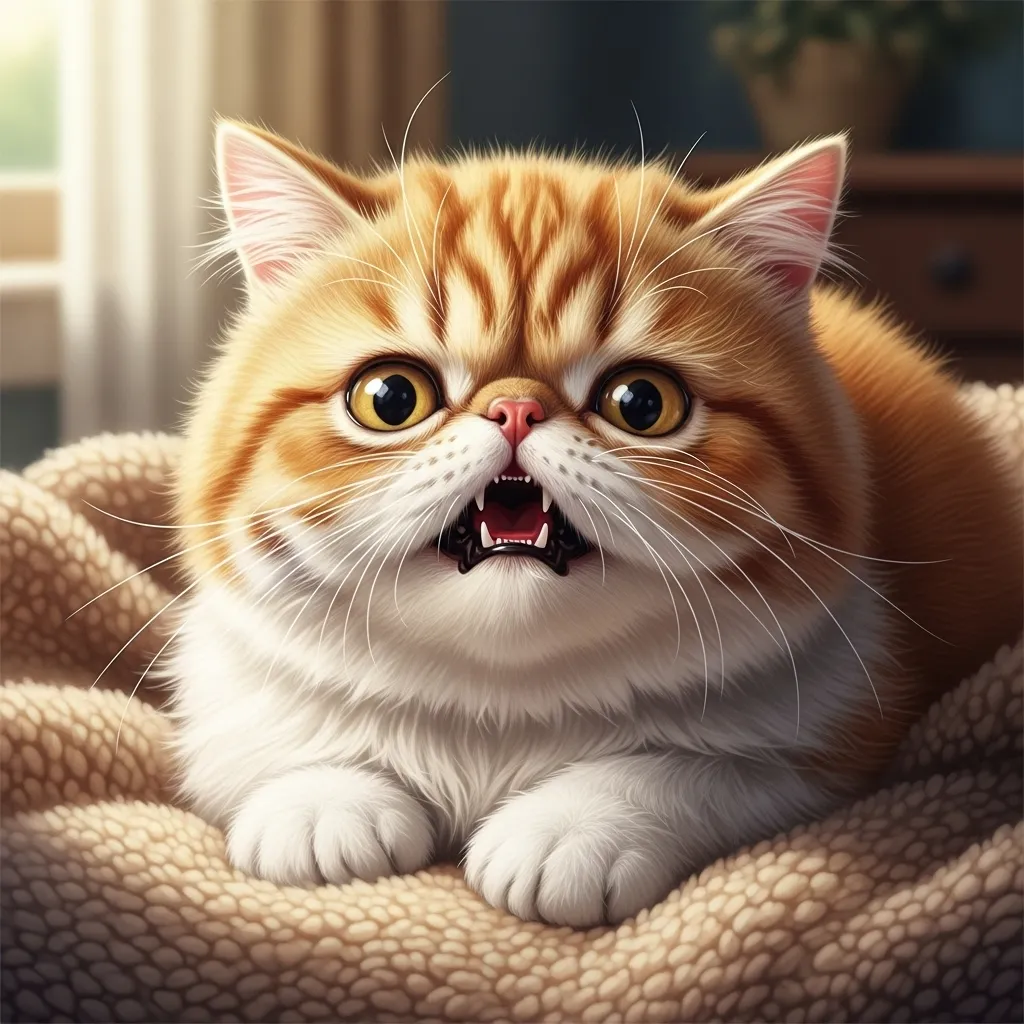
Picture this: You’re curled up on the couch with your fluffy companion purring softly on your lap. Suddenly, a low, piggy grunt escapes their throat. Is it contentment? A tummy ache? Or are they secretly auditioning for a farm animal role? If you’ve ever wondered why does my cat grunt, you’re not alone. This odd little noise baffles thousands of cat parents every month and for good reason.
Cat grunting sounds range from adorable oinks to concerning wheezes. Sometimes it’s harmless happiness; other times, it’s a red flag for cat grunting health issues like obesity or respiratory problems. In this ultimate guide from Cat Bloom Haven, we’ll break down every possible reason for cat grunting, from breed quirks to midnight snack sessions. You’ll learn exactly what your cat’s grunts mean, when to worry, and how to keep those quirky noises healthy and happy.
Key Takeaways :
- Most cat grunting behavior is normal especially in flat-faced breeds or during deep relaxation.
- Cat grunting while eating often signals excitement, dental issues, or digestive discomfort.
- Cat grunting at night? Usually just dreamy sighs but persistent noises need a vet check.
- Obesity and brachycephalic airways are the top culprits behind chronic grunting.
- Never ignore new or labored grunting paired with coughing, lethargy, or weight changes.
Ready to become a certified cat grunt translator? Let’s dive in.
What Exactly Is Cat Grunting? (And Why It’s Not Always Purring’s Evil Twin)
Before we unpack cat grunting causes, let’s define the sound. A cat grunt is a short, low-pitched vocalization—think a cross between a pig’s oink and a human “harrumph.” It’s produced when air is forcefully expelled through partially closed vocal cords, often with a nasal or throaty quality.
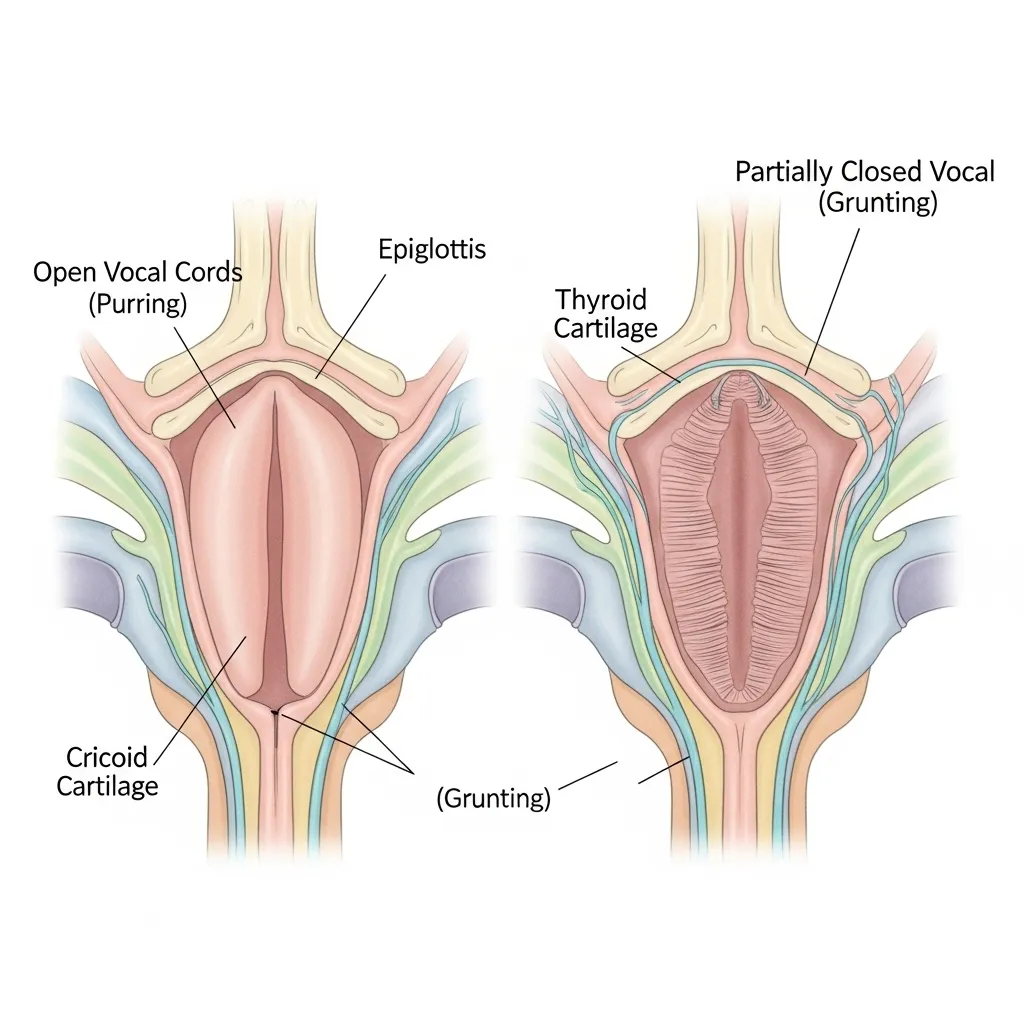
Unlike meows (attention-seeking) or hisses (anger), grunts sit in a gray zone of cat communication. They’re not always emotional but can be physical or habitual. Understanding cat noises explained starts with knowing the difference:
| Sound | Pitch & Tone | Typical Meaning |
|---|---|---|
| Purr | Low, rumbling | Contentment, self-soothing |
| Grunt | Short, guttural | Exertion, contentment, irritation |
| Trill/Chirp | High, melodic | Greeting, excitement |
| Growl | Prolonged, low | Threat or pain |
Pro Tip: Record your cat’s grunts on your phone. Play them back slowly to hear subtle differences—happy grunts are relaxed, while strained ones sound forced.
Explore more vocal quirks in our Cat Sounds Meaning guide.
The Top 8 Reasons Your Cat Makes Grunting Noises (With Real-Life Examples)
Let’s tackle the big question: Why does my cat grunt? Here are the most common cat grunting causes, ranked from harmless to “call the vet now.”
1. Pure Bliss: The “Happy Piggy” Grunt
Yes, some cats grunt when they’re ecstatic. It’s especially common in breeds like Ragdolls or Maine Coons during kneading sessions.
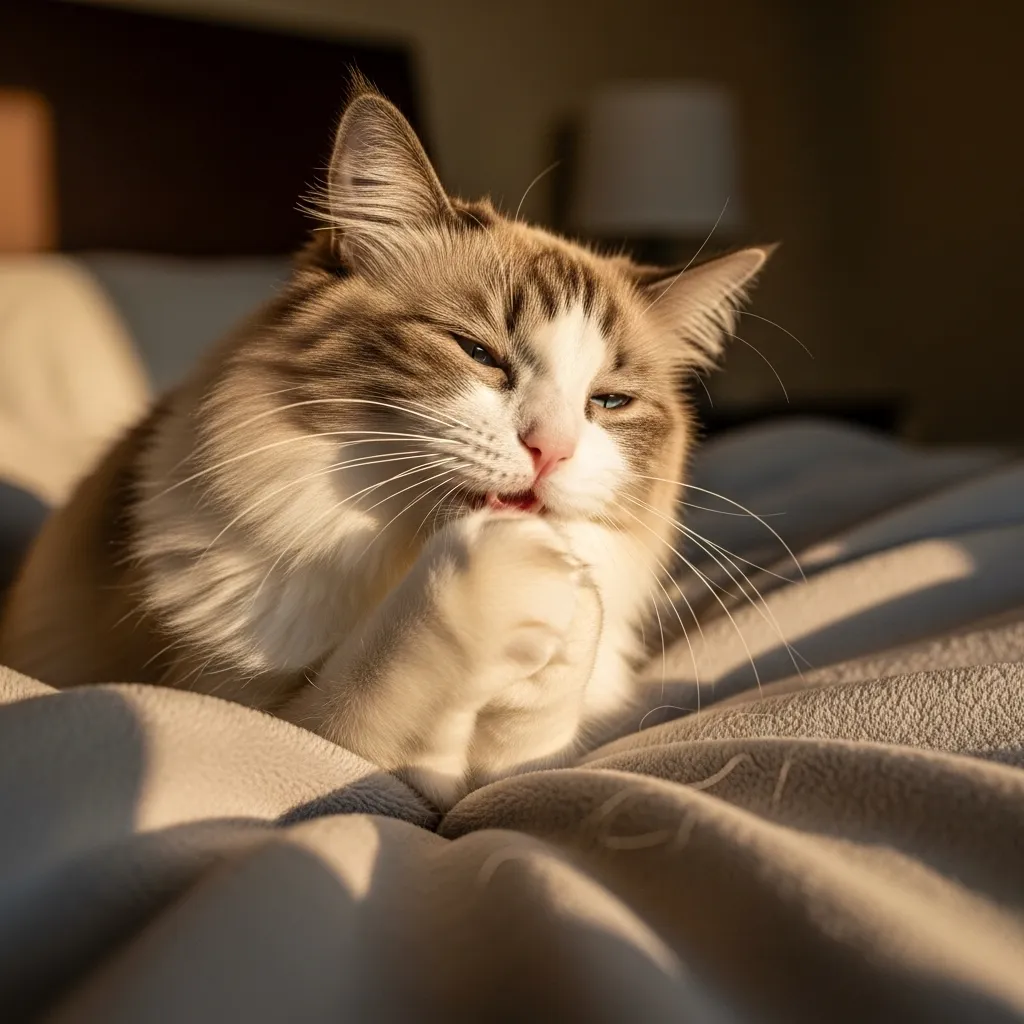
Real Example: Sarah’s Ragdoll, Mochi, grunts like a tiny piglet every time she settles into her favorite heated bed. No health issues—just pure joy.
How to Confirm: Happy grunts are soft, rhythmic, and paired with half-closed eyes, relaxed ears, and cat grunting and purring simultaneously.
2. Brachycephalic Breathing Issues (Flat-Faced Breeds)
Persians, Exotic Shorthairs, and Himalayans have smushed noses that restrict airflow. This leads to brachycephalic cat breathing issues—and yes, chronic grunting.
Science Bite: Studies show brachycephalic cats have up to 60% narrower nasal passages than dome-headed breeds, causing snorting and grunting during sleep or play.
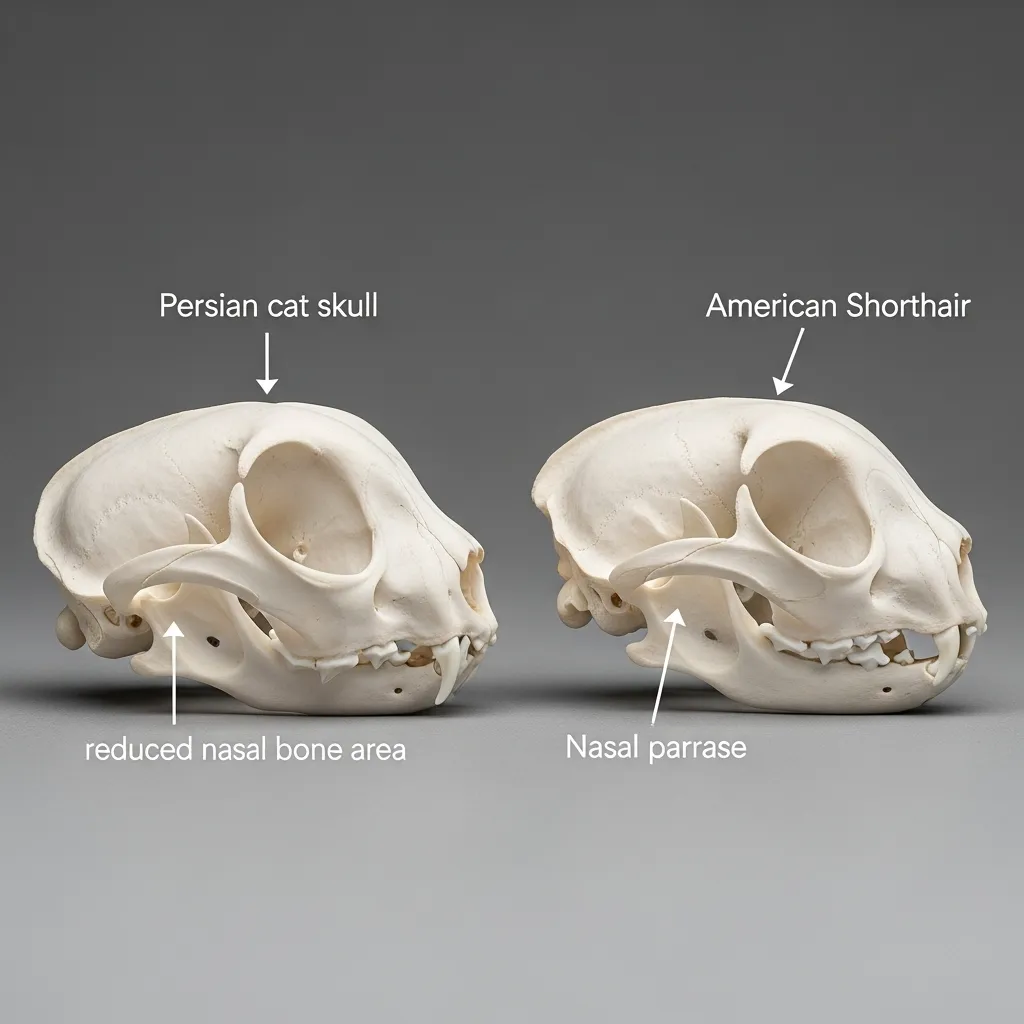
Signs to Watch:
- Loud breathing even at rest
- Open-mouth panting after minimal activity
- Snoring that sounds like a freight train
Learn breed-specific care in our Persian Cat Breed guide.
3. Obesity: When Extra Weight Squeezes the Lungs
Cat grunting and obesity go hand-in-paw. Extra fat around the chest and throat compresses airways, making every breath a mini workout.
Shocking Stat: Over 60% of domestic cats are overweight, per the Association for Pet Obesity Prevention (2024). Even 2 extra pounds can trigger overweight cat sounds.
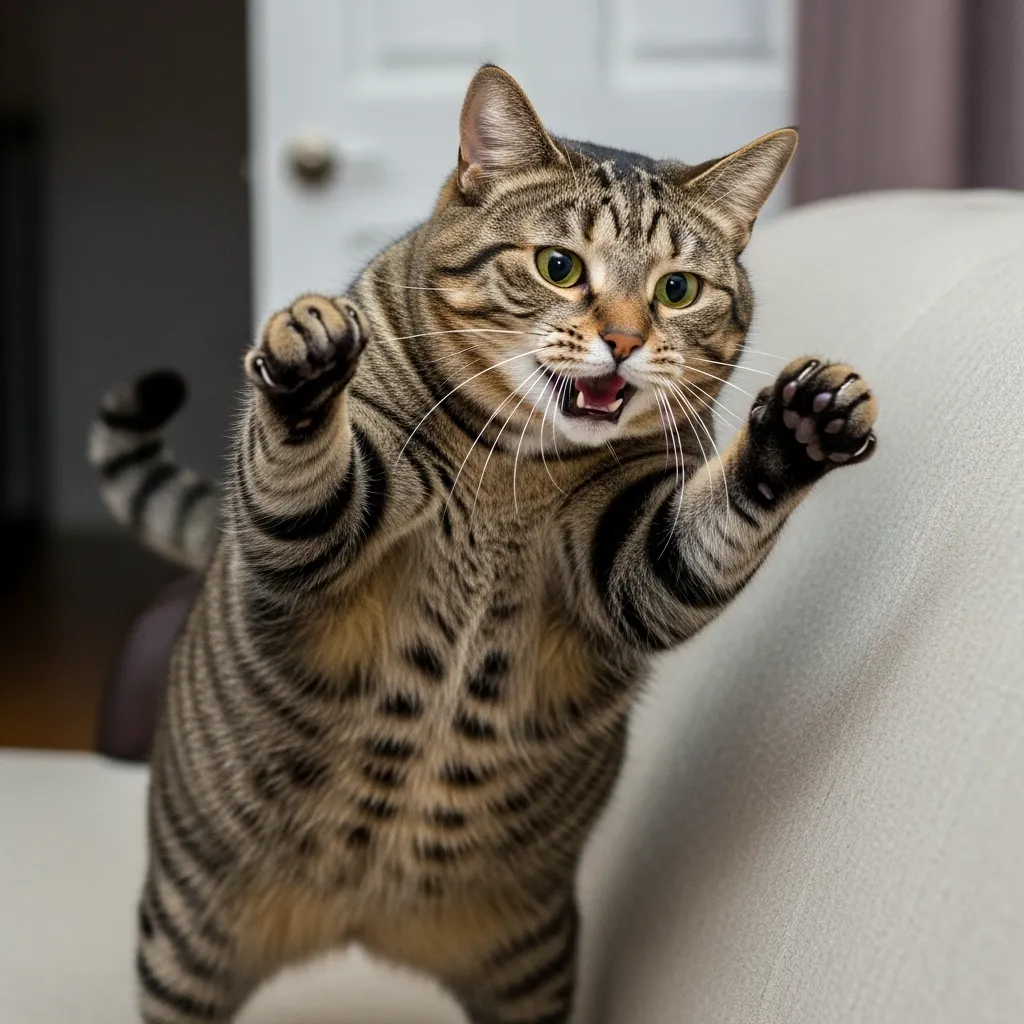
Quick Test: Feel your cat’s ribs. You should detect them easily without pressing hard. Can’t? Time for a diet chat with your vet.
See our Ragdoll Cat Obesity Guide for weight loss tips.
4. Eating Too Fast (or Too Enthusiastically)
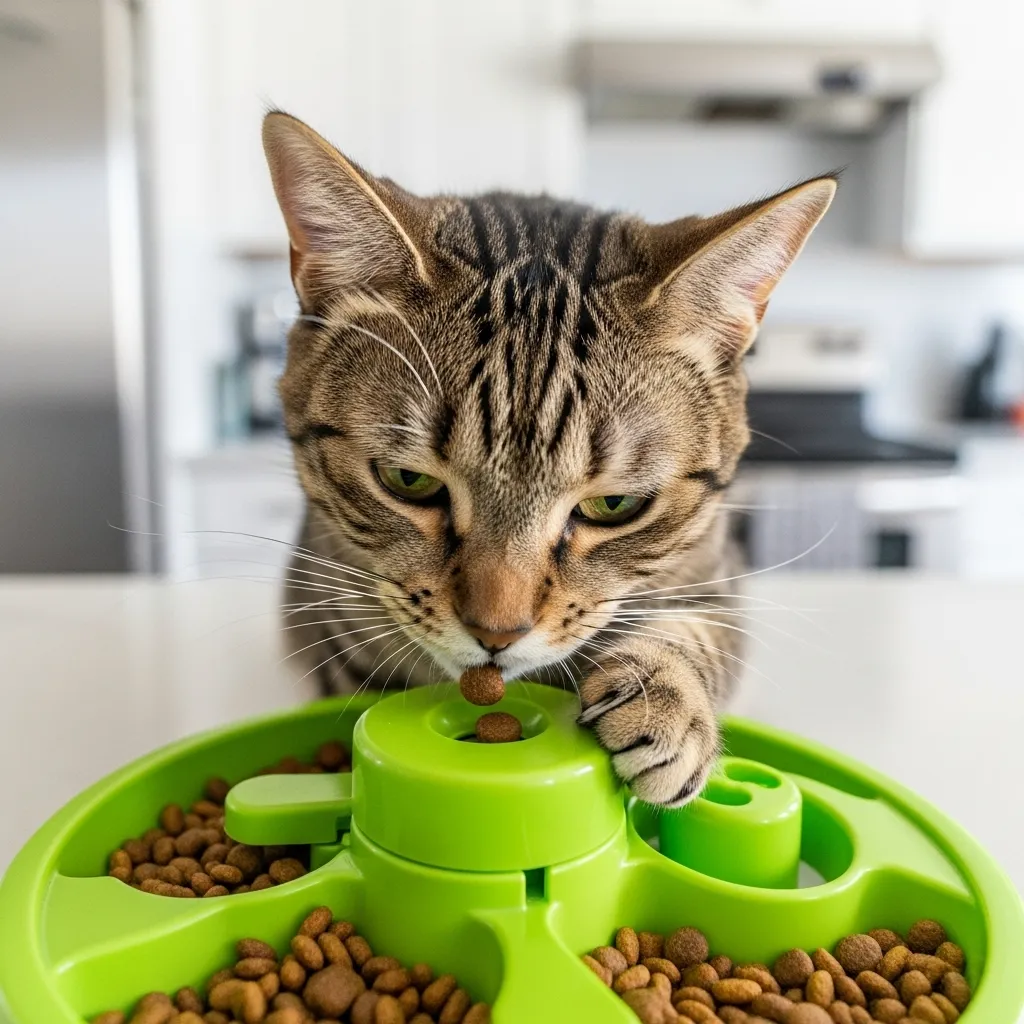
Cat grunting while eating is classic in food-obsessed felines. Gulping air with kibble creates stomach pressure—and grunts.
Fix It Fast:
- Use puzzle feeders to slow dining
- Elevate food bowls for better posture
- Split meals into 3–4 smaller portions
5. Digestive Drama: Gas, Hairballs, or Constipation
Cat digestive behavior affects vocalizations. Trapped gas or hairballs can cause discomfort grunts, especially post-meal.
Red Flags:
- Grunting + arched back
- Straining in the litter box
- Vomiting undigested food
Discover hairball solutions in American Shorthair Hairballs.
6. Nighttime Relaxation (or Sleep Apnea?)
Cat grunting at night often happens during deep REM sleep. But if it’s loud, frequent, or paired with choking sounds, suspect sleep-disordered breathing.
Vet-Approved Tip: Elevate your cat’s head with a slanted bed to reduce airway collapse.
7. Pain or Discomfort
Sudden grunting during movement? It could signal arthritis, dental pain, or abdominal issues.
Case Study: A 12-year-old Siamese began grunting when jumping onto counters. X-rays revealed early hip dysplasia. Pain meds + joint supplements stopped the noise in 10 days.
8. Attention-Seeking or Habit
Some cats learn that grunting gets a reaction. It’s like their version of “Mom, feed me now.”
Cat Grunting vs. Purring: How to Tell the Difference
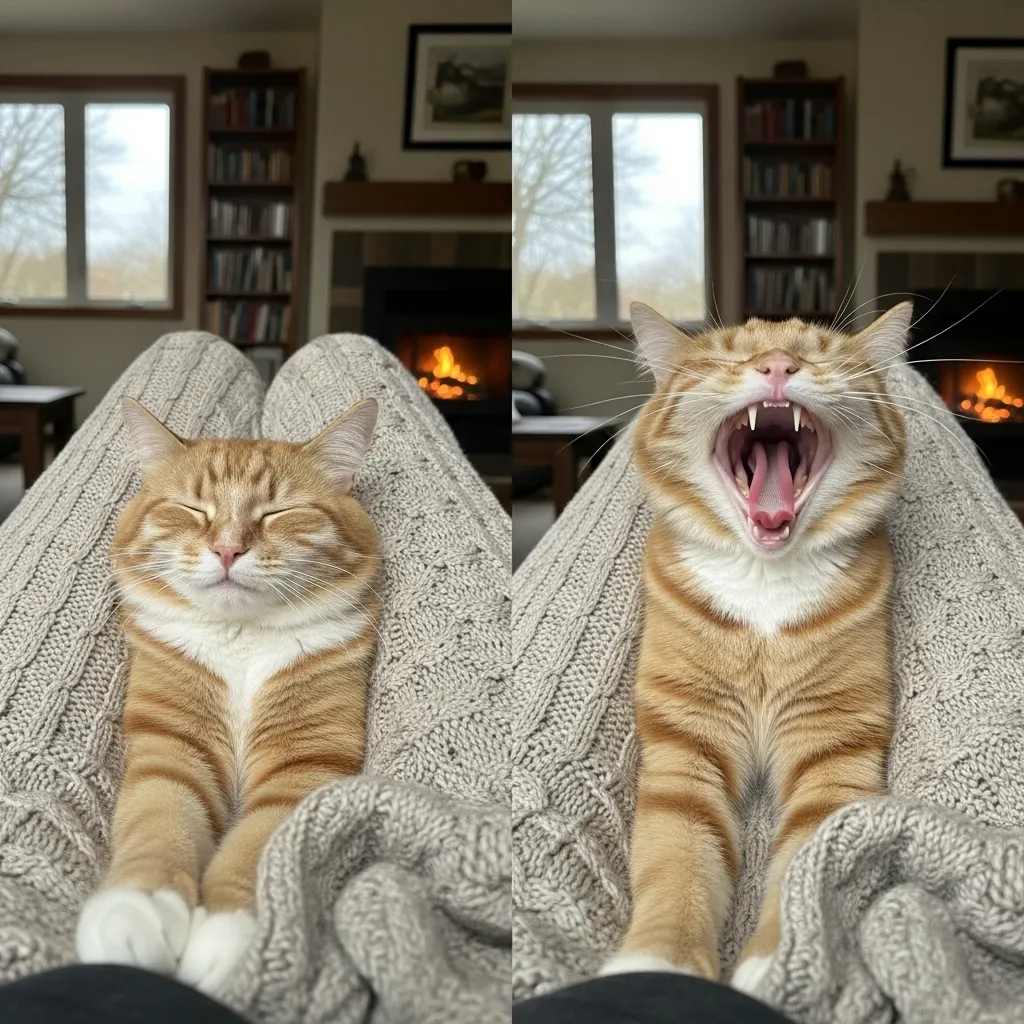
Confused by cat grunting and purring happening together? Here’s a side-by-side:
| Feature | Grunt | Purr |
|---|---|---|
| Duration | 0.5–1 second | Continuous |
| Body Language | Tense or relaxed | Fully relaxed |
| Context | Eating, jumping, sleeping | Petting, feeding, resting |
| Sound Quality | Nasal/throaty | Vibrating chest |
Fun Fact: Cats can purr and grunt simultaneously—creating a “purr-grunt” hybrid that sounds like a broken motorboat. It’s often peak happiness.
Breed-Specific Grunting Tendencies: Who’s Most Likely to Oink?
Certain breeds are grunt superstars due to anatomy or personality:
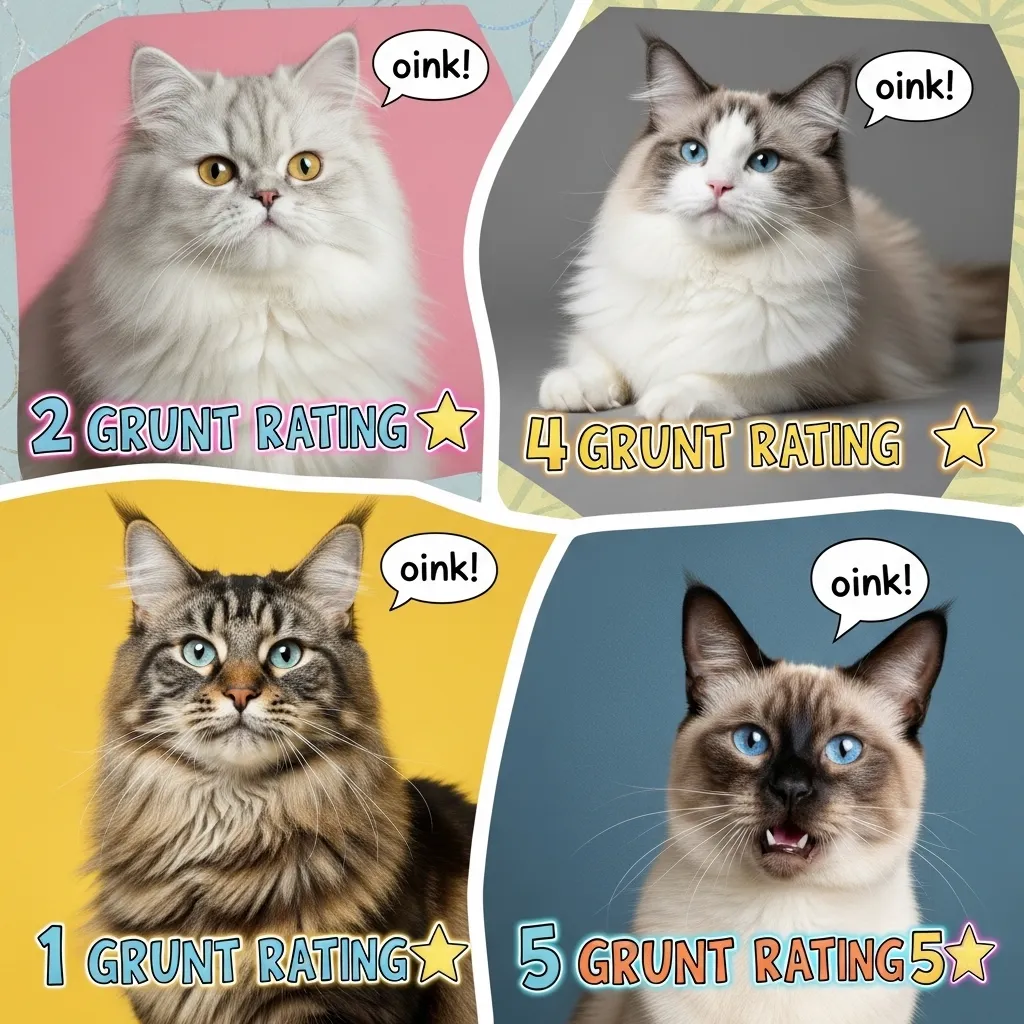
| Breed | Grunt Likelihood | Why? |
|---|---|---|
| Persian | ★★★★★ | Brachycephalic airways |
| Ragdoll | ★★★★☆ | Large size + relaxed nature |
| Maine Coon | ★★★☆☆ | Deep chest resonance |
| Bengal | ★★☆☆☆ | High energy, rare grunters |
| Siamese | ★☆☆☆☆ | Vocal but prefer meows |
Check breed profiles like Bengal Cat Personality for more.
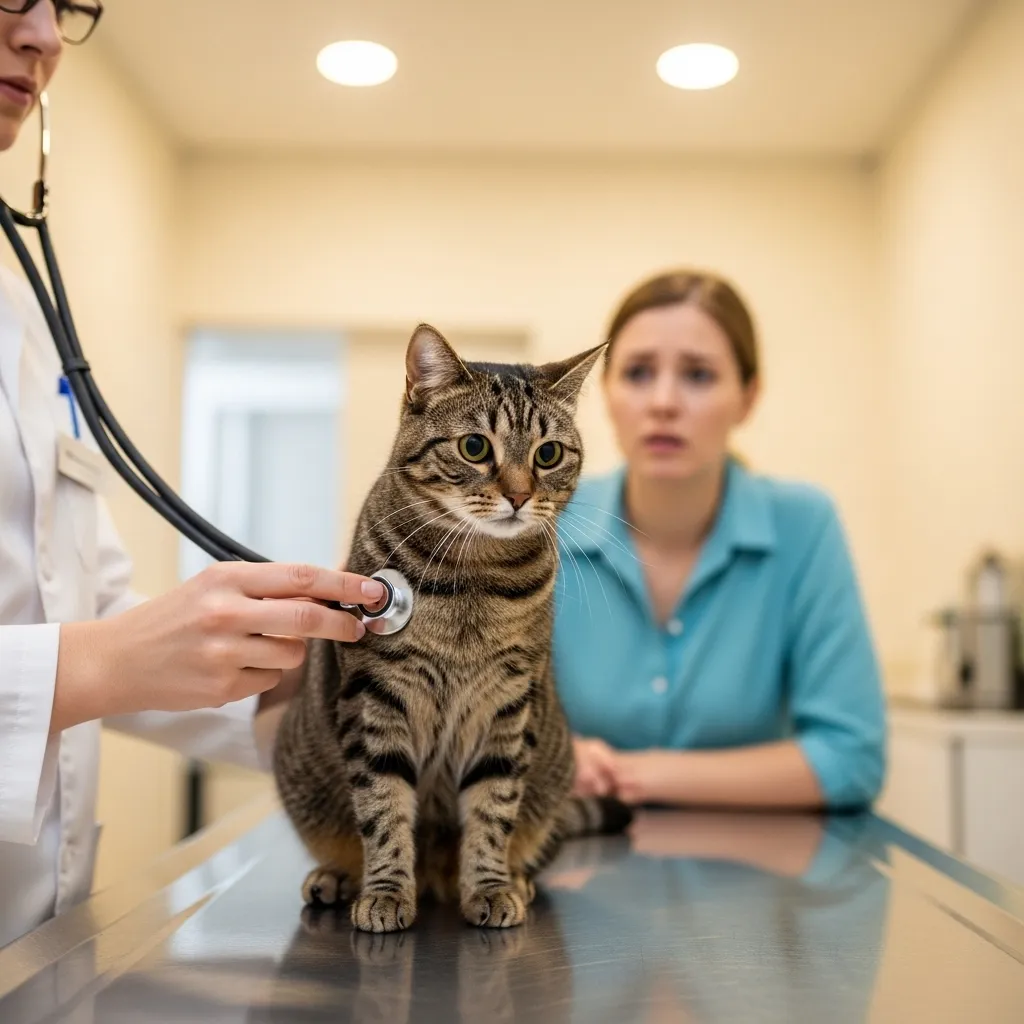
When to See a Vet for Cat Noises: Your Action Plan
Not all cat making grunting noises are cute. Rush to the vet if you notice:
🚨 Emergency Signs:
- Blue gums or tongue
- Open-mouth breathing at rest
- Grunting + coughing up foam
- Sudden weight loss
⚠️ Schedule Soon If:
- Grunting started after age 7
- Paired with sneezing or nasal discharge
- Your cat is overweight and lethargic
Diagnostic Tests Vets May Run:
- Physical exam + weight assessment
- Chest X-rays for airway/lung issues
- Bloodwork for infection or organ function
- Endoscopy (rare) for upper airway blockages
Find a trusted professional with our Finding the Best Vet for Your Cat guide.
How to Reduce Cat Grunting: 7 Vet-Backed Strategies
Ready to silence unhealthy grunts? Implement these cat care tips:
1. Optimize Weight with Portion Control
Use a measuring cup—no free-feeding. Aim for 20–25 calories per pound of ideal body weight daily.
2. Choose the Right Food Texture
Wet food reduces air gulping vs. dry kibble. Try pâté over chunks for fast eaters.
3. Elevate Bowls for Brachy Breeds
Raised feeders improve swallowing angles and reduce neck strain.
4. Daily Playtime = Lean Muscles
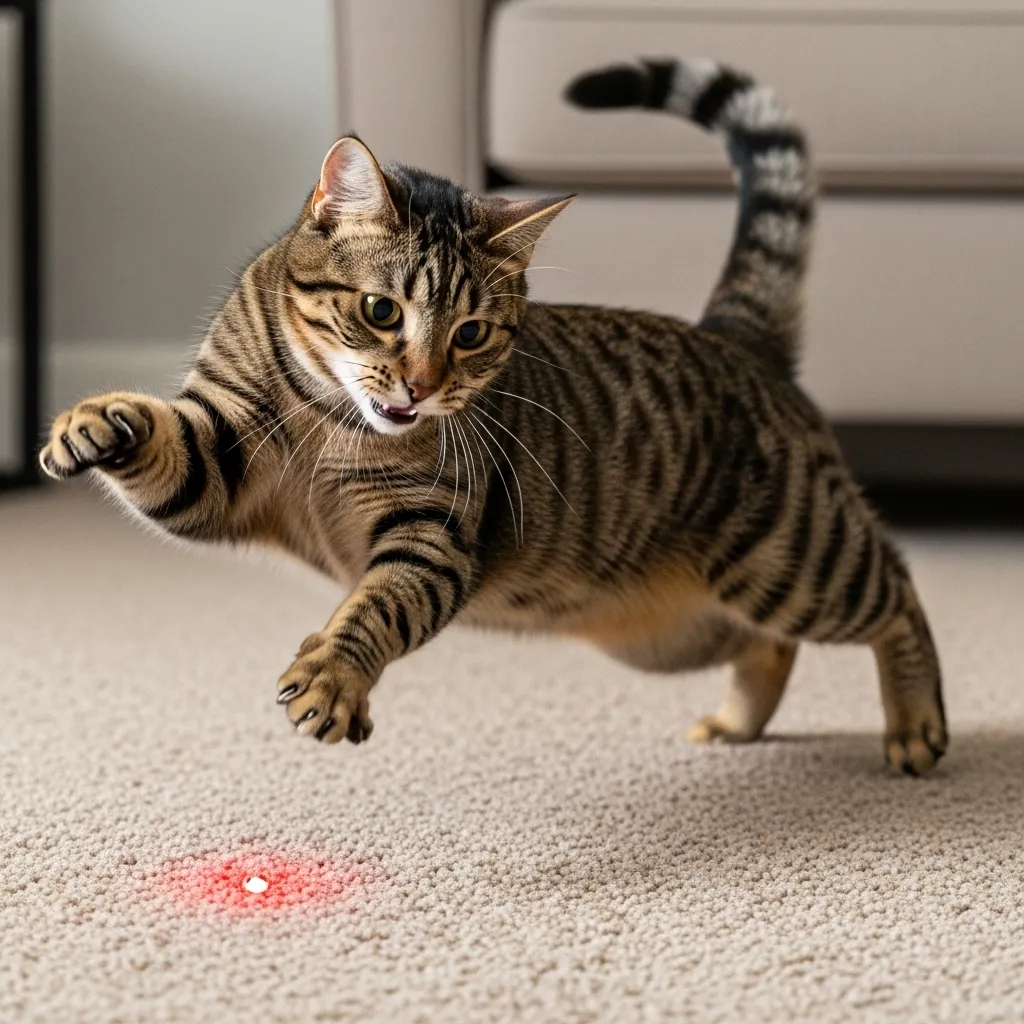
10-minute laser pointer sessions twice daily burn 50+ calories.
5. Groom Regularly to Prevent Hairballs
Brush 3x/week to minimize ingested fur. Long-haired cats need daily sessions.
6. Monitor for Allergies or Asthma
Wheezing grunts? Consider hypoallergenic litter or air purifiers.
7. Annual Senior Wellness Exams
Cats over 7 should have blood pressure and thyroid checks—grunting can signal hyperthyroidism.
Funny Cat Noises Explained: The Internet’s Favorite Grunts
Let’s be real—cat making pig noises is comedy gold. TikTok is flooded with cat breathing noises (TikTok trend topic) compilations racking up millions of views. But what’s behind the viral cute cat grunting compilation clips?
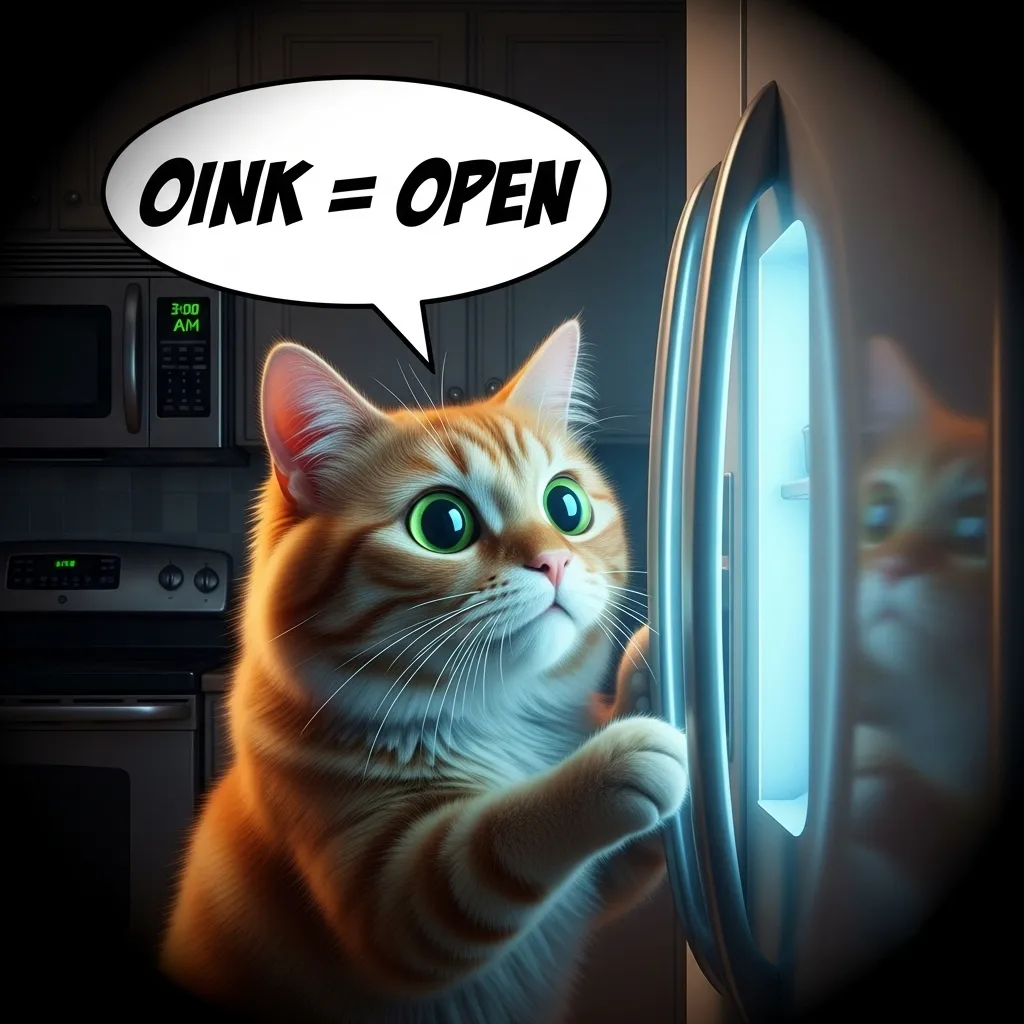
- The “Angry Baker” Grunt: Kneading dough (your belly) with forceful grunts.
- The “Fridge Raider” Oink: Grunting at the fridge door at 3 a.m.
- The “Zoomies Grunt: Mid-sprint grunts during nighttime parkour.
These funny cat noises explained moments are usually harmless—but always rule out pain first.
Cat Grunting Meaning by Context: Your Cheat Sheet
| Situation | Likely Meaning | Action |
|---|---|---|
| While eating | Excitement or air gulping | Slow-feed bowl |
| During sleep | Deep relaxation | Monitor for snoring |
| When picked up | Discomfort or protest | Check for pain |
| With purring | Extreme happiness | Enjoy the love! |
| After exercise | Overexertion | Cool-down period |
FAQ: Your Top Cat Grunting Questions Answered
Q: What does cat grunting and purring at the same time mean?
A: Usually peak contentment—like a cat’s version of singing in the shower. Common in Ragdolls and Maine Coons.
Q: Why is my cat grunting while eating but still hungry?
A: Fast eating causes air swallowing. Try a puzzle feeder or smaller portions.
Q: Is cat grunting at night normal?
A: Occasional soft grunts during sleep are fine. Loud, frequent, or choking sounds need a vet visit.
Q: Can obesity cause cat grunting?
A: Yes—extra fat compresses airways. Even mild weight gain can trigger overweight cat sounds.
Q: Why do brachycephalic cats grunt more?
A: Their flat faces narrow nasal passages, forcing mouth breathing and snorts.
Q: My cat makes grunting noises when happy—should I worry?
A: Not if they’re otherwise healthy. Record the sound for your vet’s peace of mind.
Q: When should I take my cat to the vet for grunting?
A: Immediately if paired with lethargy, blue gums, or breathing distress. Otherwise, schedule within 1–2 weeks for new grunting.
Keep Your Cat Healthy and Grunt-Free: Final Thoughts
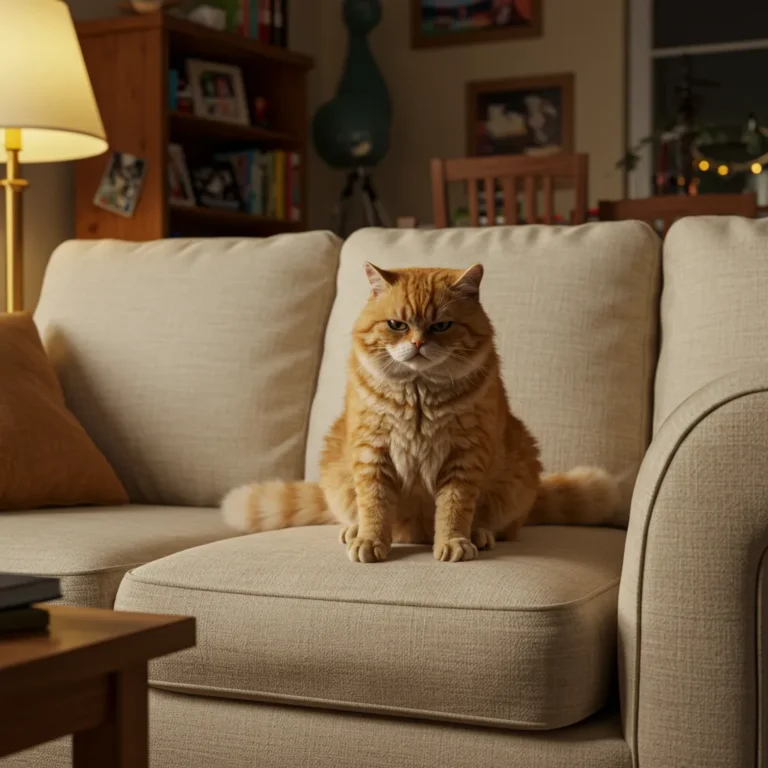
From piggy bliss grunts to warning-sign wheezes, cat grunting behavior is your feline’s way of communicating. By understanding cat grunting meaning in context—whether it’s breed-related, weight-driven, or just pure joy—you can respond with confidence.
Remember: Most grunts are harmless, but never ignore changes. A quick vet check can prevent small issues from becoming big problems.
Ready for more expert insights? Explore our detailed guides on Cat Health and Wellness or discover breed-specific tips like Best Beds for American Shorthair Cats. At Cat Bloom Haven, we’re obsessed with helping you give your cat the happiest, healthiest life—grunts and all.
Your cat’s quirky noises are just one more reason to love them. Keep listening, keep learning, and keep blooming. 🌸