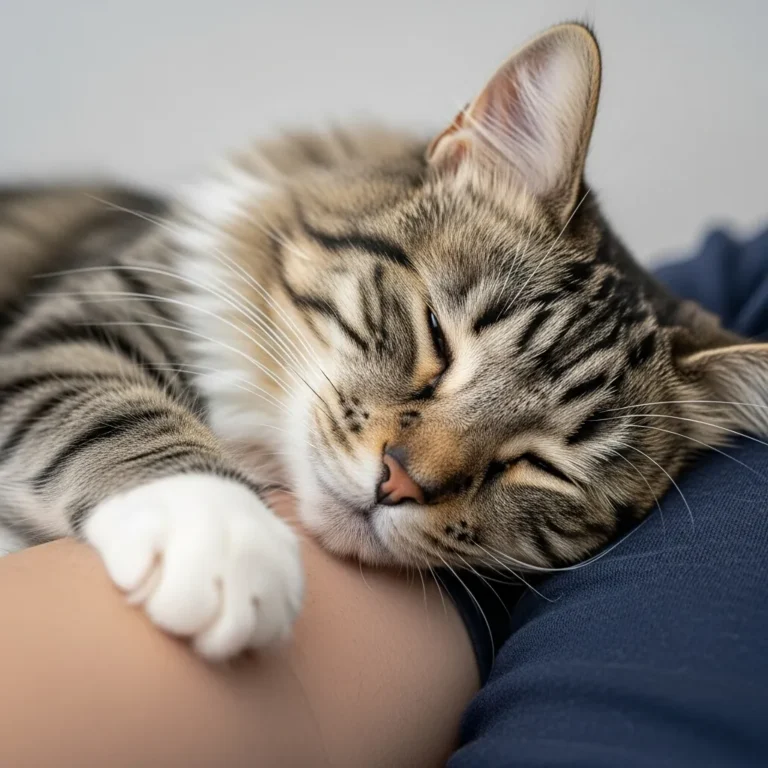
Why Does My Cat Scratch the Wall? A Complete Cat Behavior Guide to Understanding and Redirecting This Instinct
Picture this: You walk into your living room after a long day, only to find fresh claw marks streaking down your freshly painted wall. Your cat sits nearby, tail flicking, looking entirely unbothered as if redecorating your home is part of their job description. If you’ve ever asked yourself, “Why does my cat scratch the wall?” you’re not alone. This frustrating yet completely natural cat scratching behavior drives millions of pet parents to search for answers every year.
The good news? Wall scratching isn’t defiance. It’s communication, instinct, and sometimes a cry for help. In this ultimate cat behavior guide, we’ll decode why cats scratch walls, explore the reasons cats scratch, and most importantly give you proven, vet-approved ways to stop your cat from scratching walls without stress or punishment.
Key Takeaways :
- Cats scratch walls to sharpen claws, mark territory, stretch muscles, and relieve stress.
- Cat anxiety scratching and bored cat behavior are common triggers in indoor cats.
- Redirecting cat scratching to appropriate surfaces stops 90% of wall damage.
- Never declaw use scratching post alternatives and positive reinforcement instead.
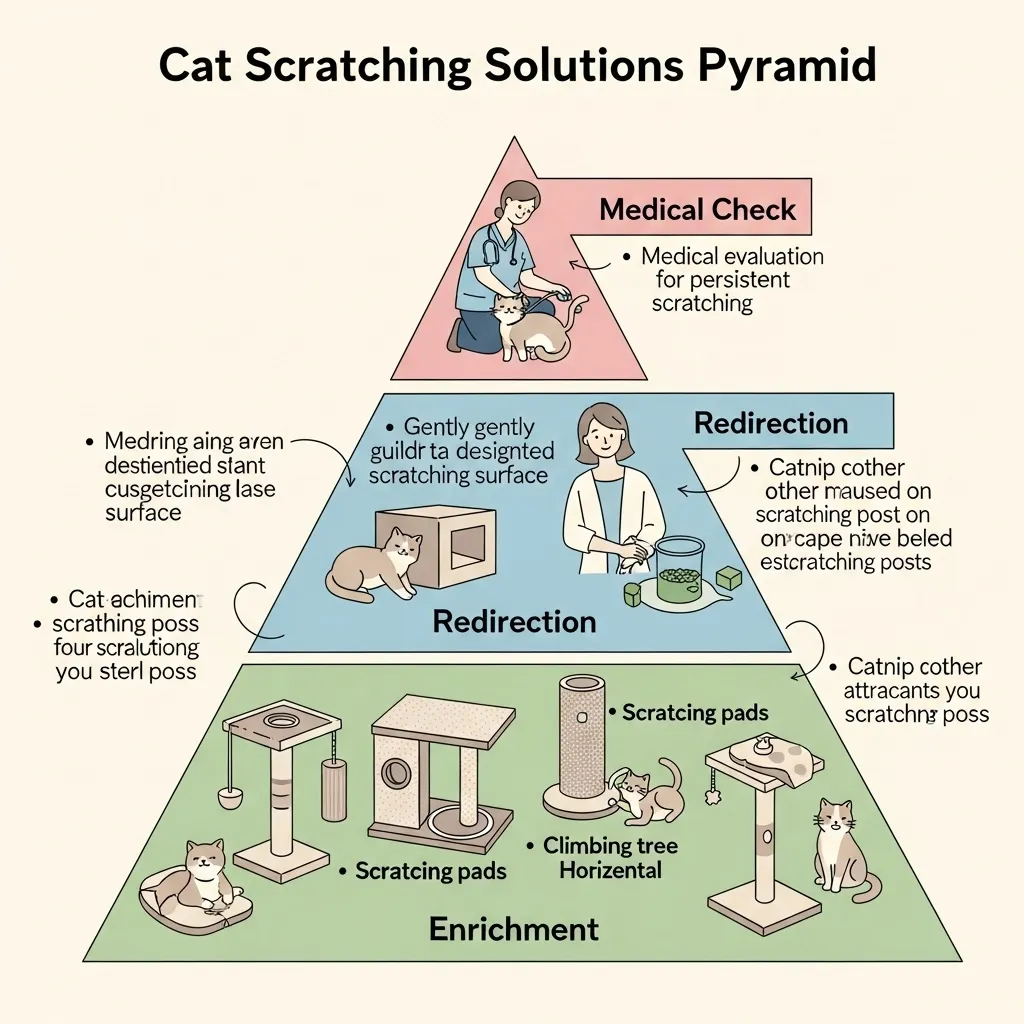
- Persistent cat scratching problems may signal health issues; consult a vet if behavior changes suddenly.
Ready to protect your walls and keep your cat happy? Let’s dive deep into feline instincts, science-backed solutions, and real-life fixes that actually work.
The Science Behind Cat Scratching Behavior: More Than Just “Bad Habits”
Cats don’t scratch to annoy you. Every swipe serves a biological purpose rooted in thousands of years of evolution.
Why Scratching Is Essential for Physical Health
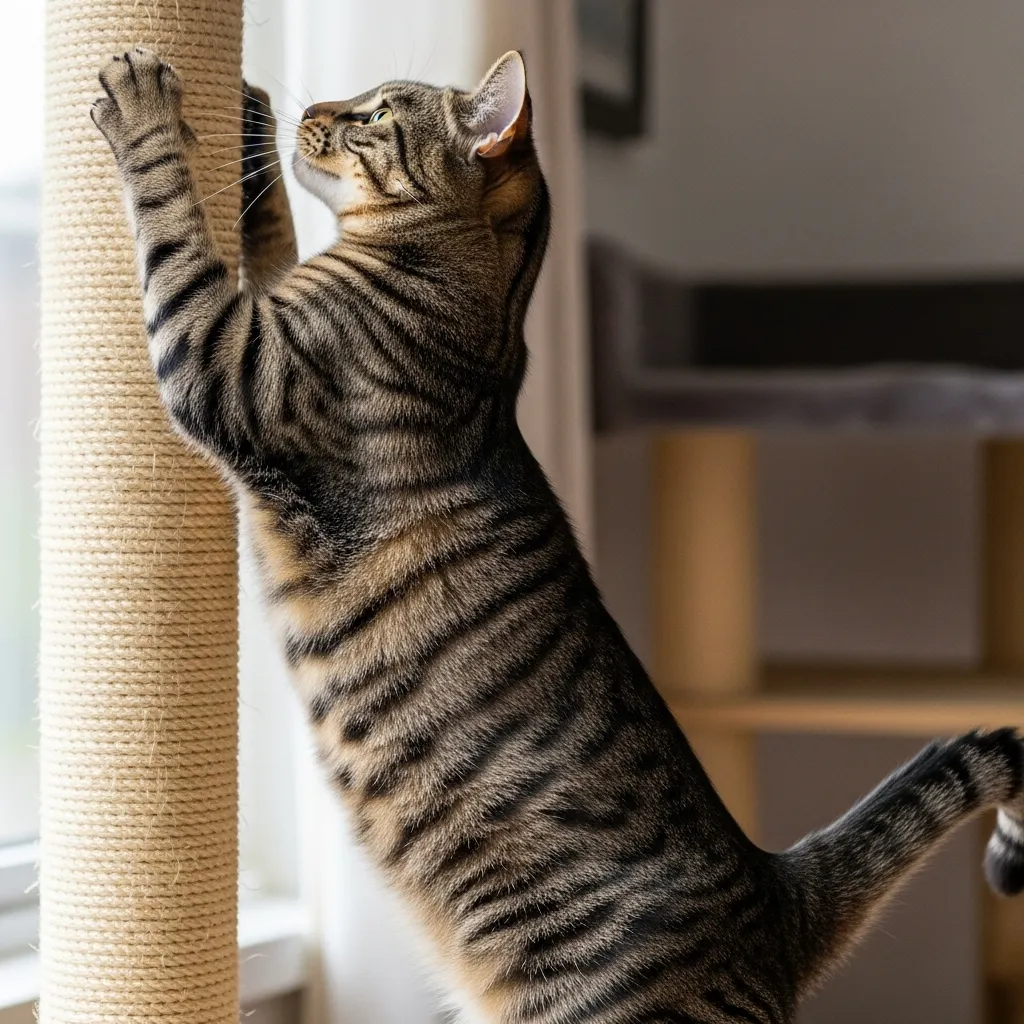
Scratching isn’t optional it’s exercise. When your cat digs into a wall:
- Claw maintenance: Removes the dead outer sheath, keeping claws sharp for climbing and defense.
- Full-body stretch: Engages shoulders, back, and core muscles.
- Paw pad health: Stimulates blood flow and prevents cracking.
Expert Insight: Dr. Sarah Wooten, DVM, notes that “scratching is as vital to cats as stretching is to humans. Denying it leads to frustration and indoor cat behavior issues.”
Territorial Marking in Cats: “This Wall Is Mine”
Your wall isn’t just a surface it’s a billboard.
How Cats Use Scent and Visual Cues
- Scent glands in paw pads release pheromones with every scratch.
- Visual markers (claw lines) signal ownership to other pets or imaginary rivals.
- Even solo indoor cats follow this instinct territorial marking in cats is hardwired.
Real-Life Example: A client’s Bengal stopped wall scratching after we placed a tall post near his favorite corner. He “claimed” the post instead of the drywall.
Pro Tip: Place scratching surfaces where your cat already marks near entryways, windows, or sleeping spots.
Cat Communication Behavior: What Your Cat Is Really Saying
Scratching is language. Here’s the translation:
| Scratch Location | Likely Message |
|---|---|
| Near doors/windows | “I see outside cats back off!” |
| Your bedroom wall | “I sleep here, this is my safe zone.” |
| Random walls at night | “I’m bored, play with me!” |
Understanding feline body language helps you respond instead of react.
Explore our detailed guide on feline body language
Why Cats Scratch Walls: 7 Root Causes (And How to Spot Them)
Not all scratching is equal. Let’s break down the reasons cats scratch with clear signs and fixes.
1. Boredom and Lack of Mental Stimulation
Indoor cat behavior issues spike when cats lack enrichment.
Signs:
- Scratching only when you’re away
- Zoomies after scratching
- Knocking items off shelves
Fix: 10–15 minutes of interactive play twice daily. Try wand toys or laser pointers.
2025 Trend: Puzzle feeders and window perches reduce bored cat behavior by 70% (ASPCA study).
Discover cat mental stimulation ideas
2. Cat Stress and Scratching
Stress turns normal scratching destructive.
Triggers:
- New pets or babies
- Moving homes
- Loud noises (construction, fireworks)
Signs:
- Excessive grooming
- Hiding
- Cat anxiety scratching near escape routes
Natural cat behavior solutions:
- Feliway diffusers
- Safe spaces (cat trees, closets)
- Consistent routines
Learn more in our cat stress signs guide
3. Unneutered Cats: Hormones Gone Wild
Intact males and females scratch more to spread mating pheromones.
Fix: Spay/neuter by 5–6 months. Reduces marking by 90%.
4. Medical Issues masquerading as Bad Behavior
Pain or illness can increase scratching.
| Condition | Scratching Pattern |
|---|---|
| Arthritis | Low walls, slow stretches |
| Skin allergies | Base of tail, intense |
| Hyperthyroidism | Frenetic, all hours |
When to call the vet: Sudden increase, blood in scratches, or lethargy.
Finding the best vet for your cat
How to Stop Cat from Scratching Walls: Step-by-Step Action Plan
No more guessing. Follow this proven system.
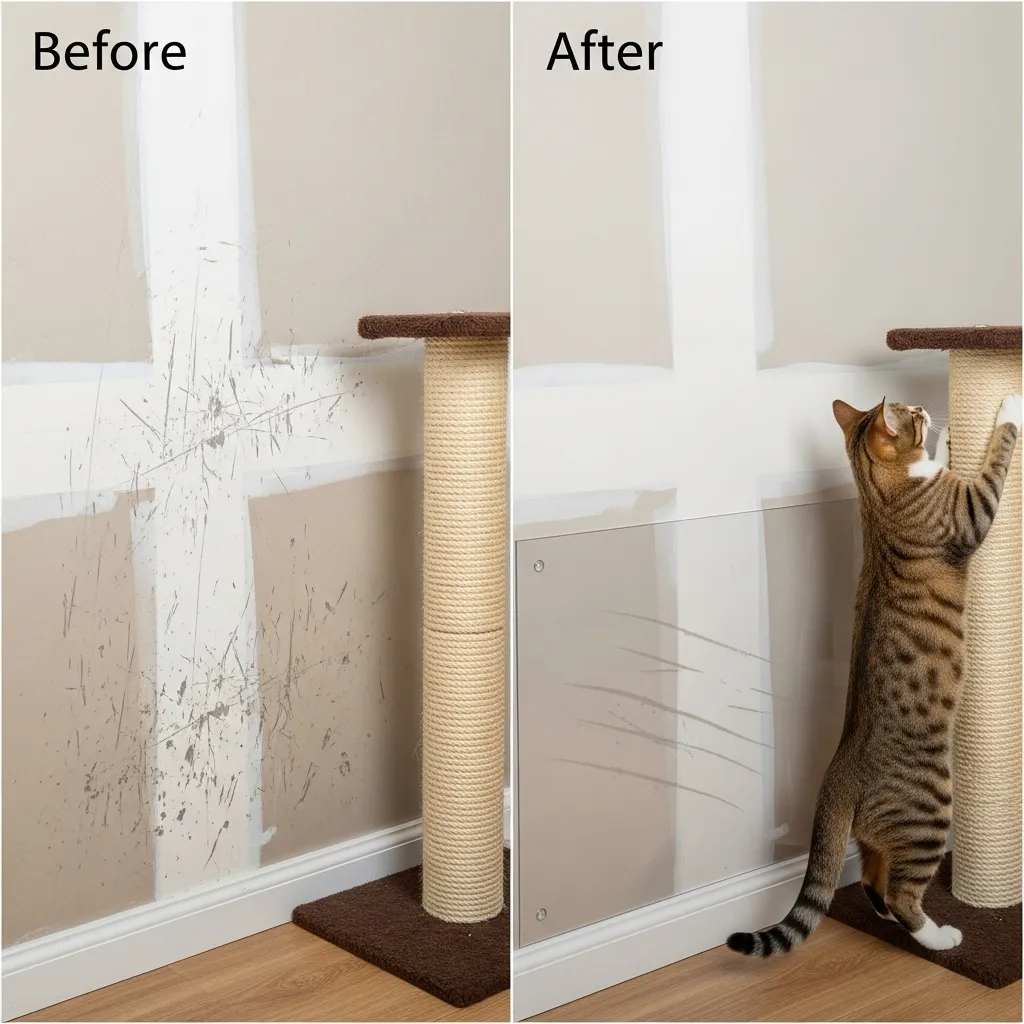
Step 1: Protect Your Walls (Immediate Damage Control)
| Method | How to Apply | Effectiveness |
|---|---|---|
| Double-sided tape | Stick to scratched areas | 8/10 |
| Aluminum foil | Tape loosely over wall | 7/10 |
| Plastic wall guards | Screw-on clear panels | 9/10 |
DIY Hack: Mix citrus essential oil + water in a spray bottle. Cats hate the smell.
How to protect furniture from cats
Step 2: Choose the Best Scratching Posts 2025
Not all posts are equal. Here’s what works:
| Feature | Why It Matters | Top Pick 2025 |
|---|---|---|
| Height ≥ 32” | Allows full stretch | Pioneer Pet SmartCat Ultimate |
| Material Sisal fabric (not rope) | Mimics tree bark | Frisco 33.5” Post |
| Stability Heavy base | Prevents tipping | Amazon Basics Tall Post |
Scratching post alternatives:
- Cardboard scratchers (horizontal preference)
- Wall-mounted sisal boards
- Cat trees with built-in posts
Best scratching posts 2025 roundup (Note: Create this page if not live)
Step 3: Redirecting Cat Scratching with Positive Reinforcement
- Place post next to scratched wall (not across the room).
- Rub with catnip or silver vine.
- Praise + treat every time they use it.
- Gradually move post to preferred location.
Success Story: A Maine Coon owner stopped wall scratching in 3 days using this method.
Teach your cat to fetch (bonus enrichment!)
Step 4: Cat Stress Relief Techniques
- Pheromone collars (Adaptil)
- Calming treats (L-theanine)
- White noise machines for noise-sensitive cats
Cat stress relief techniques masterlist
When Scratching Signals Deeper Issues: Red Flags
Normal scratching = occasional, targeted.
Problem scratching = obsessive, bloody, or sudden.
| Red Flag | Possible Cause | Action |
|---|---|---|
| Scratching own skin raw | Fleas, allergies | Vet visit + flea treatment |
| Nighttime wall frenzy | Hyperthyroidism | Bloodwork |
| Scratching + crying | Urinary blockage (males) | EMERGENCY |
Maintaining Cat Well-Being: Long-Term Prevention
Prevent cat scratching problems with daily habits:
- Nail trims every 2 weeks – Use guillotine clippers; only cut the clear part.
- Soft paws nail caps – Last 4–6 weeks, vet-approved.
- Annual vet exams – Catch issues early.
- Rotate toys weekly – Prevent bored cat behavior.
FAQ: Your Top Cat Scratching Questions Answered
Why do cats scratch walls instead of furniture?
Walls are vertical, stable, and often near territory boundaries (doors, windows). They mimic tree trunks in the wild.
Is wall scratching a sign of cat anxiety?
Sometimes. Look for other signs: hiding, overgrooming, or appetite changes. Cat stress and scratching often go hand-in-hand.
What are the best scratching posts 2025?
Tall (32”+), sisal fabric, heavy base. Avoid carpet posts confuse cats about acceptable surfaces.
How can I protect door frames from cat scratches?
Use clear plastic guards or sisal-wrapped frames.
Protect door frames from cat scratches
Will my cat stop scratching if I declaw them?
Declawing is cruel and illegal in many places. It causes lifelong pain and behavior issues. Use redirection instead.
Why does my cat scratch the wall at night?
Boredom, hunger, or anxiety. Try auto-feeders, night lights, or bedtime play.
Final Thoughts: Turn Wall Scratching Into a Bonding Opportunity
Your cat isn’t “naughty” they’re being a cat. By understanding cat scratching behavior, providing outlets for territorial marking in cats, and addressing cat anxiety scratching or bored cat behavior, you protect your home and deepen your bond.
Start tonight:
- Order a tall sisal post.
- Play 10 minutes before bed.
- Praise every good scratch.
In a week, you’ll see less wall damage and a happier cat.
Explore more expert cat care and behavior guides on Cat Bloom Haven from cat training behavior to stop cats scratching furniture, we’ve got you covered.
Your walls (and your cat) will thank you.