Why Does My Cat Hump My Leg at Night? Understanding Feline Behavior and Solutions
Picture this: you’re winding down for the night, cozy in bed, when suddenly your cat leaps onto your leg and starts humping. It’s awkward, maybe even a little alarming, and you’re left wondering, “Why is my cat doing this?” If your cat’s nighttime humping has you puzzled, you’re not alone. This quirky feline behavior can stem from natural instincts, stress, or even medical issues.
In this comprehensive guide, we’ll dive deep into the reasons behind cat humping behavior at night, explore its connections to feline reproductive behavior, cat dominance behavior, and stress-related behaviors in cats, and share practical, vet-backed solutions to manage it. By the end, you’ll have a clear understanding of your cat’s actions and actionable steps to address them.
Key Takeaways
- Cat humping behavior at night can be driven by reproductive instincts, dominance, stress, or medical issues.
- Neutered cats may still hump due to lingering hormones, playfulness, or anxiety.
- Cat territorial behavior and cat dominance signs often manifest at night when cats feel more assertive.
- Stress or environmental changes can trigger cat anxiety at night, leading to humping.
- Addressing humping involves environmental enrichment, stress management, and, if needed, a vet visit.
- Learn more about feline behavior explained to decode your cat’s quirks.
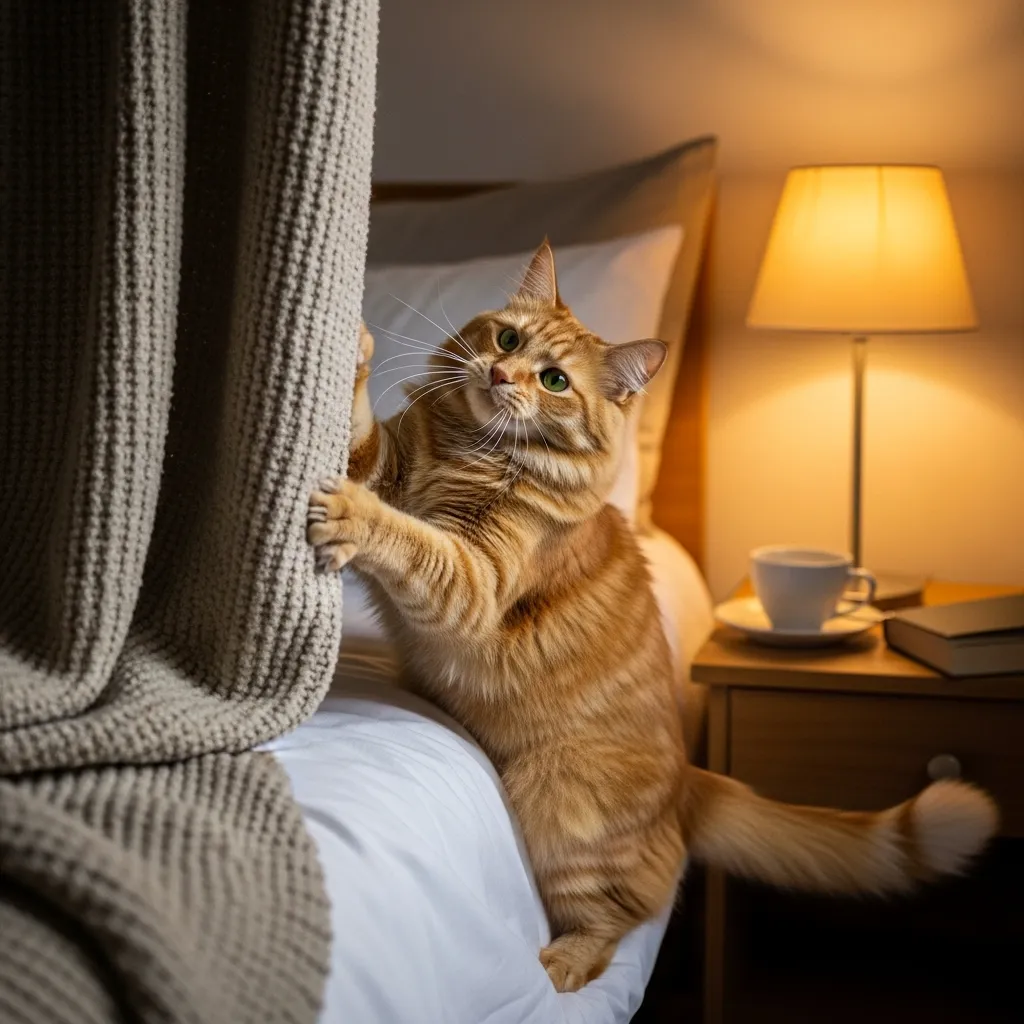
Decoding Why Cats Hump: The Root Causes
Cats humping legs, blankets, or even stuffed animals at night can feel like a mystery, but it’s often tied to their instincts or environment. Let’s break down the primary reasons behind cat humping behavior to help you understand what’s going on.
1. Feline Reproductive Behavior: Instincts at Play
Cats are driven by powerful instincts, even after being spayed or neutered. Cat mating behavior can persist, especially in unneutered cats or those recently fixed. Humping mimics mating actions and is a natural way for cats to express sexual urges.
- Unneutered cats: Intact males or females in heat are more likely to hump as a response to hormonal drives. This is especially common at night when the house is quiet, and their instincts kick in.
- Neutered cats: Even after neutering, some cats retain cat sexual behavior for weeks or months due to residual hormones. According to veterinarians, this typically fades within 6–12 weeks post-surgery.
- What to watch for: Frequent humping, vocalizing, or spraying may indicate a need for spaying/neutering. Explore our spaying a cat guide for more details.
2. Cat Dominance Behavior: Claiming Territory
Cats are territorial creatures, and humping can be a way to assert cat dominance behavior or mark their space. Nighttime, when the household is calm, is a prime time for cats to establish control.
- Why it happens at night: Cats may feel more confident in the dark, leading to cat territorial behavior. Humping your leg could be their way of saying, “This is my space!”
- Dominance signs: Look for other behaviors like rubbing against furniture, blocking doorways, or staring contests with other pets. Check out dominant cat behaviors for a deeper dive.
- Multi-cat households: Humping can escalate in homes with multiple cats as they compete for dominance.

3. Stress-Related Behaviors in Cats: Anxiety After Dark
Cat anxiety at night can manifest in unusual ways, including humping. Stressors like a new pet, a move, or changes in routine can trigger stress-related behaviors in cats.
- Common triggers: Loud noises, unfamiliar visitors, or even a rearranged living room can unsettle your cat, leading to humping as a coping mechanism.
- Nighttime connection: Cats are crepuscular (most active at dawn and dusk), so stress may peak at night, amplifying behaviors like humping.
- Signs of stress: Excessive grooming, hiding, or vocalizing are clues your cat might be stressed. Learn more in our cat stress signs guide.
4. Medical Concerns: When Humping Signals a Problem
While humping is often behavioral, it can sometimes point to health issues. Cat behavior problems like humping may indicate discomfort or underlying conditions.
- Skin irritations or allergies: Itching or discomfort in the pelvic area can lead to humping as a way to relieve irritation. See cat allergies guide for more.
- Urinary issues: Conditions like urinary tract infections (UTIs) or bladder stones can cause discomfort, prompting humping. Our cat urinary health guide covers symptoms to watch for.
- Hormonal imbalances: In rare cases, incomplete neutering or adrenal issues can cause persistent cat sexual behavior.

When to see a vet: If humping is sudden, excessive, or paired with symptoms like lethargy, appetite changes, or litter box issues, consult a veterinarian. Check out when to see a vet for cat behavior for guidance.
Why Nighttime? Understanding Cat Humping at Night
Nighttime humping is particularly common because cats are naturally more active during low-light hours. Their crepuscular nature means they’re wired to hunt, play, or assert themselves when the world is quiet. Here’s why cat humping at night stands out:
- Heightened instincts: Cats’ predatory and territorial instincts peak at night, making behaviors like humping more pronounced.
- Fewer distractions: A calm household lets cats focus on asserting dominance or relieving stress through humping.
- Your availability: At night, you’re stationary (in bed), making your leg an easy target for attention-seeking or dominance displays.
For more on nighttime quirks, explore nighttime cat behavior.
Neutered Cats and Humping: Why It Still Happens
If your cat is neutered but still humping, you might be scratching your head. Here’s why neutered cat humping behavior occurs:
- Residual hormones: It can take weeks for hormones to fully dissipate after neutering, leading to lingering cat mating behavior.
- Learned behavior: If humping was a habit before neutering, your cat might continue it out of routine.
- Play or attention-seeking: Humping can be a playful or attention-grabbing act, especially in social cats like Siamese. See Siamese cat behavior for breed-specific insights.
- Stress or boredom: Neutered cats may hump to cope with cat anxiety at night or lack of stimulation.
For more on post-neutering changes, check male cat neutering changes.
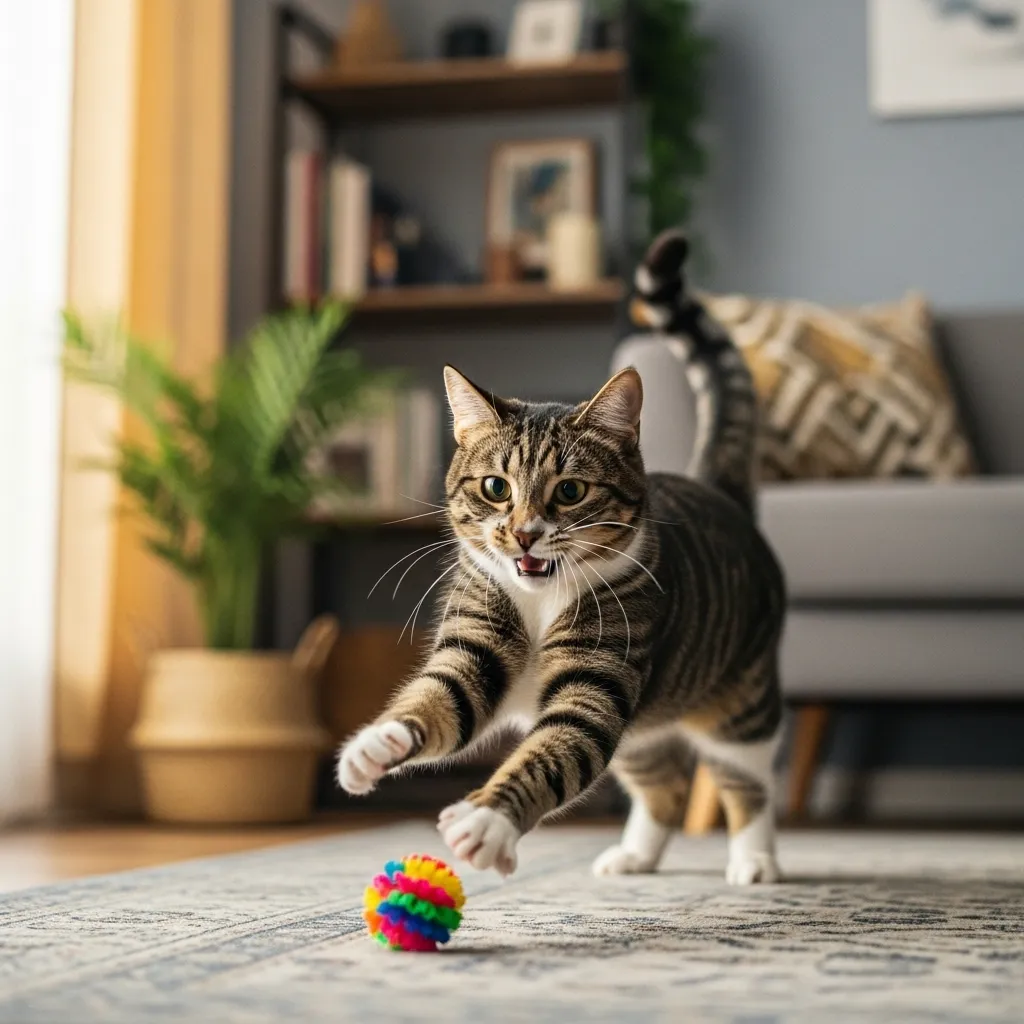
Managing Cat Humping Behavior: Practical Solutions
Now that we’ve covered the why, let’s tackle the how. Here are vet-backed strategies to manage cat humping behavior and create a calmer nighttime routine.
1. Enrich Their Environment
Boredom and pent-up energy can fuel cat behavior problems. Providing mental and physical stimulation can reduce humping.
- Interactive toys: Puzzle feeders, laser pointers, or feather wands engage your cat’s hunting instincts. Try our tips in keep Siamese cats entertained.
- Playtime before bed: A 15–20-minute play session mimics hunting and tires your cat out, reducing nighttime cat behavior issues.
- Scratching posts and perches: These satisfy territorial instincts, diverting attention from humping.
2. Manage Stress and Anxiety
Cat anxiety at night can trigger humping, so creating a calm environment is key.
- Consistent routine: Feed, play, and interact with your cat at the same times daily to reduce stress.
- Safe spaces: Provide cozy hiding spots or a high perch where your cat feels secure. See cat hiding behavior for tips.
- Pheromone diffusers: Products like Feliway mimic calming feline pheromones, easing stress-related behaviors in cats. Learn more in managing stress in cats.

3. Redirect Humping to Appropriate Objects
If your cat insists on humping, redirect them to acceptable outlets.
- Stuffed toys or blankets: Provide soft objects for humping to shift focus from your leg. Check cat humping stuffed animals or blankets for related behaviors.
- Positive reinforcement: Reward your cat with treats or praise when they hump appropriate items instead of you.
4. Spay or Neuter Your Cat
If your cat isn’t fixed, spaying or neutering can significantly reduce cat sexual behavior and humping. Benefits include:
- Decreased hormonal urges.
- Reduced territorial behaviors like spraying or humping.
- Lower risk of certain health issues.
For more, read our spaying a cat guide.
5. Consult a Veterinarian
If humping persists or is paired with concerning symptoms, a vet can rule out medical causes.
- What to expect: The vet may check for UTIs, skin issues, or hormonal imbalances through exams or tests.
- Behavioral consultation: A feline behaviorist can help address cat dominance behavior or cat anxiety at night.
- When to act: Sudden humping in a previously calm cat warrants a visit. See cat vet visit schedule for guidance.
Breed-Specific Humping Tendencies
Some breeds are more prone to humping due to their personality or energy levels. Here’s a quick look:
| Breed | Humping Tendency | Why? |
|---|---|---|
| Siamese | High | Vocal and attention-seeking; may hump for attention or stress relief. |
| Bengal | Moderate | High energy and territorial instincts can lead to humping. |
| Maine Coon | Low | Generally laid-back but may hump if stressed or bored. |
| Ragdoll | Low | Docile nature; humping is rare unless triggered by medical issues. |
For breed-specific tips, explore cat breeds personalities.

When to Worry: Red Flags to Watch For
While occasional humping is normal, certain signs suggest it’s time to take action:
- Sudden onset: New humping in a previously calm cat could indicate stress or health issues.
- Aggression or distress: Humping paired with growling, hissing, or hiding may signal cat anxiety at night. See sudden cat aggression.
- Physical symptoms: Lethargy, appetite changes, or litter box avoidance alongside humping warrant a vet visit.
- Excessive frequency: Daily or intense humping may point to underlying issues.
For more on health concerns, check cat health care.
FAQ: Quick Answers to Common Questions
Why does my cat hump my leg at night?
It could be due to cat mating behavior, cat dominance behavior, stress, or boredom. Neutering, enrichment, and stress management can help. Learn more in cat humping behavior.
Is humping normal in neutered cats?
Yes, neutered cat humping behavior can occur due to residual hormones, playfulness, or stress. If excessive, consult a vet. See male cat neutering changes.
Could my cat’s humping be a sign of stress?
Absolutely. Cat anxiety at night can trigger humping as a coping mechanism. Look for other stress-related behaviors in cats like hiding or over-grooming. Check managing stress in cats.
How can I stop my cat from humping my leg?
Provide toys, increase playtime, use pheromone diffusers, and redirect to appropriate objects. Spaying/neutering also helps. Explore cat training behavior.
When should I see a vet about my cat’s humping?
If humping is sudden, frequent, or paired with symptoms like lethargy or litter box issues, see a vet. Read when to see a vet for cat behavior.
Why does my cat hump stuffed animals or blankets?
Humping soft objects can be a comfort-seeking or territorial behavior, often tied to cat territorial behavior or stress. See cat humping stuffed animals or blankets.
Conclusion: Take Control of Your Cat’s Nighttime Humping
Your cat’s nighttime leg-humping might seem bizarre, but it’s usually a mix of instinct, stress, or a need for attention. By understanding the causes whether it’s feline reproductive behavior, cat dominance behavior, or cat anxiety at night you can take targeted steps to manage it. Enrich their environment, reduce stress, and consult a vet if needed to keep your feline friend happy and healthy. With these strategies, you’ll turn those awkward nighttime moments into peaceful cuddles.
Explore more expert cat care and behavior guides on Cat Bloom Haven to keep your furry companion thriving!