Why Your Cat Is Peeing on Your Things: A Comprehensive Guide to Solving Inappropriate Urination
Discovering that your cat is peeing on your things whether it’s your favorite couch, your bed, or a pile of clean laundry can be frustrating and disheartening. This behavior, often called inappropriate urination, is one of the most common feline behavioral issues cat owners face. But don’t worry there’s hope! Understanding why your cat is peeing outside the litter box is the first step to stopping it.
In this guide, we’ll explore the root causes, from medical issues to stress and litter box aversion, and provide actionable solutions to restore peace in your home. Whether you’re dealing with cat urination problems or trying to stop your cat from peeing on things, we’ve got you covered with expert insights and practical tips.
Key Takeaways
- Medical issues like urinary tract infections or diabetes could be behind your cat peeing on things.
- Behavioral factors, such as cat stress and anxiety or territorial behavior, often contribute to inappropriate urination.
- Litter box aversion can stem from poor setup, location, or cleanliness easy fixes can make a big difference.
- Feline marking behavior is distinct from regular urination and is often tied to territory or stress.
- Solutions include vet visits, environmental changes, and cat pee smell removal techniques to keep your home fresh.
- Explore our detailed guide on cat behavior and litter training for more tips.
Why Is Your Cat Peeing on Your Things? Unpacking the Root Causes
When your cat starts peeing on your belongings, it’s not just random mischief they’re trying to tell you something. The reasons behind cat peeing outside the litter box fall into three main categories: medical, behavioral, and environmental. Let’s break them down to pinpoint the cause and find the best solution.
Medical Causes of Inappropriate Urination
Before assuming your cat’s behavior is purely behavioral, rule out medical issues. Cats are masters at hiding discomfort, so cat urination problems may signal an underlying health condition. Common medical causes include:
- Urinary Tract Infections (UTIs): Painful urination can lead cats to associate the litter box with discomfort, causing them to seek other spots. Symptoms include frequent urination, straining, or blood in the urine. Learn more in our cat urinary health guide.
- Feline Lower Urinary Tract Disease (FLUTD): This encompasses a range of issues like bladder stones or crystals, which can make urination painful.
- Diabetes or Kidney Disease: Increased thirst and urination can overwhelm a cat’s ability to make it to the litter box. Check our cat diabetes guide for signs to watch for.
- Arthritis or Mobility Issues: Older cats, like senior Bengals or Ragdolls, may struggle to access high-sided litter boxes. See our senior cat care guide for tailored advice.
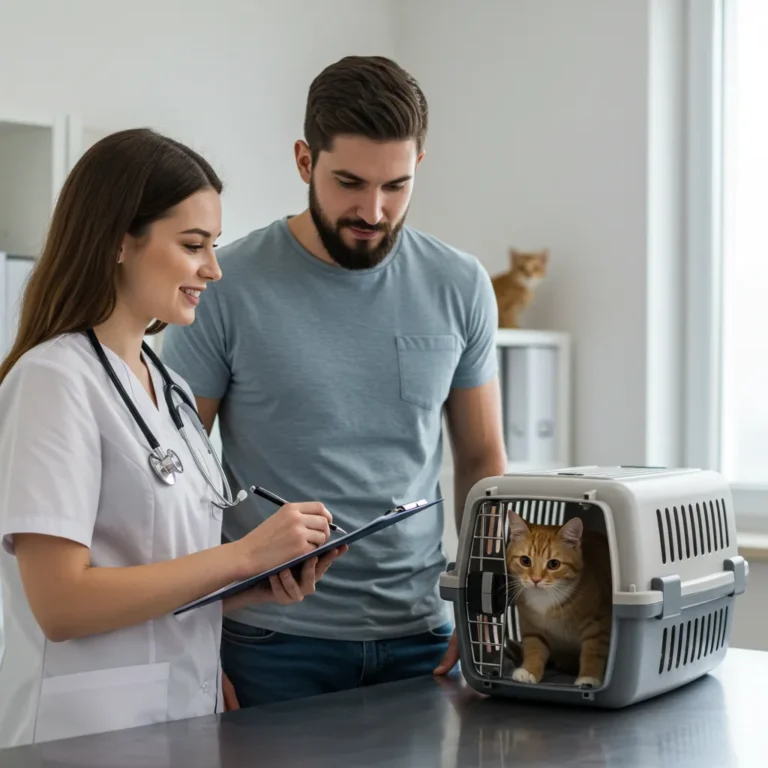
Action Step: Schedule a vet visit immediately if your cat shows signs of discomfort, such as straining, vocalizing while urinating, or changes in water intake. A simple urine test can diagnose most issues. For tips on preparing for vet visits, check out our guide on cat vet visit schedules.
Behavioral and Environmental Triggers
If your vet rules out medical issues, the problem likely lies in cat behavioral issues or environmental factors. Cats are sensitive creatures, and changes in their world can trigger feline marking behavior or litter box aversion. Here’s what to consider:
Cat Stress and Anxiety
Cats often pee on things when they’re stressed or anxious. Common triggers include:
- Household Changes: New pets, babies, or moving furniture can unsettle your cat. For example, a Siamese may react strongly to disruptions see our Siamese cat behavior guide.
- Multi-Cat Household Problems: In homes with multiple cats, competition for resources can lead to territorial marking. Bengals, known for their bold personalities, may be particularly prone. Explore our Bengal cat introduction tips for managing multi-cat dynamics.
- External Stressors: Stray cats outside your window or loud noises can make your cat feel threatened, prompting cat territorial behavior.
Real-Life Example: Sarah, a cat owner, noticed her Munchkin cat started peeing on her bed after a new dog joined the household. By introducing them gradually (following tips from our Munchkin cats and dogs coexistence guide), and adding a second litter box, the behavior stopped.
Litter Box Aversion
A cat avoiding the litter box is a common reason for peeing on things. Ask yourself:
- Is the litter box clean? Cats are fastidious and may refuse a dirty box. Scoop daily and deep-clean weekly.
- Is the location ideal? A box in a noisy or high-traffic area (like near a washing machine) can deter use. Place it in a quiet, accessible spot.
- Is the box suitable? High-sided boxes can be tough for kittens or seniors, and covered boxes may trap odors, turning cats away.
- Is the litter type right? Some cats dislike scented litter or certain textures. Experiment with unscented, clumping litter for best results.
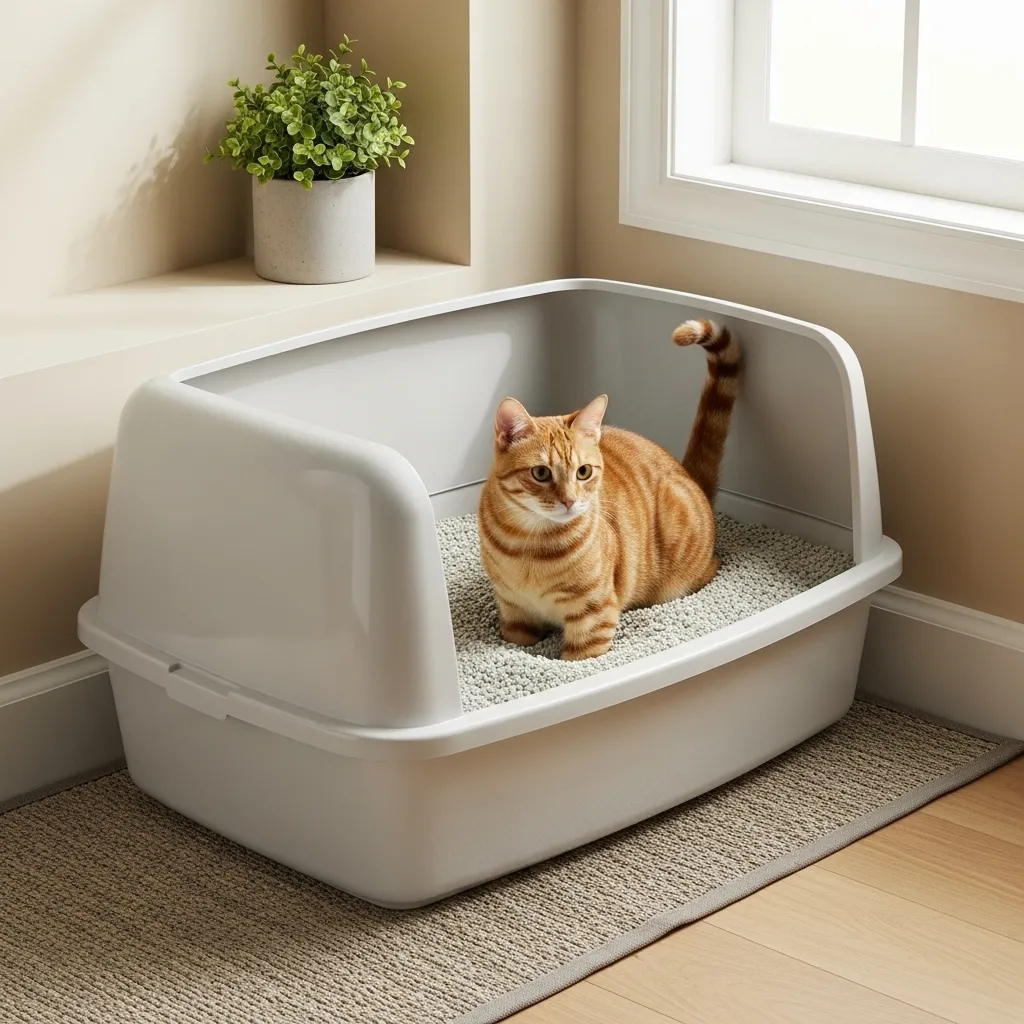
Action Step: Follow our best litter box setup for cats to optimize your cat’s litter box experience.
Feline Marking Behavior
Feline marking behavior is different from regular urination. Marking involves small sprays of urine, often on vertical surfaces, to communicate territory or stress. Neutered cats mark less, but unneutered males (like tom cats—see what is a tom cat) are more likely to spray. Stress or the presence of outdoor cats can also trigger marking in indoor cats.
Pro Tip: Use a blacklight to check if the urine is in small sprays (marking) or puddles (inappropriate urination). This helps identify the behavior.
How to Stop Your Cat from Peeing on Things: Actionable Solutions
Once you’ve identified the cause, it’s time to take action. Here’s a step-by-step plan to stop your cat from peeing on things and restore harmony to your home.
Step 1: Visit the Vet
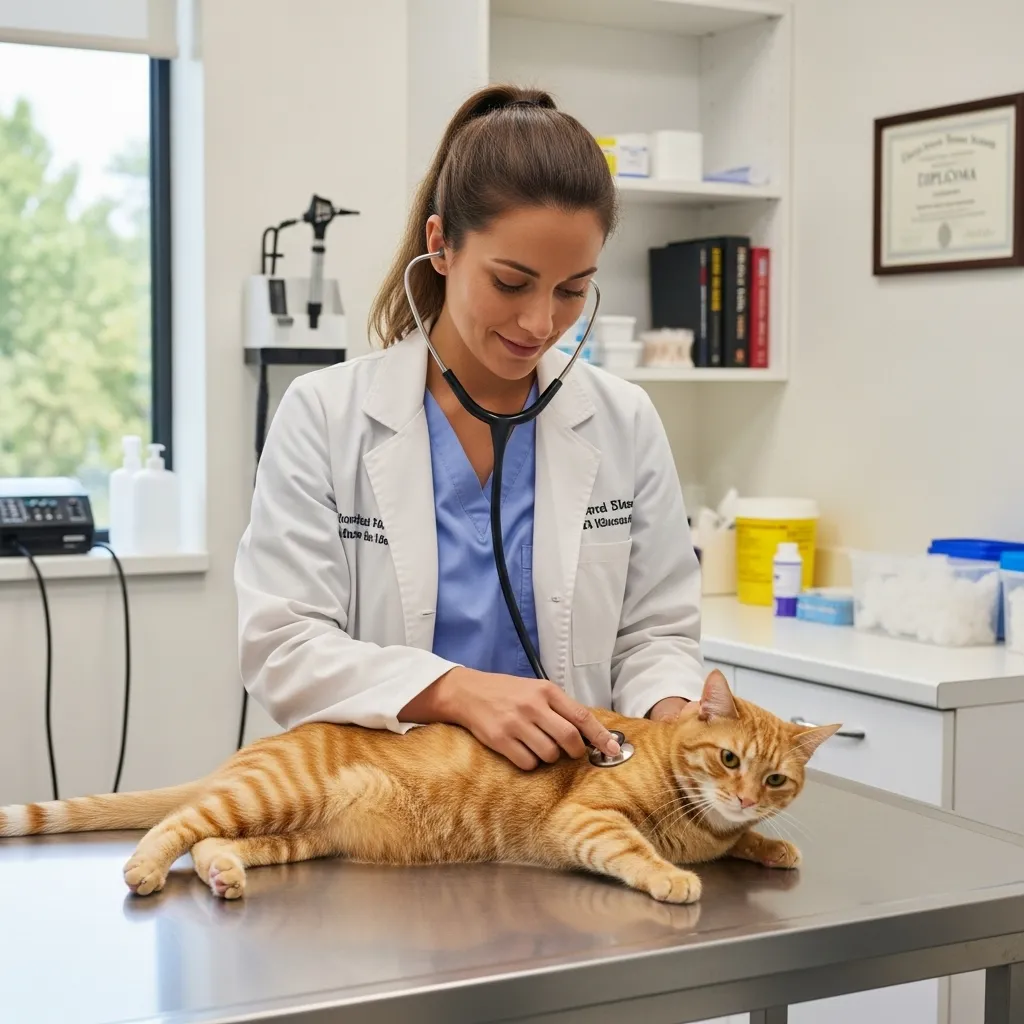
A vet visit is non-negotiable to rule out medical causes of inappropriate urination. Your vet may recommend:
- Urine tests to check for infections or crystals.
- Bloodwork for diabetes or kidney issues.
- Imaging for bladder stones or arthritis.
For breed-specific health concerns, like Munchkin urinary issues, see our Munchkin cat urinary issues guide.
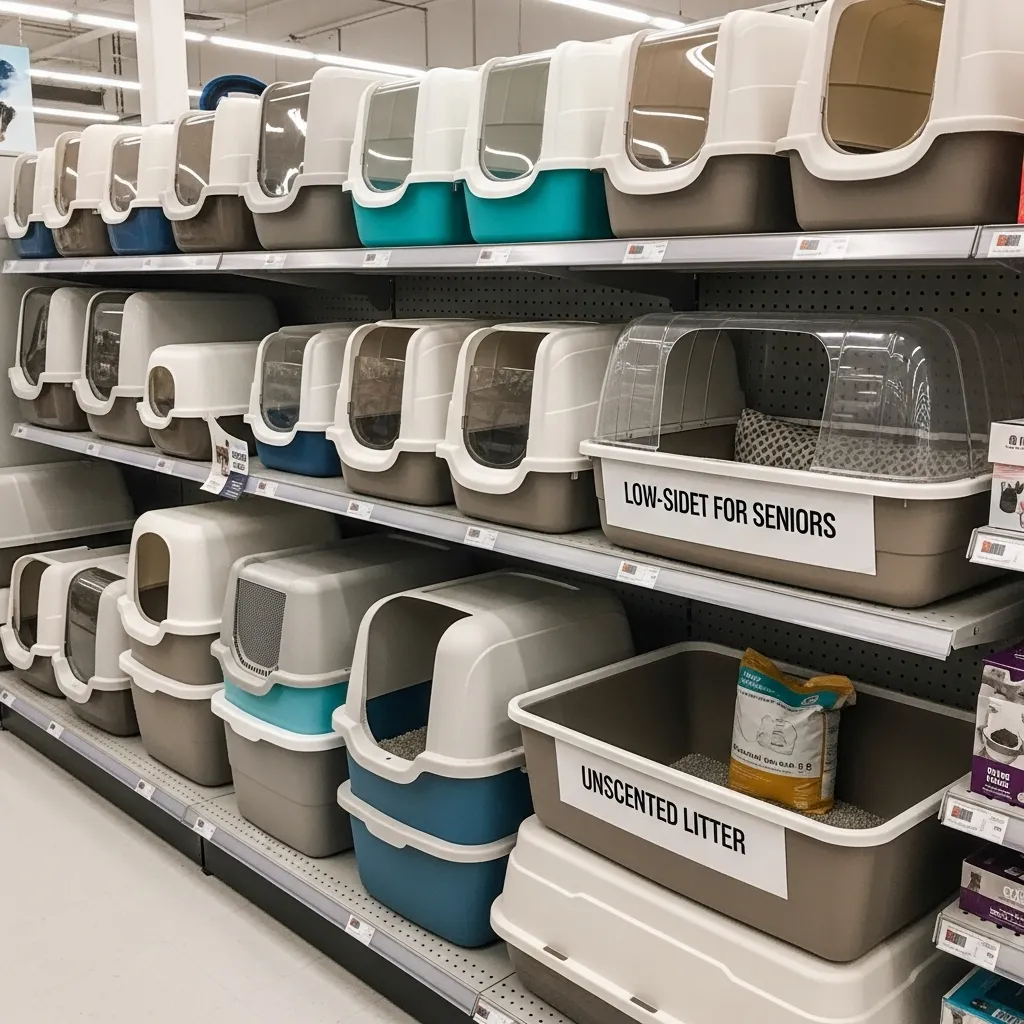
Step 2: Optimize the Litter Box Setup
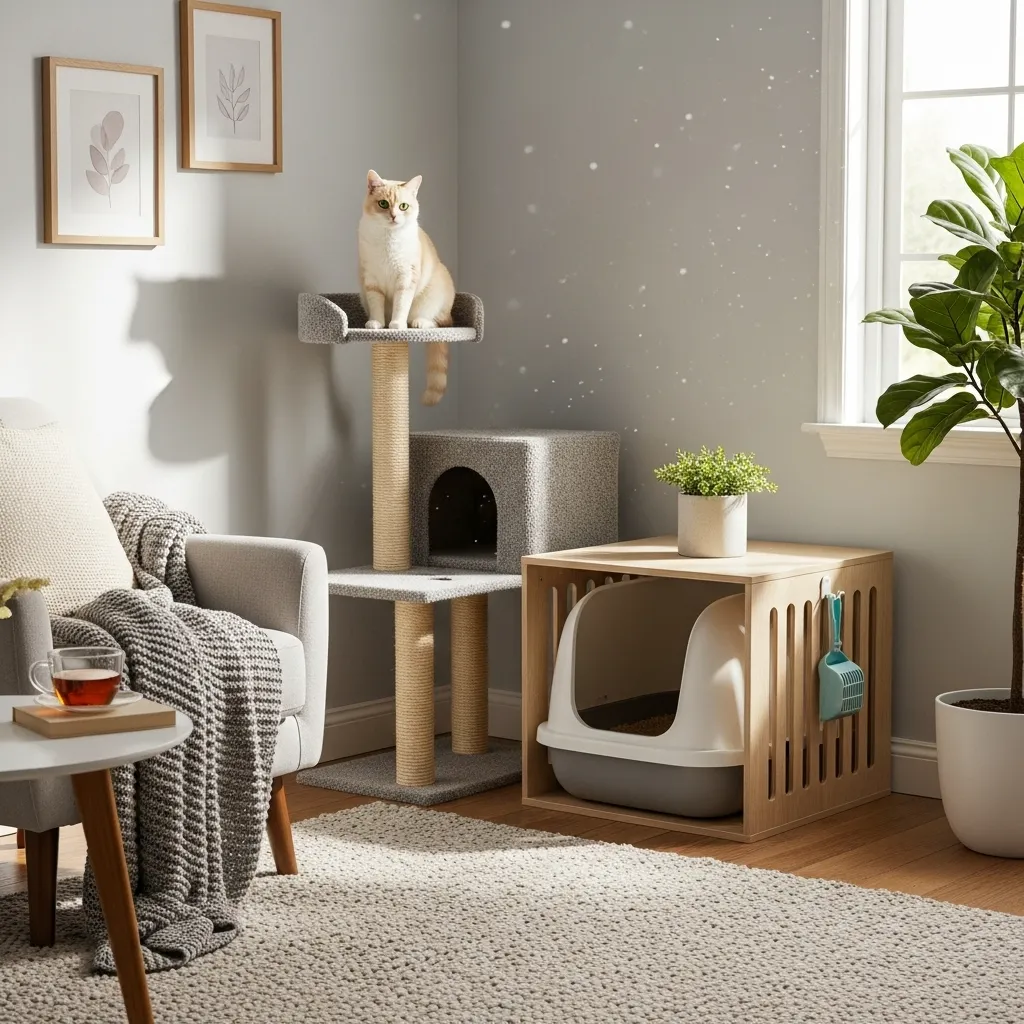
A cat-friendly litter box setup can resolve litter box aversion. Here’s how:
- Number of Boxes: Follow the n+1 rule—one box per cat, plus one extra. In a multi-cat household, this reduces competition.
- Size Matters: Ensure boxes are large enough (1.5 times your cat’s length). Our best litter box setup guide has recommendations.
- Cleanliness: Scoop daily, change litter weekly, and wash boxes monthly with mild soap.
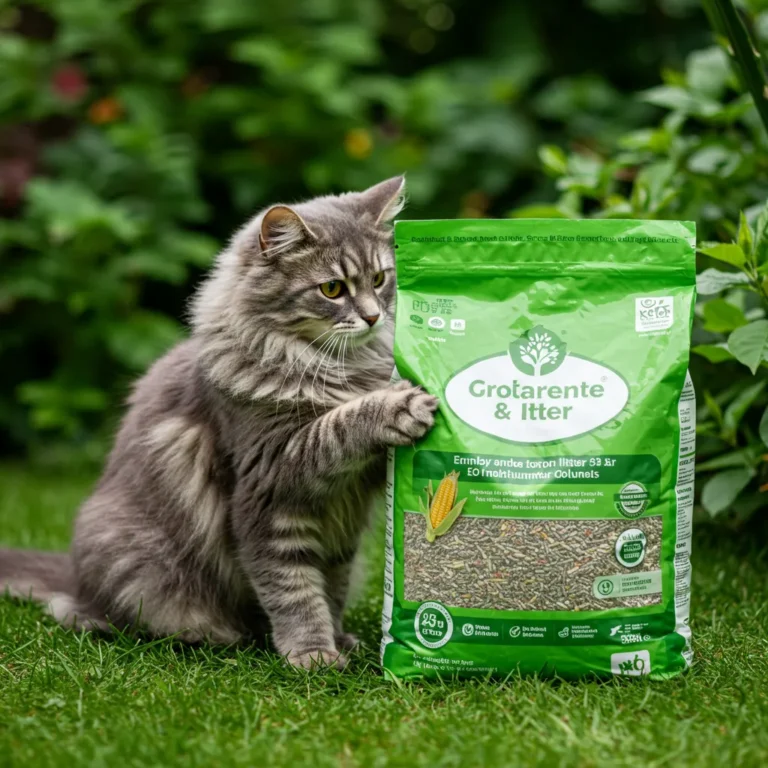
- Experiment with Litter: Try unscented, clumping clay litter or natural options like corn-based litter.
Table: Ideal Litter Box Setup
| Factor | Recommendation |
|---|---|
| Number of Boxes | One per cat + one extra |
| Size | 1.5 times your cat’s length |
| Location | Quiet, low-traffic, accessible area |
| Litter Type | Unscented, clumping clay or natural litter |
| Cleaning Frequency | Scoop daily, deep-clean weekly, wash monthly |
Step 3: Reduce Cat Stress and Anxiety
To address cat stress behavior solutions, create a calm environment:
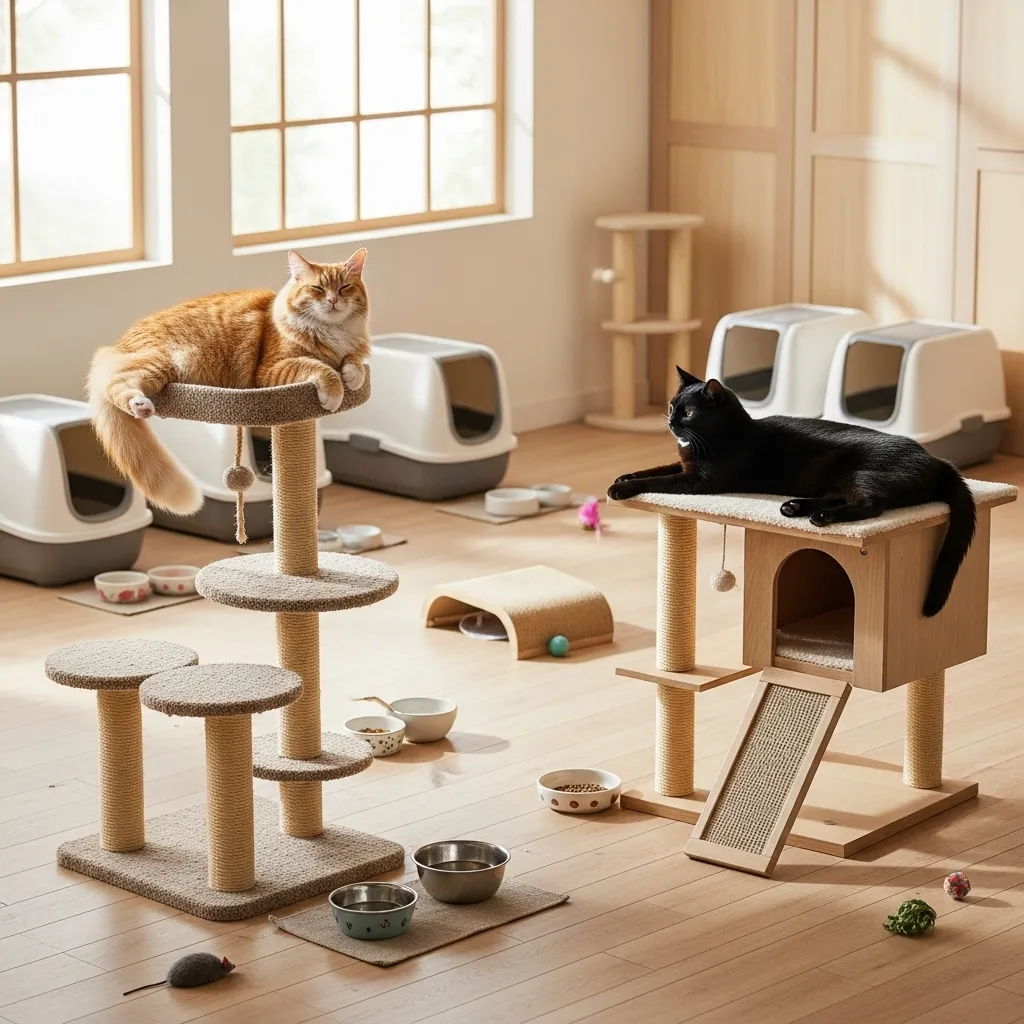
- Provide Safe Spaces: Offer cat trees, perches, or hiding spots. Ragdolls love cozy spaces—see our Ragdoll cat care guide.
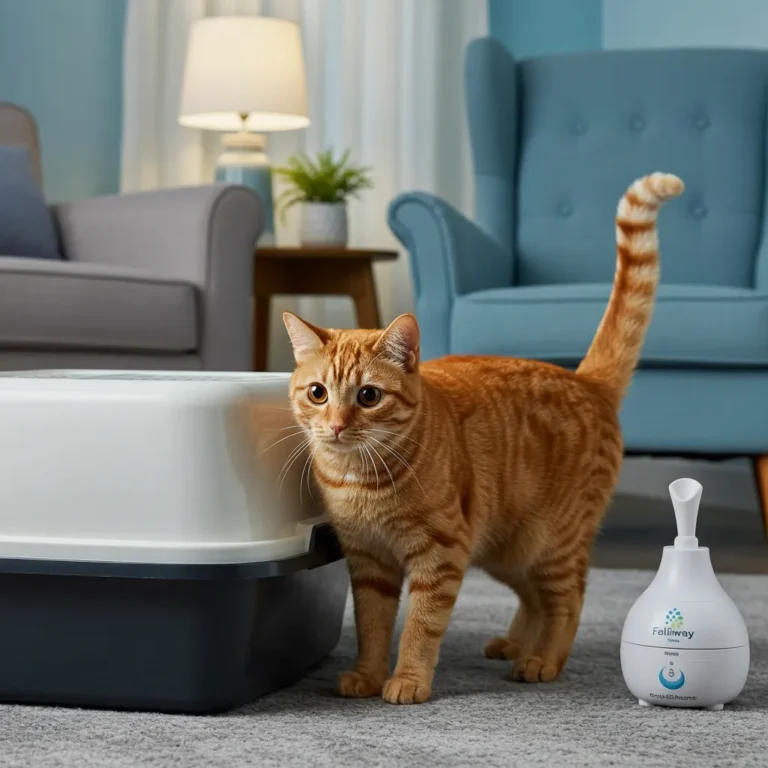
- Use Pheromone Diffusers: Products like Feliway mimic calming feline pheromones to reduce cat stress and anxiety.
- Enrich the Environment: Toys, scratching posts, and interactive play can alleviate boredom. Check out how to keep Siamese cats entertained for ideas.
- Manage Multi-Cat Dynamics: Introduce cats slowly and provide separate resources (food, water, litter boxes). Our cat introduction guide can help.
Natural Remedies for Cat Peeing Problems:
- Calming Treats: Look for treats with L-theanine or chamomile.
- Cat Grass: Chewing on cat grass can reduce stress. Learn more in our cat grass care guide.
Step 4: Clean Up Cat Urine Effectively
To prevent your cat from returning to the same spot, thorough cat pee smell removal is crucial. Urine odor can attract cats to pee again. Here’s how to clean:
- Blot, Don’t Rub: Use paper towels to absorb fresh urine.
- Use Enzyme Cleaners: Products like Nature’s Miracle break down urine molecules. Avoid ammonia-based cleaners, as they mimic urine’s smell. See our enzyme cleaner for cat urine guide.
- For Fabrics: Wash clothes or bedding with an enzyme-based detergent. For tough stains, try our cat pee odor couch removal tips.
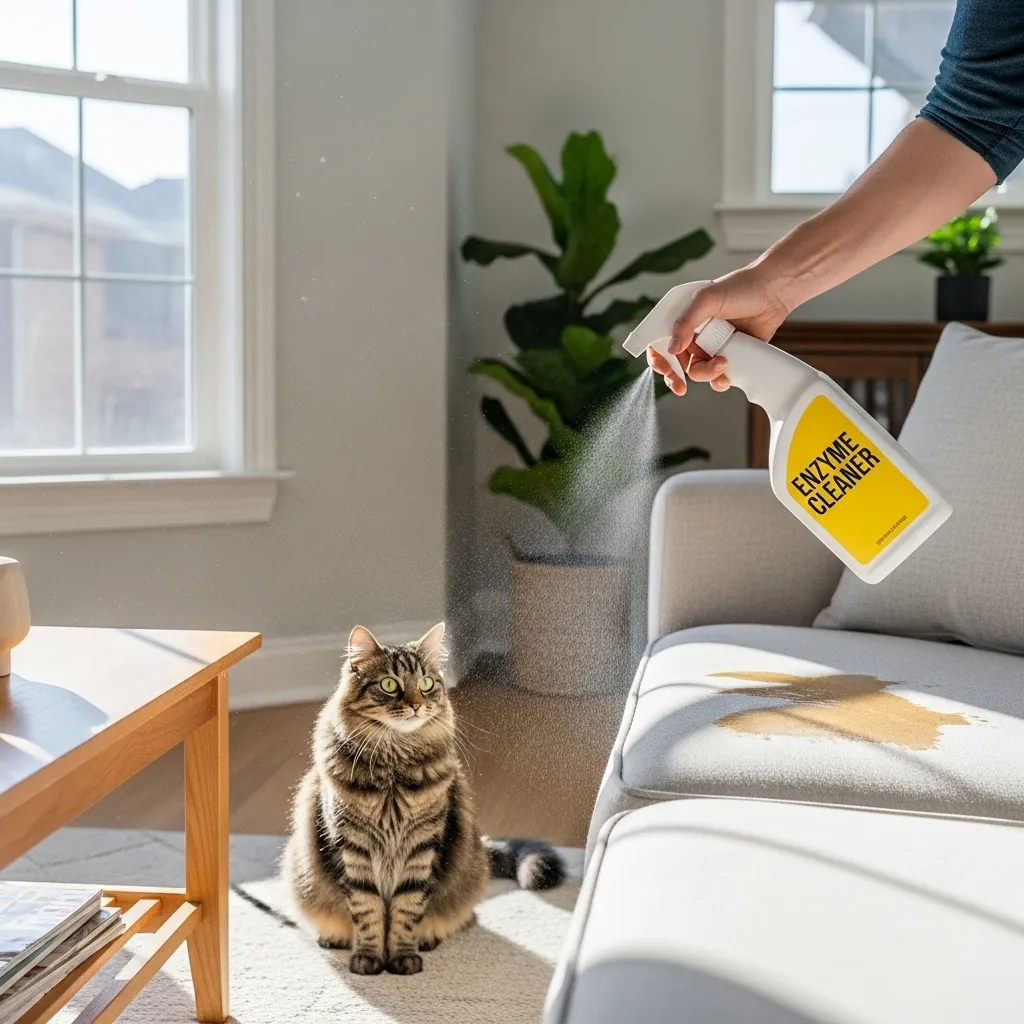
Pro Tip: Test cleaning products on a small area first to avoid damaging fabrics.
Step 5: Deter Repeat Offenses
To stop cat peeing behavior, make targeted areas less appealing:
- Cover Surfaces: Use aluminum foil, double-sided tape, or plastic mats on furniture—cats dislike these textures.
- Cat Pee Deterrent Spray: Use pet-safe deterrent sprays with citrus or herbal scents. Avoid toxic essential oils like tea tree.
- Block Access: Temporarily restrict access to problem areas, like closing bedroom doors.
Understanding Feline Marking vs. Inappropriate Urination
It’s critical to distinguish between feline marking behavior and cat peeing outside the litter box. Here’s a quick comparison:
| Behavior | Feline Marking | Inappropriate Urination |
|---|---|---|
| Urine Amount | Small sprays, often on vertical surfaces | Larger puddles, usually on horizontal surfaces |
| Purpose | Territory marking, stress response | Medical issue, litter box aversion, stress |
| Common Triggers | Unneutered cats, multi-cat conflicts, external cats | UTIs, poor litter box setup, anxiety |
| Solution | Neutering, pheromone diffusers, stress reduction | Vet visit, litter box fixes, environmental changes |
Why Cats Mark Territory: Marking is a natural instinct, especially in unneutered cats or those feeling threatened. For example, a Norwegian Forest Cat may mark to assert dominance in a multi-cat home. Neutering reduces marking in 90% of cases—see our male cat neutering changes guide.
Special Considerations for Multi-Cat Households
Multi-cat household problems can amplify cat territorial behavior. If you have multiple cats, consider:
- Resource Competition: Ensure each cat has its own food, water, and litter box to reduce tension.
- Introductions: Gradual introductions prevent stress. Our Munchkin cat introductions guide offers step-by-step tips.
- Territory Division: Create separate zones with perches or beds for each cat.
Case Study: A family with two Bengals and a Ragdoll noticed one cat peeing on the couch. Adding an extra litter box and using a Feliway Multi-Cat diffuser resolved the issue within weeks.
Preventing Future Cat Peeing Problems
To keep your home pee-free, maintain these habits:
- Regular Vet Checkups: Annual exams catch feline urinary tract issues early. See our cat vet visit schedule.
- Consistent Litter Box Maintenance: Follow the n+1 rule and keep boxes clean.
- Monitor Stress: Watch for signs of cat stress and anxiety, like hiding or aggression. Our cat stress signs guide can help.
- Spay/Neuter: This reduces feline marking behavior significantly. Learn about the benefits in our spaying a cat guide.
FAQ: Quick Answers to Common Questions
What medical issues could cause my cat to pee on things?
Urinary tract infections, bladder stones, diabetes, or kidney disease can lead to cat urination problems. A vet visit with a urine test is the best way to diagnose these issues.
How do I stop my cat from peeing on my clothes or furniture?
Rule out medical issues, optimize the litter box setup, reduce stress with pheromone diffusers, and clean urine thoroughly with enzyme cleaners. Check our stop cat peeing on laundry guide.
Why does my cat mark territory indoors?
Feline marking behavior is often triggered by stress, unneutered status, or external cats. Neutering and calming products like Feliway can help.
How can I remove cat urine smell effectively?
Use enzyme-based cleaners like Nature’s Miracle and wash fabrics with enzyme detergents. Avoid ammonia-based products. See our cat pee odor removal guide.
Could my cat’s litter box aversion be the problem?
Yes, a dirty, poorly placed, or uncomfortable litter box can cause litter box aversion. Ensure it’s clean, accessible, and the right size. Our cat litter box problems guide has more tips.
How can I calm an anxious cat?
Use pheromone diffusers, provide safe spaces, and engage in interactive play. Calming treats or cat grass can also help. Explore our how to calm an anxious cat guide.
Conclusion: Restore Harmony in Your Home
Dealing with a cat peeing on your things is challenging, but with the right approach, you can solve the problem and prevent it from recurring. Start by ruling out medical causes of inappropriate urination with a vet visit, then optimize your cat’s litter box setup and reduce cat stress and anxiety.
Thorough cleaning and deterrents will keep your home fresh, while long-term habits like regular vet checkups and proper litter box maintenance ensure lasting success. For more expert cat care and behavior tips, explore our comprehensive guides at Cat Bloom Haven. Your cat and your furniture will thank you!