Why Does My Cat Chase His Tail? Unraveling Feline Behavior
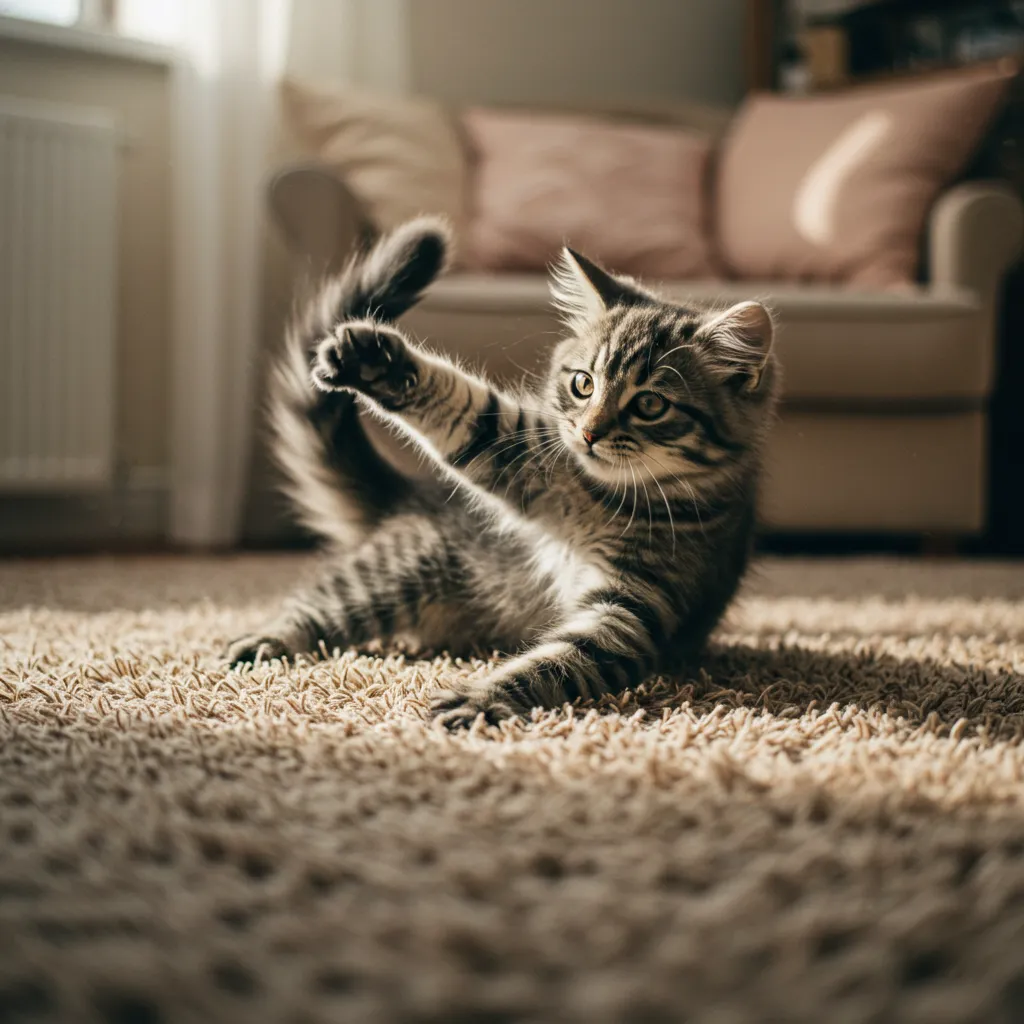
Ever caught your cat spinning in circles, chasing its tail like it’s on a mission? It’s adorable, hilarious, and sometimes a little puzzling. Why does my cat chase his tail? Is it just playful antics, or could it signal something deeper? At Cat Bloom Haven, we’re diving into this quirky feline behavior to give you clear, vet-backed answers. In this guide, you’ll discover the reasons behind tail chasing, from playful kitten energy to potential health concerns like Feline Hyperesthesia Syndrome (FHS), plus practical tips to keep your cat happy and healthy.
Key Takeaways: Understanding Cat Tail Chasing
- Playful Behavior: Tail chasing is often a normal, fun activity for kittens and young cats learning about their bodies.
- Boredom or Stress: Adult cats may chase their tails due to lack of stimulation or anxiety.
- Health Concerns: Excessive tail chasing could indicate Feline Hyperesthesia Syndrome, allergies, or other medical issues.
- Solutions: Enrichment, interactive toys, and vet checkups can address underlying causes.
- When to Act: Persistent or aggressive tail chasing warrants a vet visit to rule out health problems.
Explore more about cat behavior explained to understand your feline friend better.
What’s Behind Cat Tail Chasing Behavior?
Cats chasing their tails can look like a scene from a viral TikTok video (hello, cat chasing tail TikTok trend). But this behavior is more than just a cute quirk—it’s a window into your cat’s physical and mental state. Let’s break down the main reasons why cats chase their tails.
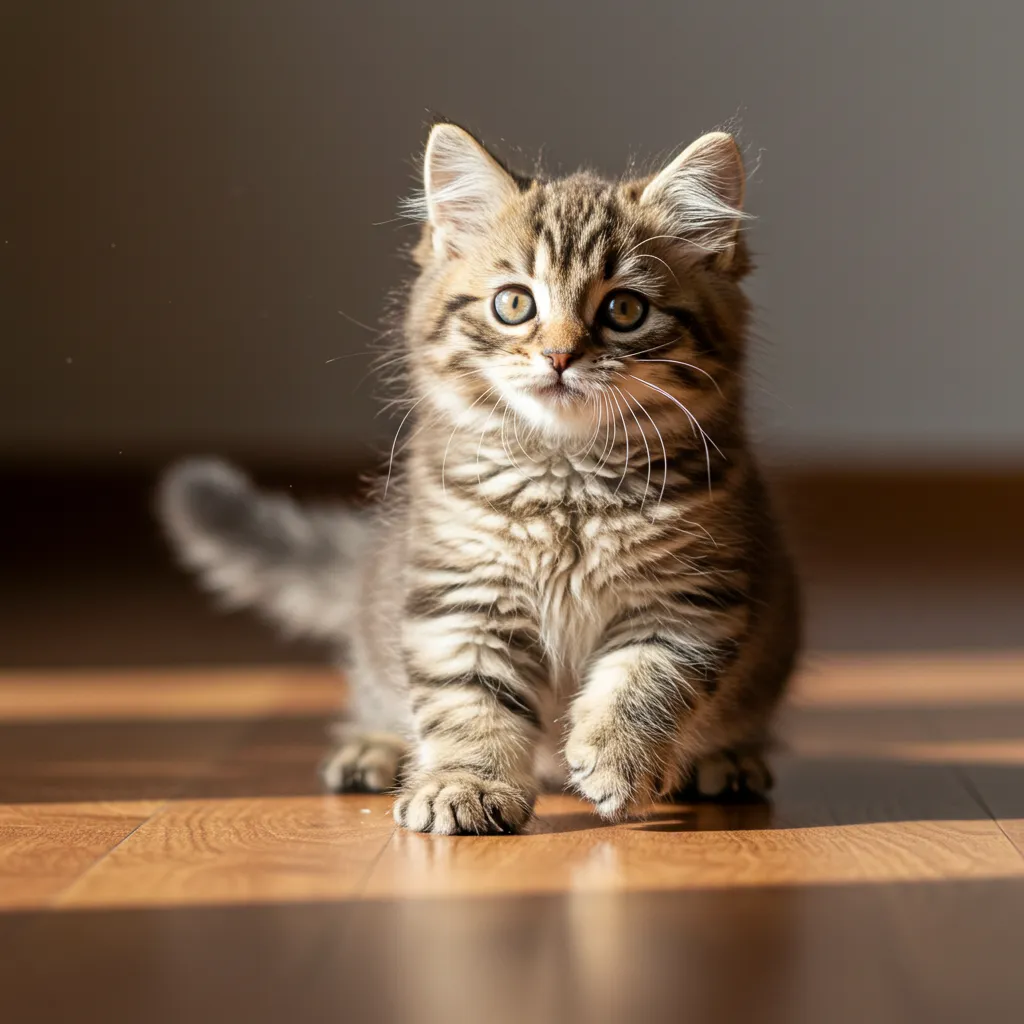
Playful Exploration in Kittens
Kittens are bundles of energy, and their tails are like built-in toys. Tail chasing often starts as a way for kittens to:
- Develop Coordination: Spinning after their tail hones motor skills and balance.
- Express Playfulness: It’s a natural part of their playful cat habits, especially in breeds like the Maine Coon or Bengal, known for high energy.
- Learn About Their Body: Kittens are curious about their fast-moving tails, which seem to have a mind of their own.
Real-Life Example: Sarah, a cat parent from Chicago, noticed her 4-month-old Munchkin kitten, Luna, chasing her tail daily. “It was like she discovered a new game,” Sarah says. “Once we added more interactive toys, she spread her energy elsewhere.” Check out our Munchkin cat playfulness guide for more on this breed’s antics.
Boredom: The Silent Trigger
Adult cats chasing their tails might be crying out for stimulation. A bored cat is more likely to fixate on its tail, especially in environments lacking enrichment. Signs of boredom include:

- Excessive grooming or scratching.
- Zooming around the house (see our cat zoomies guide).
- Fixating on moving objects, like their tail.
Tip: Combat boredom with interactive cat toys for behavior issues. Puzzle feeders, laser pointers, or feather wands can redirect their energy.
Stress and Anxiety in Cats
Cats are sensitive creatures, and stress can manifest in behaviors like tail chasing. Common stressors include:
- Changes in routine (new pets, moving homes).
- Lack of safe spaces or hiding spots.
- Loud noises or unfamiliar visitors.
Vet Insight: Dr. Emily Carter, a feline behaviorist, explains, “Tail chasing can be a coping mechanism for stress, similar to how humans fidget. If it’s occasional, it’s likely harmless, but frequent chasing could signal cat anxiety signs.”
Solution: Create a calm environment with cozy spots like the best beds for Munchkin cats and monitor for other signs of cat stress.
When Tail Chasing Signals a Health Issue
While tail chasing is often harmless, it can sometimes point to underlying medical or behavioral issues. Here’s what to watch for.
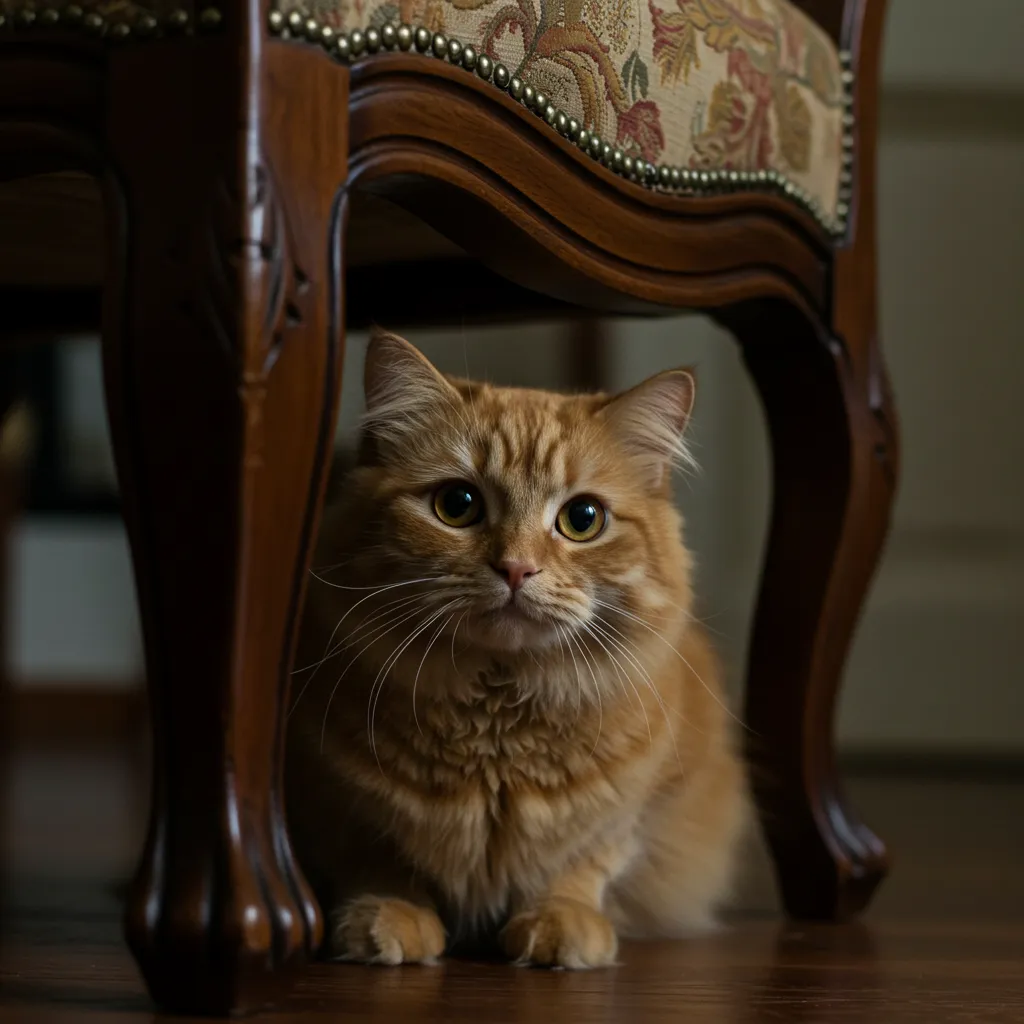
Feline Hyperesthesia Syndrome (FHS)
Feline Hyperesthesia Syndrome is a rare condition that can cause cats to obsessively chase or attack their tails. Symptoms include:

- Rippling skin along the back.
- Sudden bursts of energy or aggression.
- Sensitivity to touch, especially near the tail.
Vet Tip: Dr. Carter notes, “FHS is often mistaken for normal play, but it’s neurological. If your cat seems distressed or chases their tail excessively, consult a vet.” Learn more in our cat health care guide.
Allergies or Skin Irritations
Itchy skin from fleas, allergies, or infections can drive a cat to chase its tail. Check for:
- Redness or scabs near the tail base.
- Excessive grooming or cat hair loss ears.
- Restlessness or irritability.
Solution: A vet can diagnose allergies or recommend treatments like flea baths (see our flea bath for cats guide).
Pain or Injury
A sore or injured tail might prompt chasing as your cat tries to alleviate discomfort. Look for:
- Swelling or tenderness.
- Limping or reluctance to be touched.
- Changes in cat tail language.
Action: Schedule a vet visit promptly. Our guide on finding the best vet for your cat can help.
Breed-Specific Tail Chasing Tendencies
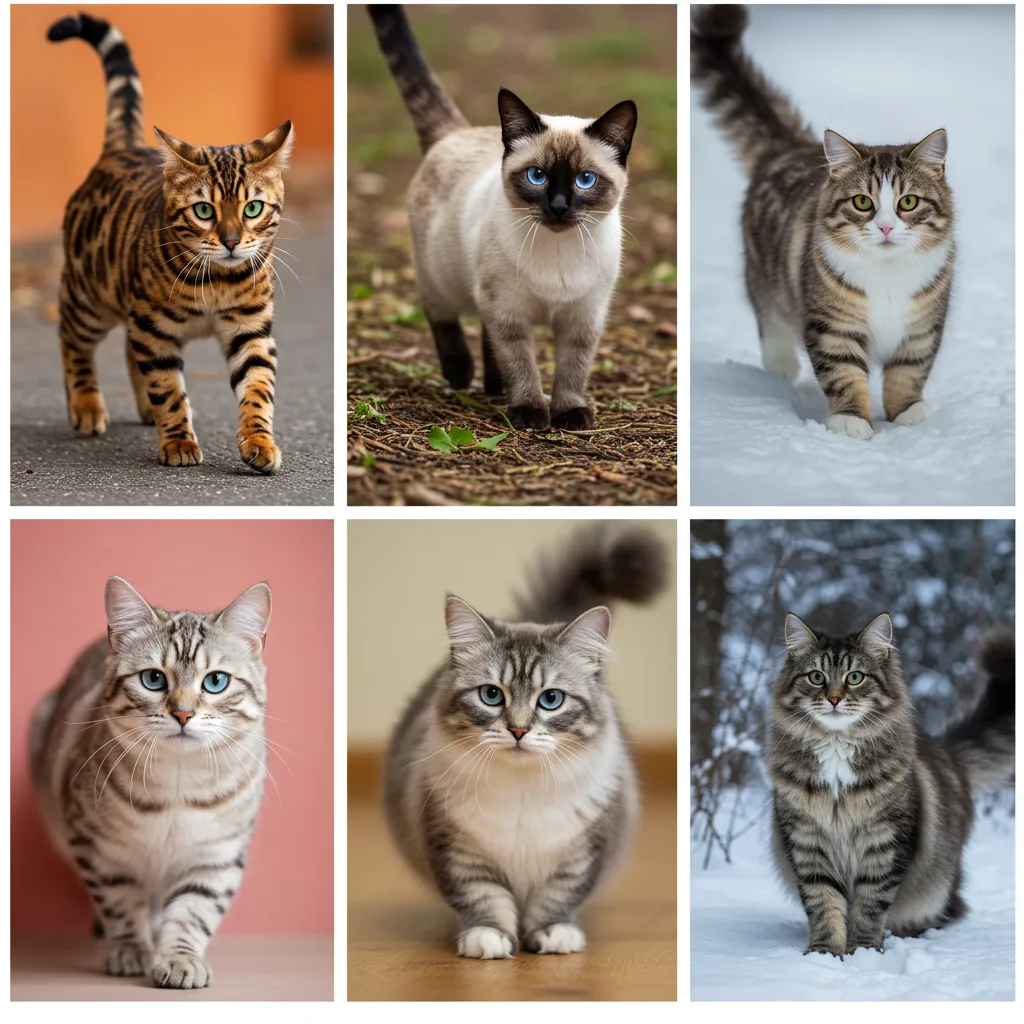
Some cat breeds are more prone to tail chasing due to their personalities or energy levels. Here’s a quick look:
| Breed | Tail Chasing Tendency | Why? |
|---|---|---|
| Bengal | High | High-energy, playful, and curious. Needs ample stimulation. |
| Siamese | Moderate | Vocal and social; may chase tails when bored or stressed. |
| Munchkin | Moderate | Playful but can be prone to boredom due to short legs limiting exploration. |
| Ragdoll | Low | Relaxed demeanor; tail chasing often linked to health issues. |
| Norwegian Forest Cat | Low | Calm but may chase tails if understimulated in winter months. |
Tip: Tailor enrichment to your cat’s breed. For example, Bengals thrive with interactive toys, while Ragdolls may prefer cozy outdoor enclosures.
How to Stop or Manage Tail Chasing
If your cat’s tail chasing is excessive or concerning, here’s how to address it.

Step 1: Rule Out Medical Issues
- Schedule a vet visit to check for FHS, allergies, or injuries.
- Monitor for cat obsessive behavior like overgrooming or pacing.
- Keep a log of when tail chasing occurs (e.g., after meals, at night) to share with your vet.
Step 2: Boost Mental and Physical Stimulation
- Interactive Toys: Try puzzle feeders or laser pointers to engage your cat’s hunting instincts.
- Playtime: Dedicate 15–20 minutes daily to active play. Check out our teach cat to fetch guide for fun ideas.
- Environmental Enrichment: Add scratching posts, window perches, or a cat grass care guide for sensory stimulation.
Step 3: Reduce Stress
- Provide safe spaces like cat trees or best beds for American Shorthair cats.
- Use calming pheromone diffusers.
- Maintain a consistent routine to minimize cat anxiety signs.
Step 4: Monitor and Adjust
- If tail chasing decreases with enrichment, it was likely boredom.
- If it persists, revisit the vet for deeper diagnostics, like blood tests or skin scrapings.
Real-Life Example: Mark, a Siamese cat owner, noticed his cat, Milo, chasing his tail obsessively at night. After adding a puzzle feeder and a nightly play session, Milo’s behavior improved. “It was like he just needed a job,” Mark says. Learn more in our Siamese cat entertainment guide.
Common Misconceptions About Tail Chasing
Let’s debunk some myths to clarify cat tail chasing behavior.
- Myth: All tail chasing is a sign of a problem.
Truth: Occasional chasing, especially in kittens, is normal and playful. - Myth: Cats chase their tails because they’re “dumb.”
Truth: Cats are intelligent hunters; tail chasing often reflects curiosity or instinct. - Myth: Tail chasing always means FHS.
Truth: FHS is rare—boredom or mild irritation is more common.
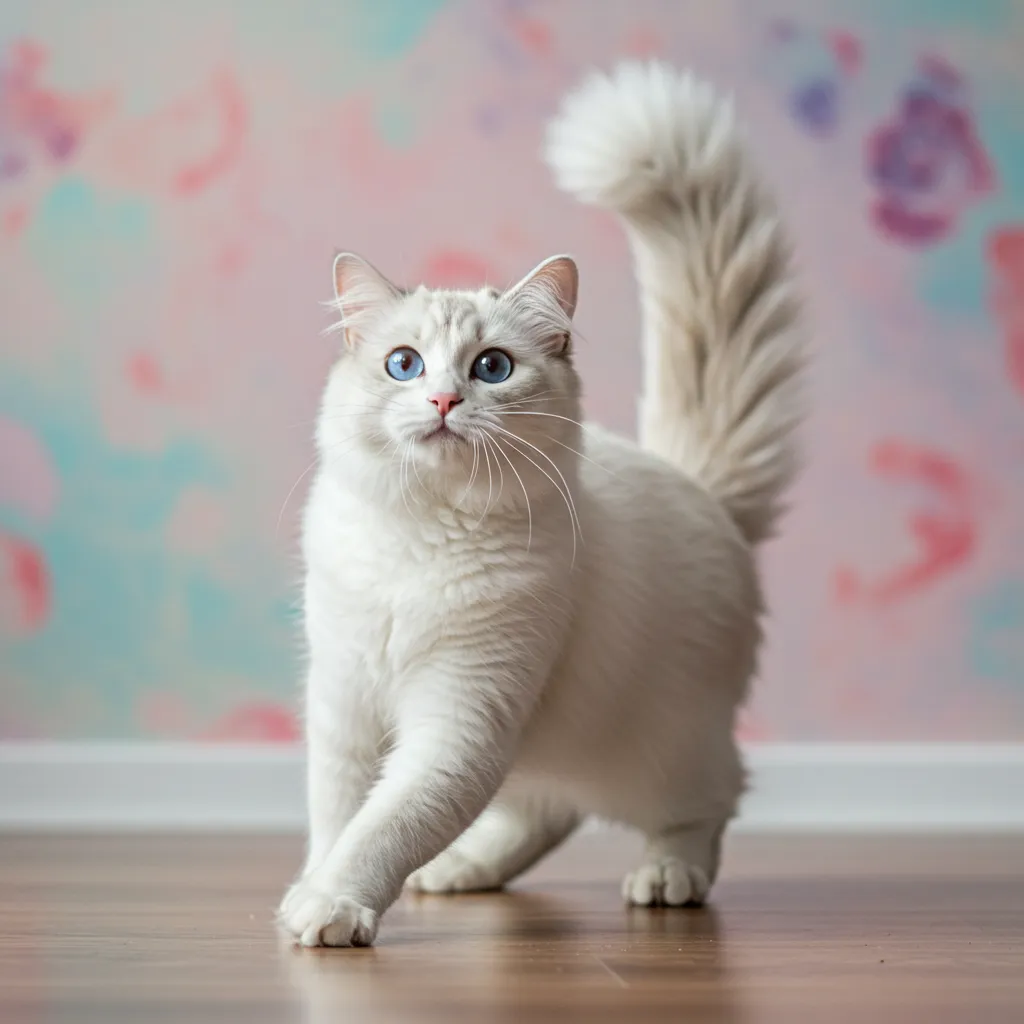
When to See a Vet for Cat Behavior
Consult a vet if your cat shows:
- Aggressive tail chasing or biting causing injury.
- Other symptoms like cat hair loss or skin changes.
- Sudden behavior changes, like hiding or aggression (see our Siamese cat hiding behavior guide).
- Signs of pain or distress during tail chasing.

Our when to see a vet for cat behavior guide offers tips for choosing a feline-friendly vet.
FAQ: Quick Answers to Common Questions
Why does my cat chase his tail?
It’s often playful behavior, especially in kittens, but can also stem from boredom, stress, or health issues like FHS or allergies.
Is it normal for kittens to chase their tails?
Yes, it’s a common way for kittens to explore their bodies and practice hunting skills. Learn more in our Munchkin cat playfulness guide.
Can tail chasing be a sign of a problem in my cat?
Excessive or aggressive tail chasing could indicate stress, allergies, or medical issues like FHS. Monitor frequency and consult a vet if concerned.
What is Feline Hyperesthesia Syndrome, and how does it relate to tail chasing?
FHS is a neurological condition causing skin sensitivity and erratic behavior, including tail chasing. It’s rare but requires vet diagnosis.
How can I tell if my cat’s tail chasing is due to boredom?
Boredom-driven chasing often occurs in understimulated cats. Look for other signs like zoomies or excessive grooming, and try cat boredom solutions.
What are some signs that my cat’s tail chasing is a health issue?
Watch for skin changes, hair loss, or distress during chasing. See our cat health care guide for more.
Are there common misconceptions about why cats chase their tails?
Yes, many assume all tail chasing is problematic, but it’s often normal play. Persistent chasing, however, needs attention.
When should I consult a veterinarian about my cat’s tail chasing?
If chasing is frequent, aggressive, or paired with symptoms like cat tail hair loss, see a vet.
Conclusion: Keep Your Cat Happy and Healthy
Tail chasing can be a charming quirk or a sign your cat needs more—whether it’s play, attention, or a vet checkup. By understanding the cat tail chasing behavior, you can ensure your feline friend thrives. Try enriching their environment with interactive cat toys and keep an eye on cat mental health. For more expert tips, explore our cat behavior explained guides at Cat Bloom Haven.