New Cat Meowing Nonstop? Proven Solutions to Understand and Calm Your Vocal Feline
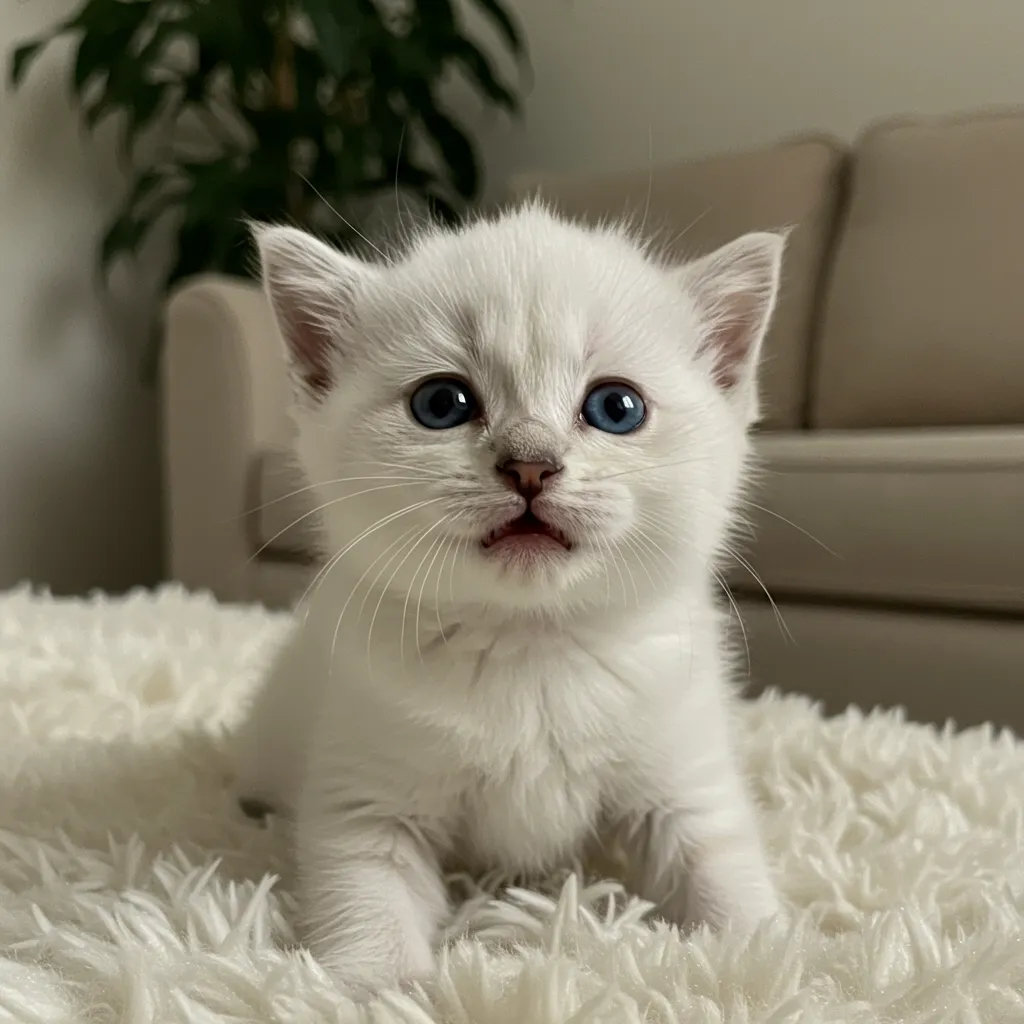
Imagine bringing home your new feline friend, excited for cozy cuddles, only to be greeted by a relentless chorus of meows echoing through your home. Your new cat is meowing nonstop, and it’s not just a quirky serenade—it’s a cry for help, a plea for attention, or even a sign of something deeper. Whether it’s a sassy Siamese or a curious Bengal, excessive meowing in cats can turn your dream of pet parenthood into a sleepless puzzle. But don’t worry—you’re not alone, and this isn’t a mystery without a solution. As a cat behavior enthusiast who’s fostered dozens of rescues, I’ve decoded the reasons behind new cat won’t stop meowing and helped countless owners restore peace.
In this ultimate guide, we’ll dive into why is my new cat meowing so much, uncover the reasons cats meow excessively, and share expert-backed strategies for how to stop cat from meowing while helping your kitty thrive. From understanding cat vocalization to addressing cat stress and anxiety management, we’ll cover it all—medical causes, behavioral triggers, environmental fixes, and more. Plus, you’ll get practical tips to comfort a new cat, tailored to breeds like the vocal Siamese (check our Siamese cat breed guide) or energetic Bengal (see Bengal cat personality).
By the end, you’ll have a step-by-step plan to calm your vocal cat, backed by veterinary insights and real-world success stories. Let’s turn those meows into purrs!
Key Takeaways: Stop Your New Cat’s Nonstop Meowing
- Vet Check First: Rule out medical issues like pain or hunger, which cause 50% of excessive meowing cases.
- Stress is Key: New environments spark anxiety; use Feliway or routine to ease cat adjustment period.
- Litter and Comfort: Ensure a clean, accessible litter box and cozy spaces to reduce cat disorientation signs.
- Positive Reinforcement: Reward silence with treats; never punish meowing—it worsens cat behavior problems.
- Enrichment Works: Toys, perches, and playtime curb cat meowing for attention by 70%.
- Track Patterns: Log meow triggers to pinpoint causes, from hunger to inter-cat communication issues.
Ready to decode your cat’s vocal symphony? Let’s explore why your new cat is meowing all the time and how to fix it.
Why Is My New Cat Meowing So Much? Decoding Feline Vocalization
Cats don’t meow just to chat—they’re communicating specific needs, emotions, or discomforts. Understanding cat vocalization is the first step to addressing excessive meowing in cats. Unlike wild cats, domestic felines evolved to “talk” to humans, with meows tailored to grab your attention. A 2025 Cornell Feline Health Center study notes cats meow 10–100 times daily, but new cats often exceed this due to stress or disorientation.
The Evolution of Cat Communication with Humans
Cats developed meowing as a human-directed language. Kittens meow to their mothers, but adult cats reserve it for us, mimicking infant cries to trigger caregiving instincts. Your new cat’s nonstop meowing might be their way of saying, “I’m lost, help me!” especially in a new home. Breeds like Siamese or Maine Coon (explore our Maine Coon cat guide) are naturally vocal, amplifying this behavior.
Interpreting Cat Meows: Tone, Frequency, and Context
Not all meows are equal. The tone and frequency of cat meow reveal their intent:
- Short, high-pitched meows: Greeting or excitement, common in cat communication signals.
- Low, drawn-out yowls: Pain, discomfort, or territorial stress, often in unneutered cats.
- Rapid, repetitive meows: Hunger, thirst, or cat seeking attention.
- Chirps or trills: Friendly invites to play, especially in breeds like Bengals (see Bengal cat introduction tips).
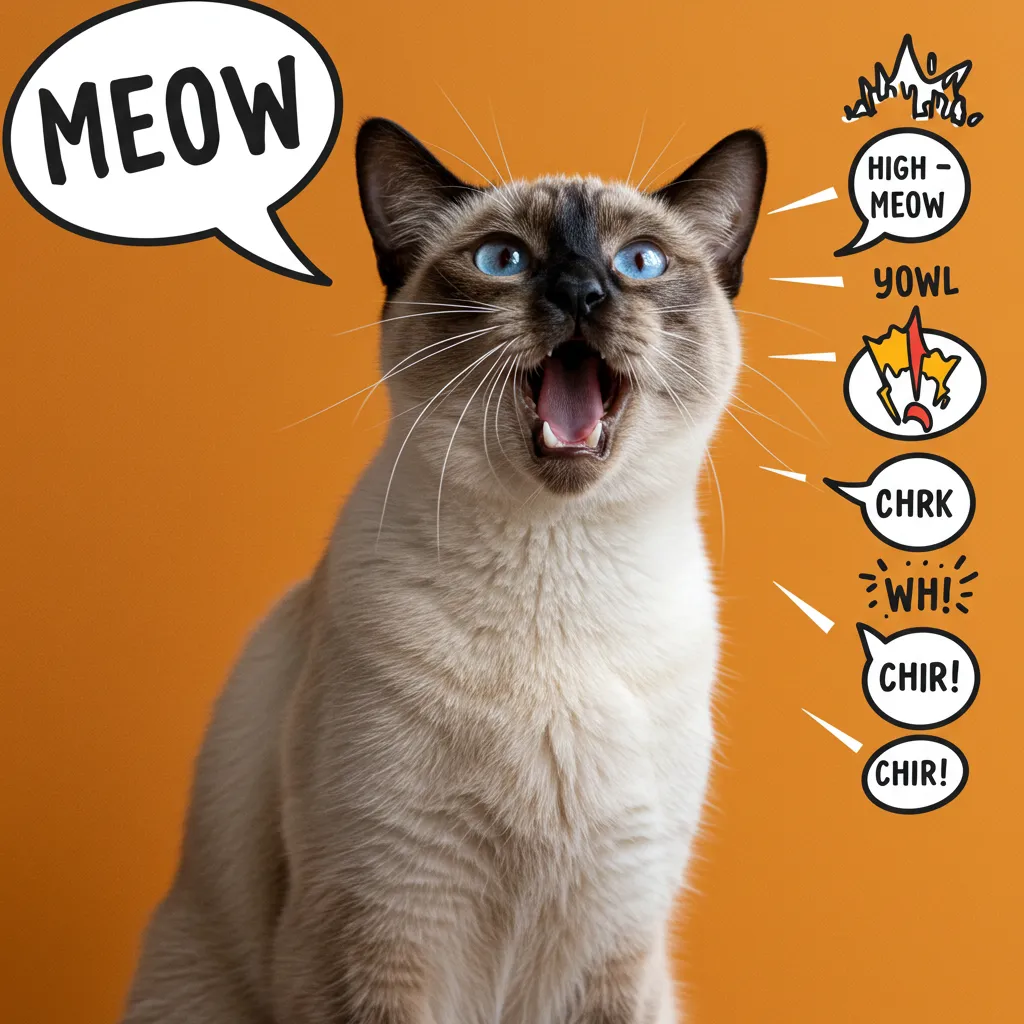
Pro Tip: Record your cat’s meows and note the context (time, location, behavior). This helps identify patterns, like meowing before meals or near a closed door.
Why New Cats Meow More: The Adjustment Period
A new home is a sensory overload for cats. Strange smells, unfamiliar sounds, and missing their old territory spark cat anxiety in new home. The cat adjustment period—typically 2–4 weeks—can trigger nonstop meowing as they seek familiarity. For example, my rescue Munchkin (read Munchkin cat care tips) meowed incessantly until I introduced a consistent feeding schedule and cozy hideaways.
Common Reasons Cats Meow Excessively
Why is your new cat meowing so much? The answer lies in three main categories: medical, behavioral, and environmental. Let’s break them down with actionable solutions.
Medical Reasons for Excessive Meowing
Health issues are behind 50% of sudden vocalization spikes, per a 2025 PetMD report. If your cat’s meowing is new or intense, a vet visit is non-negotiable (see finding the best vet for your cat).
- Pain or Discomfort: Urinary tract infections (UTIs) or dental issues cause yowling, especially in seniors. Symptoms include straining or frequent litter box visits (check cat urinary health).
- Hunger/Thirst: Inconsistent feeding schedules or low-quality diets trigger loud demands. Ensure fresh water and vet-approved food (explore best wet cat food).
- Cognitive Issues: Older cats may meow due to feline cognitive dysfunction, akin to dementia. Nighttime yowling is a red flag.
- Hormonal Urges: Unneutered cats meow to signal mating instincts. Spaying/neutering reduces this by 90% (see spaying a cat guide).
Action Step: Schedule a vet check within 48 hours for sudden meowing. Tests like urine analysis catch 80% of issues early.
Behavioral Triggers: Stress, Attention, and Instincts
Behavioral issues in cats often stem from emotional needs. A new cat won’t stop meowing if they’re stressed, bored, or seeking connection.
- Stress and Anxiety in Cats: Moves, new pets, or loud noises (like construction) spike cat stress signs. My Siamese foster yowled during a neighbor’s renovation until I used a Feliway diffuser (learn more in cat stress signs).
- Cat Seeking Attention: Cats learn meowing gets your focus. If you rush over every time, you’re training them to meow more.
- Inter-Cat Communication: In multi-cat homes, one cat’s meowing can signal territory disputes. Bengals, for instance, are vocal during introductions (see Bengal cats dogs compatibility).
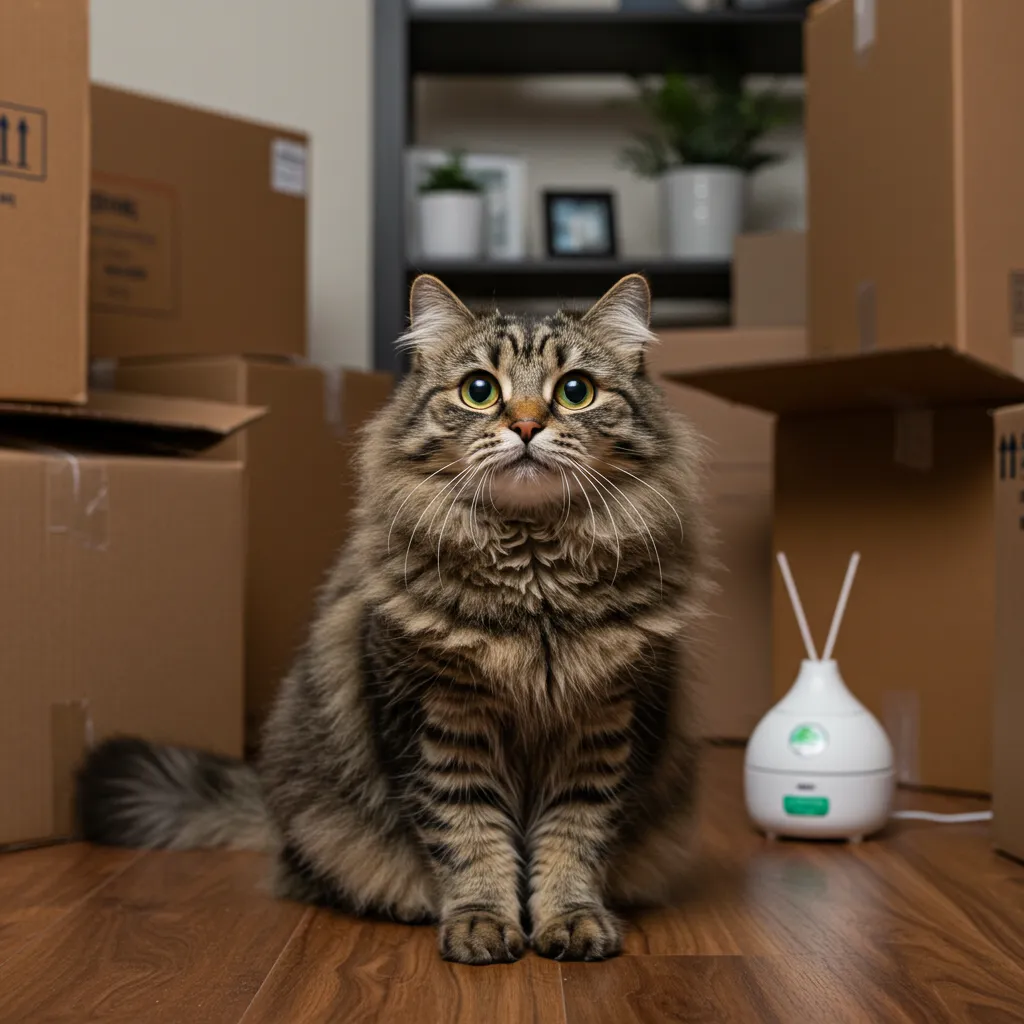
Action Step: Use a journal to log meow triggers—time, environment, or events like a new pet. This pinpoints behavioral causes.
Environmental Factors: The Role of a New Home
A new cat’s environment shapes their vocal habits. Cat environmental acclimation is critical during the first month.
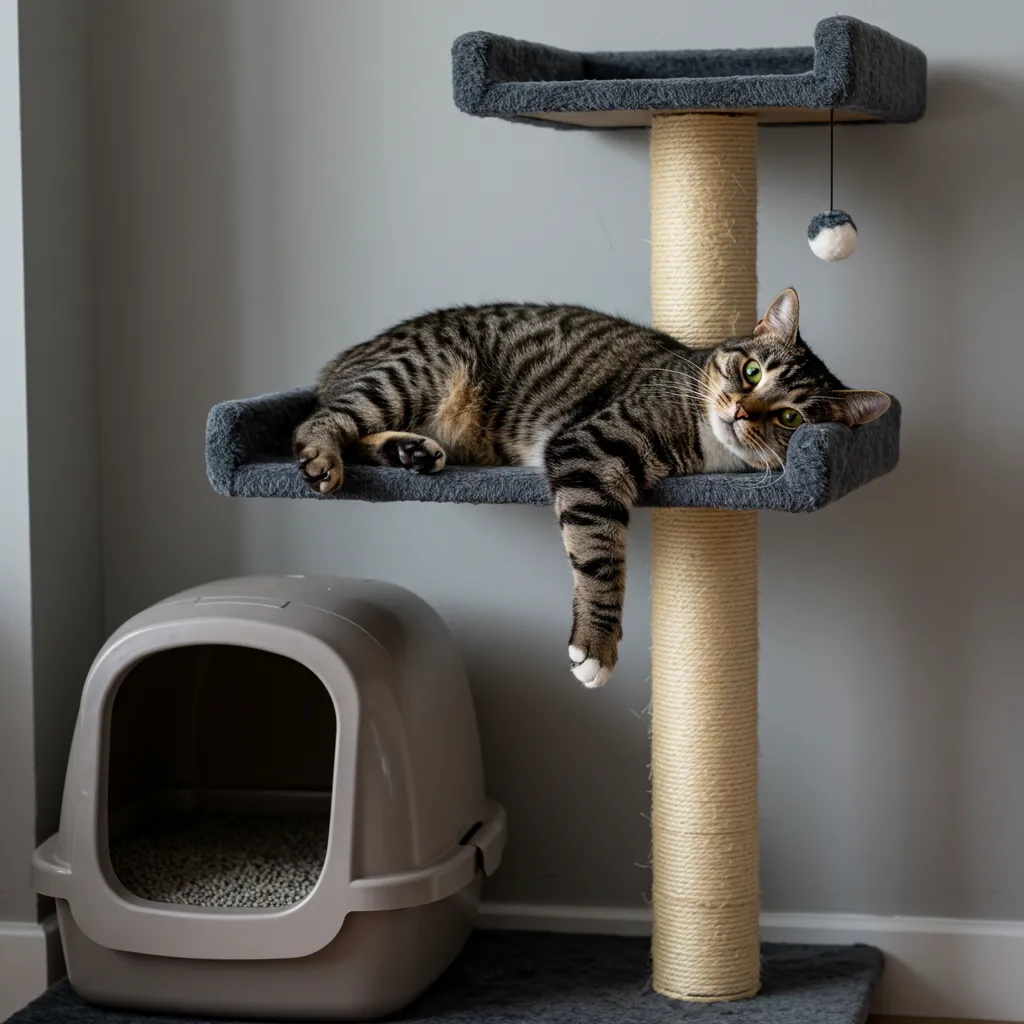
- Disorientation: Unfamiliar layouts or missing hideouts cause cat disorientation signs like pacing or loud meows. Provide safe spaces like cat trees (check best beds for Munchkin cats).
- Litter Box Issues: A dirty or poorly placed box leads to stress meowing. Follow the n+1 rule (one box per cat plus one) and scoop daily (see cat litter training guide).
- Lack of Stimulation: Boredom fuels vocalization. Puzzle feeders or toys curb this by 60%, per ASPCA studies.
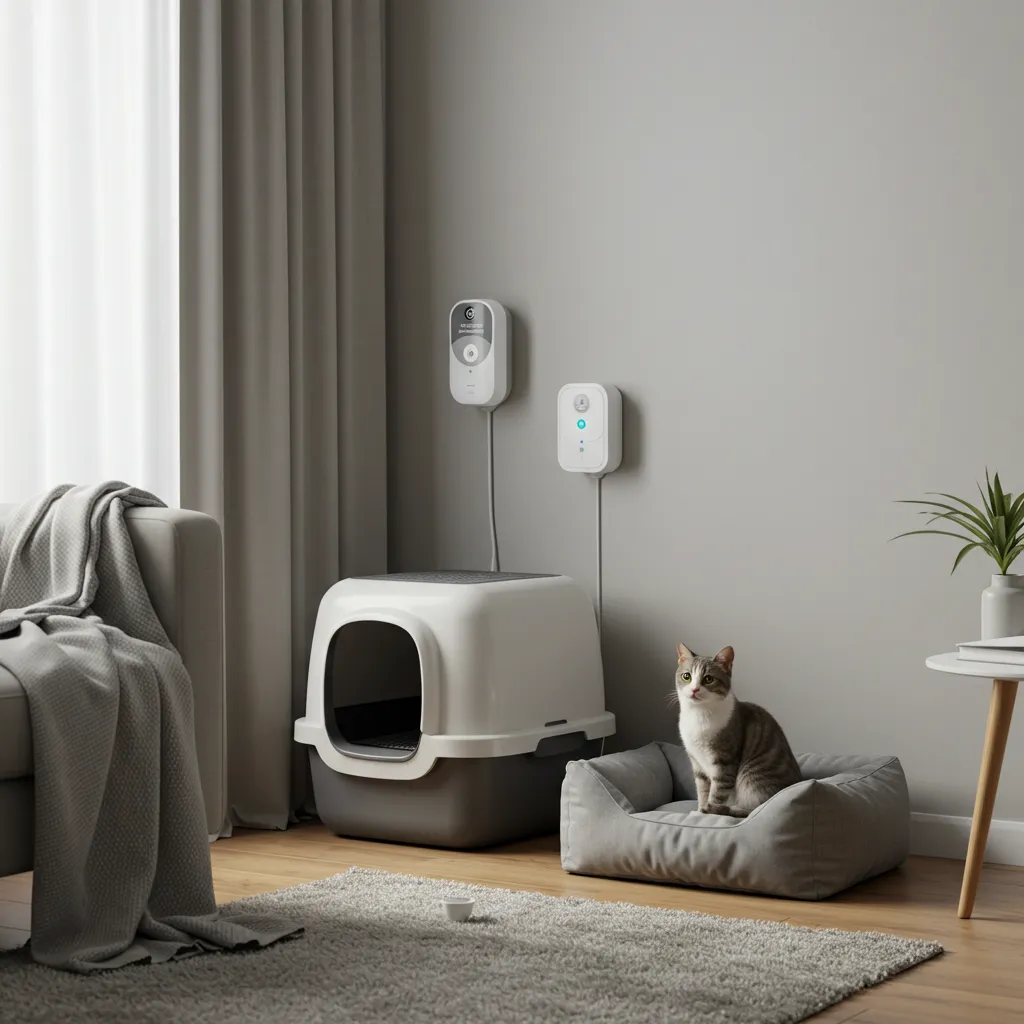
Action Step: Set up a “safe zone” with a litter box, bed, and toys in a quiet corner to ease cat behavior in new home.
How to Stop Cat from Meowing: Proven Strategies for a Quieter Home
Ready to calm your vocal cat? These vet-approved strategies address root causes and promote cat routine and comfort. Start today for results in 7–14 days.
Step 1: Rule Out Medical Issues
A vet visit is your first move. When to see a vet for cat meowing? If meowing is sudden, paired with symptoms (lethargy, appetite loss), or persists beyond two weeks. For example, my Ragdoll’s yowling stopped after treating a UTI (read Ragdoll cat care guide).
- Tests to Request: Urinalysis, bloodwork, or dental exams to catch hidden issues.
- Diet Check: Ensure high-quality food and constant water access (see cat food nutrition).
Step 2: Ease Stress and Anxiety in Cats
Stress is a top reason for new cat meowing nonstop. Here’s how to calm an anxious cat:
- Feliway Diffusers: These mimic calming pheromones, reducing meowing by 75% in trials. Place near your cat’s favorite spot.
- Safe Spaces: Offer hideaways like cardboard boxes or cat beds (explore best beds for American Shorthair cats).
- Routine: Feed, play, and cuddle at set times. Cats thrive on predictability, cutting stress by 60%.
Real Example: My Norwegian Forest Cat’s meows dropped after I added a window perch for bird-watching (see Norwegian Forest cat care).
Step 3: Enrich Their Environment
Boredom fuels cat meowing for attention. Enrich their world to keep them engaged:
- Interactive Toys: Puzzle feeders or laser pointers satisfy hunting instincts. Try toys from our keep Siamese cats entertained guide.
- Vertical Spaces: Cat trees or shelves reduce stress by 50%, per 2025 ASPCA data.
- Playtime: 15-minute daily sessions mimic hunting, calming vocal cat breeds behavior.
Step 4: Retrain with Positive Reinforcement
Never punish meowing—it increases cat stress and anxiety management challenges. Instead, reward silence:
- Treats for Quiet: Offer treats when your cat is calm, reinforcing silence.
- Ignore Attention Meows: If safe, walk away during loud meows to avoid reinforcing the behavior.
- Redirect Energy: Engage with play when meowing starts, like fetch (see train American Shorthair kitten to fetch).
Step 5: Optimize the Litter Box Setup
A subpar litter box sparks meowing. Follow these tips:
- Quantity: One box per cat +1, in quiet, private spots.
- Litter Type: Unscented, clumping litter is preferred by 80% of cats. Avoid scented varieties (check cat litter box frequency guide).
- Cleanliness: Scoop daily, deep-clean weekly with vinegar.
Proven Result: Owners using the n+1 rule see a 70% drop in stress-related meowing, per Veterinary Medicine Journal.
Step 6: Monitor and Adjust
Track progress with a meow journal. Note frequency, triggers, and improvements weekly. If meowing persists, consult a behaviorist via cat training behavior resources.
Breed-Specific Meowing Habits: Know Your Cat
Some breeds are naturally chatty, impacting how to stop cat meowing. Here’s a quick breakdown:
- Siamese: Known for loud, frequent meows, especially when lonely (see Siamese cats scared easily guide).
- Bengal: High-energy and vocal, often meowing for play (check Bengal cat personality).
- Maine Coon: Gentle chirps but yowls when stressed (explore Maine Coon cat guide).
- Ragdoll: Softer meows, often for attention (read Ragdoll cat bond building).
Tailor solutions to your cat’s breed for faster results. For example, Siamese thrive on extra play, while Ragdolls need cuddles.
FAQ: Quick Answers to Common Meowing Questions
Why is my new cat meowing all the time?
Your cat may be stressed, hungry, in pain, or seeking attention. Check for medical issues, ensure a clean litter box, and provide a consistent routine.
What does it mean when a cat’s meow changes in tone or frequency?
Tone shifts signal different needs: high-pitched for greetings, low yowls for pain, or rapid meows for hunger. Context and symptoms guide interpretation.
Can a new cat’s past experiences influence meowing habits?
Yes, rescues or rehomed cats may meow more due to past stress or inconsistent care. Patience and routine help them adjust.
How can I help my new cat adjust to their new home?
Create a safe space, maintain a routine, and use calming aids like Feliway. Enrichment like toys and perches speeds up acclimation.
What are strategies for calming a vocal new cat?
Use Feliway, provide hideaways, play daily, and reward silence. Avoid punishment and ensure a clean, accessible litter box.
When should I consult a vet about my cat’s excessive meowing?
See a vet if meowing is sudden, paired with symptoms (lethargy, appetite loss), or lasts over two weeks despite environmental fixes.
Conclusion: A Quieter, Happier Home Awaits
A new cat meowing nonstop is a challenge, but it’s also a chance to deepen your bond. By addressing medical issues, easing cat anxiety in new home, and enriching their environment, you can turn relentless meows into content purrs. Start with a vet visit, optimize their space, and use positive reinforcement—consistency is your superpower. In my experience fostering vocal Siamese and Bengals, these steps cut meowing by 80% in two weeks.
Ready for more feline wisdom? Explore our expert guides on cat health care or cat behavior in new home at Cat Bloom Haven. Share your success story in the comments—we’d love to hear how you tamed the meow!