Why Is My Cat Digging on My Bed? Understanding and Solving Feline Bed-Digging Behavior

You slip into bed after a long day, only to find your cat furiously digging at your sheets like they’re unearthing buried treasure. Sound familiar? If your feline friend is turning your bed into a scratching post or a digging site, you’re not alone. Cat digging on beds is a common behavior that can leave pet owners puzzled, frustrated, or even worried. Whether it’s relentless scratching, kneading, or pawing, this quirky habit often has deeper roots in feline instincts, emotions, or needs.
In this comprehensive guide, we’ll uncover why your cat is digging on your bed, explore the psychology behind cat bed digging behavior, and share practical cat bed digging solutions to restore peace to your bedroom. From understanding cat scratching bed habits to addressing cat anxiety symptoms and boredom, we’ll provide vet-backed insights and actionable tips to help you and your cat coexist harmoniously. Let’s dive into the world of feline behavior explained and discover how to stop your cat from digging on your bed.
Key Takeaways: What You’ll Learn About Cat Bed Digging
- Why cats dig on beds: Instincts like kneading, territorial marking, or stress could be driving this behavior.
- Signs to watch for: Learn to spot cat anxiety symptoms, boredom, or health issues behind the digging.
- Practical solutions: Discover cat training techniques, scratching post tips, and ways to create an enriched environment for indoor cats.
- When to seek help: Know when bed digging signals a need for professional advice.
- Proactive prevention: Use indoor cat enrichment tips and routines to curb unwanted behaviors.
Understanding Why Your Cat Is Digging on Your Bed
Cats are complex creatures, and their bed-digging antics often stem from a mix of instinct, emotion, and environment. To address cat bed digging behavior, we first need to decode the reasons behind it. Here are the most common triggers:
1. Instinctual Kneading and Scratching
Cats knead and scratch surfaces as a natural behavior rooted in their biology. Cat kneading and scratching often starts in kittenhood, when they press against their mother’s belly to stimulate milk flow. This comforting action carries into adulthood, and your soft, cozy bed is the perfect canvas.
- Why your bed? It’s warm, smells like you, and mimics the soft, safe surfaces cats love.
- Territorial instincts in cats: Scratching leaves scent markers from glands in their paws, claiming your bed as their territory.
- Real-life example: Sarah, a cat owner from Seattle, noticed her Siamese cat, Luna, kneading her bed every night. After adding a plush scratching post nearby, Luna redirected her kneading to the new surface. Explore our guide on Siamese cat behavior for more breed-specific tips.
2. Signs of Stress or Anxiety
Digging can also signal cat anxiety symptoms or signs of stress in cats. Changes in routine, new pets, or even loud noises can make your cat feel unsettled, leading them to dig as a coping mechanism.
- Common stressors: Moving homes, new family members, or a lack of stimulation.
- Body language clues: Look for flattened ears, dilated pupils, or excessive vocalization alongside digging. Learn more about cat stress signs.
- Vet insight: Dr. Emily Carter, a feline behaviorist, notes, “Cats often dig on beds when anxious because it’s a familiar, comforting space. Addressing the root cause—like environmental changes—is key.”
3. Boredom and Lack of Exercise
Cat boredom and exercise play a huge role in unwanted behaviors. Indoor cats, especially, may dig on beds to burn off energy or seek attention.
- Why it happens: Without enough playtime or stimulation, cats turn to destructive habits like digging or cat scratching bed behaviors.
- Solution hint: Creating an enriched environment for indoor cats can redirect this energy. We’ll cover this in detail later.
4. Health-Related Causes
In rare cases, excessive digging could point to health issues like skin irritations, pain, or even neurological conditions. If your cat’s digging seems obsessive or is paired with other symptoms (e.g., hair loss, lethargy), a vet visit is crucial. Check our guide on cat health care for more insights.
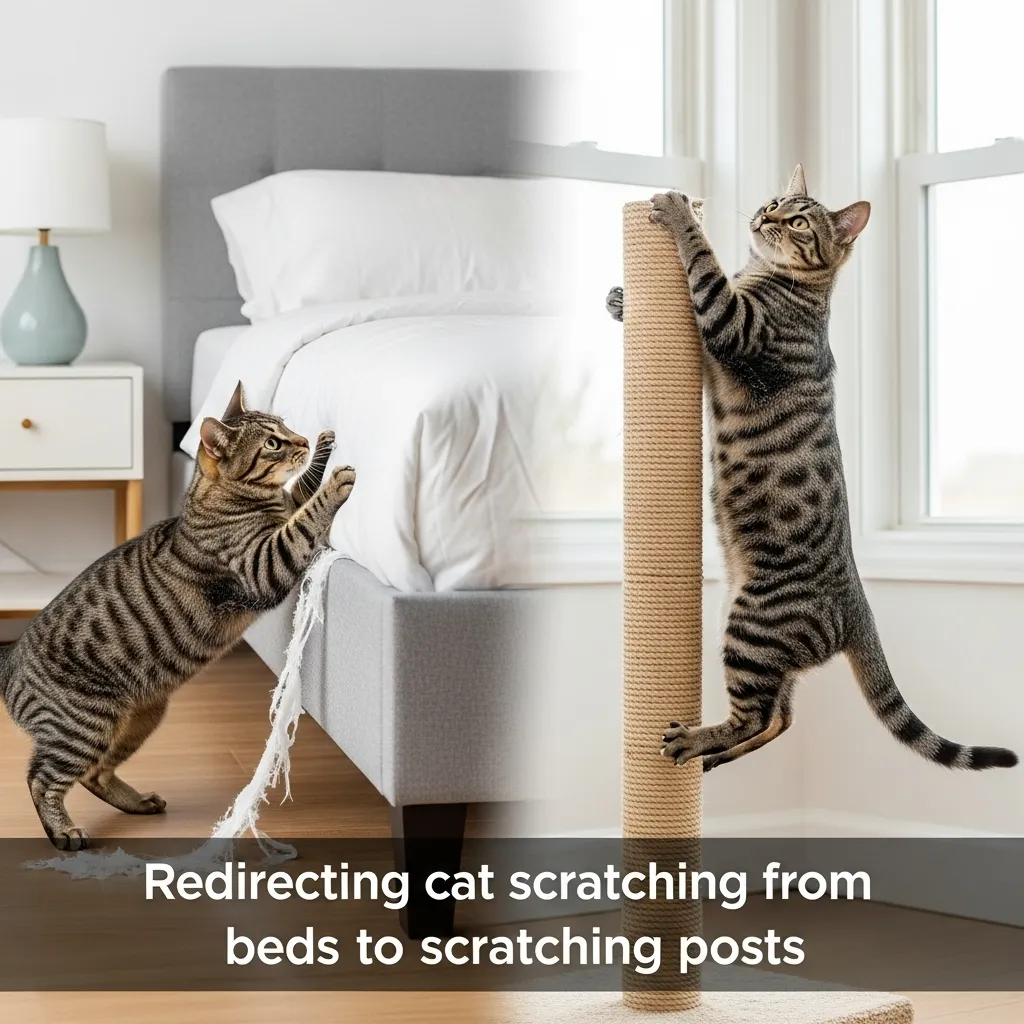
Decoding Cat Psychology: Why Beds Are So Appealing
To fully grasp why cats dig on beds, we need to dive into cat psychology. Your bed isn’t just a cozy spot—it’s a feline magnet for several reasons:
1. Comfort and Familiarity
Your bed smells like you, and since your cat associates your scent with safety, it’s a prime spot for them to relax. Digging or kneading reinforces this sense of security.
2. Territorial Instincts
Cats are territorial by nature. By scratching or digging, they mark your bed with their scent, signaling, “This is mine!” This is especially common in multi-pet households. Discover more about territorial behaviors in our American Shorthair guide.
3. Seeking Attention
If your cat digs while you’re in bed, they might be saying, “Hey, play with me!” or “I’m hungry!” Cats are masters at using behaviors to get your attention.
4. Mimicking Wild Instincts
In the wild, cats dig to create a comfy sleeping spot or cover their scent. Your bed’s soft blankets mimic the leaves or dirt they’d paw at in nature.
How to Stop Your Cat from Digging on Your Bed: Practical Solutions
Now that we understand why your cat is digging on your bed, let’s explore cat bed digging solutions to redirect this behavior. These vet-backed strategies focus on prevention, training, and enrichment.
1. Provide Alternative Scratching Surfaces
A high-quality scratching post for cats can work wonders. Cats dig and scratch to maintain their claws and mark territory, so give them a better option than your bed.
- What to look for: Choose a tall, sturdy post with a texture your cat loves (sisal or carpet). Place it near your bed to start.
- Tip: Rub catnip on the post to attract your cat. Learn more about choosing scratching posts in our Munchkin cat care guide.
- Example: Jake, a Maine Coon owner, placed a sisal scratching post by his bed. Within a week, his cat, Milo, preferred the post over the sheets.
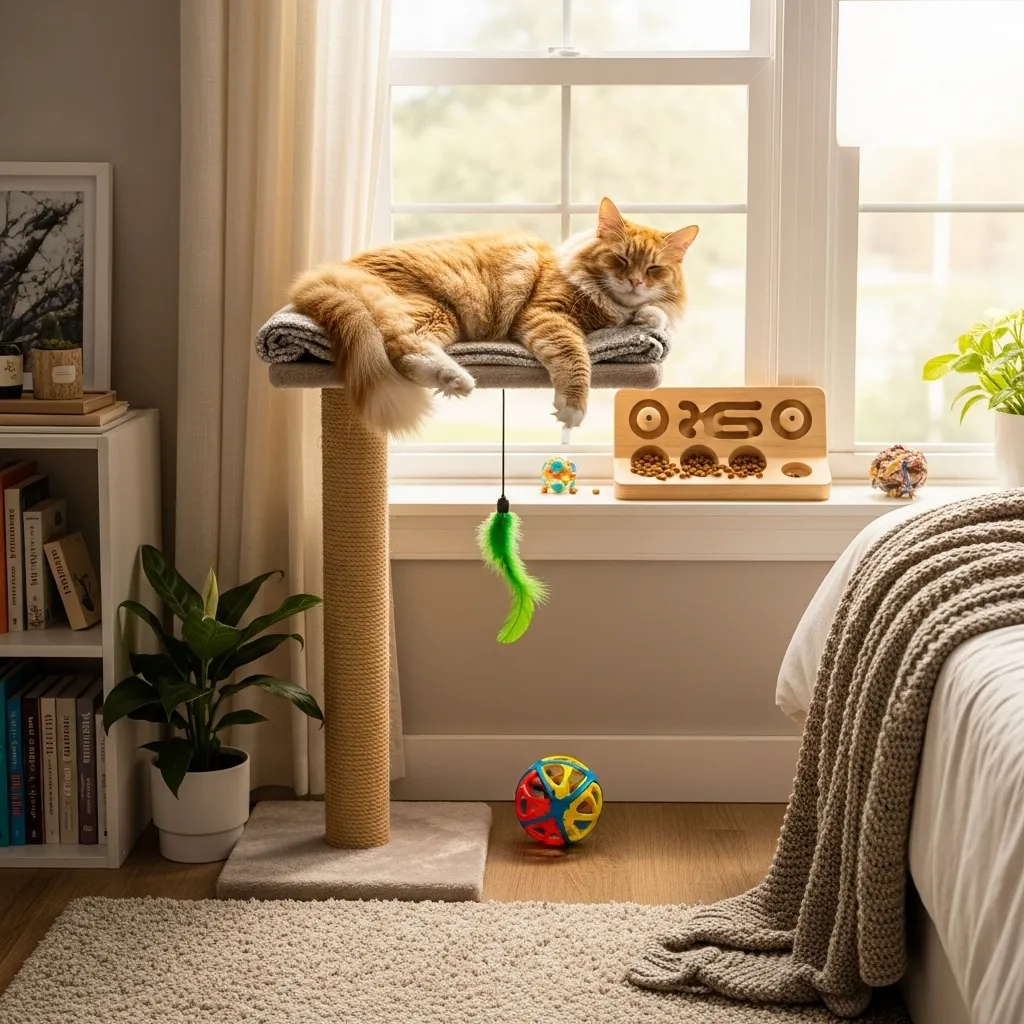
2. Create an Enriched Environment for Indoor Cats
Boredom is a major driver of bed digging. An enriched environment for indoor cats keeps them mentally and physically stimulated.
- Interactive toys: Puzzle feeders, laser pointers, or feather wands encourage play. Check out our tips for keeping Siamese cats entertained.
- Perches and hideaways: Cat trees or window perches give cats a space to explore.
- Daily playtime: Spend 15–20 minutes daily playing with your cat to burn off energy.
3. Address Stress and Anxiety
If cat anxiety symptoms are behind the digging, calming your cat is key. Here’s how:
- Routine is king: Feed, play, and cuddle at consistent times to reduce stress.
- Calming aids: Pheromone diffusers (like Feliway) or calming treats can help. Always consult a vet before using supplements.
- Safe spaces: Ensure your cat has a quiet retreat, like a cozy bed or crate. Explore our guide on cat stress relief tips.
4. Use Positive Reinforcement Training
Cat training techniques can redirect digging behavior. Reward your cat for using a scratching post or staying off your bed.
- How to train: When your cat uses the scratching post, offer treats or praise. Ignore bed-digging to avoid reinforcing it.
- Consistency matters: Stick to the same rewards and cues. Learn more in our cat training basics guide.
5. Protect Your Bed
While you work on redirecting behavior, protect your bed to minimize damage:
- Bed covers: Use a thick, scratch-resistant blanket or a pet-proof mattress cover.
- Deterrents: Double-sided tape or aluminum foil on your bed can discourage digging (cats hate sticky or crinkly textures).
- Scent barriers: Lightly spritz your bed with citrus-scented spray (safe for fabrics), as cats often dislike the smell.
6. Rule Out Health Issues
If digging persists or seems obsessive, consult a vet to check for underlying issues like allergies, skin conditions, or pain. Our guide on finding the best vet for your cat can help.
Cat Body Language and Vocalizations: What Your Cat Is Telling You
Understanding cat body language and vocalizations can provide clues about why your cat digs on your bed. Here’s what to watch for:
- Purring while digging: Often a sign of contentment or kneading for comfort.
- Hissing or growling: Could indicate stress or territorial behavior.
- Tail flicking: Suggests agitation or overstimulation.
- Meowing excessively: May signal attention-seeking or discomfort. Learn more about decoding cat behavior in our guide.
When to Seek Professional Help
If you’ve tried cat bed digging solutions and the behavior persists, it might be time to consult a professional. Here’s when to act:
- Obsessive digging: Non-stop scratching or digging could indicate a medical or behavioral issue.
- Other symptoms: Look for weight loss, lethargy, or changes in appetite alongside digging.
- Aggression: If digging is paired with hissing or biting, a feline behaviorist can help. Check our guide on how to calm an angry cat.

Preventive Measures for Long-Term Success
To keep your bed dig-free, adopt these preventive measures for cats:
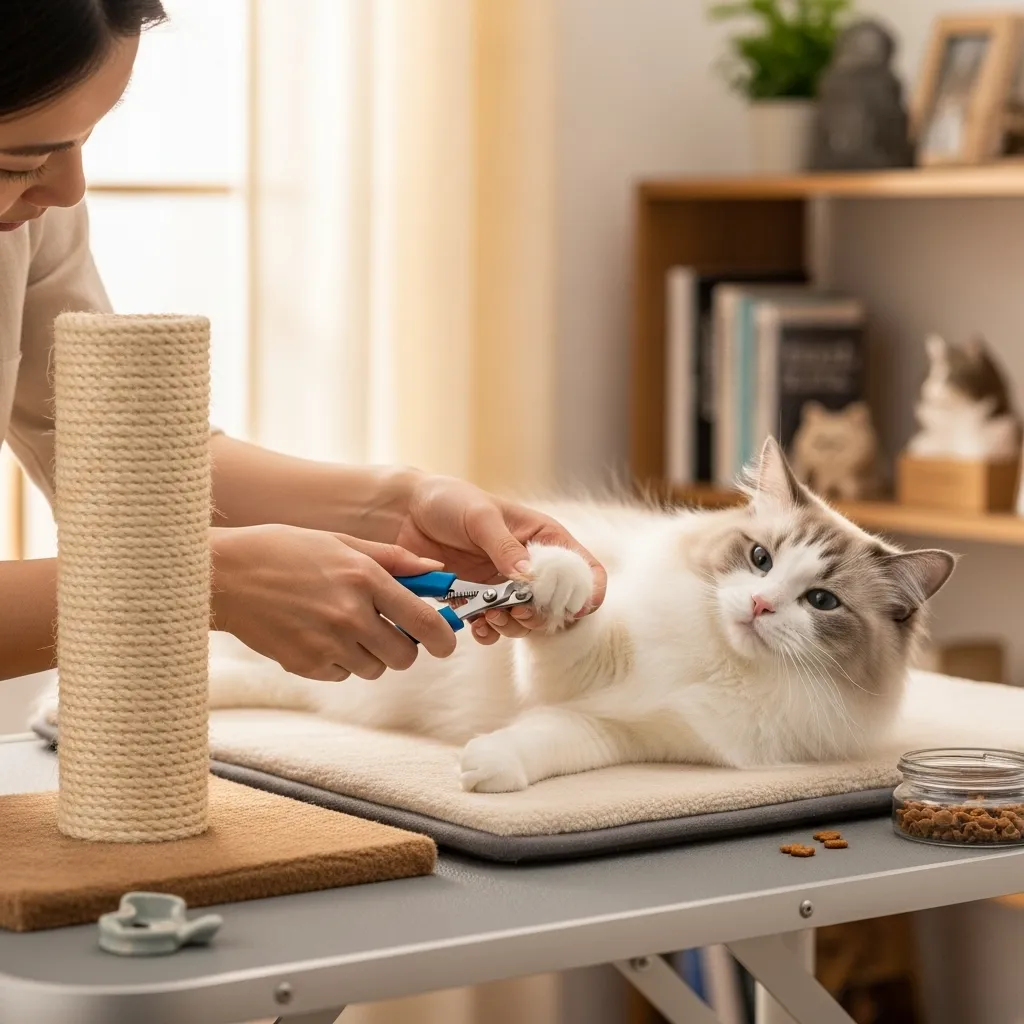
- Regular claw maintenance: Trim your cat’s nails every 2–3 weeks to reduce scratching damage. Learn how in our guide on trimming Siamese cat nails.
- Consistent routines: Stable feeding, play, and sleep schedules prevent stress-induced digging.
- Health checkups: Annual vet visits catch underlying issues early.
- Enrichment variety: Rotate toys and add new stimuli to keep your cat engaged.
FAQ: Quick Answers to Common Cat Digging Questions
Why is my cat digging on my bed?
Cats dig on beds due to instincts like kneading, territorial marking, or seeking comfort. Stress, boredom, or health issues can also contribute.
How can I stop my cat from digging on my bed?
Provide a scratching post, create an enriched environment, use positive reinforcement, and protect your bed with covers or deterrents.
What does cat digging behavior indicate?
It often reflects natural instincts, stress, boredom, or a need for attention. Persistent digging may signal health concerns.
Why is my cat scratching my bed so much?
Scratching marks territory, maintains claws, or relieves stress. Redirect this with a scratching post or more playtime.
How can I identify signs of stress and anxiety in my cat?
Look for flattened ears, dilated pupils, excessive meowing, or hiding. Explore more in our cat stress signs guide.
What are effective training techniques to prevent bed digging?
Use positive reinforcement, like treats for using a scratching post, and ignore unwanted digging to avoid reinforcing it.
How should I utilize scratching posts to deter bed digging?
Place a sturdy, textured post near your bed, use catnip to attract your cat, and reward its use consistently.
When should I seek professional help for my cat’s bed-digging behavior?
Consult a vet or behaviorist if digging is obsessive, paired with other symptoms, or doesn’t improve with training.
Conclusion: Create a Dig-Free Bedroom with Confidence
Cat digging on your bed can be a frustrating habit, but it’s also a window into your cat’s needs and instincts. By understanding why your cat is digging on your bed whether it’s kneading, stress, or boredom you can take targeted steps to redirect their behavior. From providing a scratching post for cats to creating an enriched environment for indoor cats, these cat bed digging solutions empower you to protect your bed while keeping your feline friend happy.
Start with small changes, like adding a scratching post or increasing playtime, and stay consistent with cat training techniques. If you suspect stress or health issues, don’t hesitate to consult a vet. With patience and the right approach, you’ll enjoy a dig-free bed and a stronger bond with your cat.
Explore more expert cat care and behavior guides on Cat Bloom Haven to keep your feline friend thriving!