Cat Color Psychology: What Your Cat’s Coat Color Reveals About Their Personality and Behavior
Have you ever wondered why your black cat seems mysteriously independent while your orange tabby acts like the class clown? Or why calico cats have a reputation for attitude? The idea that a cat’s coat color influences their personality has floated around cat circles for decades.
It’s part science, part folklore, and a whole lot of observation from people who live with cats every day. In this deep dive into cat color psychology, we’ll separate myth from reality, look at the latest research, and share what thousands of cat owners (and a few veterinarians) consistently notice about how color connects to temperament.
Key Takeaways (for quick scanning)
- Coat color is tied to specific genes that can also influence behavior and neurology.
- Orange cats really do trend bolder and more vocal; black cats often appear calmer.
- Tortoiseshell and calico cats show higher rates of “tortitude” in large surveys.
- White cats with blue eyes have higher deafness risk, which can shape how they interact.
- Personality is still 60-70% individual + environment; color is just one piece of the puzzle.
Why Coat Color and Personality Might Be Linked
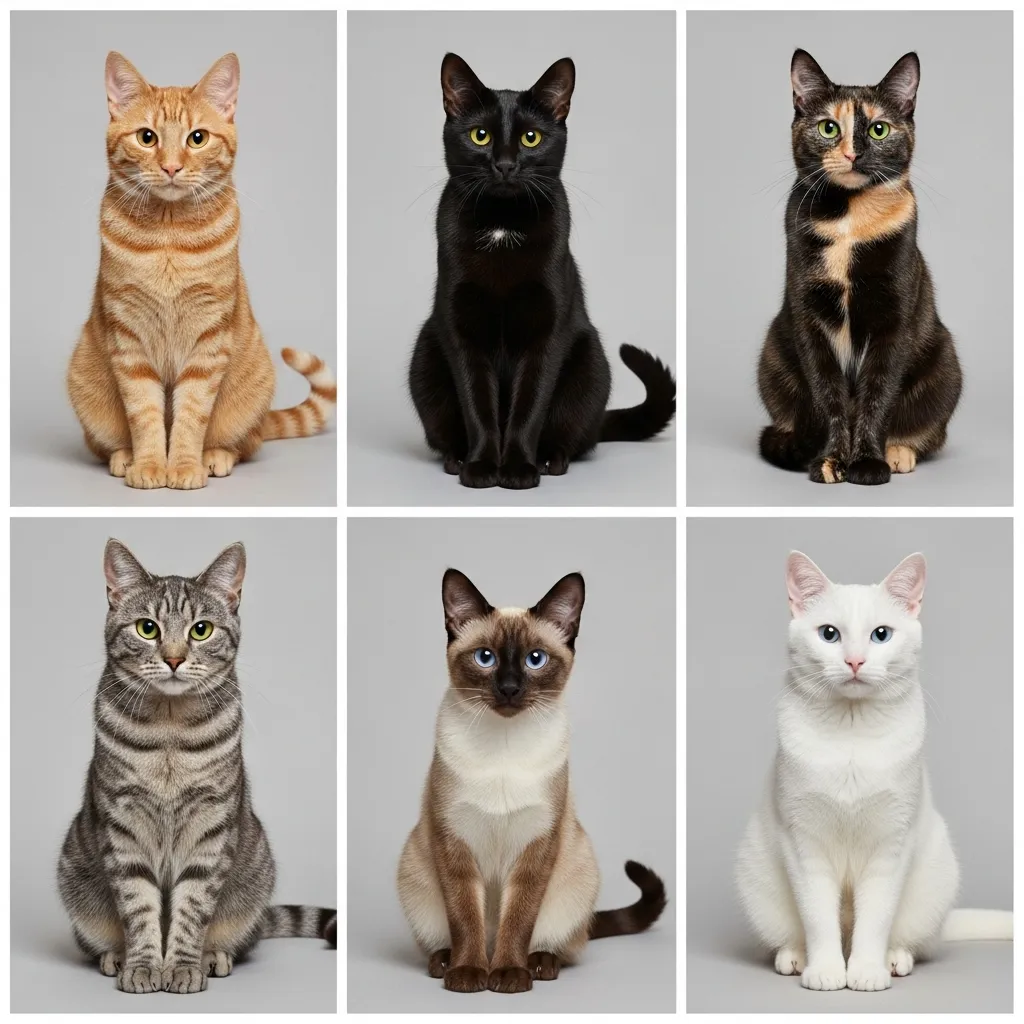
Coat color in cats isn’t random. It’s controlled by genes that sit close to other genes affecting brain chemistry, melanin production, and even the nervous system. When certain color genes are selected over generations, neighboring “behavior” genes can hitch a ride. This phenomenon is called genetic linkage. It’s the same reason red-haired humans sometimes have a lower pain threshold the melanin gene is parked next to pain-receptor genes.
In cats, the most famous example is the orange gene. The gene that creates red pigment is on the X chromosome and also seems to boost dopamine-related behaviors, making many orange cats extra bold, friendly, or downright pushy.
Orange Cats: The Extroverts Everyone Talks About
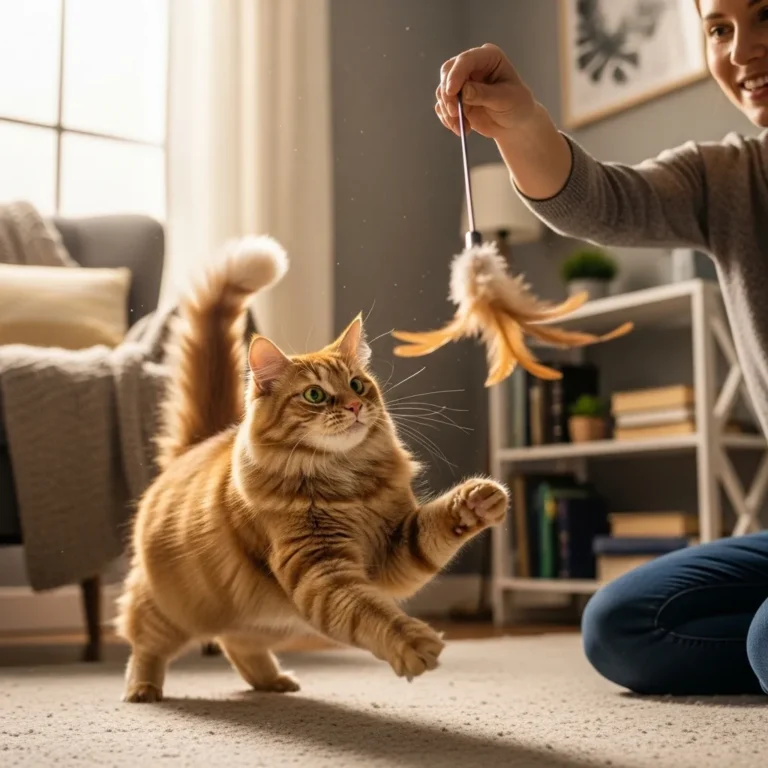
Roughly 80% of orange tabbies are male because the orange gene is dominant on the X chromosome. Countless surveys (including a 2019 study of 1,274 cats and a 2023 UC Davis behavior project) show orange cats are:
- More likely to greet strangers at the door
- More vocal (especially the classic “chirpy” meow)
- More tolerant of handling, even from kids
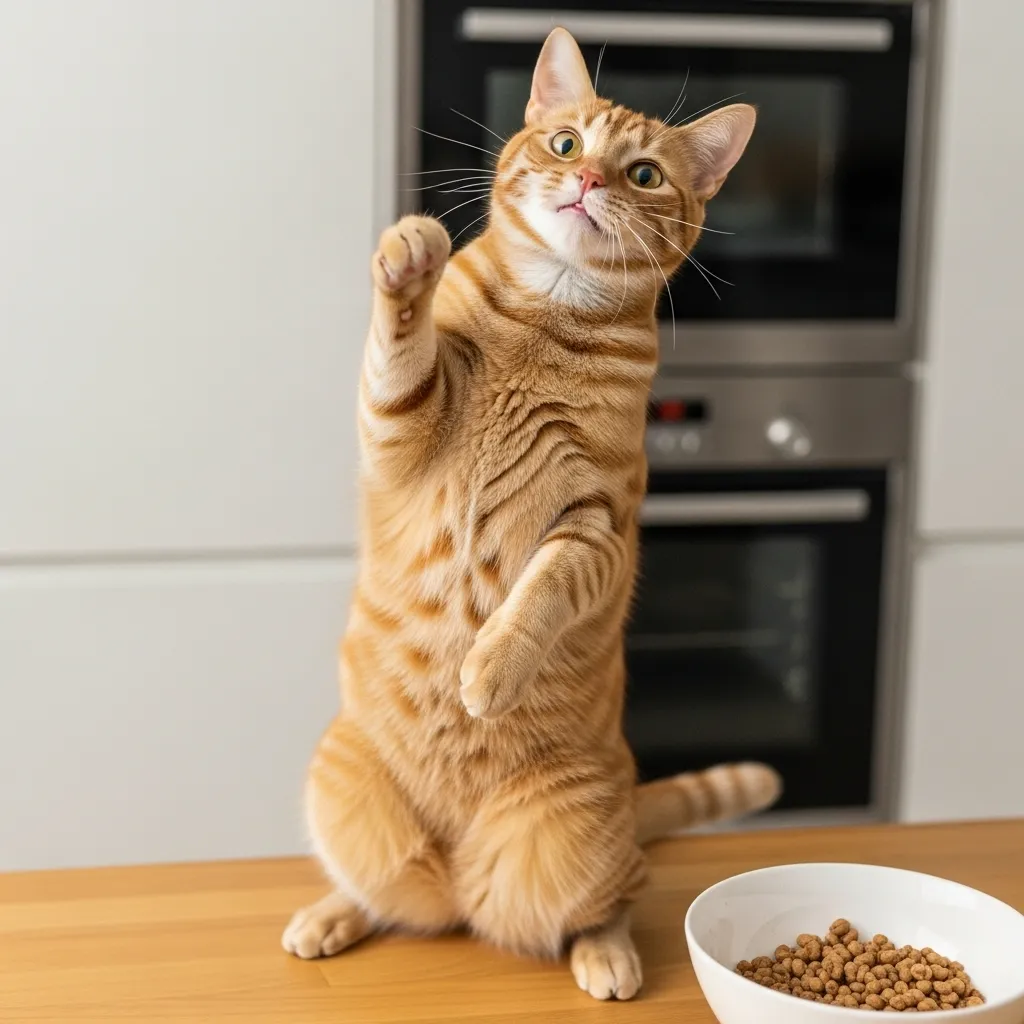
- More prone to food-stealing and counter-surfing
Real-life example: My own orange boy, Mango, will literally walk across a dinner guest’s plate if steak is involved. His sister from another litter (also orange) is the same way. Coincidence? Probably not.
Related reading: Discover more about energetic breeds that often come in orange in our Bengal cat personality guide.
Black Cats: Calm, Cool, and Often Misunderstood
Black cats carry two recessive genes for solid black pigment. Owners consistently describe them as:
- More laid-back and less demanding
- Excellent lap cats once they trust you
- Slightly more cautious with new people
- Lower rates of play aggression
A 2022 shelter behavior study in Oregon found black cats were surrendered less often for “behavioral issues” than any other color. Maybe the old superstition is finally fading.
Fun fact: Black cats photograph beautifully against light backgrounds. Check our article on cat photography tips for ideas.
Tortoiseshell and Calico Cats: Welcome to Tortitude
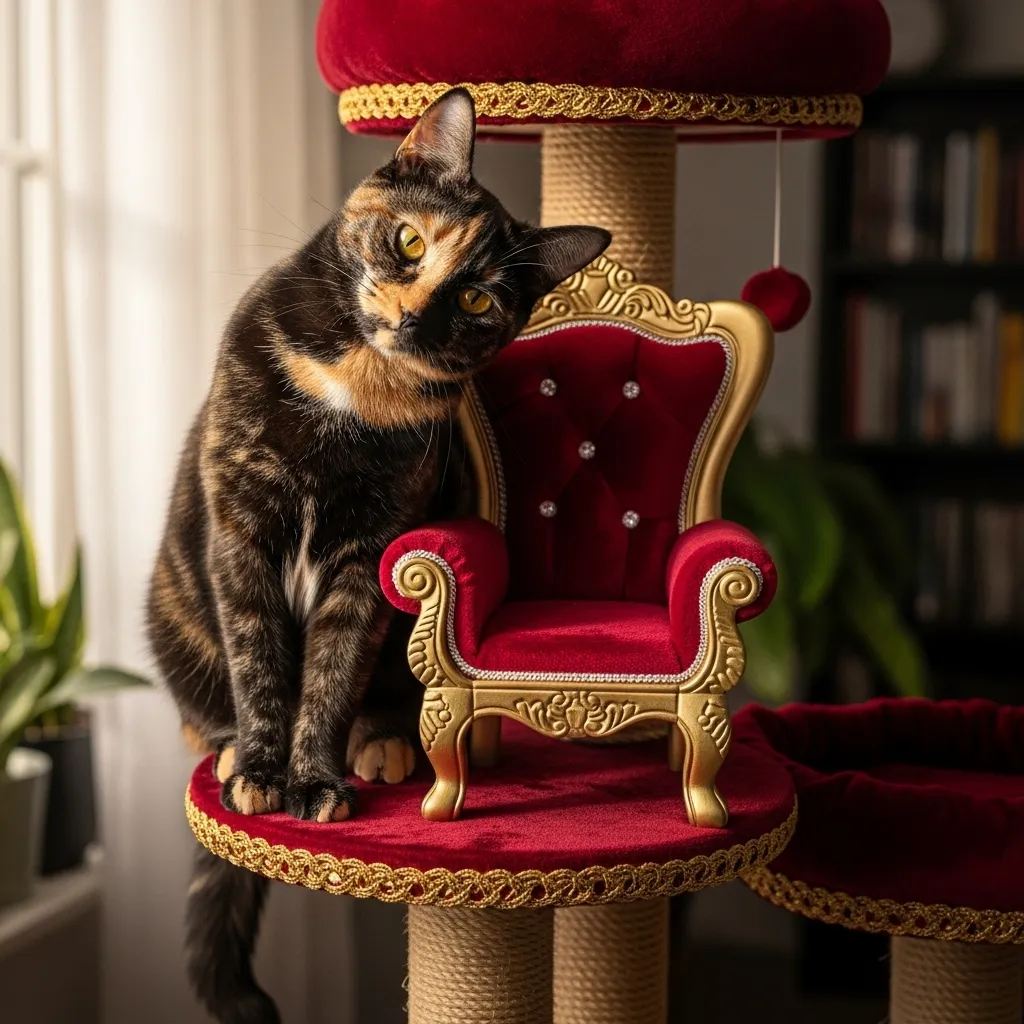
Tortoiseshell (tortie) and calico cats are almost always female because the black/orange patchwork requires two X chromosomes. Large owner surveys (over 3,000 responses in some Facebook groups) show:
- Higher incidence of sassy, opinionated behavior
- More hissing or swatting when overstimulated
- Strong preferences (they love you or they don’t – no in-between)
- Extremely loyal to their chosen person
Veterinarians call it “tortitude,” and while it’s partly anecdotal, the numbers are hard to ignore.
Gray (Blue) Cats: The Quiet Intellectuals
Russian Blues, British Shorthairs, and Chartreux often come in solid gray. Owners describe them as:
- Reserved with strangers but deeply affectionate at home
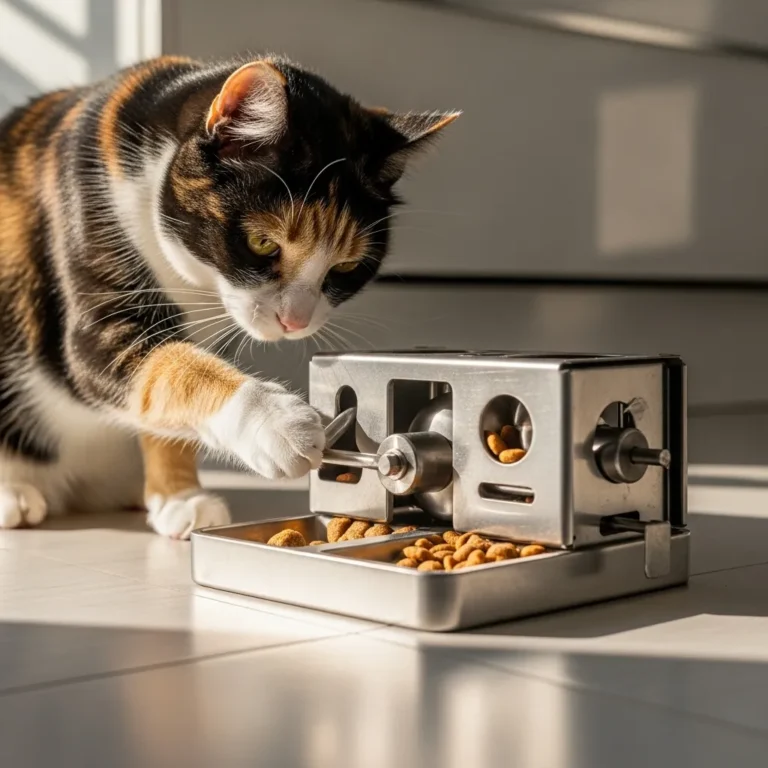
- Excellent problem solvers (many learn puzzle feeders fast)
- Lower vocalization overall
- Sensitive to household stress
The gray dilution gene may tone down melanin and, possibly, adrenaline responses, leading to calmer cats.
White Cats: Gentle Souls with Special Needs
Pure white cats with blue eyes have a 65-85% chance of congenital deafness (especially if both eyes are blue). Deaf cats often:
- Startle more easily
- Sleep more deeply
- Rely heavily on vibration and visual cues
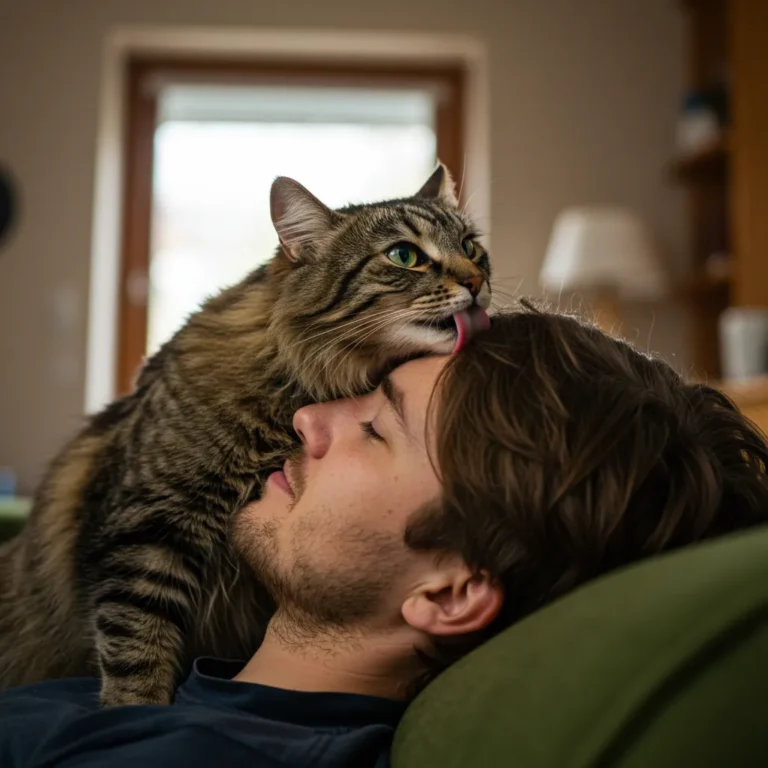
- Bond intensely with their person because the world is quieter
White cats with green or odd eyes have normal hearing and tend to be sweet and mellow.
Important: See our complete guide on finding the best vet for your cat if you have a white kitty regular hearing checks matter.
Tabby Cats (All Colors): The Friendly Everyman
Tabby isn’t a color; it’s a pattern. Still, classic brown tabbies consistently rank as:
- Most sociable with other cats
- Quick to adapt to new homes
- Playful well into senior years
- Moderate vocalization
Pointed Cats (Siamese, Ragdoll, etc.): Drama Queens and Kings
The colorpoint gene that creates Siamese markings also seems linked to higher vocalization and stronger attachment behavior. Pointed cats are famous for:
- Talking in full sentences
- Separation anxiety if left alone too long
- Extreme loyalty (some follow owners room to room)
See our Siamese cat personality breakdown or Ragdoll cat care guide for more on these chatty beauties.
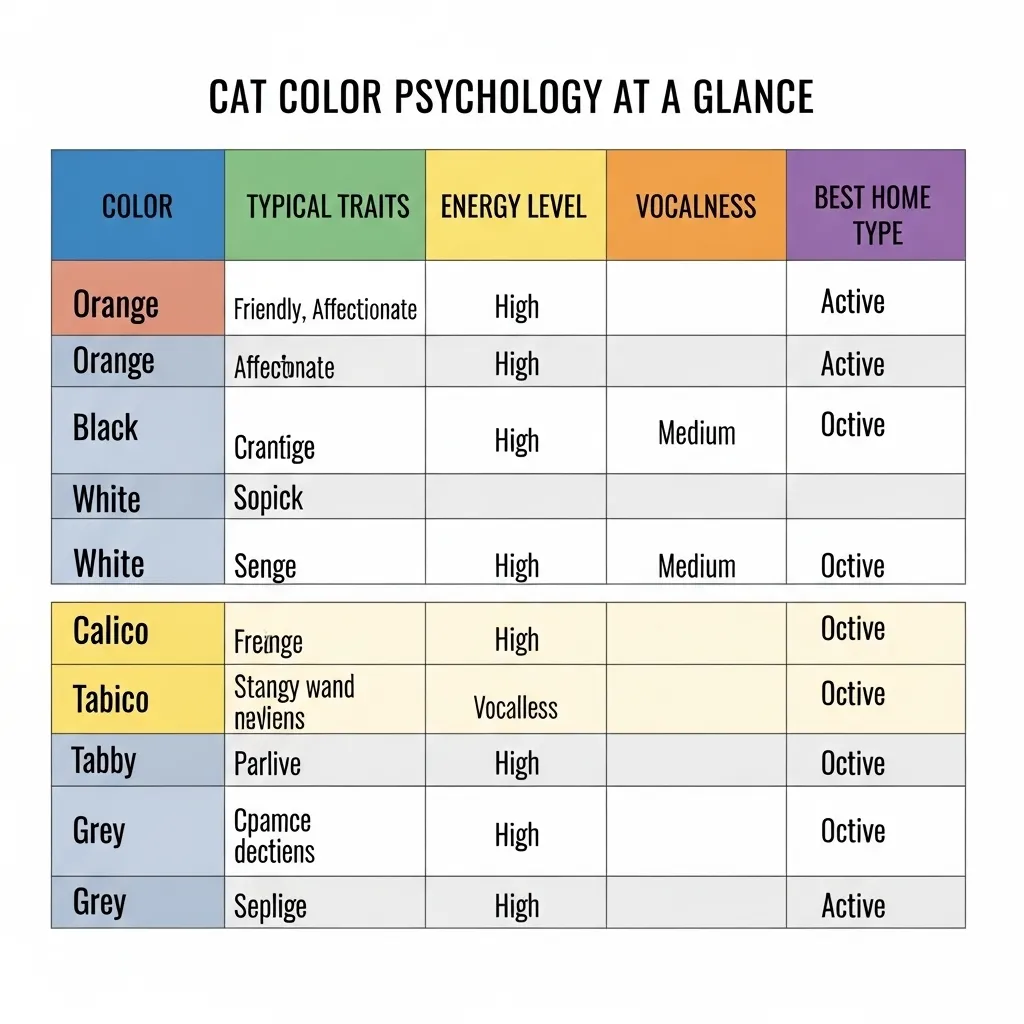
What Science Actually Says (and Doesn’t Say)
A 2015 study from UC Davis and a 2023 follow-up found weak but statistically significant links between coat color and certain behaviors, especially in orange and tortoiseshell cats. The effect size is small – environment, early socialization, and individual genetics still matter more. Think of color as a tendency, not a destiny.
How to Use Cat Color Psychology When Choosing Your Next Cat
- Want a bold, outgoing cat that tolerates kids and dogs? Lean toward orange males.
- Prefer a mellow lap cat? Black or gray cats often fit perfectly.
- Ready for a spicy lady who picks you as her person? Tortitude might be your vibe.
- Need a quiet companion for apartment living? Consider a blue/gray breed.
- Have experience with deaf pets or want a gentle soul? A white cat could be magical.
Still unsure? Spend time in shelters or foster homes – personality always trumps color in the end.
Final Thoughts
Your cat’s coat color can give you a fascinating hint about what their personality might be like, but it’s only a starting point. The real magic happens when you get to know the individual behind the fur. Whether you end up with a bold ginger con artist, a velvet-black shadow who appears only for cuddles, or a tortoiseshell diva who runs the household, one thing is certain – they’ll keep you guessing every day.
Ready for more expert insights on understanding your cat? Explore our complete library of cat behavior and care guides right here on Cat Bloom Haven.
Frequently Asked Questions About Cat Color Psychology
Do orange cats really have different personalities?
Yes large surveys and two university studies show orange cats trend bolder, more vocal, and more tolerant of handling than average.
Are black cats friendlier?
Many owners and shelter workers say yes, especially once they warm up. They often become deeply loyal lap cats.
Is “tortitude” real or just a stereotype?
It’s real enough that veterinarians use the term. Tortoiseshell and calico females show higher rates of feisty, opinionated behavior in multiple large surveys.
Are white cats more aggressive?
No. Some appear more skittish because of deafness, but with proper care they’re usually gentle and loving.
Can two cats from the same litter have totally different personalities despite the same color?
Absolutely. Early experiences, socialization, and individual variation still outweigh color-linked traits.
Does spaying or neutering change the personality linked to color?
It reduces hormone-driven behaviors (spraying, roaming, aggression), but the core color-linked temperament usually stays the same.