Why Does My Cat Paw at Smooth Surfaces? A Deep Dive into Feline Behavior
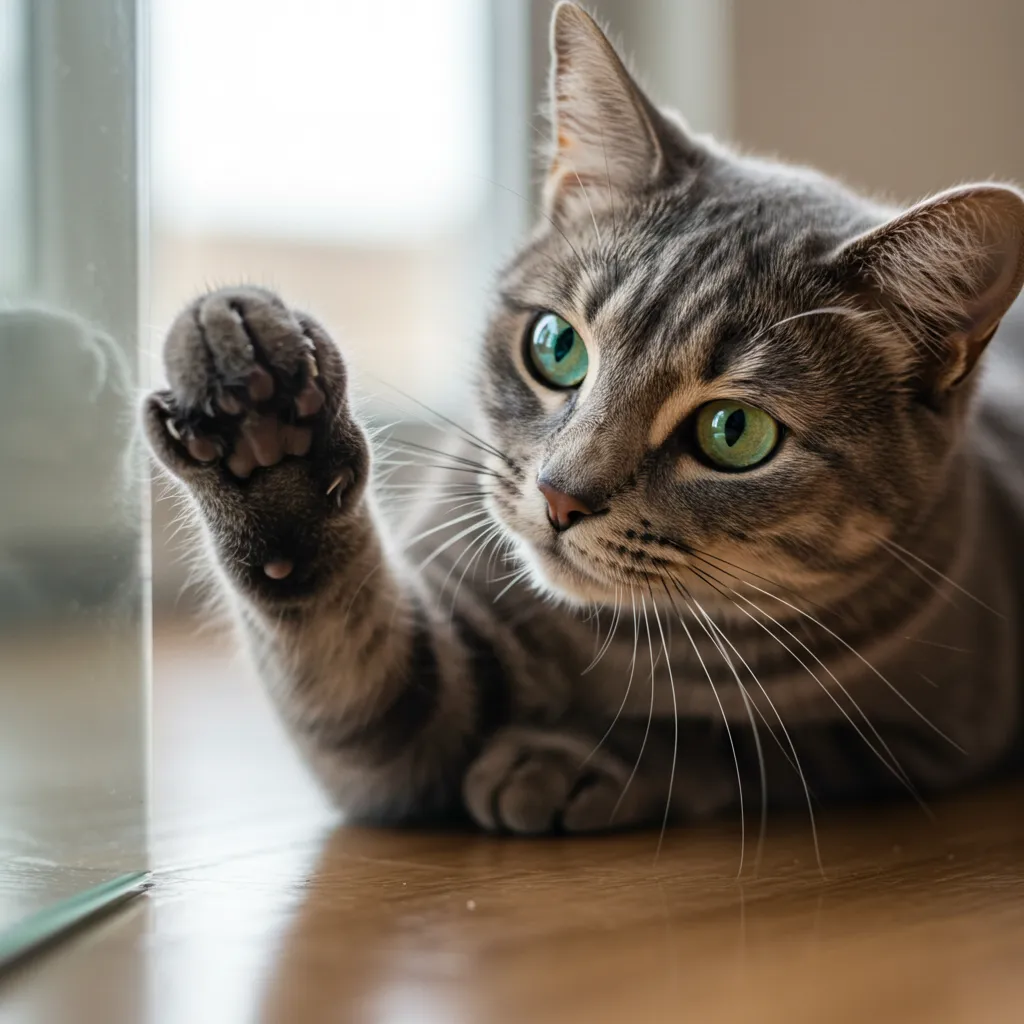
Have you ever caught your cat pawing at a mirror, a glass table, or a shiny floor, leaving you puzzled by their quirky behavior? If you’re wondering why does my cat paw at smooth surfaces, you’re not alone. This fascinating feline habit often sparks curiosity among pet owners, and it’s more than just a random quirk. Cats paw at smooth surfaces for a variety of reasons rooted in their instincts, senses, and environment. From territorial marking to sensory exploration, this behavior offers a window into your cat’s mind.
In this comprehensive guide, we’ll unravel the mystery behind cat pawing behavior and explore why cats are drawn to smooth surfaces. You’ll discover the science, psychology, and instincts driving this behavior, along with practical tips to manage it and keep your cat happy. Whether you’re a seasoned cat parent or a curious newbie, this article will equip you with expert insights to understand and support your feline friend. Let’s dive in!
Key Takeaways
- Instinctual Behavior: Cats paw at smooth surfaces to mark territory, explore their environment, or satisfy natural instincts.
- Sensory Stimulation: Smooth surfaces like glass or mirrors engage a cat’s senses, sparking curiosity or playfulness.
- Communication: Pawing can be a way for cats to communicate needs, stress, or attention-seeking behavior.
- Solutions: Providing scratchers, enrichment, and training can redirect unwanted pawing.
- Health Check: Excessive pawing may signal stress or medical issues—consult a vet if it seems unusual.
Explore more tips in our cat behavior guide to better understand your furry friend.
Unraveling the Mystery: Why Cats Paw at Smooth Surfaces
Cats are enigmatic creatures, and their pawing behavior often leaves us scratching our heads. Whether it’s a mirror, a window, or a polished countertop, smooth surfaces seem to captivate felines. This behavior isn’t random—it’s deeply tied to their instincts, sensory systems, and environment. Let’s break down the key reasons behind why cats paw at things like smooth surfaces.
1. Feline Sensory Exploration: A Tactile Adventure
Cats are naturally curious, and their paws are like sensory antennas, helping them explore the world. Smooth surfaces, such as glass or polished wood, feel different from rough textures like carpet or furniture. This contrast intrigues cats, prompting them to paw at these surfaces to gather information.
- Paw Sensitivity: A cat’s paws are packed with nerve endings, making them highly sensitive to texture, temperature, and vibration. Smooth surfaces provide a unique tactile experience that stimulates their senses.
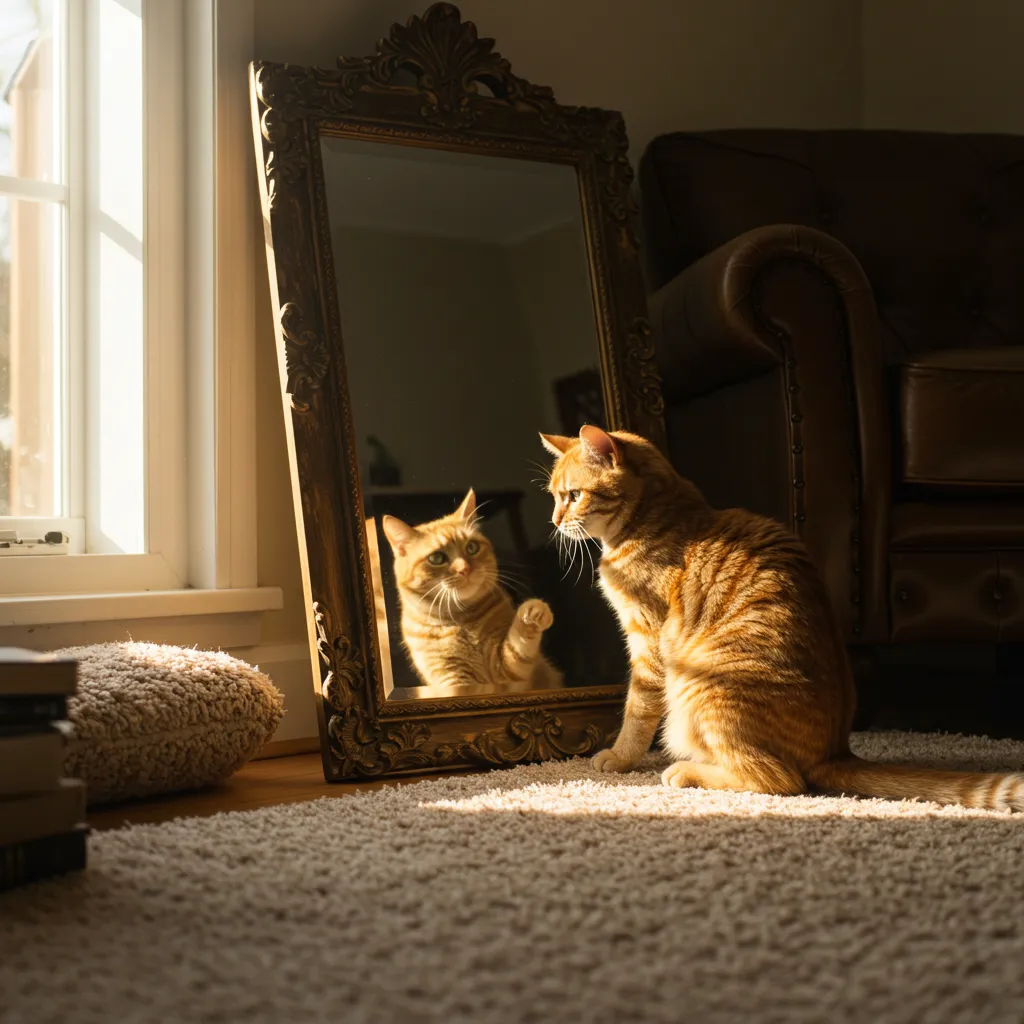
- Visual Cues: Reflective surfaces like mirrors or windows can create visual illusions, such as reflections or shadows, that spark feline curiosity. Your cat might paw at their reflection, thinking it’s another cat or an object to investigate.
- Sound Feedback: Pawing at glass or hard surfaces often produces a distinct sound, like a tap or scrape, which can be stimulating or rewarding for cats.
For example, your cat might paw at a window because they see birds outside or feel the cool glass against their paws. This sensory exploration is a natural part of cat psychology and instincts. To learn more about how cats interact with their environment, check out our cat enrichment and play guide.
2. Territorial Instincts: Marking Their Domain
Cats are territorial creatures, and cat territorial behavior often manifests through pawing or scratching. When your cat paws at a smooth surface, they may be trying to leave their scent or mark their territory.
- Scent Glands: Cats have scent glands in their paw pads. When they paw or scratch, they deposit pheromones, signaling ownership of their space.
- Visual Markers: Even if a smooth surface doesn’t show visible scratch marks, the act of pawing can still serve as a territorial ritual.
- Boundary Setting: Cats may paw at surfaces in high-traffic areas, like doorways or furniture, to assert dominance or mark boundaries.
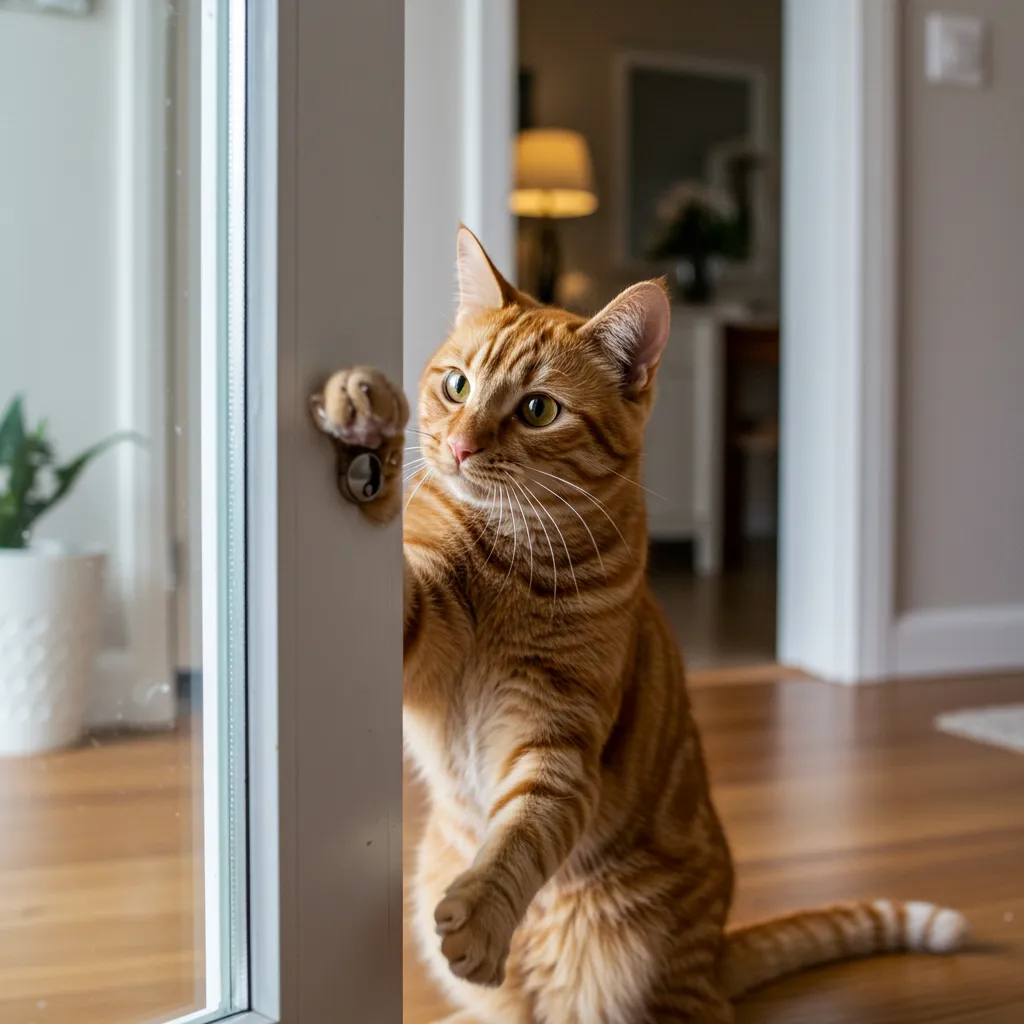
For instance, if your cat paws at a glass door, they might be marking it as part of their territory, especially if it’s near an area where they feel threatened or curious. Understanding cat communication through paws can help you decode these signals. Dive deeper into territorial behaviors in our cat behavior explained guide.
3. Curiosity and Play: The Joy of Discovery
Cats are notorious for their playful and inquisitive nature, and smooth surfaces often become a playground for feline sensory exploration. A shiny floor or reflective mirror can trigger a cat’s hunting instincts or play drive.
- Chasing Reflections: Mirrors or glass surfaces can reflect light, creating moving spots that mimic prey, prompting cats to paw or pounce.
- Playful Interaction: Smooth surfaces are often slippery, which can make pawing or sliding across them a fun game for cats, especially kittens.
- Attention-Seeking: If your cat notices that pawing at a surface gets your attention, they may repeat the behavior to engage with you.
For example, a cat pawing at a mirror might be reacting to their own reflection, mistaking it for another cat or simply enjoying the visual feedback. To channel this playful energy, explore our guide to keeping cats entertained.
4. Stress or Boredom: A Behavioral Clue
Sometimes, cat pawing behavior can signal stress, boredom, or unmet needs. If your cat is pawing excessively at smooth surfaces, it might be their way of coping with environmental or emotional triggers.
- Lack of Stimulation: Cats need mental and physical enrichment. Without enough play or interaction, they may paw at surfaces to release pent-up energy.
- Stress or Anxiety: Changes in the household, like new pets or rearranged furniture, can lead to stress-induced pawing.
- Seeking Attention: If your cat feels ignored, pawing at a noticeable surface like a mirror or glass door can be a way to say, “Hey, look at me!”
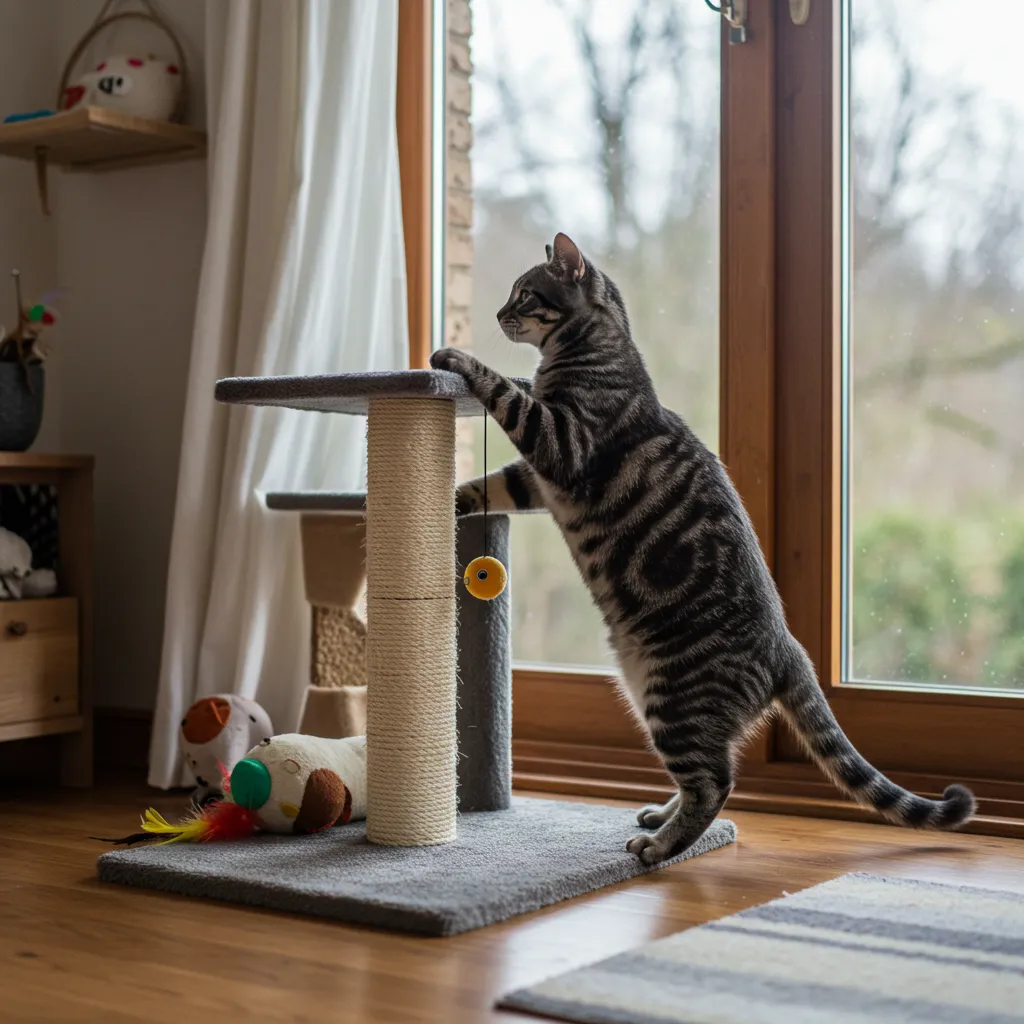
If you suspect stress or boredom, observe your cat’s environment and behavior. Our cat stress signs guide offers insights on spotting and addressing feline anxiety.
5. Neurological and Reflex Responses
The act of pawing is also tied to cat neurological responses and reflexes. Cats’ paws are highly responsive to stimuli, and smooth surfaces can trigger automatic reactions.
- Reflexive Pawing: Smooth surfaces may feel unusual to a cat’s paws, prompting reflexive movements as they test the surface’s properties.
- Hunting Instincts: Pawing mimics the swiping motion cats use when hunting, especially if they’re reacting to a visual stimulus like a reflection or shadow.
- Sensory Feedback: The cool, slick feel of a smooth surface can stimulate a cat’s nervous system, encouraging repeated pawing.
For example, a cat pawing at a glass window might be reacting to the sensation of the surface or a faint vibration, like the hum of an air conditioner. Learn more about cat reflexes and paw movement in our understanding cat body language guide.
Why Are Cats Attracted to Smooth Surfaces Specifically?
Smooth surfaces stand out to cats because they offer a unique sensory experience compared to rough or soft textures. Here’s why cats and smooth surfaces go hand in hand:
- Texture Contrast: Smooth surfaces feel different from a cat’s usual environment (like carpet or grass), making them intriguing to touch.
- Cool Temperature: Glass, tile, or metal surfaces are often cooler, which can be soothing or stimulating for a cat’s sensitive paw pads.
- Reflective Properties: Mirrors and glass create visual stimuli, like reflections or light refractions, that trigger feline curiosity.
- Slippery Fun: Smooth surfaces allow cats to slide or skid, adding an element of play to their pawing.
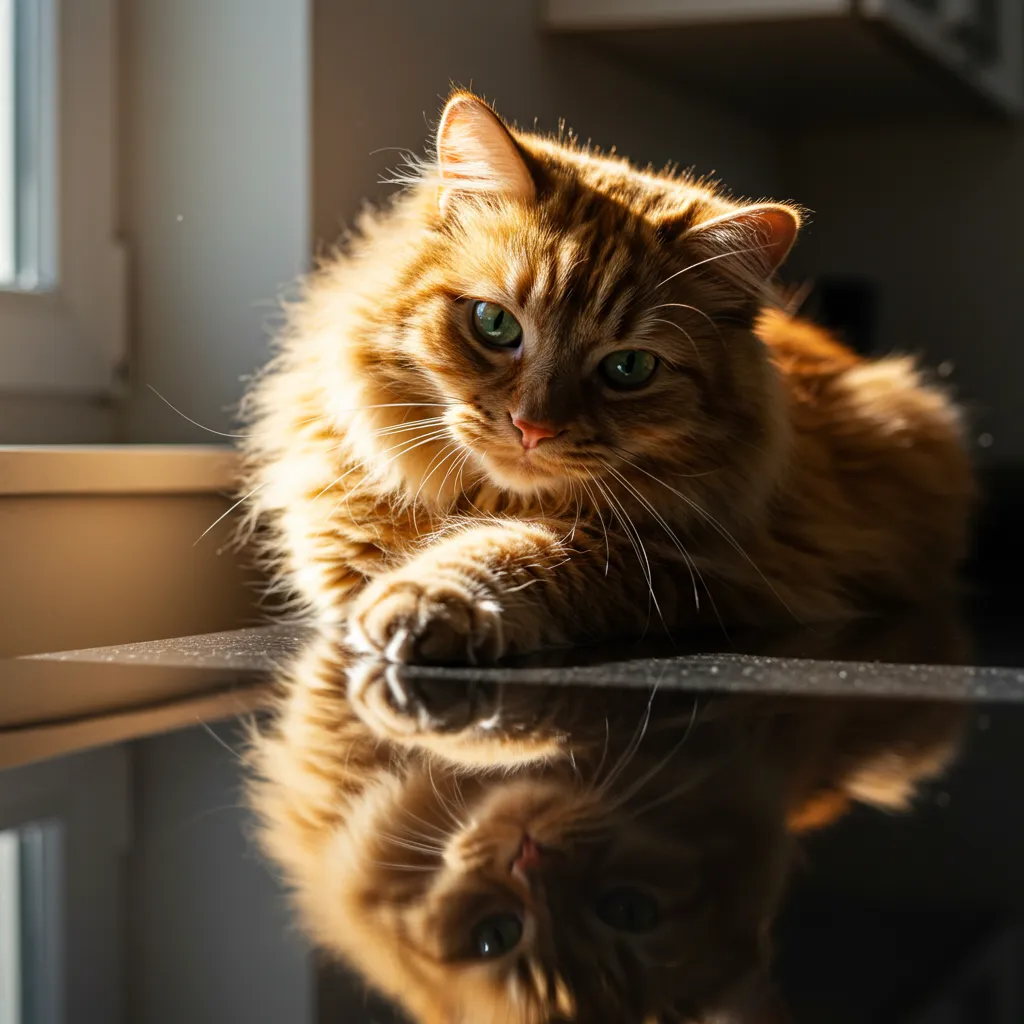
For instance, your cat might paw at a shiny countertop because it’s cool to the touch and reflects light, making it an irresistible target for exploration. To understand more about why cats are attracted to smooth surfaces, check out our cat sensory stimulation guide.
Decoding Cat Communication: What’s Your Cat Saying?
Pawing at smooth surfaces is a form of cat communication through paws. Cats use their paws to express a range of emotions and needs, from curiosity to frustration. Here’s how to interpret this behavior:
- Exploration: Pawing at a new or unfamiliar surface, like a recently cleaned glass table, signals curiosity or investigation.
- Territorial Marking: Repeated pawing in the same spot, especially near doorways or windows, suggests your cat is marking their territory.
- Play Invitation: If your cat paws at a surface while looking at you, they might be inviting you to play or seeking attention.
- Stress or Discomfort: Excessive or aggressive pawing could indicate stress, boredom, or even a health issue, like paw discomfort.
For example, a cat pawing at a mirror while meowing might be trying to engage with their reflection or get your attention. To dive deeper into understanding cat body language, explore our cat communication signs guide.
Practical Solutions: How to Manage Cat Pawing Behavior
While cat pawing behavior is natural, it can become problematic if it damages furniture or disrupts your home. Here are vet-backed strategies to redirect or manage this behavior:
1. Provide Appropriate Scratching Surfaces
Cats need to scratch and paw to satisfy their instincts. Offering alternative surfaces can redirect their focus from smooth surfaces like glass or furniture.
- Scratching Posts: Invest in sturdy, tall scratching posts with varied textures (sisal, carpet, or wood). Place them in high-traffic areas where your cat likes to paw.
- Cardboard Scratchers: Affordable and appealing, cardboard scratchers are a great option for cats who love rough textures.
- Interactive Toys: Toys like feather wands or laser pointers can channel your cat’s energy into play instead of pawing.
Check out our guide to stopping cats from scratching furniture for more tips.
2. Enrich Your Cat’s Environment
A bored cat is more likely to paw at surfaces out of frustration or curiosity. Enrichment keeps their mind and body engaged.
- Puzzle Feeders: These stimulate mental activity and reduce boredom.
- Window Perches: A perch near a window lets your cat watch birds or outdoor activity, satisfying their curiosity.
- Interactive Toys: Rotating toys like balls or electronic mice keeps playtime fresh.
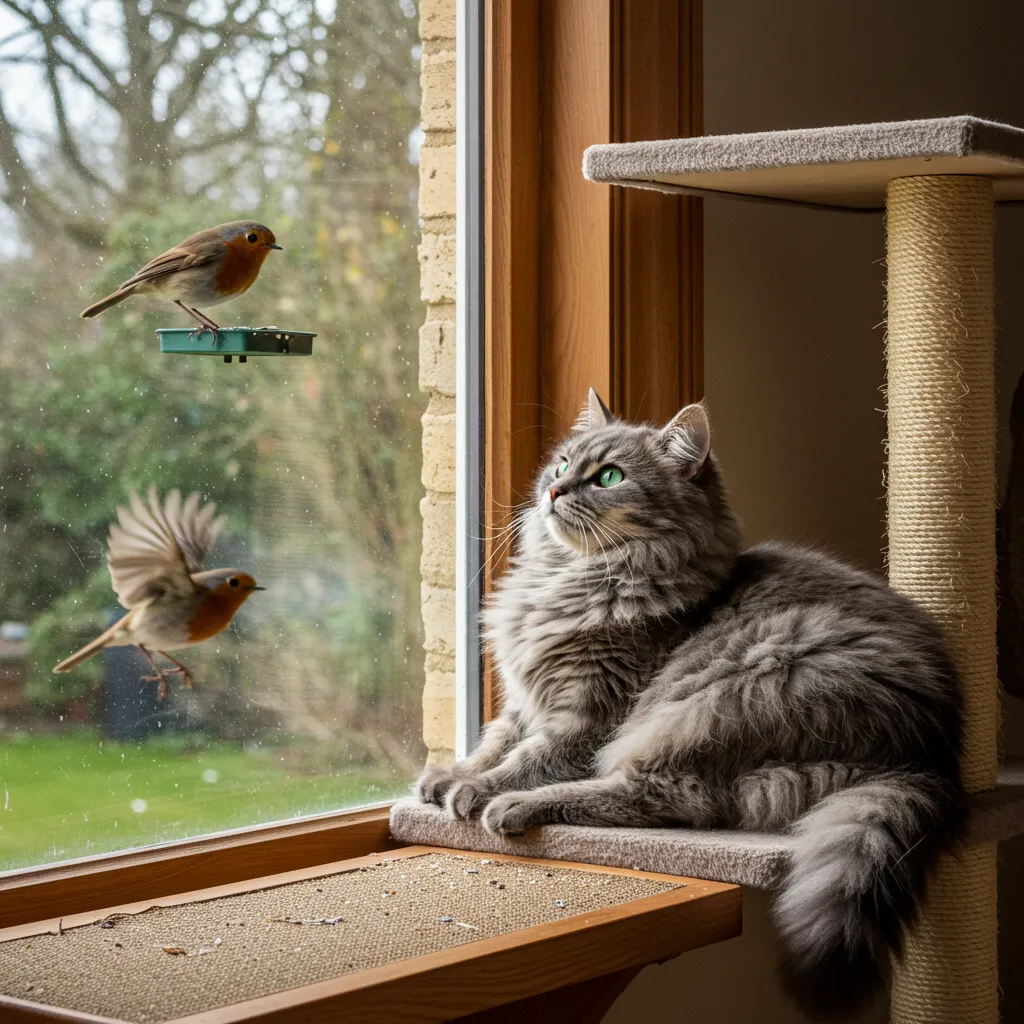
Explore more ideas in our cat enrichment and play guide.
3. Train Your Cat to Redirect Behavior
Training can help your cat learn where it’s okay to paw or scratch. Positive reinforcement works best.
- Reward Good Behavior: Praise or treat your cat when they use a scratching post instead of a smooth surface.
- Deter Unwanted Pawing: Use double-sided tape or citrus-scented sprays on surfaces you want to protect, as cats dislike sticky or strong-smelling surfaces.
- Consistency: Redirect your cat to a scratcher every time they paw at an inappropriate surface.
For step-by-step training tips, see our how to train your cat guide.
4. Address Stress or Health Issues
If pawing seems excessive or out of character, it could signal stress or a medical issue. Consult a vet to rule out:
- Paw Discomfort: Injuries, infections, or allergies can cause cats to paw excessively.
- Stress or Anxiety: Changes in routine or environment can trigger behavioral changes.
- Neurological Issues: Rarely, excessive pawing may indicate neurological conditions, especially in senior cats.
Learn more about feline health in our cat health care guide.
Funny Cat Habits Explained: Why Cats Paw at Mirrors or Air
Some of the weird things cats do, like pawing at mirrors or seemingly at nothing, can leave you chuckling or confused. Here’s why these behaviors happen:
- Cat Mirror Behavior: Cats don’t always recognize their reflection. They may paw at a mirror thinking it’s another cat or reacting to the visual stimulus. Over time, some cats learn it’s just a reflection and lose interest.
- Pawing at Air or Glass: This could be a reaction to light reflections, shadows, or even tiny insects you can’t see. Cats have sharp vision and may spot things humans miss.
- Playful Instincts: Pawing at air or glass often mimics hunting behavior, as cats practice their pouncing skills.
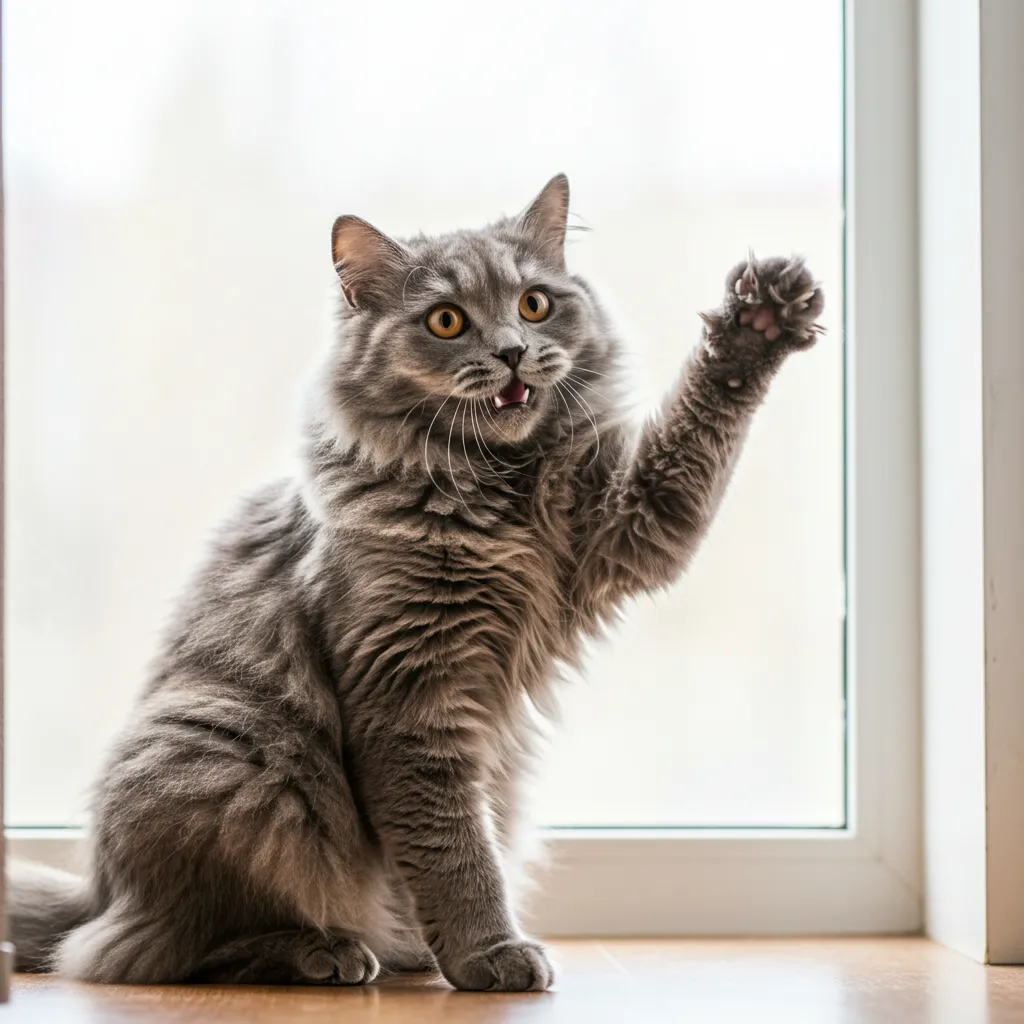
For more quirky feline behaviors, check out our funny cat habits explained guide.
FAQ: Quick Answers to Common Questions
Why do cats paw at smooth surfaces?
Cats paw at smooth surfaces to explore textures, mark territory, or engage in play. It’s a natural instinct tied to sensory curiosity and communication.
Are there sensory benefits for cats when they paw at surfaces?
Yes, pawing stimulates a cat’s sensitive paw pads, providing tactile and sensory feedback that satisfies their curiosity and instincts.
What psychological benefits do cats gain from pawing?
Pawing helps cats relieve stress, assert territory, and engage in play, boosting their mental well-being and confidence.
How does a cat scratcher help with pawing behavior?
A scratcher provides an appropriate outlet for scratching and pawing, redirecting the behavior from furniture or smooth surfaces.
Can pawing at smooth surfaces indicate confusion?
Sometimes, especially with mirrors, cats may paw because they don’t recognize their reflection. This is usually curiosity, not confusion.
Does my cat paw at surfaces because they see something outside?
Yes, cats may paw at windows or glass doors to react to birds, insects, or movement outside, driven by their hunting instincts.
How can I discourage my cat from pawing at inappropriate surfaces?
Use scratching posts, deter with sticky tape or citrus scents, and provide enrichment. Consistent redirection works best.
Is my cat trying to communicate by pawing at smooth surfaces?
Pawing can signal curiosity, a desire for attention, or territorial marking. Observe your cat’s body language for clues.
For more answers, explore our cat behavior tips for pet owners.
Conclusion: Embrace Your Cat’s Quirky Behavior
Understanding why cats paw at smooth surfaces opens a window into their fascinating world of instincts, senses, and communication. From marking territory to chasing reflections, this behavior is a natural part of feline instincts and habits. By providing appropriate outlets like scratchers, enriching their environment, and addressing any underlying stress, you can keep your cat happy while protecting your home.
Ready to learn more about your cat’s unique behaviors? Explore more expert cat care and behavior guides on Cat Bloom Haven for tips on everything from training to health care. Your feline friend will thank you for it!