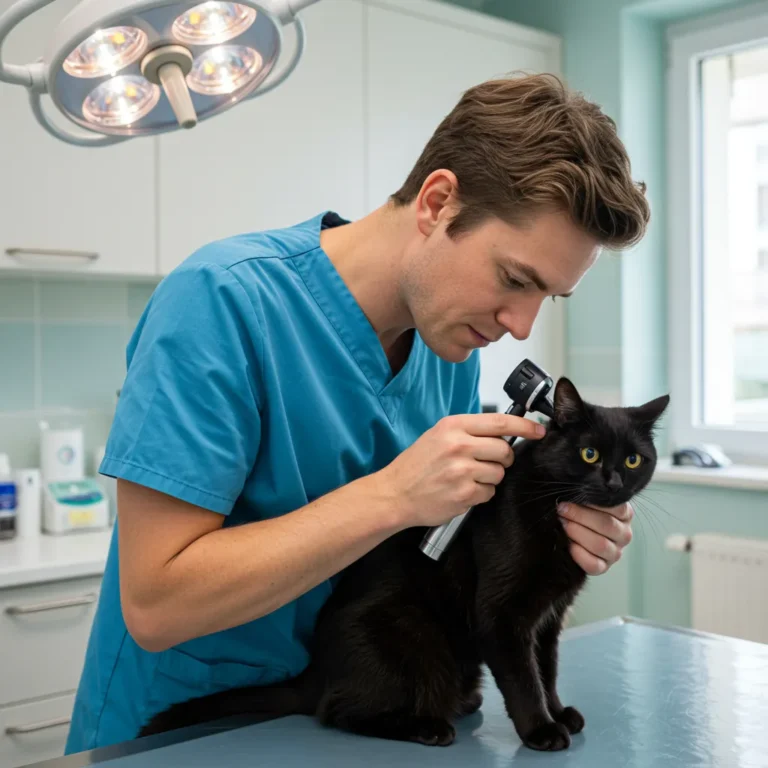
Pyometra in Cats: A Comprehensive Guide to Symptoms, Treatment, and Prevention
When your beloved cat starts acting off maybe she’s lethargic, not eating, or showing unusual discharge it’s natural to worry. One serious condition that could be the culprit is pyometra in cats, a life-threatening uterine infection that demands swift action. Left untreated, pyometra can escalate rapidly, potentially leading to fatal consequences. But with early detection, proper treatment, and preventive measures, you can protect your feline friend from this dangerous condition.
In this guide, we’ll walk you through everything you need to know about pyometra in cats: from its causes and timeline to symptoms, treatment options, and how to prevent it. Whether you’re a seasoned cat parent or new to feline care, this article will equip you with actionable insights to keep your cat healthy. Let’s dive into the details and explore how to recognize, treat, and prevent this critical condition.
Key Takeaways
- What is pyometra? A bacterial infection of the uterus, common in unspayed female cats, that can be fatal if untreated.
- Timeline to fatality: Without intervention, pyometra can kill a cat in days to weeks, depending on whether it’s open or closed.
- Symptoms to watch for: Lethargy, vomiting, increased thirst, and discharge (or lack thereof in closed pyometra).
- Treatment options: Surgery (spaying) is the gold standard, with antibiotics or prostaglandins as alternatives in specific cases.
- Prevention: Spaying your cat is the most effective way to eliminate pyometra risk.
- Recovery and aftercare: Post-surgery care is critical for a full recovery, including pain management and monitoring.
For more tips on keeping your cat healthy, explore our detailed guide on cat health and wellness.
Understanding Pyometra in Cats
What Is Pyometra and Why Is It Dangerous?
Pyometra is a bacterial infection that causes pus to build up in a cat’s uterus, primarily affecting unspayed females. It’s one of the most serious cat reproductive diseases, often triggered by hormonal changes during heat cycles. The infection can progress rapidly, leading to sepsis, organ failure, or a ruptured uterus if untreated.
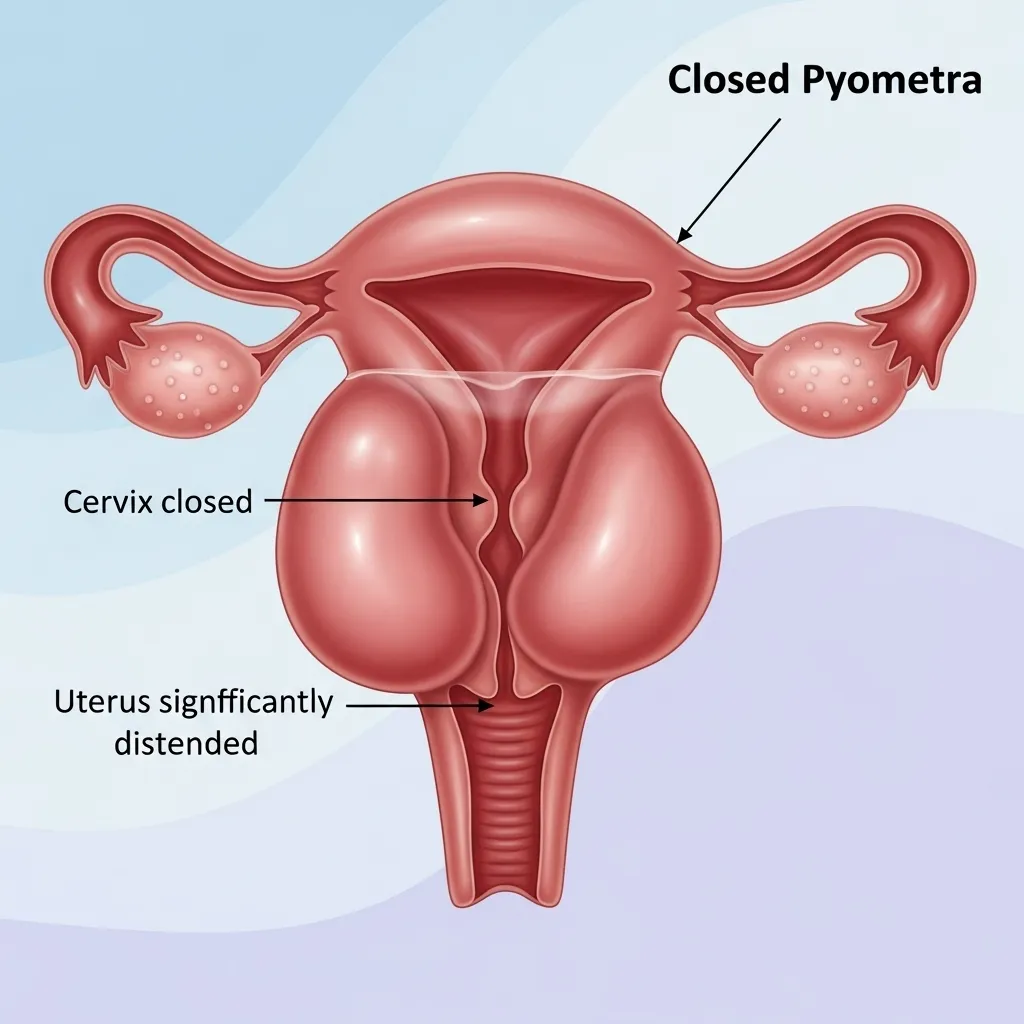
There are two types of pyometra:
- Open pyometra: The cervix is open, allowing pus or discharge to exit the body. This can make symptoms more noticeable but doesn’t reduce the danger.
- Closed pyometra: The cervix is closed, trapping pus inside. This type is harder to detect and often more life-threatening due to the risk of uterine rupture.
How Common Is Pyometra in Cats?
While pyometra is less common in cats than in dogs, it’s a significant risk for unspayed females, especially those over five years old. Feline pyometra causes are linked to repeated heat cycles without pregnancy, which thickens the uterine lining and creates a breeding ground for bacteria like E. coli. Breeds like Siamese or Maine Coon may have a slightly higher predisposition due to genetic factors, but any unspayed cat is at risk.
For more on breed-specific health concerns, check out our guides on Siamese cats and Maine Coon cats.
The Role of Hormones in Pyometra
Hormonal fluctuations, particularly elevated progesterone levels during a cat’s heat cycle, thicken the uterine lining, making it susceptible to bacterial infection in the cat uterus. Progesterone suppresses the immune response in the uterus, allowing bacteria to thrive. Repeated heat cycles without spaying increase this risk over time.
Pyometra in Cats Timeline: How Fast Can It Turn Deadly?
How Long Does It Take for Pyometra to Kill a Cat?
The pyometra in cats timeline varies depending on the type and severity:
- Open pyometra: Cats may survive weeks if symptoms are mild, but untreated cases can lead to sepsis within 1–2 weeks.
- Closed pyometra: This is a feline health emergency. Without treatment, death can occur in as little as 24–48 hours due to toxins building up or uterine rupture.
Real-life example: A cat owner noticed their 6-year-old unspayed Persian was drinking excessively and seemed lethargic. Within three days, she stopped eating, and a vet diagnosed closed pyometra. Emergency surgery saved her life, but delays could have been fatal.
Why Timing Matters
The speed of progression depends on factors like the cat’s age, overall health, and whether the infection is open or closed. Pyometra in older cats is particularly dangerous due to weaker immune systems. If you suspect pyometra, immediate veterinary care is critical. Learn more about spotting veterinary emergencies in cats.

Recognizing Cat Pyometra Symptoms
Early Warning Signs
Cat pyometra symptoms can be subtle at first, making early detection tricky. Watch for:
- Lethargy: Your cat seems unusually tired or withdrawn.
- Increased thirst and urination: A sign of the body trying to flush out toxins.
- Loss of appetite: Refusing food or eating less than usual.
- Vomiting or diarrhea: Common as the infection worsens.
- Fever or low body temperature: Both can indicate infection or sepsis.
Open vs. Closed Pyometra Symptoms
- Open pyometra: Look for vaginal discharge (pus, blood, or foul-smelling fluid). Cats may excessively groom their genital area.
- Closed pyometra: No discharge, but symptoms like abdominal swelling, severe lethargy, or collapse are common. Pyometra in cats without discharge is a red flag for closed pyometra.
Symptoms Before Death
In advanced stages, pyometra in cats symptoms before death include:
- Rapid breathing or panting
- Severe weakness or inability to stand
- Collapse or unconsciousness

If your cat shows these signs, seek immediate help. For tips on handling emergencies, see our guide on cat fever.
Cat Pyometra Treatment Options
Pyometra Surgery in Cats: The Gold Standard
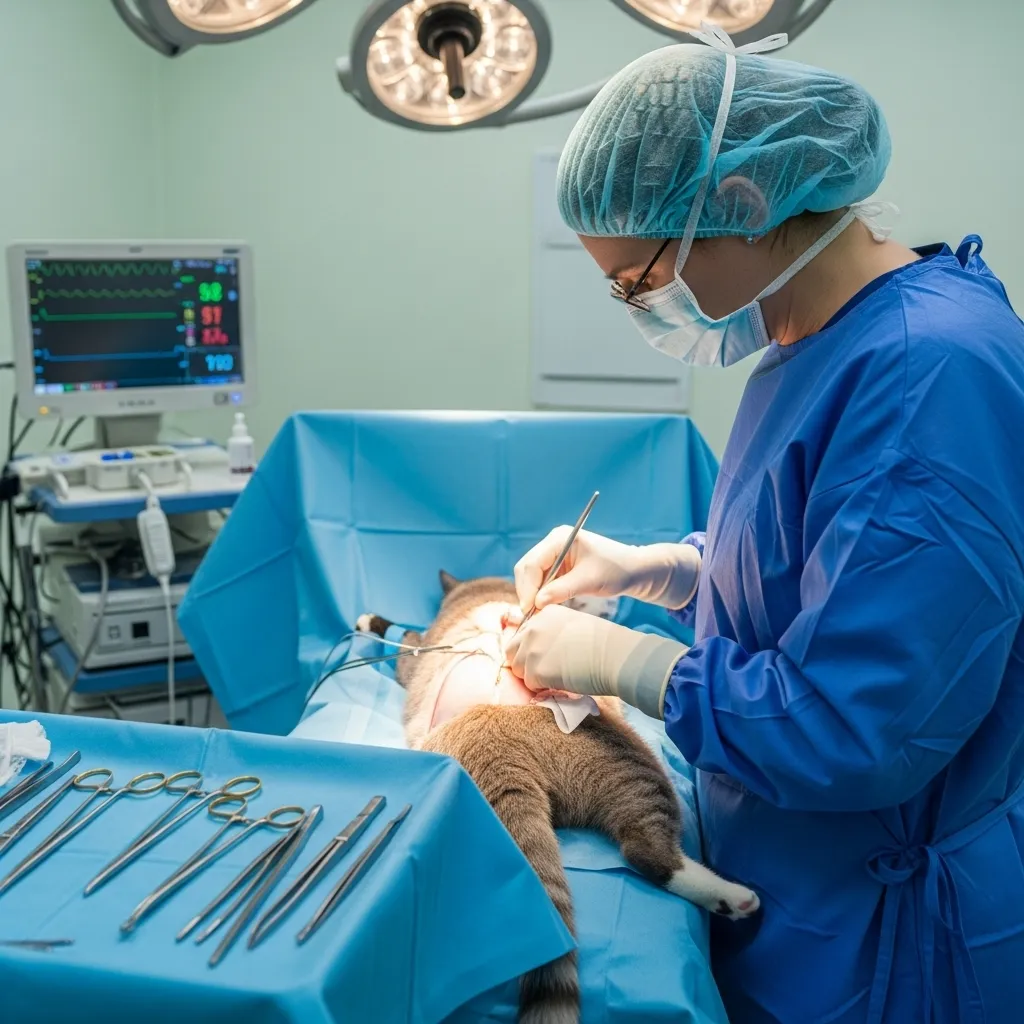
The most effective treatment for pyometra is an ovariohysterectomy (spaying), which removes the infected uterus and ovaries. This surgery has a high success rate—around 85–90% in stable cats—but risks increase if the cat is already septic or in poor health.
- Procedure details: Performed under general anesthesia, the surgery typically takes 1–2 hours. Vets may administer antibiotics and fluids pre- and post-surgery.
- Cost of pyometra surgery in cats: Varies by region, but expect $500–$2,000, depending on complications and aftercare needs.
- Success rate: Cats treated early often recover fully within 1–2 weeks.
For more on surgical recovery, check out our guide on feline surgery and recovery.
Non-Surgical Treatments
In rare cases, vets may try medical management for open pyometra in cats who can’t undergo surgery:
- Antibiotics: Used to control infection but rarely cure pyometra alone. Can antibiotics cure pyometra in cats? Not reliably—surgery is usually required.
- Prostaglandins: These drugs help contract the uterus and expel pus, but they’re risky and less effective for closed pyometra. Prostaglandins treatment for pyometra is typically reserved for breeding cats.
Note: Natural treatment for pyometra in cats is not recommended. Herbal remedies or homeopathy lack evidence and can delay life-saving care.
Pyometra Recovery in Cats
Pyometra recovery in cats typically takes 1–2 weeks post-surgery. Key factors include:
- Pain management: Vets prescribe pain relievers like buprenorphine.
- Monitoring: Watch for signs of infection, poor appetite, or lethargy.
- Diet: Offer easily digestible food. Learn more in our guide on cat food nutrition.

Pyometra aftercare involves keeping the incision clean, limiting activity, and using an e-collar to prevent licking. Regular vet checkups ensure full recovery.
Feline Pyometra Causes and Risk Factors
Hormonal and Bacterial Triggers
Feline pyometra causes stem from:
- Progesterone and uterine infections in cats: High progesterone levels during heat cycles create a fertile environment for bacteria.
- Bacterial invasion: E. coli and other bacteria enter the uterus, often during estrus, leading to infection.
Risk Factors
- Unspayed status: The primary risk factor. Spaying eliminates this risk entirely.
- Age: Pyometra in older cats is more common due to cumulative hormonal changes.
- Previous heat cycles: Cats with frequent cycles without pregnancy are at higher risk.
- Medications: Hormone-based treatments (e.g., for estrus suppression) can increase susceptibility.
For more on reproductive health, see our spaying a cat guide.
Pyometra Prevention in Cats
Spaying: The Ultimate Defense
Spaying to prevent pyometra is the most effective strategy. Spaying removes the uterus and ovaries, eliminating the possibility of pyometra. Benefits include:
- Reduced risk of other cat reproductive diseases like mammary tumors.
- Calmer behavior by eliminating heat cycles.
- Longer lifespan for your cat.
Learn more about the spaying benefits for cats.
Other Preventive Measures
- Regular vet checkups: Early detection of reproductive issues can catch problems before they escalate.
- Hygiene: Keep your cat’s environment clean to reduce bacterial exposure.
- Monitor heat cycles: If your cat isn’t spayed, track her cycles and watch for abnormal signs.
For general tips, explore our cat care tips.
Pyometra in Cats: Real-Life Survival Stories
Hearing cat pyometra survival stories can offer hope. Take Luna, a 7-year-old Ragdoll whose owner noticed foul-smelling discharge and lethargy. A vet diagnosed open pyometra, and emergency spaying saved her life. Luna was back to her playful self within two weeks, thanks to diligent post-surgery cat care.
Another case involved Milo, a 10-year-old tabby with closed pyometra. His owner mistook his symptoms for a stomach bug until he collapsed. Emergency surgery was successful, but the vet emphasized that a 24-hour delay could have been fatal.
These stories highlight the importance of quick action. For more on emergency care, see our guide on veterinary emergencies in cats.
FAQ: Common Questions About Pyometra in Cats
How long does it take for pyometra to kill a cat?
Without treatment, open pyometra can be fatal in 1–2 weeks, while closed pyometra can kill in 24–48 hours due to sepsis or uterine rupture.
What are the initial symptoms of pyometra in cats?
Early signs include lethargy, increased thirst, loss of appetite, vomiting, and, in open pyometra, vaginal discharge.
How is pyometra treated in cats?
Surgery (spaying) is the most effective treatment. Antibiotics or prostaglandins may be used in rare cases but are less reliable.
Can pyometra be prevented in cats?
Yes, spaying your cat eliminates the risk. Regular vet visits and good hygiene also help.
What are the risks of pyometra surgery for cats?
Risks include anesthesia complications and infection, especially in older or sick cats, but the success rate is high (85–90%).
How do veterinarians differentiate between open and closed pyometra?
Vets use symptoms (discharge vs. none), ultrasound, and blood tests to diagnose the type.
What immediate care is required following pyometra surgery?
Keep the incision clean, use an e-collar, administer prescribed medications, and monitor for signs of complications.
Are certain breeds or ages of cats more susceptible to pyometra?
Older, unspayed cats (over 5 years) and breeds like Siamese or Maine Coon may have slightly higher risks.
Is it possible for a cat to have pyometra if it has never been in heat?
Rare, but possible if hormonal imbalances or medications mimic heat cycle conditions.
For more answers, check out our cat health care guide.
Conclusion: Protect Your Cat from Pyometra
Pyometra in cats is a serious but preventable condition. By recognizing cat pyometra symptoms, acting quickly, and prioritizing pyometra prevention in cats through spaying, you can keep your feline companion safe and healthy. Whether you’re dealing with a potential case or just planning ahead, understanding this condition empowers you to make informed decisions.
For more expert advice on keeping your cat thriving, explore our comprehensive guides on cat health and wellness and spaying benefits for cats at Cat Bloom Haven. Your cat’s health is worth it!Pyometra in Cats: A Comprehensive Guide to Symptoms, Treatment, and Prevention