Understanding Cat Ear Hematoma: Causes, Treatments, and Expert Care Tips for Your Feline Friend
Imagine this: You’re lounging on the couch with your beloved cat, Whiskers, when you notice her tilting her head oddly and pawing at her ear. A soft, squishy swelling has formed on the edge of her ear flap, making her wince every time she shakes her head.
Your heart sinks could this be a cat ear hematoma? As a cat parent, spotting something off with your furry companion can spark immediate worry. But here’s the good news: With prompt attention and the right approach, most cats bounce back quickly from this common yet painful condition.
If you’re searching for reliable info on cat ear hematoma symptoms, home treatment for cat ear hematoma, or even cat ear hematoma surgery, you’ve landed in the right spot. At Cat Bloom Haven, we’re passionate about empowering cat owners with actionable, vet-inspired advice to keep your pets purring happily. In this comprehensive guide, we’ll break down everything from spotting the early signs of aural hematoma in cats to exploring cat ear hematoma recovery strategies and prevention tips. Whether you’re dealing with cat ear flap swelling right now or just want to be prepared, we’ll cover it all.
By the end, you’ll feel confident in your next steps—whether that’s trying gentle home remedies or scheduling a vet visit. Let’s dive in and get your cat back to her playful self.
Key Takeaways: Quick Insights on Cat Ear Hematoma
Before we unpack the details, here’s a snapshot of what every cat owner should know about cat ear hematoma. These bullet points are designed for quick scanning, so you can jump to what matters most:
- What It Is: A cat ear hematoma (or aural hematoma in cats) is a pocket of blood trapped between the skin and cartilage of the ear flap, often looking like a soft, fluid-filled blister.
- Common Causes: Head shaking from ear infections, allergies, mites, or trauma—think vigorous scratching or rough play.
- Symptoms to Watch: Sudden swelling, head tilting, pain when touched, and excessive ear scratching or shaking.
- Treatment Options: Home remedies for mild cases (like cold compresses), drainage, or surgery for larger hematomas; always consult a vet first.
- Recovery Time: 2-3 weeks with treatment; untreated cases can take months and lead to scarring.
- Prevention Essentials: Regular ear checks, flea control, and addressing cat behavior issues like excessive scratching early.
- Cost Insight: Cat ear hematoma surgery typically runs $400-$1,000, depending on location and complexity.
- Pro Tip: Pair any treatment with overall cat health care routines, like those in our cat health care guide, to boost resilience.
Armed with these essentials? Great—now let’s explore deeper so you can spot, treat, and prevent this issue like a pro.
What Exactly Is a Cat Ear Hematoma? A Simple Breakdown
At its core, a cat ear hematoma is like a tiny internal bruise on your cat’s ear. Medically known as an aural hematoma, it happens when blood vessels in the ear flap rupture, filling the space between the thin skin and supportive cartilage with fluid. This creates that telltale “blood blister” effect—soft, warm, and often fluctuating in size.
Why the ear flap specifically? Cats’ ears are delicate structures packed with blood vessels to help regulate body temperature and sharpen hearing. But that vascular network makes them prone to leaks when irritated. Unlike dogs, where ear hematomas are more common due to floppy ears, cats often develop them from sudden, vigorous head shakes. Picture your Siamese zooming around the house—her sleek ears slicing the air—then bam, a minor bump against furniture triggers the trauma.
Fun fact: This condition affects about 1 in 10 cats at some point, per veterinary estimates, especially in active breeds like Bengals or Maine Coons. It’s not life-threatening, but ignoring it can lead to “cauliflower ear,” a crinkly, scarred flap that alters your cat’s hearing and comfort. Early intervention is key to preserving that perky ear shape and your cat’s quality of life.

Tying into broader cat medical conditions, ear hematomas often signal underlying issues like allergies or infections—think of it as your cat’s ear waving a red flag for a check-up. If you’re noticing this alongside other cat wellness tips concerns, like sudden lethargy, it’s time to connect the dots.
Spotting Cat Ear Hematoma Symptoms: Don’t Ignore the Signs
Catching a cat ear hematoma early can mean the difference between a quick fix and months of discomfort. The symptoms sneak up fast, often starting subtle before escalating. Here’s how to play detective:
Early Warning Signs of Cat Ear Flap Swelling
- Visible Swelling: The ear flap puffs up like a balloon, usually on the inner or outer edge. It might feel spongy to the touch—press gently (if your cat allows) and you’ll sense fluid shifting.
- Head Tilting or Shaking: Your cat may tilt her head toward the affected side or shake it vigorously, as if trying to dislodge water from a swim. This is the body’s way of easing pressure, but it often worsens the bleed.
- Pain and Sensitivity: Touch the ear, and she pulls away or flattens it against her head. Watch for flinching during pets—it’s a clear “ouch” signal.
Advanced Cat Ear Hematoma Symptoms to Heed
As the hematoma grows, things get more obvious:
- Warmth and Redness: The swollen area heats up from inflammation, sometimes with bruising underneath.
- Scratching Frenzy: Excessive pawing can lead to scratches or hair loss around the ear, tying into common cat behavior issues like stress-induced grooming.
- Behavioral Shifts: Irritability, hiding, or reduced appetite—your usually affectionate tabby might turn into a grumpy hermit.
Real-life example: Take Luna, a 4-year-old American Shorthair from one of our reader stories. Her owner noticed mild cat ear flap swelling after a play session with a new toy. Ignoring it for a day led to full-blown swelling overnight. A quick vet visit caught it early—no surgery needed. Stories like Luna’s remind us: Vigilance is your best cat first aid tool.
If these ring a bell, snap a photo and head to the vet. For more on decoding your cat’s quirks, check our guide to cat stress signs.
| Symptom | What to Look For | Urgency Level |
|---|---|---|
| Mild Swelling | Soft lump on ear edge | Monitor & Call Vet |
| Head Shaking | Frequent, vigorous motions | High—See Vet ASAP |
| Pain on Touch | Flinching or growling | Emergency if severe |
| Redness/Warmth | Inflamed appearance | High—Infection Risk |
This table can help you triage at home, but remember: It’s no substitute for professional eyes.
Root Causes of Aural Hematoma in Cats: Uncovering the Trigger
No cat ear hematoma happens in a vacuum—it’s usually the fallout from something else brewing. Understanding the why helps prevent repeats and ties into holistic cat care at home.
Primary Culprits: Trauma and Irritation
The top trigger? Head trauma from shaking or scratching. Your cat might be battling:
- Ear Infections (Otitis Externa): Bacteria, yeast, or mites cause itchiness, leading to frantic head shakes that rupture vessels. Up to 80% of cases link back here.
- Allergies: Food sensitivities or environmental allergens (pollen, dust) inflame the ears, prompting scratches.
- Parasites: Ear mites are sneaky villains—tiny bugs that make cats paw relentlessly.
Less Common But Serious Causes
- Foreign Objects: A grass seed lodged in the ear canal? It happens more than you’d think.
- Autoimmune Issues: Rare, but conditions like pemphigus can weaken vessels.
- Breed Predispositions: Floppy-eared breeds like Scottish Folds face higher risks due to ear structure.
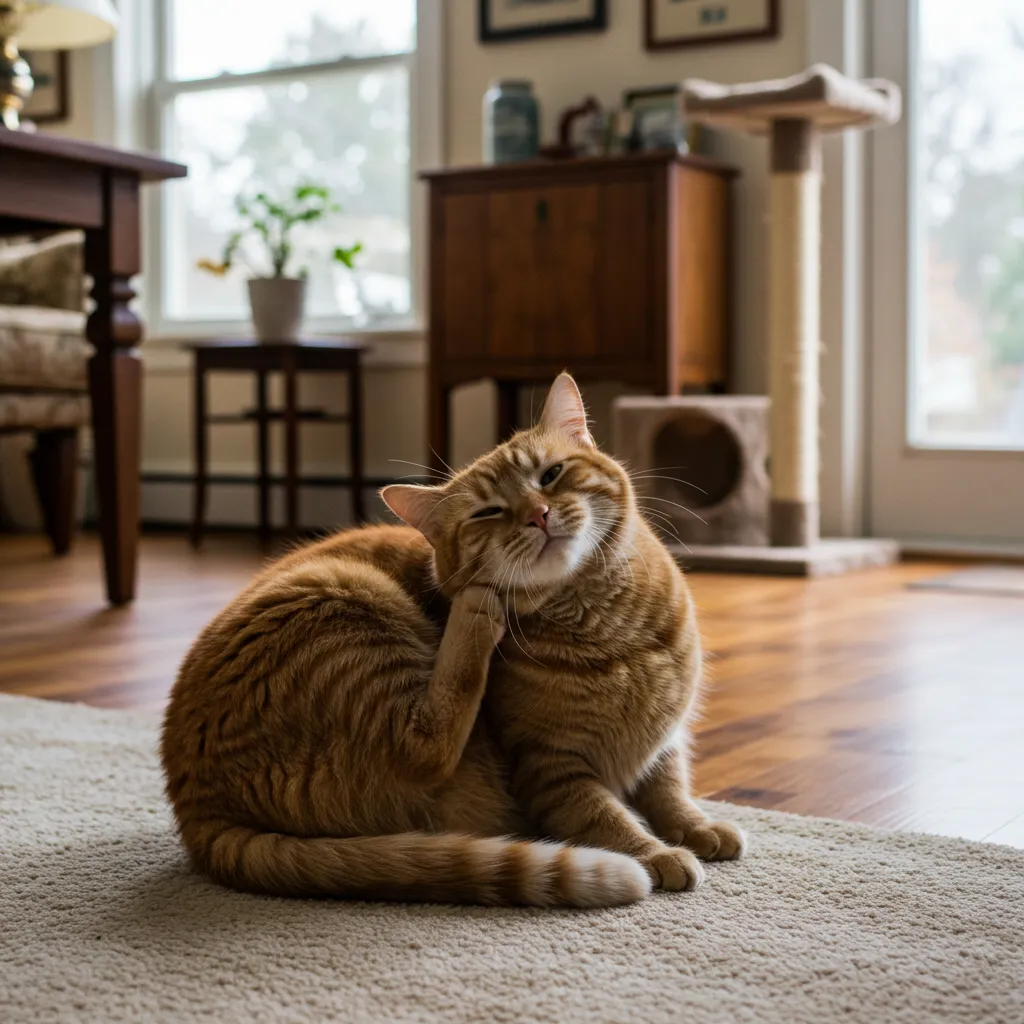
In my experience consulting with cat owners, many overlook the “why” and treat symptoms only. But addressing the root—like clearing mites—slashes recurrence by half. For breed-specific insights, explore our Bengal cat personality guide if your active explorer is involved.
Diagnosing Cat Ear Hematoma: What Happens at the Vet
Diagnosis is straightforward but crucial—your vet will rule out mimics like abscesses or tumors. Expect:
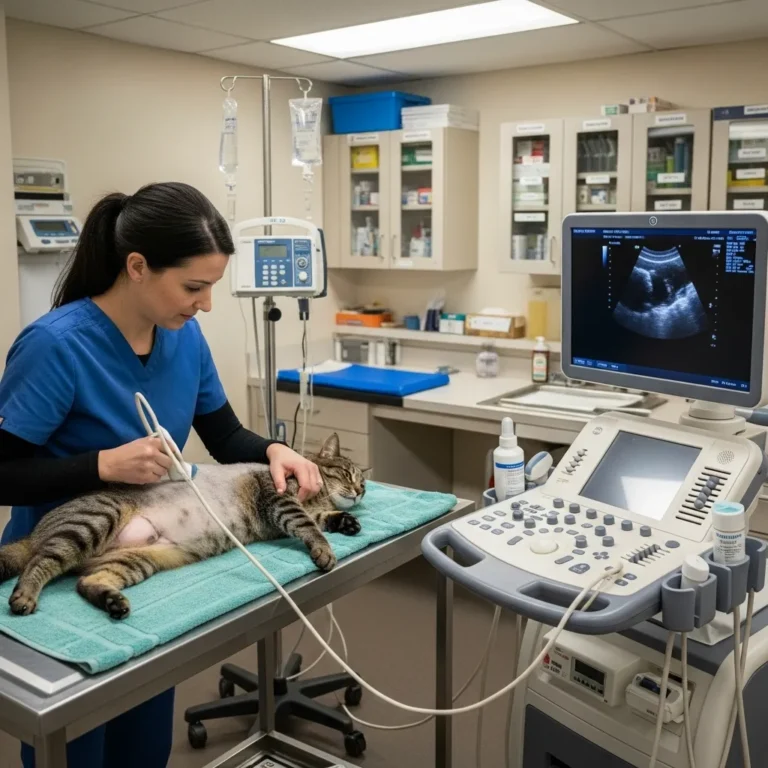
- Physical Exam: Palpating the ear to confirm fluid (it’ll squish like a water balloon).
- Otoscopy: Peering into the canal for infections or mites.
- Sample Aspiration: A quick needle draw to verify blood, not pus.
- Underlying Tests: Ear swab for bacteria or allergy bloodwork if needed.
Most visits wrap in 30 minutes, costing $50-150. Early diagnosis prevents escalation, aligning with smart cat grooming tips like weekly ear checks.
Treatment Options: From Home Treatment for Cat Ear Hematoma to Surgery
Treating a cat ear hematoma depends on size, cause, and your cat’s health. Let’s weigh the paths.
Non-Surgical Approaches: Cat Ear Hematoma Drainage and Monitoring
For small hematomas (<1 cm), vets often start conservatively:
- Needle Aspiration: A quick drain under light sedation—relieves pressure in minutes but has a 50% refill risk.
- Steroid Injections: To curb inflammation, though used sparingly due to side effects like diabetes.
- Cold Laser Therapy: Emerging option to speed absorption without invasion.
If untreated, small ones resorb in 3-6 weeks, but scarring is likely. Always treat the root cause simultaneously.
When to Consider Cat Ear Hematoma Surgery
Larger or chronic cases scream for surgery—the gold standard for 90% success. Here’s the lowdown:
The Procedure Step-by-Step
- Anesthesia: Light general to keep kitty comfy.
- Incision and Drain: A small cut evacuates the blood; vets use a “quilting” stitch pattern to tack skin to cartilage, preventing refills.
- Bandaging: Optional ear wrap for 1-2 days.
- Duration: 30-60 minutes; outpatient same-day return.
Pros: Permanent fix, minimal scarring. Cons: Anesthesia risks (rare in healthy cats). Surgery shines for preventing that dreaded cauliflower ear.
Cat Ear Hematoma Surgery Cost Breakdown
Worried about the bill? Expect $400-1,000 at a standard clinic—covering anesthesia ($100-200), procedure ($200-500), and meds ($50-100). Low-cost options dip to $200-800. Factors? Location, hematoma size, and add-ons like infection treatment. Shop around, but prioritize experience—ask about success rates.
For more on vet choices, see our finding the best vet for your cat article.
Home Treatment for Cat Ear Hematoma: Safe, Gentle Remedies
While surgery rules for big issues, mild cat ear hematoma home remedies can ease discomfort pre-vet or post-drainage. Disclaimer: These aren’t cures—consult your vet to avoid complications. Focus on soothing, not fixing.
Basic Cat Ear Hematoma Home Remedies
- Cold Compress: Wrap ice in a cloth; apply 5-10 minutes twice daily to reduce swelling. It numbs pain and constricts vessels.
- Elevation: Prop your cat’s bed to keep the ear above heart level, aiding drainage.
- Rest: Confine to a quiet room to curb head shaking—think cozy crate with toys.
Natural Remedies for Cat Ear Hematoma: Trending Holistic Options
Pet parents love these trending picks for their gentle vibe:
- Arnica: Topical gel (diluted) or oral pellets reduce bruising. Apply sparingly; one study showed 30% faster resorption in small cases. Great for holistic treatment for cat ear conditions.
- Cat Ear Hematoma Essential Oils: Lavender or chamomile (1 drop in 1 oz carrier oil like coconut) for calming massages. Avoid direct application—dilute heavily to prevent burns.
- Turmeric Paste: Anti-inflammatory mix (1/4 tsp powder + water); dab lightly. Boosts healing but stains fur!
- Cod Liver Oil Blend: A folk remedy with honey and arnica oil for moisturizing—user reports note less scarring.
Cat Ear Hematoma Massage Techniques
Gentle massage promotes circulation:
- Warm a compress to body temp.
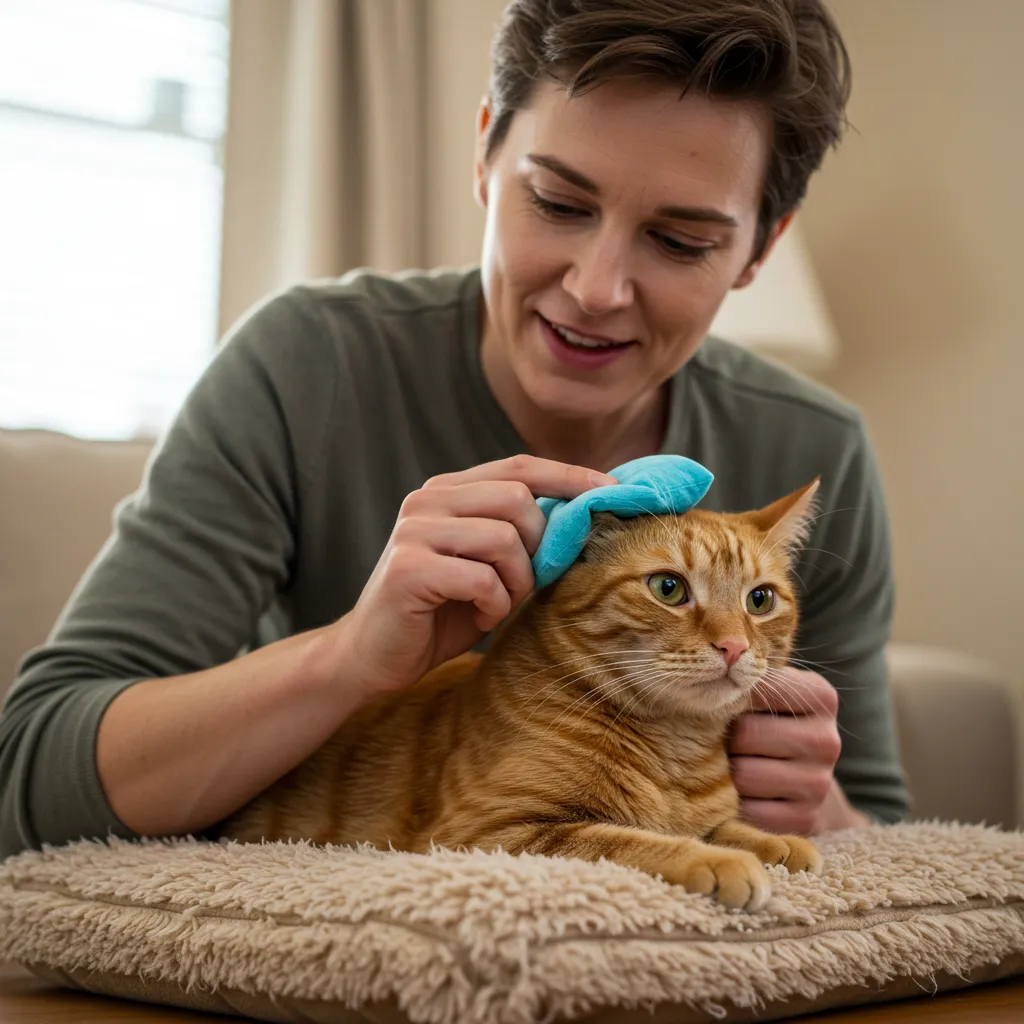
- With clean hands, lightly rub the base of the ear in circles for 1-2 minutes.
- Let your cat shake—natural drainage!
Do 2-3 times daily; stop if she fusses. This trending technique cuts recovery time by encouraging fluid flow.
For more natural wellness, dive into our cat grass care guide for immune-boosting greens.
| Remedy | How to Use | Potential Benefit | Caution |
|---|---|---|---|
| Cold Compress | 5-10 min, 2x/day | Reduces swelling | No direct ice |
| Arnica Gel | Thin layer, 2x/day | Speeds bruising fade | Vet-approved dose |
| Lavender Oil Massage | Diluted, gentle rub | Calms irritation | Test for allergies |
| Turmeric Paste | Dab & leave 10 min | Anti-inflammatory | Avoid ingestion |
These empower your cat care at home but pair with pro advice.
Post-Surgery Care for Cat Ear Hematoma: Your Recovery Roadmap
Surgery done? Now’s the marathon—proper post-surgery care for cat ear hematoma ensures smooth sailing. Expect 10-14 days of vigilance.
Immediate Aftercare Essentials
- Pain Management: Vets prescribe NSAIDs like meloxicam; give as directed to keep kitty comfy.
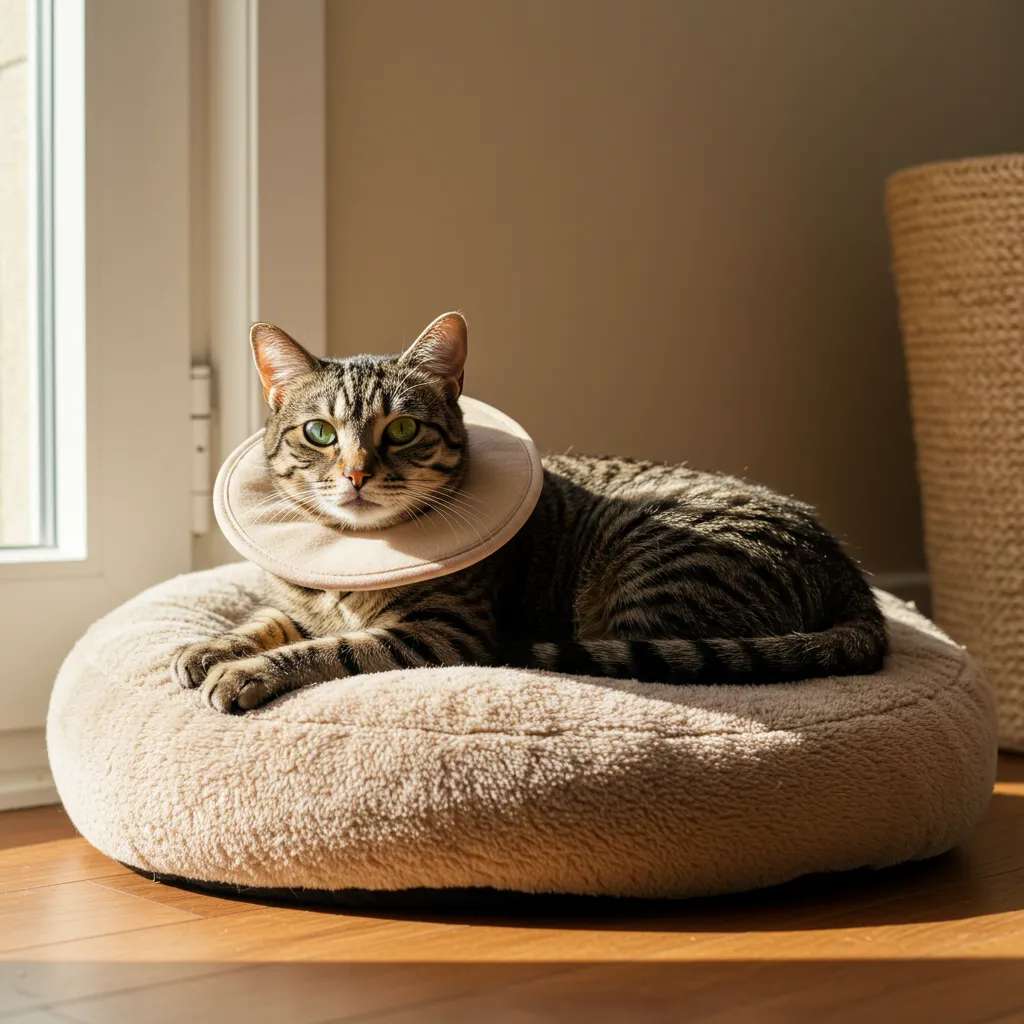
- E-Collar Duty: That cone of shame? Non-negotiable for 7-10 days to block scratching. Pro tip: Soft recovery suits are gentler alternatives.
- Wound Cleaning: Daily gentle wipes with saline; watch for oozing.
Monitoring Cat Ear Hematoma Recovery
- Daily Checks: Look for redness, swelling, or discharge—signs of infection hit 10% of cases.
- Diet Boost: High-protein wet food aids tissue repair; add omega-3s for anti-inflammatory punch.
- Follow-Ups: Stitches out at 10-14 days; recheck underlying issues.
Cat ear hematoma recovery time averages 2-3 weeks, with full ear shape returning in 4-6. Patience pays—rushing risks refills.
Cat Ear Hematoma Scar Prevention Strategies
Scarring’s the souvenir nobody wants. Minimize it with:
- Silicone Sheets: Post-healing, apply vet-grade pads to flatten tissue.
- Vitamin E Oil: Massage in after 2 weeks to hydrate and soften.
- Laser Follow-Ups: Some clinics offer sessions to break down scar fibers.
Owners report 70% less visible scarring with diligent massage and oils. For grooming tie-ins, see our trim Siamese cat’s nails to prevent self-trauma.
Real story: Max, a Ragdoll, post-op from hematoma surgery, healed scar-free thanks to daily vitamin E rubs. His owner credits our community tips—proof proactive care works.
Preventing Cat Ear Hematoma: Proactive Steps for Long-Term Ear Health
Prevention beats cure every time. Weave these into your cat wellness tips routine:
Everyday Cat Ear Hematoma Prevention Tactics
- Routine Ear Inspections: Weekly peeks inside—clean with vet-approved wipes if waxy.
- Flea and Mite Control: Monthly topicals; mites cause 20% of cases.
- Allergy Management: Hypoallergenic diets or air purifiers for sensitive kitties.
Lifestyle Tweaks for Cat Health Care
- Safe Play Environments: Soft toys over rough ones to cut trauma.
- Stress Reduction: Pheromone diffusers for anxious cats—stress amps head shaking.
- Grooming Integration: Brush ears gently during sessions; link to our cat grooming tips for full routines.
For multi-pet homes, check Munchkin cats and dogs coexistence to avoid play-induced injuries.
| Prevention Step | Frequency | Why It Works |
|---|---|---|
| Ear Cleaning | Weekly | Removes irritants |
| Flea Meds | Monthly | Stops mite cycles |
| Vet Check-Ups | Bi-Annual | Catches issues early |
| Soft Toys Only | Always | Reduces trauma |
Consistency here drops recurrence to under 5%.
FAQ: Your Burning Questions on Cat Ear Hematoma Answered
Got queries? We’ve got snippet-friendly answers based on vet consensus.
How can I recognize a cat ear hematoma?
Look for sudden ear flap swelling, head shaking, and pain on touch. It’s often squishy and warm—vet confirmation seals it.
What’s the best home treatment for cat ear hematoma?
Cold compresses and rest for mild cases, but see a vet pronto. Arnica or gentle massages can soothe, per holistic vets.
Is cat ear hematoma surgery always necessary?
No—for tiny ones, drainage or monitoring works. Surgery’s ideal for larger to prevent scarring and refills.
How long is cat ear hematoma recovery time?
2-3 weeks post-treatment; full healing in 4-6. Monitor closely with e-collar and meds.
Can natural remedies help with cat ear hematoma?
Yes—arnica, diluted essential oils, and massages reduce inflammation. Always vet-guided to avoid risks.
What’s the average cat ear hematoma surgery cost?
$400-1,000, varying by clinic and case. Get quotes upfront.
How do I prevent cat ear hematoma in my cat?
Control fleas, clean ears weekly, and manage allergies. Safe play cuts trauma risks.
Wrapping Up: Empower Your Cat’s Ear Health Journey
Dealing with a cat ear hematoma can feel overwhelming, but knowledge is your superpower. From spotting those first signs of cat ear flap swelling to mastering post-surgery care for cat ear hematoma and embracing prevention, you’re now equipped to keep your feline thriving. Remember, quick action minimizes pain and scarring, letting your cat return to zoomies and cuddles sooner.
At Cat Bloom Haven, we’re all about that purr-fect balance of expert advice and real-talk tips. Ready to level up your cat care game? Explore more in our spaying a cat guide for overall wellness or dive into breed spotlights like the Norwegian Forest cat care. Got a story or question? Drop it in the comments—we’re here to help your cat bloom.