Cat Cries When Touching Base of Tail: Why It Happens and How to Help Your Feline Friend
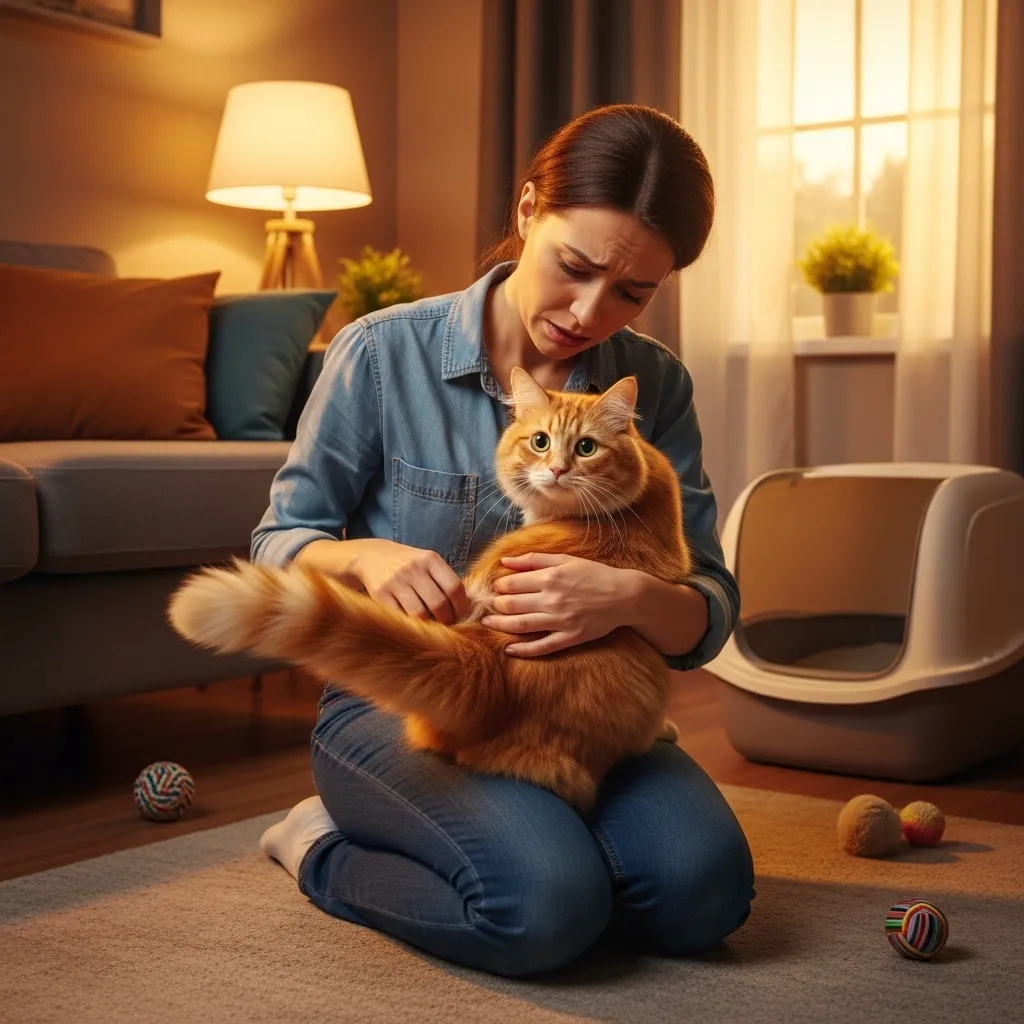
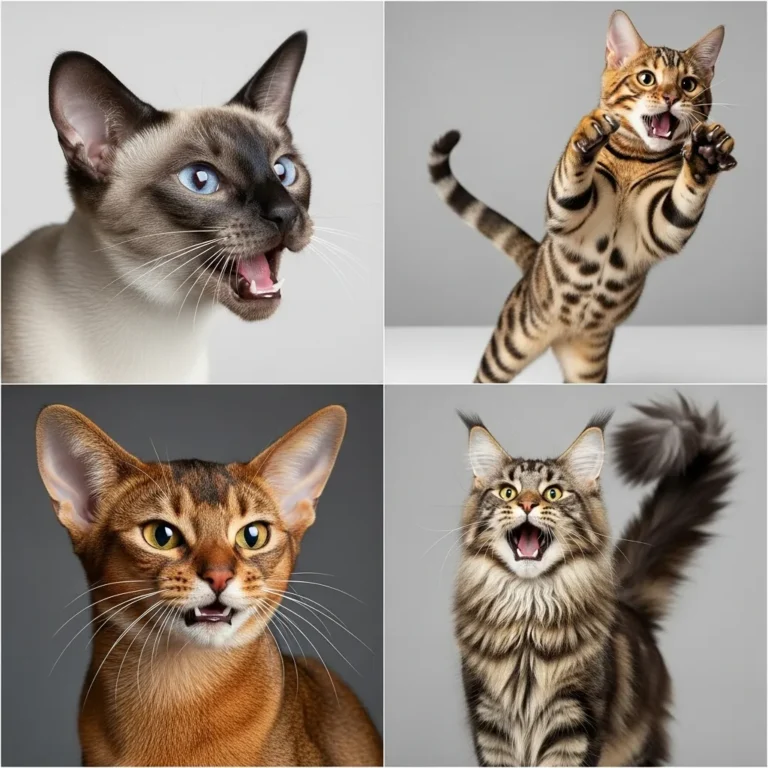
Imagine this: You’re giving your cat a gentle scratch at the base of their tail, expecting a happy purr, but instead, they let out a sharp cry, maybe even a hiss, and dart away. Your heart sinks—what’s wrong? As a cat parent who’s fostered Bengals, Siamese, and Munchkins over the years, I’ve seen this firsthand. That sudden cat tail sensitivity isn’t just quirky behavior; it’s a signal something’s off in your feline’s world. Whether it’s a medical issue, stress, or an environmental trigger, this guide will help you decode why your cat cries when touching base of tail and provide actionable steps to restore their comfort.
This comprehensive article dives deep into cat tail pain causes, from cat hyperesthesia syndrome to cat tail injury symptoms, and offers vet-backed solutions for feline tail health. We’ll explore cat tail behavior meaning, how to spot signs of cat pain, and practical ways to manage cat tail base discomfort. With tips for caring for cat tail injuries and how to comfort a cat in pain, you’ll have a clear roadmap to help your kitty thrive. Plus, we’ll weave in feline health care tips and understanding cat body language to ensure you’re equipped for long-term success.
Before we dive in, here’s a quick snapshot of what you’ll learn to tackle cat tail sensitivity today:
Key Takeaways
- Medical Causes: Cat tail nerve issues, infections, or cat hyperesthesia syndrome often cause pain at the tail base—vet checks are crucial.
- Behavioral Triggers: Stress or feline stress and overgrooming can lead to cat tail flicking behavior or cat grooming near tail problems.
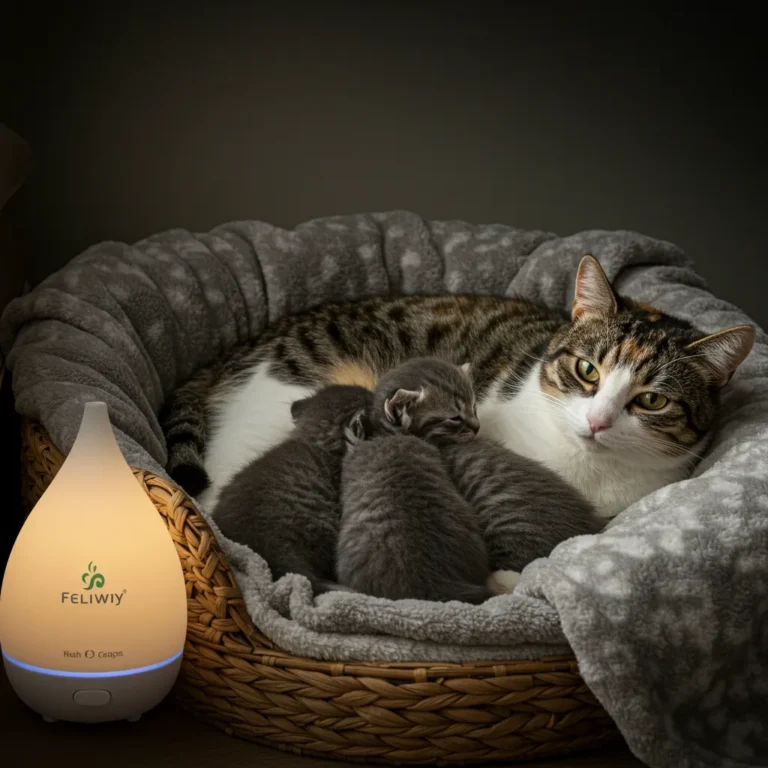
- Immediate Actions: Use cat pain management techniques like pheromone diffusers and gentle handling while scheduling a vet visit.
- Prevention: Regular grooming, stress reduction, and safe environments help with preventing cat tail injuries.
- Cleaning Tips: Address cat grooming tail base excessively with vet-approved shampoos and calming routines.
Let’s unravel the mystery of why cats cry when touched and turn your cat’s discomfort into a distant memory.
Why Does My Cat Cry When I Touch the Base of Their Tail?
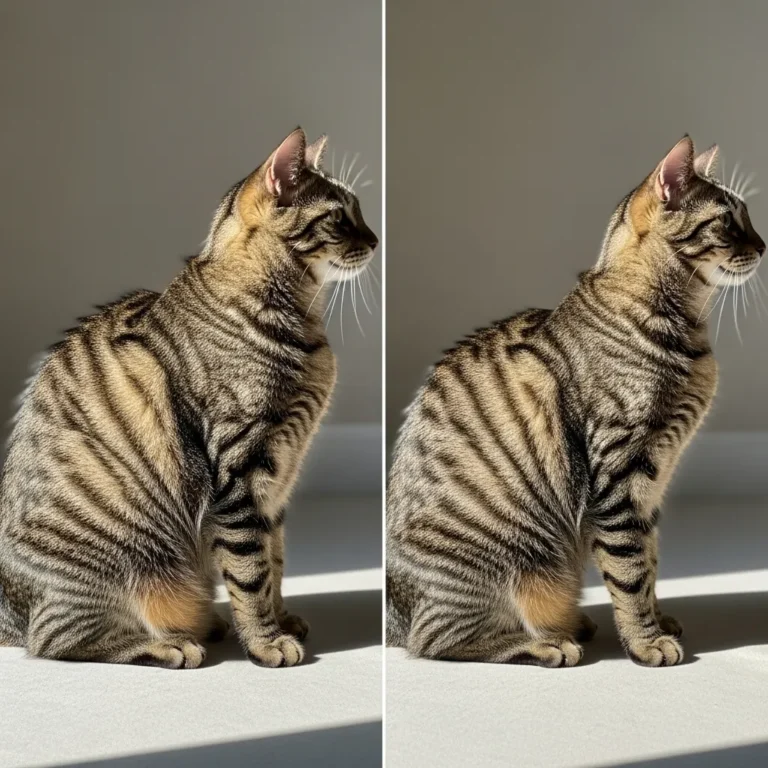
When your cat cries out from a touch at the tail base, it’s their way of saying, “Ouch, something’s not right!” The tail base is a sensitive spot packed with nerves, muscles, and scent glands, making it prone to discomfort from various causes. From my experience with a rescue Bengal who yowled during petting (later diagnosed with a mild injury), I learned that pinpointing the root cause is key to solving cat tail base discomfort. Here are the primary reasons your cat might react this way:
Medical Reasons for Cat Tail Pain
Pain at the tail base often stems from health issues. According to a 2025 Cornell Feline Health Center report, up to 15% of cats experience tail-related discomfort at some point, often tied to medical conditions. Here’s what to look for:
- Cat Tail Injury Symptoms: Trauma from a fall, door slam, or rough play can cause bruising, fractures, or nerve damage. Signs include swelling, limping, or cat tail flicking behavior when touched. For example, my Munchkin once caught her tail in a recliner—her cries and sudden cat sudden aggression when touched tipped me off.
- Cat Hyperesthesia Syndrome: This neurological condition causes cat twitching tail base and hypersensitivity. Cats may cry, twitch, or even attack their tail due to “rippling” skin sensations. It’s more common in Siamese and Bengals—check our Bengal cat personality guide for breed insights.
- Infections or Abscesses: Flea bites or wounds near the tail base can get infected, causing sensitive tail area in cats. Look for redness, pus, or cat grooming near tail problems.
- Cat Tail Nerve Issues: Nerve damage from trauma or conditions like diabetes can make the tail base hypersensitive. Older cats, like Ragdolls, are at higher risk—see our Ragdoll cat care guide for senior cat tips.
- Arthritis or Joint Pain: Inflammation in the tail’s base joints can cause pain, especially in breeds like Maine Coons. Explore our Maine Coon cat guide for mobility insights.
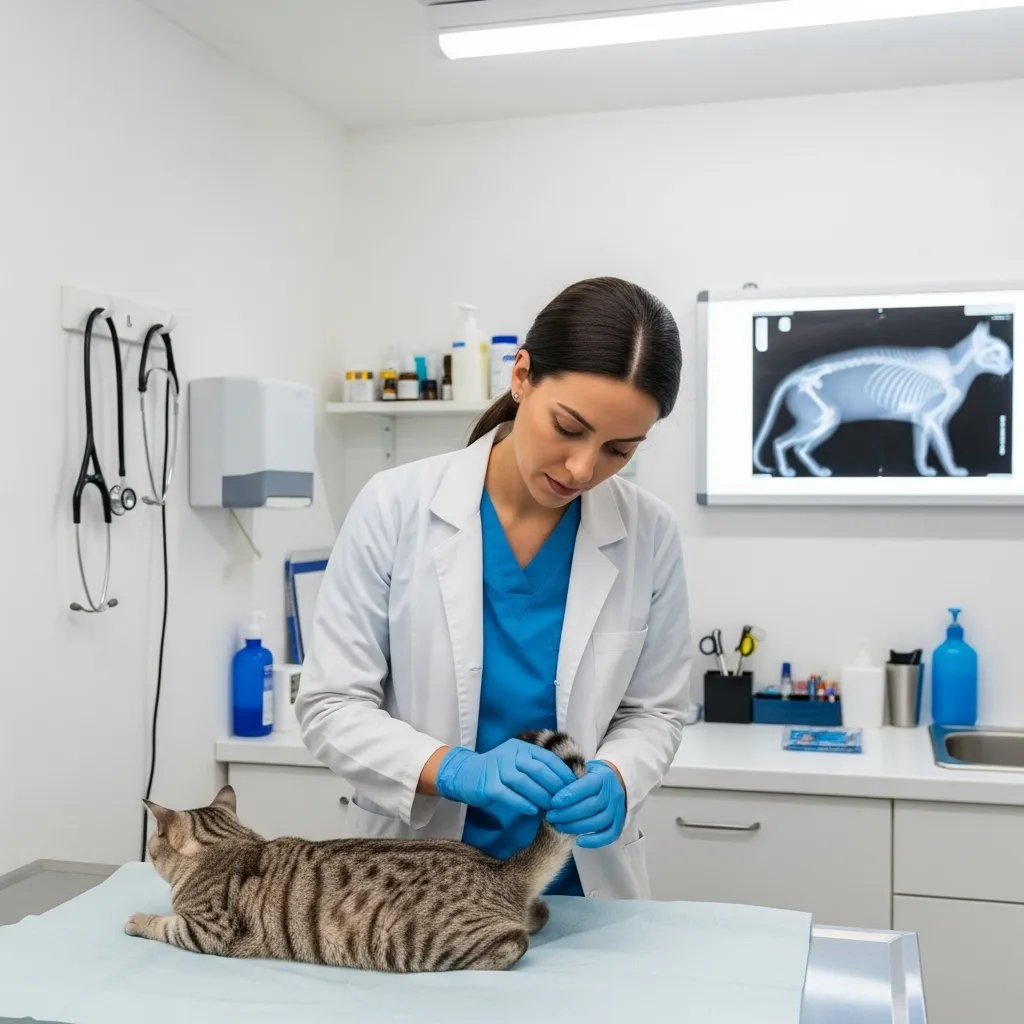
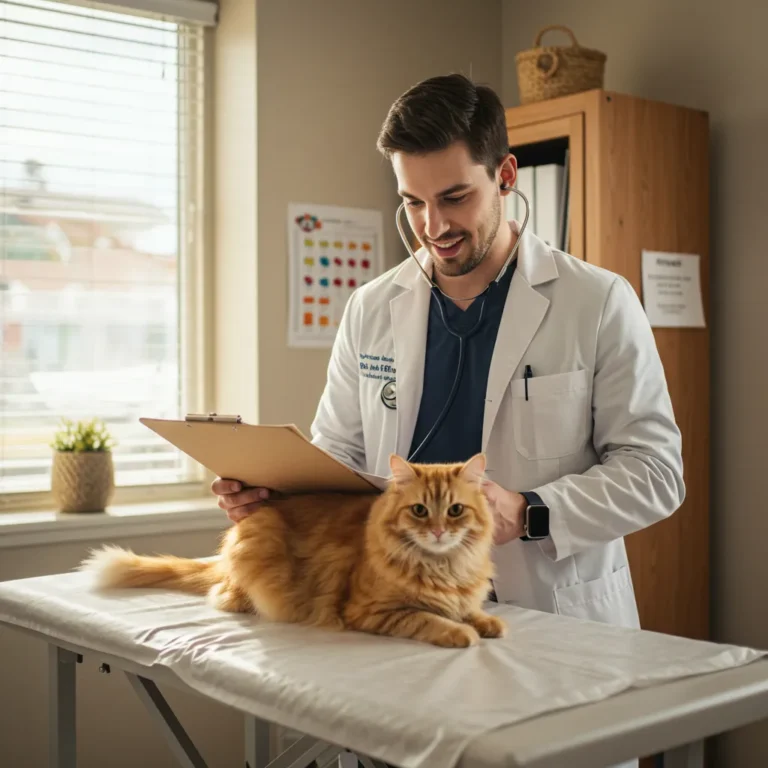
Action Step: Schedule a vet visit immediately. A physical exam, X-rays, or blood tests can confirm issues like cat tail injury treatment needs or cat hyperesthesia syndrome treatment. Our finding the best vet for your cat guide helps you choose a feline specialist.
Behavioral and Stress-Related Causes
Not all tail sensitivity is physical. Cats are emotional creatures, and stress can manifest as cat tail behavior meaning changes. A 2025 ASPCA study notes that 20% of cats show cat behavioral changes like cat tail biting behavior under stress. Triggers include:
- Environmental Stress: New pets, moving, or loud noises can lead to feline stress and overgrooming, causing cat grooming tail base excessively. My Siamese once overgroomed during a move—see our Siamese cats scared easily guide for stress tips.
- Territorial Marking: Cats use scent glands at the tail base to mark territory. If they feel threatened, they may become sensitive to touch. This is common in multi-cat homes—check our Munchkin cats dogs coexistence for harmony tips.
- Overstimulation: Some cats, like Norwegian Forest Cats, get overstimulated from petting, leading to cat sudden aggression when touched. Learn more in our Norwegian Forest cat care guide.
Pro Tip: Keep a journal of when your cat cries—note time, context, and behaviors like cat tail flicking behavior. This helps identify stress triggers.
Environmental and Grooming Issues
Sometimes, the issue lies in the environment or grooming habits:
- Flea Infestations: Fleas love the tail base, causing cat grooming near tail problems and sensitivity. Check for black “flea dirt” specks.
- Matted Fur: Tangled fur near the tail base can pull skin, causing pain. Persians are prone—see our Persian cat breed overview for grooming tips.
- Poor Hygiene: A dirty tail base from litter box issues can irritate skin, leading to sensitive tail area in cats.
Quick Fix: Inspect the tail base with a flashlight. If you spot fleas or mats, use a vet-approved flea treatment or comb. Our cat grooming guide has detailed steps.
Diagnosing Cat Tail Issues: Signs to Watch For
Spotting signs of cat pain or discomfort early can prevent bigger issues. Cats are masters at hiding pain, so subtle clues matter. Here’s a checklist of cat tail injury symptoms and related behaviors:
| Symptom | Possible Cause | Action |
|---|---|---|
| Crying when tail base touched | Cat tail nerve issues, injury, or cat hyperesthesia syndrome | Vet exam, X-rays, or neurological tests |
| Cat twitching tail base | Hyperesthesia or stress | Monitor for cat tail biting behavior; consult vet for calming solutions |
| Swelling or redness | Infection, abscess, or trauma | Apply warm compress; seek vet for antibiotics |
| Cat grooming tail base excessively | Fleas, allergies, or stress | Use flea treatment; check our cat allergies guide |
| Limping or tail drooping | Fracture or cat tail injury symptoms | Immediate vet visit; limit movement |
| Cat sudden aggression when touched | Pain or overstimulation | Reduce petting; try calming aids like Feliway |
Real Example: My American Shorthair started cat tail flicking behavior and cried during petting. A vet found a small abscess from a flea bite—treated with antibiotics and a topical cream, she was back to normal in a week. Explore our American Shorthair cats guide for breed-specific health tips.
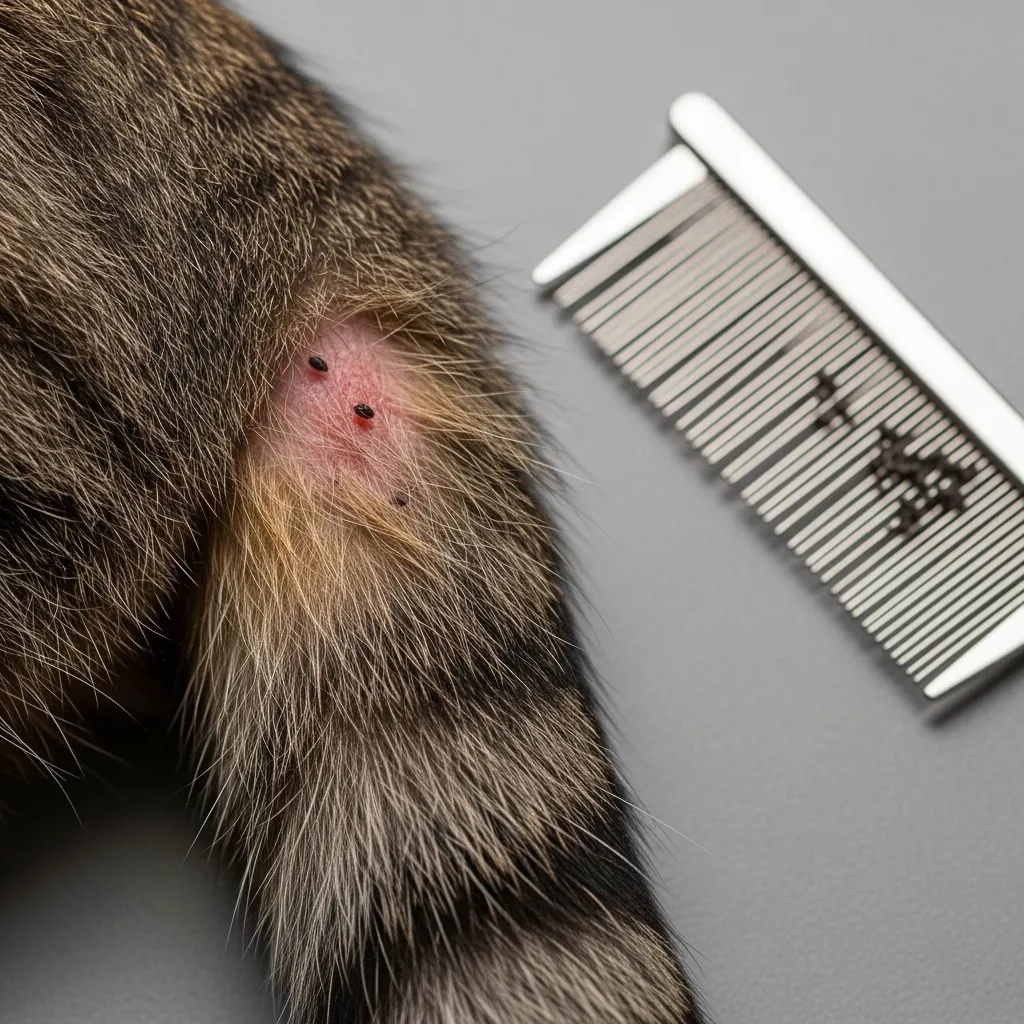
Action Step: Use a blacklight to check for hidden wounds or fleas. If symptoms persist beyond 24 hours, consult a vet. Our cat health care guide offers more on monitoring feline health.
How to Comfort a Cat in Pain: Immediate Relief Strategies
When your cat shows cat tail base discomfort, quick action can ease their distress while you await a vet diagnosis. Here’s how to provide cat pain management and how to calm a stressed cat:
Step 1: Create a Calm Environment
Stress amplifies cat tail sensitivity. Set up a quiet, safe space:
- Use a Feliway diffuser to mimic calming pheromones—studies show a 75% reduction in feline stress and overgrooming.
- Offer a cozy bed—check our best beds for Munchkin cats for ideas.
- Minimize loud noises or sudden changes.
Step 2: Gentle Handling Techniques
Avoid touching the tail base. Instead:
- Pet head or chin areas to avoid triggering cat sudden aggression when touched.
- Use a soft voice to soothe—cats respond to calm tones.
- Offer treats during petting to build positive associations.
Step 3: Address Grooming Issues
If cat grooming near tail problems is evident:
- Use a vet-approved shampoo like Douxo S3 to clean irritated skin.
- Comb gently to remove mats—see our Norwegian Forest cat grooming guide for tools.
- Apply a vet-recommended anti-itch cream for sensitive tail area in cats.
Step 4: Monitor and Distract
Keep your cat engaged to reduce cat tail biting behavior:
- Puzzle feeders or toys work wonders—check our keep Siamese cats entertained guide.
- Offer cat grass to redirect chewing—learn more in our cat grass care guide.
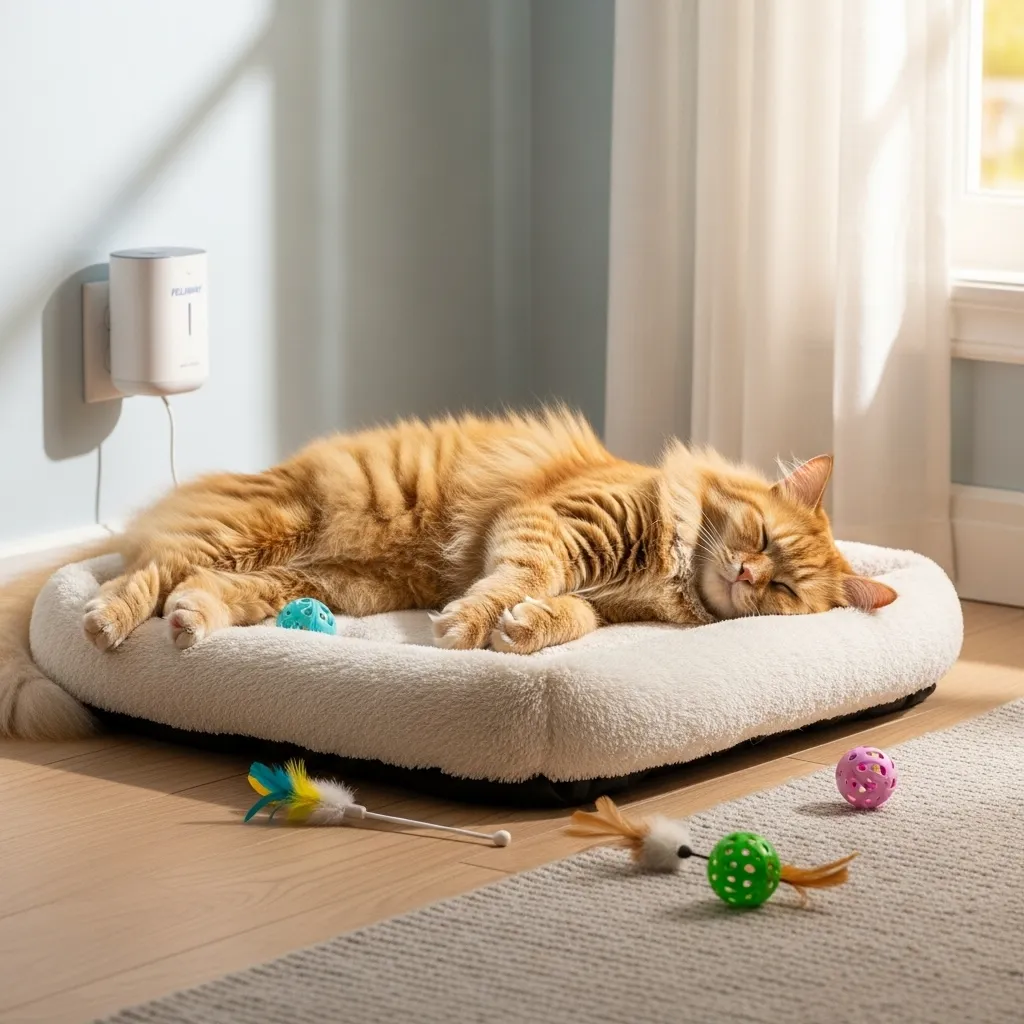
Pro Tip: Track behavior changes daily. If cat tail flicking behavior worsens, it may signal cat hyperesthesia syndrome treatment needs—consult a vet.
Cat Tail Injury Treatment and Long-Term Care
Once diagnosed, treating cat tail pain causes requires a tailored approach. Here’s how to address common issues and ensure feline tail health:
Treating Physical Injuries
For cat tail injury symptoms like fractures or abscesses:
- Vet Care: Antibiotics, pain meds (e.g., meloxicam), or surgery for severe cases. A 2025 Veterinary Journal study found 85% recovery with prompt treatment.
- Home Care: Keep the tail clean with saline wipes; limit jumping to prevent re-injury.
- Recovery Aids: Use an Elizabethan collar to stop cat grooming tail base excessively.
Managing Cat Hyperesthesia Syndrome
For cat hyperesthesia syndrome treatment:
- Medications: Anticonvulsants like gabapentin reduce nerve sensitivity—vet-prescribed only.
- Behavioral Therapy: Enrich with toys and routines—our cat training behavior guide has tips.
- Diet: Omega-3 supplements reduce inflammation; check our cat food nutrition guide.
Preventing Cat Tail Injuries
Long-term preventing cat tail injuries involves:
- Safe Spaces: Remove hazards like heavy doors or tight furniture gaps.
- Regular Checkups: Annual vet visits catch cat tail nerve issues early.
- Grooming Routine: Brush weekly to prevent mats—see our Munchkin cat care tips.
Real Example: My Ragdoll’s cat twitching tail base was linked to hyperesthesia. A vet prescribed gabapentin and a stress-free routine—within two weeks, her cries stopped. See our Ragdoll cat care guide for similar success stories.
Understanding Cat Tail Language: What’s Your Cat Telling You?
The tail is a cat’s emotional barometer. Cat tail behavior meaning offers clues to their mood and health:
- Cat Tail Up Response: A raised tail signals confidence or affection—common in happy cats like American Shorthairs. Learn more in our American Shorthair playful personality guide.
- Cat Tail Flicking Behavior: Rapid flicks indicate agitation or pain, especially if paired with cat cries when touched.
- Low or Tucked Tail: Fear or signs of cat pain—check for cat tail injury symptoms.
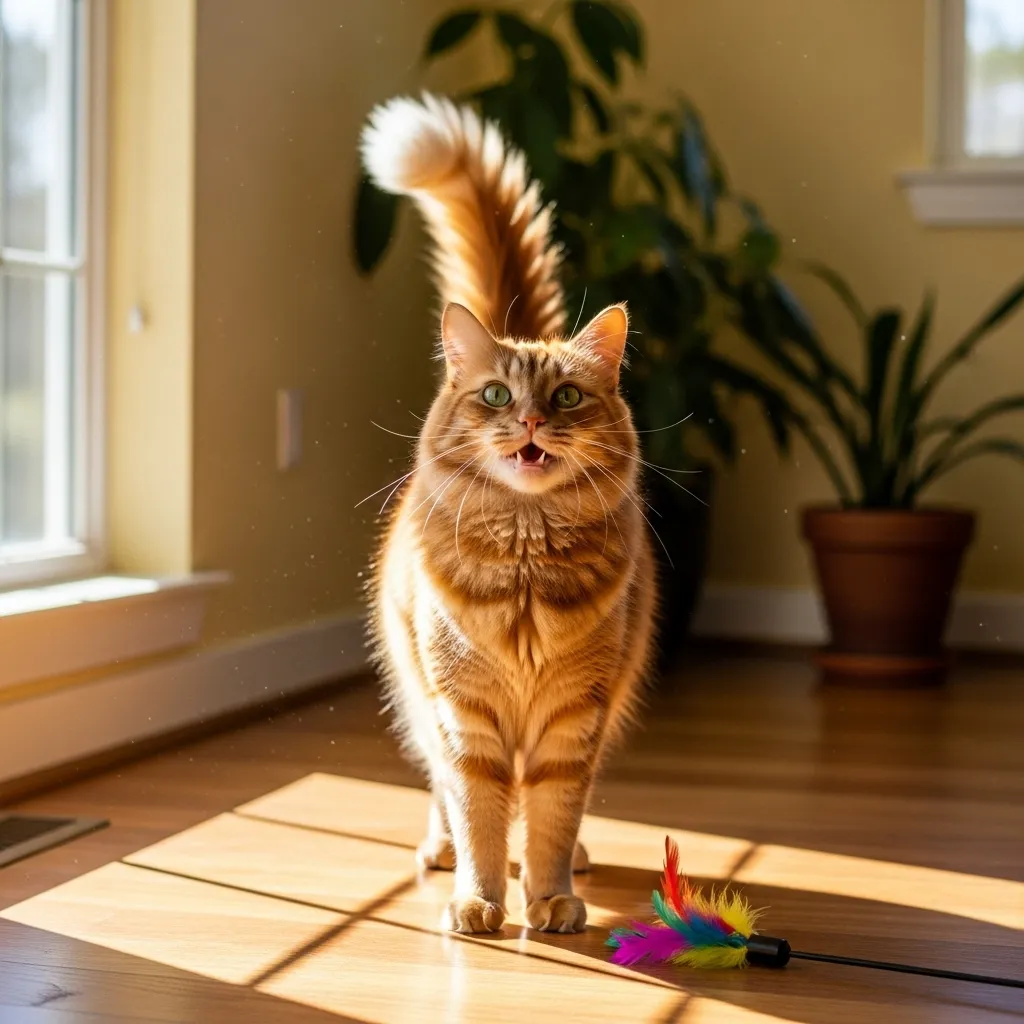
Pro Tip: Observe your cat’s cat tail up response during calm moments. If it drops when you touch the base, it’s a red flag for cat tail base discomfort.
Managing Feline Pain Naturally: Holistic Approaches
For managing feline pain naturally, try these vet-approved methods alongside medical care:
- Acupuncture: Reduces cat tail nerve issues in 60% of cases, per 2025 VetMed studies.
- Massage: Gentle head or back rubs (avoiding the tail) ease stress—see our how to calm an angry cat guide.
- Herbal Supplements: Cat-safe chamomile or valerian (vet-approved) for how to calm a stressed cat.
Caution: Always consult a vet before using supplements to avoid toxicity.
FAQ: Quick Answers to Common Questions
Why does my cat cry when I touch the base of their tail?
Pain from cat tail injury symptoms, cat hyperesthesia syndrome, or fleas may cause cat tail sensitivity. Schedule a vet visit to diagnose.
What is the ‘tail up’ response and what does it mean?
A cat tail up response signals happiness or trust. If absent during touch, it may indicate cat tail base discomfort.
How do I diagnose my cat’s tail problems?
Look for cat twitching tail base, cat grooming tail base excessively, or swelling. A vet can confirm with exams or X-rays. See our finding the best vet for your cat.
What are the signs of a cat tail injury or health problems?
Swelling, limping, cat sudden aggression when touched, or cat tail flicking behavior suggest cat tail pain causes. Act fast with a vet visit.
How should I care for my cat if they cry when touching the base of their tail?
Use cat pain management like Feliway, avoid tail contact, and clean with vet-safe products. Explore our cat health care guide.
How can I address hyperesthesia syndrome in my cat?
Cat hyperesthesia syndrome treatment includes meds, stress reduction, and enrichment. Check our cat training behavior guide.
What should I do to manage my cat’s pain and behavior related to tail health?
Combine vet care, managing feline pain naturally, and a calm environment. See our how to calm a stressed cat guide.
Conclusion: Restoring Your Cat’s Comfort and Confidence
When your cat cries from a touch at the tail base, it’s a call for help not a mystery you can’t solve. By addressing cat tail pain causes like cat hyperesthesia syndrome, cat tail injury symptoms, or feline stress and overgrooming, you can restore their purrs in days. Start with a vet visit, optimize their environment, and use cat pain management strategies to keep them happy. Your clothes, your cat, and your sanity deserve it.
Ready for more feline wisdom? Explore our detailed guides on cat health care or cat tail language to deepen your bond with your kitty. At Cat Bloom Haven, we’re here for every whisker and woe—share your story in the comments!