Why Does My Cat Trill and Run Away? The Real Reasons Behind This Adorable (and Confusing) Behavior
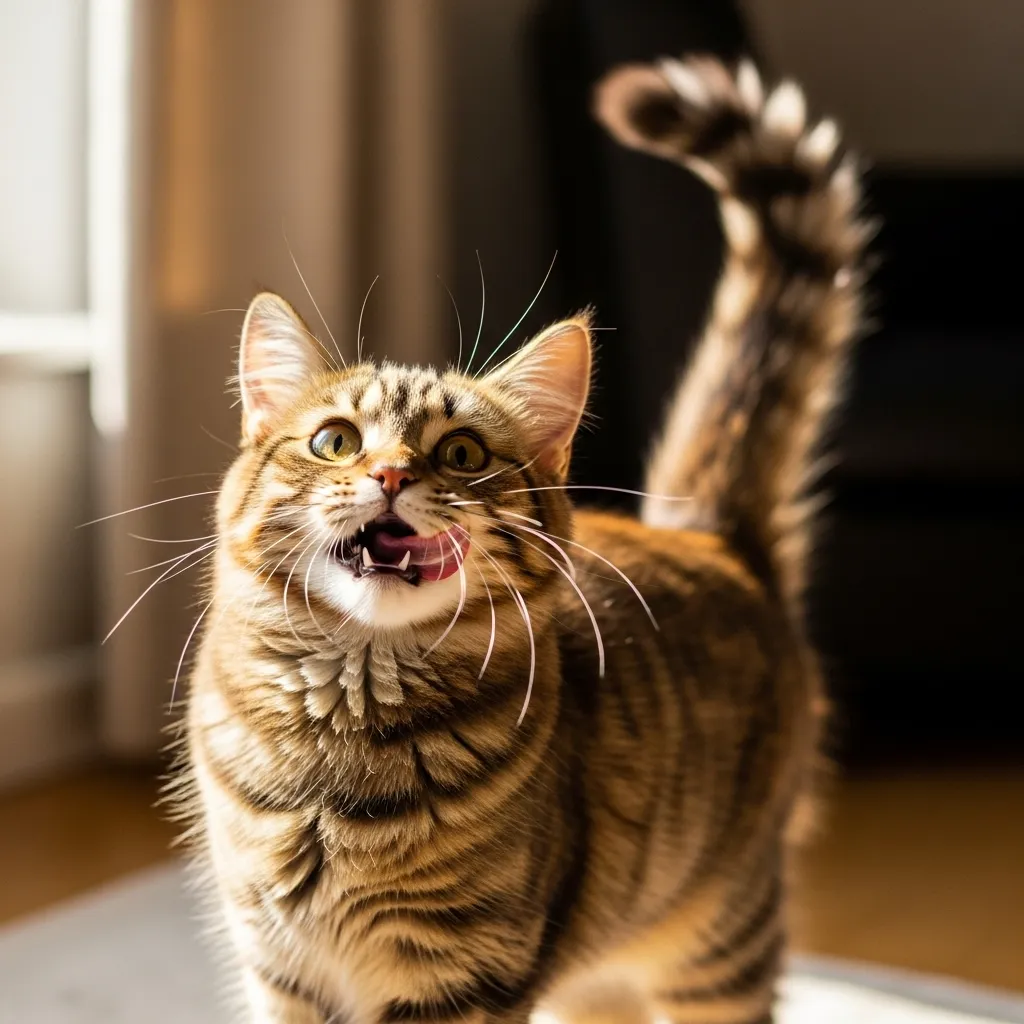
You know the scene: you’re walking through the house, minding your own business, when your cat suddenly appears. She lifts her tail straight up, lets out the cutest little “brrrp?” or rolling trill, takes two hopeful steps toward you… and then bolts in the opposite direction like you just threatened her with a bath.
If you’ve ever thought, “Why does my cat trill and run away?”, you’re not alone. Thousands of cat owners search this exact behavior every month because it’s equal parts endearing and utterly baffling. In this guide, we’re going deep into cat trilling, why it’s followed by a dramatic sprint, and what your cat is actually trying to tell you.
Key Takeaways (for quick answers & AI Overviews)
- A trill is a friendly, high-pitched, vibrating sound cats reserve mostly for people or cats they like.
- Running away after trilling is usually playful invitation (“chase me!”) or excited overload, not fear.
- Mother cats trill to call kittens; adult cats keep the habit when they see you as family.
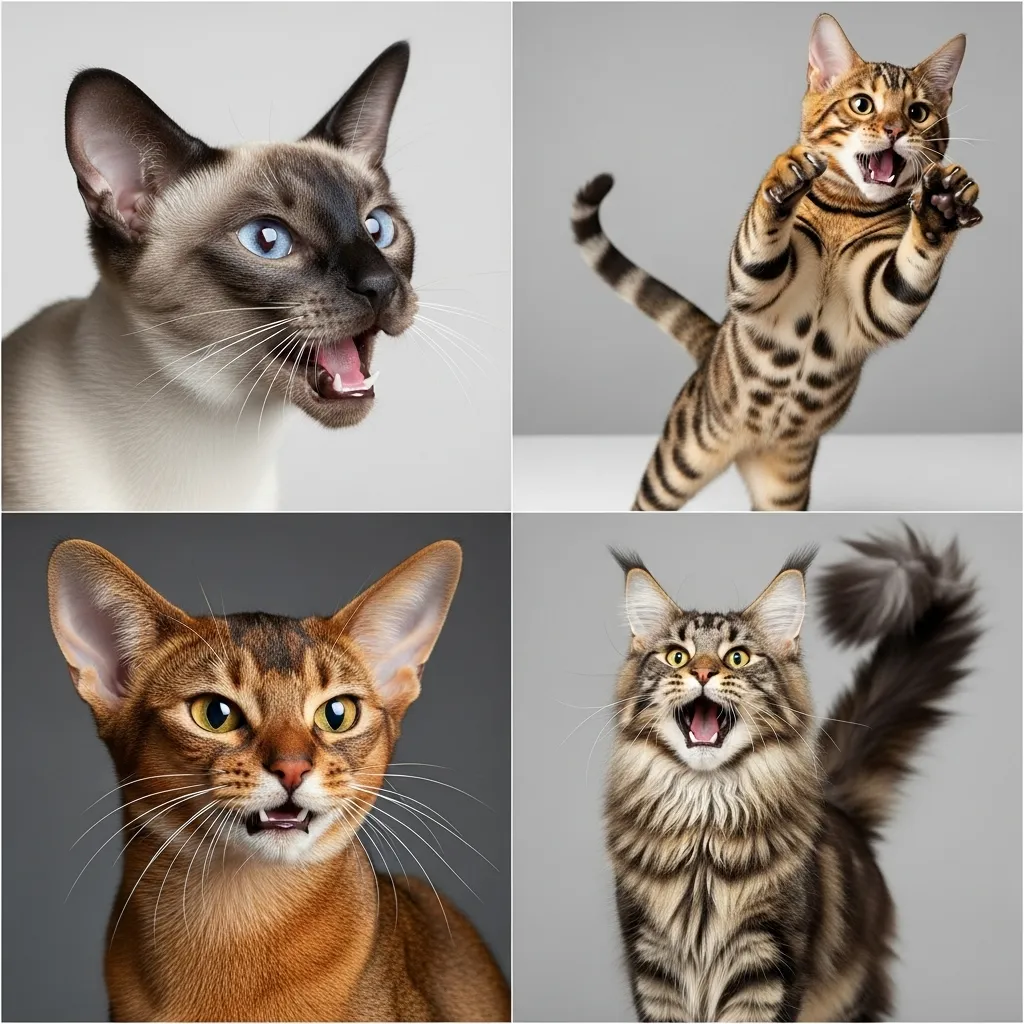
- Breeds like Siamese, Bengal, Maine Coon, and Oriental lines trill far more than others.
- Night-time trilling spikes because cats are naturally crepuscular (most active at dawn/dusk).
What Is a Cat Trill Exactly? (And Why It’s Different from Everything Else)
A trill (sometimes called a chirrup or “brrp”) is a short, musical, rising sound that vibrates in the throat. It’s a closed-mouth vocalization, unlike a meow which requires an open mouth. Think of it as the feline version of an excited “hello!” rolled into one adorable noise.
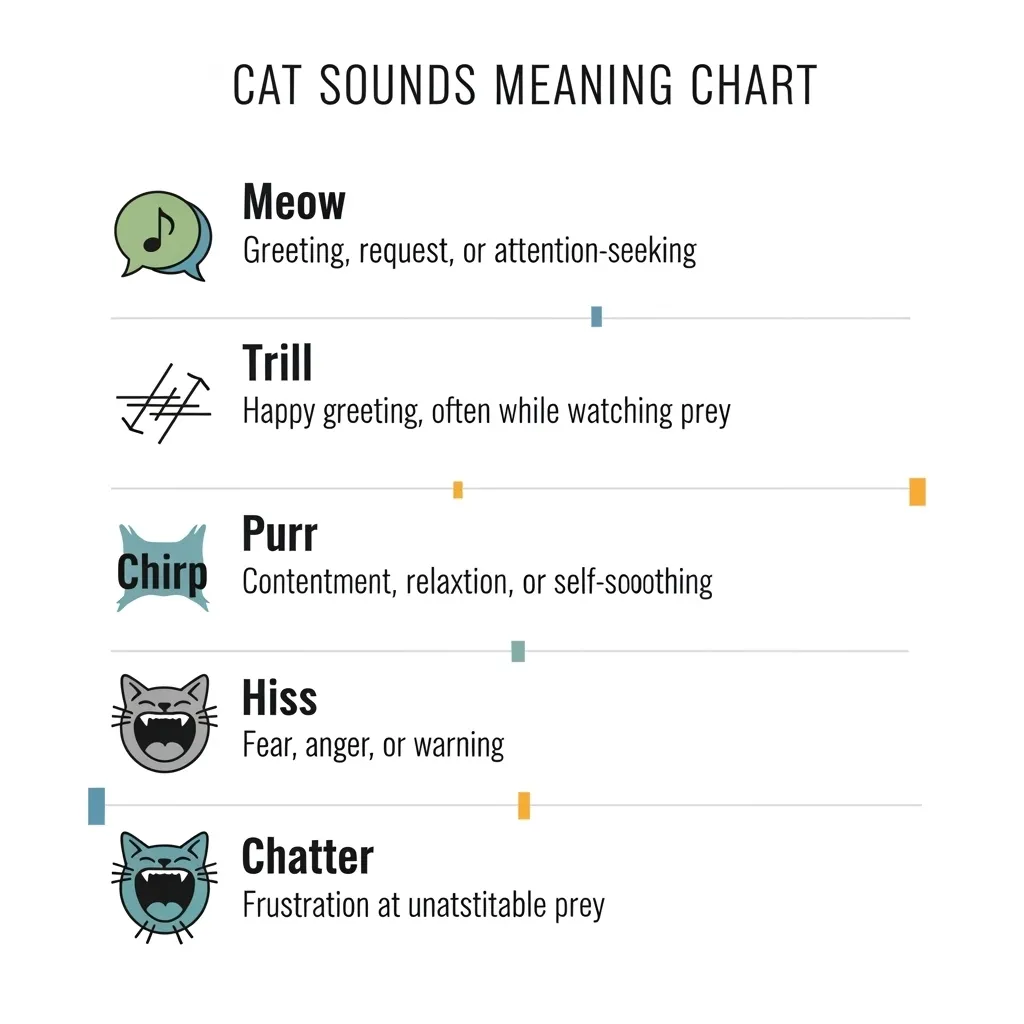
Quick comparison table of common cat sounds:
| Sound | Mouth Position | Typical Emotion | Most Common Context |
|---|---|---|---|
| Meow | Open | Demand, greeting, complaint | Asking for food, attention, entry |
| Trill/Chirrup | Closed | Friendly excitement, greeting | Seeing you after absence, inviting play |
| Chirp | Open briefly | Hunting excitement | Watching birds through window |
| Purr | Closed | Contentment (sometimes stress) | Being petted, eating |
| Hiss/Growl | Open | Fear, anger | Threatened or annoyed |
| Chatter | Rapid open/close | Frustrated prey drive | Can’t reach bird/squirrel |
Most cats reserve trilling for beings they trust deeply. That’s why you’ll rarely hear a feral cat trill at a human, but your spoiled house panther does it ten times a day.
Why Do Cats Trill at Humans in the First Place?
- Kittenhood never really ends
Mother cats trill to tell kittens “follow me” when moving them to a new nest spot. Kittens quickly learn to trill back. When your adult cat trills at you, she’s treating you like a trusted mother figure she trusts enough to “follow Mommy”. - Positive excitement overflow
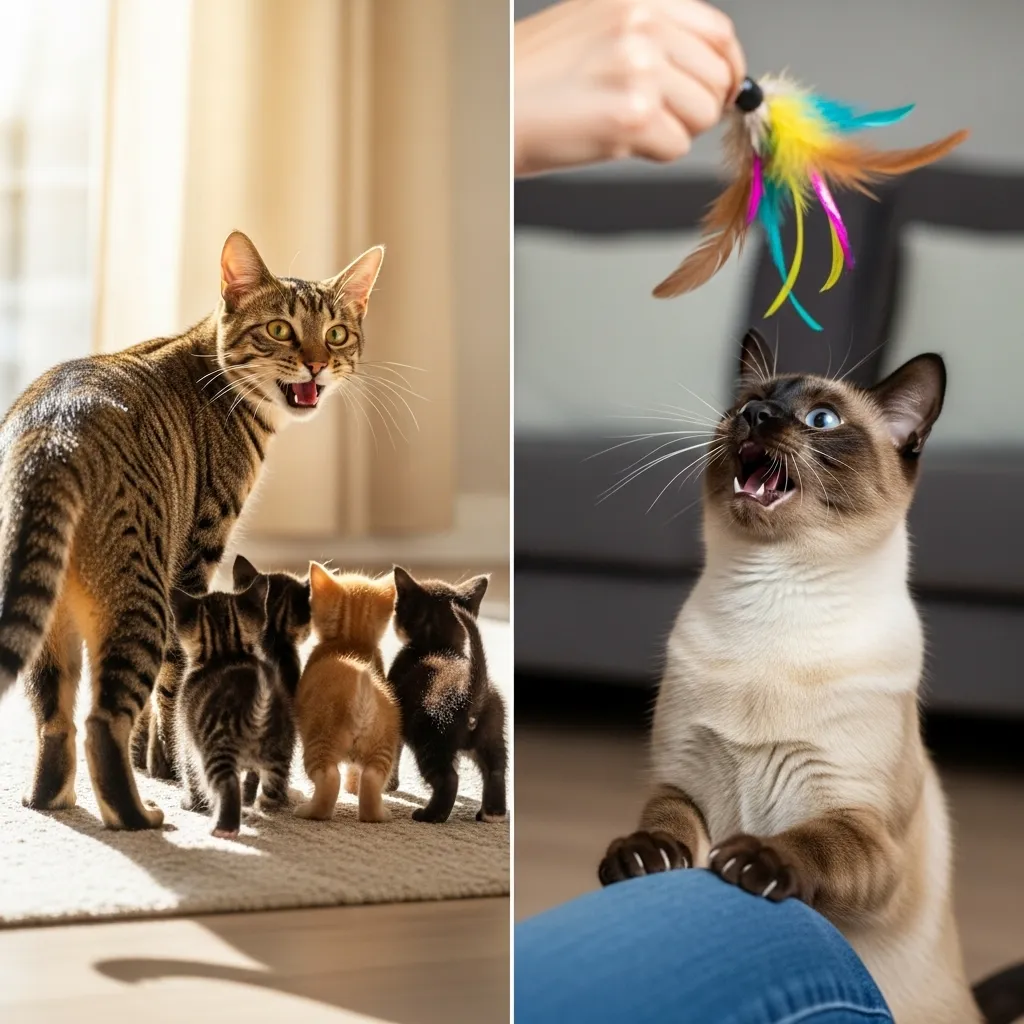
Cats trill when their happiness meter hits the red zone. The sound literally leaks out because they can’t contain the joy of seeing you walk in the door. - Invitation to interact
Many behaviorists describe the trill as the feline equivalent of “Hey! Over here! Let’s do something fun!”
So… Why the Immediate Sprint in the Opposite Direction?
Here are the five most common explanations I see in real homes every week:
- Play chase invitation (the #1 reason)
Your cat trills → you look at her → adrenaline spikes → zoomies ensue. She’s basically saying, “Tag, you’re it!” - Overstimulation whiplash
Some cats get so excited that the emotion short-circuits. Trill = happy → brain goes “too much happy!” → must run and reset. - “I showed you affection, now I must preserve mystery”
Cats have a reputation to uphold. Can’t look too needy, you know? - Attention on their terms
Trilling gets your eyes on them. Once mission accomplished, they retreat to a spot where you have to come to them (classic cat power move). - Pure unfiltered joy (aka the zoomies trigger)
The trill is the sound of their happiness engine revving, and running is the exhaust.
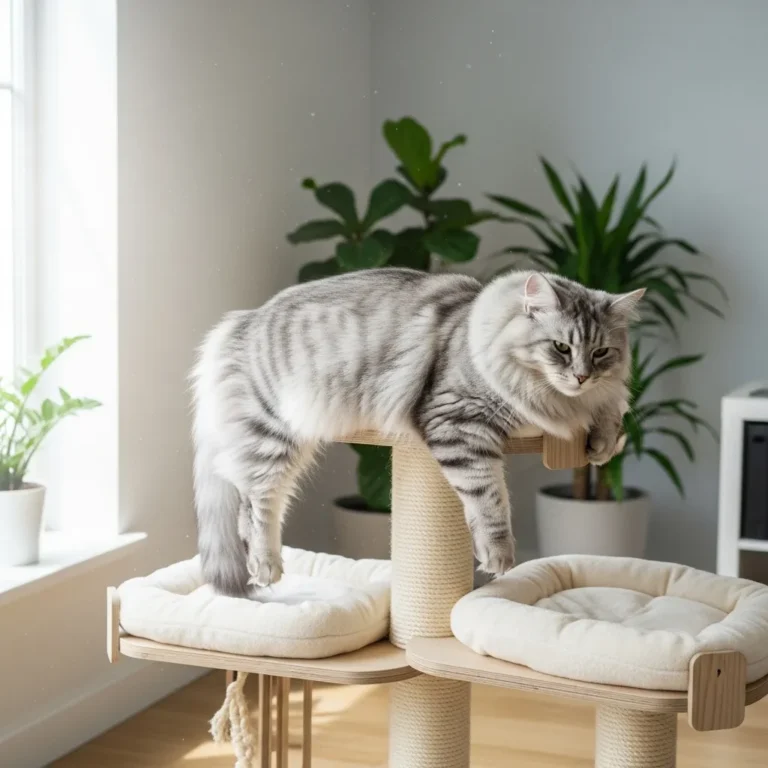
Real-life example: My own Bengal, Luna, trills every single time I come home from work. She meets me at the door, tail straight up, gives three perfect trills… then tears down the hallway, leaps onto the cat tree, and stares at me like “Well? Aren’t you coming?” It’s a 100% reliable chase-me game invitation.
Which Cat Breeds Are the Biggest Trill-and-Runners?
Some breeds are basically professional trillers:
| Breed | Trill Frequency | Likelihood to Run After Trill | Notes |
|---|---|---|---|
| Siamese / Oriental | Extremely high | Very high | Known as the “talkers” – trill constantly |
| Bengal | Very high | High | Energy + vocal = dramatic exits |
| Maine Coon | High | Moderate | Gentle giants who trill softly then trot off |
| Abyssinian | High | Very high | Playful and athletic |
| Tonkinese | Extremely high | High | Basically Siamese volume with extra love |
| Domestic shorthair | Varies | Varies | Depends on individual personality |
Check our full personality guides:
→ Siamese Cat Breed Personality & Vocal Te ndencies
→ Bengal Cat Vocal Behavior Explained
→ Maine Coon Cat: The Gentle Giant That Trills
Is Night-Time Trilling Normal? (Why Your Cat Suddenly Becomes an Opera Singer at 3 A.M.)
Yes, completely normal. Cats are crepuscular, meaning their energy peaks at dawn and dusk. Combine that with an empty house (no daytime distractions) and you get midnight serenades followed by hallway sprints.
Common triggers for night trilling + running:
- Boredom or under-stimulation during the day
- Hunger (the “where’s second dinner?” trill)
- Wanting you to get up and play
- Noticing a moth on the ceiling that must be murdered immediately
Practical fixes that actually work:
- Scheduled play session 30–45 min before your bedtime (use a wand toy until panting
- Automatic feeder set for a small 2–3 a.m. meal
- Leave out puzzle feeders or treat-dispensing toys
- Blackout curtains + white-noise machine for you, not the cat (sorry)
How to Respond When Your Cat Trills at You (So You Both Stay Happy)
Do:
- Answer back with a soft “brrrp?” or chirp of your own – cats love mimicry
- Slowly blink and take a few steps toward her (invitation accepted)
- Start an interactive play session if she runs – she’s asking!
- Offer a treat or gentle head scratches if she stays close
Don’t:
- Scoop her up immediately (overwhelms many trillers)
- Ignore completely (can lead to louder, more desperate vocalizing)
- Chase if she clearly wants space – read the body language
Pro tip: Record the trill sessions on your phone. Over time you’ll notice subtle differences – excited high-pitched trills vs lower “I’m content” murmurs.
Frequently Asked Questions About Cat Trilling and Running Away
Why does my cat trill and then bite me?
Usually over-stimulation. The trill is friendly; the bite says “petting quota reached, human.”
Do all cats trill?
No. Some are naturally quieter (British Shorthair, Ragdoll, Persian lines trill less). If your cat never trills, it doesn’t mean she loves you less.
Is trilling a sign of distress?
Almost never. Distress sounds are hissing, growling, yowling, or low moaning. Trilling is almost always positive.
My new kitten trills constantly but my older cat doesn’t. Normal?
Yes. Kittens trill more because they’re still in “talk to mom” mode. Many mellow with age, though vocal breeds keep it up lifelong.
Should I be worried if the trilling suddenly increases?
Only if paired with other changes (hiding, appetite loss, litter-box issues). Sudden vocal increase can sometimes signal hyperthyroidism in seniors – worth a vet check.
Final Thoughts: Your Cat Isn’t Confusing – She’s Just Being a Cat
When your cat trills and runs away, she’s not rejecting you. She’s saying, in the most feline way possible, “I love you so much I literally can’t stand still. Come share this joy with me but only if you can catch me first!”
Celebrate the trill. Answer back. Play the game. That little rolling sound is one of the highest compliments a cat can pay a human.
Want to understand even more about what your cat is trying to tell you every day?
→ Explore our complete Cat Behavior & Training Hub
→ Discover why some cats are extra chatty in our Siamese Cats: Why So Vocal? guide
→ Or laugh at cats being dramatic with our 2025 Naughty Cat Mem es collection
Because once you speak “cat”, the trills never stop sounding like the sweetest sound in the world.