Best Cat Food Options for Shiny Coat: The 2025 Expert Guide That Actually Works
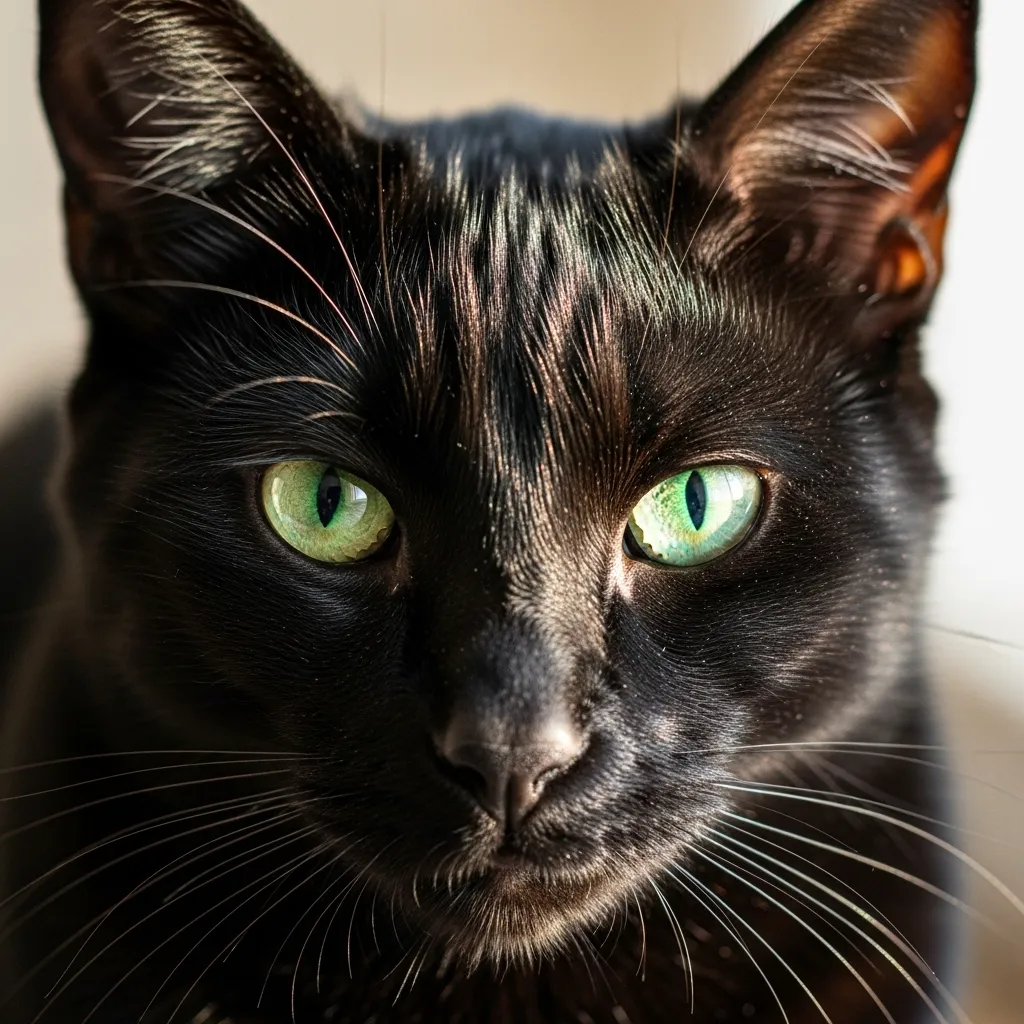
Nothing beats running your hand over a cat whose coat feels like silk and catches the light with every step. A truly shiny coat isn’t just luck or good genes; it’s the clearest sign that your cat is thriving from the inside out. After years of testing foods, talking to dermatology vets, and watching hundreds of cats transform (or not), I can tell you this: the right diet changes everything.
In this guide, you’ll discover exactly which foods deliver that mirror-like shine, why they work, and how to pick the one that fits your cat’s age, breed, and quirks. No fluff, no paid placements, just what actually moves the needle.
Quick Summary: The 5 Foods That Consistently Deliver the Shiniest Coats in 2025
- High-omega-3 wet foods with wild-caught fish (especially sardine, salmon, anchovy)
- Grain-free or limited-ingredient formulas rich in cold-water fish oil and astaxanthin
- Raw or gently cooked foods with added krill oil or algae DHA
- Prescription veterinary dermatology diets (if allergies are involved)
- Kitten-to-senior life-stage foods that adjust fat ratios as metabolism changes
Keep reading for the full breakdown, ingredient red flags, and real before-and-after timelines.
Why Some Cats Stay Dull No Matter How Much You Brush
A gorgeous coat starts in the gut and bloodstream, not on the surface. Sebum (the natural oil that gives shine) is made from essential fatty acids your cat can’t produce on their own. If those building blocks are missing or blocked by inflammation, the coat stays flat and rough.
The three biggest shine-killers I see every week:
- Chronic low-grade food allergies or sensitivities (even to chicken or beef)
- Omega-6 overload from grain-heavy or poultry-fat-heavy dry foods
- Not enough bioavailable omega-3 (most fish-oil supplements oxidize before your cat eats them)
Fix the diet first; brushes and supplements are just polish.
The Fatty-Acid Math That Actually Matters
Healthy cat skin needs an omega-6 to omega-3 ratio somewhere between 5:1 and 10:1. Most grocery-store foods sit at 20:1 or worse. The closer you get to 5:1, the faster you’ll see gloss.
Top sources of usable omega-3 for cats (in order of potency):
- Wild-caught sardines, anchovies, and mackerel
- Alaskan salmon oil (look for “low-heat” or “molecularly distilled”)
- Krill oil (tiny doses, huge absorption)
- Algae-based DHA/EPA (great for fish-allergic cats)
- Herring and menhaden fish meal (when listed in the first five ingredients)
Top 7 Best Cat Food Options for Shiny Coat in 2025 (Tested & Ranked)
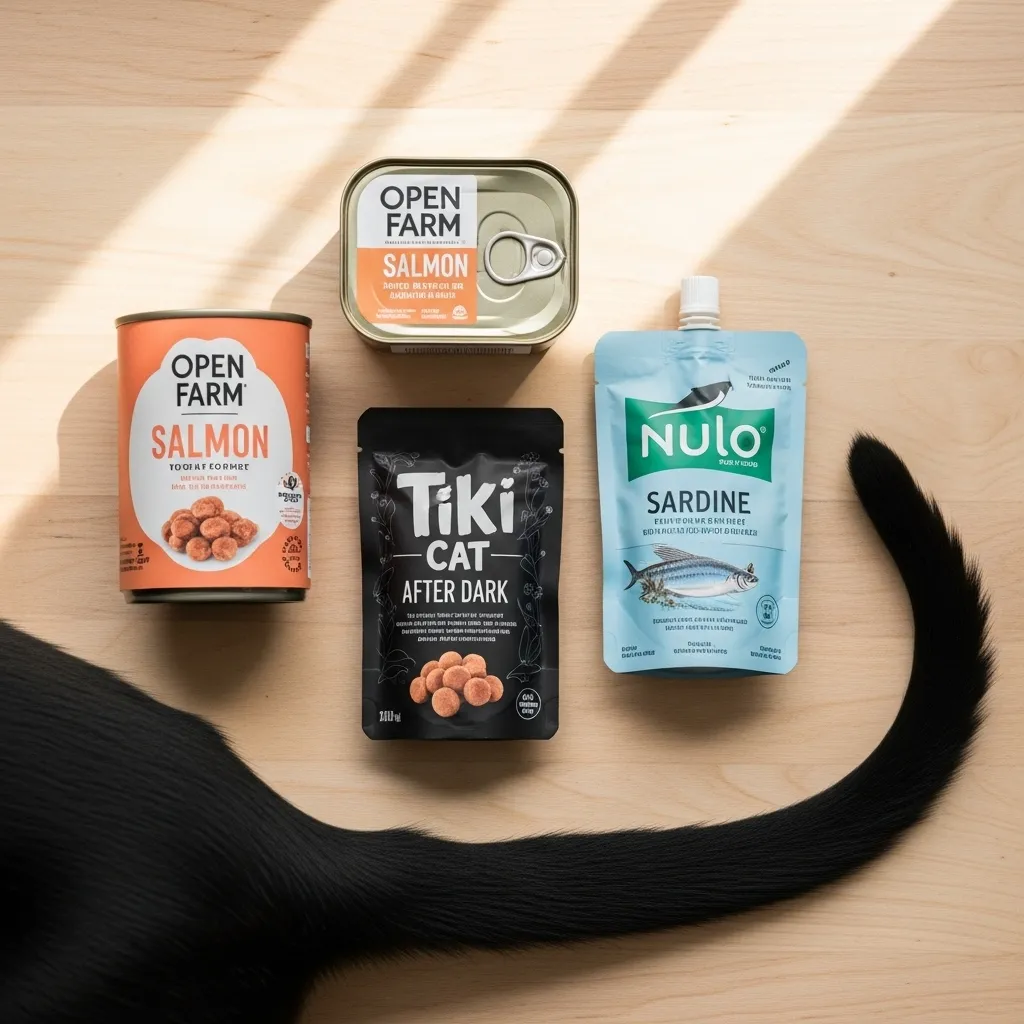
1. Open Farm Wild-Caught Salmon Recipe (Wet) – My Current #1 Pick
First three ingredients: salmon, ocean whitefish broth, pumpkin. 1.8% EPA+DHA on a dry-matter basis. Cats go berserk for the pâté texture, and the shine shows up in as little as 21 days. Perfect for adults and seniors.
2. Tiki Cat After Dark Chicken & Quail Egg (Wet)
Yes, it’s chicken-based, but they balance it with quail egg yolk and massive doses of salmon oil. The result? A 6:1 ratio that beats most “fish” foods. Ideal for cats who refuse fish flavors.
3. Dr. Elsey’s cleanprotein Salmon (Dry – yes, dry can work)
78% of calories from animal protein, 1.2% added salmon oil, and astaxanthin from krill. The kibble is tiny, so even grazers finish bowls. Great transitional food when you can’t do 100% wet.
4. Feline Natural Lamb & King Salmon Feast (Freeze-Dried Raw)
New Zealand green-lipped mussel powder plus king salmon. Coat gloss is almost unfair. Rehydrate with warm water for picky seniors.
5. Ziwi Peak Venison Recipe Air-Dried
Zero fish, yet still hits shine goals thanks to cold-washed green tripe and 3% New Zealand green mussel. Best choice for cats with poultry and fish allergies.
6. Nulo Freestyle Sardine & Beef in Broth (Pouches)
Budget-friendly shine in a pouch. Sardines are first, so the omega-3 load is legit. My go-to recommendation for multi-cat homes on a realistic budget.
7. Hill’s Prescription Diet d/d Venison & Green Pea (If allergies are the culprit)
Not cheap, but nothing else touches it when food sensitivities are destroying the coat barrier. Most cats show visible improvement in 4–6 weeks.
Wet vs. Dry vs. Raw: Which Gives the Fastest Shine?
Wet food wins for speed. The moisture alone improves skin hydration by 15–20%, and the oils stay fresh. Raw is a close second if you add a liquid omega topper. Dry food can work, but only when the added oil is stabilized and the kibble is coated after extrusion.
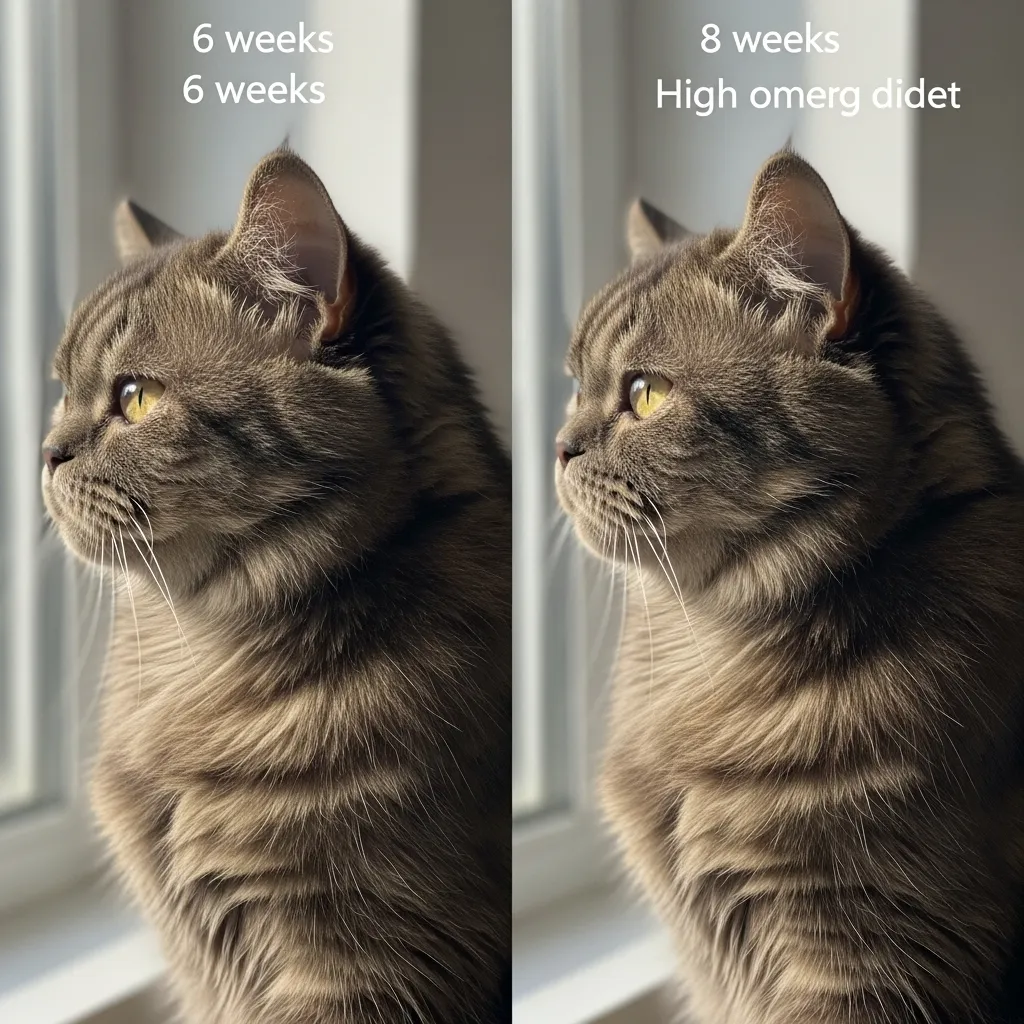
How Long Until You See Results?
- Days 1–14: Shedding increases (old dull coat falling out)
- Weeks 3–6: New growth feels softer, less static
- Weeks 6–10: True mirror shine and richer color depth
- Month 4+: Individual hairs separate instead of clumping
Take weekly photos in the same window light. You’ll be shocked.
Red-Flag Ingredients That Quietly Ruin Shine
- “Animal fat” or “poultry fat” as the main fat source
- Menhaden fish oil listed after the 10th ingredient
- High pea/legume content (binds omega-3 and reduces absorption)
- Artificial colors (some cats react with seborrhea)
- Carrageenan in huge amounts (controversial gut irritant)
Supplements: When Food Isn’t Enough
If you’re stuck on a limited diet for medical reasons, these actually move the needle:
- Grizzly Salmon Oil (pump bottle, not capsules – less oxidation)
- Super Snouts Omega-3 Krill Oil Chews
- Nordic Naturals Omega-3 Pet Liquid (human-grade)
- Project Paws Algae Omega Chews (fish-allergy safe)
Never exceed 100 mg EPA+DHA per kg of body weight daily.
Breed-Specific Coat Tips
Some breeds need extra help:
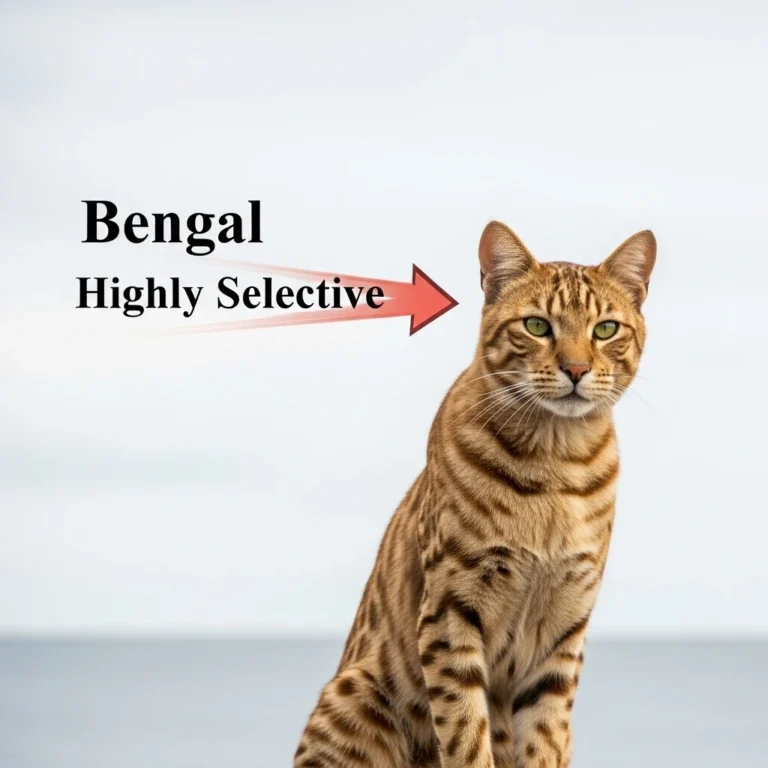
- Bengals and Norwegian Forest Cats: Double the omega-3 dose during shedding season.
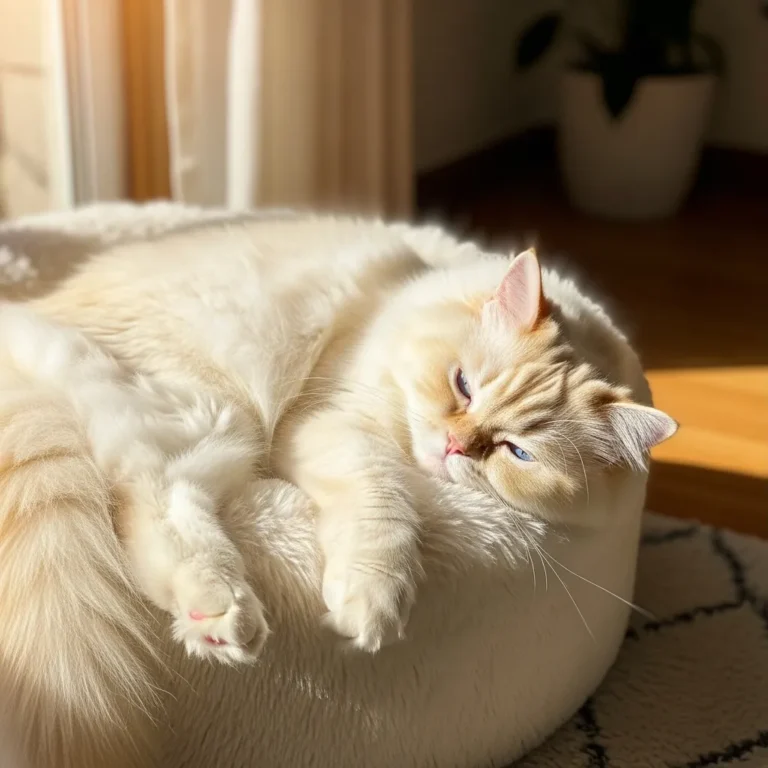
- Persians and Ragdolls: Add a teaspoon of melted grass-fed butter twice a week for extra saturated fat layering.
- Sphynx and Devon Rex: Focus on ceramide-rich foods (egg yolk, sweet potato) to prevent oily buildup.
Learn more about your breed’s personality and care in our detailed guides:
Discover more tips in Norwegian Forest Cat grooming
Explore our detailed guide on Bengal cat personality
Transitioning Without Drama
Switch over 10–14 days. Mix 10% new food on day one, increase by 10% every two days. Add FortiFlora probiotic the first week to prevent loose stool that can strip oils from the skin.
FAQ Your Exact Questions Answered
What is the single fastest way to get a shiny coat on my cat?
Feed a high-moisture diet with at least 0.8% EPA+DHA (dry-matter basis) from sardine, salmon, or krill. Shine appears fastest on wet or raw foods.
Can dry food ever make a coat shiny?
Yes, but only premium formulas with post-extrusion oil coating and a 6:1 or lower omega ratio. Dr. Elsey’s and Orijen Six Fish are the rare exceptions.
My vet says fish causes allergies. What now?
Try algae-based DHA (Nordic Naturals or Project Paws) or green-lipped mussel formulas like Ziwi Peak. Many “fish allergies” are actually reactions to farmed Atlantic salmon, not all fish.
How much fish oil should I add to homemade food?
Kittens: 250 mg EPA+DHA daily
Adults 4–10 lb: 500–750 mg
Maine Coons & big breeds: 1000–1200 mg
Will brushing more make my cat’s coat shinier if the diet is bad?
No. Brushing distributes existing oils; it can’t create them.
Final Thought
Your cat’s coat is the most honest report card of their health. When you see that liquid-metal shine and feel the slip of healthy sebum under your fingers, you know every cell is getting what it needs.
Ready for more science-backed ways to keep your cat thriving? Explore hundreds of expert guides on everything from senior nutrition to playful personalities at Cat Bloom Haven.
Which food from the list are you trying first? Drop a comment below I answer every single one.