Why Some Cats Prefer Other Pets: The Surprising Social Dynamics of Feline Friendship
For decades, the stereotype has been clear: cats are solitary creatures, aloof and independent, tolerating human companions at best and other animals with suspicion. Yet if you’ve ever witnessed your feline curling up contentedly with the family dog, grooming the resident rabbit, or even forming an inseparable bond with a bird (carefully supervised, of course), you know this oversimplification crumbles upon closer observation. The reality is far more fascinating some cats don’t just tolerate other pets; they actively seek out their companionship, forming bonds that defy traditional expectations of feline behavior.
Understanding why some cats prefer other pets isn’t just charming trivia it’s key to building a harmonious multi-species household, addressing loneliness in single-pet homes, and truly meeting your cat’s complex social and emotional needs. This preference stems from a intricate interplay of early socialization, individual personality, breed tendencies, and the unique “job” a non-feline companion can fulfill in a cat’s world.
Key Takeaways: Understanding Feline Social Preferences
- Socialization Window is Critical: Cats exposed to other species between 2-7 weeks old are significantly more likely to form positive inter-species bonds throughout their lives.
- Personality Trumps Species: An individual cat’s temperament confidence, playfulness, curiosity often matters more than whether they’re “supposed” to like other animals.
- Complementary Relationships: Cats often prefer pets that fulfill roles cats don’t like dogs providing playful chasing or rabbits offering quiet companionship without threat.
- Resource Security is Fundamental: A cat must feel their resources (food, territory, attention) aren’t threatened before accepting another pet as companion rather than competitor.
- Breed Influences But Doesn’t Determine: Some breeds like Ragdolls, Maine Coons, and Abyssinians show stronger tendencies toward sociability, but individual variation remains substantial.
The Foundations of Feline Sociability: More Than “Solitary Hunters”
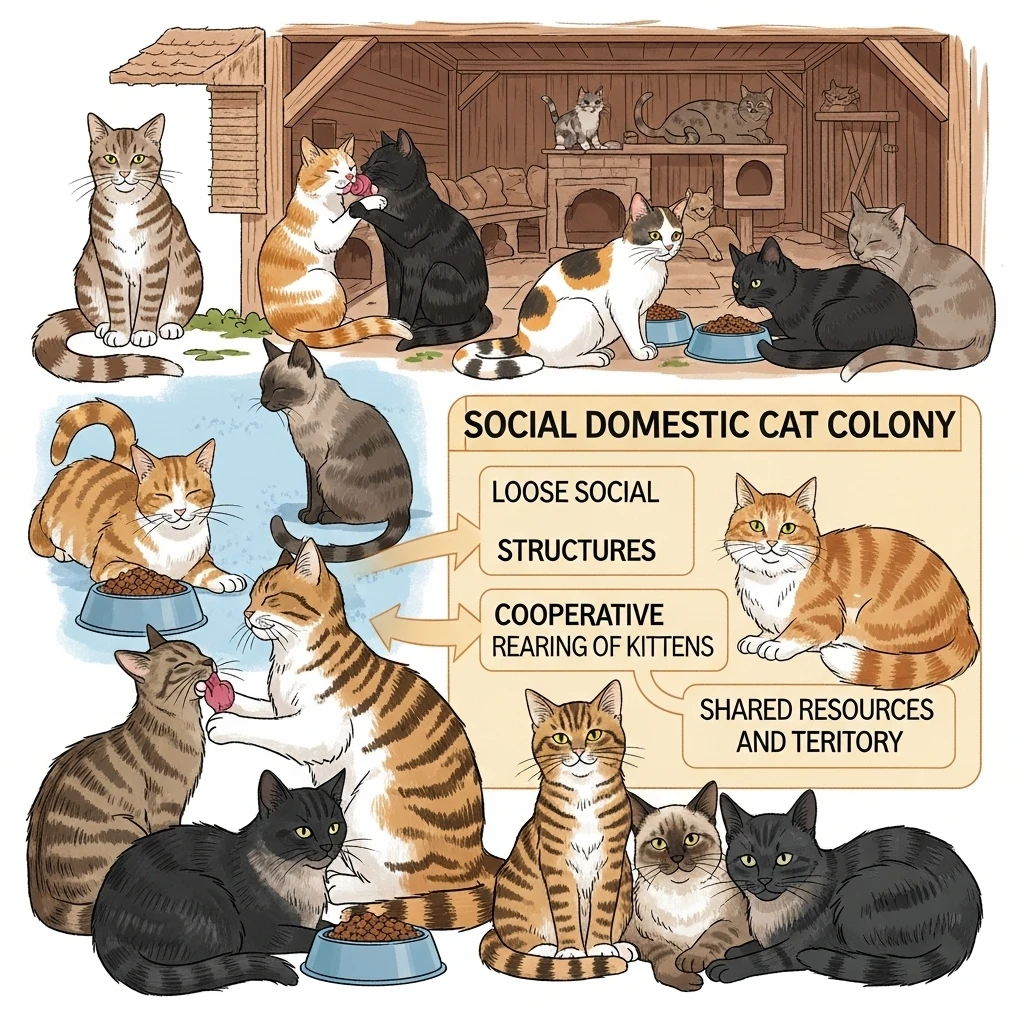
The misconception of cats as purely solitary stems from observing their wild ancestors. Unlike wolves (ancestors of dogs) who hunt in packs, wildcats typically hunt alone. However, this hunting strategy doesn’t equate to complete social isolation. Even feral cats form colonies loose social structures centered around resource-rich areas where they develop complex relationships, share territory, and even groom and rest together.
Domestication has further amplified this social capacity over approximately 10,000 years. Our homes provide abundant, predictable resources, removing the primary driver of solitary competition. In this secure environment, a cat’s social potential can flourish in unexpected directions, including toward non-feline companions.
The Critical Socialization Period: Wiring the Brain for Friendship
The single most influential factor in determining whether a cat will prefer other pets is their experiences during the primary socialization period between 2 and 7 weeks of age. During this neurological “window,” kittens are exceptionally receptive to new experiences, learning what constitutes “safe” and “normal” in their world.
- Kittens raised with other species during this period literally develop neural pathways that associate these animals with positive experiences warmth, play, feeding, and security.
- Missed opportunities aren’t necessarily permanent, but they require more careful, patient introduction processes later in life.
- Positive first impressions matter profoundly, whether during the critical window or during careful adult introductions.
Our guide on cat adoption timelines explores how early life experiences shape behavior, while introducing kittens to cats provides practical strategies for building positive early relationships.
Personality: The Individual Cat Behind the Instincts
While early socialization sets the stage, individual personality determines the performance. Cat temperament exists on spectrums, and certain traits make inter-species friendship more likely.
The Confident Explorer vs. The Timid Observer
Highly confident, curious cats often approach other pets with investigative interest rather than fear. They’re more likely to initiate contact, set boundaries, and develop relationships on their terms. Conversely, timid cats might eventually form bonds with calm, non-threatening pets but require more time and security.
Play Drive and Energy Matching
A highly playful cat might “prefer” a dog who engages in chase games over another cat who dislikes roughhousing. The energy complementarity creates a satisfying dynamic where each pet fulfills the other’s play needs. Learn about managing high-energy cats in our guide on how to calm a hyper cat at night.
Independence Quotient
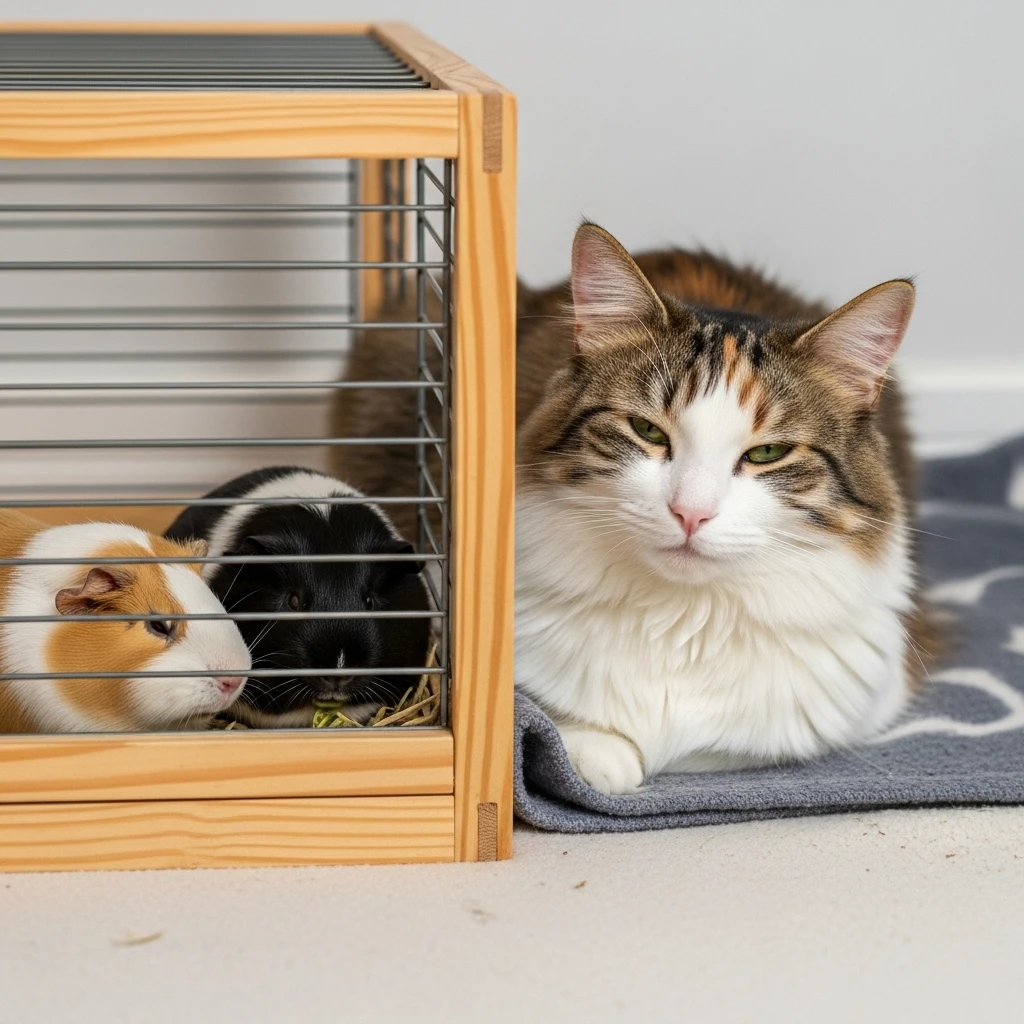
Some cats maintain what behaviorists call “social independence” they enjoy companionship but on very specific terms. These cats might prefer pets who respect their space (like older, calm dogs or caged animals) over pets who demand constant interaction.
Breed Tendencies in Inter-Species Sociability
While personality varies within breeds, genetic selection has created certain predispositions. Understanding these tendencies helps explain why some cats prefer other pets more predictably within certain lineages.
Naturally Sociable Breeds
- Ragdolls: Bred specifically for their docile, trusting nature, Ragdolls often extend their famous “floppy” relaxation around other pets. Their low aggression threshold makes them excellent candidates for multi-species households. Discover more about their temperament in our Ragdoll cat breed guide.
- Maine Coons: These “gentle giants” typically display remarkable tolerance and curiosity toward other animals, likely stemming from their working farm cat heritage where they coexisted with various species.
- Abyssinians: Highly social and active, Abyssinians often seek stimulation from whatever source provides it—including playful dogs or even birds (with proper safety measures).
More Selective Breeds
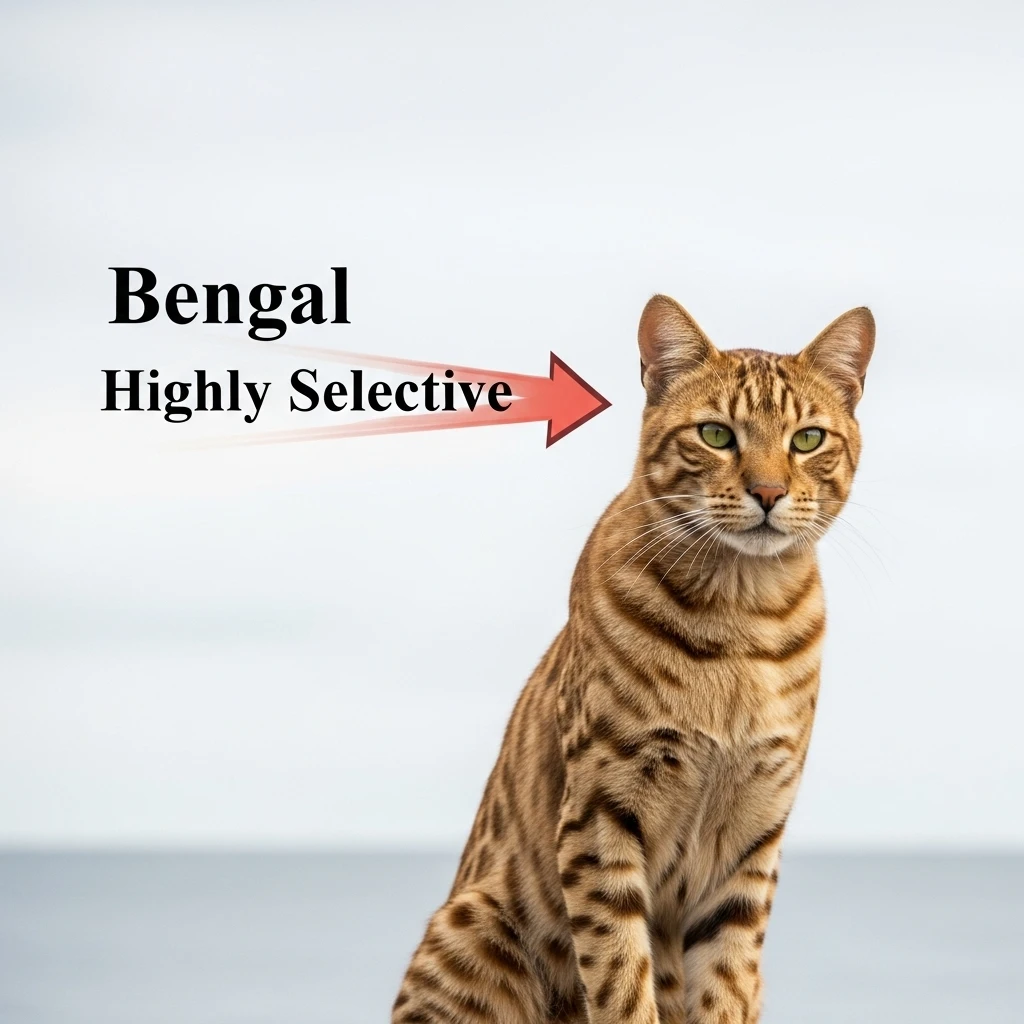
- Bengals: Their high energy and intelligence mean they need specific types of companionship. A Bengal might adore a dog who can match their endurance but ignore a sedentary pet. Learn about their unique needs in our Bengal cat personality guide.
- Siamese: Deeply bonded to their humans, Siamese can be selective about animal companions. They often prefer pets who don’t compete for human attention or who provide specific interactive benefits.
The “Job” Theory: What Other Pets Provide That Cats Don’t
One compelling explanation for why some cats prefer other pets centers on complementary needs fulfillment. Different species provide different forms of interaction that cats might find uniquely satisfying.
Canine Companions: The Playful Protectors
Many cat-dog friendships thrive on complementary play styles:
- Chase games: Dogs who enjoy chasing and cats who enjoy being chased (on their terms) create a perfect play loop.
- Warmth and security: Some cats sleep curled against dogs, benefiting from their warmth and potentially feeling safer from perceived threats.
- Social facilitation: Confident dogs can help timid cats feel more secure exploring new environments.
Our article on Bengal cats and dogs compatibility explores this dynamic specifically, while cat slaps dog humorously addresses the boundary-setting that makes these relationships work.
Small Mammals: Predictable, Non-Threatening Company
Contrary to predatory expectations, many cats form gentle bonds with:
- Rabbits: Their similar quiet natures, crepuscular activity patterns, and grooming behaviors can create peaceful coexistence.
- Guinea pigs and rats: Their consistent presence in safe enclosures provides companionship without competition.
- Ferrets: Similar playful, curious natures can lead to energetic friendships.
Crucial safety note: These relationships require extremely careful supervision, secure habitats, and recognition of individual predatory drives. Never assume a cat’s “friendship” overrides their instincts.
Birds: Fascinating Entertainment
Some cats seem to prefer birds as “television” companions fascinating to watch but safely separated. This satisfies their curiosity and hunting interest without risk. The key is absolutely secure caging and never allowing direct contact.
The Other Cat Factor: Why a Different Species Might Be Preferred
Sometimes, a cat prefers a non-feline pet specifically because of negative experiences with other cats. Resource competition, personality clashes, or poor introductions can make another species feel like a safer companion. Our guide on multi-cat relationships addresses these complex dynamics.
Environmental and Psychological Factors
Beyond personality and early experience, several environmental factors significantly influence whether a cat will seek companionship from other pets.
Resource Security: The Foundation of All Feline Relationships
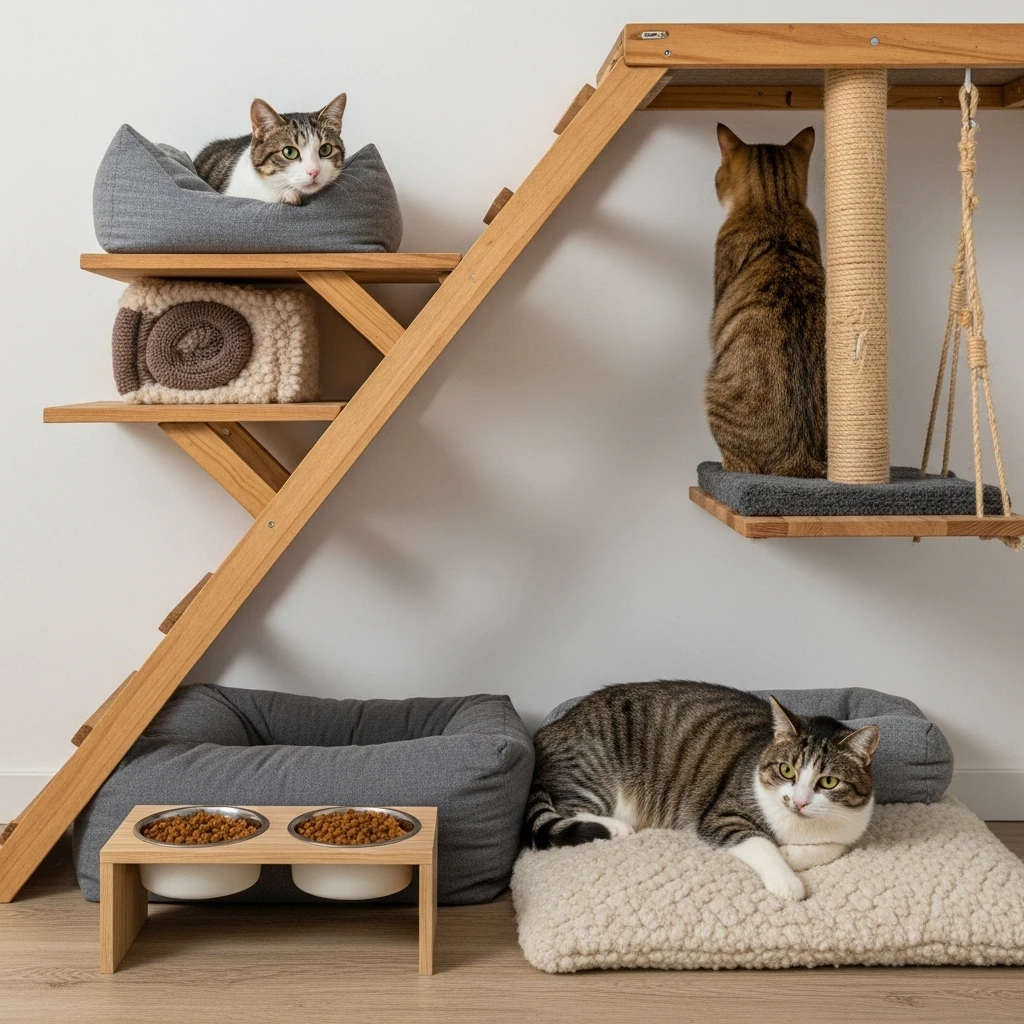
A cat who feels their resources are secure food, water, territory, litter access, and human attention is infinitely more likely to accept another animal as companion rather than competitor. This explains why some cats initially resistant to other pets become affectionate once clear hierarchies and resource access are established.
Boredom and Stimulation Needs
Intelligent, active breeds or individuals left alone for long periods may seek stimulation from whatever source is available. Another pet, even of a different species, provides mental engagement that toys alone cannot match.
Age and Life Stage Considerations
- Kittens are generally more adaptable and curious about other animals.
- Adolescent cats (6-18 months) with high play drives might particularly enjoy energetic canine companions.
- Senior cats often appreciate the calm, warm presence of an older, gentle dog or the quiet companionship of a caged small animal.
Learn about life stage changes in our guide on kitten to adult cat transitions.
Successful Integration: Building Bonds Between Species
If you’re hoping to encourage positive relationships between your cat and other pets, strategic introductions are crucial. Here’s a veterinarian-approved framework:
Phase 1: Scent Preparation (Days 1-3)
Before any visual contact, swap bedding between animals so they become accustomed to each other’s scent. This creates familiarity without threat.
Phase 2: Controlled Visual Access (Days 4-7)
Use baby gates or screen doors to allow seeing without physical access. Feed both animals on opposite sides of the barrier, creating positive associations.
Phase 3: Supervised Interaction (Week 2+)
With leashes, carriers, or enclosures as appropriate, allow brief, supervised meetings. Watch for:
- Positive signs: Curiosity without tension, play bows, relaxed body language.
- Warning signs: Staring, stiff posture, growling, raised hackles.
Phase 4: Gradual Freedom (Weeks 3-4+)
Slowly increase unsupervised time as positive interactions become consistent. Always provide escape routes and high perches for the cat.
Our detailed guide on Munchkin cat introductions offers breed-specific advice, while cat acceptance of kittens provides principles applicable across species.
When Preference Signals Underlying Issues
While many inter-species friendships are healthy, sometimes a cat’s strong preference for another pet over humans or other cats warrants closer attention.
Social Deficits in Human-Cat Bonding
If a cat consistently seeks another animal while avoiding human contact, consider:
- Previous negative experiences with humans that the cat hasn’t generalized to other species.
- Incompatible interaction styles the cat may find the pet’s behavior more predictable than human behavior.
- Understimulation the pet provides interaction when humans aren’t available.
Avoidance of Other Cats
A cat who prefers dogs but avoids cats might have experienced:
- Early negative socialization with cats.
- Traumatic experiences in multi-cat environments.
- Personality mismatches with typical feline social structures.
Frequently Asked Questions About Cats and Other Pets
Q: Can cats really love other pets, or are they just tolerating them?
A: While we can’t attribute human emotions directly, cats demonstrably form attachment bonds with other animals. Signs include seeking proximity, distress upon separation, allogrooming (mutual grooming), and playing together all indicators of genuine social bonds beyond mere tolerance.
Q: My cat seems jealous when I pet the dog. Does this mean they don’t actually like each other?
A: Not necessarily. This often reflects resource competition for your attention rather than dislike of the dog itself. Ensure you give your cat dedicated one-on-one time, and consider feeding or treating both simultaneously to build positive associations with shared attention.
Q: Is it safe to leave my cat alone with our rabbit/bird/small animal?
A: Never leave a predator species unsupervised with potential prey animals, regardless of their apparent friendship. Instincts can trigger in milliseconds. Always ensure secure, escape-proof enclosures for small pets and supervised interaction only.
Q: How can I tell if my cat is stressed by our other pet versus actually enjoying their company?
A: Stress signs include hiding, decreased appetite, overgrooming, avoiding shared spaces, and tense body language (low ears, tucked tail, dilated pupils). Positive signs include relaxed posture, mutual grooming, playing, sleeping near each other, and normal eating and elimination patterns.
Q: Will getting another pet help my lonely cat?
A: It depends entirely on your cat’s personality. Social, confident cats often benefit from companionship, while territorial or anxious cats may become more stressed. Consider fostering first to test compatibility, and ensure proper introduction protocols.
Conclusion: Celebrating Feline Friendship in All Its Forms
The question of why some cats prefer other pets reveals the beautiful complexity of feline social intelligence. Far from the aloof stereotypes, cats are capable of forming meaningful, intentional bonds across species lines when their individual needs, personalities, and histories align with the right companion animal. These relationships remind us that social connection takes countless forms in the animal kingdom not limited by species but enriched by complementary needs, mutual respect, and the security of shared space.
Whether your cat has chosen an unlikely best friend in your dog, finds quiet comfort in the presence of your rabbit, or simply enjoys watching birds from a respectful distance, these cross-species connections speak to the adaptable, social hearts within our feline companions. By understanding the factors behind these preferences from critical socialization windows to individual personality quirks we become better stewards of their emotional worlds, creating homes where all creatures can thrive in unexpected harmony.
Explore more expert insights into cat behavior, care, and the fascinating dynamics of multi-pet households in our comprehensive guides at Cat Bloom Haven. From choosing the right cat breed for your lifestyle to managing feline stress in multi-pet homes, we provide the research-backed guidance you need to nurture every bond in your animal family.
Image Placement Summary for WordPress Implementation:
- After introduction paragraph: Diagram showing evolution of cat social behavior
- After “Personality” section header: Three-photo series of different cat personalities with other pets
- After “Breed Tendencies” section: Sociability comparison chart
- After “Environmental Factors” section: Photo of well-designed multi-pet resource setup
- Consider adding throughout: Additional candid photos of cats interacting positively with various pets (dogs, rabbits, birds in cages) to break up text and provide visual examples of discussed concepts.