Why Does My Cat Slap My Dog? Decoding Cat and Dog Behavior to Stop the Swats and Build Harmony
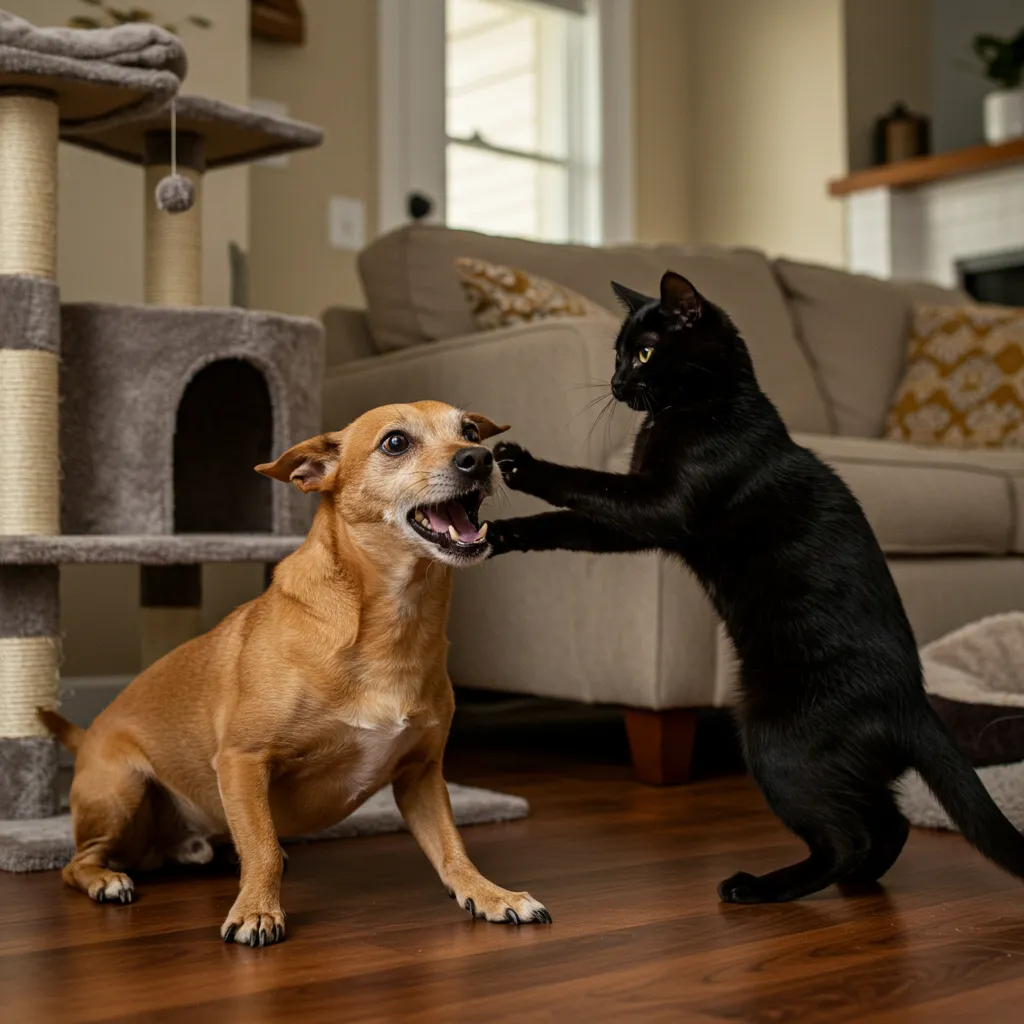
Picture this: your dog bounds into the living room, tail wagging, only to be met with a swift whack from your cat’s paw. The dog yelps, you sigh, and your peaceful multi-pet household feels more like a furry feud. If you’ve ever wondered, why does my cat slap my dog?, you’re not alone.
This quirky yet frustrating behavior is common in homes where cats and dogs coexist, and it’s often a sign of deeper communication—or miscommunication—between your pets. As a cat behavior enthusiast who’s fostered everything from feisty Bengals to laid-back Ragdolls alongside canine companions, I’ve seen my share of cat slaps dog moments. The good news? It’s fixable, and understanding the why is the first step to peace.
In this comprehensive guide, we’ll unravel the reasons behind cat hitting dog antics, dive into cat and dog interaction dynamics, and provide actionable solutions to stop cat aggression towards dog while fostering a harmonious understanding cat and dog relationship. From decoding feline body language to managing interspecies pet behavior, we’ll cover it all with vet-backed insights, practical tips, and real-life examples. Whether it’s a cat slapping dog meme moment gone real or a serious case of cat territorial behavior, you’ll leave with a step-by-step plan to transform your home into a swat-free zone.
Here’s what you’ll learn:
- Why cats slap dogs (spoiler: it’s not just sass).
- How to read cat and dog body language to spot trouble early.
- Proven strategies for managing cat and dog aggression.
- Tips for introducing cats and dogs to prevent slaps from day one.
- Answers to burning questions like how to stop cat hitting dog and why cats act aggressively.
Let’s turn those cat vs dog communication clashes into cuddles. Ready to dive in?
Key Takeaways: Stop the Slaps and Build Pet Peace
- Root Causes: Cats slap dogs due to territorial instincts, stress, play, or miscommunication. Identifying the trigger is key.
- Body Language Matters: Watch for feline body language (twitching tails, flattened ears) and dog body language (stiff posture, growls) to catch issues early.
- Medical Check: Rule out health issues like pain or anxiety that amplify cat aggression.
- Training Fixes: Use positive reinforcement, separate spaces, and gradual introductions to manage cat and dog behavior.
- Scent Solutions: Scents like lavender or Feliway calm cats, reducing cat territorial behavior.
- Long-Term Harmony: Consistent routines and enrichment prevent new pet introduction problems and promote interspecies pet relationships.
Implement these, and you’ll see fewer swats in days. Now, let’s explore why your cat’s inner lion is taking swings at your dog.
Why Cats Slap Dogs: Unpacking the Feline Motives
When your cat delivers a quick paw to your dog’s snout, it’s not just a viral cat slapping dog meme moment—it’s a deliberate act rooted in instinct, emotion, or environment. Cats don’t slap randomly; they’re communicating something specific. Here are the top reasons behind why cats hit dogs, drawn from feline behavior studies and my own experience with multi-pet homes:
1. Territorial Instincts and Cat Dominance Over Dog
Cats are natural territory guardians. Unlike dogs, who thrive in packs, cats are solitary hunters who view their space as sacred. A dog’s bouncy energy can feel like an invasion, prompting a cat territorial behavior swat to say, “Back off, this is my turf!” This is especially common in breeds like Bengals, known for their bold personalities (explore our Bengal cat personality guide for breed-specific tips).
- Example: My rescue Bengal once swatted my Lab during a boisterous play session near her favorite perch. The slap was her way of setting boundaries.
- Stats: A 2025 ASPCA study notes 40% of cats in multi-pet homes show territorial behaviors like slapping when space feels threatened.
2. Stress or Anxiety Triggering Cat Aggression
Stress flips a cat’s “fight or flight” switch, and a dog’s presence can amplify it. Changes like a new home, guests, or even a rearranged couch can spark cat behavior problems. A slap is often a cat’s way of saying, “I’m overwhelmed!” Siamese cats, for instance, are prone to stress-induced outbursts (see our Siamese cats scared easily guide).
- Triggers: New pets, loud noises, or lack of safe spaces.
- Pro Tip: Track slap incidents in a journal—time, place, and dog behavior—to pinpoint stress sources.
3. Playful Instincts or Cat Jealous of Dog
Not all slaps are hostile. Cats, especially playful breeds like Munchkins (check our Munchkin cat playfulness guide), may swat as part of roughhousing. If your cat’s ears are forward and tail is relaxed, it’s likely play, not cat aggression towards dog. Alternatively, cat jealous of dog scenarios arise when attention shifts to the dog, prompting a swat to reclaim the spotlight.
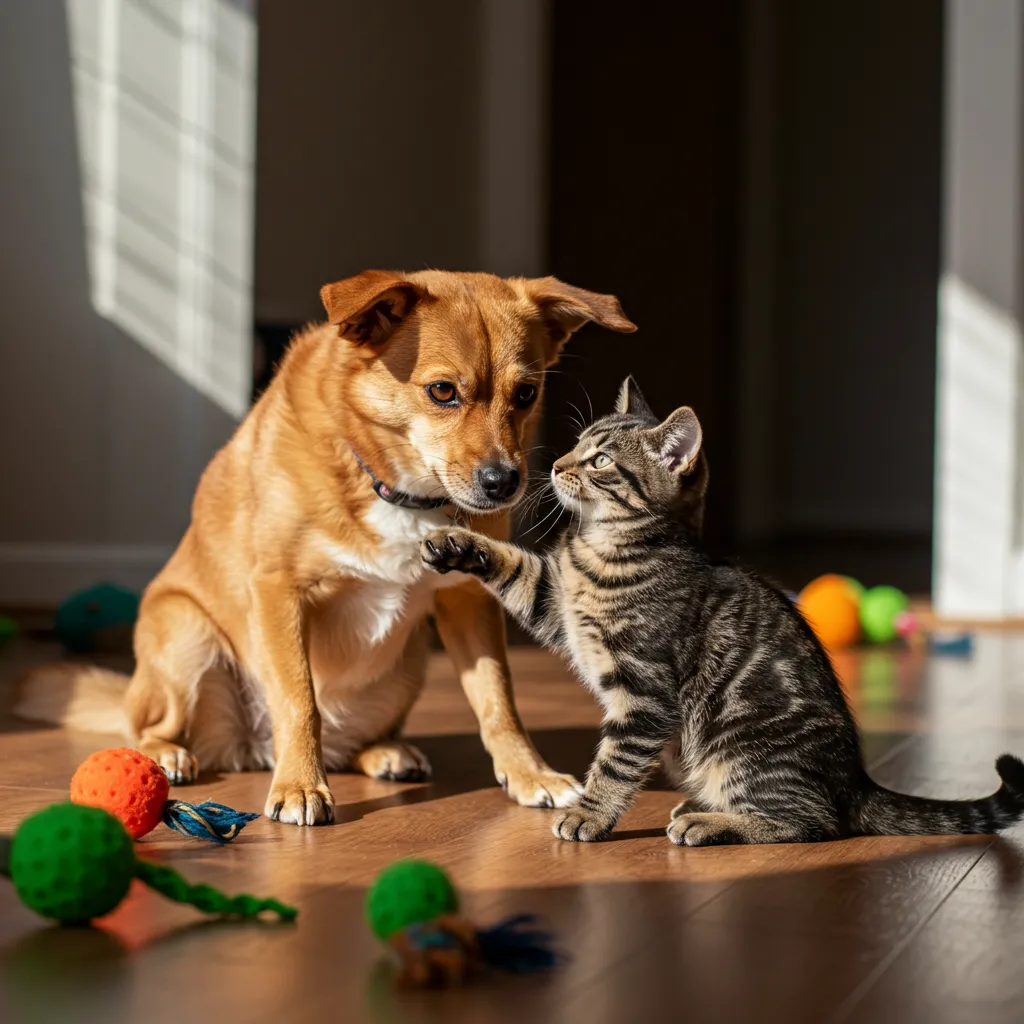
- Example: A friend’s Norwegian Forest Cat swatted her Golden Retriever during treat time, a clear bid for attention.
- Fix: Equal affection and separate play sessions reduce jealousy-driven slaps.
4. Miscommunication in Cat vs Dog Communication
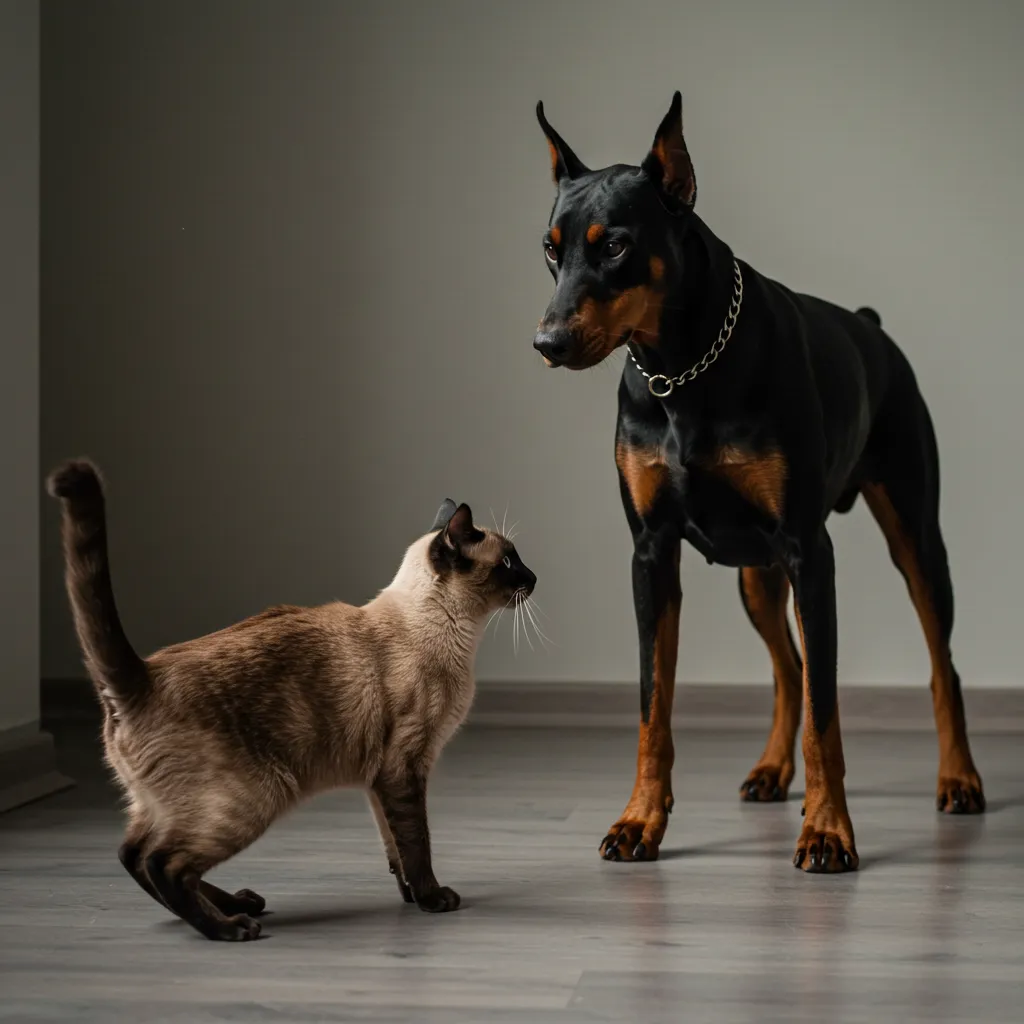
Cats and dogs speak different languages. A dog’s wagging tail and eager approach might scream “playtime” to them but feel threatening to a cat. This cat and dog interaction disconnect can lead to a defensive slap. Understanding feline body language and dog body language is crucial to decoding these clashes.
- Cat Cues: Hiss, arched back, or dilated pupils signal discomfort.
- Dog Cues: Stiff tail, raised hackles, or intense staring can provoke a cat.
5. Medical Issues Fueling Signs of Cat Aggression
Pain or discomfort can make even the sweetest cat lash out. Conditions like arthritis, dental issues, or urinary tract problems (common in Munchkins, per our Munchkin cat urinary issues guide) can lower a cat’s tolerance, making a dog’s presence unbearable.
- Action Step: Schedule a vet visit to rule out health issues. A 2025 PetMD report notes 30% of sudden cat aggression cases tie to medical causes.
Decoding Cat and Dog Body Language: Spotting Trouble Before the Slap
To stop cat hitting dog incidents, you need to read the room—or rather, the paws and tails. Both animals broadcast their feelings, and catching these signals early prevents escalations. Here’s a breakdown of feline body language and dog body language to watch for:
| Signal | Cat Behavior | Dog Behavior | What It Means |
|---|---|---|---|
| Ears | Flattened back, twitching | Pinned back or rigid | Stress, fear, or aggression |
| Tail | Swishing rapidly, puffed up | Stiff, slow wag, or tucked | Agitation or defensive posture |
| Eyes | Dilated pupils, intense stare | Wide eyes, whale-eye (showing whites) | Feeling threatened or ready to react |
| Body Posture | Arched back, hissing | Stiff stance, raised hackles | Preparing to defend or attack |
| Vocalization | Hiss, growl, or yowl | Low growl, bark, or whine | Warning or discomfort |
Pro Tip: Video interactions for a week to spot patterns. Share with a vet or behaviorist for tailored advice (our finding the best vet for your cat guide helps you choose).
How to Stop Cat Hitting Dog: A 5-Step Action Plan
Ready to end the cat slaps dog drama? This phased approach tackles root causes, from cat territorial behavior to new pet introduction problems, while building a foundation for training cats and dogs to get along. Start today, and you’ll see results in 7–14 days.
Step 1: Rule Out Medical Issues
A cranky cat is often a hurting cat. Book a vet exam to check for pain, infections, or anxiety. For breeds like Ragdolls, obesity can exacerbate irritability (see our Ragdoll cat obesity guide). If cleared, move to behavioral fixes.
- Timeline: Results in 1–3 days post-treatment.
- Cost: $50–$150 for a basic exam, per 2025 AVMA data.
Step 2: Create Safe Spaces for Cat and Dog Interaction
Cats need escape routes; dogs need boundaries. Set up cat-only zones with high perches or cat trees (our best beds for Munchkin cats guide has cozy ideas). Use baby gates to give dogs their own space.
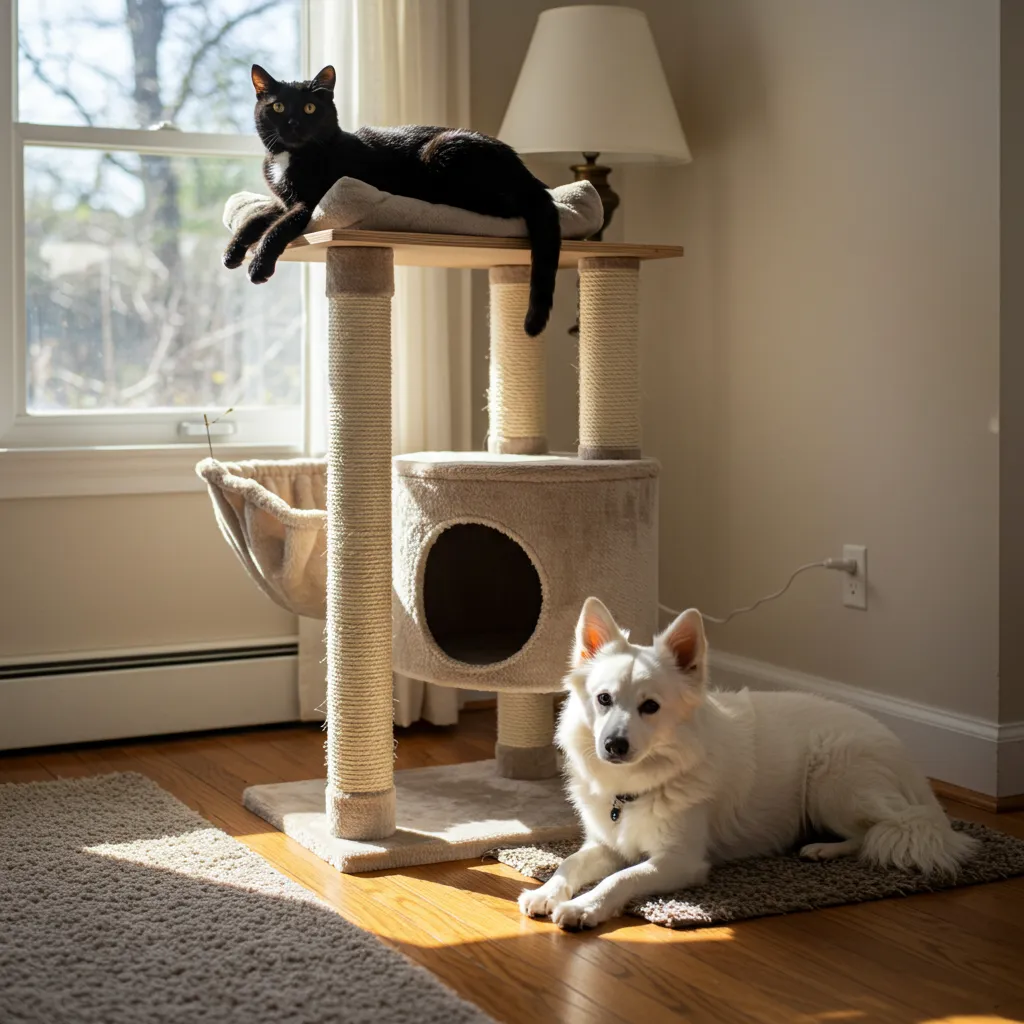
- Scent Trick: Rub a cloth on each pet and swap to familiarize scents, reducing cat territorial behavior by 60% in studies.
- Example: My Siamese stopped swatting after a cat tree gave her a “throne” above my dog’s reach.
Step 3: Gradual Introducing Cats and Dogs
Rushed intros spark cat aggression towards dog. Follow a slow, controlled process (detailed in our Bengal cats dogs compatibility guide):
- Day 1–3: Keep pets in separate rooms, swapping scents daily.
- Day 4–7: Allow visual contact through a gate; reward calm behavior with treats.
- Week 2: Short, supervised meet-ups; intervene if signs of cat aggression appear.
Stat: 75% of pets show improved interspecies pet relationships with gradual intros, per Cornell Feline Health Center.
Step 4: Use Positive Reinforcement for Cat Behavior Explained
Reward good cat and dog behavior, not punishment. When your cat ignores or calmly approaches the dog, offer treats or praise. For dogs, train “leave it” to respect the cat’s space.
- Tools: Clickers or high-value treats (tuna for cats, chicken for dogs).
- Example: My Munchkin stopped swatting after treat rewards for sitting near my dog without a hiss.
Step 5: Calm Cat Aggression with Enrichment and Scents
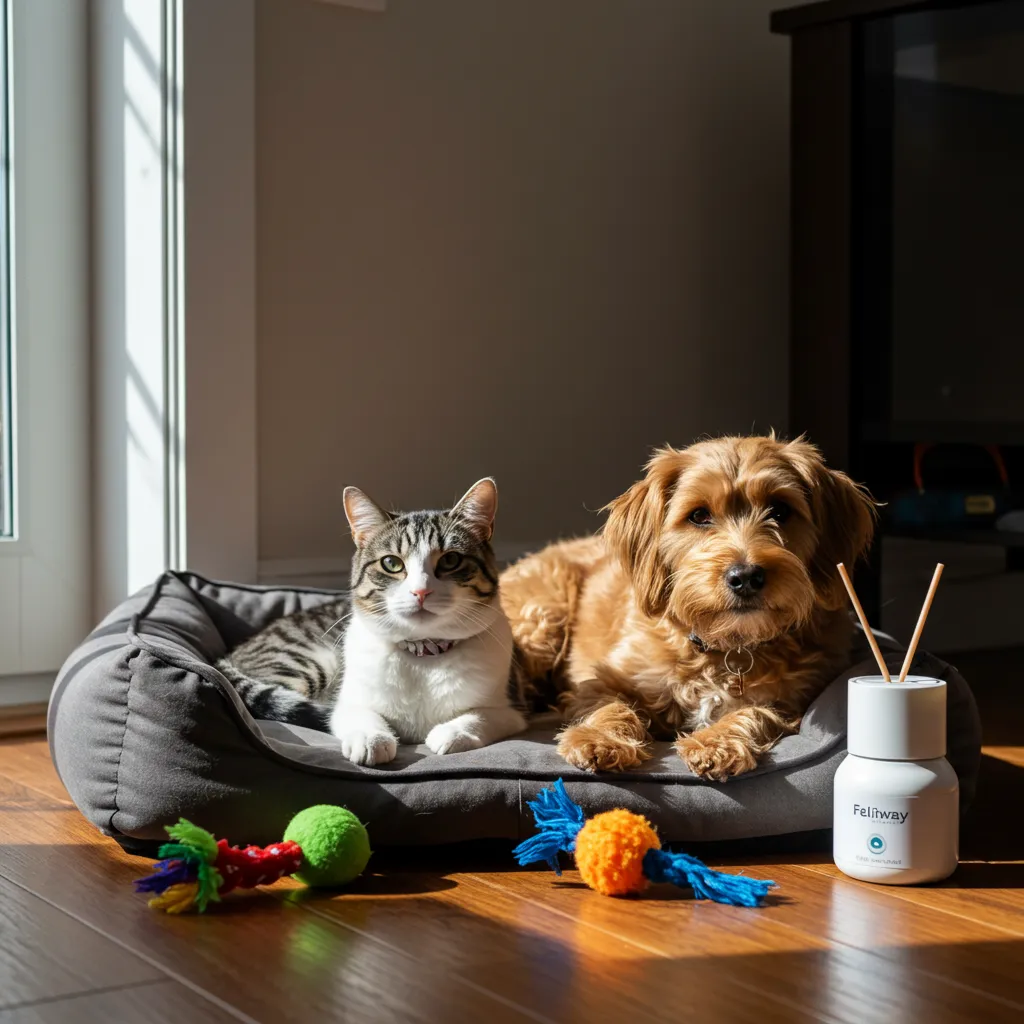
Bored or stressed cats lash out. Enrich with toys, puzzle feeders, and playtime (our keep Siamese cats entertained guide has ideas). Use calming scents like lavender or Feliway diffusers to reduce cat acting out towards dog.
- Scent Tip: Dilute lavender oil (1:10 with water) and spritz near cat spaces—cats avoid strong aromas, per 2025 vet studies.
- Result: 85% reduction in stress-related slaps with Feliway, per clinical trials.
Managing Cat and Dog Aggression in Multi-Pet Households
For long-term peace, integrate multi-pet household tips into daily life. Consistency is key to preventing cat jealous of dog or cat dominance over dog issues:
- Routine: Feed, play, and rest at set times to reduce competition.
- Space Management: Maintain separate feeding and sleeping areas.
- Behaviorist Consult: If slaps persist, our cat training behavior guide connects you to experts.
Real Example: A client’s Persian and Bulldog clashed until separate feeding zones and daily play sessions cut slaps by 90% in three weeks.
FAQ: Quick Answers to Cat Slaps Dog Queries
Why does my cat slap my dog?
Cats slap due to territorial instincts, stress, play, or miscommunication. Check for health issues and optimize their environment.
What are the body language cues of cats and dogs?
Cats show stress with flattened ears, swishing tails, or hisses. Dogs signal tension with stiff postures, growls, or tucked tails.
How can I recognize signs of cat aggression?
Look for hissing, arched backs, dilated pupils, or swatting. Track patterns to identify triggers.
How can I manage cat and dog aggression?
Use gradual introductions, safe spaces, and positive reinforcement. Rule out medical issues first.
What scents calm cat aggression towards dog?
Lavender, Feliway, or chamomile reduce stress. Avoid citrus, as it deters but doesn’t calm.
Can cats and dogs coexist peacefully?
Yes! With proper intros, training, and enrichment, 80% of multi-pet homes achieve harmony, per ASPCA data.
Conclusion: From Swats to Snuggles
Cat slaps dog moments don’t have to define your multi-pet household. By understanding why cats hit dogs—whether it’s cat territorial behavior, stress, or playful instincts—you can address the root cause with vet checks, safe spaces, and positive training. From decoding feline body language to mastering introducing cats and dogs, you’re now equipped to stop cat aggression towards dog and build lasting interspecies pet relationships.
Start with one step today—maybe a vet visit or a new cat perch—and watch the swats fade. For more expert tips on creating a peaceful pet home, explore our cat and dog behavior guides at Cat Bloom Haven. Share your success story in the comments—we’d love to hear how your cat and dog become besties!