Decoding Feline Affection: A Scientific Guide to How Cats Show Trust and Attachment
For cat owners, the subtle language of feline affection can sometimes feel like a beautiful, frustrating mystery. Unlike dogs, whose affection is often loud and demonstrative, cats communicate trust and attachment through a nuanced blend of body language, behavior, and vocalizations rooted in their biology and social evolution.
Understanding these signals from the meaning of the slow blink to the vulnerability of sleeping near you transforms our relationship with them, moving us from confusion to a deep, shared understanding. This guide decodes the science and behavior behind your cat’s unique expressions of love, helping you recognize and nurture the cat-human bonding that is both possible and profoundly rewarding.
Key Takeaways: How to Read Your Cat’s Trust Signals
- The Eyes Have It: A slow blink is a powerful “cat kiss,” indicating trust and contentment. You can reciprocate to strengthen your bond.
- Vulnerability as a Compliment: When a cat shows its belly or chooses to sleep on or near you, it signals ultimate trust, as they are at their most defenseless.
- Social Grooming is Family Behavior: Grooming you or allowing you to groom them is a social behavior reserved for family members, showing they see you as part of their inner circle.
- Scent is Their Signature: Head-butting (bunting) and rubbing aren’t just for attention; they mark you with their scent from facial glands, claiming you as safe and familiar.
- Trust is Built on Respect: Forcing interaction breaks trust. Letting your cat initiate contact, respecting their boundaries, and maintaining a predictable routine are the cornerstones of a secure relationship.
The Science of Feline Bonds: Do Cats Really Get Attached?
The age-old debate about whether cats are aloof or affectionate has a scientific answer. Research, including a pivotal study published in Current Biology, has found that cats form attachment bonds with their human caregivers in a manner similar to dogs and even human infants. In controlled “secure base” tests, the majority of cats around 60% exhibited a secure attachment style. They used their owner as a comforting presence to confidently explore a new environment and sought comfort from them when stressed.
While some studies note that a well-socialized cat may be friendly to strangers, a distinct pattern emerges with their primary human. A cat that follows you from room to room, greets you at the door, or hides behind you when scared is demonstrating that it sees you as its secure base. This bond is influenced by positive handling in kittenhood and is a genuine emotional attachment, dispelling the myth of the detached cat.
The Top Behaviors: How Cats Communicate Trust and Love
Cats have a rich vocabulary of trust. Here are the most significant behaviors and what they truly mean.
1. The Slow Blink: The “Cat Kiss”
Perhaps the most cherished feline gesture, the slow blink is a direct sign of trust and affection. In cat language, closing one’s eyes in the presence of another is the ultimate sign of being comfortable and defenseless. Researchers have compared it to a human smile. When your cat looks at you with relaxed, half-closed eyes and a deliberate, slow blink, they are essentially saying, “I feel safe with you.”
- How to Respond: You can actively participate in this bonding ritual. When your cat is relaxed, catch their gaze and slowly close your eyes for a second or two, then open them gently. Often, they will slow blink back. This shared, non-threatening communication is a profound way to build trust.
2. Bunting: The Scent of Belonging
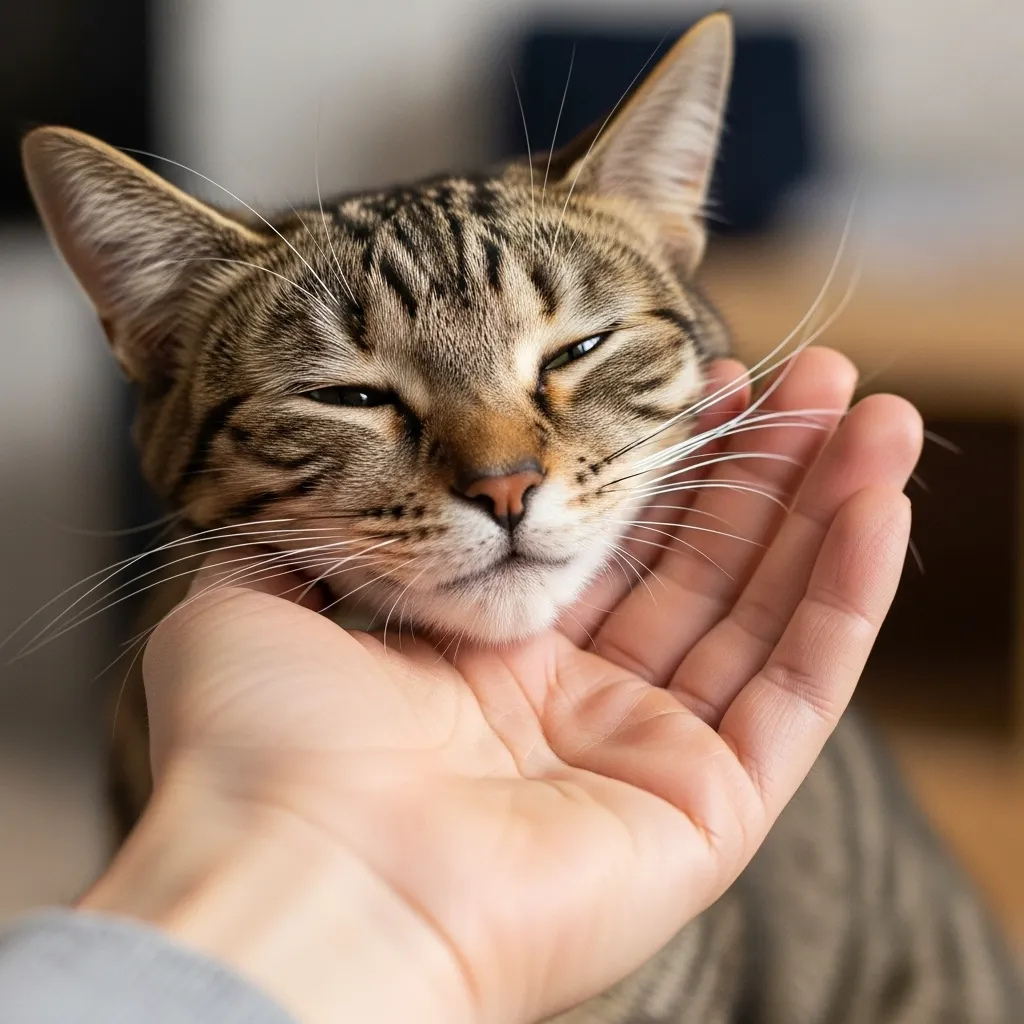
When your cat bumps its head or rubs its cheeks against you, it’s engaging in “bunting.” This isn’t just a request for pets. Cats have scent glands on their forehead, cheeks, and chin. By rubbing on you, they deposit their pheromones, marking you as familiar, safe, and part of their family group a behavior they share with their closest feline companions. It’s their way of creating a communal scent and saying, “You are mine.”
3. Kneading: A Throwback to Kittenhood
The rhythmic pushing of paws against a soft surface your lap, a blanket is known as kneading. This behavior begins in kittenhood, used to stimulate a mother’s milk flow. In adulthood, it persists as a sign of ultimate contentment, comfort, and security. The action releases endorphins, helping your cat relax. If your cat is purring and kneading on you, they are in a state of pure, trusting bliss, associating you with the comfort of their earliest days.
4. Gift-Giving: A Hunter’s Pride
While finding a toy (or less welcome prey) at your feet can be startling, understand it as a high compliment. Cats are natural hunters, and in colonies, they sometimes share food. By bringing you their “catch,” your cat is expressing care, sharing resources, and perhaps even trying to teach you, their beloved but seemingly inept family member, how to hunt. Reacting with disgust can confuse and hurt them. A calm cleanup and a quiet “thank you” acknowledges their instinctual gesture of loyalty and affection.
5. Grooming and Allogrooming
Social grooming (allogrooming) is a major bonding activity in cat colonies, reserved for family and close friends. If your cat licks your hand, hair, or even your face, they are including you in this social ritual. It’s a sign of deep comfort and acceptance, treating you as one of their own. Similarly, a cat that allows you to brush or groom them is demonstrating significant trust, as grooming requires them to be in a vulnerable, relaxed state.
Body Language: The Silent Signals of Trust
A cat’s entire body speaks volumes about their emotional state.
- The Belly Display: Exposing the belly is a major sign of trust. The abdomen is a vulnerable area, and showing it means your cat feels no threat in your presence. Crucial Note: This is often a display of trust, not an invitation for a belly rub. Many cats instinctively protect this area. Proceed with caution and respect their body language.
- Tail Talk: A tail held high with a slight curve at the tip is a classic friendly greeting, signaling happiness and confidence. Some cats will even wrap their tail around your leg or arm, akin to a human hug. A quivering or “rattling” tail when they see you is an excited, affectionate greeting.
- Sleeping Positions: Cats only sleep soundly where they feel absolutely secure. Choosing to sleep on your lap, pressed against you, or even on your pillow is one of the strongest indicators of deep trust. They are entrusting you with their protection during their most defenseless moments.
- The “Loaf” and Relaxed Posture: A cat sitting in a relaxed loaf position, with ears forward, whiskers relaxed, and muscles soft, is a cat completely at ease in your company. This calm, everyday posture is a steady hum of trust and contentment.
Building and Nurturing Trust: How to Be Your Cat’s Secure Base
Trust is not demanded; it is earned. Here are expert-backed strategies for strengthening your bond, as outlined by certified cat behavior consultants.
- Let the Cat Set the Pace: Never force interaction. Allow your cat to approach you first. Extend a finger for them to sniff as a non-threatening greeting, and let them decide if they want pets.
- Respect All Boundaries: If your cat moves away, flattens its ears, or switches its tail, stop what you’re doing. Forcing attention teaches them that you are unpredictable and disrespectful of their communication.
- Prioritize Predictability and Positivity: Cats thrive on routine. Consistent feeding, play, and quiet times create a secure environment. Never use punishment like spray bottles or yelling; these destroy trust and create fear. Instead, use positive reinforcement with treats and praise.
- Engage in Daily, Interactive Play: Play simulates hunting and is a critical outlet for energy and stress. Using wand toys to let your cat stalk, chase, and “capture” prey builds confidence and creates positive associations with you. For more ideas, you can explore our guide on how to keep cats entertained, which offers breed-specific play tips.
- Handle with Care for Necessities: Trust is truly tested during nail trims, carrier loading, or medication. Take time to acclimate your cat gently to these processes. Use treats, go slowly, and stay calm. A cat that tolerates necessary care from you but not from others is showing a profound level of trust.
Frequently Asked Questions
What does it mean when my cat follows me everywhere?
Following behavior is a strong sign of attachment. Your cat likely enjoys your companionship, sees you as a source of security, and is curious about your activities. It can also be a learned behavior if following you often leads to treats or play. Ensure your cat has enough enrichment; if the following seems clingy or anxious, consult a vet to rule out underlying issues.
Why does my cat headbutt me and then bite?
This sequence can be confusing. The headbutt (bunting) is affectionate marking. The bite that follows is often a form of overstimulation or communication that they’ve had enough petting. Pay close attention to earlier signals you might have missed, like skin twitching, tail swishing, or ears turning back. It’s their way of saying the interaction is over.
My cat shows its belly but attacks when I pet it. Does it not trust me?
Quite the opposite. Showing the belly is a sign of trust, but it is typically not a request for a belly rub. In cat body language, exposing the belly can be a defensive posture that gives them all four paws free to grapple. They are showing they feel safe enough to relax in that vulnerable position, not necessarily inviting touch there. Stick to petting the head, chin, and cheeks, which most cats prefer.
How can I tell if my new cat is starting to trust me?
Look for small milestones: relaxing their body posture in your presence, playing with toys near you, engaging in slow blinking, and gradually decreasing the distance at which they feel comfortable. Sleeping in the same room as you is a huge early step. Trust builds slowly; celebrate the subtle progress.
Understanding the subtle and profound ways cats show trust and attachment allows us to appreciate them for the unique companions they are. By learning their language and respecting their nature, we build bonds of mutual trust that are deep, rewarding, and unmistakably real.
For more insights into feline behavior and strengthening your lifelong friendship, explore our other expert guides on cat behavior and communication at Cat Bloom Haven.