Why Do Cat Scratches Burn So Much? The Real Reason + How to Treat Them Fast and Properly
You know the scene. Your cat gets a little too excited during playtime, swipes across your hand, and suddenly it feels like someone dragged a hot match across your skin. That sharp, fiery sting is unmistakable. If you’ve ever wondered “why do cat scratches burn” or typed “cat scratches burn” into Google at 2 a.m. while holding your arm under cold water, you’re not alone. Thousands search the exact same thing every month.
Here’s the truth most articles gloss over: cat scratches burn and sting because cat claws are designed like tiny, curved hypodermic needles loaded with everyday bacteria that love warm human skin. The pain isn’t just from the cut itself; it’s your body sounding the alarm that something irritating just got pushed deep under the surface.
In this guide, we’ll break down exactly why cat scratches hurt worse than they look, how to treat cat scratches properly (so you avoid the dreaded red streak or swollen finger), and what to do if things start looking infected. You’ll walk away knowing exactly how to handle cat scratch care like a pro.
Quick Summary
- Cat scratches burn because claws deposit bacteria (especially Pasteurella multocida and Bartonella henselae) deep into the skin, triggering instant inflammation.
- Most scratches heal in 3–7 days with proper cleaning.
- Warning signs of infection: increasing redness after 48 hours, pus, red streaking, fever, swollen lymph nodes.
- Always clean immediately with soap and running water for at least 60 seconds.
- See a doctor if you have diabetes, weakened immune system, or the scratch is on your face/hand.
Now let’s go deeper.
Why Cat Scratches Hurt and Burn More Than You Expect
1. Cat Claw Anatomy: Nature’s Perfect Dirty Dagger
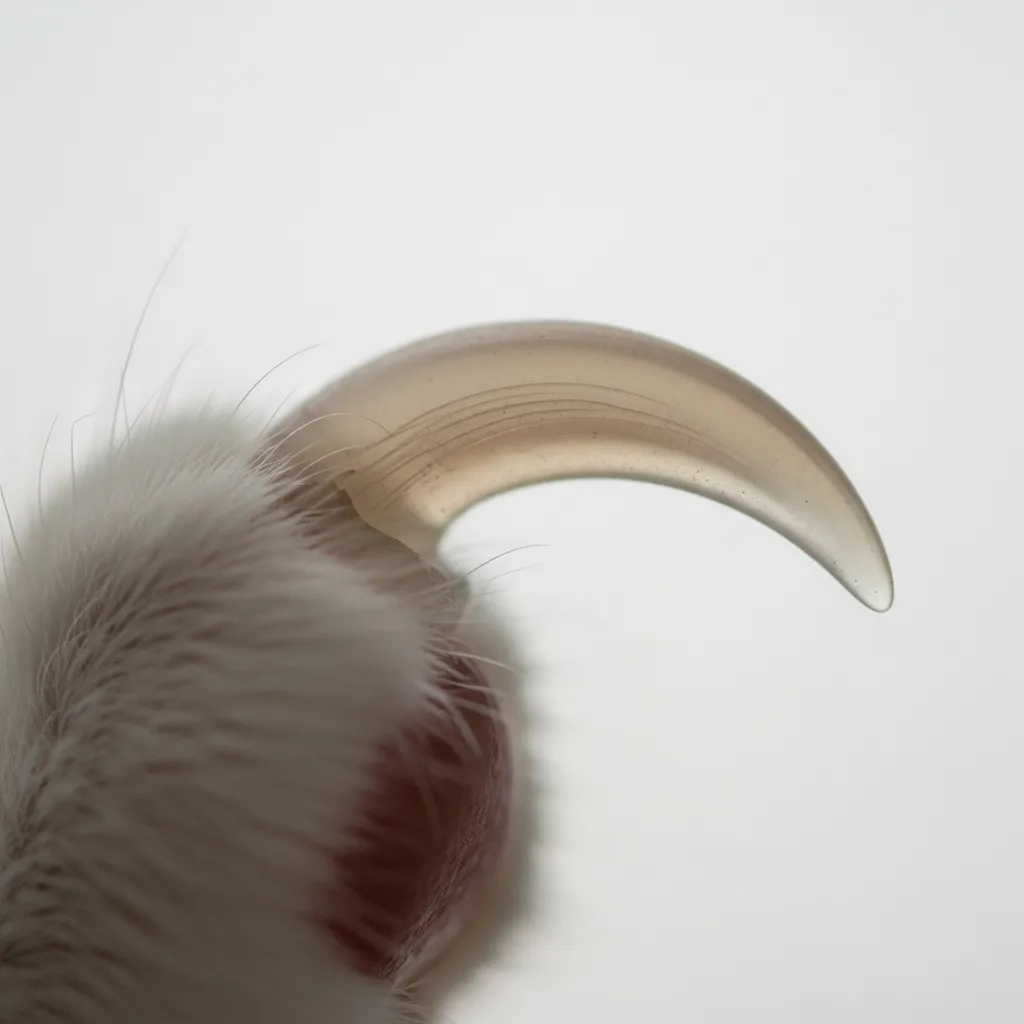
A cat’s claw isn’t a smooth blade. It’s sharp, curved, and slightly hollow on the underside, almost like a falcon’s talon. When it rakes across skin, it doesn’t just slice; it scoops and injects whatever is living on the claw straight into the wound.
2. The Bacteria Cocktail Living on Every Cat Claw
Even the cleanest indoor cat has bacteria under their claws. The big offenders:
- Pasteurella multocida – causes rapid swelling and that classic burning sensation within hours.
- Bartonella henselae – the bacteria behind cat scratch fever (yes, it’s real).
- Staphylococcus and Streptococcus species – the usual skin-infection suspects.
These bacteria get trapped under your skin, and your immune system responds with inflammation, heat, and that intense sting.
3. Why Cat Scratches Often Hurt Worse Than Dog Scratches
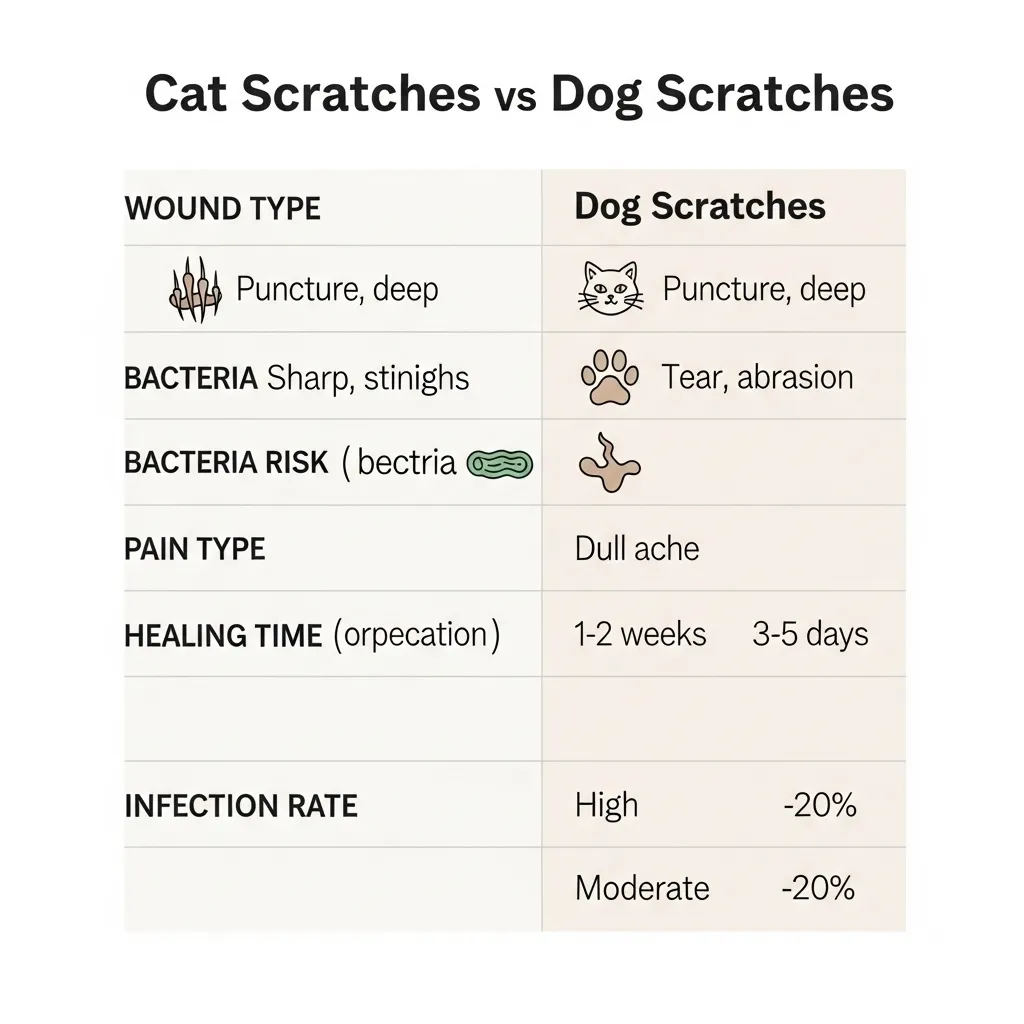
Dog bites crush. Cat scratches slice and inoculate. A dog’s teeth are cleaner relative to surface area, and the wounds are usually wider and easier to flush. Cat scratches are narrow, deep punctures that seal over quickly, trapping bacteria inside.
Step-by-Step: How to Treat Cat Scratches the Right Way (First Aid That Actually Works)
Do this the moment it happens – speed is everything.
- Stay calm and separate yourself from the cat (easier said than done when they’re still zooming).
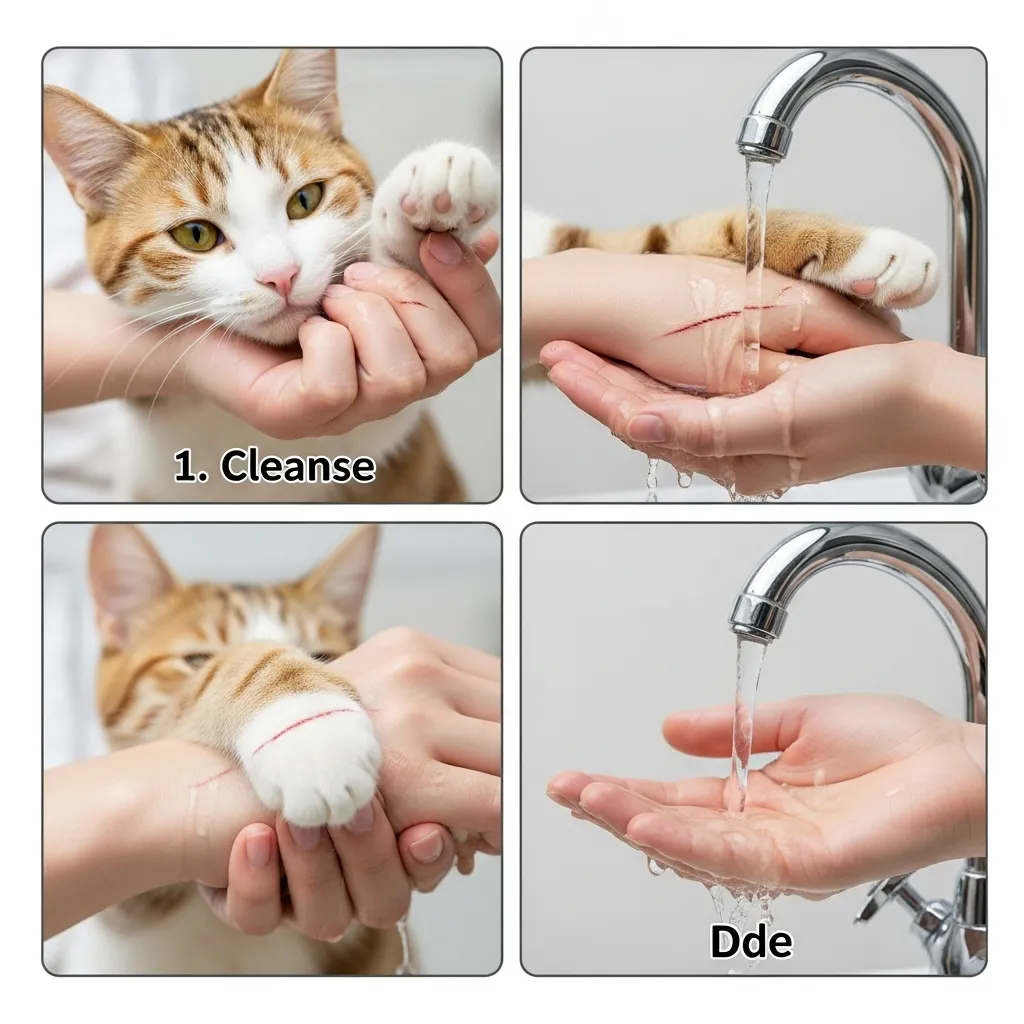
- Rinse under cool running water for a full minute. Don’t just splash – hold the wound directly under the tap.
- Wash gently but thoroughly with mild soap for at least 60 seconds. Avoid hydrogen peroxide or alcohol; they damage tissue and slow healing.
- Pat dry with a clean towel.
- Apply a thin layer of over-the-counter antibiotic ointment (bacitracin or polysporin).
- Cover with a breathable bandage for the first 24 hours, then let it air out.
- Elevate if it’s on your hand or arm – reduces throbbing.
Cat Scratch Home Remedies That Actually Work (And Ones to Skip)
Works well:
- Manuka honey (medical grade UMF 10+) – natural antibacterial.
- Cool compresses wrapped in a clean cloth – reduces burning sensation fast.
- Aloe vera gel (pure) – soothing and anti-inflammatory.
- Elevating the limb and taking ibuprofen if swelling is bad.
Skip:
- Rubbing alcohol (delays healing).
- Hydrogen peroxide (kills healthy cells).
- Putting butter or toothpaste on it (please don’t).
When Is a Cat Scratch Actually Serious? Red Flags You Can’t Ignore
Most scratches are fine, but go to urgent care or your doctor if you notice:
- Red streak traveling up your arm or leg (lymphangitis).
- Fever above 100.4°F (38°C).
- Swollen lymph nodes (especially armpit or groin).
- Wound becomes increasingly painful after 48 hours.
- Pus or cloudy fluid.
- You’re immunocompromised, diabetic, or on steroids.
Cat scratch fever (Bartonella) happens in about 40% of people who get deeply scratched by a cat carrying the bacteria. It’s rarely life-threatening but can make you feel like you have the flu for weeks.
Cat Scratch Infection Signs vs Normal Healing (Day-by-Day Timeline)
| Day | Normal Healing | Infection Warning Signs |
|---|---|---|
| 0–1 | Red, stings, mild swelling | Excessive swelling, heat, throbbing |
| 2–3 | Itchier, slight crust forming | Redness spreading, pus, fever |
| 4–7 | Crust falls off, pink new skin | Wound re-opens, red streaking |

How to Stop Your Cat From Scratching You in the First Place
Prevention beats treatment every time.
- Trim nails every 10–14 days. See our guide on trimming Siamese cat nails safely.
- Provide multiple scratching surfaces (vertical + horizontal). Cats need to scratch; redirect, don’t punish.
- Use soft plastic nail caps (Soft Paws) if play aggression is an issue.
- Never use your hands as toys. Wands and kick toys only.
- Recognize over-stimulation signs: tail lashing, ears back, skin rippling.
Check out our full guide on stopping cats scratching furniture for more detailed training tips.
Why Some People Are Extra Sensitive to Cat Scratches
Ever notice the same scratch barely bothers your partner but sets your skin on fire? Differences in skin pH, immune response, and even stress levels play a role. People with eczema or very dry skin often react more dramatically.
Flea Connection: Why Flea-Infested Cats Scratch Humans More (And Hurt Worse)
Cats with fleas scratch themselves constantly, packing more debris and bacteria under their claws. If your cat has fleas, treat them immediately – the scratches will calm down once they stop itching.
Cat Scratch Prevention for Families with Kids
Kids get scratched the most because they don’t read cat body language. Teach them the “three-second rule”: pet for three seconds, then pause and see if the cat leans in for more. No belly rubs, no grabbing tails.
FAQ Most Searched Questions About Burning Cat Scratches
Why do cat scratches burn and sting so bad right away?
The claw pushes bacteria deep into the dermis, triggering instant histamine release and inflammation.
How long do cat scratches take to stop burning?
Most stop burning within 24–48 hours if cleaned well. Persistent burning after three days is a red flag.
Is it normal for a cat scratch to be red and swollen?
Mild redness and swelling for 1–2 days is normal. Worsening after that needs attention.
Can I just use Neosporin and call it a day?
Cleaning thoroughly is more important than the ointment. Neosporin helps, but soap and water first.
Do all cat scratches carry cat scratch fever?
No. Only about 40% of cats carry Bartonella, and even then transmission isn’t guaranteed.
When should I take antibiotics for a cat scratch?
Only if prescribed. Doctors usually wait for clear signs of infection unless you’re high-risk.
Final Thoughts
Cat scratches burn because evolution made cats perfect little bacteria delivery systems. Treat them seriously from minute one, watch for warning signs, and you’ll be fine 99% of the time. The other 1%? That’s why urgent care exists.
Want to keep both you and your cat happy (and claw-free)? Explore more expert cat behavior and health guides right here on Cat Bloom Haven:
- Stop cats scratching furniture (and people)
Your skin will thank you.
Stay safe, keep petting (wisely), and we’ll see you in the next guide. 🐾