How to Remove Cat Litter Smell from Your Room: A Comprehensive Guide to a Fresher Home
Cat litter odor is a common frustration for cat owners, especially in smaller homes or apartments where smells can linger. The unmistakable whiff of a litter box can make your space feel less inviting, but it doesn’t have to be that way. With the right strategies, you can eliminate cat litter odor and keep your home smelling fresh, all while ensuring your cat stays happy and healthy.
In this guide, we’ll explore practical, vet-backed solutions for cat litter odor control, from choosing the best cat litter for odor elimination to leveraging natural ways to remove cat litter odor. Whether you’re dealing with a stubborn stench or want to prevent it altogether, you’ll find actionable tips to transform your space into a clean, odor-free haven.
Key Takeaways for Odor-Free Living
- Choose the Right Litter: Opt for best cat litter for odor control like activated charcoal or clumping clay for superior odor absorption.
- Clean Regularly: Follow a cat litter box cleaning schedule to prevent odor buildup—scoop daily and deep-clean weekly.
- Ventilation is Key: Use proper ventilation for cat litter room and consider a non-toxic air purifier for cat owners to keep air fresh.
- Natural Solutions: Try DIY cat litter deodorizer or natural air fresheners for cats to neutralize smells safely.
- Diet Matters: Adjust your cat’s diet to reduce litter box odor at the source—consult a vet for tailored advice.
- Litter Box Placement: Strategic cat litter box placement can minimize odor spread in your home.
- Explore more tips in our cat litter training guide for a well-managed litter box setup.
Why Cat Litter Smell Happens: Understanding the Root Causes
Before diving into solutions, let’s break down why litter boxes can stink up a room. Cat urine and feces naturally produce ammonia and sulfur compounds, which are potent and persistent. Factors like poor litter quality, infrequent cleaning, or even your cat’s diet can amplify these odors. For example, a high-protein diet might lead to stronger-smelling waste, while a poorly ventilated room traps odors, making them more noticeable. By addressing these root causes, you can tackle cat litter smell removal effectively.
Common Culprits Behind Persistent Odors
- Low-Quality Litter: Some litters lack strong odor-absorbing properties, letting smells escape.
- Irregular Cleaning: Skipping daily scooping or weekly deep cleans allows odor-causing bacteria to thrive.
- Poor Ventilation: A stuffy room traps odors, making them linger longer.
- Dietary Issues: Certain foods can make your cat’s waste smell stronger—more on this later.
- Litter Box Placement: A box in a confined or high-traffic area can spread odors throughout your home.
Understanding these factors sets the stage for targeted solutions. Let’s explore how to eliminate cat litter odor with practical, proven methods.
Choosing the Best Cat Litter for Odor Control
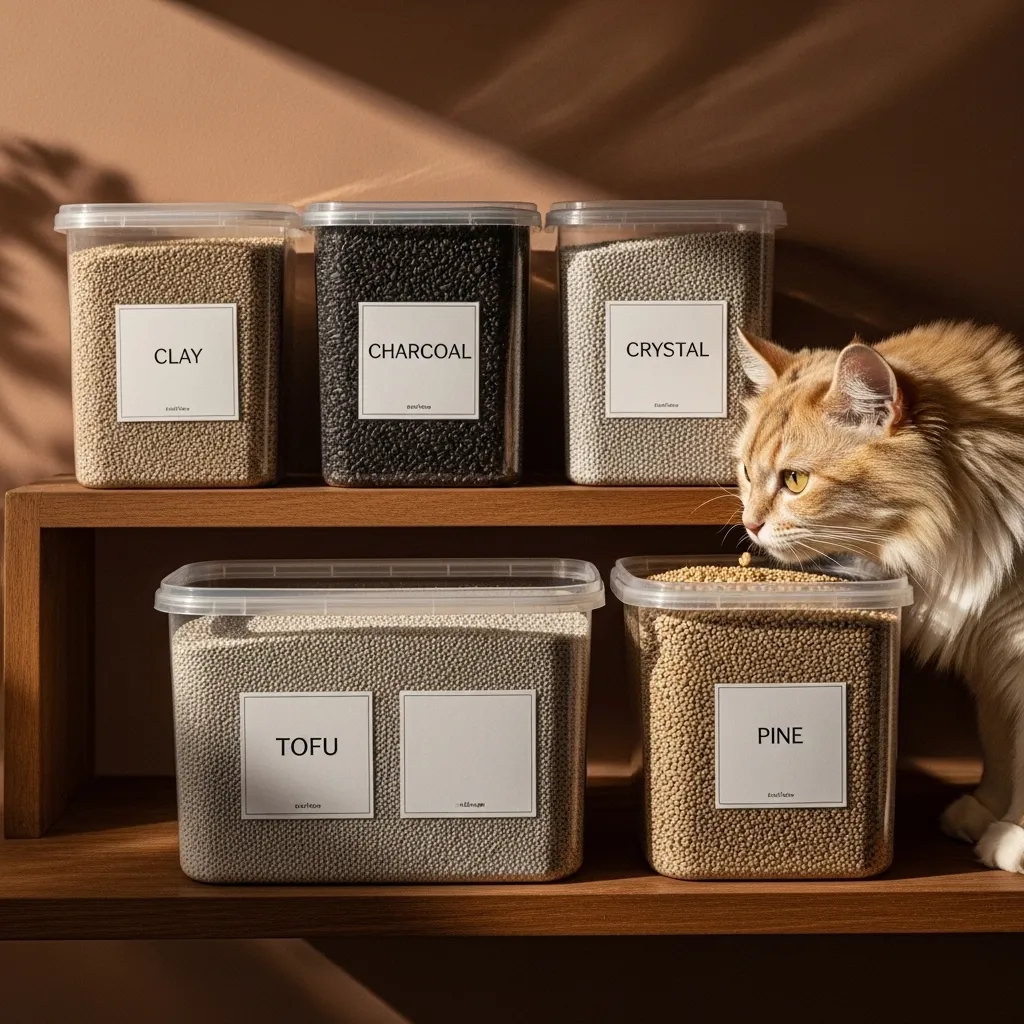
The foundation of cat litter odor control starts with selecting the right litter. Not all litters are created equal—some excel at trapping and neutralizing odors, while others merely mask them temporarily. Here’s a breakdown of the best cat litter for odor elimination options, including eco-friendly cat litter for odor control and natural litter alternatives.
Top Litter Types for Odor Control
- Clumping Clay Litter: Highly absorbent, forms tight clumps for easy scooping, and often includes odor-neutralizing agents. Popular for its effectiveness but not eco-friendly.
- Activated Charcoal Cat Litter: Contains activated charcoal to trap and neutralize odors at the molecular level. Ideal for heavy odor issues. Learn more in our cat care guide.
- Crystal/Silica Gel Litter: Absorbs urine completely, reducing ammonia smells. Long-lasting but can be pricier.
- Natural Litter Alternatives (Bamboo, Tofu, Walnut): Eco-friendly and biodegradable, these litters offer good odor control with natural ingredients. Tofu litter, for instance, clumps well and neutralizes smells without synthetic additives.
- Pine or Wood-Based Litter: Naturally absorbent with a fresh scent, but may not clump as well as clay.
Unscented vs. Scented Cat Litter: Which is Better?
- Unscented Litter: Preferred by many cats and owners, as it avoids artificial fragrances that can irritate sensitive noses or mask odors without neutralizing them.
- Scented Litter: Adds a fragrance to cover smells but may deter cats with sensitive senses or fail to address underlying odors.
Pro Tip: Test your cat’s preference with small samples of litter types. Some cats, like those discussed in our American Shorthair guide, may reject certain textures or scents, impacting litter box usage.
| Litter Type | Odor Control | Eco-Friendly | Clumping | Cost |
|---|---|---|---|---|
| Clumping Clay | Excellent | No | Yes | $$ |
| Activated Charcoal | Superior | Varies | Yes | $$$ |
| Crystal/Silica | Very Good | No | No | $$$ |
| Tofu/Bamboo | Good | Yes | Yes | $$ |
| Pine/Walnut | Good | Yes | Varies | $$ |
Maintaining a Cat Litter Box Cleaning Schedule
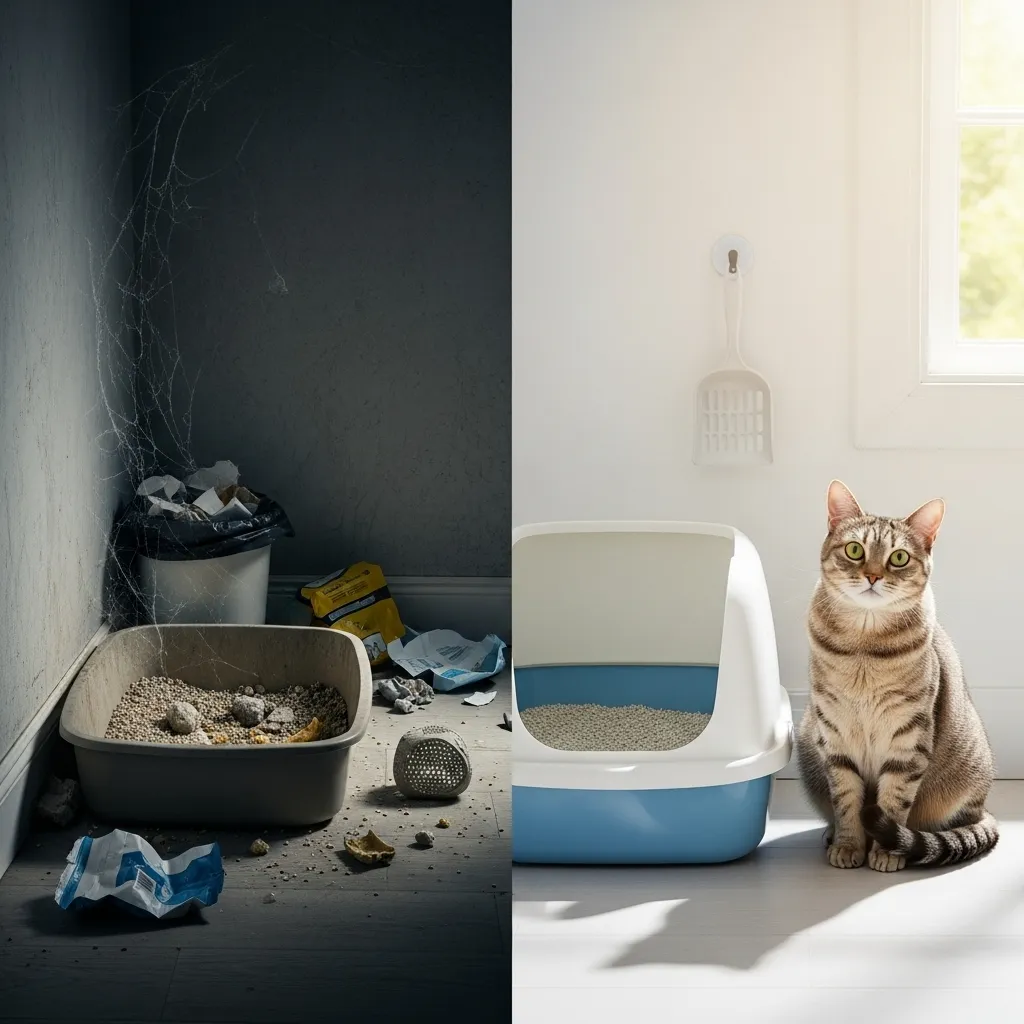
A consistent cat litter box cleaning schedule is crucial for getting rid of cat litter smell. Odor-causing bacteria thrive in dirty litter, so regular maintenance is non-negotiable. Here’s how to keep your litter box fresh.
Daily Scooping: The First Line of Defense
- Scoop waste (urine clumps and feces) at least once daily, ideally twice for multiple cats.
- Use a sturdy scoop and dispose of waste in a sealed bag to prevent odor leakage.
- Sprinkle a thin layer of DIY cat litter deodorizer (like baking soda or activated charcoal) after scooping to neutralize smells.
Weekly Deep Cleaning
- Empty the entire litter box weekly and scrub it with mild, pet-safe soap (avoid harsh chemicals like bleach, which can harm cats).
- Rinse thoroughly and dry completely to prevent mold or bacterial growth.
- Refill with fresh litter to the recommended depth (2–3 inches for most litters).
Monthly Box Inspection
- Check for scratches or cracks in the litter box where odors can linger.
- Replace the box every 1–2 years, as plastic can absorb smells over time.
For more litter box management tips, check out our cat litter box frequency guide.
Optimizing Litter Box Placement for Odor Control
Strategic cat litter box placement can significantly reduce odor spread. Placing the box in the wrong spot—like a cramped closet or near a heat source can intensify smells and make your home feel less fresh.
Best Practices for Litter Box Placement
- Choose a Low-Traffic Area: Place the box in a quiet, private spot like a laundry room or spare bathroom to minimize odor spread to living areas.
- Avoid Confined Spaces: Small closets trap odors, making them more potent. Opt for open, well-ventilated areas.
- Keep Away from Food/Water: Cats dislike litter boxes near their feeding stations, and odors can contaminate food areas.
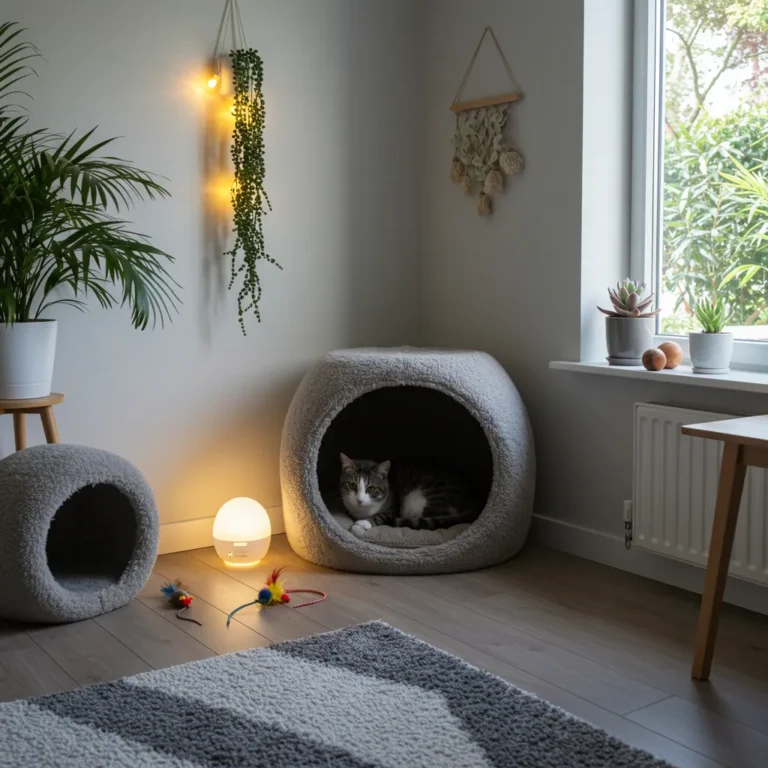
- Use a Litter Box Enclosure: A covered box or decorative enclosure can contain odors while blending with your decor.
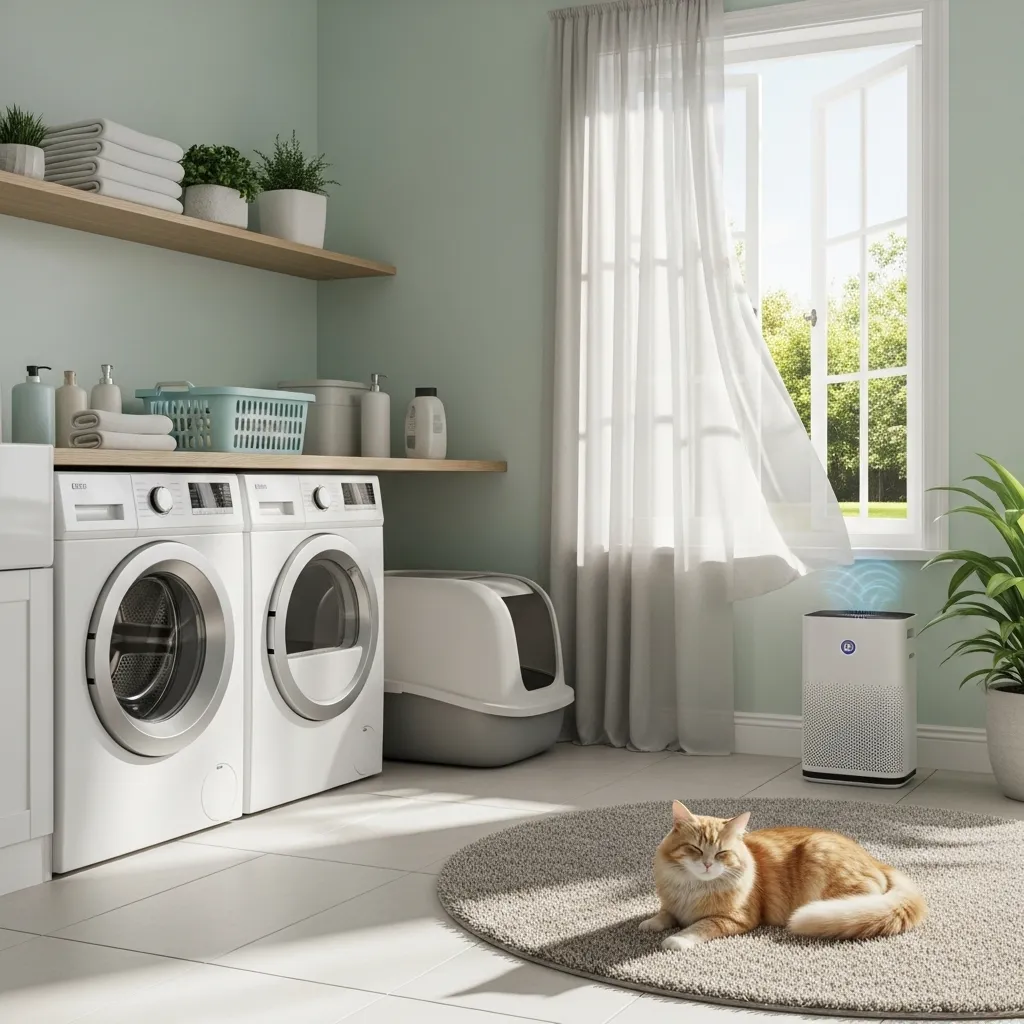
Explore more ideas in our cat litter box problems guide.
Enhancing Ventilation to Remove Cat Litter Smell
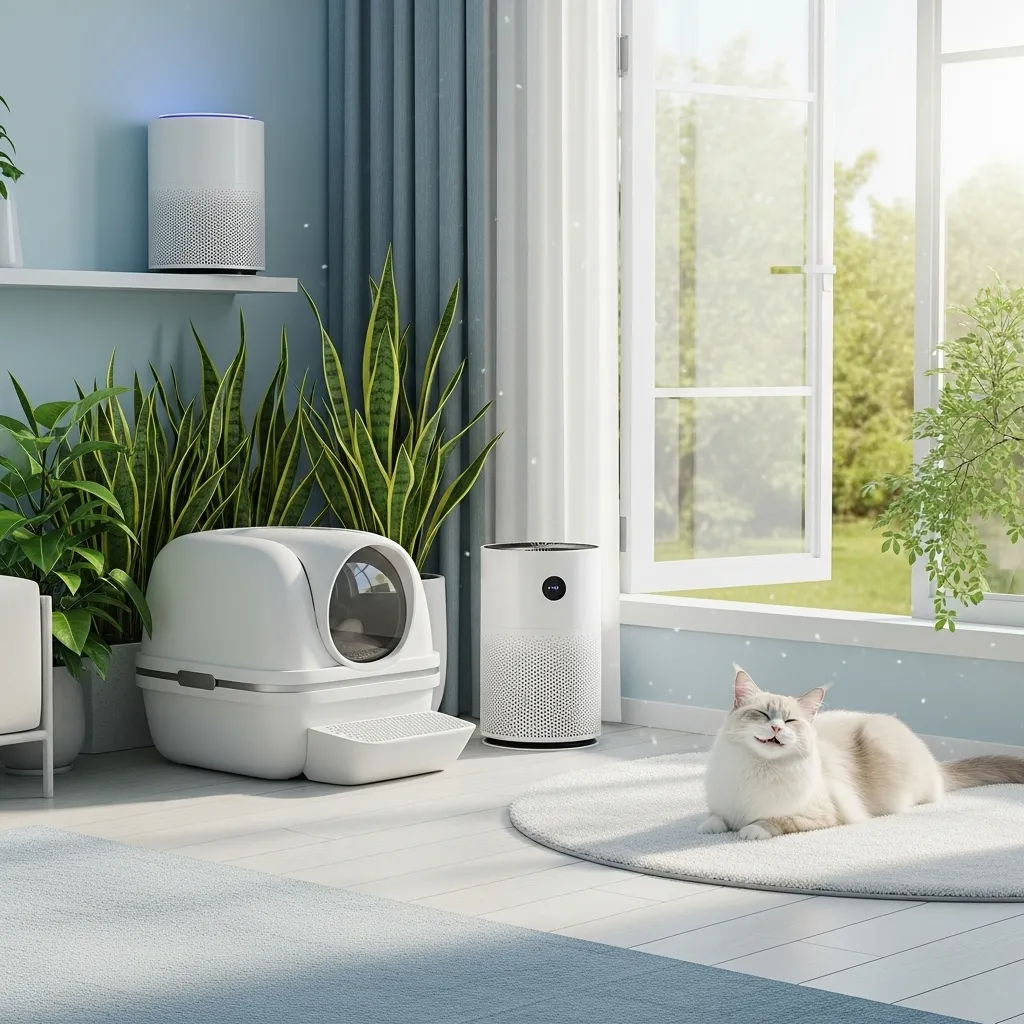
Proper ventilation for cat litter room is a game-changer for cat litter smell removal. Fresh air dilutes and disperses odors, keeping your home smelling clean.
Ventilation Tips
- Open Windows Regularly: Allow fresh air to circulate daily, even for 10–15 minutes, to flush out stale odors.
- Use Exhaust Fans: A bathroom or kitchen exhaust fan near the litter box can pull odors out of the room.
- Install a Vent Kit: For enclosed spaces, consider a litter box vent kit that connects to an external vent or window.
- Add Houseplants: Spider plants or peace lilies (non-toxic to cats) can improve air quality naturally.
Non-Toxic Air Purifiers for Cat Owners
A non-toxic air purifier for cat owners can significantly reduce litter box odors. Look for:
- HEPA Filters: Trap dust and dander, reducing odor-carrying particles.
- Activated Carbon Filters: Neutralize and eliminate odors at the source.
- Pet-Safe Models: Avoid purifiers with ozone or essential oil diffusers, which can be toxic to cats.
Example: A cat owner in a small apartment found that placing a HEPA air purifier with a carbon filter near the litter box reduced odors by 80% within a week, making the space feel fresher.
Natural Ways to Remove Cat Litter Odor
For eco-conscious cat owners, natural ways to remove cat litter odor are both effective and safe. These solutions avoid harsh chemicals and are gentle on your cat’s sensitive system.
DIY Cat Litter Deodorizer
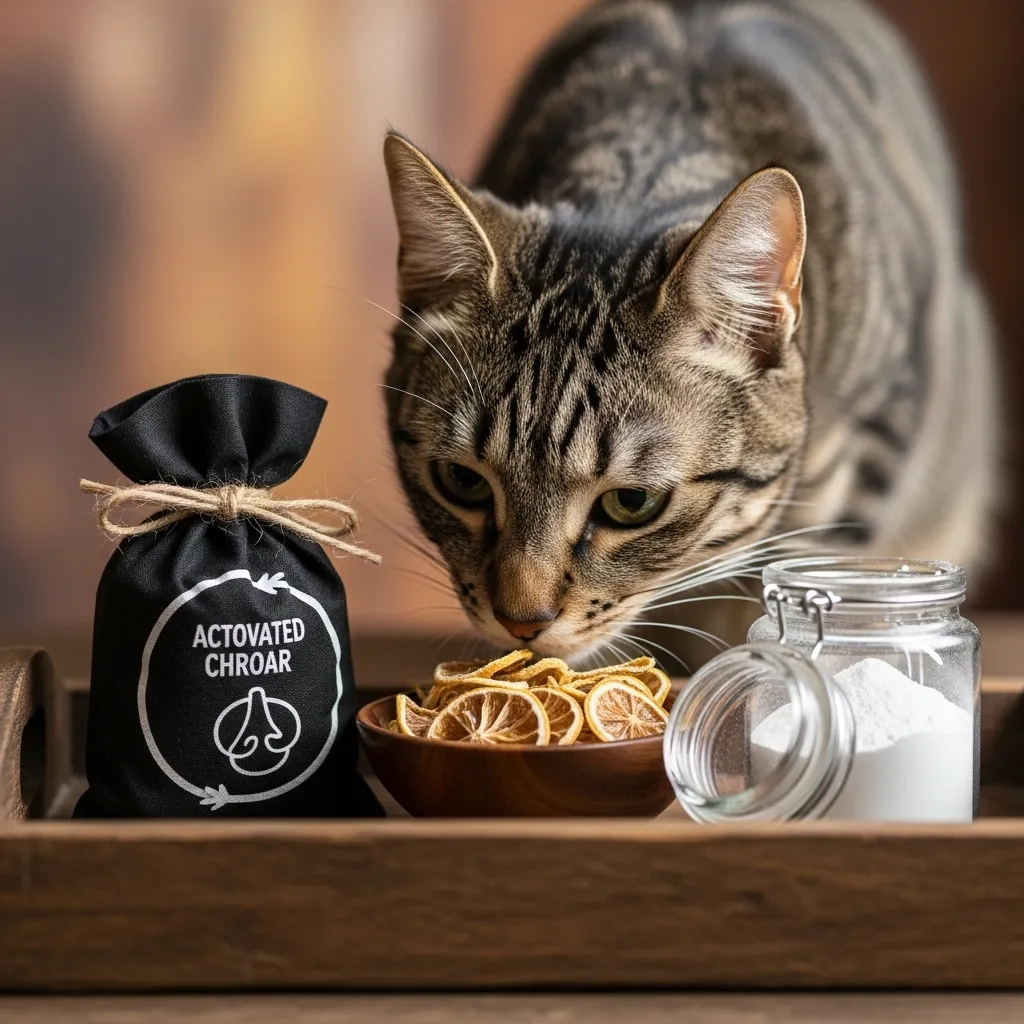
- Baking Soda: Sprinkle a thin layer (1–2 tablespoons) over fresh litter to neutralize ammonia odors. Safe and affordable.
- Activated Charcoal: Add a small sachet of activated charcoal near the litter box to absorb odors. Replace monthly.
- Dried Herbs: Use cat-safe herbs like dried lavender or chamomile in a breathable pouch near the box for a natural air freshener.
Natural Air Fresheners for Cats
- Vinegar Spray: Mix equal parts water and white vinegar in a spray bottle. Lightly mist curtains or upholstery (test for colorfastness) to neutralize odors.
- Lemon Peel: Place dried lemon or orange peels in a bowl near the litter box for a subtle, pet-safe scent.
- Essential Oils (Use with Caution): Only use vet-approved, diluted oils like lavender in a diffuser far from the litter box, as most essential oils are toxic to cats.
For more natural pet care tips, see our cat health care guide.
Dietary Changes for Cat Odor Reduction
Your cat’s diet can directly impact litter box odor. High-protein or low-quality foods can produce stronger-smelling waste, while a balanced diet can minimize odors.
How Diet Affects Odor
- High-Protein Diets: While essential for cats, excessive protein can lead to pungent urine. Balance with vet-recommended portions.
- Low-Quality Ingredients: Cheap fillers like corn or soy can cause digestive issues, increasing odor.
- Hydration: Cats on dry-only diets may have concentrated urine, amplifying smells. Wet food can help.
Vet-Backed Dietary Tips
- Switch to High-Quality Wet Food: Look for brands with named meat sources (e.g., “chicken” not “meat by-products”). See our best wet cat food guide.
- Add Probiotics: Supplements like FortiFlora can improve digestion, reducing odor-causing waste.
- Increase Water Intake: Use a cat water fountain to encourage drinking, diluting urine. Learn more in our cat hydration guide.
- Consult a Vet: Persistent odors may signal health issues like urinary tract infections or kidney problems. Schedule a vet visit if odors don’t improve.
Real-Life Example: A cat owner switched their Bengal from a discount dry food to a vet-recommended wet food diet and noticed a 50% reduction in litter box odor within two weeks. Read more in our Bengal cat guide.
Automated Litter Boxes for Odor Control
Automated litter boxes for odor control can simplify maintenance and keep odors at bay. These high-tech solutions automatically scoop waste, reducing the time bacteria have to produce smells.
Benefits of Automated Litter Boxes
- Self-Cleaning: Removes waste shortly after use, minimizing odor buildup.
- Odor Containment: Many models include carbon filters or sealed waste compartments.
- Time-Saving: Ideal for busy owners who can’t scoop daily.
Top Models to Consider
- Litter-Robot: Features a rotating globe that sifts waste into a sealed drawer with a carbon filter.
- PetSafe ScoopFree: Uses crystal litter and automatic raking for odor control.
- CatGenie: A self-washing system that flushes waste, eliminating the need for traditional litter.
Drawback: Some cats, like those with sensitive personalities (e.g., Siamese, per our Siamese cat guide), may need time to adjust to the noise or motion.
Troubleshooting Persistent Odors
If you’ve tried everything and the smell persists, it’s time to dig deeper. Persistent odors may indicate underlying issues that require professional attention.
When to See a Vet
- Sudden Odor Changes: A stronger-than-usual smell could signal a urinary tract infection, diabetes, or kidney issues.
- Behavioral Changes: If your cat avoids the litter box, it may be due to discomfort or stress. See our cat litter box problems guide.
- Health Symptoms: Lethargy, excessive drinking, or straining in the litter box warrant a vet visit.
Advanced Odor Removal Techniques
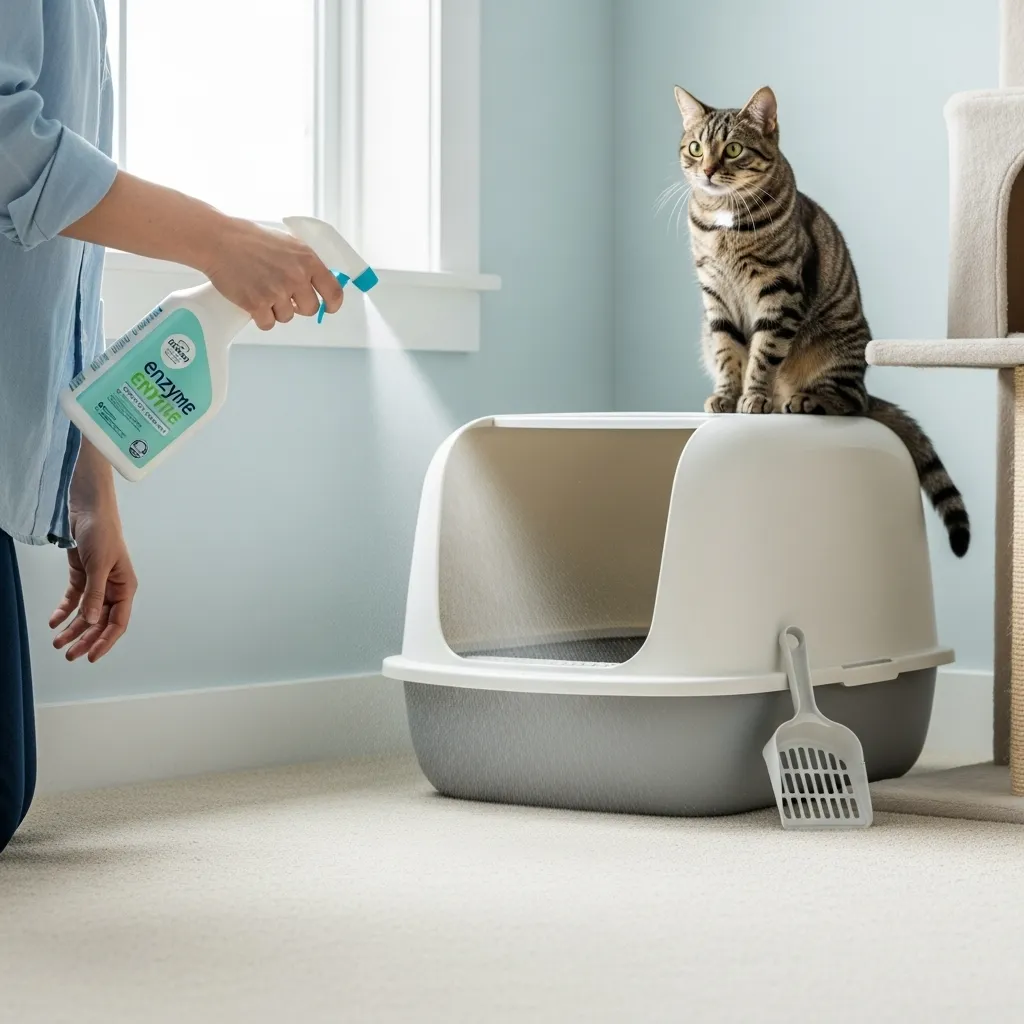
- Enzyme Cleaners: Use an enzyme cleaner for cat urine to break down odor-causing proteins on floors or furniture. See our enzyme cleaner guide.
- Odor-Absorbing Mats: Place a litter mat with odor-trapping technology under the box to catch stray litter and smells.
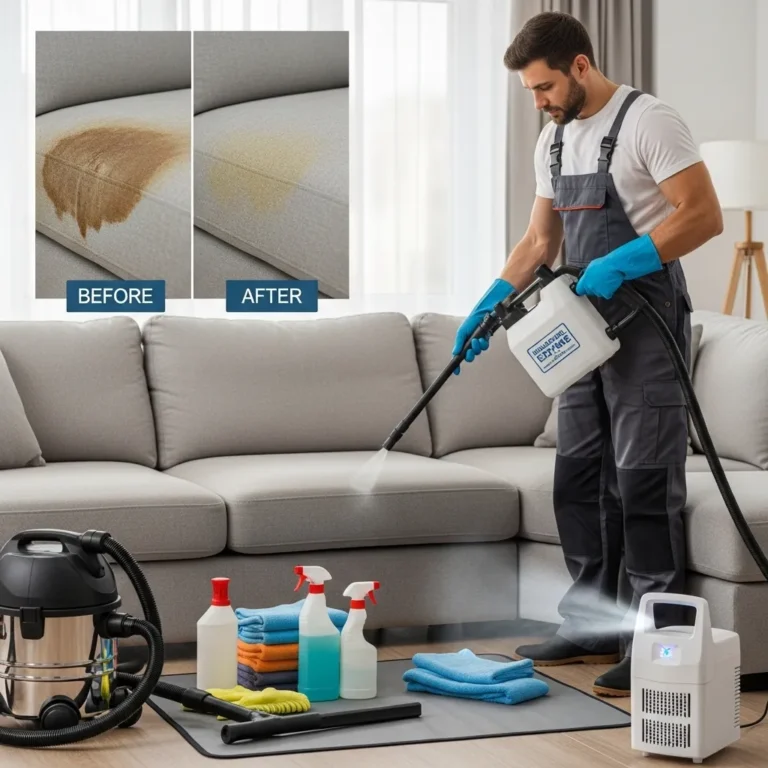
- Professional Cleaning: For severe odors in carpets or upholstery, consider a pet-safe professional cleaning service.
FAQ: Quick Answers to Common Questions
How can I remove cat litter smell from my room?
Scoop daily, use activated charcoal litter, ventilate the room, and consider a non-toxic air purifier for cat owners. Regular deep cleaning and strategic litter box placement also help.
What’s the best cat litter for odor control?
Activated charcoal or clumping clay litters are top choices for neutralizing odors. Natural options like tofu or walnut litter are great eco-friendly alternatives.
How often should I clean the litter box to keep odors at bay?
Scoop daily, deep-clean weekly, and replace the litter box every 1–2 years. Check our cat litter box frequency guide.
Can changing my cat’s diet reduce litter box odor?
Yes, high-quality wet food and proper hydration can dilute urine and reduce odor. Consult a vet for tailored dietary advice.
Are automated litter boxes effective for odor control?
Yes, models like Litter-Robot or PetSafe ScoopFree remove waste quickly, reducing odor buildup with sealed compartments or filters.
Do unscented litters work better than scented ones?
Unscented litters often neutralize odors better without masking them, and they’re less likely to irritate cats or owners.
What’s a good natural air freshener for cat owners?
Try DIY cat litter deodorizer with baking soda or dried herbs like lavender in a breathable pouch, placed near the litter box.
How does ventilation help with cat litter smell?
Proper ventilation for cat litter room dilutes and disperses odors. Open windows, use fans, or install a vent kit for best results.
Conclusion: Create a Fresh, Cat-Friendly Home
Eliminating cat litter smell from your room doesn’t have to be a constant battle. By choosing the best cat litter for odor control, sticking to a cat litter box cleaning schedule, optimizing cat litter box placement, and incorporating natural ways to remove cat litter odor, you can keep your home smelling fresh and welcoming. Pair these strategies with proper ventilation, a non-toxic air purifier for cat owners, and dietary tweaks to tackle odors at the source. Your cat will appreciate a clean, comfortable litter box, and you’ll enjoy a fresher living space.
For more expert cat care tips, explore our cat health care guide or dive into our cat litter training guide to ensure your feline friend thrives. Let’s keep your home a happy haven for both you and your cat!