Cat Litter Box Problems: A Comprehensive Guide to Solving Feline Litter Issues
Are you frustrated because your cat keeps going to the litter box but nothing happens? Or maybe your furry friend is avoiding the litter box altogether, leaving messes around your home. Cat litter box problems can be stressful for both you and your cat, but don’t worry there’s a solution.
This guide dives deep into the causes of litter box issues in cats, from medical conditions to behavioral triggers, and offers practical, vet-backed strategies to restore harmony. You’ll learn why your cat might be struggling, how to address feline litter habits, and expert tips to create a stress-free litter box environment. Let’s get started!
Key Takeaways for Solving Cat Litter Box Issues
- Medical Issues: Conditions like urinary tract infections or constipation can cause cat litter box problems.
- Behavioral Triggers: Stress, anxiety, or changes in routine often lead to litter box aversion in cats.
- Litter Box Setup: The type, size, and cleanliness of the litter box significantly impact feline litter habits.
- Multi-Cat Homes: Territorial disputes can result in multi-cat litter box problems.
- Solutions: Proper diagnosis, environmental adjustments, and litter box training tips can resolve most issues.
- Explore more in our cat care and hygiene tips.
Understanding Why Cats Have Litter Box Problems
Cats are meticulous creatures, and their litter box behavior is often a window into their physical and emotional health. When your cat keeps visiting the litter box but nothing happens, or they’re avoiding it entirely, it’s a sign something’s off. Let’s break down the most common reasons for cat litter box issues and how to address them.
Medical Conditions Causing Litter Box Problems
Health issues are often the root of litter box problems in cats. A cat repeatedly visiting the litter box without urinating or defecating could be dealing with a medical condition. Here are some culprits:
- Urinary Tract Infections (UTIs): Painful urination can cause frequent trips to the litter box with little output. Look for signs like straining or small amounts of urine. Learn more in our cat urinary health guide.
- Feline Lower Urinary Tract Disease (FLUTD): This includes conditions like bladder stones or crystals, leading to cat peeing but not pooping in litter box.
- Constipation: Older cats or those with dietary issues may struggle to defecate, causing discomfort. Check out our help constipated cat poop guide.
- Kidney Issues or Diabetes: Increased thirst and urination can overwhelm the litter box. See our cat diabetes guide for insights.
- Arthritis: Senior cats may find it hard to climb into high-sided boxes. Explore senior cat care tips for solutions.
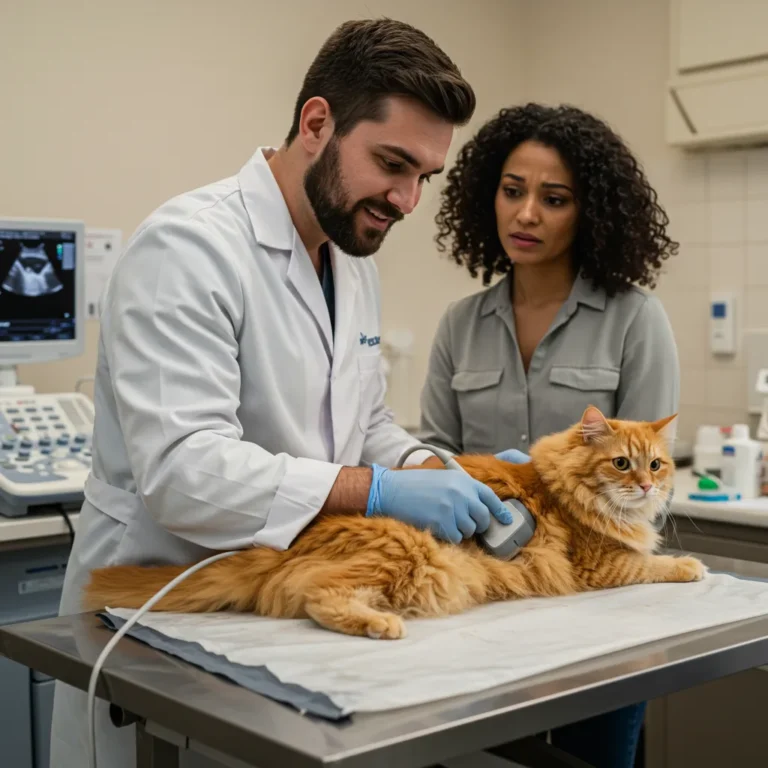
Action Step: If your cat shows signs like straining, blood in urine, or lethargy, consult a vet immediately. Early diagnosis can prevent serious complications.

Stress and Anxiety: A Hidden Cause of Litter Box Issues
Litter box anxiety in cats is a major behavioral trigger. Cats are sensitive to change, and stress can disrupt their feline litter habits. Common stressors include:
- Household Changes: Moving, new pets, or a new family member can lead to household changes and cat litter behavior issues.
- Litter Box Placement: A box in a noisy or high-traffic area can cause cat litter box aversion.
- Litter Type Changes: Switching litter brands or types suddenly can make your cat avoid the box.
- Multi-Cat Dynamics: Territorial disputes in multi-cat litter box problems can lead to one cat avoiding the box. Learn more in our multi-cat household guide.
Real-Life Example: Sarah noticed her cat, Luna, stopped using the litter box after a new puppy joined the family. By creating a quiet, puppy-free zone for the litter box and using calming pheromone diffusers, Luna’s litter box behavior improved within a week.
Action Step: Identify recent changes in your home. Create a calm, private litter box area and consider stress-relieving products like Feliway. Check out how to calm a stressed cat for more tips.
Why Does My Cat Keep Going to the Litter Box But Nothing Happens?
If your cat is making frequent trips to the litter box without results, it’s often a sign of discomfort or a medical issue. This behavior, known as pollakiuria, can stem from:
- Bladder Inflammation: Conditions like cystitis cause a constant urge to urinate.
- Stress-Induced Behavior: Anxiety can make cats feel the need to mark territory repeatedly.
- Obstructions: Blockages in the urinary tract are a medical emergency, especially in male cats.
Vet Tip: Dr. Emily Thompson, a feline specialist, notes, “Frequent litter box visits with no output often signal a urinary issue. Male cats are particularly prone to blockages, which can be life-threatening within 24–48 hours.”
Action Step: Monitor your cat for 24 hours. If they’re straining or crying in the box, seek veterinary care immediately. Our cat can’t pee guide offers more insights.
Litter Box Aversions and Preferences in Cats
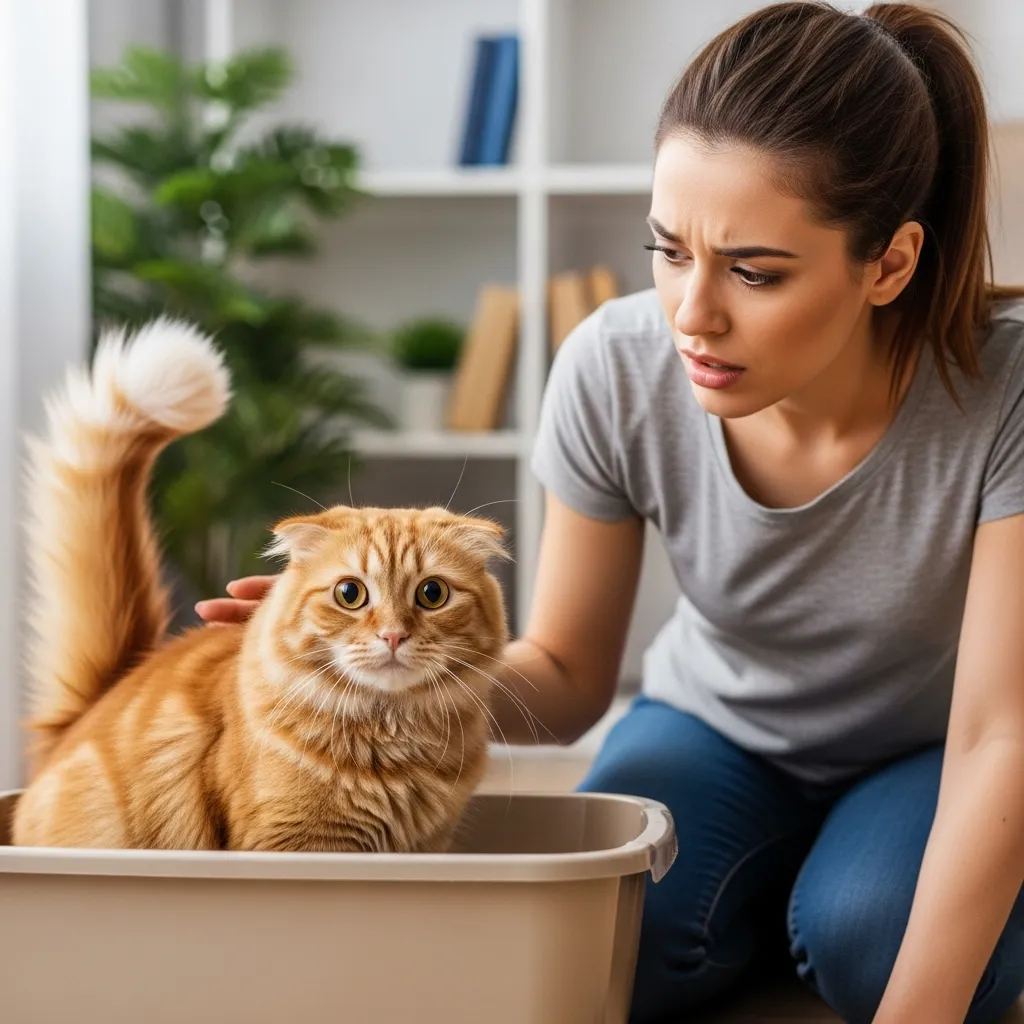
Sometimes, cat not using litter box issues stem from the box itself. Cats are picky about their bathroom setup. Here’s what might be causing litter box aversion in cats:
- Box Size: A box that’s too small can be uncomfortable, especially for larger breeds like Maine Coons. See our Maine Coon cat guide.
- Litter Type: Some cats dislike scented or coarse litter. Experiment with unscented, clumping litter.
- Cleanliness: Cats avoid dirty boxes. Scoop daily and clean the box weekly.
- Location: A box near loud appliances or in a busy area can deter use.
Table: Ideal Litter Box Setup for Cats
| Factor | Recommendation |
|---|---|
| Box Size | 1.5 times the length of your cat |
| Number of Boxes | One per cat, plus one extra |
| Litter Type | Unscented, clumping, fine-grained |
| Location | Quiet, private, accessible |
| Cleaning Frequency | Scoop daily, deep clean weekly |
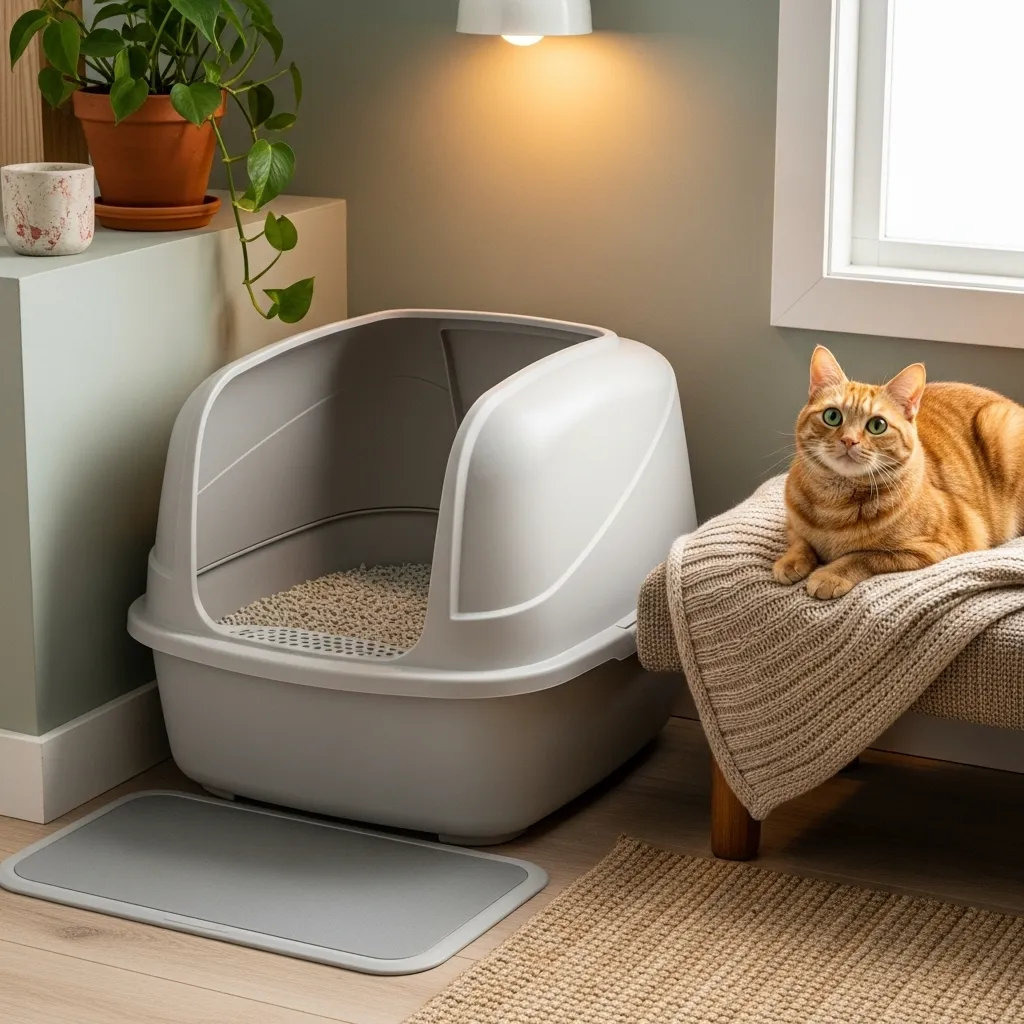
Action Step: Upgrade to a larger, uncovered box in a quiet location. Test different litter types to find your cat’s preference. Explore best litter box setup for multiple cats.
Household Dynamics and Litter Box Compliance
Your home environment plays a huge role in cat litter behavior. Changes or conflicts can lead to cat peeing outside litter box or other issues.
Multi-Cat Households and Box Access
In homes with multiple cats, multi-cat litter box problems are common. Cats may compete for box access or feel threatened by dominant cats. Signs include:
- One cat guarding the box.
- Spraying or marking near the box.
- One cat avoiding the box entirely.
Action Step: Follow the “n+1” rule: one litter box per cat, plus one extra. Place boxes in separate areas to reduce tension. Learn more in our multi-cat household guide.
Changes in the Home and Feline Adaptability
Household changes and cat litter behavior are closely linked. Cats thrive on routine, so disruptions like moving furniture, new schedules, or renovations can trigger litter box problems in cats. For example:
- New Baby or Pet: A new family member can stress your cat, leading to litter box anxiety in cats.
- Renovations: Loud noises or unfamiliar smells can make the box feel unsafe.
Action Step: Maintain a consistent routine. Gradually introduce changes and provide extra attention to your cat during transitions. See our cat stress signs guide for more.
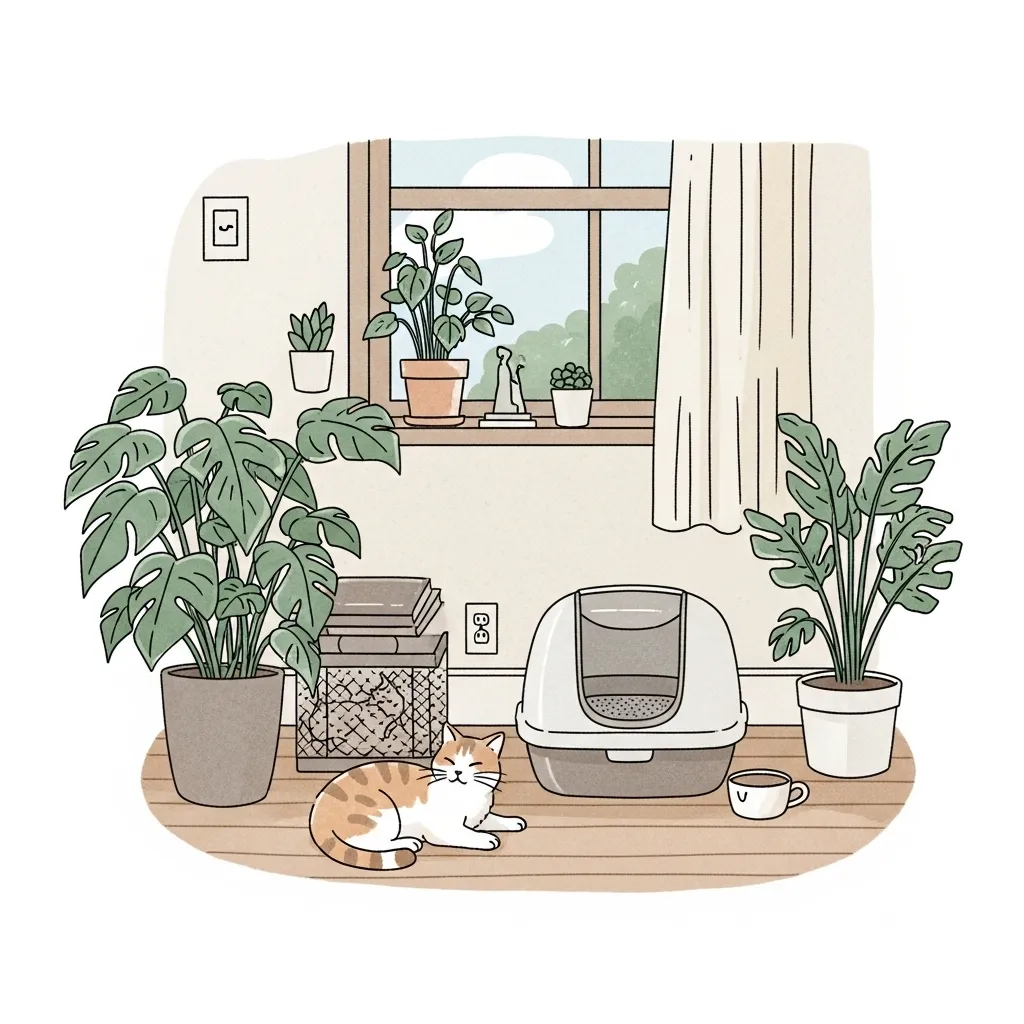
How to Fix Cat Litter Box Problems
Ready to tackle cat litter box issues? Here’s a step-by-step plan to restore your cat’s feline litter habits:
- Visit the Vet: Rule out medical issues like UTIs or constipation. Early diagnosis is key.
- Optimize the Litter Box:
- Use a large, uncovered box.
- Choose unscented, clumping litter.
- Place the box in a quiet, low-traffic area.
- Reduce Stress:
- Use pheromone diffusers or calming treats.
- Maintain a stable routine.
- Provide hiding spots or perches for security.
- Litter Box Training:
- Reward your cat for using the box with treats.
- Gently redirect them to the box if they go elsewhere.
- Explore our litter box training guide for detailed tips.
- Clean Accidents Properly: Use enzymatic cleaners to remove urine odors and prevent remarking. See our cat pee odor removal guide.
Case Study: Max, a 5-year-old Siamese, started peeing on the rug after his owner switched to a scented litter. By reverting to unscented litter, moving the box to a quieter corner, and adding a second box, Max resumed normal litter box behavior within days.
Consulting a Cat Behaviorist
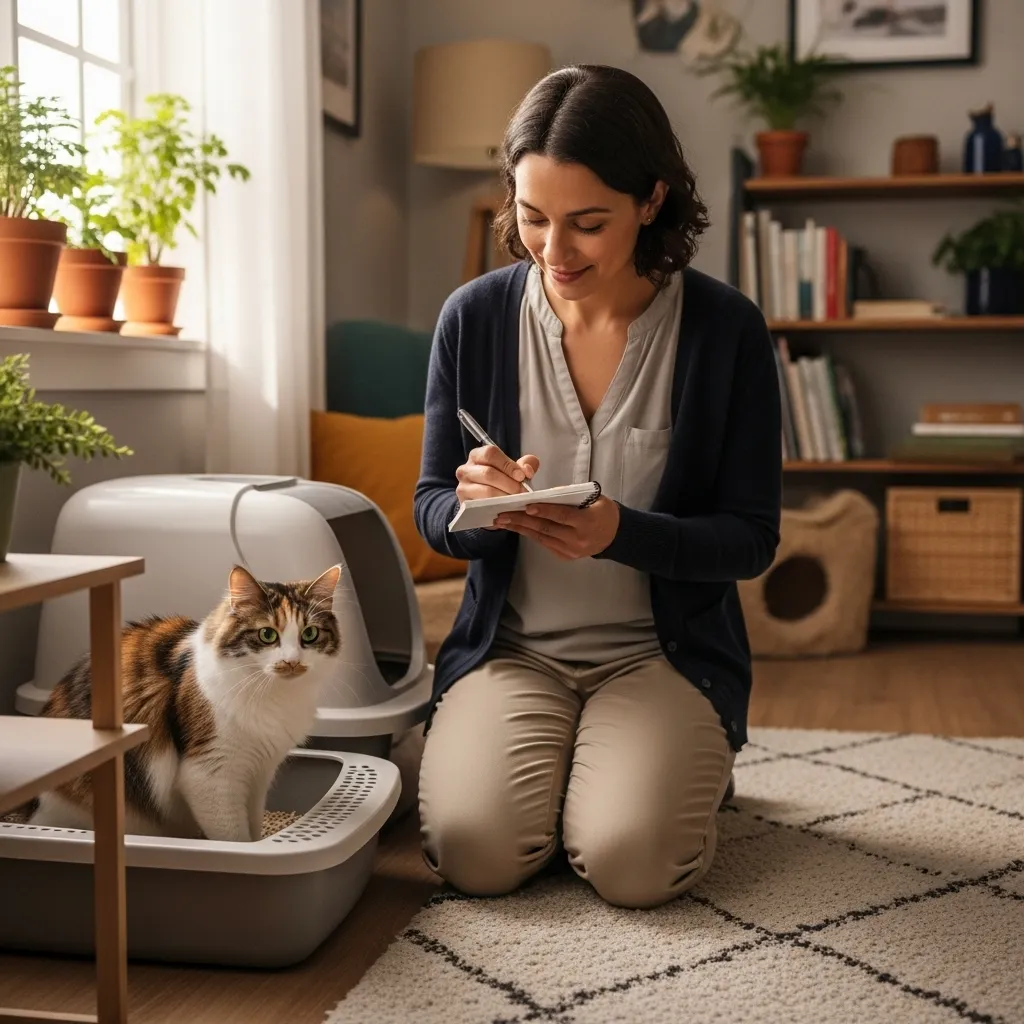
If litter box problems in cats persist, a feline behaviorist can help. They’ll assess your cat’s environment, behavior, and history to pinpoint triggers. Common recommendations include:
- Adjusting litter box placement or type.
- Addressing cat anxiety and litter box issues with behavioral therapy.
- Creating a tailored litter box training plan.
Action Step: Search for certified feline behaviorists in your area or consult your vet for referrals. Our cat behaviorist tips offer additional guidance.
FAQ: Common Cat Litter Box Questions
Why does my cat keep going to the litter box but not using it?
This could indicate a urinary tract infection, bladder stones, or stress. Monitor for straining or crying and consult a vet immediately.
What medical conditions influence my cat’s litter habits?
UTIs, FLUTD, constipation, diabetes, or arthritis can disrupt feline litter habits. A vet can diagnose and treat these issues.
How can stress and anxiety impact litter box use?
Stress from household changes, new pets, or loud environments can cause litter box anxiety in cats, leading to avoidance or frequent visits.
What are signs my cat is uncomfortable or in distress?
Straining, crying, lethargy, or blood in urine are red flags. Check our cat health care guide for more signs.
Could my cat’s litter box issues be due to preferences or aversions?
Yes, cats may dislike small boxes, scented litter, or noisy locations. Experiment with different setups to find what works.
How do household dynamics affect litter box compliance?
New pets, babies, or renovations can stress cats, leading to cat not using litter box. Maintain routine and provide quiet box access.
Why does my cat keep peeing in the litter box but not pooping?
Constipation or discomfort from litter texture may be the cause. Consult a vet and try a softer litter type.
What role do routine and stability play in my cat’s litter box usage?
Cats thrive on consistency. Disruptions can trigger litter box problems in cats. Keep feeding, play, and box cleaning schedules steady.
How do I resolve my cat’s litter box issues?
Rule out medical issues, optimize the box setup, reduce stress, and use litter box training tips. Our cat litter training guide has more details.
Conclusion: Create a Stress-Free Litter Box Environment
Cat litter box problems can feel overwhelming, but with the right approach, you can help your cat feel comfortable and confident using their box again. By addressing medical issues, optimizing the litter box setup, and reducing stress, you’ll tackle the root causes of litter box issues in cats. Whether it’s a health concern, litter box anxiety in cats, or multi-cat litter box problems, this guide equips you with actionable solutions.
Ready to dive deeper? Explore more expert cat care and behavior guides on Cat Bloom Haven. From cat urinary health to stress management tips, we’ve got you covered to keep your feline friend happy and healthy!