Cat Eye Ulcer Healing: Your Complete Guide to Recovery and Care
When your cat’s eye is red, watery, or they’re squinting more than usual, a corneal ulcer could be the culprit. As a devoted cat parent, seeing your feline friend in discomfort is heart-wrenching, but understanding cat eye ulcer healing can make all the difference.
This comprehensive guide will walk you through the signs of recovery, treatment options, and expert care tips to ensure your cat’s eyes heal fully and stay healthy. You’ll learn how to spot healing progress, avoid complications, and provide the best home care, all backed by veterinary insights and practical advice. Let’s dive in and help your cat get back to their curious, playful self.
Key Takeaways
- Recognize Healing Signs: Look for reduced redness, clearer eyes, less discharge, and improved behavior to confirm your cat’s eye ulcer is healing.
- Veterinary Care is Crucial: A vet’s diagnosis using tools like the fluorescein stain test ensures proper treatment and prevents complications.
- Healing Timeline: Most cat eye ulcers heal in 1–3 weeks with proper care, but severe cases may take longer.
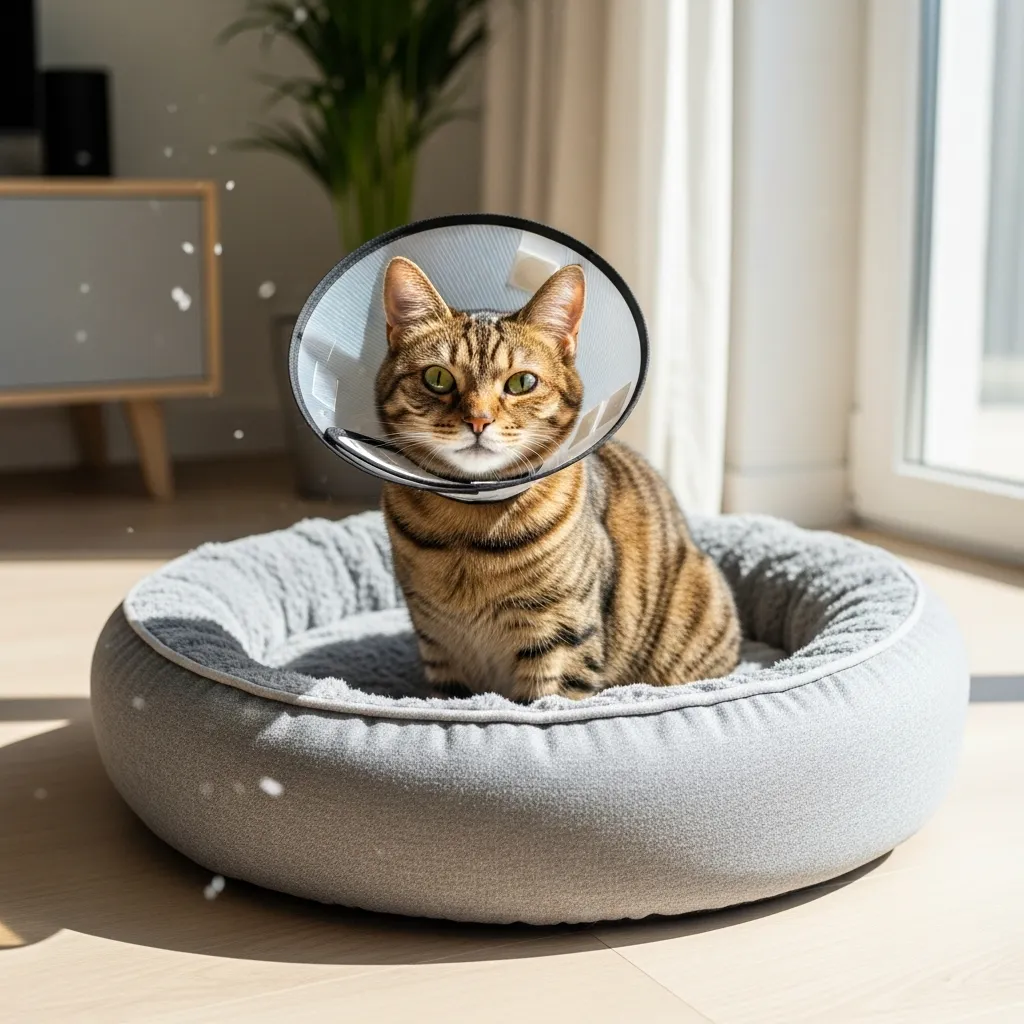
- Prevent Self-Trauma: A cone collar is essential to stop scratching and promote healing.
- Home Care Matters: Follow vet instructions, keep the environment clean, and monitor for changes to support recovery.
- Explore more tips in our guide on cat eye care.

Understanding Cat Eye Ulcers
A cat corneal ulcer is a scratch or erosion on the cornea, the clear outer layer of the eye. These ulcers can range from superficial (affecting only the surface) to deep (penetrating deeper layers), and if untreated, they can lead to serious complications like infections or vision loss. Knowing the causes, diagnosis, and treatment options sets the foundation for supporting your cat’s recovery.
Common Causes of Cat Corneal Ulcers
Corneal ulcers in cats can stem from various triggers, often linked to trauma or underlying health issues. Common causes include:
- Physical Trauma: Scratches from claws, foreign objects like grass, or rubbing due to irritation.
- Infections: Bacterial, viral (e.g., feline herpesvirus), or fungal infections can erode the cornea.
- Dry Eye (KCS): Insufficient tear production weakens the cornea, making it prone to ulcers.
- Entropion: Inward-rolling eyelids cause lashes to rub against the cornea.
- Foreign Bodies: Dust, debris, or plant material lodged in the eye can cause abrasions.
- Chemical Irritants: Exposure to harsh cleaners or shampoos can damage the cornea.
Understanding these causes helps you identify risk factors in your cat’s environment. For instance, a multi-cat household may increase the chance of scratches during play. Learn more about common cat eye problems to stay proactive.
How Vets Diagnose Cat Eye Ulcers
Veterinarians use precise methods to confirm a corneal ulcer and assess its severity:
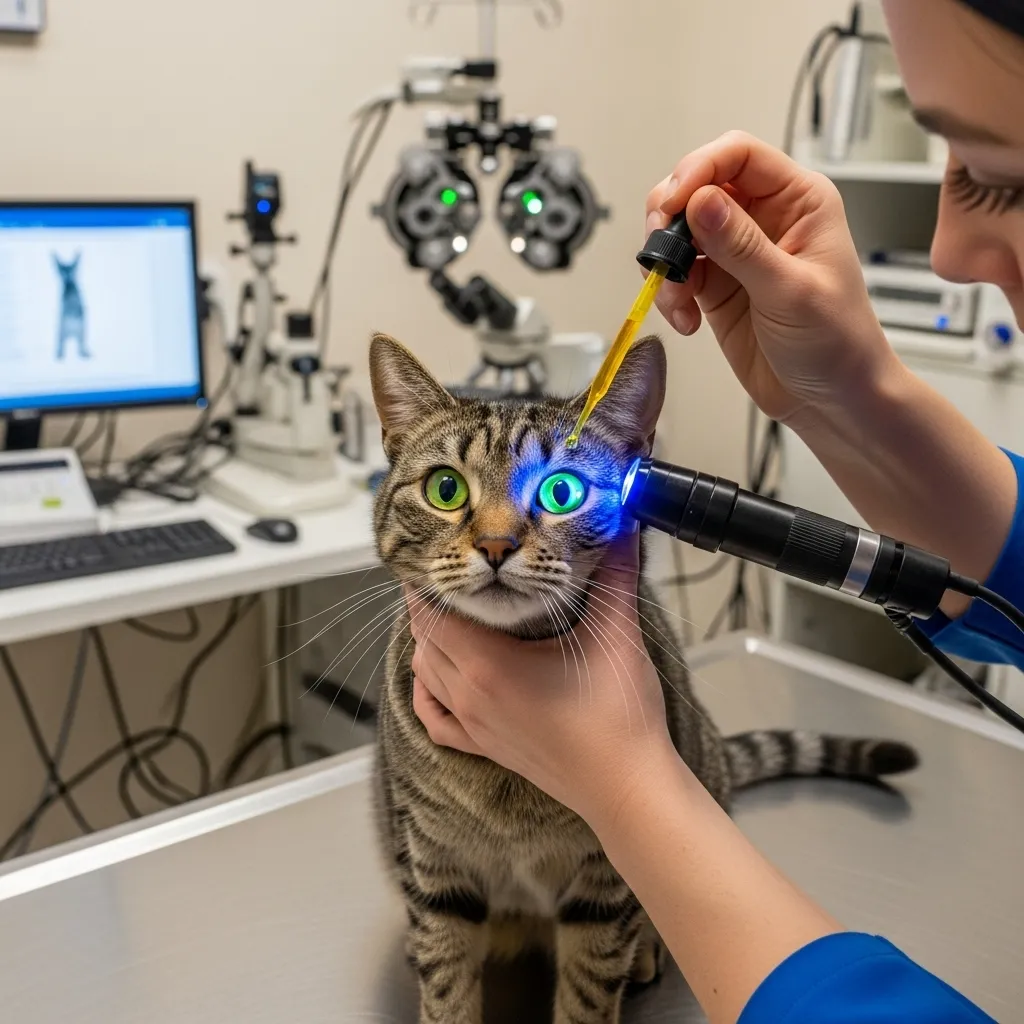
- Fluorescein Stain Test: A vet applies a fluorescent dye to the eye, which sticks to damaged areas and glows under a blue light, revealing the ulcer’s size and depth.
- Slit-Lamp Exam: This magnifies the eye to check for inflammation, foreign bodies, or deeper damage.
- Tear Production Tests: A Schirmer tear test measures tear production to rule out dry eye.
- Viral Testing: If feline herpesvirus is suspected, a PCR test may be conducted.
A prompt diagnosis is critical, as untreated ulcers can worsen. If your cat shows signs like squinting or excessive tearing, visit a vet immediately. Check out our guide on finding the best vet for your cat for tips on choosing expert care.
Signs a Cat Eye Ulcer Is Healing
Recognizing cat eye ulcer recovery signs is key to ensuring your cat is on the mend. Healing ulcers show distinct physical and behavioral improvements, which you can monitor at home alongside veterinary checkups.
Physical Signs of Healing
As the cornea repairs itself, you’ll notice visible changes in your cat’s eye:
- Reduced Redness and Inflammation: The conjunctiva (the pink tissue around the eye) becomes less red as inflammation subsides. Blood vessels in the white of the eye may also fade.
- Clearer Cornea: A cloudy or hazy cornea starts to regain its transparency, indicating tissue repair.
- Less Eye Discharge: Excessive tearing or thick, colored discharge (yellow or green) decreases, often transitioning to clear or minimal tears.
- Smaller Ulcer Size: During vet follow-ups, the fluorescein stain test will show a shrinking ulcer area.
- Improved Eyelid Comfort: Your cat will squint less and keep the eye open more comfortably.
For example, Sarah, a cat owner from Seattle, noticed her tabby, Luna, had a watery, red eye due to a scratch from roughhousing with another cat. After a week of vet-prescribed antibiotic drops, Luna’s eye was less cloudy, and she stopped pawing at it—a clear sign of healing.
Behavioral Improvements
A healing ulcer often brings relief, reflected in your cat’s behavior:
- Increased Comfort: Your cat may resume normal activities like playing or grooming without signs of pain, such as head tilting or hiding.
- Less Pawing or Scratching: Reduced irritation means less attempts to rub the eye.
- Better Appetite and Energy: Pain from an ulcer can suppress appetite or energy. As healing progresses, your cat may eat and move more normally.
- Relaxed Demeanor: Cats in pain often hide or act irritable. A return to their usual curious or affectionate self signals recovery.
If your cat’s behavior seems off despite treatment, it could indicate complications. Explore our guide on cat stress signs to differentiate normal recovery from potential issues.
Healing Timeline for Cat Eye Ulcers
The healing timeline for cat eye ulcers varies based on severity:
- Superficial Ulcers: Typically heal in 7–14 days with proper treatment.
- Deep Ulcers: May take 2–4 weeks or longer, especially if surgery is needed.
- Complicated Ulcers: Those caused by infections or underlying conditions like herpesvirus may require extended treatment (4–8 weeks).
Regular vet checkups are essential to track progress. A fluorescein stain test at follow-up visits confirms the ulcer is closing. If healing stalls, your vet may adjust the treatment plan.
Cat Eye Ulcer Treatment and Recovery
Effective treatment is the backbone of cat eye ulcer recovery. Vets tailor treatments based on the ulcer’s cause, depth, and your cat’s health.
Veterinary Treatments
Veterinarians may recommend:
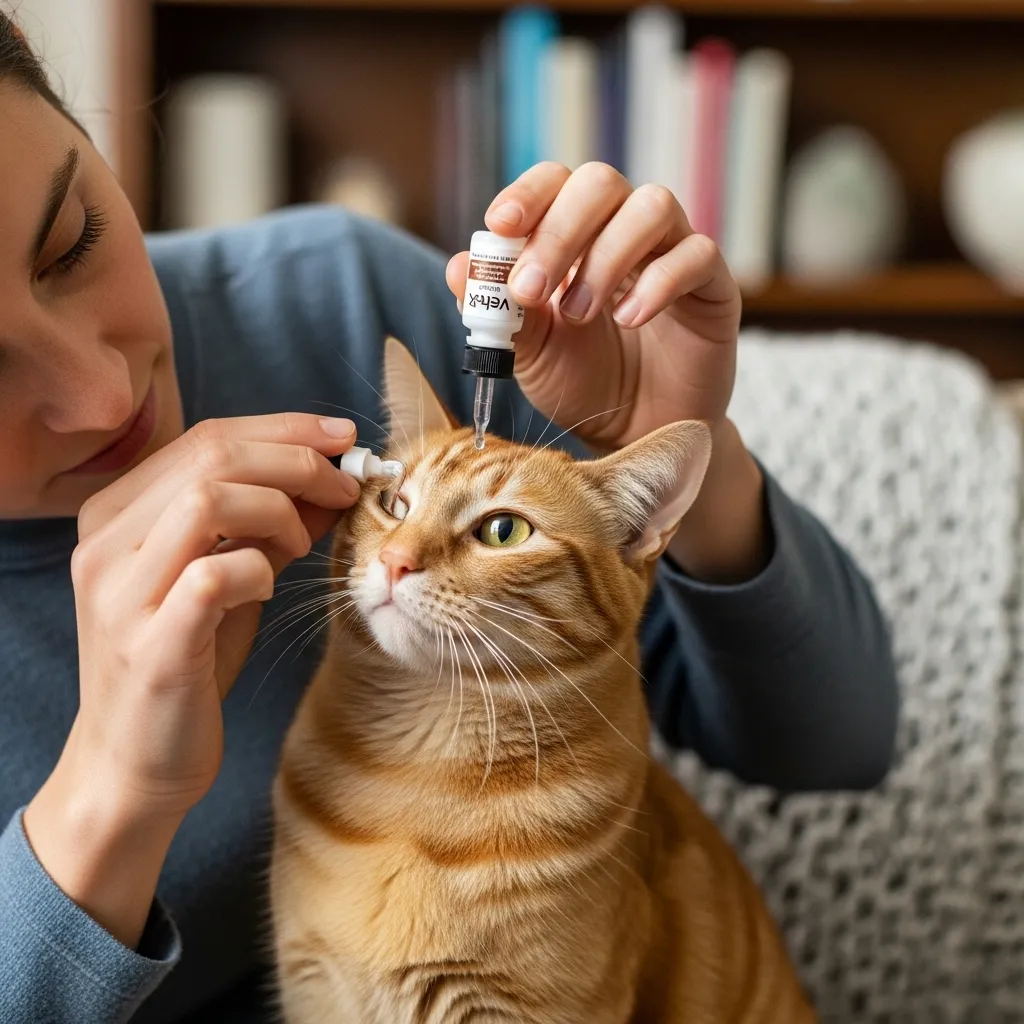
- Antibiotic Eye Drops or Ointments: Prevent or treat bacterial infections. Common options include erythromycin or terramycin.
- Antiviral Medications: For herpesvirus-related ulcers, drugs like famciclovir may be prescribed.
- Pain Relief: Atropine drops reduce painful eye spasms, though they may dilate the pupil temporarily.
- Surgery: Deep or non-healing ulcers may require procedures like debridement (removing damaged tissue) or a conjunctival flap to protect the cornea.
- Cone Collar: Prevents self-trauma by stopping your cat from scratching the eye. Learn more about cone collar use.
For example, Max, a Maine Coon, developed a deep ulcer from a feline herpesvirus flare-up. His vet prescribed antiviral drops and a cone collar, and within three weeks, Max’s cornea was nearly healed, with no scarring.
Cat Eye Ulcer Home Care
Supporting recovery at home is just as important:
- Administer Medications Correctly: Follow your vet’s schedule for eye drops or ointments. Tip: Gently hold your cat’s head and apply drops from the side to avoid startling them.
- Keep the Cone On: Ensure your cat wears the cone collar at all times, even if they resist. A soft, adjustable cone is more comfortable.
- Maintain a Clean Environment: Dust or allergens can irritate the eye. Wash bedding regularly and avoid smoky or dusty areas.
- Monitor for Changes: Watch for worsening signs like increased discharge or squinting, and report them to your vet immediately.
- Provide a Stress-Free Space: A calm environment aids healing. Learn how to create one in our cat stress signs guide.
Avoid natural remedies for cat eye ulcers unless vet-approved, as they can worsen the condition. For instance, herbal rinses or honey may introduce bacteria, delaying healing.
Preventing Self-Trauma in Cats
Cats instinctively paw at irritated eyes, which can deepen ulcers or cause infections. A cone collar for cat eye ulcer is non-negotiable:
- Choose a soft, transparent cone for comfort and visibility.
- Check for proper fit—snug but not tight.
- Monitor for stress and offer treats or comfort to ease adjustment.
If your cat keeps removing the cone, consult your vet for alternatives like a padded collar or temporary sedation in severe cases.
When to Seek Veterinary Help
While most ulcers heal with treatment, complications can arise. Contact your vet if you notice:
- Worsening Symptoms: Increased redness, cloudiness, or discharge (especially yellow or green).
- Persistent Pain: Ongoing squinting, pawing, or hiding behavior.
- No Improvement: No change after 7–10 days of treatment.
- Vision Changes: Bumping into objects or reluctance to move in dim light.
For instance, if your cat’s eye ulcer isn’t healing, it could indicate an underlying issue like feline herpesvirus or a resistant infection. Prompt vet care prevents vision loss or scarring. See our guide on cat vet visit schedules for tips on regular checkups.
Maintaining Cat Eye Health Post-Recovery
Once your cat’s ulcer heals, focus on preventing recurrence:
- Regular Vet Checkups: Annual or bi-annual eye exams catch issues early.
- Clean Eyes Gently: Use a vet-approved saline solution to remove debris. Learn more in our cat eye care guide.
- Monitor for Allergies: Dust or pollen can irritate eyes. Check out cat allergies for prevention tips.
- Balanced Diet: Nutrients like omega-3s support eye health. Explore cat food nutrition for diet tips.
- Safe Environment: Trim sharp edges on toys and supervise play in multi-cat homes to avoid scratches.
FAQ
How can I tell if my cat’s eye ulcer is healing correctly?
Look for reduced redness, less discharge, a clearer cornea, and improved behavior like less squinting or pawing. Regular vet checkups with fluorescein staining confirm progress.
What are common causes of cat corneal ulcers?
Scratches, infections (bacterial or viral), dry eye, foreign bodies, or eyelid issues like entropion can cause ulcers.
How is a cat eye ulcer diagnosed?
Vets use a fluorescein stain test, slit-lamp exam, or tear production tests to diagnose ulcers and assess their severity.
How long does it take for a cat eye ulcer to heal?
Superficial ulcers typically heal in 1–2 weeks, while deep or complicated ulcers may take 2–8 weeks with proper treatment.
What should I do if my cat’s eye ulcer is not healing?
Contact your vet immediately. Persistent symptoms may indicate infection, herpesvirus, or the need for surgical intervention.
Why is a cone collar important for cat eye ulcer recovery?
A cone prevents scratching, which can worsen the ulcer or cause infections, ensuring faster healing.
Can I use natural remedies for cat eye ulcers?
Avoid natural remedies unless vet-approved, as they may introduce bacteria or delay healing. Always follow veterinary guidance.
Conclusion
Helping your cat recover from an eye ulcer requires vigilance, proper treatment, and a lot of love. By recognizing cat eye ulcer healing signs, following veterinary advice, and providing attentive home care, you can ensure your feline friend bounces back quickly. From reduced redness to a happier demeanor, each step forward is a win. Keep your cat’s environment safe, monitor their progress, and stay proactive with regular vet visits to maintain those bright, curious eyes.
For more expert advice on keeping your cat healthy and happy, explore our guides on cat health care and common cat eye problems at Cat Bloom Haven. Your cat’s purr-fect recovery starts here!