How to Find Cat Pee: The Complete 2025 Guide to Locating Hidden Urine and Stopping It for Good
Nothing ruins a peaceful home faster than that sharp, unmistakable ammonia smell drifting through the air. You know your cat has peed somewhere they shouldn’t, but finding the exact spot feels impossible. Walls, carpets, furniture, even the corners of closets can hide old accidents for months. The longer cat urine sits, the worse the odor gets and the harder it becomes to fully remove.
This guide walks you through every proven method to find cat pee in your home, no matter how well it’s hidden. You’ll learn how to use your nose, your eyes, and the right tools to track down every last stain. More importantly, you’ll discover why your cat is peeing outside the box and how to stop it permanently.
Key Takeaways (Read This First)
- UV blacklights are still the single most effective way to detect cat pee stains, especially old ones.
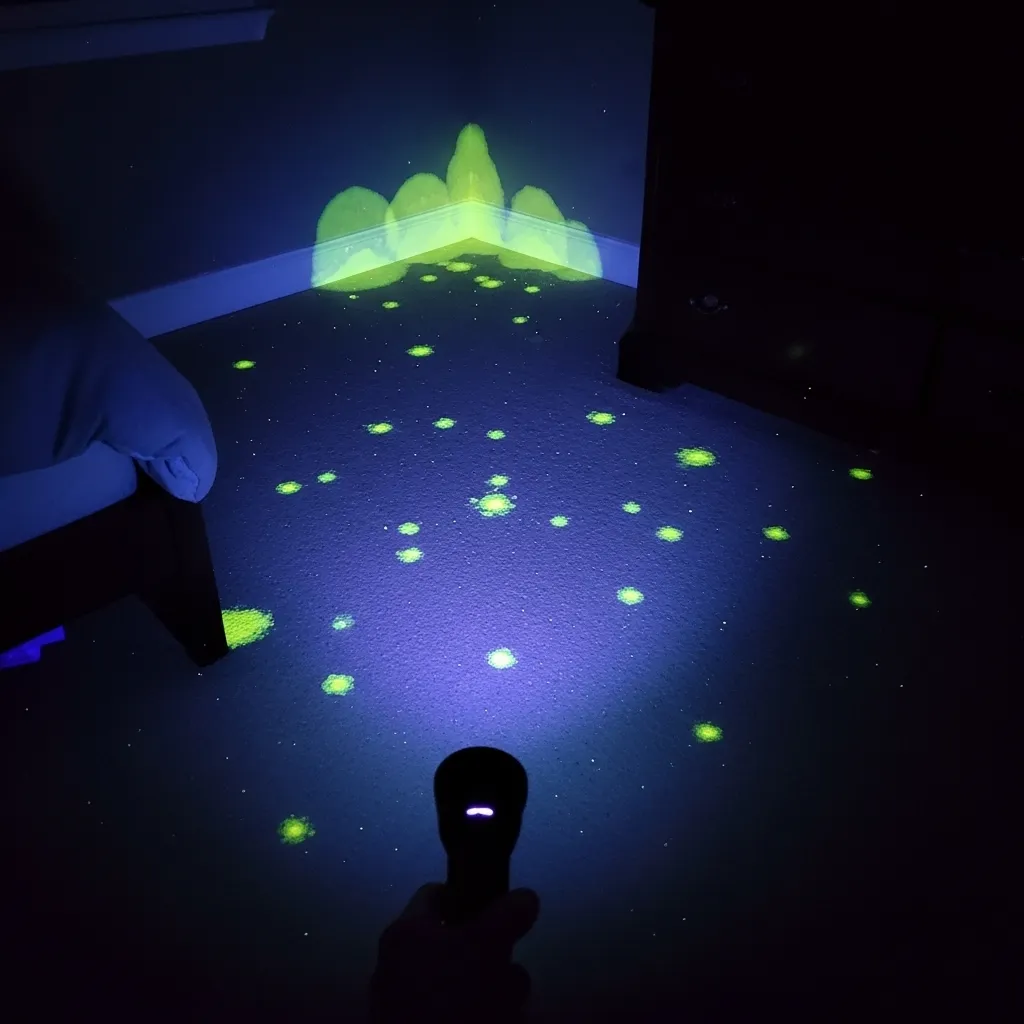
- Cat urine glows bright yellow-green under 365–385 nm UV light in a completely dark room.
- Enzymatic cleaners are the only products that fully eliminate the odor; regular cleaners make it worse.
- Most inappropriate urination is caused by stress, medical issues, or litter box problems, not spite.
- Finding and cleaning every spot is step one; addressing the root cause is step two.
Why Finding Every Trace of Cat Pee Actually Matters
Cat urine isn’t just unpleasant. The crystals in it keep releasing odor every time humidity rises. Old stains can make your whole house smell even if you cleaned them years ago with the wrong products.
Unremoved urine also encourages your cat to return to the same spot. Cats have an incredible sense of smell; if they detect even a trace of their own urine, they think, “This is my bathroom now.”
Finally, repeated exposure to dried urine isn’t great for human lungs, especially if anyone in the house has asthma or allergies.
Step 1: Use Your Nose First (It’s Smarter Than You Think)
Before you buy anything, do a smell crawl. Get down on your hands and knees and sniff systematically:
- Along baseboards
- Under furniture
- Behind appliances
- Inside closets and cabinets
- Around houseplants
The hottest spots are often warm areas like near heating vents, on sunny windowsills, or next to electronics.
Pro tip: The smell is strongestiest when the room is warm and humid. Run a hot shower or turn on a space heater for 20 minutes, then sniff again.
Step 2: The UV Blacklight Method How to Do It Right
A cheap $10 blacklight from Amazon won’t cut it. You need a high-quality 365–395 nm LED blacklight with at least 12–20 LEDs.
How to Search Like a Pro
- Wait until full darkness (nighttime or blackout curtains).
- Turn off all lights, including digital clocks and power indicators.
- Hold the blacklight 6–12 inches from surfaces and move slowly.
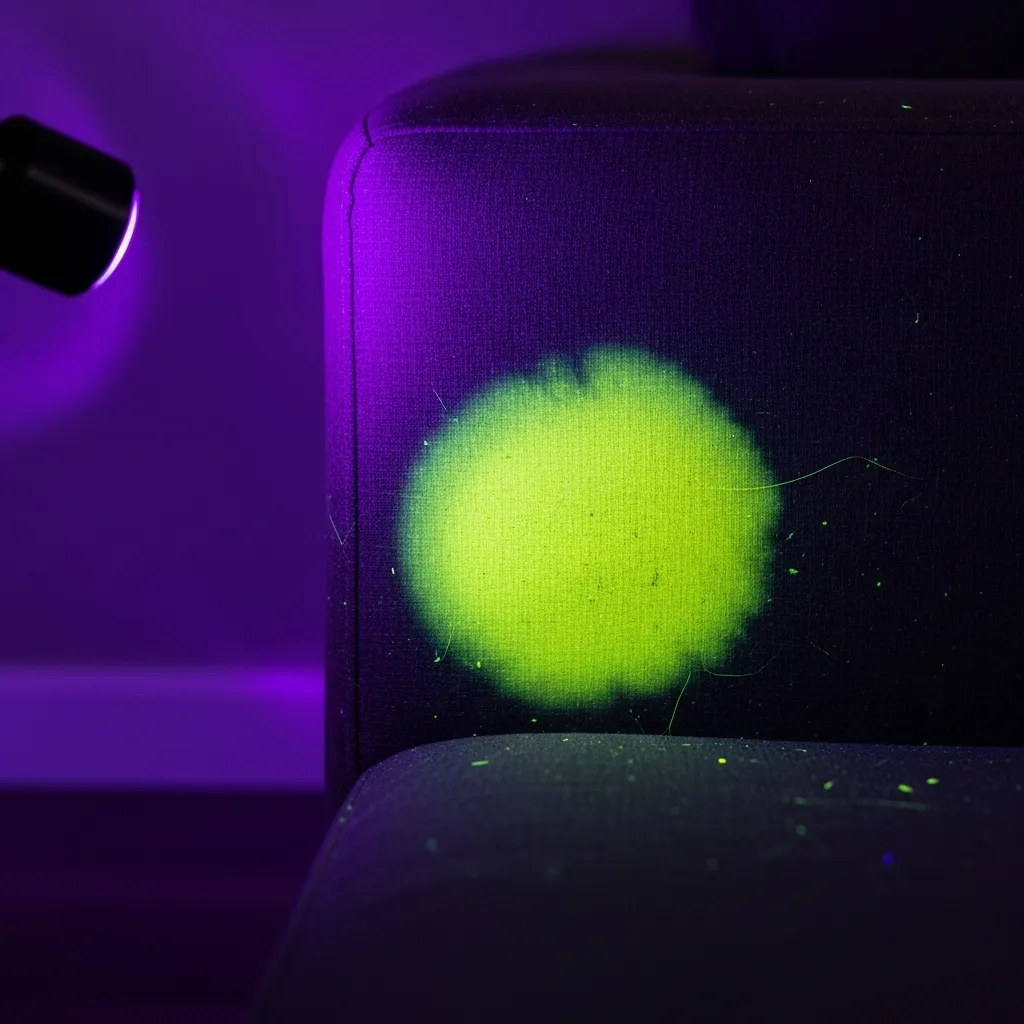
- Cat urine glows neon yellow-green. Fresh spots look brighter; old ones may appear duller or bluish.
- Mark every glowing spot with painter’s tape or chalk so you can find them when the lights come back on.
Common hidden places people miss:
- Vertical surfaces (cats spray walls)
- Undersides of furniture
- Inside shoes and laundry baskets
- Mattresses and box springs
- HVAC vents and returns
Step 3: Confirm With a Moisture Meter (Optional but Genius)
Some stains glow under UV that aren’t urine (certain detergents, some foods). A $25 pinless moisture meter confirms wet or previously wet areas in carpet padding and drywall.
What to Do the Moment You Find a Spot
Do NOT reach for regular cleaner or vinegar yet. Those only mask the smell temporarily and can set the stain permanently.
Immediate Action Plan
- Blot fresh puddles with paper towels (never rub).
- Saturate the area with a good enzymatic cleaner (Nature’s Miracle, Rocco & Roxie, Anti-Icky-Poo are top performers in 2025 tests).
- Let it soak for 15–30 minutes (longer for old stains).
- Blot again, then repeat if needed.
- For carpets: After the final application, cover with plastic and weigh it down overnight so the enzymes reach the padding.

Detecting Cat Pee on Different Surfaces
| Surface | Best Detection Method | Special Notes |
|---|---|---|
| Carpet & rugs | UV blacklight + nose | Check padding; urine can wick 3–4 times wider underneath |
| Hardwood floors | UV + moisture meter | Urine soaks into seams and under baseboards |
| Mattress | UV (check sides and underside too) | Use waterproof mattress protector after cleaning |
| Walls & baseboards | UV blacklight | Cats spray vertically; look 12–18 inches high |
| Furniture | UV + careful sniffing | Check inside cushions and under furniture |
| Clothing & laundry | Smell test | Wash twice with enzymatic detergent |
Why Is Your Cat Peeing Outside the Box? The Real Reasons
Once every spot is clean, the accidents usually stop for a week or two. If they start again, you haven’t solved the root cause.
Medical Causes (Rule These Out First)
- Urinary tract infections
- Bladder stones or crystals
- Kidney disease
- Diabetes
- Arthritis making the litter box hard to enter
Any sudden change in urination habits warrants a vet visit within 24–48 hours.
Behavioral & Environmental Triggers
- Dirty or small litter boxes
- Covered boxes (many cats hate them)
- New pets, babies, or house guests
- Moving furniture or remodeling
- Changes in household schedule
- Outdoor cats spraying near windows
Explore our detailed guide on why cats pee outside the litter box for a full breakdown
Preventing Future Cat Urine Accidents – What Actually Works in 2025
- One litter box per cat, plus one extra.
- Large, uncovered boxes (at least 1.5 times the length of your cat).
- Scoop daily, full clean weekly.
- Try different litters (many cats now prefer fine-grain or walnut).
- Place boxes in quiet, low-traffic areas with two escape routes.
- Use Feliway Optimum diffusers in problem rooms.
- Consider anxiety wraps or prescription meds for severe cases.
For intact males or stray cats visiting your yard, neutering reduces spraying by 90%. Learn more about feral cat neutering benefits.
Eco-Friendly and Budget Options That Actually Work
- Best enzyme cleaner 2025: Rocco & Roxie Stain & Odor Eliminator (still unbeatable)
- Best budget enzyme: Nature’s Miracle Urine Destroyer
- Best eco-friendly: Kin+Kind Organic Pet Stain & Odor Remover
- Best blacklight: Escolite 51-LED 395 nm (under $15 and outperforms $50 models)
FAQ Quick Answers to Common Questions
How can I find old, dried cat pee that doesn’t smell anymore?
Only a strong UV blacklight in complete darkness will reveal old stains. Your nose won’t detect them once they’re fully dry.
Will a regular flashlight work instead of a blacklight?
No. Regular light doesn’t make urine fluoresce.
What if the urine has soaked into drywall?
Cut out the affected section or seal it with Kilz Original primer after enzymatic treatment.
Can I use vinegar instead of enzymatic cleaner?
Vinegar masks the smell temporarily but does not break down the crystals. Your cat will re-mark the spot.
Why does my whole house smell like cat pee after I cleaned?
You probably didn’t treat the padding or subfloor. Urine travels downward.
My cat only pees on my bed. What now?
Rule out medical issues first, then use a waterproof mattress protector and Feliway. See our guide on stopping cats from peeing on beds and laundry.
Final Thoughts
Finding cat pee isn’t fun, but it’s completely doable with the right tools and patience. A good UV blacklight and quality enzymatic cleaner will become your best friends. Clean every spot thoroughly, then focus on why your cat felt the need to go outside the box in the first place.
When you solve both the symptom (the stains) and the cause (stress, health, or litter box issues), the problem disappears for good.
Ready for more expert cat behavior and care advice? Browse hundreds of in-depth guides at Cat Bloom Haven, from American Shorthair personalities to stopping furniture scratching and everything in between.
Your house can smell fresh again, and your cat can be happy. You’ve got this.