The Ultimate Cat Sitting Guide: Expert Tips for a Stress-Free Feline Experience
Leaving your cat in someone else’s care can feel daunting. Whether you’re hiring a professional cat sitter or entrusting a friend with the task, ensuring your feline friend is happy, healthy, and stress-free is the top priority. This cat sitting guide offers everything you need to know to provide exceptional care, from preparation to playtime. Packed with vet-backed tips, practical advice, and a downloadable cat sitter checklist, this guide will help you or your sitter create a purr-fect experience for any cat.
In this article, you’ll discover cat sitting tips to understand feline behavior, create a safe environment, and handle everything from feeding to emergency care. Whether you’re a first-time sitter or a pet owner looking for professional cat sitting insights, we’ve got you covered with actionable steps and expert advice.
Key Takeaways for Stress-Free Cat Sitting
- Understand feline needs: Learn to read cat behavior cues like body language and vocalizations to ensure comfort.
- Prepare thoroughly: Use a cat sitting checklist to cover feeding, litter box care, and safety protocols.
- Create a calming environment: Minimize cat anxiety with familiar scents, cozy spaces, and engaging playtime.
- Know the essentials: Master cat feeding schedules, litter box maintenance, and cat grooming for top-notch care.
- Be ready for emergencies: Keep vet contacts handy and recognize signs of distress for quick action.
Explore our detailed guide on cat care for more foundational tips to complement your cat sitting journey.
Understanding Your Feline Friend’s Needs
Cats are unique creatures with distinct personalities and preferences. A successful cat sitting experience starts with understanding the cat’s needs, from their daily routines to their emotional well-being.
Decoding Cat Behavior Cues
Cats communicate through body language, vocalizations, and habits. Recognizing these signals ensures you meet their needs and keep them comfortable.
- Tail language: A raised tail signals confidence, while a tucked tail indicates fear. Learn more in our cat tail language guide.
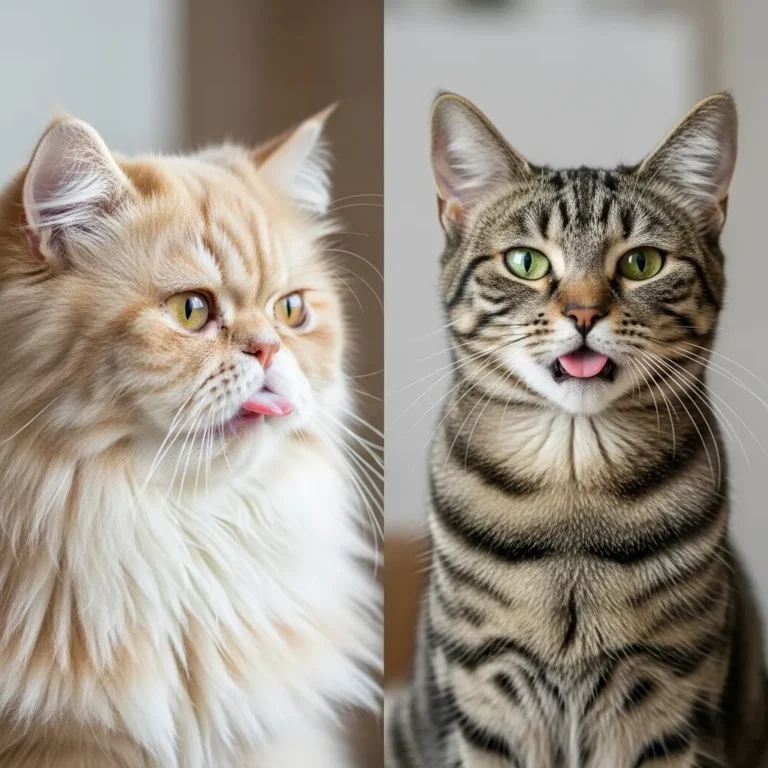
- Vocalizations: Meows, purrs, or hisses convey emotions. A constant meow might signal hunger or loneliness, while growling could indicate stress. See why cats meow at walls for quirky behaviors.
- Body posture: Relaxed cats sprawl out, while crouched postures suggest anxiety. Check out cat stress signs for deeper insights.

Pro Tip: Spend the first visit observing the cat’s behavior in their home environment. Note their favorite spots and routines to maintain consistency.
Identifying Stress Triggers
Cats thrive on routine, and disruptions can cause cat anxiety. Common triggers include unfamiliar people, loud noises, or changes in their environment.
- Minimize disruptions: Avoid rearranging furniture or introducing strong scents like air fresheners.
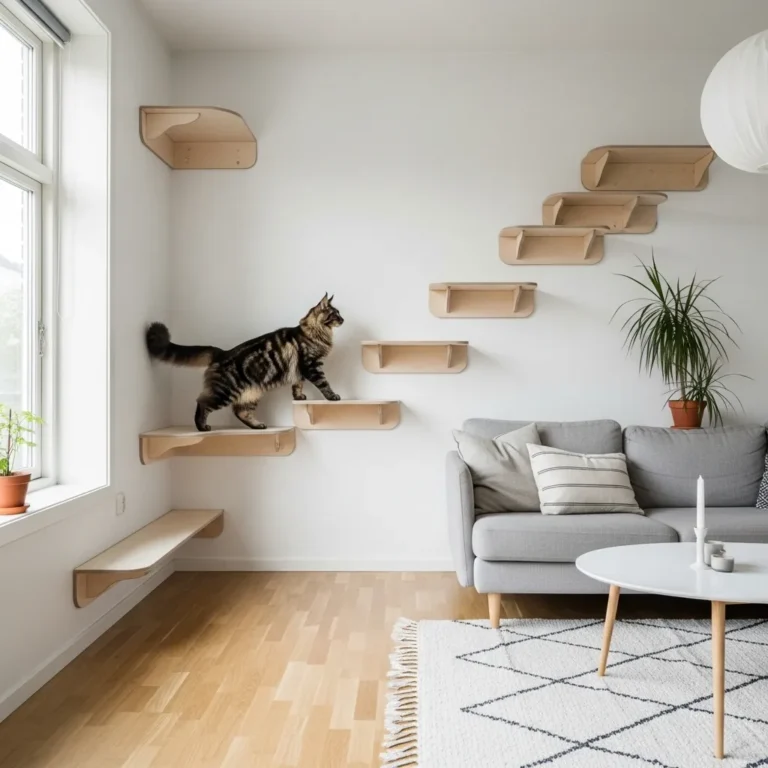
- Provide hiding spots: Cats feel secure in cozy spaces like cardboard boxes or under furniture. Discover more in our cat hiding behavior guide.
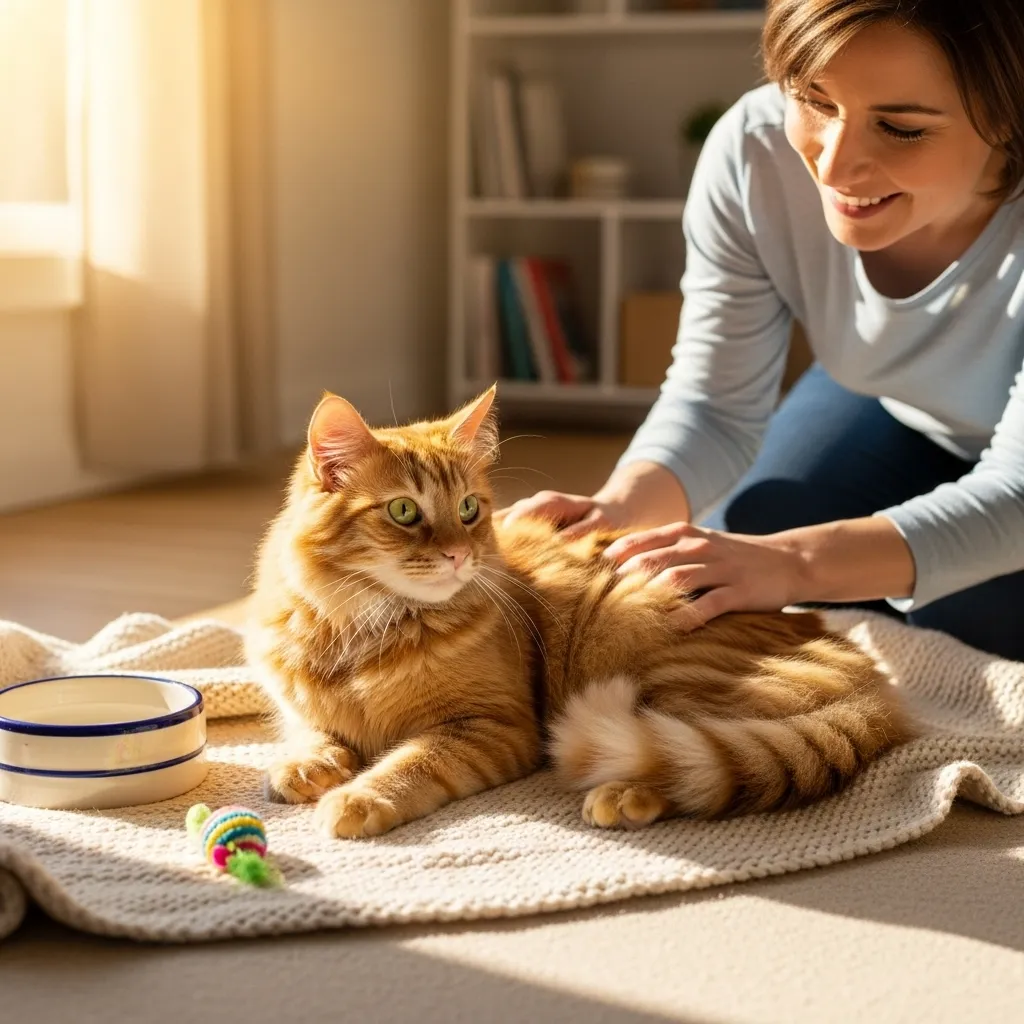
- Use familiar items: Keep their favorite blanket or toy accessible to reduce stress.
Vet Insight: Dr. Sarah Thompson, a feline behavior specialist, notes, “Cats are territorial. Maintaining their scent profile—like leaving their bedding untouched—reduces anxiety during the owner’s absence.”
Assessing Interactions with Other Pets
If the household has other cats or pets, observe their dynamics. Some cats are social, while others prefer solitude. Check out cats and dogs compatibility for multi-pet homes.
- Introduce gradually: If you’re bringing a new pet into the mix, follow slow introduction protocols.
- Monitor play: Ensure playtime doesn’t escalate into aggression. Separate pets if tensions arise.
Preparing for a Purr-fect Cat Sitting Experience
A well-prepared cat sitter is a confident one. Whether you’re offering professional cat sitting or helping a friend, preparation is key to a smooth experience.
Cat Sitting Preparation Essentials
Before the owner leaves, gather critical information to ensure seamless care.
- Meet-and-greet: Schedule a pre-sitting visit to meet the cat, discuss routines, and ask questions.
- Owner’s instructions: Request detailed notes on feeding, medications, and quirks. A cat sitter checklist printable can streamline this—download ours below!
- Emergency contacts: Have the owner’s contact, vet details, and a backup contact ready.

Real-Life Example: When Jane, a professional cat sitter, took on a Bengal cat client, she used a detailed checklist to note the cat’s high-energy play needs and specific diet, preventing stress-related behaviors. Learn more about Bengal cat personalities.
Creating a Safe and Nurturing Environment
A secure home is a happy cat’s haven. Follow these cat safety at home tips to keep your feline friend protected.
- Secure exits: Check windows, doors, and balconies to prevent escapes. See cat escape behavior for prevention tips.
- Remove hazards: Hide toxic plants, secure electrical cords, and store chemicals out of reach. Explore cat ate toxic plant guide for emergencies.
- Safe zones: Set up a quiet area with food, water, and a litter box for the cat to retreat to.
Engaging Playtime and Enrichment
Cats need mental and physical stimulation to stay happy. Incorporate cat playtime and enrichment to keep them engaged.
- Interactive toys: Feather wands, laser pointers, or puzzle feeders mimic hunting instincts.
- Rotate toys: Introduce new toys sparingly to maintain interest without overwhelming them.
- Daily play: Spend 15–20 minutes on active play to burn energy and reduce stress. Learn more in keeping Siamese cats entertained.
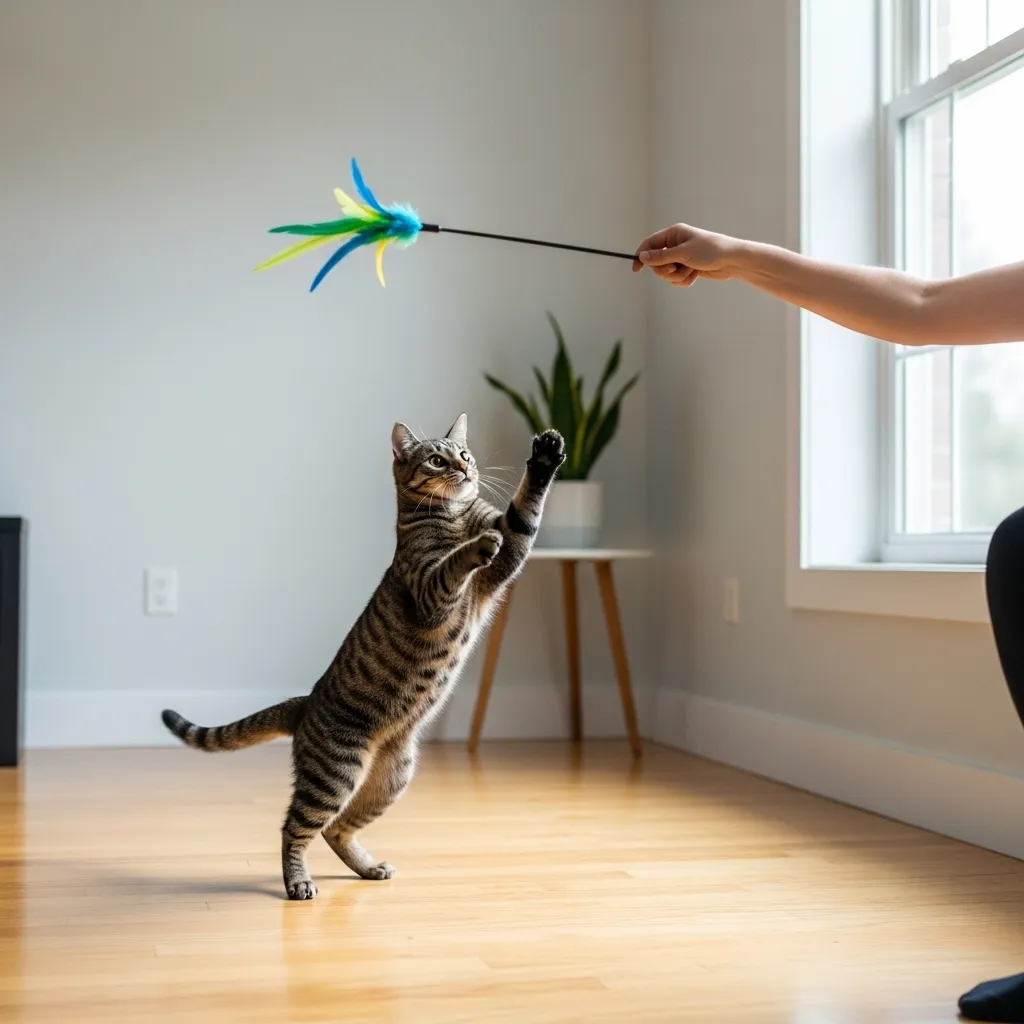
Pro Tip: For high-energy breeds like Bengals, try teaching them to fetch. Check out train American Shorthair to fetch for tips adaptable to any breed.
Cat Sitter Checklist: Your Go-To Guide
A comprehensive cat sitter checklist ensures no detail is overlooked. Here’s a detailed breakdown, plus a downloadable version for easy reference.
Feeding and Hydration
Proper nutrition and cat hydration are critical for feline health.
- Feeding schedule: Stick to the cat’s regular cat feeding schedule to avoid digestive upset. See choosing cat food for guidance.
- Portion control: Follow owner instructions for portion sizes, especially for wet or raw food diets. Check raw food portions for cats.
- Fresh water: Clean bowls daily and ensure access to fresh water. Use a pet fountain for cats who prefer running water.
Table: Common Feeding Mistakes to Avoid
| Mistake | Impact | Solution |
|---|---|---|
| Overfeeding | Obesity, digestive issues | Measure portions precisely |
| Ignoring special diets | Health complications | Follow vet-recommended diets |
| Dirty water bowls | Reduced hydration | Clean bowls daily |
Litter Box Maintenance
A clean litter box is non-negotiable. Follow these litter box maintenance tips:
- Scoop daily: Remove waste at least once a day to keep the box inviting.
- Full clean weekly: Replace litter and wash the box with mild soap. See cat litter training guide.
- Watch for issues: Changes in litter box habits may signal health problems. Explore cat urinary health.
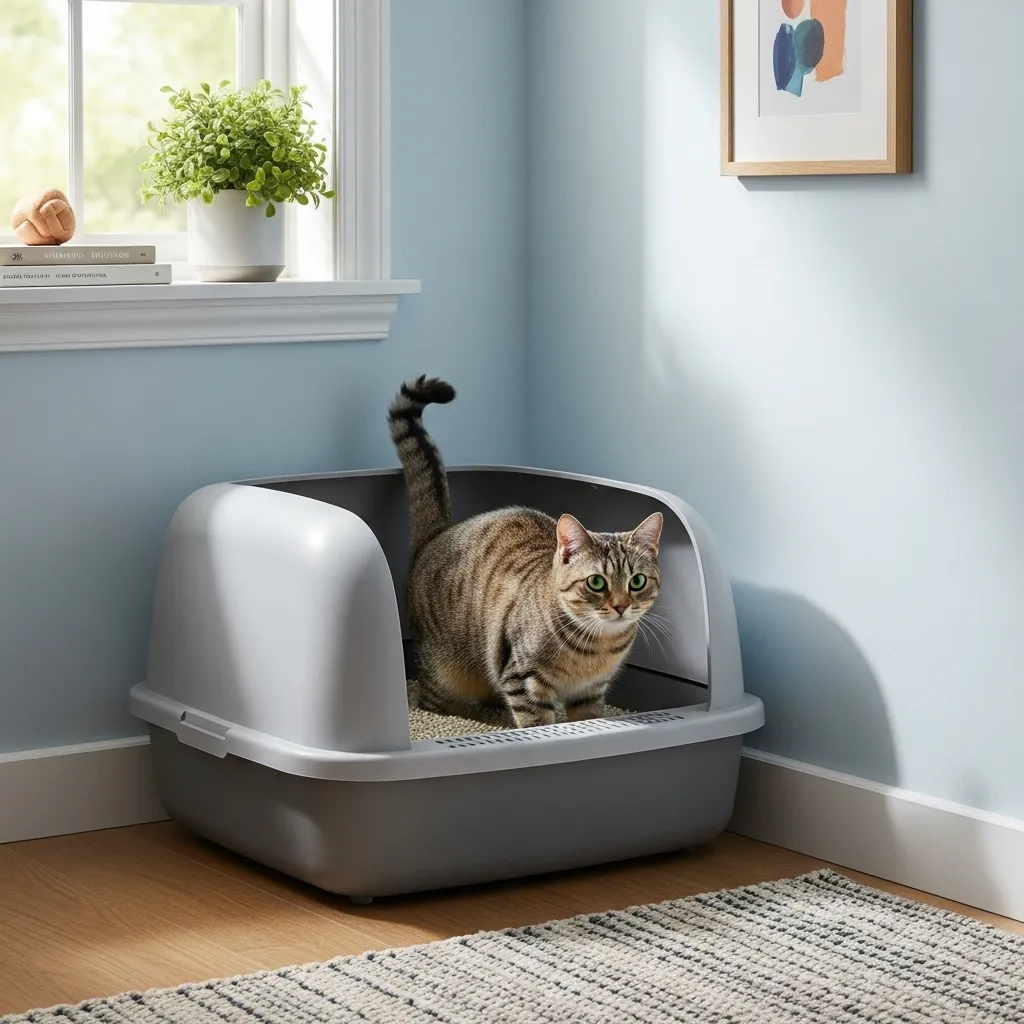
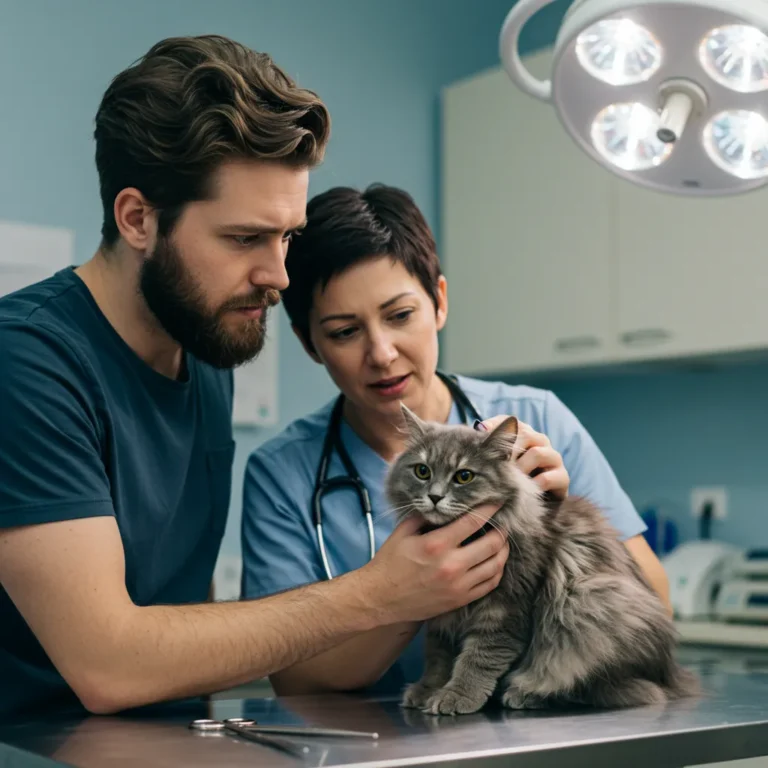
Vet Insight: “Changes in litter box behavior, like avoiding the box or straining, can indicate urinary issues or stress,” says Dr. Emily Rivera, DVM.
Healthcare and Medications
If the cat requires medication, precision is key.
- Follow instructions: Administer meds as directed, using pill pockets or syringes for ease.
- Monitor health: Watch for signs like vomiting, lethargy, or appetite loss. See cat not eating for red flags.
- Emergency prep: Keep the vet’s number and a pet first-aid kit handy. Learn about cat wound care.
Professional Cat Sitting vs. Casual Check-Ins
Not all cat sitting is created equal. Understanding the difference between professional cat sitting and casual check-ins helps you choose the right option.
- Professional cat sitting: Offers trained sitters with experience in feline care tips, behavior monitoring, and emergency handling. Ideal for cats with special needs or anxious personalities.
- Casual check-ins: Friends or neighbors dropping by for basic tasks like feeding and litter scooping. Best for low-maintenance cats and short absences.
Table: Professional vs. Casual Cat Sitting
| Feature | Professional | Casual |
|---|---|---|
| Expertise | Trained in cat behavior, health | Limited or no training |
| Availability | Scheduled visits, overnight options | Variable, often less reliable |
| Cost | Higher, reflects expertise | Free or low-cost |
| Emergency Handling | Vet contacts, protocols in place | May lack quick response |
For professional services, search for cat sitting services near me or explore cat sitter apps for trusted platforms.
Feline Care: Nutrition, Hydration, and Grooming
Beyond the basics, excellent cat sitting includes attention to cat grooming and hygiene, nutrition, and hydration.
Selecting the Right Food and Treats
Choose food that aligns with the cat’s dietary needs.
- Wet vs. dry food: Wet food aids cat hydration, while dry food supports dental health. See best wet cat food.
- Treats sparingly: Use treats for bonding or training, but avoid overindulgence.
- Special diets: Cats with conditions like diabetes need tailored diets. Check feeding cats with hyperthyroidism.
Ensuring Fresh Water
Hydration prevents urinary issues and supports overall health.
- Clean bowls: Wash bowls daily to prevent bacteria buildup.
- Encourage drinking: Place water away from food bowls, as cats prefer this. Learn more in ragdoll cat hydration tips.
Grooming Basics
Regular grooming keeps cats comfortable and healthy.
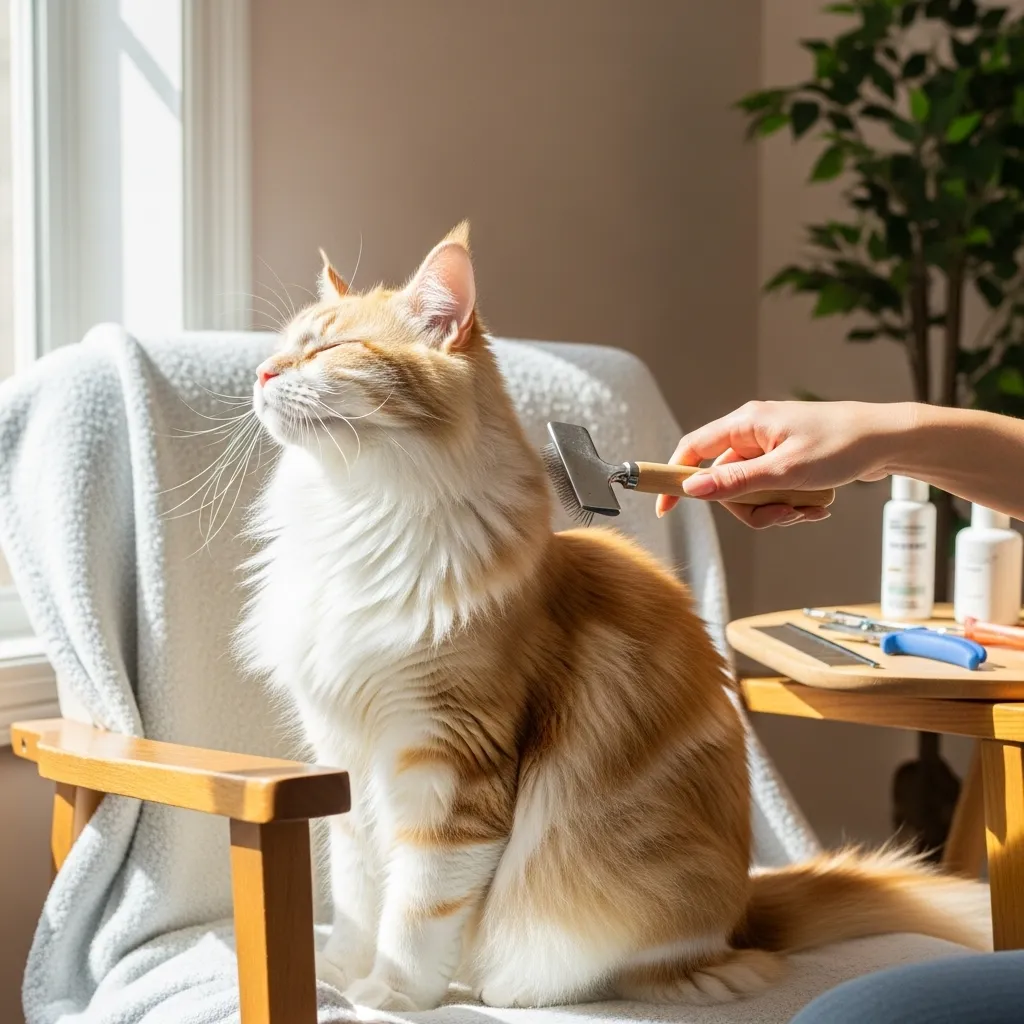
- Brushing: Reduces shedding and hairballs, especially for long-haired breeds like Persians. See Norwegian Forest cat grooming.
- Nail trimming: Prevents scratching damage. Check trim Siamese cats’ nails.
- Ear and dental care: Inspect ears for dirt and brush teeth if instructed. Explore Munchkin cat dental care.
Handling Cat Anxiety and Stress
Cats can experience cat anxiety when their routine is disrupted. Use these cat anxiety relief strategies to keep them calm.
- Pheromone diffusers: Products like Feliway mimic calming feline scents.
- Quiet environment: Avoid loud noises or sudden movements.
- Comfort items: Leave the cat’s favorite blanket or toy out. See cat stress signs for more.
Real-Life Example: When sitting for a Siamese cat, Lisa noticed excessive hiding. By using a pheromone diffuser and maintaining the cat’s routine, she reduced stress within a day. Learn more in Siamese cats scared easily guide.
Cat Sitting Jobs and Opportunities
Interested in turning your love for cats into a career? Cat sitting jobs are in demand, especially in 2025 with the rise of pet care apps.
- Platforms: Apps like Rover or Meowtel connect sitters with clients. Search for cat sitting near me to find local opportunities.
- Skills needed: Knowledge of cat behavior understanding and feline care tips sets you apart.
- Certifications: Consider pet first-aid or cat behavior courses to boost credibility.
Downloadable Cat Sitter Checklist
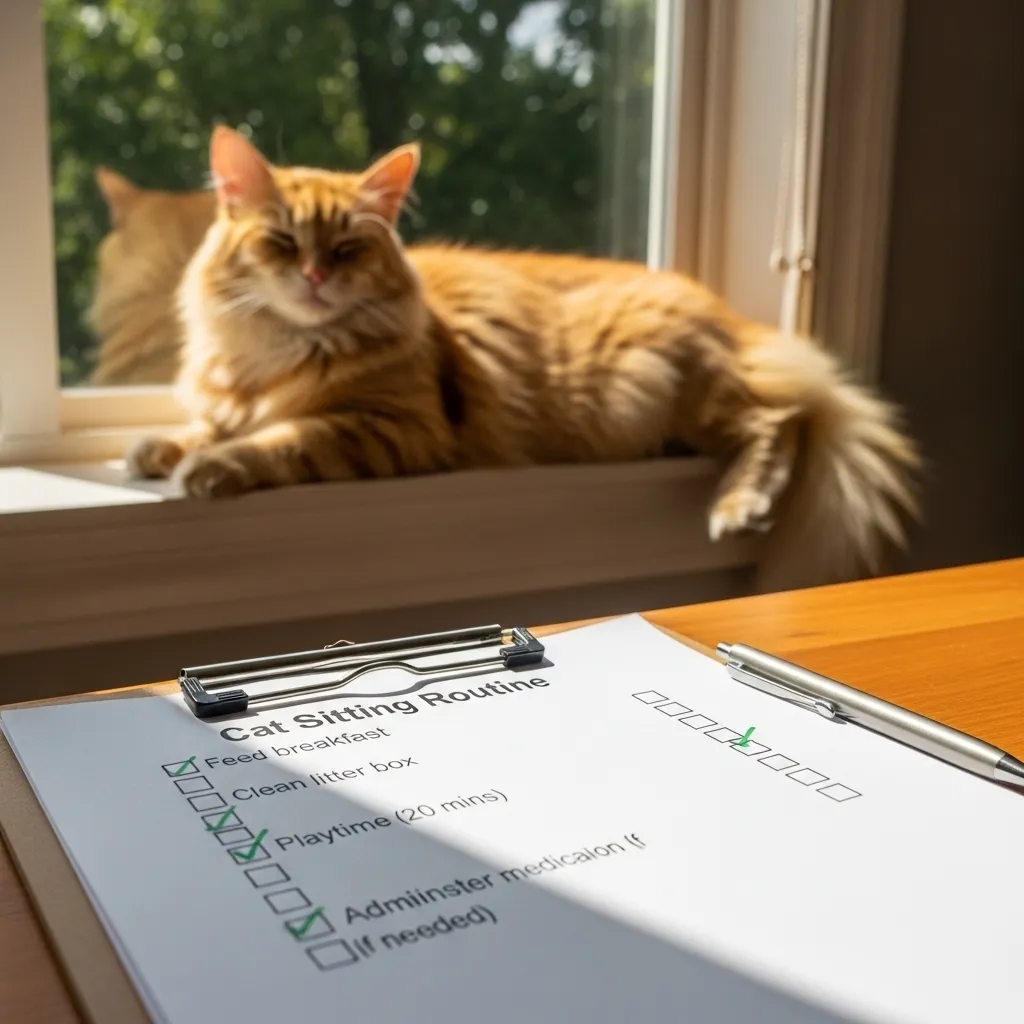
To make cat sitting a breeze, download our cat sitting checklist printable to keep track of tasks.
Checklist Snapshot:
- Feeding: Schedule, portions, special diets
- Water: Fresh daily, clean bowls
- Litter Box: Scoop daily, full clean weekly
- Playtime: 15–20 minutes daily
- Health: Monitor for changes, administer meds
- Safety: Secure home, remove hazards
- Emergency: Vet contacts, first-aid kit
FAQ: Your Cat Sitting Questions Answered
How do I know if cat sitting is right for me?
If you love cats, are patient, and can follow detailed instructions, cat sitting is a great fit. Experience with cat behavior understanding helps. Explore cat sitting jobs for more.
What are essential behavioral cues to watch for while cat sitting?
Look for tail position, vocalizations, and posture. A relaxed cat has a raised tail and purrs, while a stressed cat may hide or hiss. See cat tail language guide.
How can I minimize anxiety for a cat while its owner is away?
Maintain routines, use familiar items, and provide hiding spots. Pheromone diffusers can help. Check cat anxiety solutions.
What should be included in a cat sitting checklist?
Include feeding schedules, litter box care, playtime, medications, and emergency contacts. Download our cat sitter checklist printable above.
What’s the difference between professional cat sitting and casual check-ins?
Professional sitters offer expertise and reliability, while casual check-ins are less formal but may lack training. See the comparison table above.
How should I select food and treats for a cat while sitting?
Follow the owner’s instructions and choose vet-approved options. Avoid overfeeding treats. Learn more in choosing cat food.
How important is play and exercise for a cat’s well-being?
Daily play reduces stress and prevents obesity. 15–20 minutes of interactive play is ideal. See cat playtime and enrichment.
What should I do if the cat has a medical emergency?
Contact the vet immediately and follow their guidance. Keep emergency contacts handy. Check cat wound care for first-aid tips.
Conclusion: Be the Cat Sitter Every Feline Loves
Cat sitting is more than just feeding and scooping litter it’s about creating a safe, nurturing environment where cats thrive. By following this cat sitting guide, you’ll master cat sitting tips like reading behavior cues, maintaining routines, and ensuring safety. Whether you’re a professional sitter or helping a friend, these strategies ensure a stress-free experience for both you and the cat.
Ready to dive deeper? Explore more expert cat care and behavior guides on Cat Bloom Haven to become a feline care pro!