Cat Supply Donation Spots Near Me: Your Ultimate Guide to Donating Supplies and Supporting Local Cat Rescues
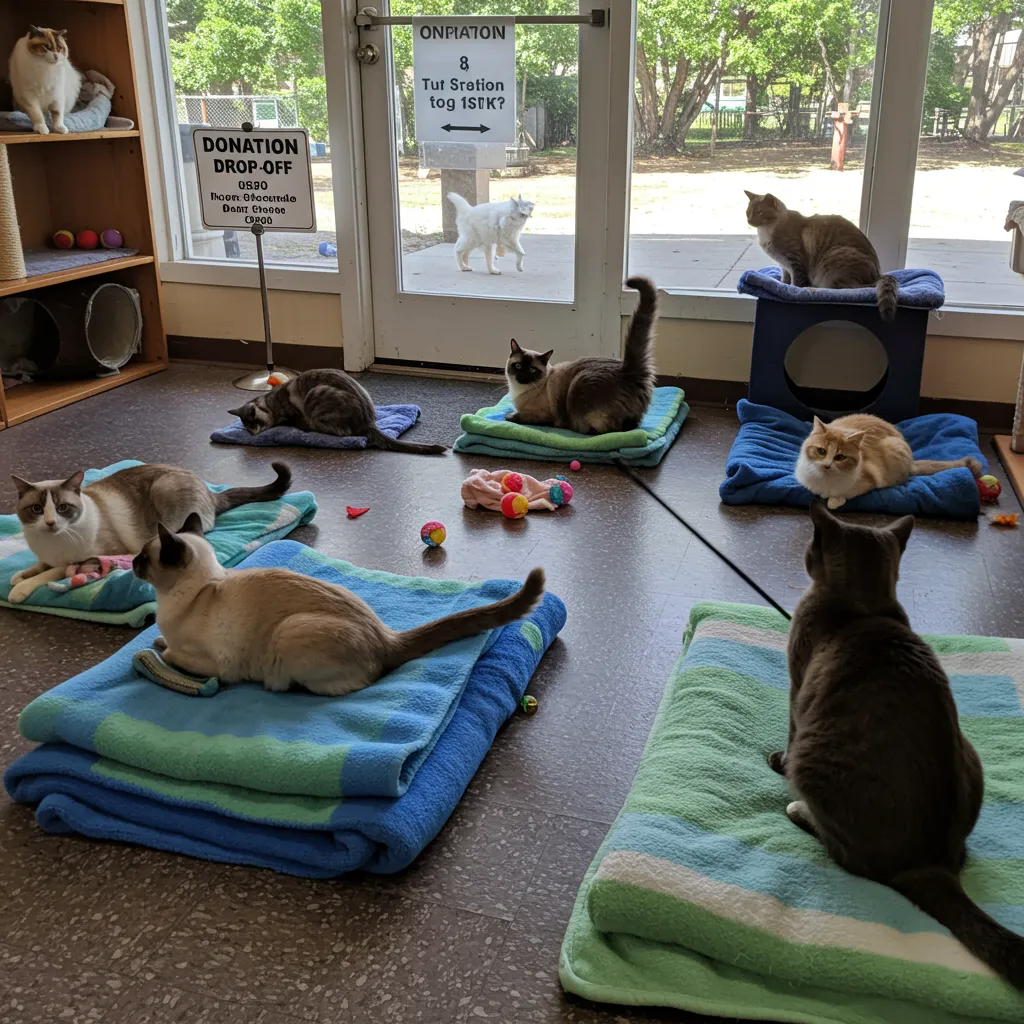
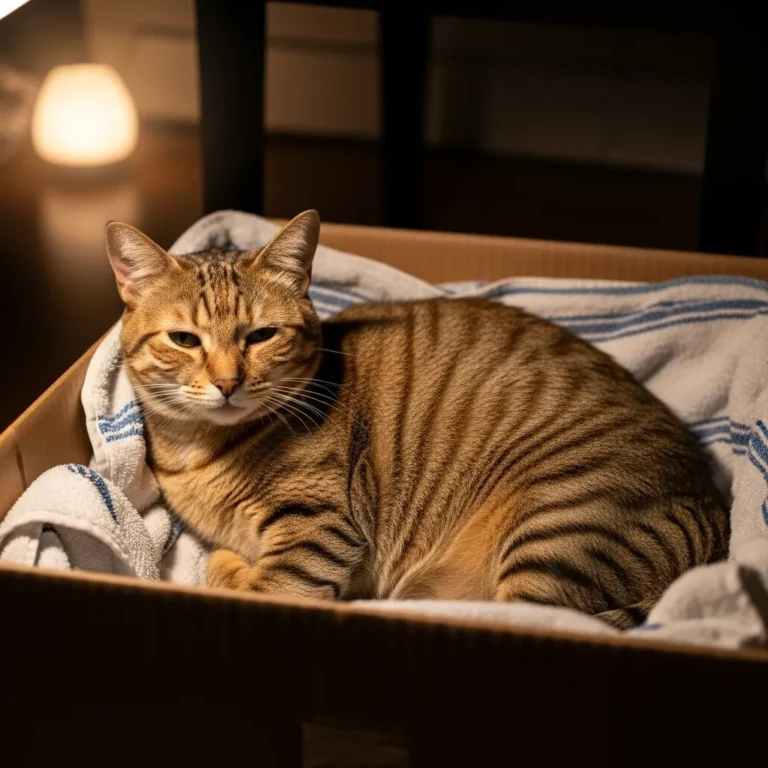
Imagine this: A scruffy tabby kitten, wide-eyed and trembling, curls up in a makeshift bed at a local shelter. She’s one of the lucky ones—rescued from a storm drain after a long night alone. But her story isn’t complete without the basics: a warm blanket, a scoop of kibble, and a clean litter box.
If you’ve ever searched for “cat supply donation spots near me,” you’re not alone. Thousands of cat lovers like you are looking for ways to turn extra supplies into lifelines for felines in need. The good news? Donating cat supplies isn’t just easy—it’s a game-changer for overcrowded shelters and rescues battling pet overpopulation.
In this comprehensive guide, we’ll walk you through everything you need to know about finding local cat supply donation centers, what items are most urgently needed, and how your contributions can ripple out to save lives. Whether you’re decluttering your garage or passionate about giving back, you’ll discover practical steps to make a real impact. By the end, you’ll feel empowered to act, knowing exactly where to drop off those unused toys or bags of food. Let’s dive in and turn your compassion into action for cats everywhere.
Key Takeaways: Quick Wins for Donating Cat Supplies
Before we get into the details, here’s a snapshot of what you’ll learn and why it matters. These bullet points are designed for busy readers scanning for answers—perfect for those quick Google searches on “donate cat supplies.”
- Finding Spots Near You: Use directories like Petfinder or Adopt-a-Pet to locate local shelters accepting donations; national orgs like the ASPCA and Humane Society branches often have drop-off points within 10 miles.
- Top Items to Donate: Unopened dry and wet cat food, new litter, blankets, and toys top wish lists—check specifics to avoid waste.
- Beyond Supplies: Consider volunteering at animal shelters, fostering cats, or funding spay/neuter programs to amplify your efforts.
- Pro Tip for Impact: Always call ahead; needs change seasonally, like extra warming beds in winter.
- Tax Perks: Donations to 501(c)(3) nonprofits qualify for deductions—keep receipts!
Armed with these insights, you’re ready to make a difference. Now, let’s explore how to pinpoint those cat supply donation locations near you.
Why Donating Cat Supplies Matters: The Bigger Picture for Feline Welfare
Every year, millions of cats enter U.S. shelters—about 3.2 million, according to the ASPCA, with cats making up over half. Many face overcrowding, stress, and limited resources. Your donated cat supplies directly combat this: A single bag of litter can keep a dozen cats clean for a week, reducing illness spread. And it’s not just about stuff—donating fosters community ties, educates on responsible pet ownership, and supports no-kill goals.
Take Sarah from Portland, Oregon, a busy mom who started donating spare supplies from her two cats. “I thought it was small,” she shares, “but the Portland Animal Welfare Team told me my boxes helped 20 families keep their pets during tough times.” Stories like hers show how “donate pet supplies” efforts sustain free pantries, preventing surrenders. Plus, with rising vet costs (up 7% in 2025 per AVMA data), shelters rely on these gifts to stretch budgets.
But where do you start? Let’s zero in on your neighborhood.
Uncovering Cat Supply Donation Spots Near Me: A Step-by-Step Search
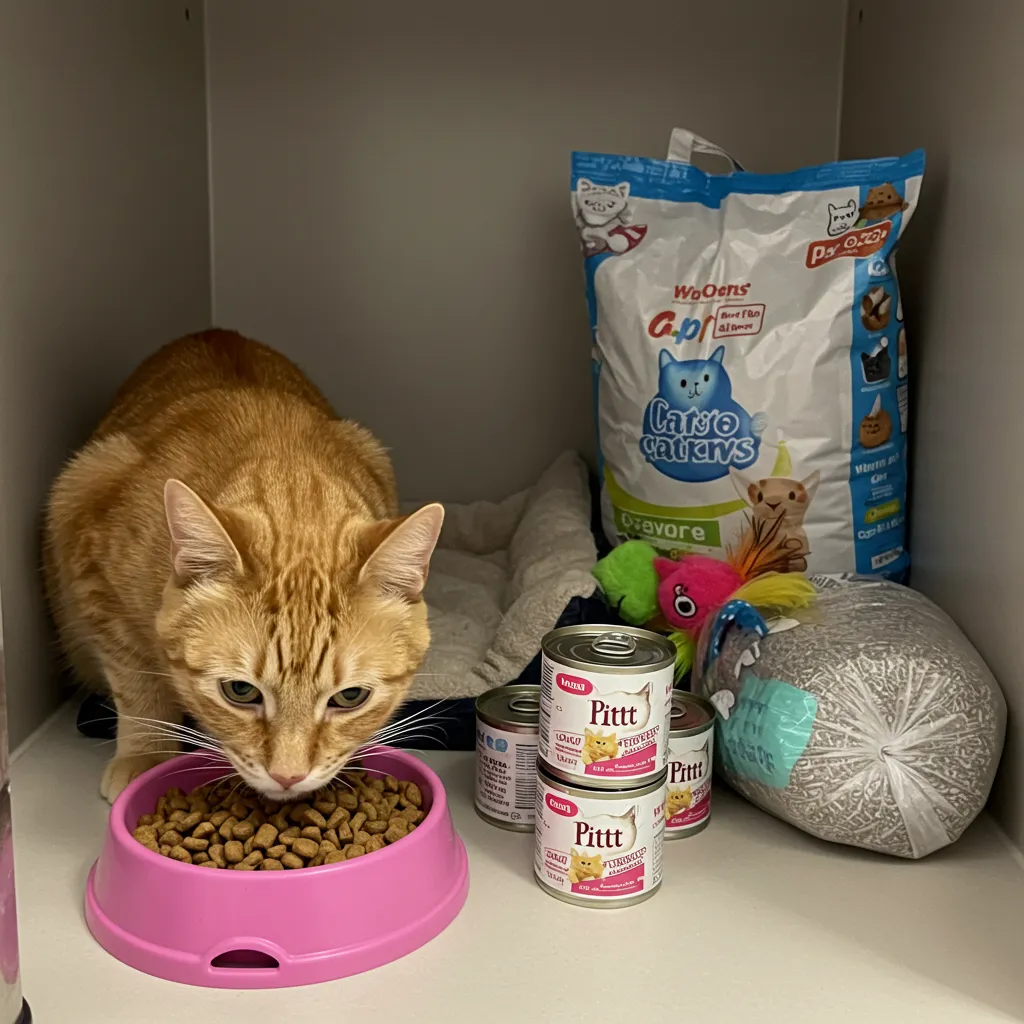
Searching “cat supply donation spots near me” yields endless lists, but not all are current or convenient. Here’s how to find vetted, local options efficiently—saving you time and ensuring your donations land where needed most.
Step 1: Leverage Online Directories for Instant Matches
Kick off with user-friendly tools tailored to pet lovers:
- Petfinder and Adopt-a-Pet: Enter your ZIP code to filter shelters and rescues accepting “donate cat supplies.” These sites link to 14,000+ orgs nationwide.
- Humane Society Locator: Their branch finder highlights local cat supply donation centers with drop-off hours.
- Google Maps Hack: Search “animal shelter near me + donations” and check reviews for recent updates on accepted items.
In urban areas like NYC, the Animal Care Centers accept drop-offs daily from 10 a.m. to 5 p.m. at Manhattan, Queens, and Staten Island sites—no appointment needed. Rural spots? Try county animal services, like Wake County’s Raleigh center, open for community drives.
Step 2: Spotlight National Orgs with Local Reach
Big names make donating seamless:
- ASPCA and Humane Society: Over 200 chapters; many host “pet supply drives” monthly. For example, the Maryland SPCA in Baltimore welcomes unopened food Tuesdays through Saturdays.
- Operation Blankets of Love: SoCal-focused but expanding; 50+ drop-offs for blankets and toys in places like Pet Supplies Plus in Stevenson Ranch.
- Best Friends Animal Society: Their NYC center takes everything from carriers to scratchers, with volunteer pickups available.
Pro Tip: Use Amazon or Chewy wish lists—ship directly to orgs like the Humane Rescue Alliance in D.C., bypassing transport hassles.
Step 3: Target Regional Hotspots for Maximum Local Impact
Donations shine brightest close to home. Here’s a curated table of standout local cat supply donation centers by region (based on 2025 data—verify hours):
| Region/Area | Organization/Example Spot | Accepted Items Highlights | Drop-Off Details |
|---|---|---|---|
| Northeast (NYC Area) | Animal Care Centers of NYC (Manhattan) | Unopened food, clean towels, toys | Daily 10AM-5PM; multiple borough sites |
| Northeast (MD/VA) | Maryland SPCA (Baltimore) / SPCA NOVA | Wet/dry food, litter, gently used beds | Weekdays; email for large pickups |
| Midwest (MN Area) | Animal Humane Society (Golden Valley) | Enrichment toys, new scratchers, food | Business hours; ship via Amazon |
| South (NC/VA) | Wake County Animal Center (Raleigh) | Kibble, pee pads, blankets (no pillows) | Mon-Sat; designated bin outside |
| West (CA SoCal) | spcaLA (Long Beach) / SVACA (Santa Clara) | Canned food, leashes, grooming supplies | Wed-Sun 10AM-3PM; buzzer entry |
| West (OR Area) | PAW Team (Portland) | All new/gently used; no expired food | Tue-Thu 10AM-3PM; open to public |
This table isn’t exhaustive—adapt it to your ZIP via the tools above. In high-density spots like LA, centers like LA Animal Services’ East Valley Pantry prioritize bulk food donations.
Step 4: Call Ahead and Prep for Smooth Drop-Offs
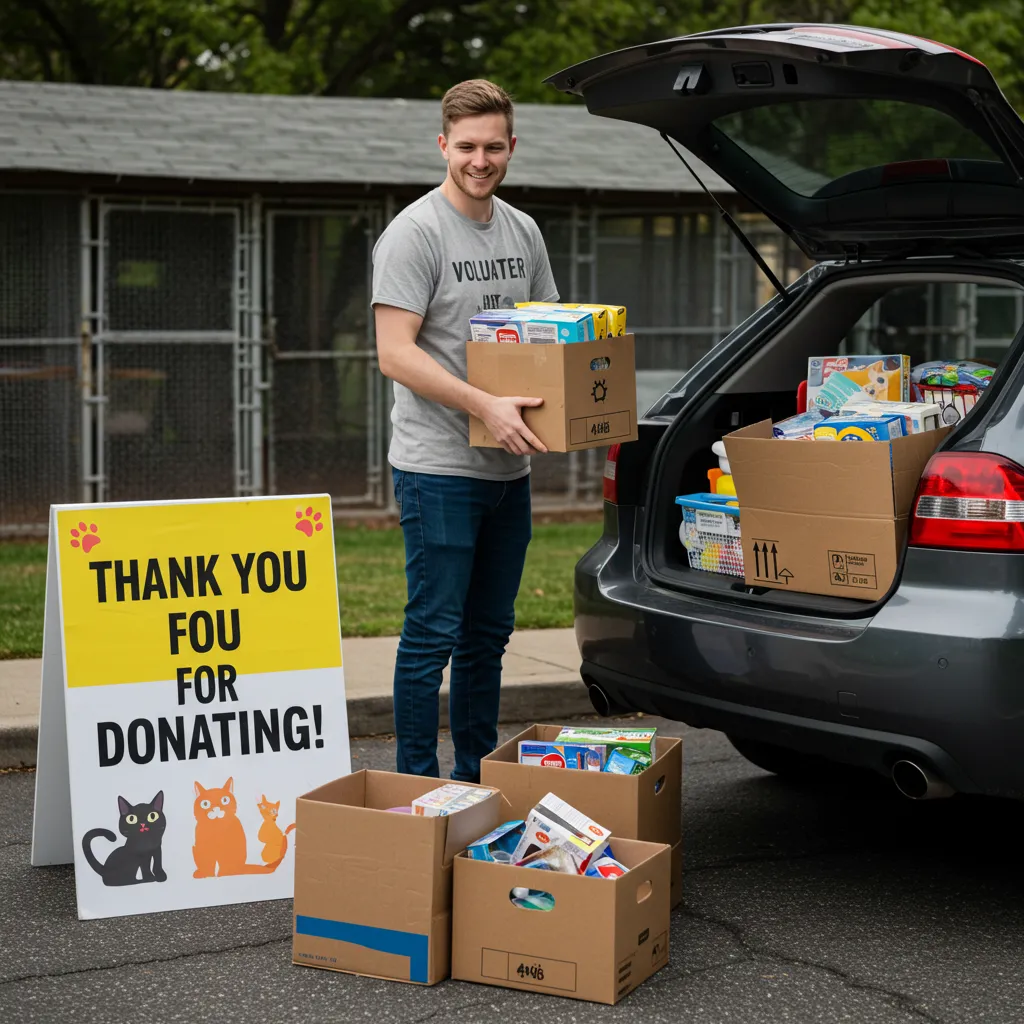
Needs fluctuate—holidays spike toy demands, winters boost bedding. A quick call confirms: “Do you take opened food?” (Many say no to avoid spoilage.) Pack donations in reusable bags, snap a receipt photo for taxes, and note the org’s EIN for deductions.
By following these steps, you’ll turn “cat supply donation locations” from a vague query into targeted action. Next up: What to donate for the biggest purr-sonal impact.
Items Needed for Cat Supply Donations: What Shelters Crave Most
Not all donations are equal—shelves overflow with mismatched items, wasting volunteer time. Focus on high-demand “items needed for cat supply donations” to ensure yours get used pronto. Based on 2025 wish lists from 20+ orgs, here’s the scoop.
Essential Food and Nutrition Staples
Cats are obligate carnivores; quality fuel keeps them thriving.
- Dry Kibble: Unopened bags of premium brands like Hill’s Science Diet or Purina Pro Plan (adult/kitten formulas). Why? Lasts longer, easier to store—shelters go through 500 lbs weekly.
- Wet Canned Food: Friskies, Wellness, or EVO in cases. Vital for dehydrated or senior cats; one can feeds a kitty for a day.
- Treats: Soft options like Pup-Peroni (cat-safe) or chicken jerky—unopened only, no rawhide.
Vet Insight: Dr. Elena Ramirez, a feline specialist, notes, “Nutrient-dense food prevents obesity and supports immune health in stressed shelter cats.” Avoid expired or generic brands; they can cause digestive issues.
Hygiene and Comfort Must-Haves
Cleanliness equals health—litter and bedding top every list.
- Cat Litter: New bags of clumping clay (e.g., Dr. Elsey’s Attract for kittens). Arm & Hammer varieties work too; a 40-lb bag serves 50 cats.
- Blankets and Towels: Gently used, machine-washable fleece or cotton—no pillows or comforters, as they’re hard to sanitize.
- Litter Boxes and Scoops: New or sanitized plastic ones; stainless steel bowls for water/food resist bacteria.
Real-Life Example: At the SPCA of Northern Virginia, donated pee pads cut cleaning time by 30%, freeing staff for adoptions.
Toys, Enrichment, and Medical Essentials
Bored cats stress-eat; engaged ones adopt faster.
- Toys: Wand teasers, catnip mice, laser pointers, and durable scratchers (new Kong Squeezz or Nylabones). Cardboard scratchers are gold for ferals.
- Beds and Carriers: Orthopedic beds for seniors; hard-sided carriers for transport—gently used OK if clean.
- Medical Supplies: Unexpired flea meds (Frontline), syringes, and bandages. Note: No human meds or opened treatments.
| Category | High-Demand Items | Why It Helps | Donation Notes |
|---|---|---|---|
| Food | Unopened kibble/canned (kitten/adult) | Prevents malnutrition; easy bulk storage | Check expiration; no raw/frozen |
| Hygiene | Clumping litter, pee pads, towels | Reduces disease; daily necessity | New litter only; wash used textiles |
| Comfort | Fleece blankets, cat beds | Eases shelter stress; boosts adoptability | No rips/soils; fleece preferred |
| Enrichment | Toys, scratchers, puzzle feeders | Mental stimulation; faster adoptions | New preferred; avoid destructible ones |
| Transport | Carriers, leashes (for fosters) | Safe vet trips; event mobility | Hard-sided; gently used fine |
Avoid: Soiled items, medications, or perishables—these create disposal headaches. Curate from wish lists for precision.
How to Donate Cat Supplies: Practical Tips for First-Timers
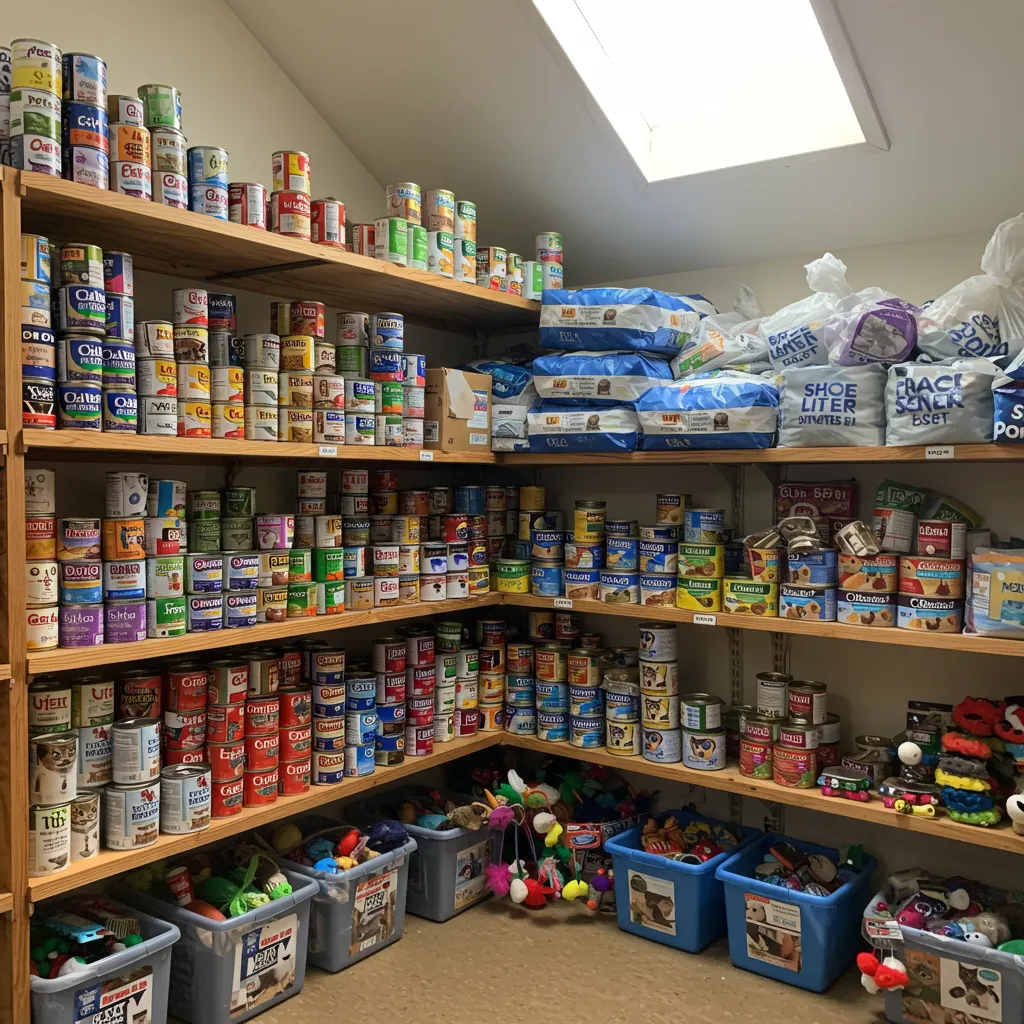
Ready to roll? Here’s your roadmap for seamless “how to donate cat supplies.”
- Assess Your Stash: Sort gently used vs. new—clean everything thoroughly.
- Choose Your Method: In-person drop-off (e.g., Silicon Valley Animal Care at 3370 Thomas Rd., Santa Clara), ship via Chewy, or host a drive at work/school.
- Organize a Drive: Theme it “Kitten Season Blitz” (spring/summer peaks). Promote on Nextdoor; aim for 100+ items.
- Track Impact: Follow up—many orgs share stories, like how your litter helped a feral colony.
Businesses: Partner with Petco for matching donations. Families: Involve kids for teachable moments on empathy.
Explore our detailed guide on cat adoption guide to see how donations feed into forever homes.
Beyond Donations: Volunteer at Animal Shelters to Amplify Your Love for Cats
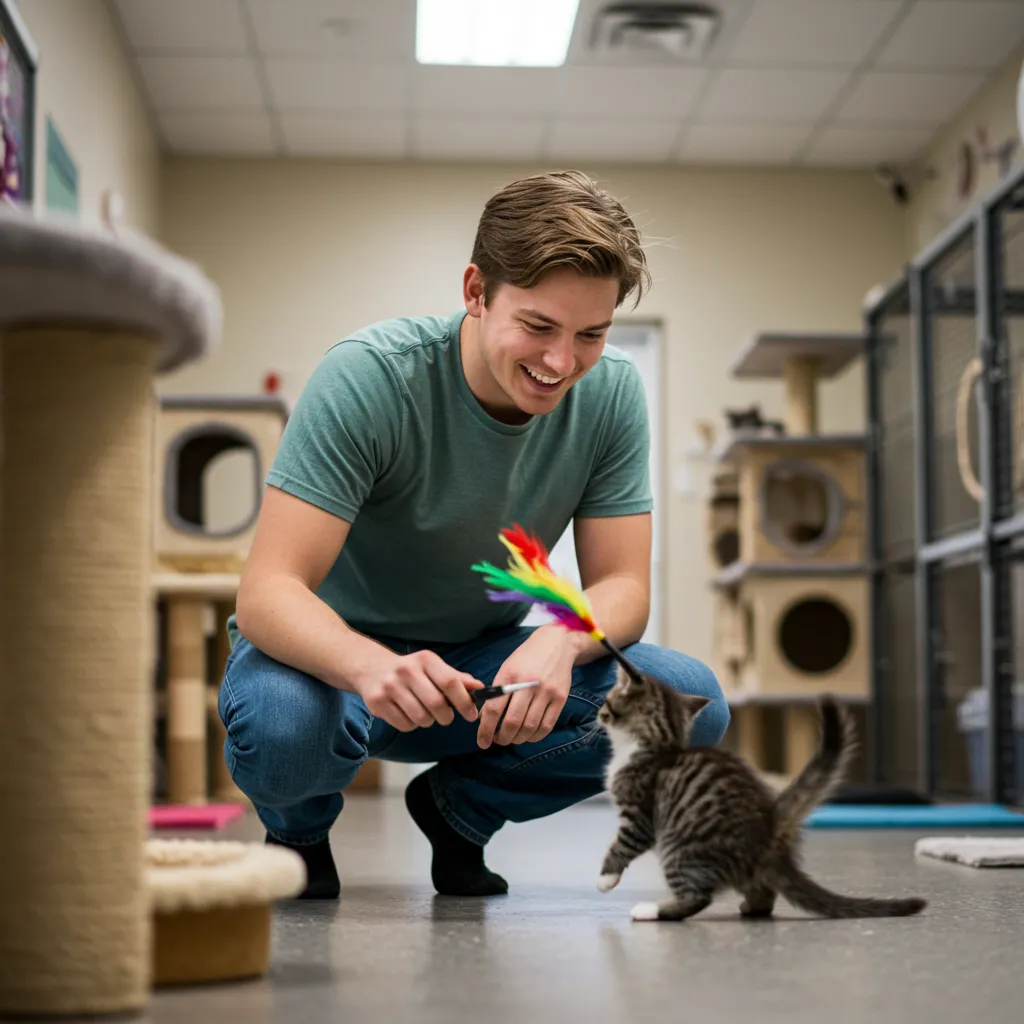
Supplies are step one—your time multiplies the magic. Volunteering at animal shelters transforms “help cats” from abstract to hands-on.
Why Volunteer? The Heart and Science
Studies show volunteers report 20% lower stress levels from animal interactions (per APA). For cats, it means socialization—shy ones become adoptable stars. Roles vary: Walk dogs, cuddle kittens, or staff events.
Getting Started: Easy Entry Points
- Apply Online: Sites like LA Animal Services need outgoing folks for adoptions; 16+ OK with training.
- Cat-Specific Gigs: Socialize in “cat cafes” at shelters—brush fur, play laser tag. Riverside County DAS seeks groomers for coat care.
- Group Opportunities: Schools/churches host “enrichment days”—build toys or read to cats.
Example: NYC’s ACC trains Level 1 volunteers for adoption rooms, escalating to shy cat handling. Commit 4 hours/week; flexibility rules.
Discover more tips in our cat training behavior guide—volunteering hones these skills.
Become a Foster Care Parent for Cats: The Ultimate Commitment
Fostering? It’s superhero-level giving: Provide a home bridge to adoption. Why? Shelter space opens, saving lives—fosters boost save rates by 90% (Best Friends data).
Is Fostering Right for You?
Assess: Smoke-free home? 18+ primary? Emotional readiness to say goodbye? Orgs like SAFE Haven supply food/litter; you offer love.
Step-by-Step to Fostering
- Apply: Complete forms at rescues like Houston Humane—background check included.
- Train: Orientations cover basics; optional kitten classes for neonates.
- Match and Care: Take mom+litter or shy adult. Monitor health; transport to vets (covered).
- Adoption Magic: Help with meet-and-greets; watch them thrive.
Challenges: Heart tugs at goodbye. Rewards: Watching a feral bloom. SF SPCA fosters calm stressed cats via play.
Vet Tip: Separate from your pets initially; quarantine prevents URI spread. Learn socialization in our Siamese cat hiding behavior guide.
Donate to Spay/Neuter Programs: Stopping Overpopulation at the Source
Donations save lives, but spay/neuter prevents litters— one unspayed cat + descendants = 420,000 in 7 years (ASPCA). Fund these for lasting change.
Key Programs to Support
- SNAP-USA: Affordable clinics; donate for vouchers—$150 covers a surgery.
- BISSELL Pet Foundation: Grants for underserved areas; their Fix the Future® spays 10,000+ yearly.
- Local Funds: Mass Animal Fund’s vouchers aid low-income owners; donate $25 for a feral fix.
How to Give Effectively
- Direct Donations: Online to CDFA’s Pet Lover’s program—funds 1,000+ surgeries annually.
- Fundraisers: Host TNVR drives; seek vet discounts.
- Impact Tracking: Orgs like Humane Solution report: 1,000 vouchers = thousands fewer strays.
Tie it to care: Spaying reduces mammary cancer by 90%. Dive deeper in our spaying a cat guide.
FAQ: Your Burning Questions on Cat Supply Donations Answered
Got queries? These snippet-optimized answers target “donate pet supplies” searches.
Where Can I Donate Cat Supplies Near Me?
Search Petfinder by ZIP for local shelters; examples include NYC ACC (daily drop-offs) or Portland’s PAW Team (Tue-Thu). Call to confirm.
What Items Are Needed for Cat Supply Donations?
Prioritize unopened food, new litter, clean blankets, and toys. Avoid meds or soiled goods—check wish lists.
How Can I Volunteer at an Animal Shelter?
Apply via org sites (e.g., LA Animal Services); roles include cat socialization. Training provided; 16+ often OK.
Can I Become a Foster Care Parent for Cats?
Yes! Orgs like ASPCA match based on space/time. They supply essentials; commit to vet trips and love.
How Can I Donate to Spay/Neuter Programs?
Fund via SNAP-USA or BISSELL grants—$50 covers a voucher. Local options like Mass Animal Fund target low-income fixes.
Conclusion: Paws for a Brighter Feline Future
You’ve got the tools: From cat supply donation spots near me to fostering and spay/neuter funding, every step counts. Start small—grab that extra kibble bag today—and watch your impact grow. At Cat Bloom Haven, we’re passionate about empowering cat parents and rescuers alike. Explore more expert cat care and behavior guides on Cat Bloom Haven, like our cat health care essentials or tips for Munchkin cat health issues. Together, let’s create a world where no cat goes without. What’s your first move? Drop off supplies this weekend—and share your story!